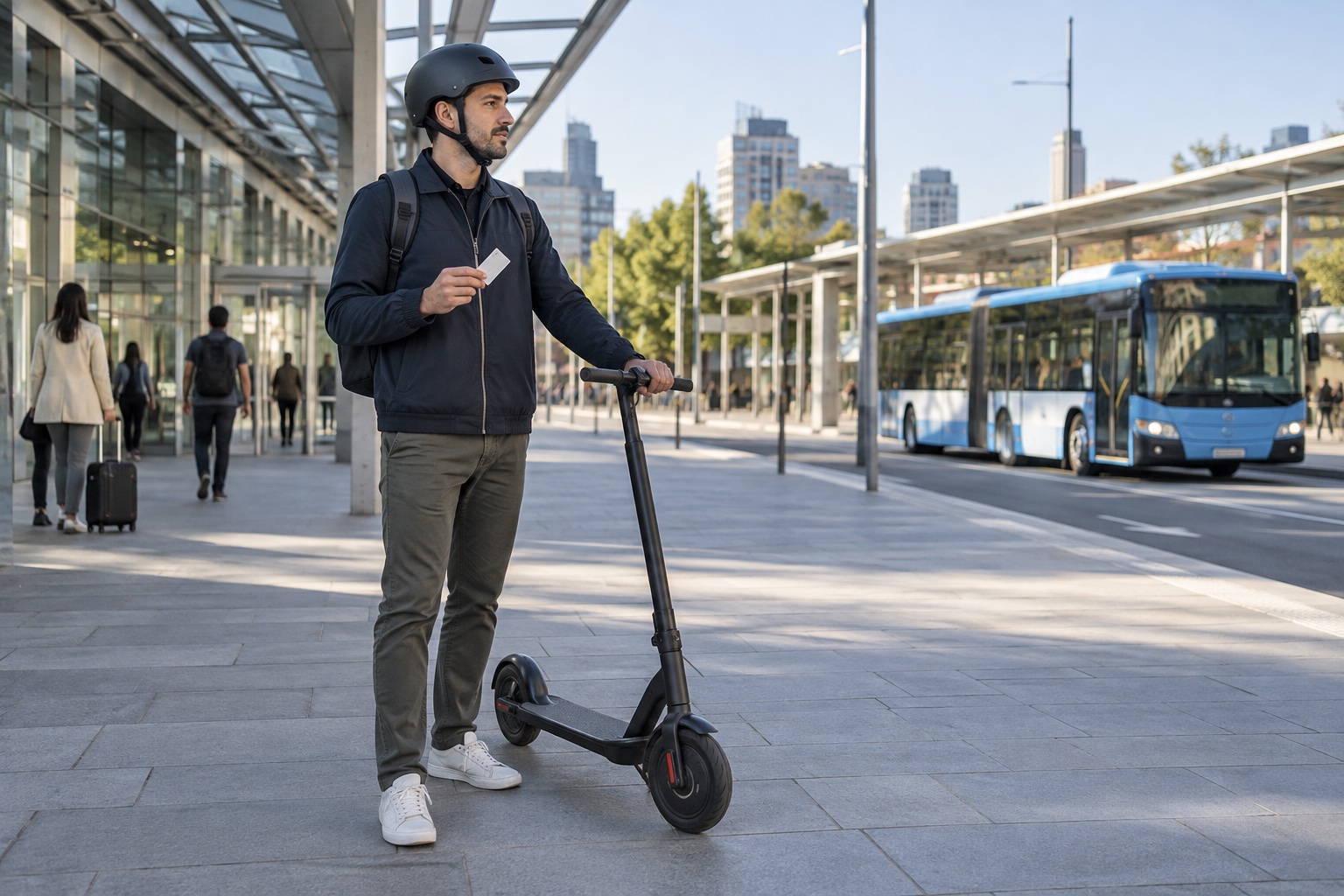
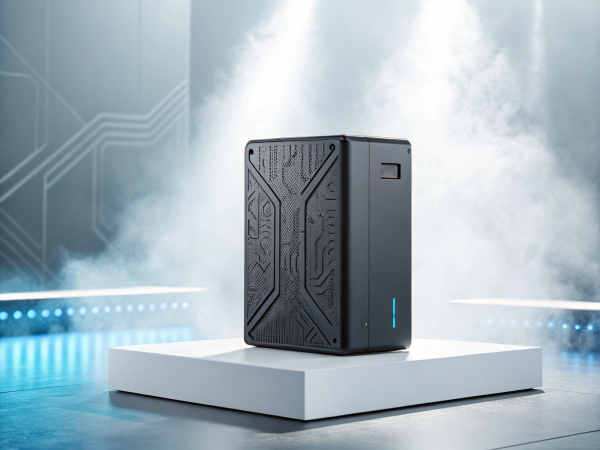
Electric scooter riders face a frustrating reality: dead batteries that leave them stranded. Without reliable power, your daily commute becomes unpredictable and stressful. Advanced battery innovations promise longer rides, faster charging, and worry-free transportation.
Electric scooter battery technology is rapidly advancing through lithium-ion improvements, solid-state developments, smart management systems, and wireless charging solutions. These innovations address current limitations like range anxiety, charging time, and safety concerns while paving the way for sustainable urban mobility.
But here’s the thing – the battery revolution is just getting started.
1. What Are the Current Limitations of Electric Scooter Batteries?
Electric scooter batteries face several challenges that limit their appeal to everyday riders. Range anxiety tops the list of concerns for most users.
Most electric scooters offer 15-25 miles of range on a single charge. This distance works for short trips but falls short for longer commutes. Riders often worry about running out of power mid-journey.
Charging time presents another major hurdle. Standard chargers require 4-8 hours for a full charge. Fast chargers can reduce this to 2-3 hours but remain expensive and less common.
Here’s why it matters – these limitations directly impact your daily routine and transportation choices.
Weight becomes problematic when batteries drain. A typical electric scooter weighs 25-40 pounds. This weight makes it difficult to carry when the battery dies. Most of this weight comes from the battery pack itself.
| Current Battery Limitation | Impact on Users | Typical Range |
| Range Anxiety | Limits trip planning | 15-25 miles |
| Charging Time | Reduces convenience | 4-8 hours |
| Weight Issues | Affects portability | 25-40 pounds |
Temperature sensitivity affects battery performance year-round. Cold weather can reduce range by 20-40%. Hot temperatures accelerate battery degradation. They also pose safety risks during operation.
Cost remains a barrier for many potential buyers. Quality batteries account for 30-50% of an electric scooter’s total price. Replacement batteries often cost $200-500. This makes repairs expensive for most users.
2. How Are Lithium-Ion Batteries Evolving for Electric Scooters?
Lithium-ion technology continues advancing through improved chemistry and design. These developments directly benefit electric scooter performance and reliability.
New cathode materials like lithium iron phosphate (LiFePO4) offer enhanced safety. They also provide longer cycle life than standard batteries. These batteries can handle 2,000-3,000 charge cycles. Standard lithium-ion batteries only manage 500-1,000 cycles.
Energy density improvements allow manufacturers to pack more power into smaller spaces. Modern cells achieve 250-300 Wh/kg. Older designs only reached 150-200 Wh/kg.
The best part? These improvements translate to real-world benefits you can feel immediately.
Silicon nanowire anodes replace traditional graphite in premium batteries. This change increases capacity by 30-40%. The physical size remains the same. Your scooter gains range without added weight.
| Lithium-Ion Advancement | Benefit | Improvement Rate |
| LiFePO4 Chemistry | Longer lifespan | 2-3x cycle life |
| Energy Density | More range | 25-50% increase |
| Silicon Anodes | Higher capacity | 30-40% boost |
Fast-charging capabilities now reach 80% capacity in 30-45 minutes. Advanced battery management prevents overheating during rapid charging. This speed makes electric scooters more practical for daily use.
Safety features include thermal runaway protection and cell-level monitoring. These systems prevent dangerous situations. They also extend battery life significantly. Smart algorithms optimize charging patterns based on your usage habits.
3. What Role Do Solid-State Batteries Play in Scooter Innovation?
Solid-state batteries represent the next major leap in energy storage technology. These batteries replace liquid electrolytes with solid materials. This change improves both performance and safety.
Safety advantages make solid-state batteries particularly attractive for personal transportation. They cannot leak like traditional batteries. They also cannot catch fire or explode. This safety improvement addresses major consumer concerns.
Energy density potential reaches 400-500 Wh/kg in solid-state designs. This improvement could double electric scooter range. The weight would remain the same. Longer trips become possible on a single charge.
Now, you might be wondering – when will these batteries become available for electric scooters?
Manufacturing challenges currently limit solid-state battery production. Complex fabrication processes keep costs high. Expensive materials also contribute to the price. Most experts predict commercial availability by 2027-2030.
| Solid-State Battery Feature | Advantage | Timeline |
| Safety Improvement | No fire risk | Available now (limited) |
| Energy Density | 2x range potential | 2027-2030 |
| Lifespan | 10+ year durability | 2028-2032 |
Temperature tolerance improves significantly with solid-state technology. These batteries maintain performance from -40°F to 140°F. Cold weather range loss drops to just 5-10%. This is much better than current batteries.
Charging speed could reach full capacity in 10-15 minutes once technology matures. Solid electrolytes handle high current flow without degradation. This speed would make electric scooters as convenient as gasoline vehicles.
4. How Will Battery Management Systems Transform Performance?
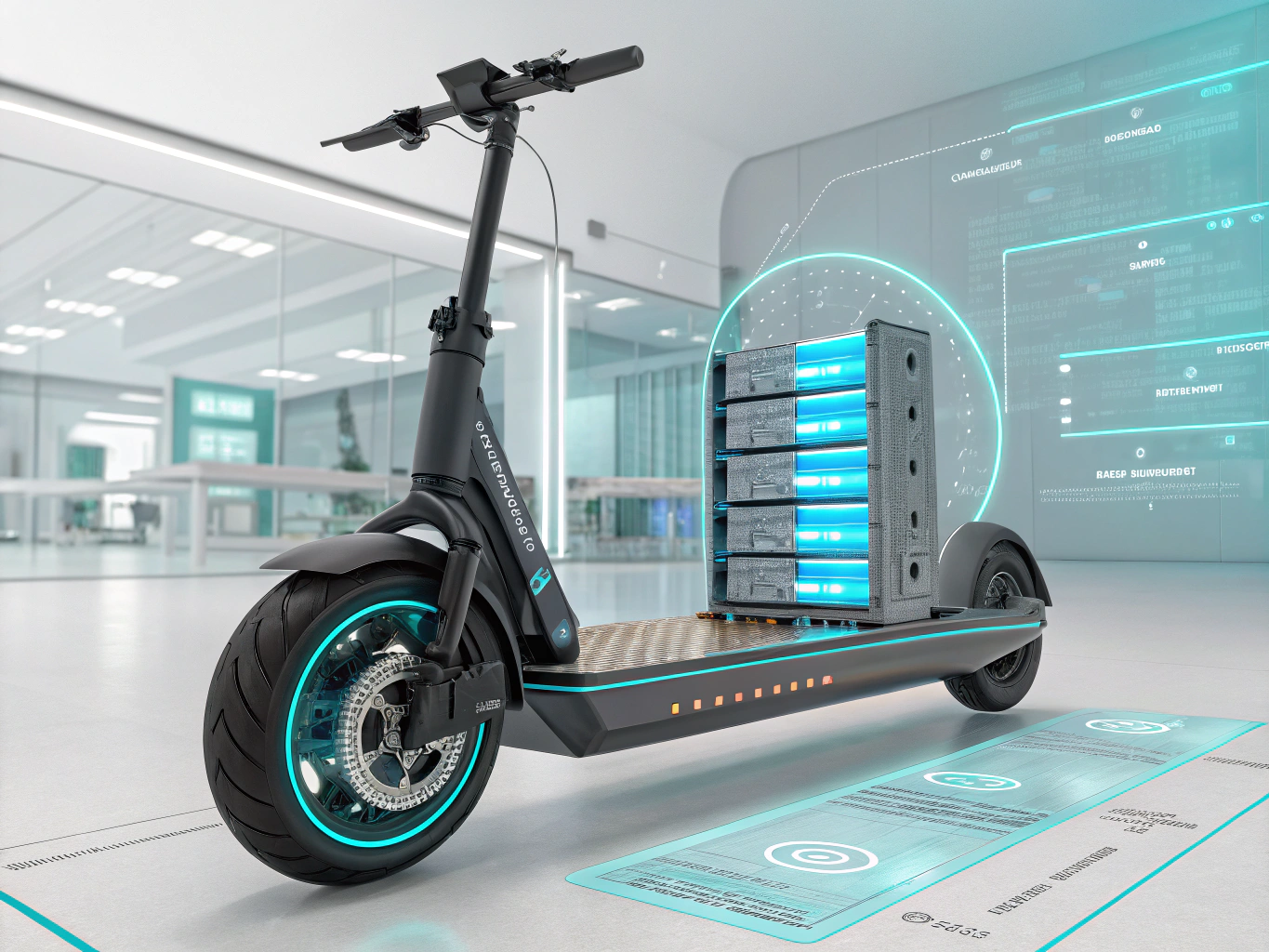
Smart battery management systems (BMS) revolutionize how electric scooters monitor and control power. These systems optimize performance while protecting battery health.
Real-time monitoring tracks voltage, current, temperature, and state of charge. Advanced algorithms predict remaining range based on riding conditions. They also consider battery health in their calculations. This data helps riders plan trips confidently.
Predictive maintenance alerts warn users before problems occur. The system detects cell imbalances and capacity loss. It also identifies potential failures early. Early warnings prevent unexpected breakdowns and extend battery life.
This is important because – a smart BMS can double your battery’s lifespan through proper care.
Temperature control systems actively manage battery heat during operation and charging. Cooling fans remove excess heat. Heat sinks distribute temperature evenly. Thermal sensors monitor conditions constantly. This control prevents damage and maintains performance.
| BMS Feature | Function | Benefit |
| Cell Monitoring | Tracks individual cells | Prevents failures |
| Range Prediction | Calculates remaining distance | Reduces anxiety |
| Thermal Management | Controls temperature | Extends lifespan |
Mobile app integration provides detailed battery information on your smartphone. You can check charge status remotely. Health metrics show battery condition. Maintenance schedules remind you of important tasks. Some systems even locate your scooter if stolen.
Adaptive charging adjusts power delivery based on battery condition and temperature. The system charges quickly when safe. It slows down to prevent damage when needed. This intelligence maximizes both speed and longevity.

5. What Impact Will Wireless Charging Have on Electric Scooters?
Wireless charging technology promises to eliminate the hassle of plugging in your electric scooter. This convenience could accelerate adoption among busy urban commuters.
Inductive charging pads allow riders to simply park over a charging station. Power transfers through electromagnetic fields. No physical connections are required. This method reduces wear on charging ports and cables.
Convenience benefits extend beyond simple operation. Wireless charging enables automatic charging when parked at home or work. You never forget to plug in. The system handles it automatically.
Here’s the deal – wireless charging could make range anxiety obsolete through ubiquitous charging infrastructure.
Infrastructure requirements include installing charging pads in parking areas. Sidewalks and buildings would need them too. Cities would need significant investment to create comprehensive networks. Early installations focus on high-traffic areas.
| Wireless Charging Aspect | Current Status | Future Potential |
| Efficiency Rate | 85-90% | 95%+ possible |
| Charging Speed | Slower than wired | Matching wired speeds |
| Infrastructure Cost | High initial investment | Decreasing over time |
Efficiency considerations show wireless charging loses 10-15% of energy compared to wired connections. However, improvements in coil design are closing this gap. Power electronics are also getting better. Future systems may match wired efficiency.
Cost implications include higher upfront expenses for both infrastructure and scooter modifications. Wireless charging adds $100-300 to scooter prices initially. Mass production should reduce these costs significantly over time.
6. How Are Manufacturers Addressing Battery Sustainability?
Environmental concerns drive manufacturers to develop sustainable battery solutions. These efforts address the full lifecycle from production to disposal.
Recycling programs recover valuable materials like lithium, cobalt, and nickel from used batteries. Companies partner with specialized facilities to process old batteries safely. This recovery reduces mining needs for new materials.
Eco-friendly materials replace problematic elements in battery construction. Manufacturers reduce cobalt usage due to mining concerns. Alternative chemistries eliminate rare earth elements where possible.
What does this mean for you? Sustainable batteries cost less over time while reducing environmental impact.
Second-life applications give used electric scooter batteries new purposes. These batteries can power home energy storage systems. They also work well for backup power. This reuse extends total battery value and reduces waste.
| Sustainability Initiative | Environmental Benefit | Implementation Status |
| Battery Recycling | 95% material recovery | Expanding globally |
| Cobalt Reduction | Ethical sourcing | In progress |
| Second-Life Use | Extended battery value | Early adoption |
Carbon footprint reduction focuses on manufacturing processes and transportation. Companies invest in renewable energy for battery production. Local manufacturing reduces shipping emissions significantly.
Circular economy approaches design batteries for easy disassembly and material recovery. Standardized components simplify recycling processes. This design philosophy reduces waste throughout the product lifecycle.
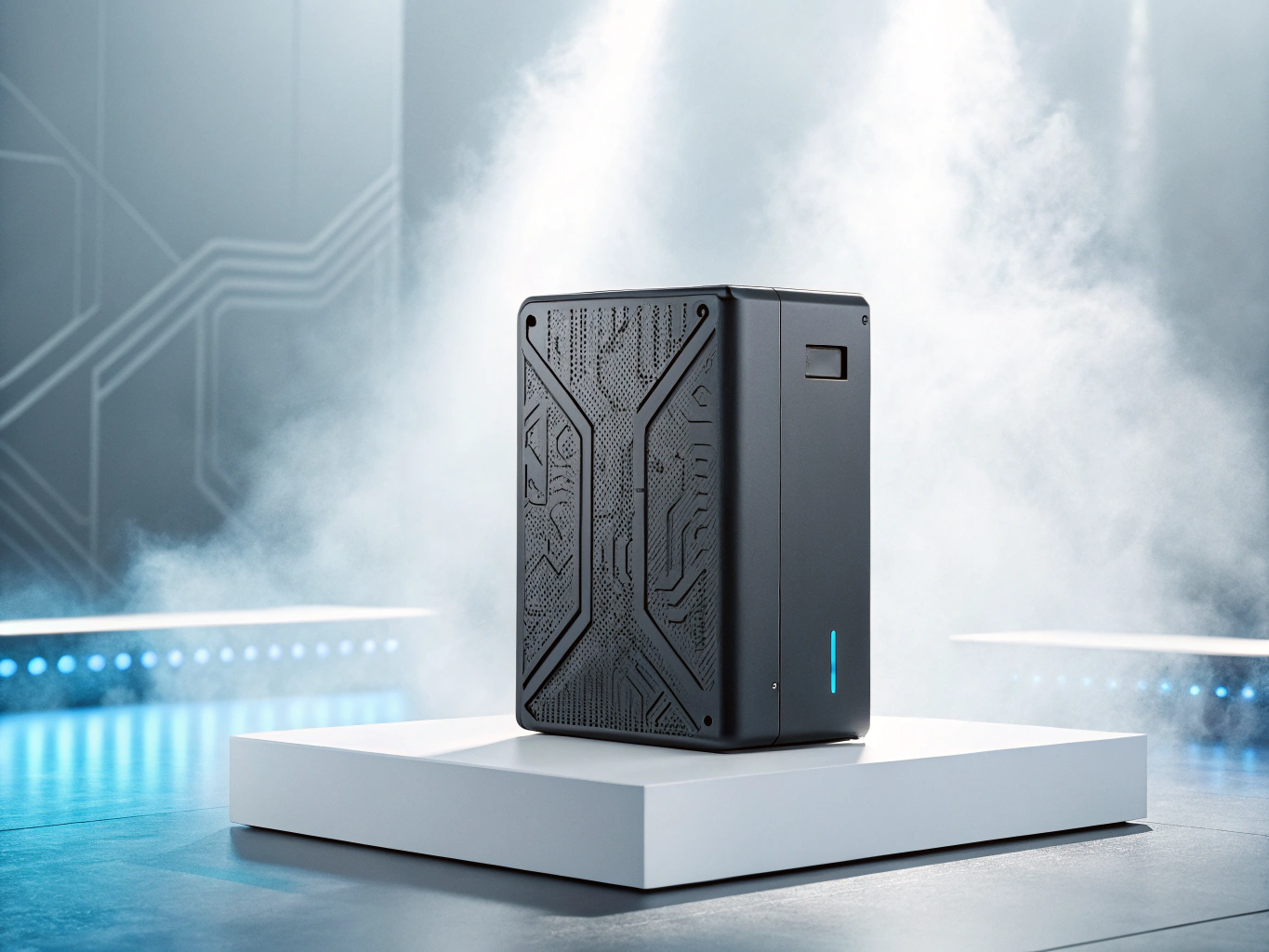
7. What Does the Future Hold for Electric Scooter Battery Technology?
The next decade promises revolutionary changes in electric scooter battery technology. Multiple innovations will converge to create superior riding experiences.
Emerging technologies include graphene batteries, aluminum-air cells, and hydrogen fuel cells. Each offers unique advantages for specific applications. Graphene provides ultra-fast charging capabilities. Aluminum-air delivers extreme range potential.
Market predictions show battery costs dropping 50-70% by 2030. This reduction makes electric scooters more affordable for mainstream adoption. Performance improvements will accompany cost reductions.
The bottom line? Future batteries will charge faster, last longer, and cost less than today’s technology.
Smart city integration connects electric scooters to urban infrastructure. Traffic lights could include charging capabilities. Parking meters and street lamps might too. This integration creates seamless transportation networks.
| Future Technology | Expected Benefit | Timeline |
| Graphene Batteries | 5-minute charging | 2028-2032 |
| Aluminum-Air Cells | 200+ mile range | 2030-2035 |
| Hydrogen Fuel Cells | Instant refueling | 2025-2030 |
Cost reduction projections indicate battery prices falling from $150/kWh to $50/kWh by 2030. This dramatic decrease makes electric scooters competitive with traditional transportation. Mass adoption becomes economically viable.
Performance improvement forecasts predict 100+ mile ranges and 10-minute charging times. These capabilities transform electric scooters from short-trip vehicles to primary transportation. Urban mobility patterns will shift accordingly.
Conclusion
Electric scooter battery innovations are reshaping urban transportation. Improved lithium-ion chemistry leads the way. Solid-state development follows close behind. Smart management systems optimize performance. Sustainable practices protect the environment.
These advances address current limitations effectively. They promise dramatic improvements in range, charging speed, and reliability. Here’s why it matters – better batteries make electric scooters practical for daily commuting and long-distance travel.
The convergence of these technologies will deliver impressive results by 2030. Expect 100+ mile ranges and 10-minute charging times. Battery lifespans will exceed 10 years. For riders seeking reliable, efficient transportation, Dynamic Scooter offers cutting-edge battery technology. We provide industry-leading performance and warranty coverage.
Contact our team today to experience the future of electric mobility. Join thousands of satisfied customers who’ve made the switch to sustainable transportation.

FAQ
Q1: How long do electric scooter batteries typically last?
Most electric scooter batteries last 2-4 years or 300-500 charge cycles, depending on usage patterns, maintenance, and battery quality. Proper care can extend battery life significantly.
Q2: Can I replace my electric scooter battery with a higher capacity one?
Battery replacement depends on your scooter model and compatibility. Always consult manufacturer specifications and consider voltage, size, and connector compatibility before upgrading.
Q3: What factors affect electric scooter battery performance in cold weather?
Cold temperatures reduce battery capacity by 20-40%, slow charging speeds, and can damage batteries if charged below freezing. Store scooters indoors during winter months.
Q4: How much do replacement batteries cost for electric scooters?
Replacement batteries typically cost $100-400, depending on capacity and brand. Higher-quality batteries with longer warranties often provide better long-term value.
Q5: Are there any safety concerns with electric scooter batteries?
Modern batteries include safety features like overcharge protection and thermal management. However, avoid extreme temperatures, physical damage, and always use manufacturer-approved chargers.