
Pregnancy brings new worries about daily activities. Electric scooter safety becomes a big concern. Many expecting mothers face transport challenges. They wonder if their usual ways of getting around stay safe. The wrong choice could put both mother and baby at serious risk.
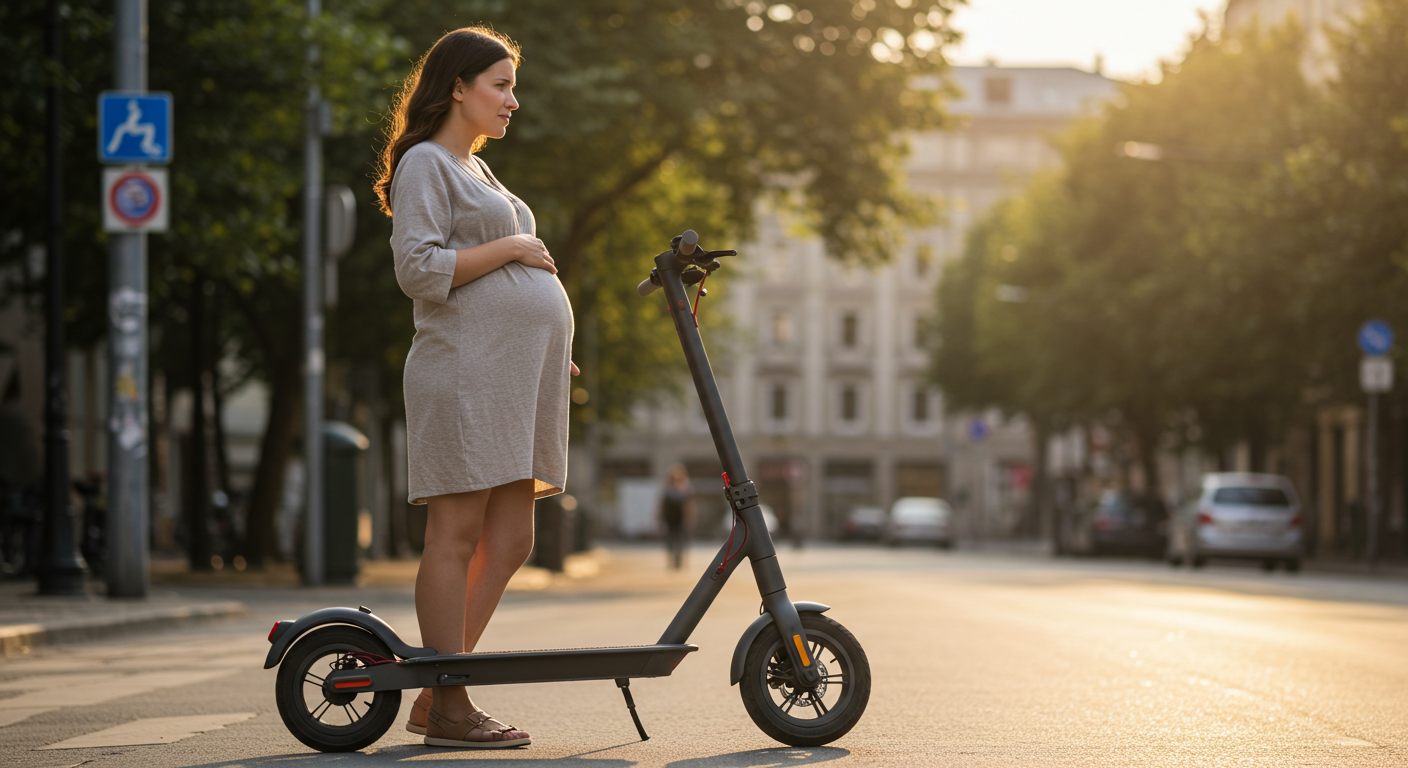
Riding electric scooters during pregnancy is not recommended. This is due to higher fall risks and balance changes. There’s also potential harm to both mother and baby. Medical experts tell pregnant women to pick safer transport options. This helps avoid accidents that could cause injury or pregnancy problems.
But here’s the thing… Knowing the specific risks helps you make smart choices. You can decide how to get around safely during pregnancy.
1. What Are the Main Safety Risks of Riding Electric Scooters While Pregnant?
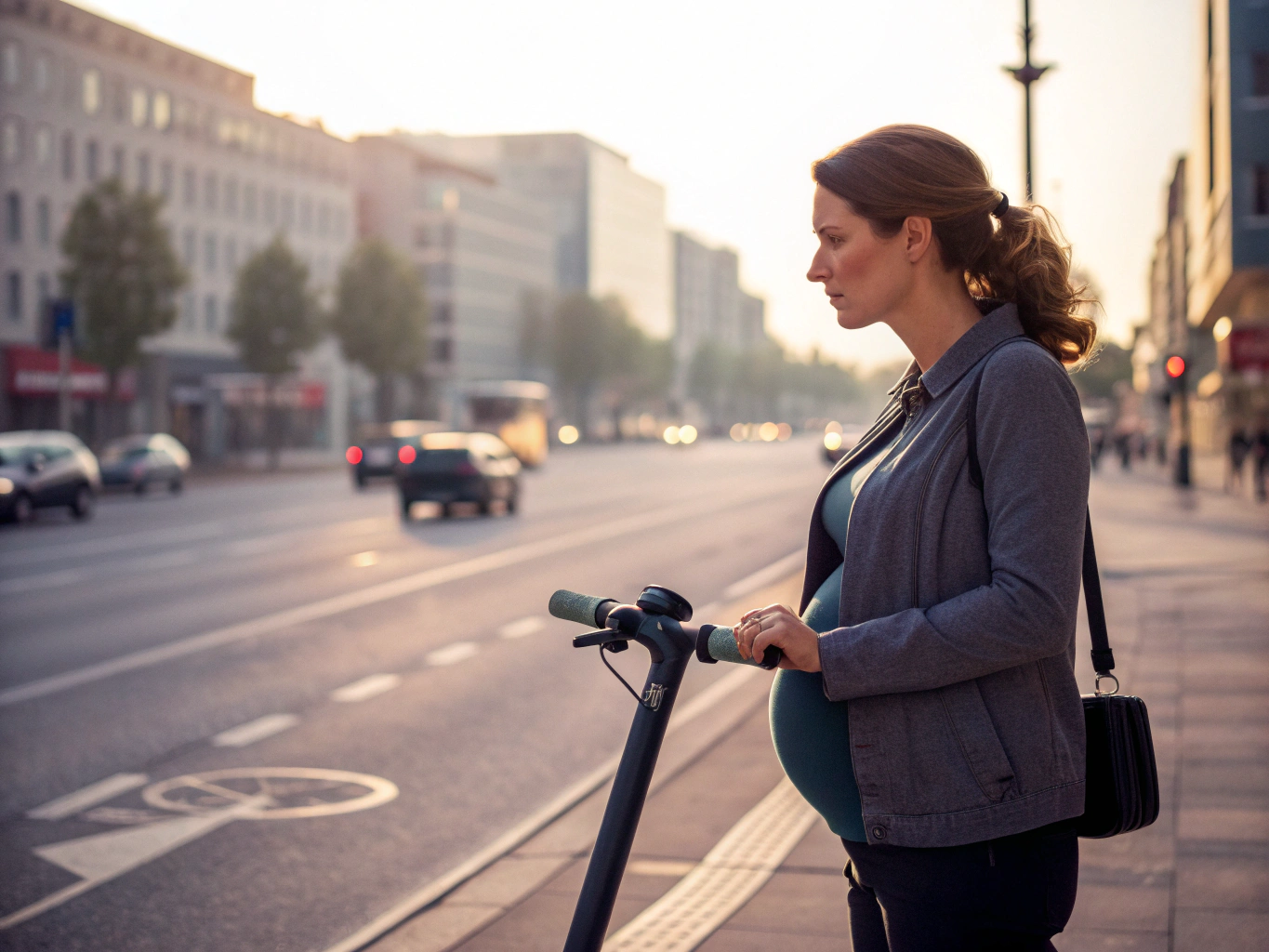
Electric scooters create many safety challenges that get worse during pregnancy. The mix of speed, balance needs, and traffic exposure makes a high-risk situation for expecting mothers.
Fall risks go up a lot during pregnancy because of body changes that affect stability and coordination. Even small falls can hurt the belly area, which creates serious threats to both mother and baby.
Here’s why it matters… Pregnancy hormones like relaxin make joints and ligaments loose, making you more likely to get hurt from falls or quick movements.
| Risk Factor | Pregnancy Impact | What Could Happen |
| Falls and crashes | Higher injury risk | Belly trauma, broken bones |
| Shaking from riding | Affects growing baby | Possible growth concerns |
| Speed and control | Slower reaction time | More likely to have accidents |
| Traffic exposure | Less mobility options | Higher crash risk |
The shaking from electric scooters can affect pregnant women differently than other riders. Constant shaking may cause discomfort and could possibly impact the growing baby, though research on this specific area stays limited.
Speed control gets harder as pregnancy moves forward. Changes in weight spread and center of gravity make it tough to keep balance at higher speeds or during sudden stops.
Traffic exposure adds another danger layer. Pregnant women may have slower reaction times and less ability to quickly move away from hazards, raising the risk of crashes with cars or people walking.
2. How Does Pregnancy Affect Your Balance and Coordination on Scooters?
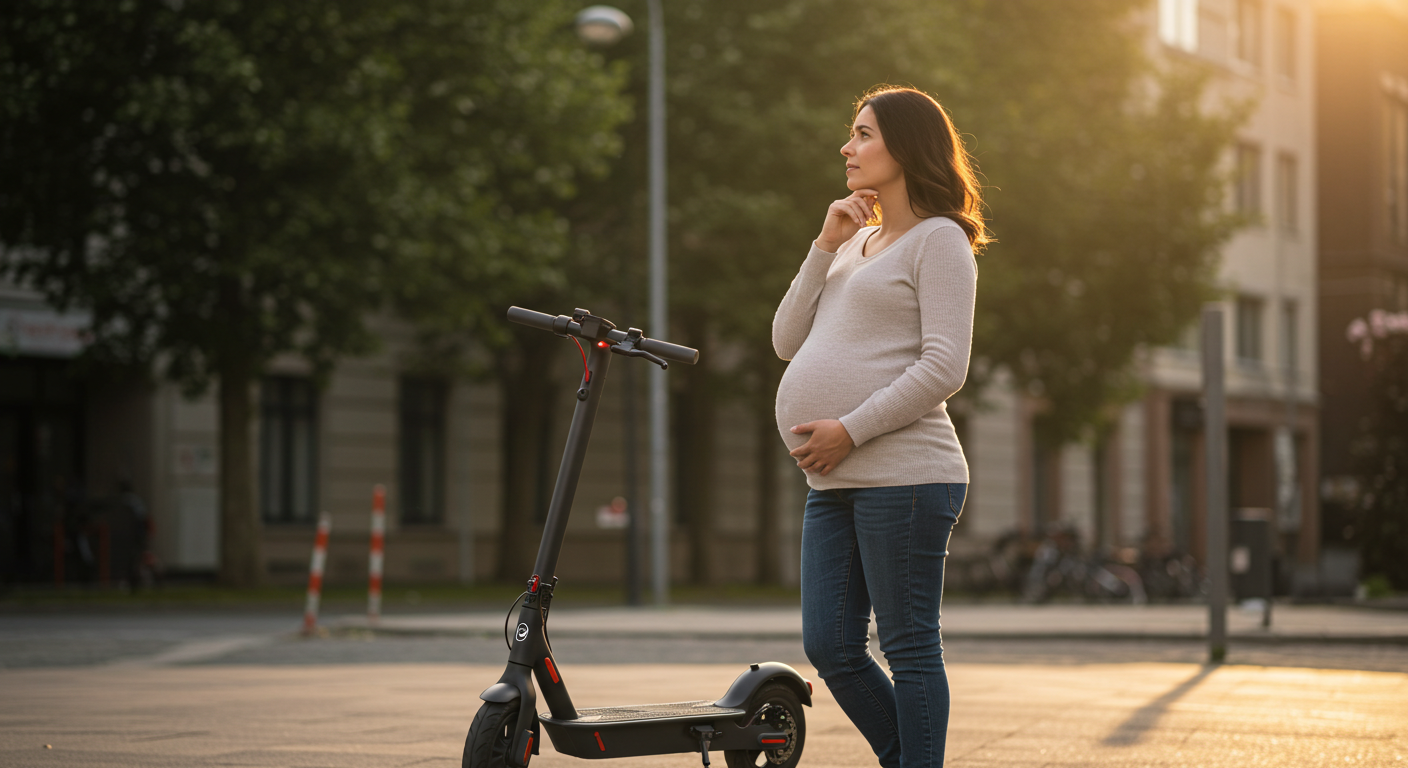
Pregnancy causes big body changes that directly impact your ability to safely use an electric scooter. These changes start early and get worse as pregnancy goes on.
Your center of gravity moves forward as your belly grows, affecting balance and stability. This change makes it harder to keep proper posture and control on a scooter platform.
The best part? Understanding these changes helps you know when activities become too risky to keep doing safely.
| Pregnancy Stage | Balance Changes | Coordination Impact |
| First three months | Morning sickness, tiredness | Less focus, slower reactions |
| Second three months | Weight gain, posture changes | Changed center of gravity |
| Third three months | Big size increase | Major balance challenges |
Hormone changes affect joint stability throughout pregnancy. Relaxin hormone makes ligaments loose to prepare for childbirth, but this also makes joints less stable and raises injury risk from falls.
Reaction time gets slower during pregnancy because of hormone changes and body tiredness. This delay can be critical when quick responses are needed to avoid accidents or keep balance on a scooter.
Vision changes during pregnancy can affect depth perception and side vision. These changes make it harder to judge distances and spot possible hazards while riding.

3. What Do Medical Experts Say About Electric Scooter Use During Pregnancy?
Medical professionals always advise against electric scooter use during pregnancy because of the mix of fall risks and possible problems. OB-GYNs and maternal health experts put activities first that reduce injury risk.
The American College of Obstetricians and Gynecologists recommends avoiding activities with high fall potential during pregnancy. Electric scooters fall into this group because of their speed and balance needs.
Now, you might be wondering… what specific medical evidence supports these recommendations and how they apply to different pregnancy stages.
| Medical Authority | Recommendation | Risk Level |
| ACOG | Avoid high fall-risk activities | High |
| Maternal health experts | Pick safer transport | Medium to High |
| Emergency medicine doctors | Prevent belly trauma | Very High |
Research on pregnancy and transport safety shows that even small accidents can have serious results. Belly trauma from falls can cause placenta problems, early labor, or baby injury.
Healthcare providers stress that pregnancy is not the time to take unnecessary risks. The possible results of an accident are much worse than the convenience of scooter transport.
Individual risk assessment varies based on pregnancy problems, previous pregnancy history, and overall health status. Women with high-risk pregnancies face even greater dangers from activities like scooter riding.
4. Which Trimester Poses the Greatest Risks for Electric Scooter Riding?
Each three-month period presents unique challenges and risks for electric scooter use, but the dangers increase as pregnancy moves forward. Understanding period-specific risks helps expecting mothers make better transport decisions.
First three months risks include morning sickness, tiredness, and early pregnancy problems. Nausea and dizziness can hit suddenly, making it dangerous to operate any vehicle, including electric scooters.
Let me explain… why the third three months presents the highest risks, even though each stage has its own safety concerns.
| Three-Month Period | Main Risks | Safety Concerns |
| First (1-12 weeks) | Morning sickness, tiredness | Sudden nausea, dizziness |
| Second (13-26 weeks) | Weight gain, balance changes | Moving center of gravity |
| Third (27-40 weeks) | Size limits, mobility issues | Severe balance problems |
Second three months often feels like the safest period, with less morning sickness and more energy. However, this is when big weight gain and posture changes begin affecting balance and coordination.
Third three months poses the greatest risks because of big size increases and mobility limits. The growing belly greatly changes balance, making falls more likely and possibly more dangerous.
Late pregnancy also brings more tiredness, swelling, and discomfort that can affect focus and reaction time. These factors combine to create a high-risk situation for scooter operation.

5. What Are Safer Transportation Alternatives for Pregnant Women?
Pregnant women have several safer transport options that reduce fall risks while keeping mobility. These alternatives provide reliable transport without the dangers linked with electric scooters.
Public transport offers a safe, stable option for pregnant women. Buses and trains remove fall risks while providing seating and climate control for comfort during pregnancy.
This is important because… picking the right transport method can prevent accidents that could harm both mother and baby.
| Transport Option | Safety Level | Convenience | Cost |
| Public transit | High | Medium | Low |
| Walking | High | Low | Free |
| Ride-sharing | High | High | Medium |
| Family/friend rides | High | Medium | Low |
Walking stays one of the safest transport methods during pregnancy. It provides exercise benefits while removing fall risks linked with wheeled transport.
Ride-sharing services like Uber and Lyft offer convenient, safe alternatives to personal transport. Professional drivers and enclosed vehicles provide protection from weather and traffic hazards.
Family and friend support networks can provide reliable transport for pregnant women. This option offers personal care and help while keeping safety standards.
Cycling at very low speeds on safe paths may be okay in early pregnancy, but should be discussed with healthcare providers and stopped as pregnancy moves forward.
6. How Can You Minimize Risks If You Must Use an Electric Scooter?
While medical experts strongly advise against electric scooter use during pregnancy, some women may face situations where alternatives aren’t available. In such cases, risk reduction strategies become critical.
Protective equipment becomes even more important during pregnancy. A properly fitted helmet protects against head injuries, while extra padding can help protect the belly in case of falls.
Here’s the deal… even with safety steps, the risks stay big, and these measures should only be thought of as last resorts.
| Safety Measure | Protection Level | How to Do It |
| Helmet use | High for head injuries | Always required |
| Protective padding | Medium for body | Think about belly protection |
| Speed reduction | High for fall prevention | Maximum 5-8 mph |
| Route planning | Medium for hazard avoidance | Avoid traffic, hills |
Route selection plays a big role in risk reduction. Pick flat, smooth paths away from vehicle traffic and people congestion. Avoid hills, rough surfaces, and areas with obstacles.
Speed limits become critical during pregnancy. Reduce maximum speed to 5-8 mph to keep better control and reduce injury severity in case of accidents.
Weather thoughts are more important for pregnant riders. Avoid riding in rain, wind, or other conditions that could affect stability or visibility.
Emergency readiness includes carrying a phone, telling others of your route, and having backup transport plans if you feel unsafe continuing your ride.
7. What Legal and Insurance Considerations Apply to Pregnant Scooter Riders?
Legal and insurance implications of electric scooter accidents become more complex during pregnancy. Understanding these factors helps pregnant women make informed decisions about transport risks.
Insurance coverage for pregnancy-related injuries from scooter accidents varies a lot between policies. Some insurers may question coverage for injuries sustained during activities they consider high-risk for pregnant women.
What does this mean for you? Insurance and legal complications can add financial stress to an already challenging situation if accidents happen during pregnancy.
| Legal Consideration | Impact Level | Possible Issues |
| Liability coverage | High | Accident responsibility |
| Medical expense coverage | Very High | Pregnancy problem costs |
| Disability insurance | Medium | Work absence coverage |
| Legal responsibility | High | Third-party injury claims |
Medical expense coverage becomes critical when pregnancy problems result from accidents. Costs for emergency care, extended monitoring, or early delivery can be big.
Legal responsibility extends beyond personal injury to possible harm to the growing baby. This creates complex liability situations that may not be fully covered by standard insurance policies.
Workers’ compensation may not cover injuries from personal transport choices, even when commuting to work. This gap in coverage could leave pregnant women financially responsible for accident-related medical costs.
Local rules about electric scooter use may include specific restrictions or recommendations for pregnant riders. Some areas may hold riders liable for injuries that happen during activities against medical advice.
8. How Do Different Electric Scooter Types Affect Pregnancy Safety?
Electric scooter design variations create different risk levels for pregnant women. Understanding these differences helps expecting mothers make more informed decisions if they must consider scooter transport.
Stand-up scooters require constant balance and core engagement, making them particularly challenging during pregnancy. The standing position puts extra strain on the back and legs, which are already stressed by pregnancy changes.
Seated scooters offer more stability but still present risks from sudden stops or turns. The seated position may be more comfortable but doesn’t remove fall risks or shaking exposure.
Want to know the secret? Even the safest scooter designs cannot overcome the basic risks that pregnancy creates for balance-dependent transport.
| Scooter Type | Stability Level | Pregnancy Risk | Recommendation |
| Stand-up models | Low | Very High | Avoid completely |
| Seated scooters | Medium | High | Not recommended |
| Three-wheel designs | Higher | Medium-High | Talk to doctor |
| Low-speed models | Variable | High | Still not advised |
Three-wheel electric scooters provide better stability than two-wheel models but still require balance and coordination. The extra wheel helps prevent tipping but doesn’t address other pregnancy-related safety concerns.
Speed abilities vary a lot between scooter models. Even low-speed scooters can reach dangerous speeds for pregnant women, whose reaction times and balance are compromised.
Weight capacity thoughts become important during pregnancy as body weight increases. Scooters near their weight limits may become unstable or perform poorly, increasing accident risks.
Braking systems differ between models, with some offering better control than others. However, even the best braking systems cannot make up for pregnancy-related balance and coordination changes.

9. What Emergency Procedures Should Pregnant Women Know?
Emergency readiness becomes critical for pregnant women who might encounter scooter-related accidents or medical situations. Knowing proper procedures can minimize harm and make sure appropriate medical care.
Immediate response to falls should focus on protecting the belly and seeking medical evaluation. Even seemingly minor falls require medical assessment during pregnancy because of possible hidden injuries.
Communication with emergency services requires specific information about pregnancy status, how far along, and any problems. This information helps responders provide appropriate care and transport.
The bottom line? Emergency situations during pregnancy require immediate professional medical evaluation, regardless of how minor the incident appears.
| Emergency Situation | Immediate Action | Medical Priority |
| Fall or crash | Protect belly, don’t move | Emergency room evaluation |
| Belly pain | Stop activity immediately | Urgent obstetric care |
| Bleeding | Seek immediate help | Emergency medical attention |
| Dizziness/fainting | Sit down safely | Medical assessment |
Medical evaluation after any accident should include baby monitoring and assessment for internal injuries. Placenta problems and other serious complications may not show immediate symptoms.
Documentation of accidents becomes important for insurance claims and medical records. Take photos, gather witness information, and keep detailed records of medical care received.
Follow-up care may be necessary even after initial medical clearance. Some pregnancy complications from trauma can develop hours or days after the initial incident.
Emergency contacts should include obstetric care providers, emergency services, and family members who can provide transport and support during medical emergencies.
10. How Can Partners and Family Members Support Safe Transportation Choices?
Family support plays a big role in helping pregnant women make safe transport decisions. Partners and family members can provide practical alternatives and emotional support during this challenging time.
Transport help from family members removes the need for risky alternatives like electric scooters. Regular rides to work, appointments, and errands provide safe, reliable mobility.
Financial support for safer transport options may be necessary when public transit or ride-sharing costs exceed scooter expenses. Family investment in safety pays dividends in preventing accidents.
Here’s why it matters… Strong family support systems greatly reduce the temptation to take transport risks during pregnancy.
| Support Type | Impact Level | How to Do It |
| Regular rides | High | Schedule coordination |
| Financial help | Medium | Transport budget |
| Emotional support | High | Understanding and encouragement |
| Emergency backup | Very High | 24/7 availability |
Emotional support helps pregnant women cope with transport limits and mobility restrictions. Understanding family members can reduce stress and anxiety about transport challenges.
Emergency backup plans make sure pregnant women always have safe alternatives when primary transport fails. Having multiple options reduces the likelihood of picking risky alternatives.
Education about pregnancy risks helps family members understand why transport restrictions are necessary. Informed family members provide better support and advocacy for safe choices.
Planning help for routes, schedules, and alternatives helps pregnant women keep independence while putting safety first. Family members can research options and coordinate logistics.
Workplace advocacy may be necessary when employers don’t understand pregnancy transport needs. Family support can help negotiate flexible schedules or remote work options.
Conclusion
Electric scooter riding during pregnancy poses big risks. These risks outweigh the convenience benefits. Medical experts always recommend safer transport alternatives. This protects both mother and growing baby from fall-related injuries and problems.
The body changes of pregnancy make scooter riding particularly dangerous. These include changed balance and slower reaction times. There’s also increased injury vulnerability. While safety measures can reduce some risks, they cannot remove the basic dangers. High-speed, balance-dependent transport during pregnancy stays risky.
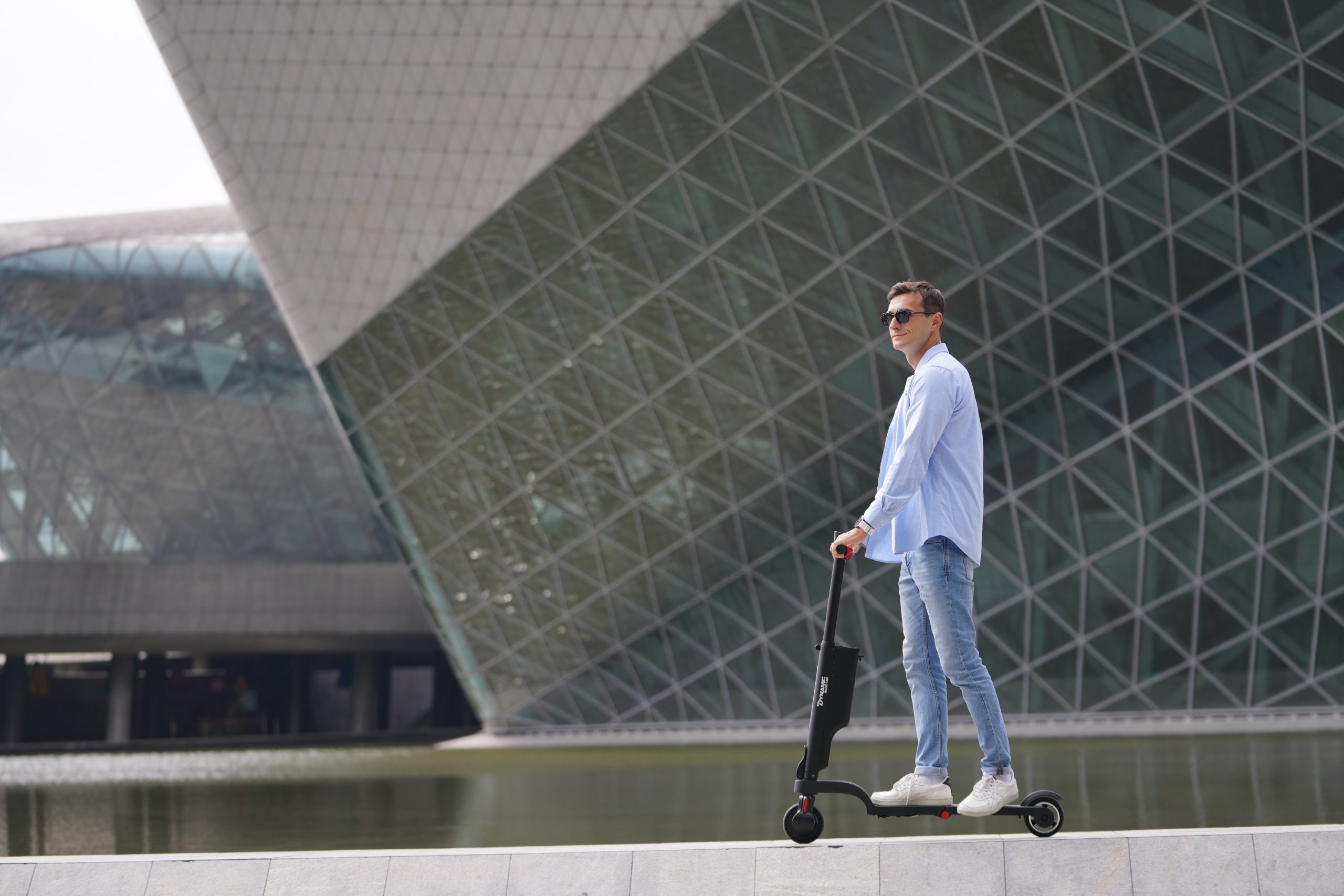
For expecting mothers seeking reliable, safe transport solutions, Dynamic Scooter offers family-friendly mobility options. We provide expert guidance on safe riding practices for when pregnancy is complete. Contact our team to learn about our comprehensive safety programs. We also have family-oriented electric scooter models designed for post-pregnancy use.
FAQ
Q1: Can riding an electric scooter cause miscarriage?
While there’s no direct evidence that electric scooter riding causes miscarriage, the risk of falls and belly trauma makes it inadvisable during pregnancy. Talk to your healthcare provider for personalized advice.
Q2: Is it safe to ride electric scooters in the first trimester?
The first three months carries risks due to morning sickness, tiredness, and early pregnancy complications. Most medical experts recommend avoiding activities with fall risks during this critical period.
Q3: What should I do if I’m pregnant and need to commute daily?
Consider safer alternatives like public transport, walking, cycling at low speeds, or arranging rides with family or ride-sharing services. Discuss your commuting needs with your healthcare provider.
Q4: Are there any electric scooters designed specifically for pregnant women?
Currently, no electric scooters are specifically designed for pregnant women. Standard safety features like wider decks and better stability can help, but medical experts still advise caution.
Q5: What protective gear should pregnant women wear if they must ride scooters?
If riding is unavoidable, wear a properly fitted helmet, knee and elbow pads, and consider extra belly protection. However, the safest option is to avoid riding altogether during pregnancy.