
Ever wondered what powers your electric scooter? What gives it that smooth and silent ride? The secret lies in a piece of technology called the BLDC motor. Understanding what it is can help you. It helps you make a smarter choice when buying your next scooter. You’ll also appreciate the engineering behind your daily commute.
A BLDC motor, or Brushless DC motor, is an electric motor that uses magnets and electromagnets to create motion without the need for physical contact brushes. This design makes it highly efficient, durable, and quiet, which is why it’s the standard choice for modern electric scooters. The Dynamic Scooter Model B, for example, uses a high-performance 350W BLDC motor to deliver a top speed of 15.5 mph and a range of up to 20 miles.
Ready to learn more? Here’s what you need to know.
1. What Does BLDC Stand For and How Does It Work?
BLDC stands for Brushless Direct Current. It’s a type of electric motor. It has become the go-to choice for many modern devices. This includes electric scooters. Unlike older motor designs, a BLDC motor doesn’t use brushes. It doesn’t need brushes to transfer power to the rotor. Instead, it uses electronics. These electronics switch the direction of the magnetic field. This small change has a huge impact. It affects both performance and reliability.
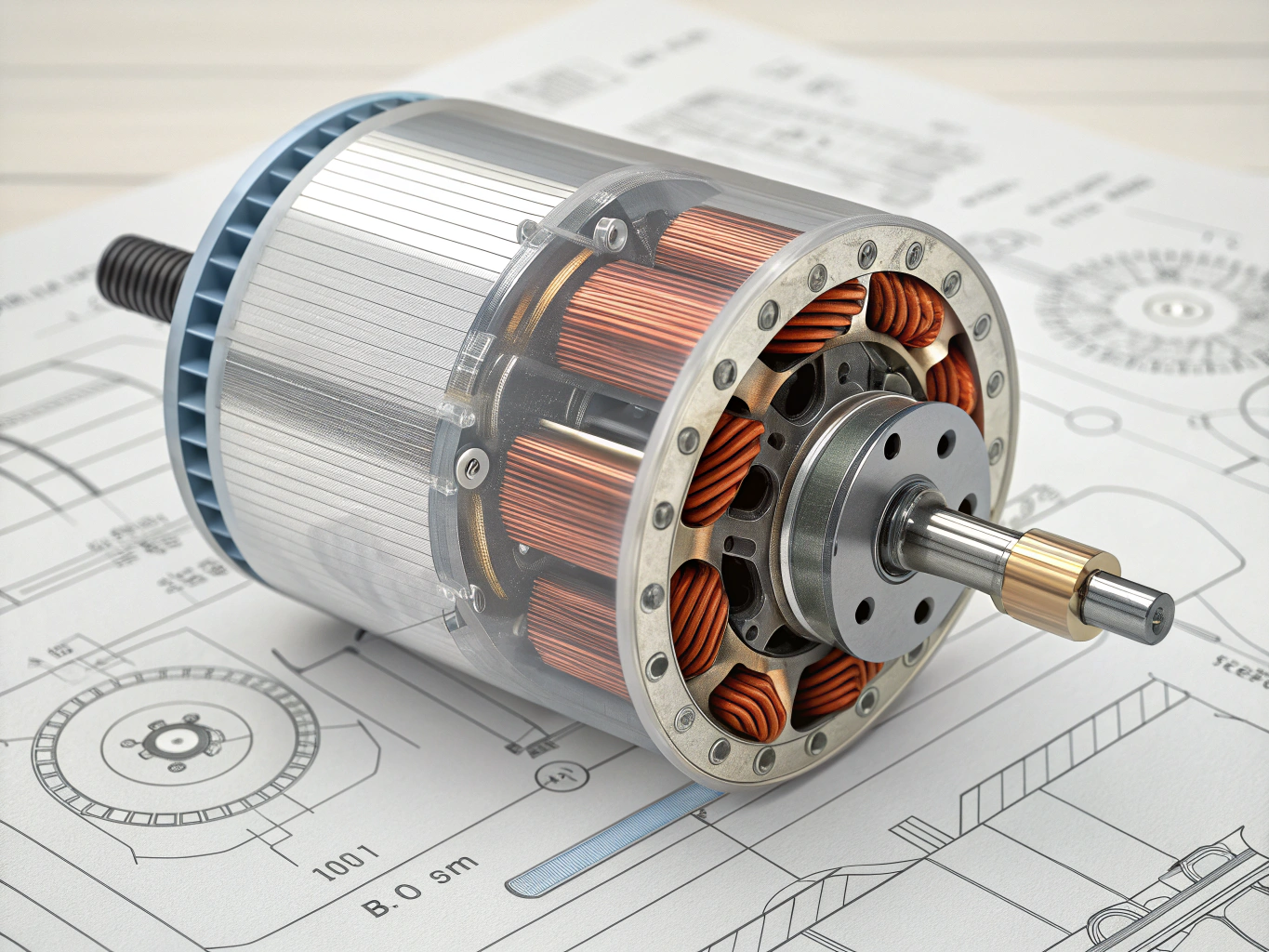
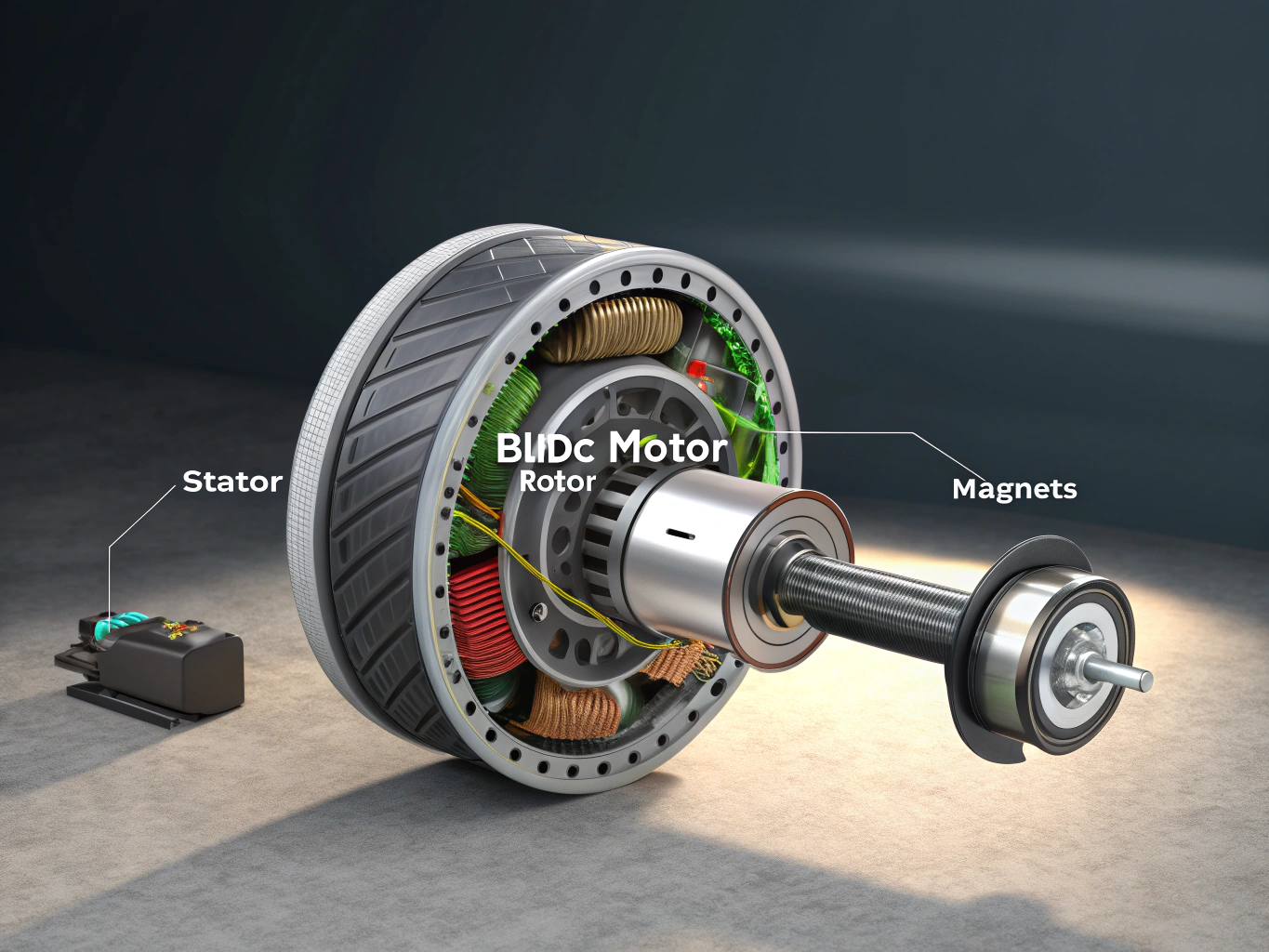
The motor has two main parts. These are the stator and the rotor. The stator is the stationary part of the motor. It has a series of electromagnets. The rotor is the rotating part. It has permanent magnets. An electronic controller sends electrical pulses to the electromagnets on the stator. This creates a magnetic field that interacts with the permanent magnets on the rotor, causing it to spin. Here’s the key… by precisely controlling the timing of these electrical pulses, the motor can spin at a consistent speed and produce a smooth, steady torque.
This electronic control is what makes BLDC motors so smart. The controller knows the exact position of the rotor at all times. It uses sensors to track this. This allows it to energize the right electromagnets at the right time. This maximizes efficiency. It’s a sophisticated dance of magnetism and electronics. All of this happens thousands of times per second. This gives you that seamless acceleration you feel when you ride.
| Component | Function |
| Stator | The stationary part with electromagnets. |
| Rotor | The rotating part with permanent magnets. |
| Electronic Controller | Manages the electrical pulses to the stator. |
| Hall Effect Sensors | Detect the rotor’s position for precise control. |
2. How Is a BLDC Motor Different from Other Motor Types?
The biggest difference between a BLDC motor and a traditional brushed DC motor is the absence of brushes. In a brushed motor, small carbon brushes make physical contact with the rotor. They deliver power this way. These brushes wear out over time. They create friction. They also produce sparks. This means they require regular maintenance. They are also less efficient. A BLDC motor eliminates these problems entirely.
Compared to AC (Alternating Current) motors, BLDC motors offer better speed control and higher torque at low speeds. AC motors are common in household appliances that plug into the wall, but they are less suitable for battery-powered vehicles like scooters. BLDC motors are designed to run efficiently on DC power from a battery, which is exactly what an electric scooter needs. The best part? This makes them perfect for providing that quick burst of power you need to get going.
The advantages of the brushless design are clear. With no brushes to wear out, the motor lasts much longer and needs almost no maintenance. The lack of friction also means the motor is more efficient, converting more electrical energy into motion and wasting less as heat. This improved efficiency translates to a longer range for your scooter on a single battery charge.
| Motor Type | Key Difference | Main Application |
| BLDC Motor | No brushes, electronic control | Electric vehicles, drones, computers |
| Brushed DC Motor | Uses brushes to transfer power | Toys, small appliances |
| AC Motor | Runs on alternating current | Household fans, refrigerators |
3. Why Are BLDC Motors Used in Electric Scooters?
BLDC motors are the top choice for electric scooters for several compelling reasons. First and foremost is their efficiency. Because there are no brushes creating friction, very little energy is lost as heat. This means more of the battery’s power goes directly to turning the wheels. For a rider, this translates to a longer range and more miles per charge, which is a huge advantage for daily commuting.
Durability is another major factor. The absence of brushes means there are fewer parts that can wear out or fail. This makes BLDC motors incredibly reliable and gives them a much longer lifespan than their brushed counterparts. You can expect a BLDC motor to last for thousands of miles with minimal maintenance. This matters because… it means you can spend more time riding. You spend less time worrying about repairs.
BLDC motors also deliver excellent performance. They provide high torque right from a standstill. This is why your electric scooter can accelerate so quickly. They also offer precise speed control. This allows for a smooth and responsive ride. Whether you’re navigating busy city streets or cruising along a bike path, a BLDC motor provides the power you need. It also gives you the control you want.
| Reason | Benefit for Scooter Riders |
| High Efficiency | Longer range on a single battery charge. |
| Durability | Longer motor lifespan and less maintenance. |
| High Torque | Quick acceleration from a stop. |
| Precise Control | Smooth and responsive riding experience. |
4. What Are the Main Benefits of BLDC Motors?
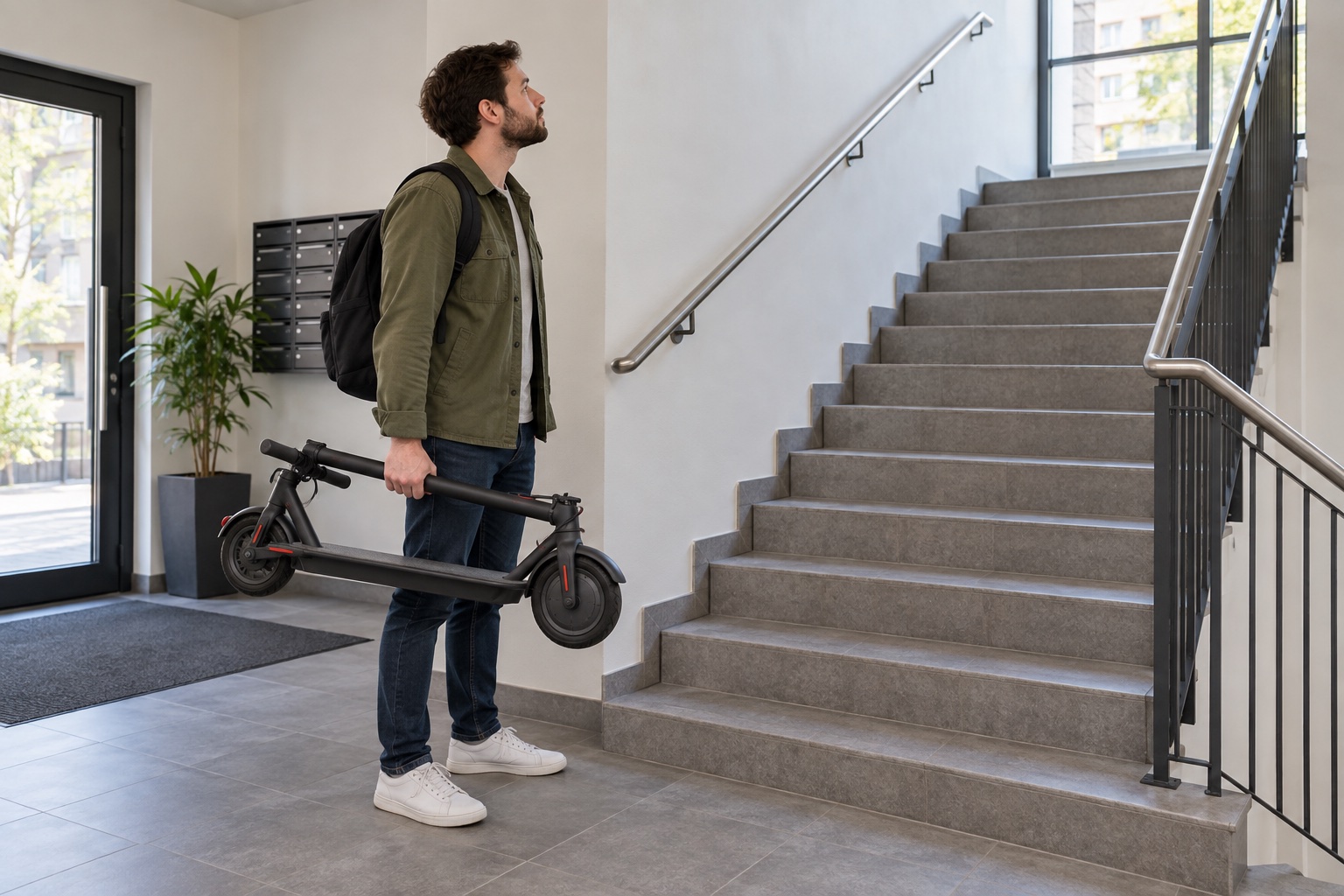
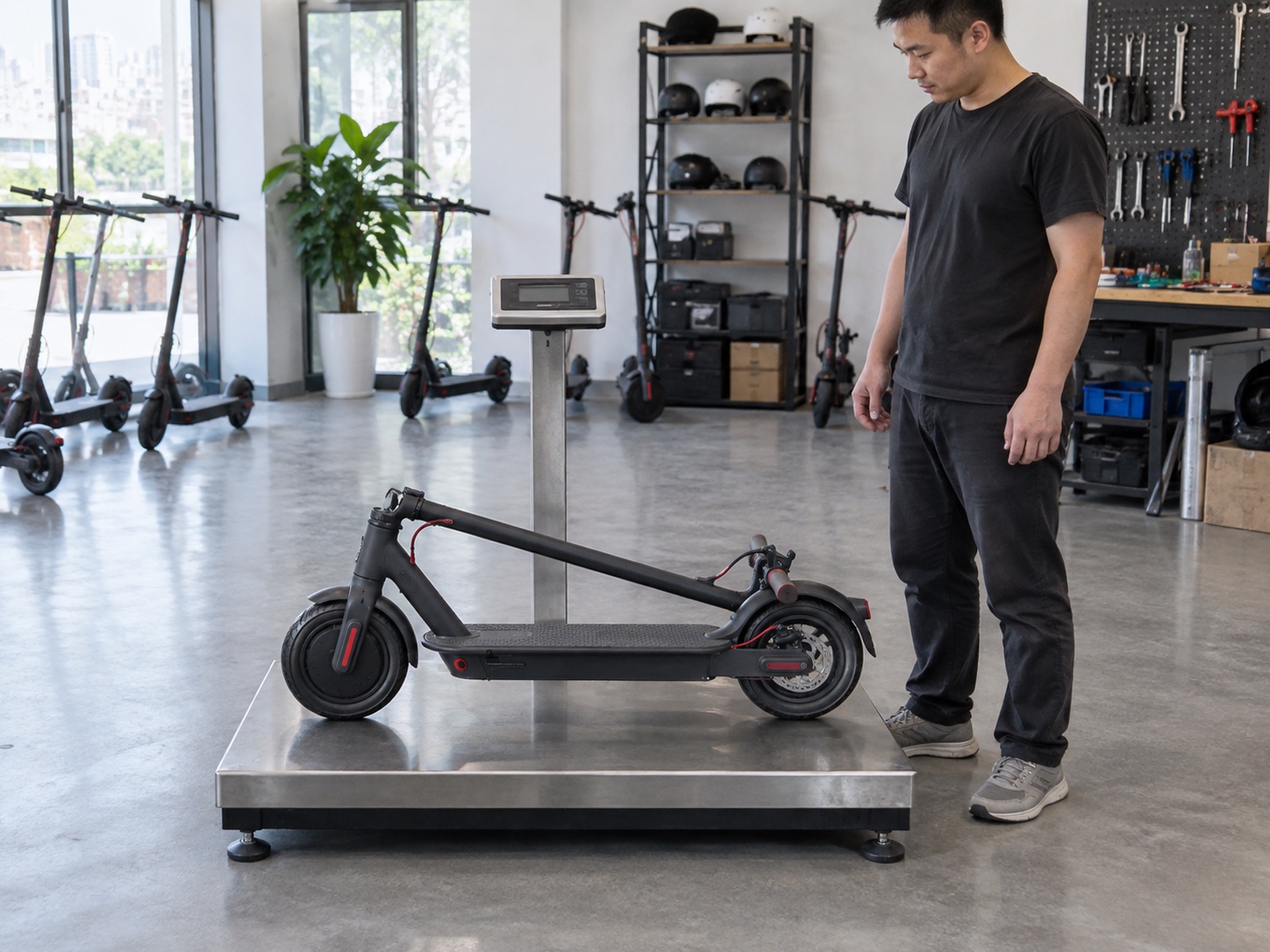
One of the standout benefits of a BLDC motor is its high power-to-weight ratio. This means it can produce a lot of power for its size. It can do this for its weight too. This is a huge plus for electric scooters. Keeping the overall weight down matters. It affects portability. It also affects handling. A lightweight motor helps make the scooter easier to carry. It also makes it more nimble to ride.
BLDC motors are also known for their quiet operation. The lack of brushes means there’s no scraping noise. There’s also no friction noise. The only sound you’ll typically hear is a faint hum. You hear this as the motor spins. This makes for a much more pleasant riding experience. It’s less disruptive too. This is true both for you and for those around you. Let me explain… this quiet performance is a hallmark. It shows the advanced technology inside.
Reduced heat generation is another key advantage. Because they are so efficient, BLDC motors don’t get as hot. They stay cooler than brushed motors. This matters for both performance and safety. An overheated motor can lose efficiency. It can even become damaged. The cooler operation of a BLDC motor helps it maintain peak performance. This is true even during long rides. It’s also true on hot days.
| Benefit | Impact on Your Ride |
| Power-to-Weight Ratio | A lighter, more portable scooter. |
| Quiet Operation | A more peaceful and enjoyable ride. |
| Less Heat | Consistent performance and improved safety. |
| Speed Control | Smooth acceleration and deceleration. |
5. What Are the Drawbacks of BLDC Motors?
While BLDC motors have many advantages, they are not without a few drawbacks. The most significant is their higher initial cost. The complex electronics required to control the motor make them more expensive. They cost more to manufacture than simple brushed motors. This cost is often passed on to the consumer. This is one reason why high-performance electric scooters can be a significant investment. However, the long-term benefits often outweigh this upfront cost.
The electronic controller itself can also be a point of failure. This controller is a sophisticated piece of hardware. If it malfunctions, the motor won’t run. Repairing or replacing a controller can be challenging. It may require specialized knowledge. Now, you might be wondering… is this a common problem? Controller failures are not frequent in quality scooters. But they can be more difficult to diagnose. They can also be harder to fix than the mechanical issues of a brushed motor.
This complexity can also make repairs more difficult in general. If a BLDC motor does have an internal issue, such as a problem with the windings or sensors, it’s often not a simple DIY fix. In many cases, the entire motor may need to be replaced. This is different from a brushed motor, where you can often just replace the worn-out brushes to get it running again.
| Drawback | Implication for Owners |
| Higher Cost | More expensive to purchase initially. |
| Complex Controller | Can be a point of failure and difficult to repair. |
| Repair Difficulty | Internal motor issues often require full replacement. |
6. How Do You Maintain a BLDC Motor on Your Scooter?
One of the best things about BLDC motors is that they are virtually maintenance-free. However, a few simple checks can help. These checks can make sure your motor has a long and healthy life. Regularly inspect the motor housing. Look for any signs of damage. This includes cracks or dents. Make sure all the mounting bolts are tight. Also check that the electrical connections are secure. They should be free of corrosion.
Keeping your motor clean is also a good practice. Wipe it down with a damp cloth. This removes any dirt or grime. Avoid using a high-pressure hose. This can force water into the motor. It can damage the electronics. While most BLDC motors are water-resistant, they are not fully waterproof. Try to avoid riding through deep puddles. Also avoid riding in heavy rain. Here’s the deal… a little preventative care goes a long way. It can save you from costly repairs.
If you ever notice any unusual noises, vibrations, or a sudden loss of power, it’s best to stop riding and have the motor checked out by a professional. These could be signs of a bearing failure or an issue with the controller. Don’t try to open the motor housing yourself unless you have experience with electronics. For most riders, the best maintenance is simply to keep the motor clean and dry.
| Maintenance Tip | Why It Matters |
| Regular Inspection | To catch any potential issues early. |
| Keep It Clean | Prevents buildup of dirt and grime. |
| Avoid Water | Protects the internal electronics from damage. |
| Listen for Noises | Can indicate a bearing or controller issue. |

7. How Does BLDC Motor Power Affect Scooter Performance?
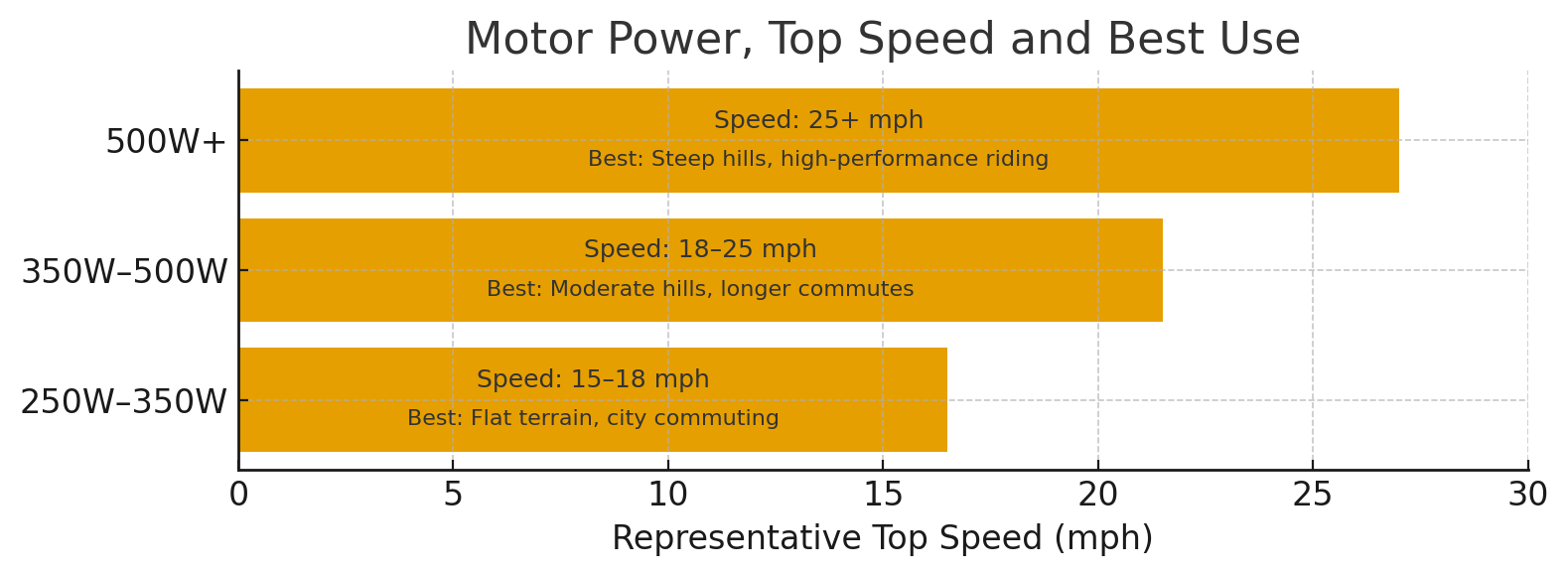
BLDC motor power is measured in watts. It has a direct impact on your scooter’s performance. A higher wattage motor will generally provide faster acceleration. It will also give you a higher top speed. For a typical commuter scooter, a motor between 250W and 500W is usually sufficient. This range works well for most riders. For example, the Dynamic Scooter Model B has a 350W motor. This is perfect for city riding. It provides a good balance of power and efficiency.
If you live in a hilly area, you might want to consider a scooter with a motor of 500W or more. If you want a more thrilling ride, this is also a good choice. A more powerful motor will be able to tackle steep inclines. It won’t lose much speed. Some high-performance scooters even have dual motors. They have one in each wheel. This gives a combined power of 1000W or more. These scooters offer incredible acceleration. They can handle almost any terrain. But here’s the thing… more power also means more battery consumption. You need to think about this trade-off.
A higher wattage motor will drain your battery faster. This is especially true if you’re consistently riding at top speed. It’s a trade-off between performance and range. When choosing a scooter, think about what matters most for your needs. If you have a long commute, you might prefer a scooter with a more modest motor. This will offer a longer range. If you’re looking for excitement, a high-wattage motor is the way to go. It will give you that extra thrill.
| Motor Power | Typical Top Speed | Best For |
| 250W-350W | 15-18 mph | Flat terrain, city commuting |
| 350W-500W | 18-25 mph | Moderate hills, longer commutes |
| 500W+ | 25+ mph | Steep hills, high-performance riding |
Conclusion
Understanding the BLDC motor is key. It helps you appreciate the performance of your electric scooter. It also helps you appreciate its reliability. This brushless technology is what provides that quiet ride you love. It’s also what makes it efficient and powerful. From its maintenance-free design to its impressive power-to-weight ratio, the BLDC motor is a small piece of engineering. But it makes a big difference. When you’re shopping for your next electric scooter, pay attention to the motor specs. A quality BLDC motor is a sign of a quality scooter.
For a great example of a scooter that puts this technology to good use, check out the Dynamic Scooter Model B. We build our scooters with top-tier components. This delivers a ride you can count on, every day. Choose wisely and enjoy the ride.

FAQ
Q1: How long does a BLDC motor last on an electric scooter?
A BLDC motor can last 5-10 years or more with proper care. The brushless design has fewer wearing parts. Lifespan depends on usage, maintenance, and quality. Regular cleaning and avoiding water damage help extend motor life.
Q2: Can you replace a BLDC motor yourself?
Replacing a BLDC motor requires technical knowledge. You need to disconnect electrical connections and remove the wheel or housing. If you’re comfortable with tools and electronics, it’s possible. Otherwise, professional service is recommended for safety.
Q3: Are BLDC motors waterproof?
Most BLDC motors have water resistance, not full waterproofing. They can handle light rain and splashes. Avoid deep water and submersion. Check your scooter’s IP rating for specific water protection levels.
Q4: What wattage BLDC motor do I need for my scooter?
For city commuting, 250-500W is sufficient. For hills and higher speeds, choose 500-1000W. Heavier riders or steep terrain may need 1000W+. Higher wattage means more power but also more battery consumption.
Q5: Why is my BLDC motor making noise?
Unusual noise can indicate bearing wear, loose parts, or debris inside. BLDC motors should run quietly. Check for objects stuck in the wheel. If noise persists, have a technician inspect the motor and controller.