
Struggling to keep up on trails or dreading hilly commutes? A weak bike holds you back, turning fun rides into exhausting chores. An electric mountain bike gives you the power to flatten hills and ride farther, making every trip enjoyable.
An electric mountain bike is a bicycle with an integrated motor that provides a boost when you pedal. It makes climbing hills easier, extends your riding range, and helps you keep up with faster riders. This makes it a great choice for commuting, fitness, and trail riding, offering a powerful and versatile alternative to a traditional bike.
So, what’s the real story behind these bikes? Let’s get into the details.
1. What Makes an Electric Mountain Bike Worth It?
An electric mountain bike offers great value. It blends the fun of a traditional bike with modern power, making it a smart choice.
You can ride farther and faster on an e-MTB. This opens up new trails and longer commutes. You get more use out of your bike every day.
Here’s why it matters… you save money over time. An e-MTB can replace a car for short trips. This cuts down on gas, parking, and maintenance costs.
It also helps you stay active. The electric assist helps you tackle hills you might otherwise avoid. This encourages you to ride more often and for longer periods.
Many riders find they get outside more with an Electric Mountain Bike. It makes cycling accessible to more people. You can join friends on rides without worrying about keeping up.
| Cost Comparison | Initial Cost | Monthly Fuel/Fare | Monthly Maintenance |
| Electric Mountain Bike | $1,400 | $5 (Electricity) | $20 |
| Car | $25,000 | $200 (Gas) | $100 |
| Public Transit | $0 | $100 (Pass) | $0 |
An electric mountain bike is a flexible tool. It works for commuting, exercise, and fun. This versatility makes it a worthwhile investment for your transport and health.
2. How Does an Electric Mountain Bike Motor Actually Work?
An e-MTB motor helps you pedal, adding power as you ride. This makes cycling feel easier, especially on hills.
The most common system is pedal-assist (PAS). Sensors detect when you are pedaling. The motor then adds a certain amount of power to your stroke.
The best part? You can choose how much help you get. Most Electric Mountain Bike have different assist levels. You can select a low level for a good workout or a high level for climbing steep hills.
There are two main types of motors. Hub motors are in the center of the wheel. Mid-drive motors are near the pedals.
Hub motors are simple and affordable. Mid-drive motors offer better balance and a more natural riding feel. They are often found on higher-quality e-MTBs.
Power is measured in watts (W). A higher wattage means more power. For example, a 650W motor provides strong acceleration and climbing ability. Some bikes can even reach a peak of 1000W for short bursts.
| Motor Type | Position | Pros | Cons |
| Hub Motor | In the wheel hub | Affordable, low maintenance | Can feel less natural, less efficient on hills |
| Mid-Drive Motor | Near the pedals | Better balance, natural feel, efficient climbing | More expensive, more complex |
Understanding the motor helps you choose the right bike. It determines how the bike feels to ride. It also affects its performance on different terrains.
3. What Should You Look for in an Electric Mountain Bike Battery?
The battery is the heart of your Electric Mountain Bike. It determines your range and gives you freedom and reliability.
Battery capacity is a key number. It is measured in Amp-hours (Ah) or Watt-hours (Wh). A higher number means a longer range.
For example, a 48V 13Ah battery offers about 600Wh of energy. This can power your bike for many miles. It gives you confidence to ride longer trails.
But here’s the thing… how you charge the battery is also important. Some batteries are built into the frame. Others are removable.
A removable battery is very convenient. You can take it inside to charge. The Dynamic Scooter Q5 has a removable battery with a secure lock for safety.
Charging time matters for daily use. Many modern batteries offer fast charging. This gets you back on the road quickly.
| Battery Feature | What it Means | Ideal Spec |
| Capacity (Wh) | Total energy stored; dictates range | 500Wh or higher |
| Voltage (V) | Power delivery efficiency | 48V for strong performance |
| Removability | Ease of charging and security | Removable with lock |
Look for a battery that matches your riding style. A larger battery is great for long distances. A removable one is perfect for commuters.
4. Can You Get a Good Workout on an Electric Mountain Bike?
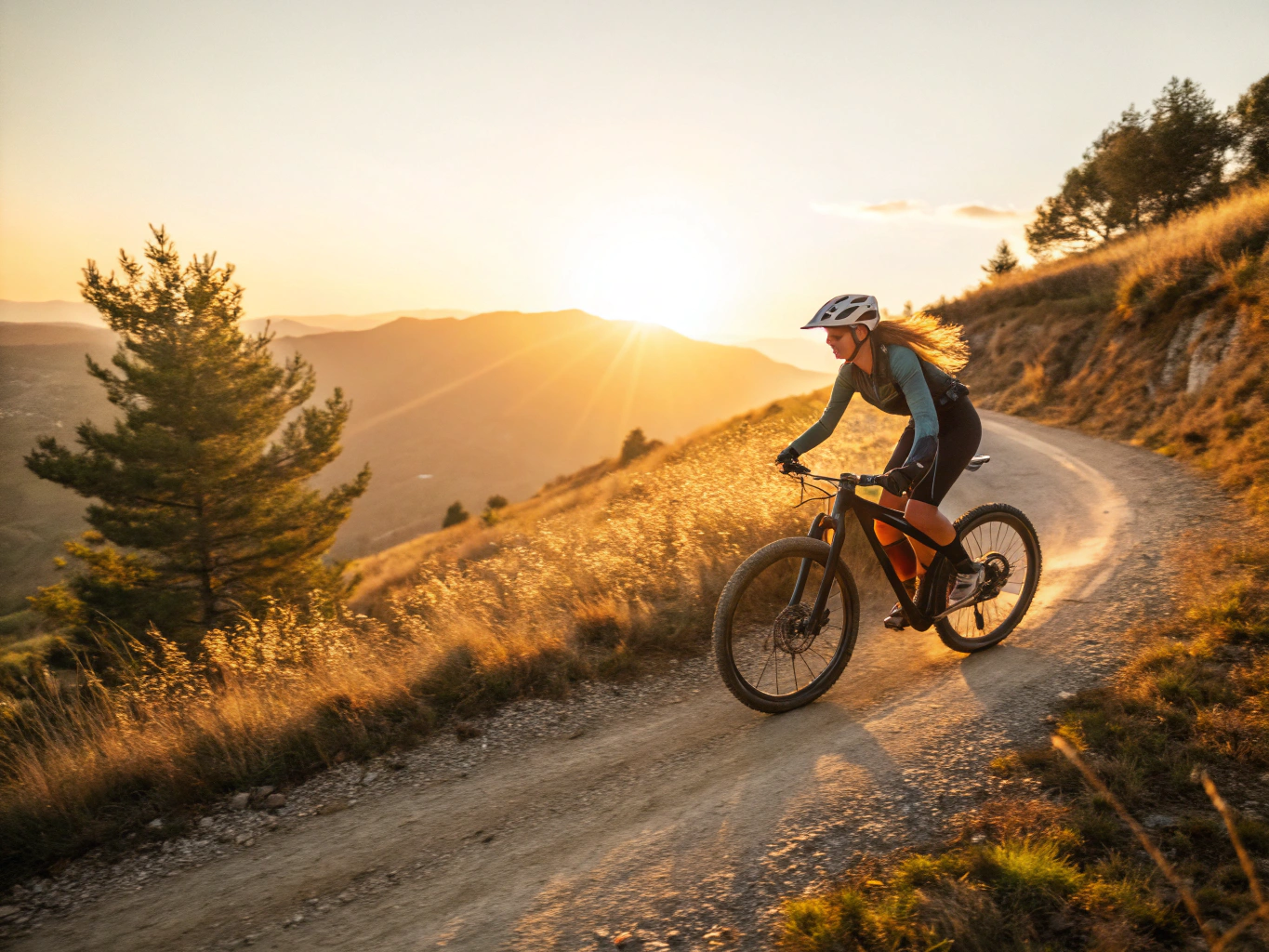
Yes, you can get a great workout on an Electric Mountain Bike. The idea that it’s cheating is a myth.
The electric assist is there to help, not take over. You still need to pedal. The motor just makes it easier to go farther and faster.
Now, you might be wondering… how can you control the intensity? Most e-MTBs have adjustable assist levels. You can choose a low setting for a hard workout or a high setting to get up a steep hill.
This control lets you manage your heart rate. You can keep it in the ideal zone for fitness. You get a good cardiovascular workout without over-straining yourself.
Studies show that e-bike riders often get more exercise than traditional cyclists. They tend to ride more often and for longer distances. This adds up to real health benefits over time.
| Assist Level | Rider Effort | Heart Rate Zone | Best For |
| Low (Eco) | High | 70-80% Max | Fitness, endurance training |
| Medium (Trail) | Moderate | 60-70% Max | All-around riding, long distances |
| High (Boost) | Low | 50-60% Max | Steep climbs, keeping up with traffic |
An electric mountain bike is a fantastic tool for fitness. It makes exercise fun and accessible. It helps you stay active and enjoy the outdoors.
5. How Do Electric Mountain Bikes Handle Different Terrains?
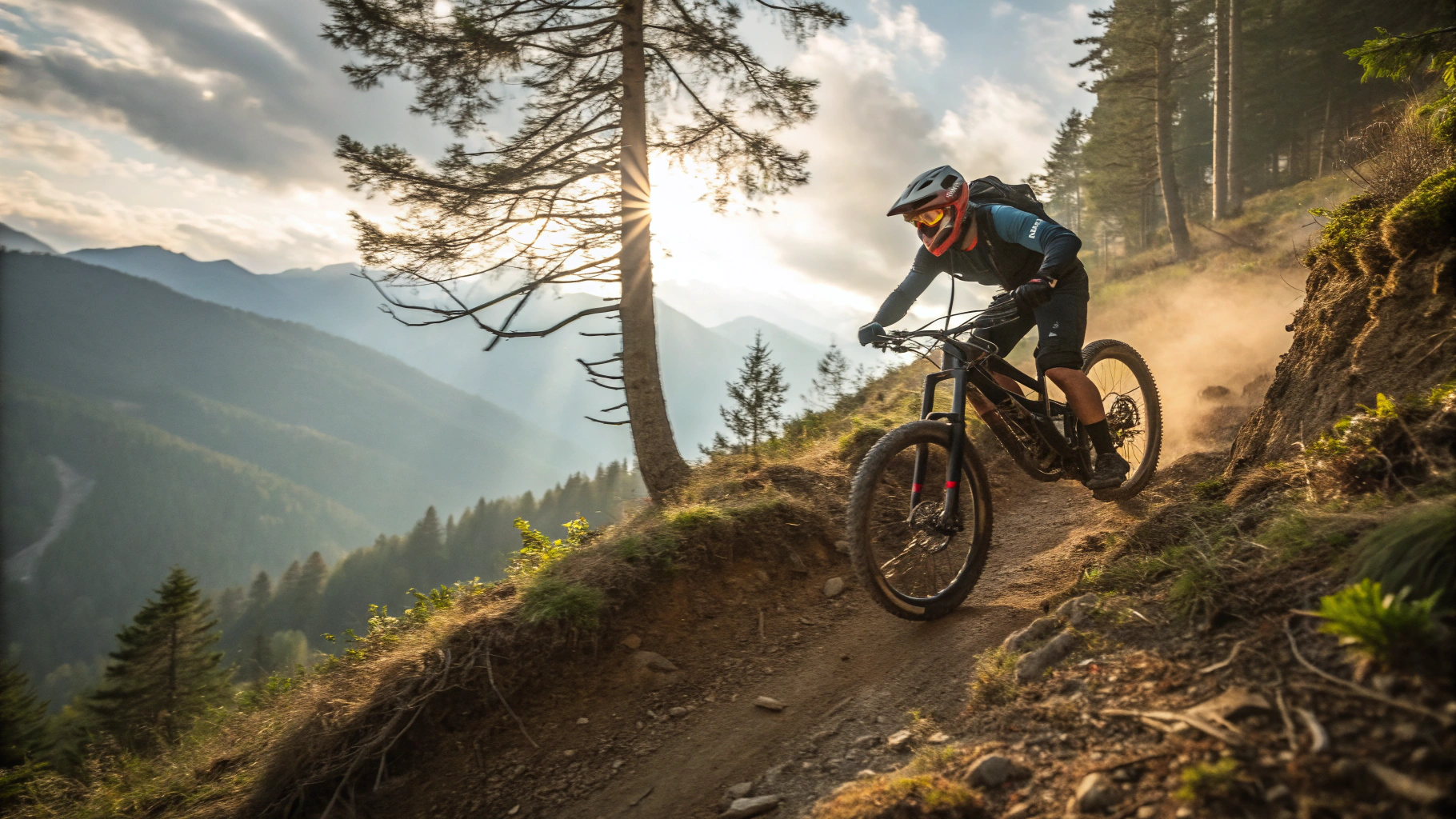
Electric mountain bikes are versatile. They handle everything from city streets to rough trails thanks to several key features.
Suspension is one of the most important parts. A full-suspension bike, like the Dynamic Scooter Q5, has shocks on both the front and rear wheels. This setup absorbs bumps for a smoother, more controlled ride on rough terrain.
A hardtail bike only has front suspension. This makes it lighter and more efficient on smooth surfaces. However, it is less comfortable on bumpy trails.
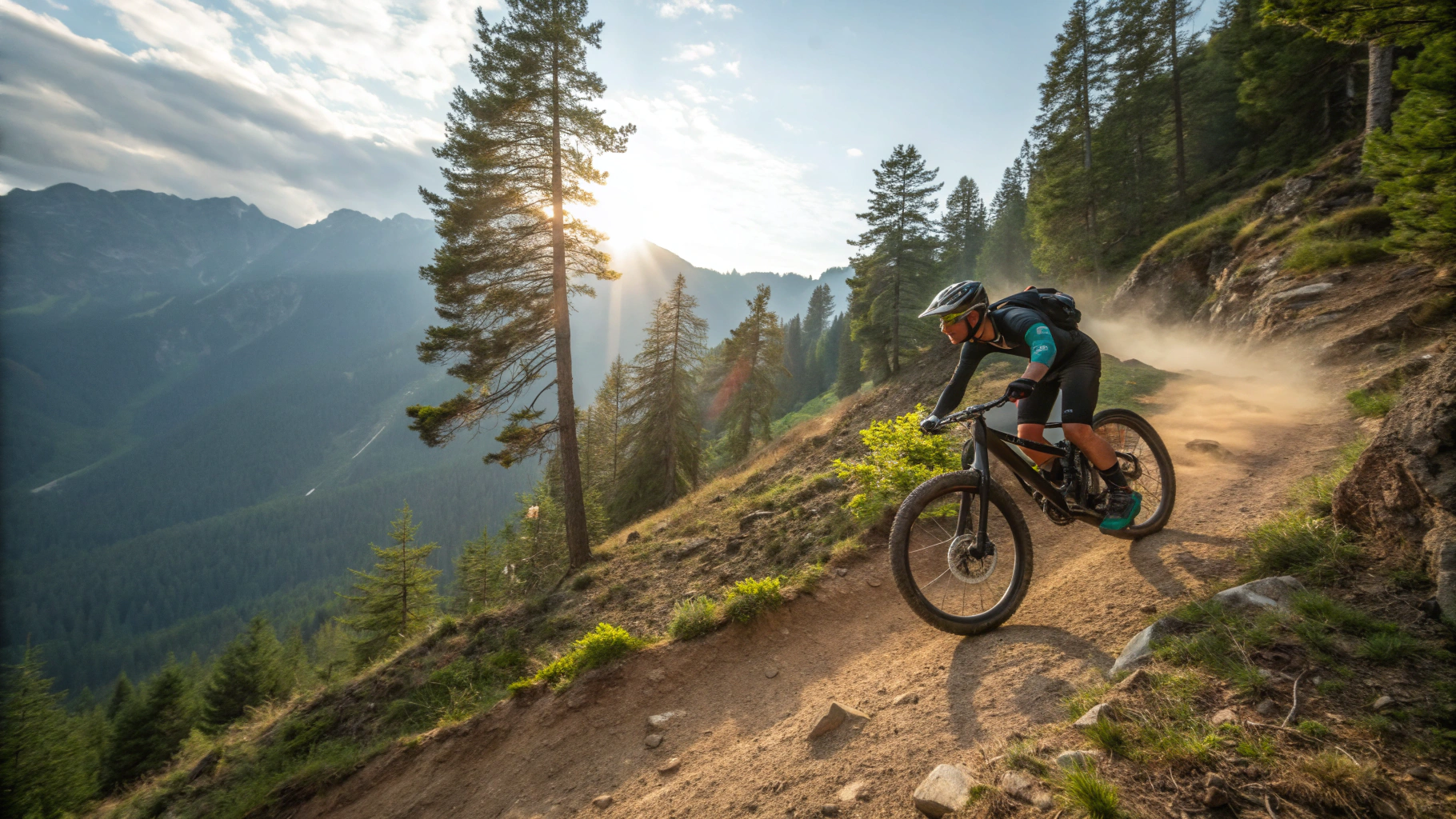
Let me explain… the tires also play a huge role. Wider, knobbier tires provide better grip on dirt, mud, and rocks. The 27.5-inch all-terrain tires on the Q5 are a great example. They offer a good balance of traction for trails and efficiency for pavement.
Frame geometry affects how the bike feels to ride. A longer wheelbase adds stability at high speeds. A slacker head tube angle helps with descending steep trails. These design choices make a big difference in the bike’s handling.
| Suspension Type | Best For | Comfort Level | Control on Rough Terrain |
| Full Suspension | Rough trails, technical terrain | High | Excellent |
| Hardtail | Smooth trails, cross-country | Medium | Good |
| Rigid (No Suspension) | Pavement, smooth dirt paths | Low | Poor |
A well-designed e-MTB gives you the confidence to ride anywhere. It provides a stable and comfortable experience across a wide range of conditions. This makes it a true all-in-one bike.

6. What Key Features Define a High-Quality e-MTB?
A high-quality e-MTB is more than a motor and battery. Other components are just as important for performance, reliability, and safety.
The drivetrain is a great example. This includes the gears, chain, and shifters. A reliable drivetrain, like a Shimano 9-speed system, gives you smooth and precise gear changes. This is key when you are climbing a hill or accelerating on a flat road.
This is important because… your safety depends on good brakes. Hydraulic disc brakes offer the best performance. They provide strong, consistent stopping power in all weather conditions. This is a big step up from older mechanical or rim brakes.
Mechanical disc brakes are a good budget option. They are simpler and easier to maintain. However, they do not offer the same level of power and control as hydraulic systems.
The frame is the backbone of the bike. Aluminum-alloy frames, like the one on the Dynamic Scooter Q5, offer a great mix of strength and low weight. This makes the bike durable enough for trails but still easy to handle.
| Brake Type | Stopping Power | Feel & Control | Maintenance |
| Hydraulic Disc | Excellent | Smooth, responsive | Requires periodic bleeding |
| Mechanical Disc | Good | Firm, less modulation | Easy to adjust and repair |
| Rim Brakes | Fair | Can be mushy | Wears out wheel rims |
When you are shopping for an e-MTB, pay close attention to these features. They are a good indicator of the bike’s overall quality. They help you get a bike that is safe, reliable, and fun to ride.
7. How Much Maintenance Does an Electric Mountain Bike Require?
An e-MTB needs regular maintenance like a traditional bike. Good care keeps it running smoothly and safely for years. Most tasks are simple and can be done at home.
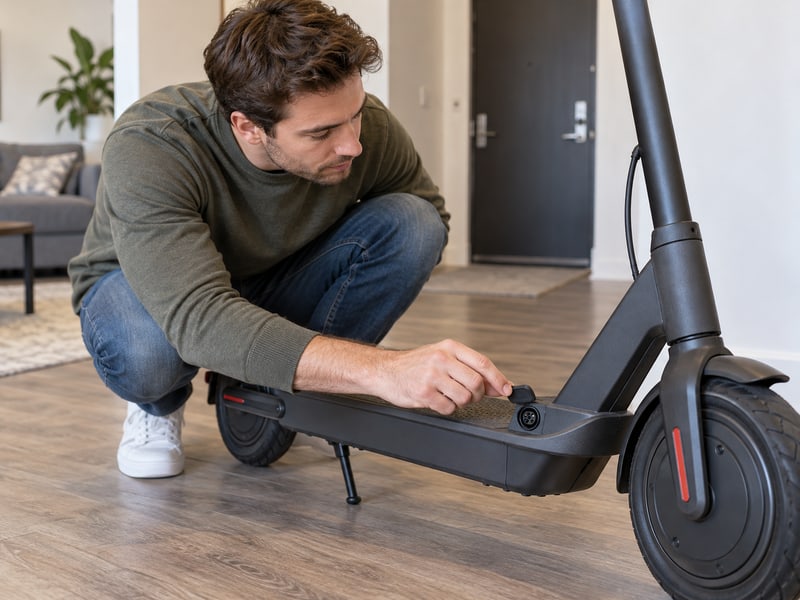
You should perform routine checks before every ride. Check your tire pressure to make sure it is at the right level. Look over your brakes to confirm they are working correctly. A quick check of the chain will tell you if it needs cleaning or lubrication.
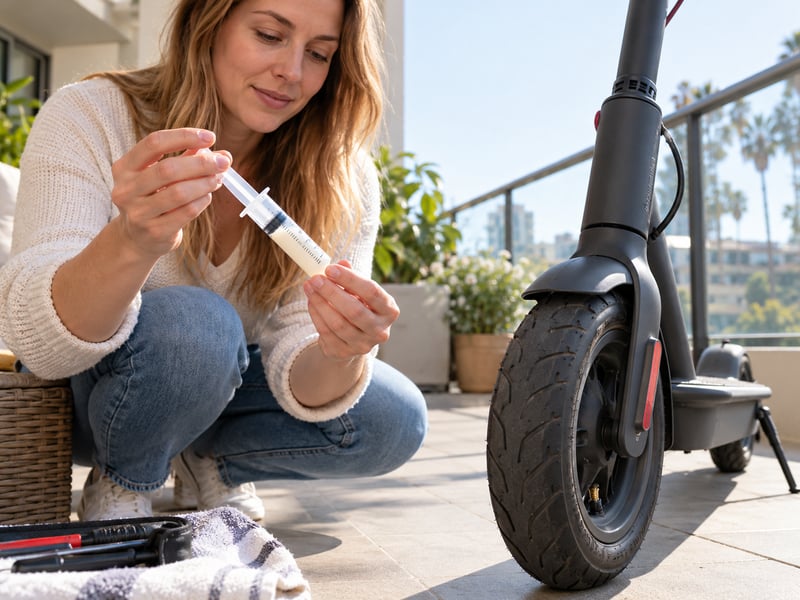
Here’s the deal… battery care is also very important. Avoid leaving your battery completely empty or fully charged for long periods. Store it in a cool, dry place when you are not using it. This will help extend its lifespan.
Some tasks are best left to a professional. If you hear strange noises from the motor or have issues with the electrical system, it is time to see a mechanic. They have the special tools and knowledge to fix these complex components.
| Maintenance Task | Frequency | DIY or Pro? |
| Tire Pressure Check | Before every ride | DIY |
| Brake Check | Before every ride | DIY |
| Chain Cleaning & Lube | Every 100-200 miles | DIY |
| Battery Care | Ongoing | DIY |
| Motor Service | As needed | Pro |
| Brake Bleeding (Hydraulic) | Annually | Pro |
Regular maintenance keeps your e-MTB in top condition. It prevents small problems from becoming big, expensive ones. It also gives you peace of mind knowing your bike is safe to ride.
8. What Is the Real-World Range of an e-MTB?
An e-MTB’s advertised range is an estimate. The actual distance depends on many factors. Understanding them helps you maximize your battery.
Your weight and the weight of any cargo you are carrying have a big impact. A heavier load requires more power from the motor. This will reduce your overall range.
The terrain you ride on also plays a key role. Riding on flat, smooth pavement is very efficient. Climbing steep hills or riding on soft dirt requires much more energy.
Want to know the secret? The assist level you choose is one of the biggest factors. Using a low assist level, or Eco mode, will give you the longest range. Using a high assist level, or Boost mode, will drain your battery much faster.
Weather can also affect your range. Riding into a strong headwind will increase the motor’s workload. Cold temperatures can also temporarily reduce your battery’s capacity.
To maximize your range, try to use the lowest assist level that is comfortable for you. Pedal smoothly and try to maintain a steady speed. Proper tire inflation will also help reduce rolling resistance.
| Factor | Impact on Range | How to Optimize |
| Rider Weight | High | Reduce cargo weight |
| Terrain | High | Choose flatter routes when possible |
| Assist Level | Very High | Use the lowest comfortable setting |
| Wind | Medium | Tuck in to reduce drag |
| Temperature | Medium | Keep battery warm in cold weather |
By managing these factors, you can get closer to the advertised range. This gives you the freedom to ride farther and with more confidence.
9. Are Electric Mountain Bikes Street Legal?
Yes, e-MTBs are legal on many streets and trails. However, the laws can be confusing and vary by location.
In North America, e-bikes are often sorted into three classes. These classes determine where you can ride them. It is important to know the rules in your area.
Class 1 e-bikes provide assistance only when you are pedaling. The motor stops helping when you reach 20 mph. These are the most widely accepted type of e-bike.
Class 2 e-bikes also have a throttle. This allows you to move without pedaling. The motor is also limited to 20 mph.
Class 3 e-bikes are pedal-assist only, like Class 1. However, they can reach speeds up to 28 mph. These are often restricted to roads only.
The bottom line? Always check your local laws. Some cities or parks may have their own rules about e-bike use. This is especially true for mountain bike trails.
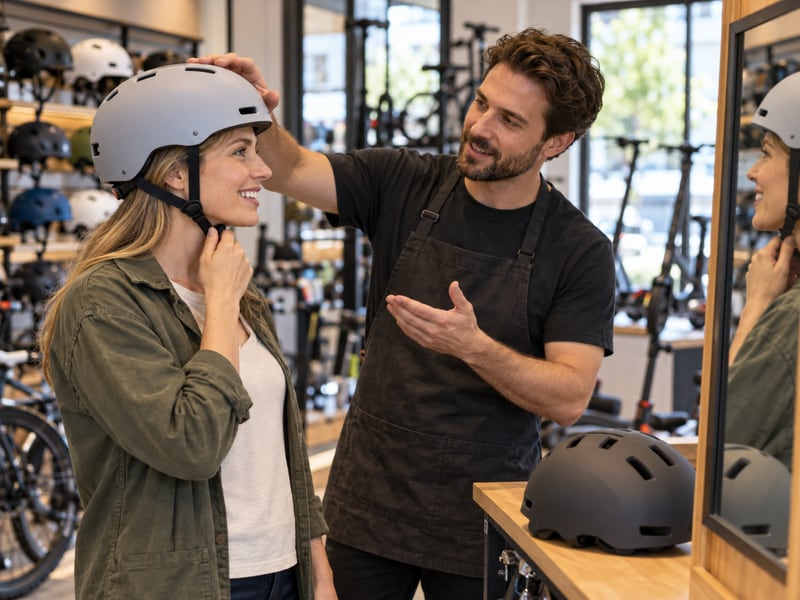
Safety is also key when riding on the road. Make sure your bike has lights and reflectors. Wearing a helmet is always a good idea.
| E-Bike Class | Top Assisted Speed | Throttle? | Common Use Areas |
| Class 1 | 20 mph | No | Bike paths, roads, many trails |
| Class 2 | 20 mph | Yes | Bike paths, roads |
| Class 3 | 28 mph | No | Roads, commuter lanes |
Knowing the rules helps you ride responsibly. It ensures you can enjoy your e-MTB safely and legally. It also helps protect access for all e-bike riders.
10. How Do You Choose the Right e-MTB for Your Needs?
Choosing the right e-MTB can seem hard. Thinking about your needs will help you find the perfect one.
First, consider your main use. Will you be commuting to work? Or do you plan to ride challenging trails on the weekends? Your answer will guide your choice.
For commuting, you might want a bike with fenders and a rack. For trail riding, full suspension and aggressive tires are more important. The Dynamic Scooter Q5 is a great all-arounder that can handle both.
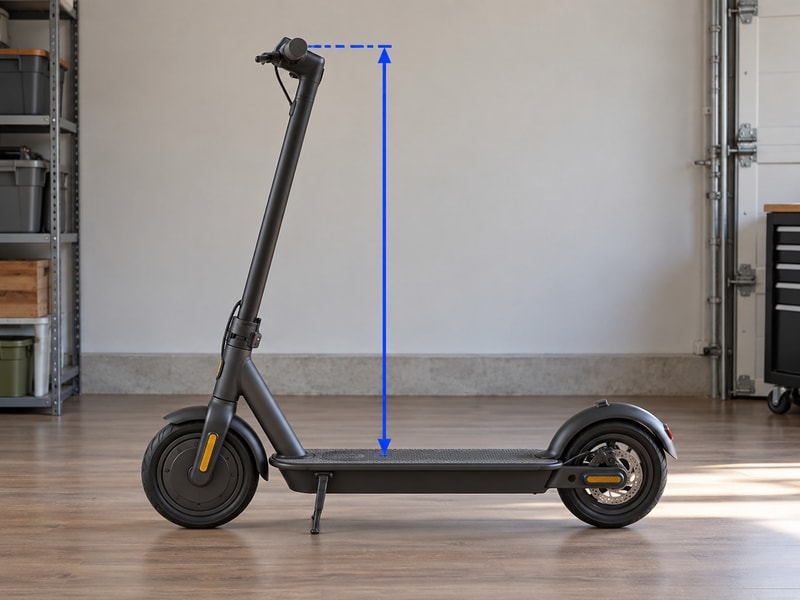
What does this mean for you? Finding the right fit is key. A bike that is the wrong size will be uncomfortable and hard to control. Check the manufacturer’s sizing chart to find the right frame for your height.
Finally, think about your budget. E-MTBs come in a wide range of prices. It is helpful to balance cost with the features that are most important to you.
Look for a bike that offers a good mix of quality components and performance. A powerful motor, a reliable battery, and strong brakes are all worth paying for. They will make your rides safer and more enjoyable.
| Rider Profile | Primary Use | Key Features to Look For |
| The Commuter | Daily travel to work or school | Fenders, rack, lights, long range |
| The Trail Rider | Weekend fun on dirt paths | Full suspension, knobby tires, powerful motor |
| The Fitness Seeker | Exercise and recreation | Adjustable assist levels, comfortable fit |
By taking the time to assess your needs, you can choose an e-MTB that you will love to ride. It will be a great partner for all your adventures.
Conclusion
Buying an electric mountain bike is a smart move. We have covered how the motor and battery work, what to look for in quality parts, and how to maintain your bike. An e-MTB gives you the power to ride farther and tackle hills with ease. The real benefit is getting more exercise while saving on transport costs. Ready to feel the power for yourself? Contact Dynamic Scooter today to find the perfect electric mountain bike that fits your life.
FAQ
Q1: How fast can an electric mountain bike go?
An electric mountain bike’s top speed depends on the motor and local rules. For example, the Dynamic Scooter Q5 can reach up to 45 km/h (≈30 mph) where permitted, but it’s often limited to comply with regional e-bike laws.
Q2: Can I ride an electric mountain bike in the rain?
Yes, you can ride most electric mountain bikes in light rain. Look for a model with a good waterproof rating, like the IPX4-rated Dynamic Scooter Q5. This ensures the battery and key components are protected from splashes. However, avoid heavy downpours or full submersion.
Q3: How much does a good electric mountain bike cost?
A quality electric mountain bike can range from $1,000 to over $5,000. A model like the Dynamic Scooter Q5 offers a strong balance of features, including a 650W motor and hydraulic brakes, for around $1,399, making it a competitive choice.
Q4: How long does the battery last on an e-MTB?
Battery life varies based on usage. On the Dynamic Scooter Q5, you can get up to 40–50 km in pure electric mode or up to 90–100 km using pedal-assist. Factors like rider weight, terrain, and assist level will affect the final range.
Q5: Is an electric mountain bike heavy?
Yes, e-MTBs are heavier than traditional mountain bikes due to the motor and battery. The Dynamic Scooter Q5 weighs 28 kg (62 lbs). While heavier, the electric assist makes the extra weight unnoticeable while riding.