
Do you ever feel every single bump and crack in the road while riding your electric scooter? That jarring, uncomfortable ride can take the fun out of your daily commute and leave you feeling shaken. A scooter without a good suspension system transfers all those impacts directly to you, leading to fatigue, a loss of control, and a less safe ride. The right suspension can transform your ride from rough and bumpy to smooth and comfortable.
An electric scooter suspension system is a set of components, including springs and shock absorbers, that connects the wheels to the frame and absorbs bumps from the road. This improves ride comfort, enhances control, and reduces wear on the scooter. The Dynamic Scooter Model B, for instance, features a dual suspension system that provides a cushioned ride, making it ideal for navigating varied city terrain.
Ready to smooth out your ride? Here’s what you need to know.
1. What Is an Electric Scooter Suspension System?
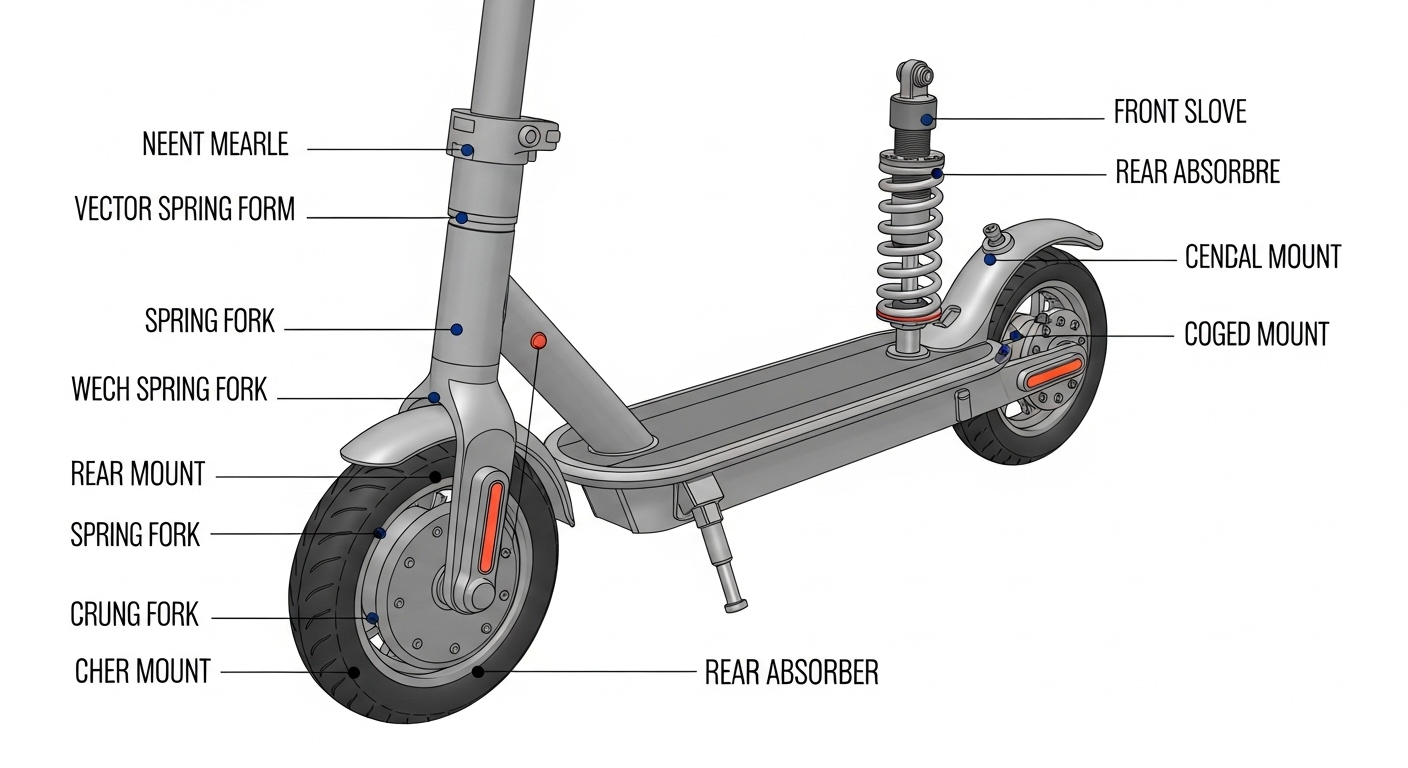
An electric scooter suspension system is what separates you from the harsh realities of the road. Its main job is to absorb the shocks and vibrations from bumps, cracks, and uneven surfaces. Think of it as the scooter’s knees and ankles, flexing to keep the ride smooth while the wheels follow the contours of the ground. This not only makes your ride more comfortable but also safer by keeping the tires in better contact with the road.
The core of any suspension system consists of two main parts: a spring and a damper. The spring is what absorbs the initial impact. When you hit a bump, the spring compresses, soaking up the energy. The damper, also known as a shock absorber, controls how the spring bounces back. Without a damper, the scooter would continue to bounce up and down after hitting a bump. Here’s the key… the damper dissipates the energy from the spring, creating a stable and controlled ride.
Together, these components work to isolate the scooter’s frame and, by extension, you from the roughness of the terrain. A good electric scooter suspension system can make a world of difference, turning a bone-rattling commute into a pleasant glide. It’s a feature that adds a touch of luxury and a whole lot of practicality to your ride.
| Component | Function |
| Spring | Compresses to absorb the energy from bumps. |
| Damper (Shock Absorber) | Controls the speed at which the spring compresses and rebounds. |
| Swingarm/Fork | Connects the wheel to the scooter’s frame. |
2. What Are the Different Types of Suspension Systems?
Not all electric scooter suspension systems are created equal. There are several different types, each with its own set of pros and cons. The most common type is spring suspension. This system uses a simple coil spring to absorb impacts. It’s effective, reliable, and relatively inexpensive, which is why you’ll find it on many entry-level and mid-range scooters.
Another type is rubber suspension. This system uses blocks of rubber or other elastomers to absorb vibrations. It’s very low-maintenance because there are no moving parts to wear out. However, it typically offers less travel and is not as effective on larger bumps compared to other systems. But here’s the thing… for riders who stick to mostly smooth city streets, it can be a good, hassle-free option.
For a more premium ride, you have hydraulic and air suspension. Hydraulic suspension uses a piston moving through oil inside a chamber to dampen impacts. It offers a very smooth and controlled ride. Air suspension, or pneumatic suspension, uses an air-filled chamber as a spring. It’s highly adjustable, allowing you to fine-tune the stiffness of the ride to your weight and preference. These are typically found on high-end scooters.
| Suspension Type | Pros | Cons |
| Spring | Reliable, affordable | Can be bouncy without a good damper |
| Rubber | Low-maintenance, durable | Less effective on large bumps |
| Hydraulic | Very smooth, excellent damping | More expensive, can require maintenance |
| Air (Pneumatic) | Highly adjustable, lightweight | Most expensive, can leak if damaged |
3. How Does Front Suspension Work?
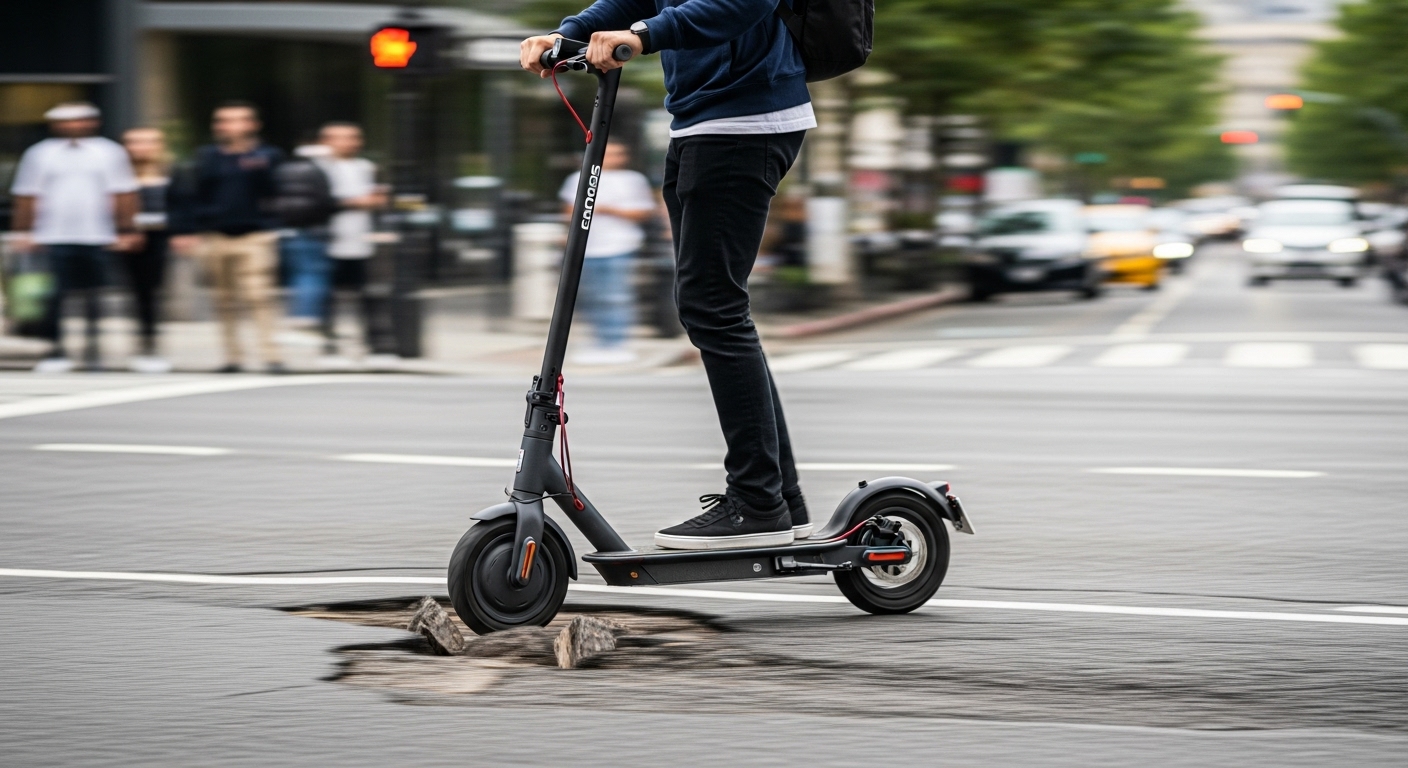
Front suspension on an electric scooter is all about control and comfort for the front wheel. It’s typically housed in the front fork, which connects the front wheel to the handlebars and the main frame. When the front wheel hits a bump, the suspension compresses, absorbing the impact before it travels up the steering column to your hands and arms. This reduces vibrations and makes the ride much smoother.
The most common type of front suspension is a telescopic fork, similar to what you’d find on a motorcycle. This design uses two tubes that slide into each other, with a spring and damper inside. Another type is a leading-link suspension, which uses a pivoting arm to connect the wheel to the frame. The best part? Both designs help keep the front tire in contact with the ground, which is crucial for maintaining steering control, especially when cornering or braking.
A good front electric scooter suspension system is particularly important because the front wheel is the first to encounter obstacles. By absorbing these impacts effectively, it sets the stage for a stable ride. It prevents the handlebars from being jolted out of your hands and gives you the confidence to navigate less-than-perfect roads safely.
| Benefit of Front Suspension | Why It Matters |
| Improved Steering Control | Keeps the front wheel on the ground for better grip. |
| Reduced Handlebar Vibration | Less fatigue in your hands and arms on long rides. |
| Enhanced Safety | Helps prevent loss of control when hitting unexpected bumps. |

4. How Does Rear Suspension Work?
While front suspension handles steering and initial impacts, rear suspension is all about comfort and stability for the bulk of your weight. The rear electric scooter suspension system is located at the back of the scooter, connecting the rear wheel to the deck where you stand. Its job is to absorb the bumps that the rear wheel encounters, preventing them from jarring your body.
Most rear suspension systems use a swingarm design. The rear wheel is attached to a pivoting arm, and a shock absorber (a combination of a spring and a damper) is mounted between the swingarm and the scooter’s frame. When the rear wheel goes over a bump, the swingarm pivots upward, and the shock absorber compresses to soak up the force. Let me explain… this action keeps the deck of the scooter relatively level, providing a much smoother and more stable platform for you to stand on.
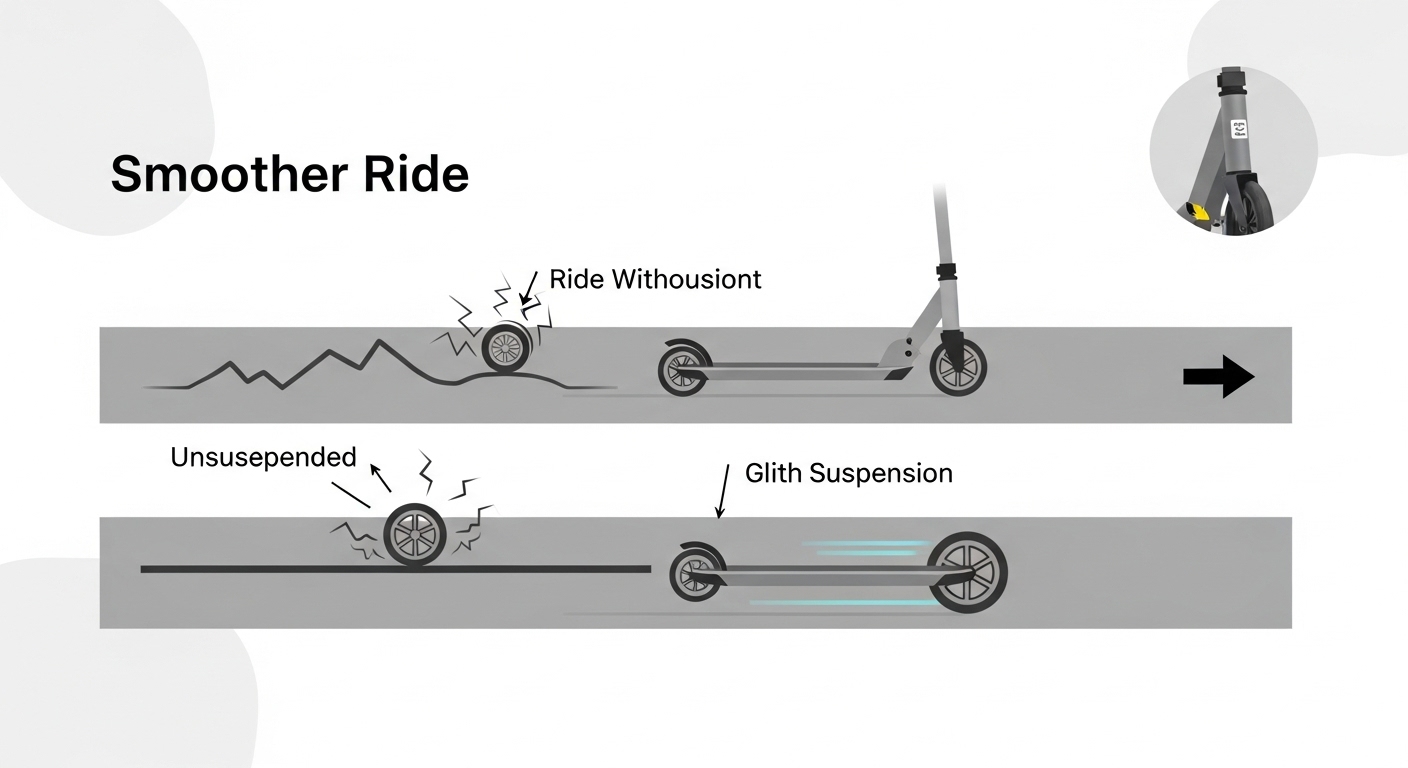
The difference between a scooter with and without rear suspension is night and day, especially on rough surfaces. Without it, every crack and pothole sends a jolt through your feet and up your spine. With rear suspension, these impacts are softened, making for a ride that is not only more comfortable but also less tiring over long distances.
| Benefit of Rear Suspension | Why It Matters |
| Smoother Ride | Absorbs bumps before they reach your feet and body. |
| Increased Stability | Keeps the scooter level and predictable on uneven ground. |
| Reduced Rider Fatigue | Lessens the physical toll of riding on rough surfaces. |
5. What Are the Benefits of Having Suspension?
The most obvious benefit of an electric scooter suspension system is a dramatic improvement in ride comfort. It smooths out the bumps and vibrations from the road, making your ride feel less like a jackhammer and more like a glide. This is especially noticeable on poorly maintained city streets or unpaved paths. Your joints will thank you for it.
But the benefits go beyond just comfort. Suspension also leads to better control and handling. By keeping the wheels in constant contact with the ground, it improves traction. This is particularly important when you’re turning or braking, as it helps prevent the wheels from skipping or losing their grip. This is important because… a scooter with good suspension is a safer scooter.
Furthermore, suspension can reduce fatigue on longer rides. The constant small vibrations from the road can be surprisingly tiring over time. By filtering these out, a suspension system allows you to ride for longer without feeling worn out. It also helps protect the scooter itself. The shocks and vibrations that are uncomfortable for you are also hard on the scooter’s frame and electronic components. Suspension helps to isolate these parts from harsh impacts, potentially extending the life of your scooter.
| Benefit | Impact on Your Ride |
| Comfort | A smoother, less jarring experience. |
| Control | Better traction and safer handling. |
| Reduced Fatigue | Ability to ride for longer without discomfort. |
| Scooter Protection | Less stress on the frame and electronics. |
6. What Are the Drawbacks of Suspension Systems?
Despite their many benefits, electric scooter suspension systems do have a few drawbacks. The most significant is the added weight. Springs, shock absorbers, and beefier frame components all add to the total weight of the scooter. This can make it more difficult to carry up stairs or lift into a car. If portability is your top priority, you might prefer a lighter scooter without suspension.
Cost is another factor. Suspension components add to the manufacturing cost of a scooter, which is then passed on to you, the buyer. Scooters with advanced hydraulic or air suspension systems are typically more expensive than their non-suspended counterparts. You have to decide if the added comfort is worth the extra money for your budget. Now, you might be wondering… what about maintenance?
Suspension systems also introduce more moving parts, which can require maintenance over time. Pivots may need to be lubricated, and components like springs and dampers can eventually wear out and need to be replaced. While this is not usually a frequent issue on quality scooters, it is an extra consideration compared to a simple, rigid scooter. The complexity of the system can also make repairs more difficult if something does go wrong.
| Drawback | Implication for Owners |
| Added Weight | Less portable and harder to carry. |
| Higher Cost | More expensive to purchase. |
| Maintenance | May require lubrication or part replacement over time. |
| Complexity | More parts that could potentially fail. |

7. How Do You Choose the Right Suspension for Your Needs?
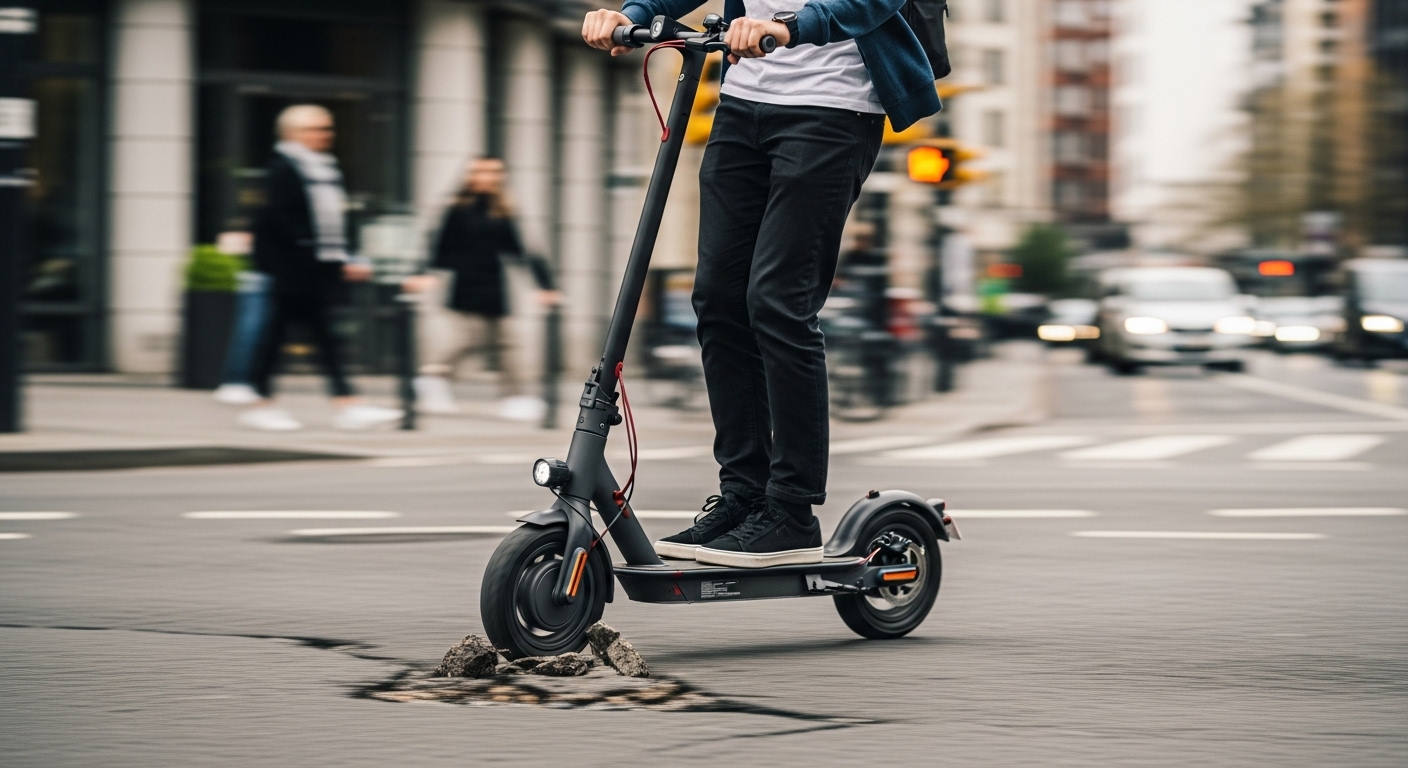
Choosing the right electric scooter suspension system depends largely on how and where you plan to ride. If your daily commute is on smooth, well-paved bike lanes, you might not need a sophisticated suspension system at all. A scooter with large, air-filled tires might provide enough cushioning for your needs. This can save you money and weight.
However, if you regularly ride on bumpy city streets, cobblestones, or even light off-road trails, suspension becomes much more important. In this case, a scooter with at least front suspension is highly recommended. For the ultimate in comfort and control on rough terrain, a dual suspension system (both front and rear) is the way to go. Here’s the deal… be realistic about your typical riding environment.
Your budget will also play a big role in your decision. Scooters with no suspension are the most affordable, followed by those with simple spring suspension. Models with advanced hydraulic or air suspension systems are at the premium end of the market. You also need to consider the trade-off between comfort and portability. A full-suspension scooter will be heavier, so if you need to carry it often, you might want to look for a lighter model with a more basic suspension setup.
| Rider Type | Recommended Suspension |
| Smooth-Road Commuter | No suspension or simple front suspension. |
| All-Around Urban Rider | Front or dual spring/rubber suspension. |
| Off-Road Enthusiast | Dual hydraulic or air suspension. |
Conclusion
An electric scooter suspension system is a critical feature that transforms your ride from bumpy to blissful. By absorbing shocks and vibrations, it provides a smoother, safer, and more comfortable experience. Understanding the different types of suspension and how they work helps you choose a scooter that is perfectly suited to your riding style and terrain. While suspension adds weight and cost, the benefits in comfort and control are often well worth the investment.
When you’re ready to experience a truly premium ride, consider a scooter with a well-engineered suspension. The Dynamic Scooter Model B, with its dual suspension, is an excellent choice for riders who value comfort and performance. Invest in a smoother ride and enjoy every journey.
FAQ
Q1: Do all electric scooters have suspension?
No, not all electric scooters have suspension. Budget models often skip suspension to keep costs down. They rely on pneumatic tires for shock absorption. Mid-range and premium scooters typically include front, rear, or dual suspension for better comfort.
Q2: Can you add suspension to a scooter without it?
Adding suspension to a scooter without it is difficult and often not practical. The frame must be designed to support suspension components. Aftermarket options are limited. It’s better to buy a scooter with built-in suspension if you need it.
Q3: How do you maintain suspension on an electric scooter?
Check suspension regularly for wear and damage. Keep moving parts clean and lubricated. Inspect springs and shock absorbers for leaks or cracks. Tighten any loose bolts. Replace worn components promptly to maintain performance.
Q4: Is dual suspension better than single suspension?
Dual suspension offers the best comfort by absorbing shocks from both wheels. It’s ideal for rough terrain. Single suspension (usually front) is lighter and cheaper. It works well for smooth roads. Your choice depends on riding conditions and budget.
Q5: Does suspension affect scooter speed?
Suspension doesn’t directly affect top speed. However, it adds weight, which can slightly reduce acceleration and range. The trade-off is worth it for comfort and control, especially on uneven surfaces where suspension helps maintain speed.