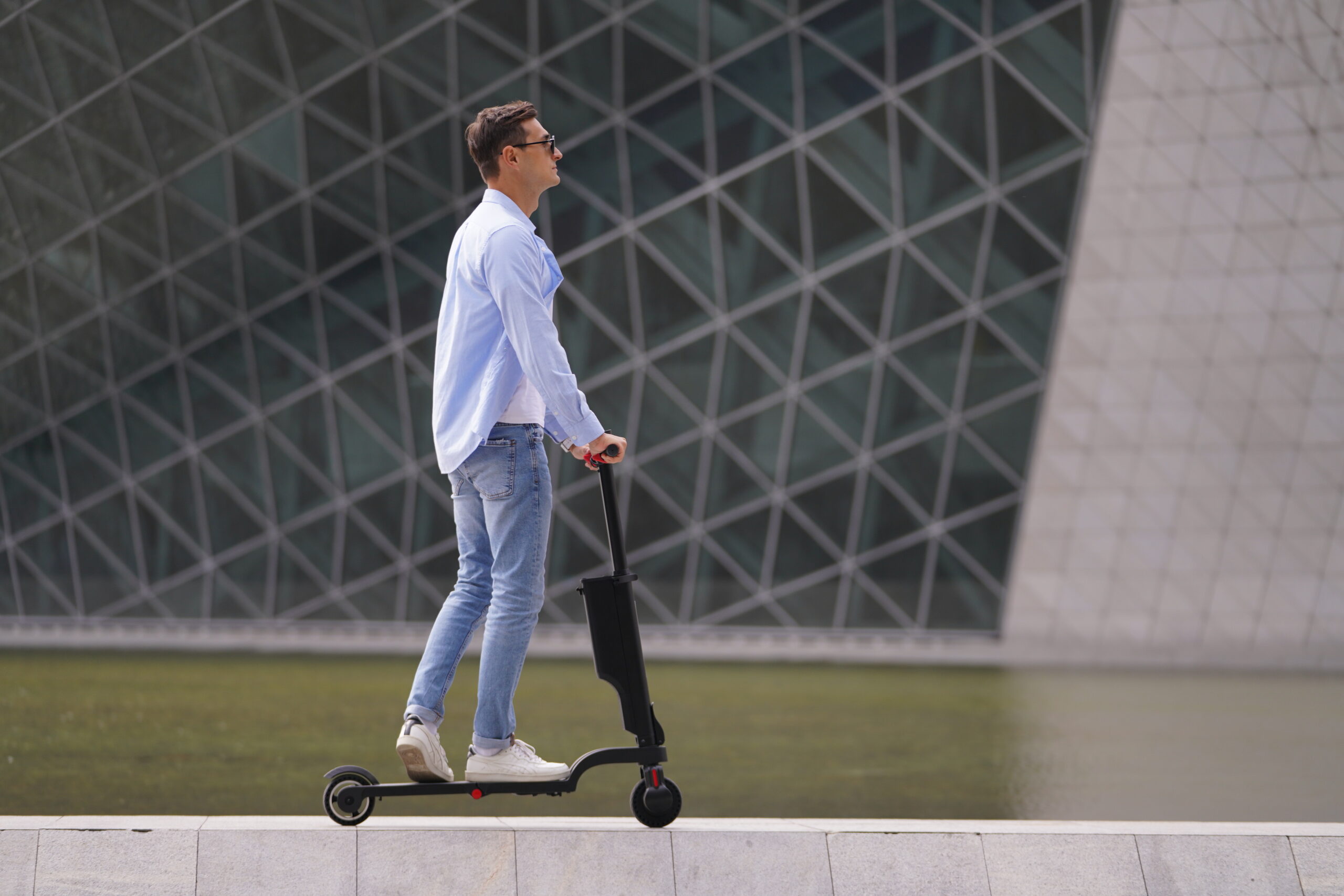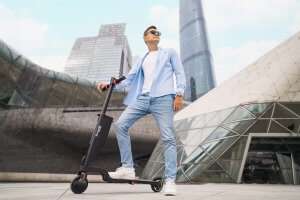

Riding electric scooters in San Francisco is legal and efficient as long as you adhere to local SFMTA regulations regarding age, speed, and sidewalk prohibitions.
You are probably tired of spending your mornings trapped in a gridlocked bus or searching for a parking spot that costs as much as your lunch. Navigating the steep grades and crowded intersections of the Bay Area on foot is exhausting and steals precious hours from your day. By switching to electric scooters San Francisco, you can reclaim your time and bypass the traffic with ease.
What are the current laws for electric scooters San Francisco?
Operating these devices requires you to be at least 16 years old and possess a valid driver’s license or learner’s permit. Local ordinances for electric scooters San Francisco follow California Vehicle Code § 21235, which prioritizes pedestrian safety.
Is a helmet mandatory for all riders?
While adults over 18 are not legally forced to wear one, the city strongly recommends head protection for everyone. Helmets are strictly mandatory for any rider under the age of 18 without exception.
- Helmets must meet CPSC or ASTM safety standards.
- Most rental apps require you to agree to helmet terms.
- Proper fit is essential to prevent injury during a fall.
Think about it:
San Francisco’s streets are filled with unpredictable obstacles like cable car tracks and hidden potholes. Protecting your head is the smartest move you can make before kicking off.
Key Takeaway: Compliance starts with age verification and a valid license, but safety truly begins with a certified helmet.
| Rule Category | Requirement | Legal Reference |
|---|---|---|
| Minimum Age | 16 Years Old | CVC § 21235 |
| Licensing | Class C or M2 | CA DMV |
| Speed Limit | 15 MPH | SFMTA |
Compliance with these fundamental laws ensures that you avoid costly citations and keep the city’s streets safe for everyone.
Where should you park electric scooters San Francisco?
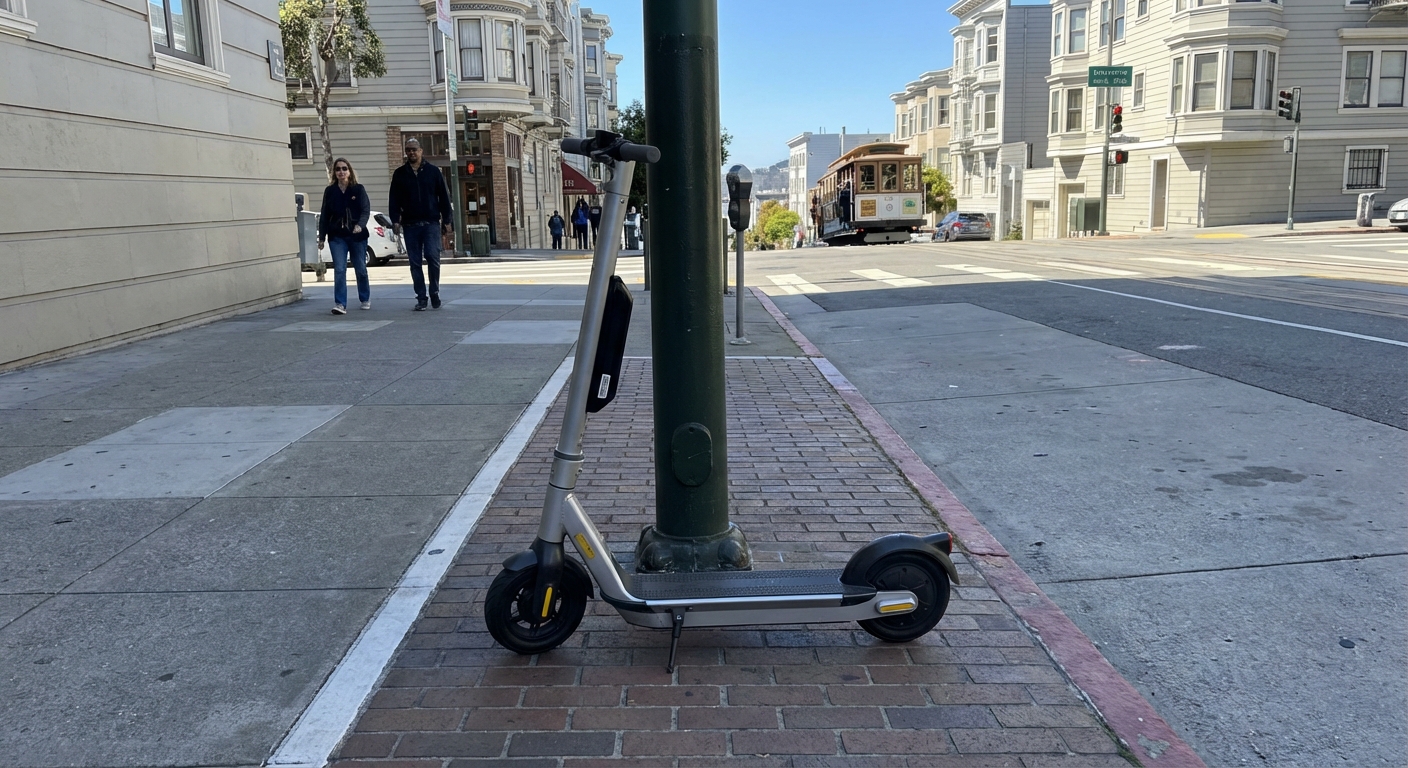
Proper parking means leaving your scooter upright in the “street furniture zone,” which is the section of the sidewalk closest to the curb. When using electric scooters San Francisco, you must never block the pedestrian right-of-way or building entrances.
How to avoid blocking city sidewalks?
You should always look for designated bike racks or specific painted zones if they are available nearby. If these aren’t present, align your scooter with existing fixtures like light poles or parking meters.
- Keep a 6-foot clear path for pedestrians.
- Avoid parking on corners or near curb ramps.
- Never lean your device against private property or windows.
But wait, there’s more.
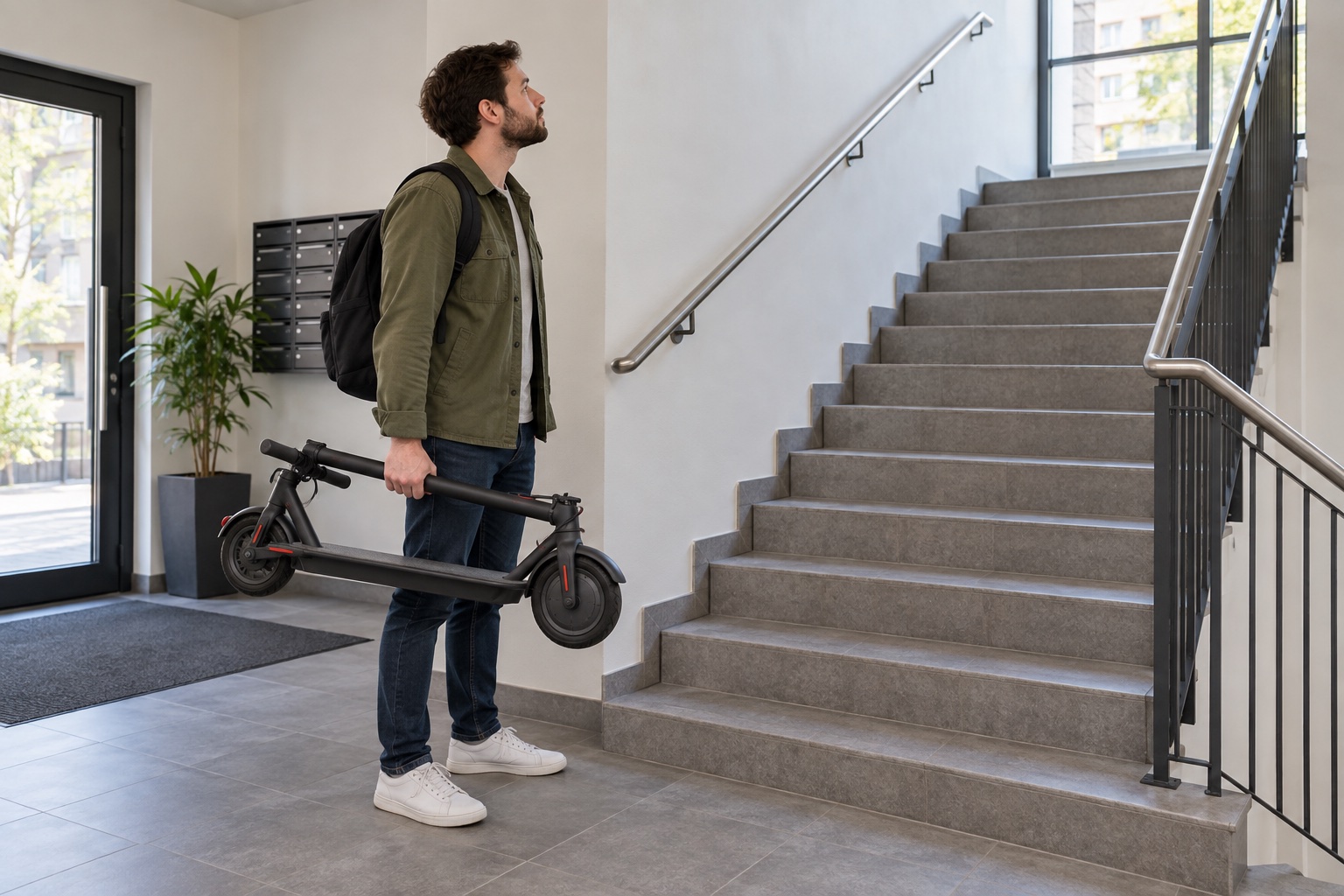
Understanding the ultimate guide to folding electric scooters can help you realize how easy it is to simply bring your own device inside. This eliminates the stress of searching for a legal spot on the street.
Key Takeaway: Always park parallel to the curb and maintain a clear path for those with mobility aids.
| Parking Area | Status | Distance Rule |
|---|---|---|
| Furniture Zone | Legal | Near the curb |
| Building Entry | Illegal | 6 feet clear |
| Fire Hydrants | Illegal | 15 feet clear |
The SFMTA is very strict about parking violations, often impounding devices that obstruct the flow of sidewalk traffic.
Which routes are best for electric scooters San Francisco?
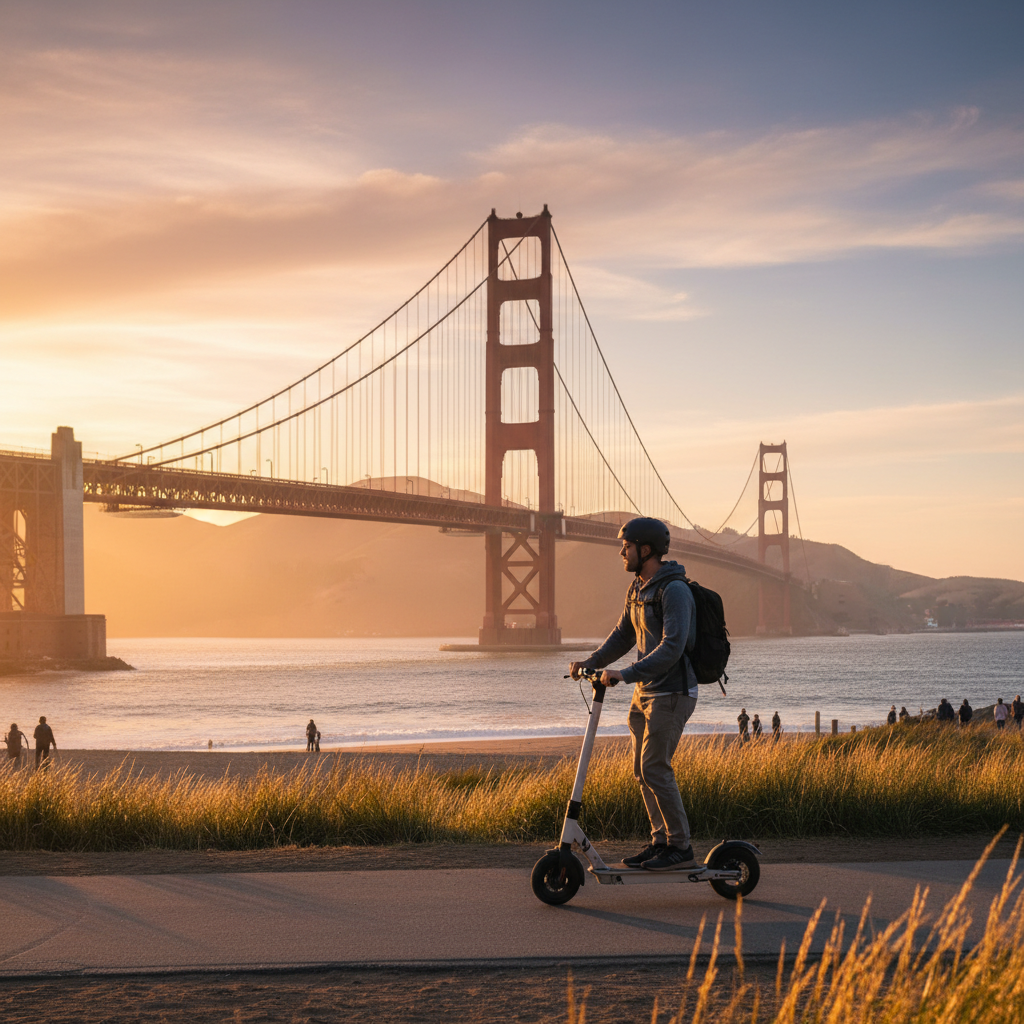
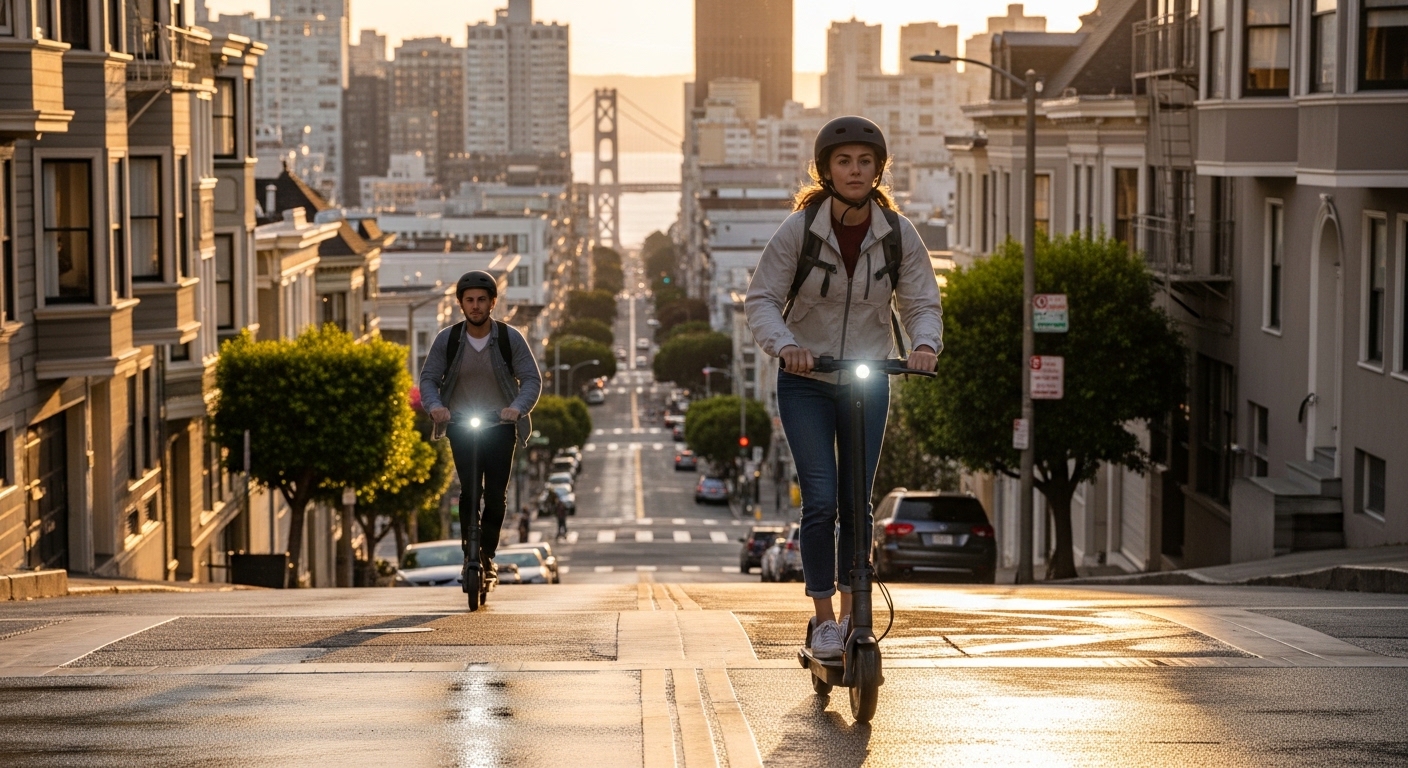
The Embarcadero and the Great Highway provide the most scenic and protected environments for riding electric scooters San Francisco. These paths offer dedicated lanes that separate you from heavy vehicle traffic and provide stunning bay views.
Can you ride near the Golden Gate?
You can ride right up to the bridge approach using the Battery East Trail, which is paved and wide. However, remember that riding on the actual Golden Gate Bridge sidewalks is prohibited for all motorized scooters.
- Crissy Field offers wide, flat gravel and paved paths.
- The Presidio has forested trails with moderate grades.
- Market Street features protected lanes through the city core.
And the best part?
Many of these routes connect directly to the city’s “Slow Streets” network. This creates a massive web of low-traffic zones where you can ride with significantly less stress.
Key Takeaway: Stick to the waterfront for flat terrain and iconic landmarks while avoiding the most congested hills.
| Scenic Route | Skill Level | Best Feature |
|---|---|---|
| Embarcadero | Beginner | Bay Bridge views |
| Great Highway | Intermediate | Ocean breeze |
| Golden Gate Park | All Levels | Car-free zones |
Selecting the right route transforms a standard commute into a tourist-worthy experience every single morning.
How do you climb hills on electric scooters San Francisco?
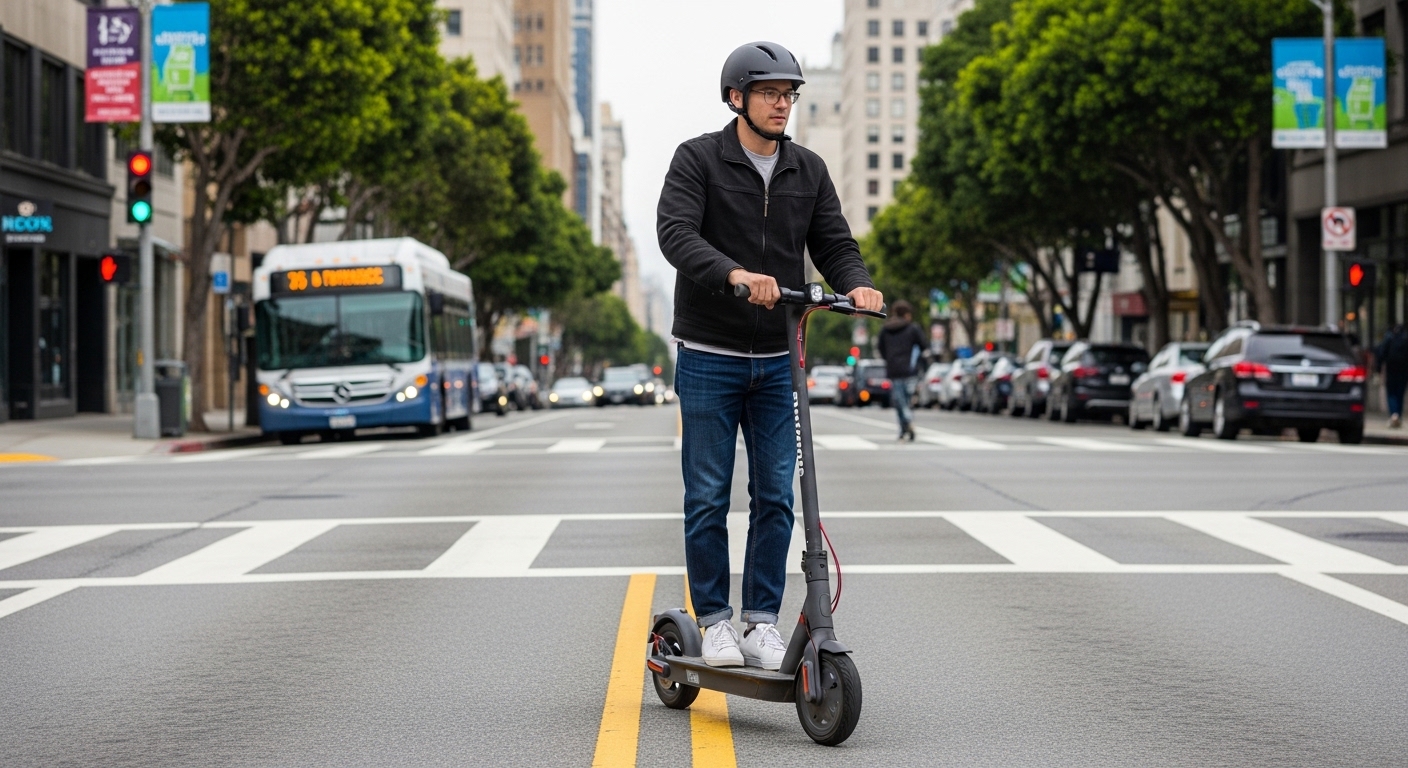
Tackling the city’s famous inclines requires you to maintain a forward-leaning posture and utilize a scooter with a high-torque motor. When navigating hills with electric scooters San Francisco, momentum is your best friend when approaching the base of the street.
Does dual motor power matter?
Having two motors is a game-changer for those living in Nob Hill or the Haight-Ashbury districts. A single motor often bogs down on a 15% grade, but dual motors provide the necessary “push” from both ends.
- Check your scooter’s watt rating (500W minimum recommended).
- Shift your body weight over the front wheel for traction.
- Avoid stopping mid-hill if your battery is below 30%.
Here is the deal:
If you are worried about the inclines near your office, the Model B offers the portability and power needed to survive the city’s topography. It is specifically designed to handle the varied terrain found in urban environments.
Key Takeaway: Prioritize high peak-wattage motors if your daily route involves crossing the city’s major ridge lines.
| Incline Grade | Recommended Motor | Rider Effort |
|---|---|---|
| 0-5% | 350W Single | Minimal |
| 6-12% | 500W Single | Moderate lean |
| 13%+ | 1000W+ Dual | Active weight shift |
San Francisco’s hills can drain a battery significantly faster than flat ground, so plan your range accordingly.
Can you take electric scooters San Francisco on BART?
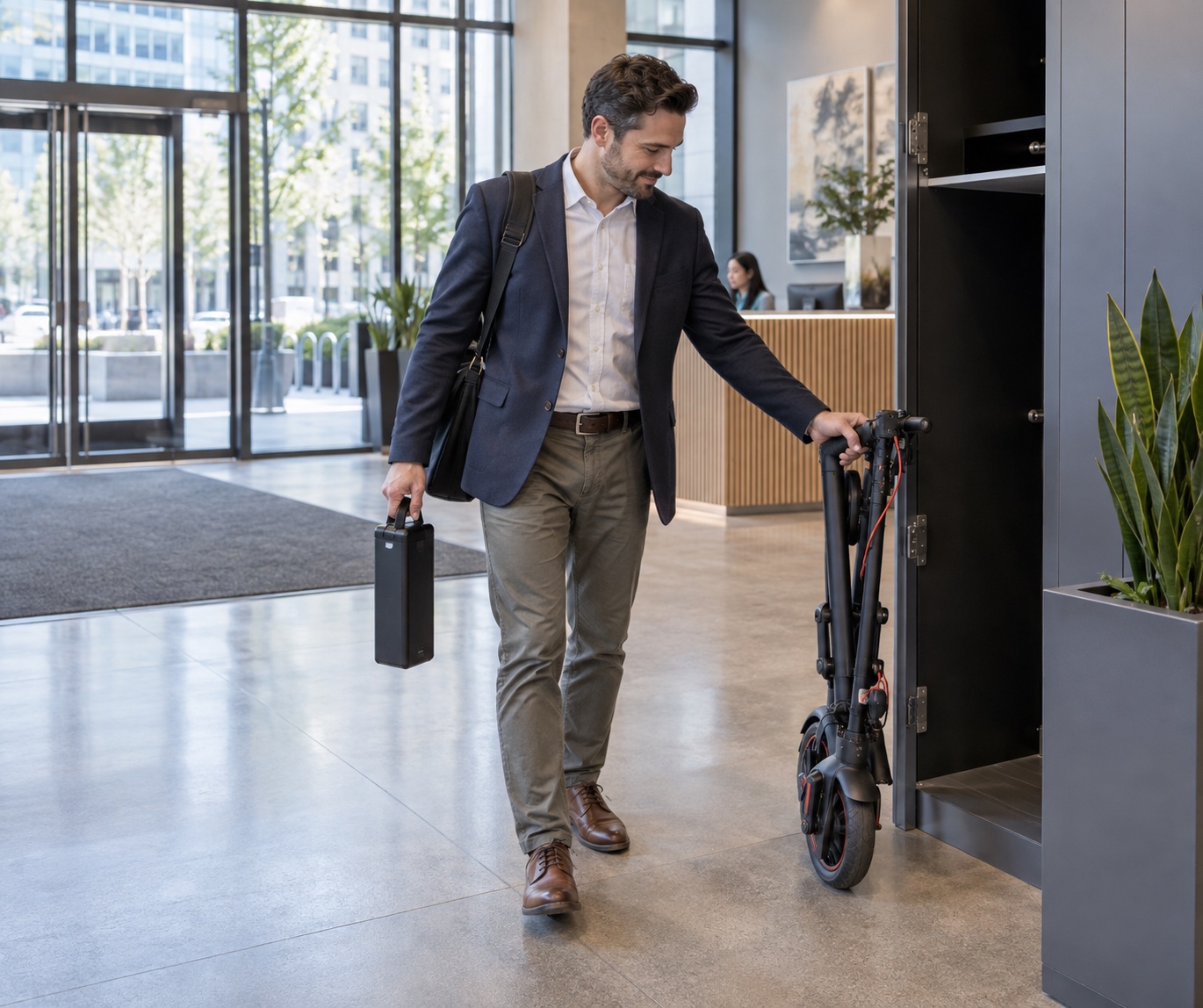
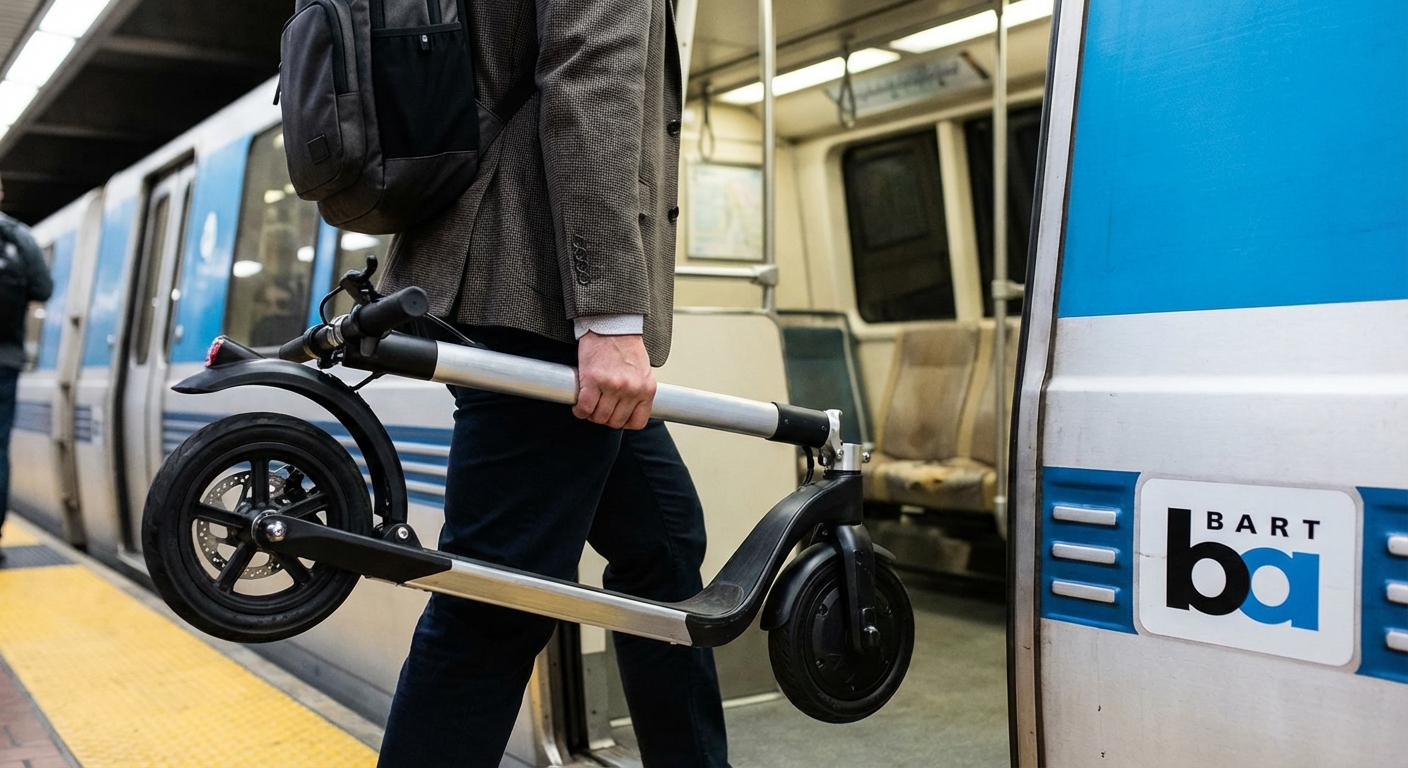
BART and MUNI both allow you to bring your device onboard, but you must keep the electric scooters San Francisco folded while inside the stations. It is strictly against the law to ride through the hallways or on the platform levels.
What are the transit boarding rules?
You should always use the elevators or stairs rather than the escalators when carrying your scooter. Once on the train, stay in the designated bike areas or the open spaces near the doors.
- Fold the scooter before entering the fare gates.
- Never block the aisles or the center doors.
- Keep the scooter under your seat or in your hand.
Believe it or not,
Combining a scooter with public transit can cut your commute time in half. This “last-mile” solution allows you to live further from the station while still getting to the office on time.
Key Takeaway: Always fold your scooter before you enter the station to stay in the good graces of transit police.
| Transit System | Folding Required | Riding Allowed? |
|---|---|---|
| BART | Yes | No (Inside) |
| MUNI | Yes | No (Inside) |
| Caltrain | Yes | No (Inside) |
The synergy between local trains and personal mobility devices is the most efficient way to navigate the entire Bay Area.
What are the cost benefits of electric scooters San Francisco?
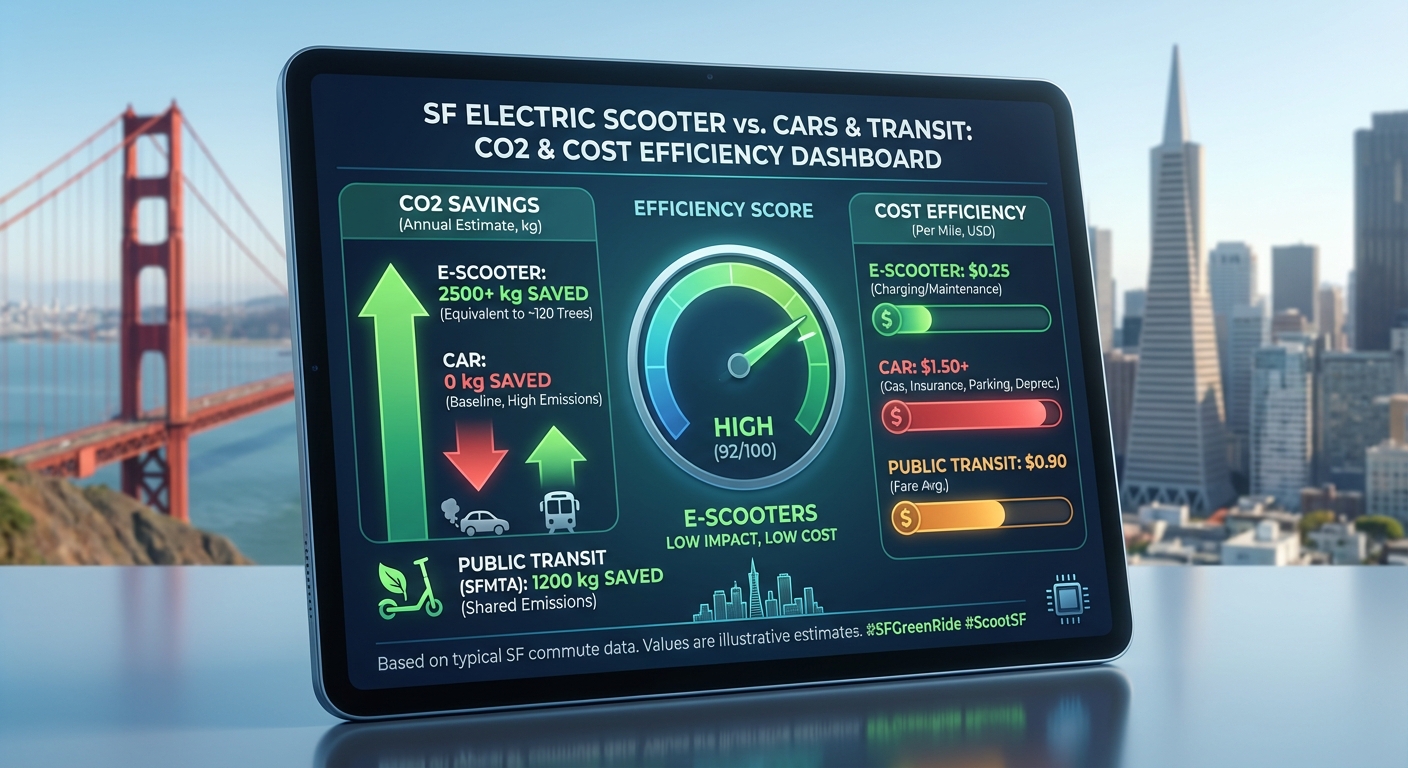
The truth is, owning a scooter is one of the most effective ways to slash your monthly transportation budget. Using electric scooters San Francisco eliminates the need for expensive fuel, insurance premiums, and city parking permits.
How much CO2 will you save?
By ditching your car for even three days a week, you can reduce your personal carbon footprint by over 2,000 kilograms per year. Scooters are 1,000% more energy-efficient than typical gasoline-powered vehicles per passenger mile.
- Charging costs roughly $0.05 per full battery cycle.
- Maintenance is drastically cheaper than car oil changes.
- Most riders see ROI within the first six months.
The truth is,
Staying updated on the electric scooter market in 2026 reveals that battery technology is making these devices even cheaper to operate. Modern cells last longer and charge faster than ever before.
Key Takeaway: The transition from a car to a scooter represents both a financial victory and an environmental contribution.
| Expense Type | Monthly Car Cost | Monthly Scooter Cost |
|---|---|---|
| Fuel/Power | $150.00 | $1.50 |
| Parking | $300.00 | $0.00 |
| Maintenance | $80.00 | $5.00 |
Switching to electric mobility is the single most impactful change an SF resident can make for their wallet.
How does fog affect electric scooters San Francisco?
Moisture from the famous “Karl the Fog” can accumulate on your brake discs and lights, making regular cleaning mandatory for electric scooters San Francisco. High-quality scooters often feature IP-rated water resistance, but they are not entirely waterproof.
Is charging in high humidity safe?
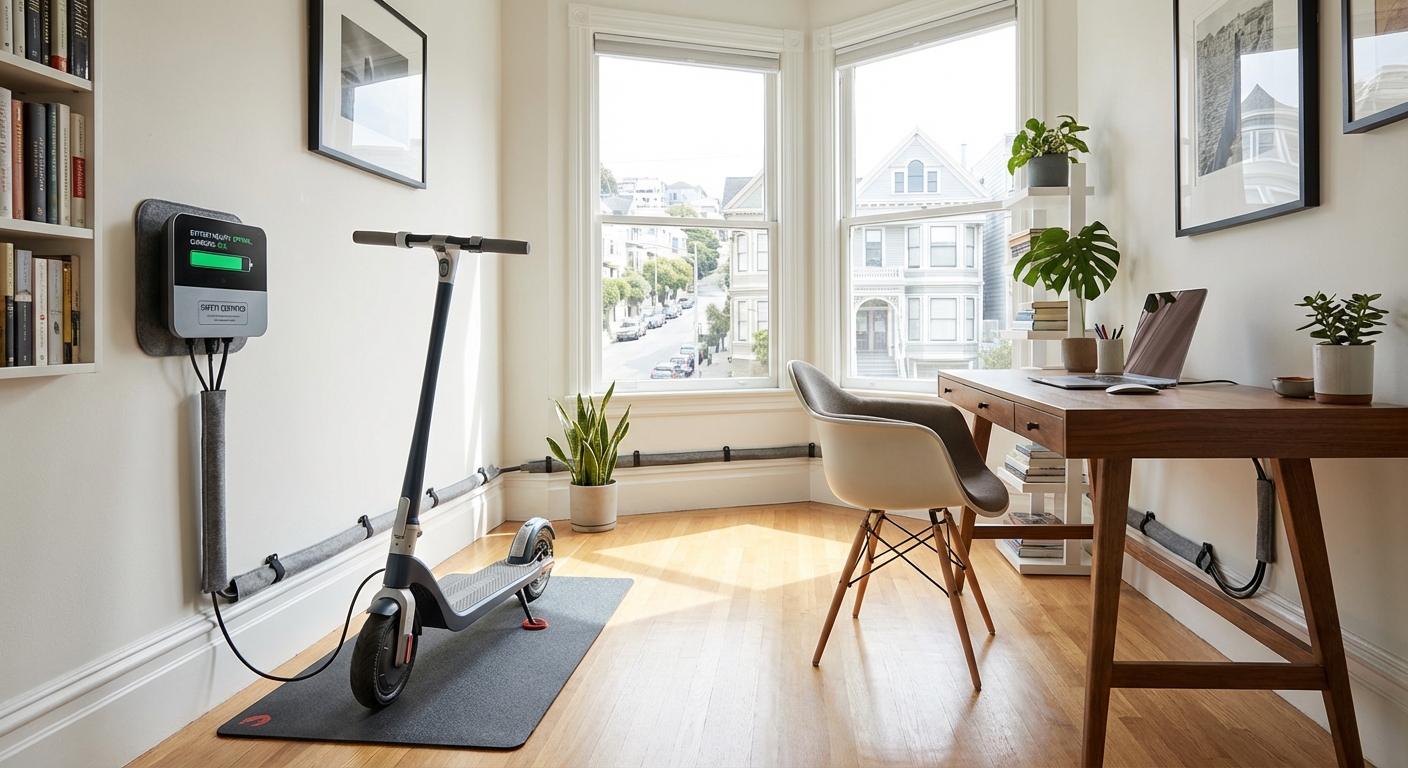
You should always let your scooter dry completely at room temperature before plugging it into a charger. If there is visible condensation on the charging port, wipe it down with a dry cloth immediately.
- Clean your LED lights weekly to ensure visibility.
- Check tire pressure often as cold air drops PSI.
- Lubricate moving joints to prevent rust from sea salt.
Look,
The coastal air is filled with salt that can slowly corrode cheap metal parts. Storing your ride inside your apartment rather than a damp garage is the best way to extend its lifespan.
Key Takeaway: Fog is a form of moisture that requires proactive drying and cleaning to keep your electronics safe.
| Weather Element | Risk Factor | Solution |
|---|---|---|
| Heavy Fog | Low Visibility | Extra LED lights |
| Salty Air | Corrosion | Silicone spray |
| Cold Mornings | Battery Sag | Keep charged above 50% |
Proactive maintenance against the elements ensures your scooter remains a reliable tool for your daily travel.
Why is maintenance key for electric scooters San Francisco?
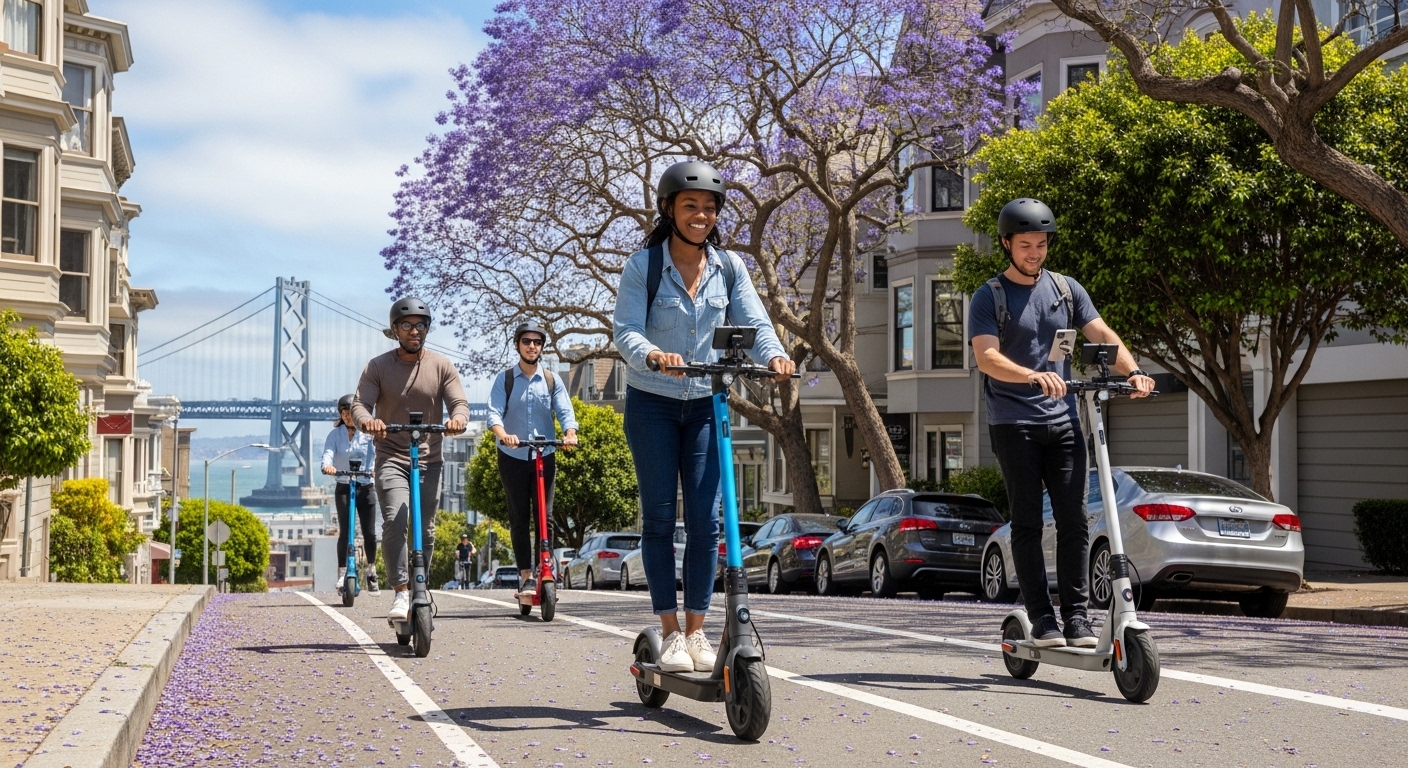
The combination of cobblestones and cable car grooves creates constant vibration that can loosen the structural bolts on your device. For electric scooters San Francisco, performing a “M-check” once a week will prevent mechanical failure at high speeds.
What should you check every week?
You must verify that your folding mechanism is locking securely and that your brakes have a crisp, immediate response. Spongy brakes are a major safety hazard when you are descending a steep hill toward a red light.
- Tighten all visible deck and handlebar bolts.
- Inspect the tires for small glass shards or punctures.
- Test the bell or horn to ensure it is audible.
In short:
Following our guide to electric scooter brakes will help you understand how to adjust your stopping power. Being able to stop on a dime is your best defense against city traffic.
Key Takeaway: Five minutes of maintenance on Sunday can prevent a catastrophic failure during your Monday morning commute.
| Component | Check Frequency | Warning Sign |
|---|---|---|
| Brake Pads | Monthly | Grinding noise |
| Stem Bolts | Weekly | Handlebar wobble |
| Tire Tread | Monthly | Sliding on turns |
Keeping your hardware in peak condition is the only way to navigate the rugged streets of the Mission or SoMa safely.
Is owning or renting electric scooters San Francisco better?
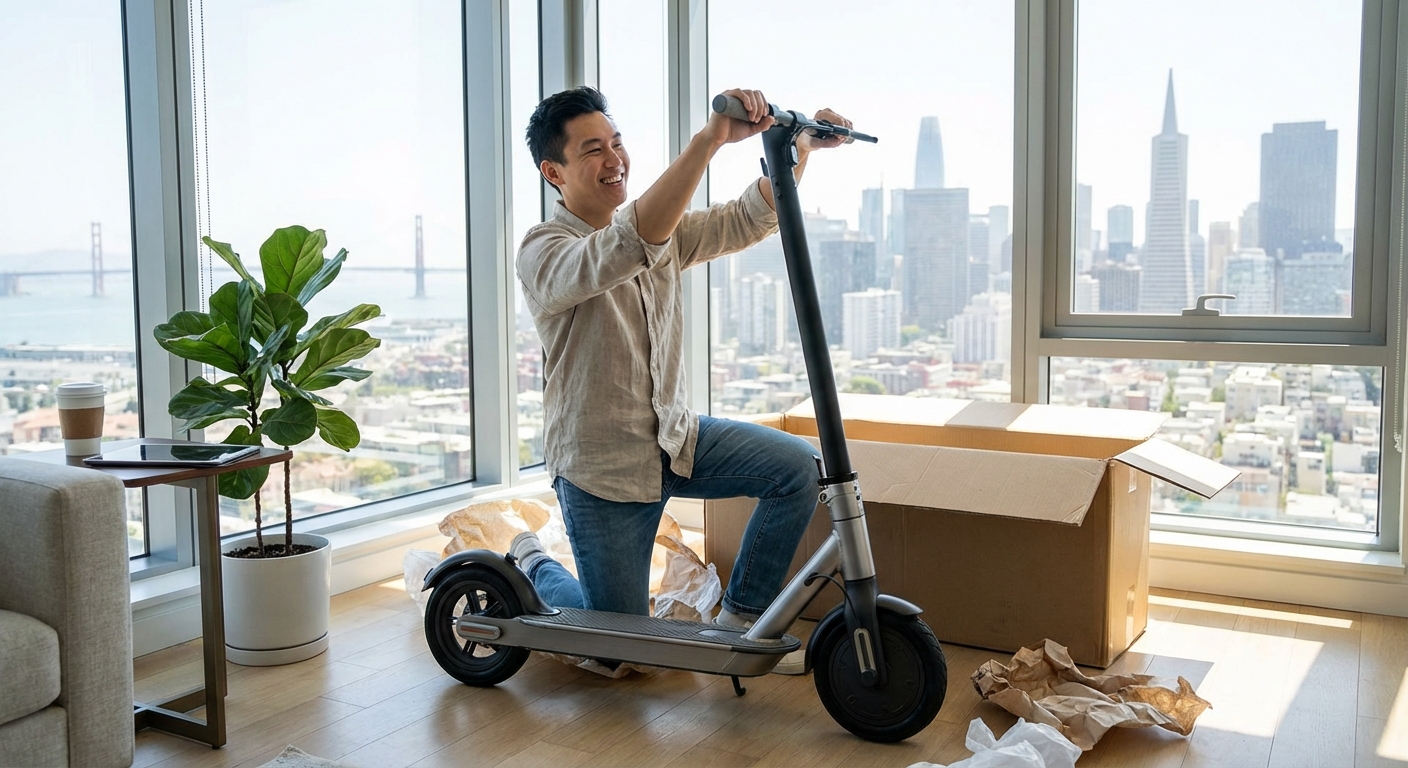
Ownership is almost always more economical for people who plan on using electric scooters San Francisco more than twice a week. While rentals are great for a one-off trip, the fees accumulate quickly and can soon exceed the price of a mid-range device.
Are rental fees becoming too high?
Typical rentals cost $1 to unlock and up to $0.45 per minute, which means a 20-minute ride costs nearly $10. If you do this twice a day, you are spending $400 a month on a device you don’t even own.
- Owned scooters are always available at your door.
- You can customize the tires for better SF grip.
- Privacy is better as you aren’t being tracked by apps.
Here’s the thing:
Selecting the best foldable electric scooter for adults allows you to choose specs that specifically fit your body weight and commute distance. You won’t have to settle for a beat-up rental with a dying battery.
Key Takeaway: Buying your own scooter pays for itself in less than three months compared to daily app rentals.
| Access Method | Reliability | Total Monthly Cost |
|---|---|---|
| Public Rental | Low (Search time) | $350 – $450 |
| Personal Ownership | High (Instant) | $15 – $30 (Electricity/Maint) |
| Leasing/Sub | Medium | $60 – $80 |
Owning your mobility device provides a level of freedom and consistency that rental platforms simply cannot match.
Where can beginners ride electric scooters San Francisco?
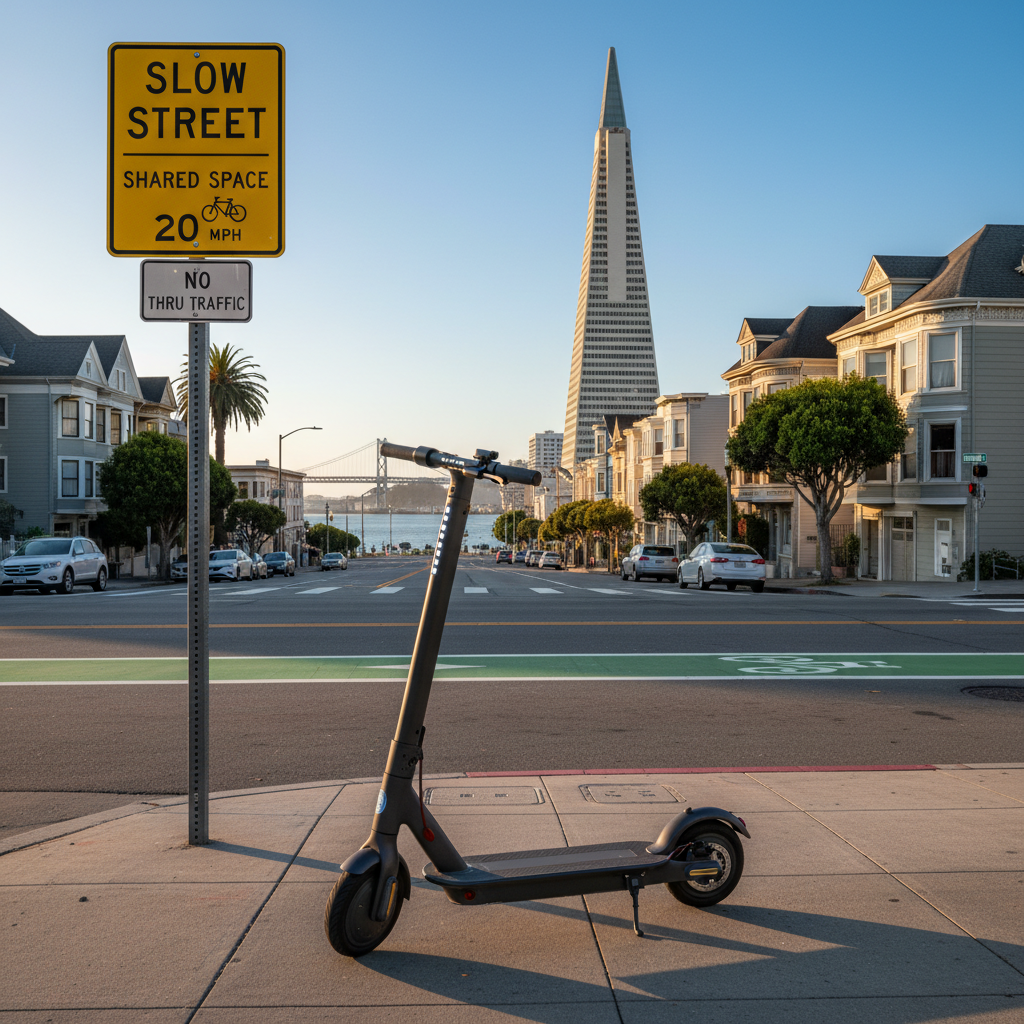
The “Slow Streets” program has transformed numerous residential avenues into shared spaces with minimal car traffic, perfect for learning electric scooters San Francisco. These streets are clearly marked with yellow signs and allow you to build confidence at your own pace.
What are the best training spots?
Golden Gate Park is the ultimate training ground because of its car-free JFK Promenade and wide, flat paths. You can practice turning, braking, and signaling without the pressure of having a bus behind you.
- Page Street (Lower Haight) is a top-tier Slow Street.
- Sanchez Street (Noe Valley) offers long, flat blocks.
- Great Highway (Weekends) provides miles of open pavement.
You bet.
Once you master the basics, you might find that you actually enjoy the ride more than the destination. These beginner-friendly areas are also home to some of the city’s best coffee shops and community hubs.
Key Takeaway: Start on a Slow Street to master your balance before attempting to ride in the high-density downtown traffic.
| Beginner Spot | Traffic Level | Best Skill to Practice |
|---|---|---|
| JFK Promenade | Zero Cars | Long-distance balance |
| Page Street | Very Low | Intersection signaling |
| Marina Green | Pedestrians Only | Low-speed maneuvering |
Building your skills in a safe environment ensures you stay safe once you graduate to the busier streets of the Financial District.
Frequently Asked Questions
Can I ride my electric scooter on the sidewalk in San Francisco?
No. Sidewalk riding is strictly prohibited by both state law and local SFMTA ordinances to ensure pedestrian safety. You must use bike lanes or the road, yielding to pedestrians at all times.
What is the best way to secure my scooter when I’m away?
Concise judgment: Use a U-lock. A heavy-duty U-lock through the frame is significantly harder to cut than a cable lock. Always attach it to a permanent bike rack and try to keep the device within your line of sight.
Can I bring my scooter into an office or apartment?
Concise judgment: Yes, usually. Most San Francisco buildings allow folded electric scooters if they are clean and don’t block hallways. However, you should always check with your specific building management regarding their battery safety policies.
What happens if I get a DUI on an electric scooter?
Concise judgment: It is treated like a motor vehicle. Operating an e-scooter while under the influence of alcohol or drugs is illegal and can result in the same penalties as a car-based DUI, including fines and license suspension.
Are there weight limits for electric scooters in the city?
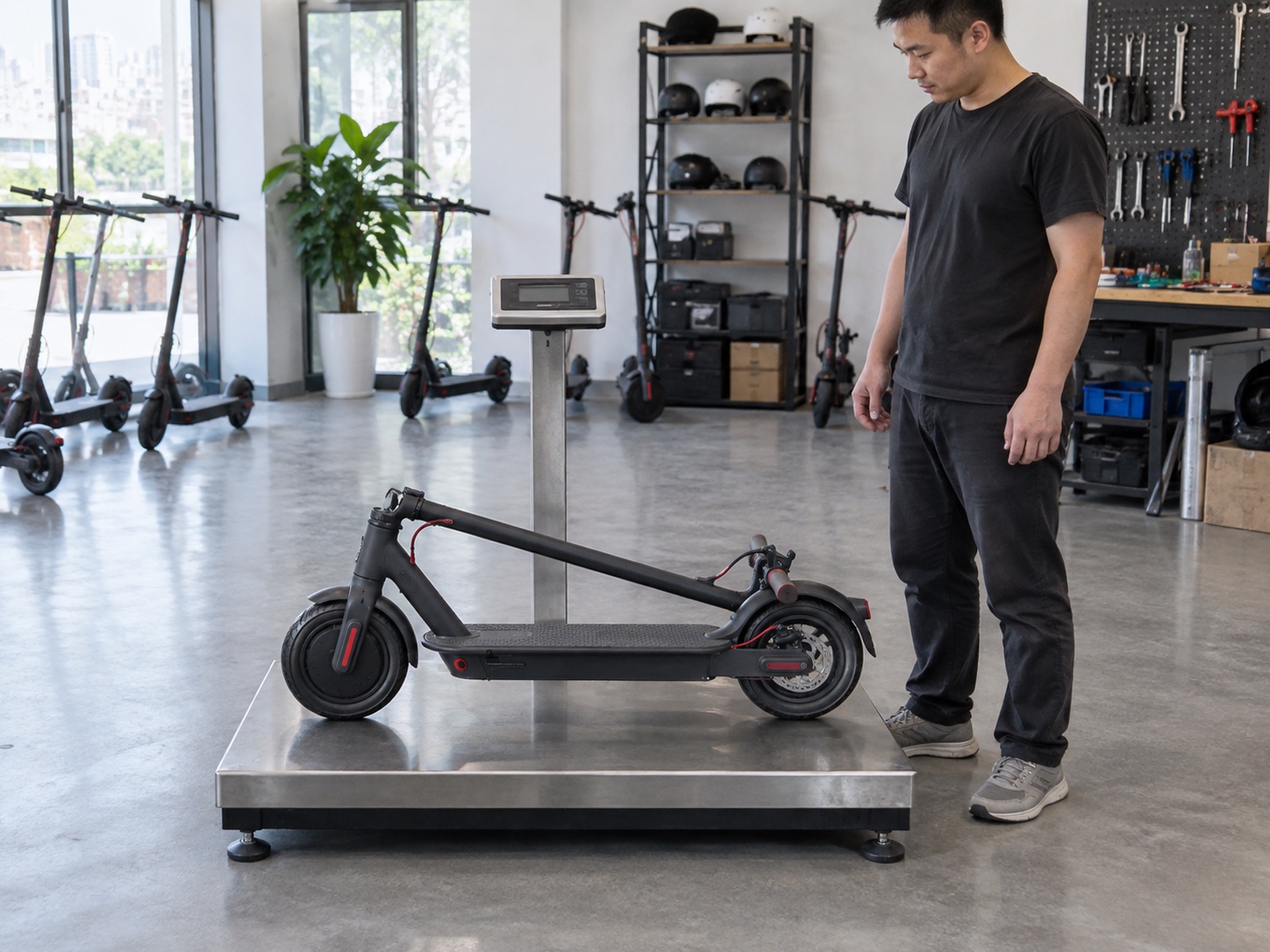
Concise judgment: Yes, typically around 220 lbs. Most standard commuter scooters are designed for riders up to 220 pounds, though heavy-duty models can support more. Exceeding the limit will drastically reduce your hill-climbing ability and battery range.
At Dynamic Scooter, we believe that urban mobility should be a source of joy, not a cause for stress. By embracing the freedom of micro-mobility, we help residents bypass the gridlock and conquer the unique topography of the Bay Area. If you are ready to revolutionize your daily commute and reclaim your freedom, contact us today to find the ride that perfectly matches your lifestyle.