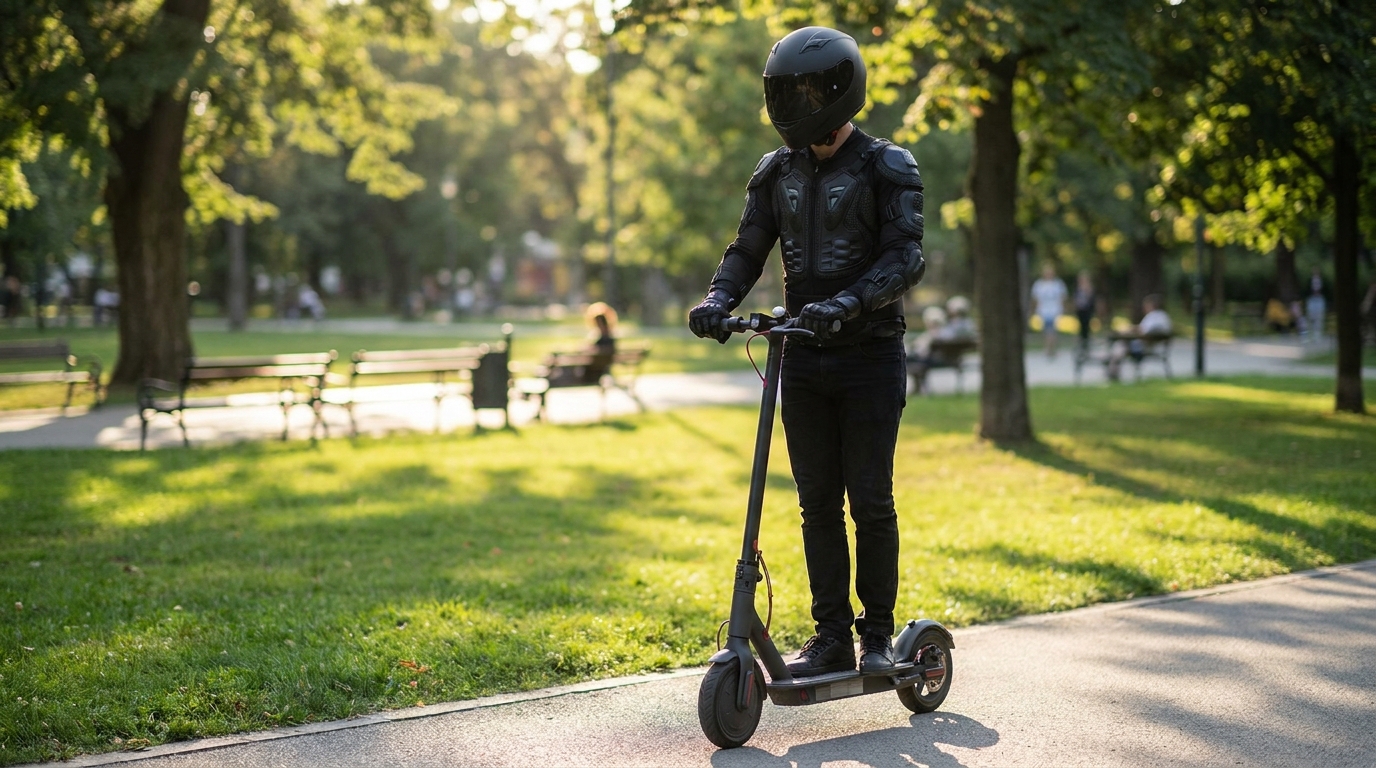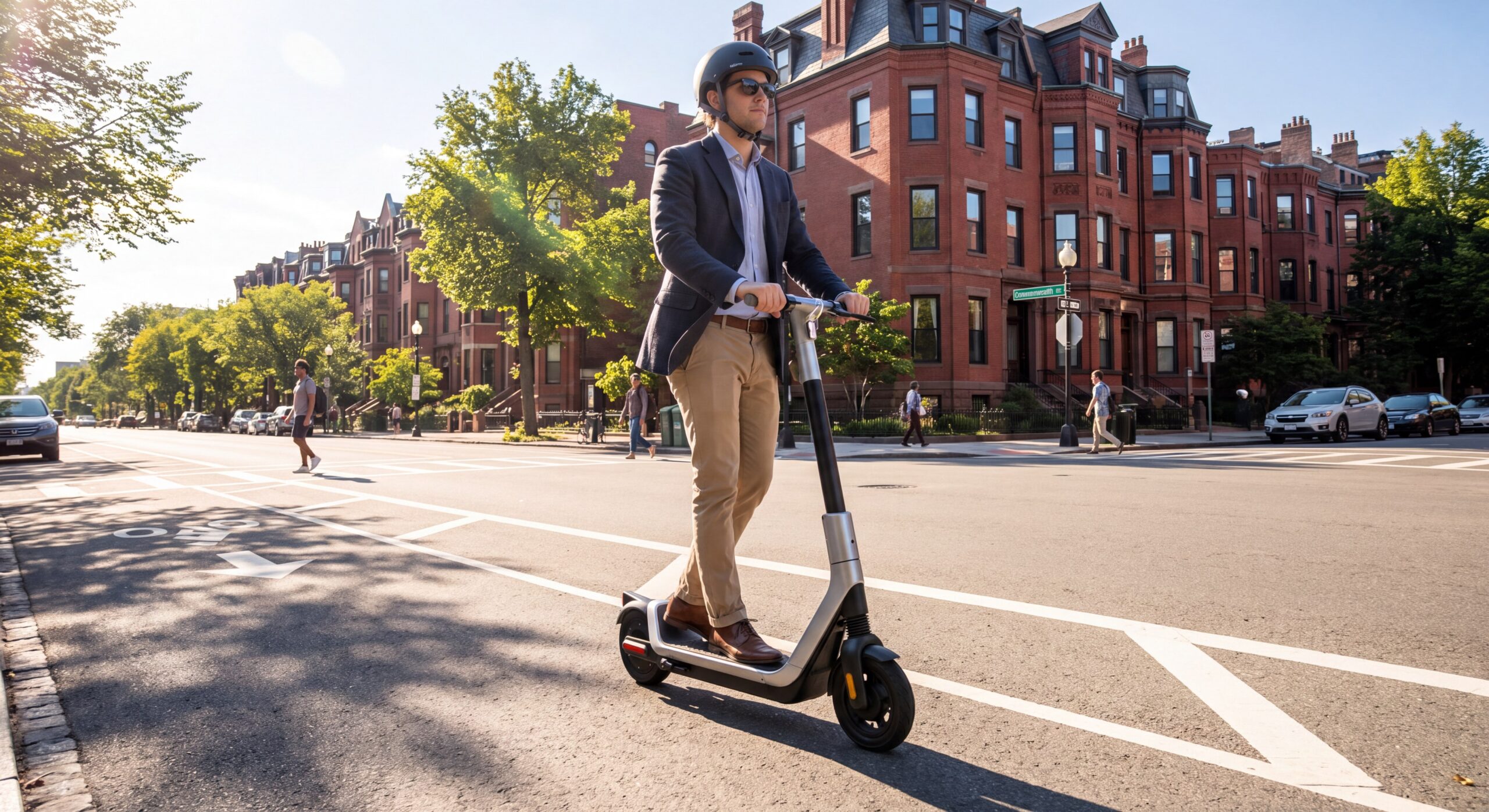

Is riding electric scooters legal in Delaware? Yes, but with rules. Picture yourself cruising along the scenic pathways of the First State, enjoying a breezy morning commute. However, the joy of riding can quickly vanish when you realize that state-level classifications label these devices as “motorized skateboards,” leading to potential legal confusion, hefty fines, or even vehicle confiscation on public roads.
Fortunately, understanding the specific local ordinances and picking the right vehicle allows you to navigate the streets confidently and legally. If you want to ride safely and legally, it is crucial to stay informed about electric scooters in Delaware so you can make the most of your eco-friendly travels.
Are electric scooters in Delaware legal?
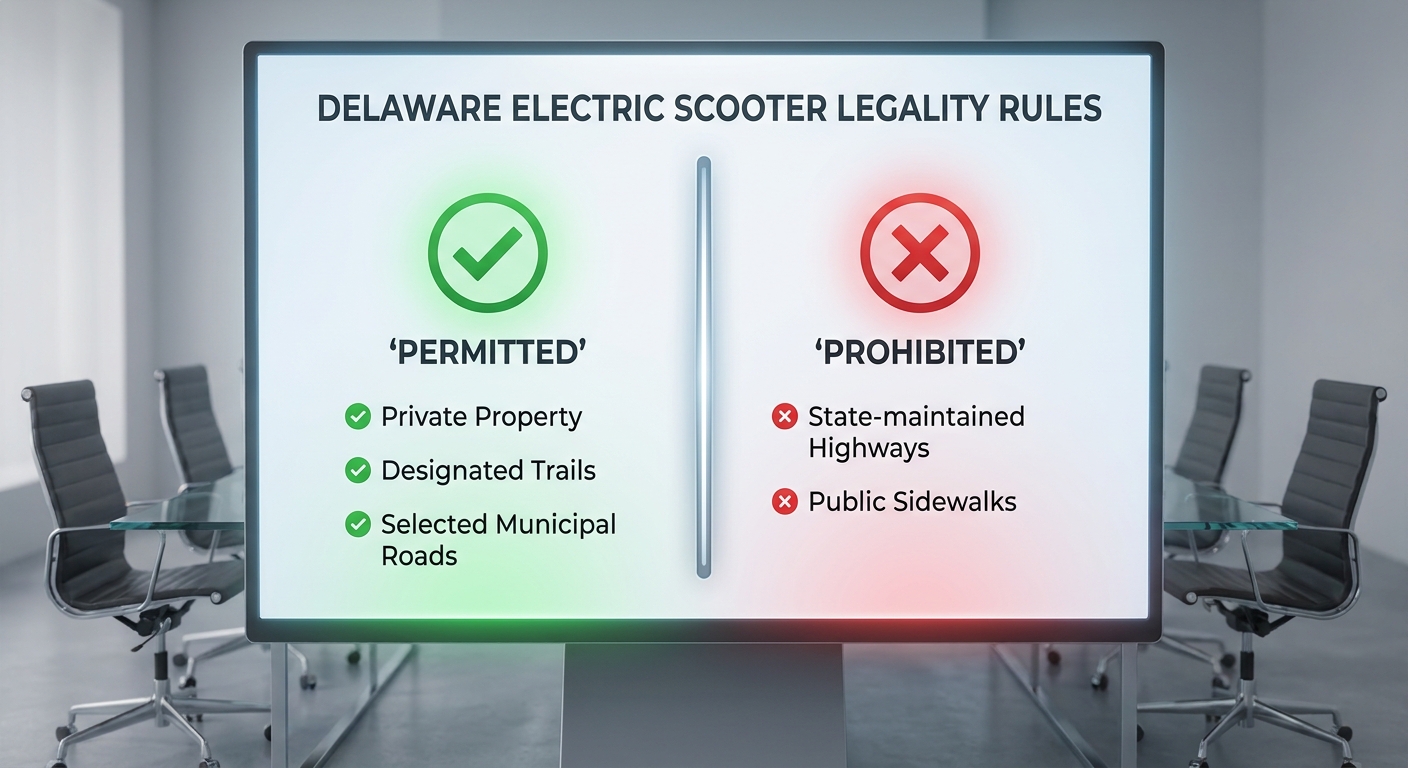
Yes, riding electric scooters in Delaware is legal, but they are governed by a complex framework of state classifications and varying municipal codes. Under default state codes, these personal vehicles fall into a restrictive category that can make public road riding tricky without local permission. Operating electric scooters in Delaware requires you to look beyond general state laws and examine town-specific regulations.
State officials classify micromobility units based on older statutes. This means your modern vehicle must adhere to policies originally drafted for gas-powered motorized skateboards.
How does the state code classify your ride?
Delaware Title 21 of the State Code does not officially recognize “electric scooters” under a dedicated category. Instead, state regulators class them as “motorized skateboards.” This designation includes any device powered by a motor designed to be stood or sat upon by the operator.
Here is the deal: this archaic classification subjects modern electric rides to broad statewide restrictions.
- Motorized skateboards are technically banned on public roads by default.
- Local jurisdictions hold the power to override this ban.
- Private land riding remains completely unrestricted.
Is Delaware becoming friendly to micromobility?
While state-level regulations remain slow to adapt, local municipalities are stepping up to welcome green transportation. Cities like Wilmington and Newark are continuously updating their frameworks to accommodate clean urban commuters.
Key Takeaway: Knowing the legal classification of your scooter helps you ride confidently without violating outdated state motor vehicle codes.
| Legal Aspect | State Default Rule | Municipal Override Status |
|---|---|---|
| Classification | Motorized Skateboard | Micromobility Device |
| Road Legality | Prohibited by default | Permitted in designated areas |
| Registration | Not required | Not required |
Navigating these overlapping state and local rules is the first step to ensuring a hassle-free journey across Delaware.
Where can you ride electric scooters in Delaware?
You can ride electric scooters in Delaware on private property, designated multi-use recreational trails, and municipal streets that explicitly permit their use. However, state law strictly prohibits riding them on state-maintained highways and public sidewalks. Understanding these geographic boundaries ensures you keep your daily commute safe and fully compliant. Operating electric scooters in Delaware requires careful route planning to avoid restricted public zones.
Are you allowed on public roads and sidewalks?
Delaware Code Title 21, Section 4198N bans motorized skateboards from public roadways, highways, and sidewalks. This statewide restriction is designed to prevent slower-moving personal mobility devices from mixing with high-speed highway traffic.
Think about it: hitting the sidewalk in busy downtown commercial zones can pose a severe hazard to pedestrians.
- State highways are strictly off-limits.
- Business district sidewalks generally ban motorized travel.
- Local neighborhood streets often permit riding.
Can you explore parks and multi-use trails?
Paved recreational trails and greenways managed by the Delaware Division of Parks and Recreation offer excellent riding opportunities. Just make sure to adhere to the designated park speed limits and always yield to hikers.
Key Takeaway: Choosing the right paths keeps you safe from highway traffic while protecting pedestrians on crowded city sidewalks.
| Riding Zone | Legality Status | Crucial Speed Limit |
|---|---|---|
| State Highways | Strictly Prohibited | N/A |
| Public Sidewalks | Banned in business districts | N/A |
| Paved Park Trails | Permitted | 15 mph limit |
Selecting the appropriate path is essential to enjoying Delaware’s scenic state trails legally and responsibly.
What are the rules for electric scooters in Delaware?
Operating electric scooters in Delaware legally requires adhering to standard traffic regulations, local speed caps, and pedestrian safety laws. Whenever you ride on authorized public streets, you must travel with the flow of traffic and obey all traffic signs. Riding electric scooters in Delaware means embracing responsible habits to guarantee a smooth and conflict-free trip.
What speed limits should you follow?
Most Delaware municipalities that allow micromobility cap operating speeds between 15 mph and 20 mph. Keeping your speed under these thresholds ensures you can react quickly to sudden road obstacles.
As it turns out, riding at a controlled pace is the best way to safeguard yourself and others.
- Local street speed caps: 15 to 20 mph.
- Paved state park paths: Max 15 mph.
- University campus zones: Often capped lower.
How do you handle pedestrian right of way?
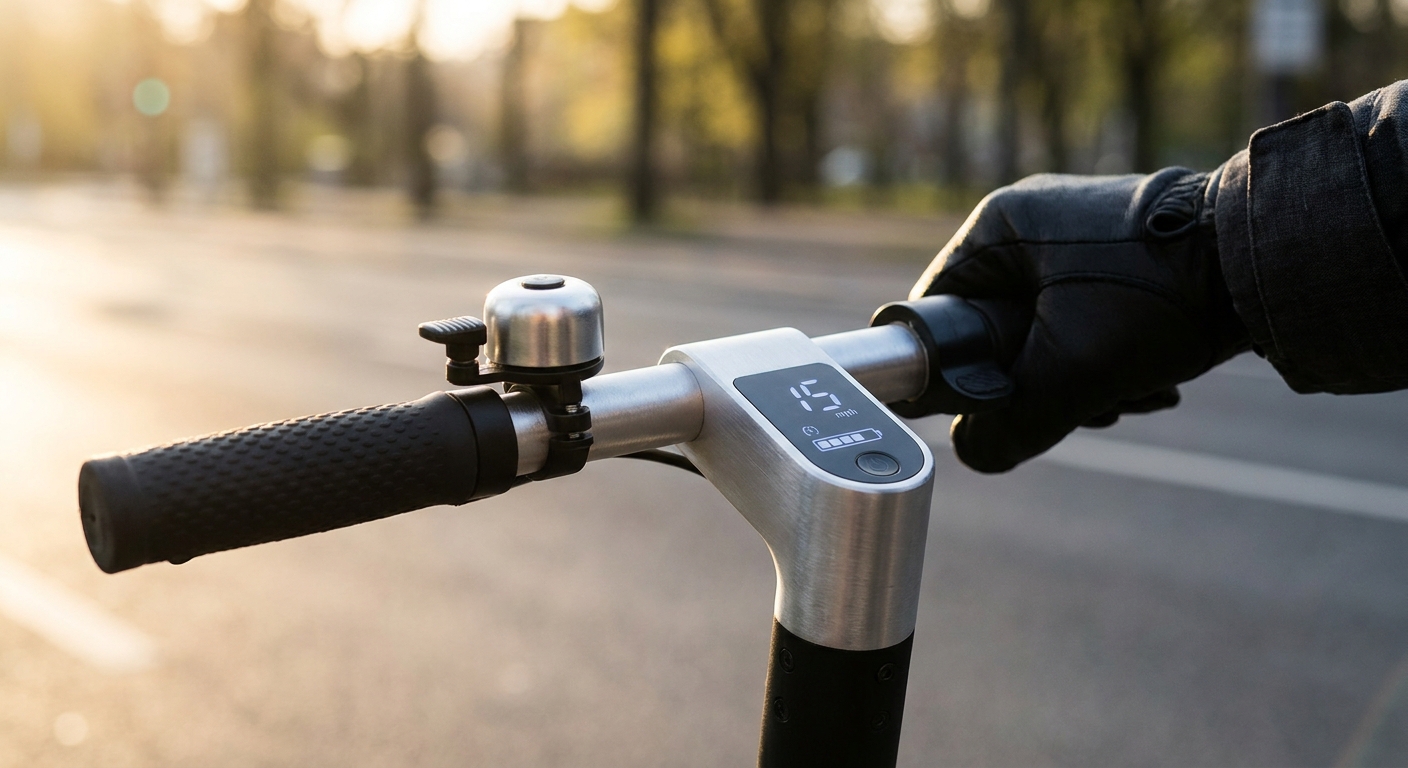
Pedestrians always have the ultimate right of way in crosswalks, on shared trails, and on any permitted sidewalk paths. You must use an audible warning device, like a bell or horn, before overtaking pedestrians from behind.
Key Takeaway: Observing speed limits and respecting pedestrian space will keep you clear of traffic tickets and civil liabilities.
| Operating Rule | Standard Requirement | Core Benefit |
|---|---|---|
| Traffic Flow | Ride in the direction of traffic | Prevents head-on collisions |
| Speed Cap | Keep under 15–20 mph | Improves braking response |
| Pedestrian Passing | Sound horn or bell before passing | Prevents pedestrian collisions |
Following these fundamental road rules ensures you blend seamlessly with local traffic patterns.
Is there an age limit for electric scooters in Delaware?
Yes, there are age restrictions for riding electric scooters in Delaware, particularly on public roads and college campuses. While anyone can ride on private property, municipal codes usually require public road riders to meet a minimum age standard. Operating electric scooters in Delaware as a minor requires careful attention to avoid parental penalties.
How old must you be to ride on public streets?
Most local ordinances across Delaware require riders to be at least 16 years of age to operate motorized vehicles on public streets. Underage riders caught on public roads can face scooter impoundment and fines.
The best part? Keeping younger teens on private property keeps them safe while they build proper riding skills.
- Public road minimum age: Typically 16 years old.
- Private property minimum age: No legal limit.
- Helmet rule for minors: Mandatory under 16 on public grounds.
Are parents liable for underage riders?
Delaware laws hold parents or legal guardians civilly and financially responsible for any traffic violations or property damage caused by minor riders. If a child under 16 rides illegally on public pathways, parents may receive the citation.
Key Takeaway: Ensuring your teenager meets local age limits protects your family from unexpected fines and legal liabilities.
| Rider Category | Minimum Age Limit | Helmet Requirement |
|---|---|---|
| Private Land Rider | No age limit | Recommended |
| Public Road Operator | 16 years old (typically) | Mandatory if under 16 |
| Campus Micromobility | 16–18 years old | Highly recommended |
Verifying age requirements is a simple way to keep your family’s scooter excursions legal.
Do you need a license for electric scooters in Delaware?
No, you do not need a driver’s license, learner’s permit, or motorcycle endorsement to ride electric scooters in Delaware. Since these low-speed personal vehicles are not classified as full motor vehicles, the DMV does not issue licenses for them. Riding electric scooters in Delaware is highly accessible because anyone can hop on and travel without passing a formal DMV road test.
Does the DMV require scooter registration?
The Delaware Division of Motor Vehicles does not register, title, or plate electric commuter scooters. Because these devices lack traditional vehicle identification numbers (VINs), they cannot be entered into state DMV databases.
Here is the deal: skipping the registration line saves you time, but you still need proof of ownership.
- No DMV license plates required.
- No annual registration fees.
- Keep your purchase receipt for proof of ownership.
What documentation should you carry?
While you do not need a license, carrying a basic photo ID and a digital copy of your scooter purchase receipt is highly recommended. This helps local law enforcement verify your identity and confirm that the vehicle belongs to you in case of theft.
Key Takeaway: Enjoy the freedom of a license-free commute while protecting your investment with proper purchase records.
| DMV Requirement | Status for Scooters | Alternative Best Practice |
|---|---|---|
| Driver’s License | Not Required | Carry personal photo ID |
| Vehicle Registration | Not Required | Keep retail purchase receipt |
| License Plates | Not Required | Apply security tracking tags |
The lack of DMV red tape makes electric commuting one of the most accessible travel methods in Delaware.
Are helmets required for electric scooters in Delaware?
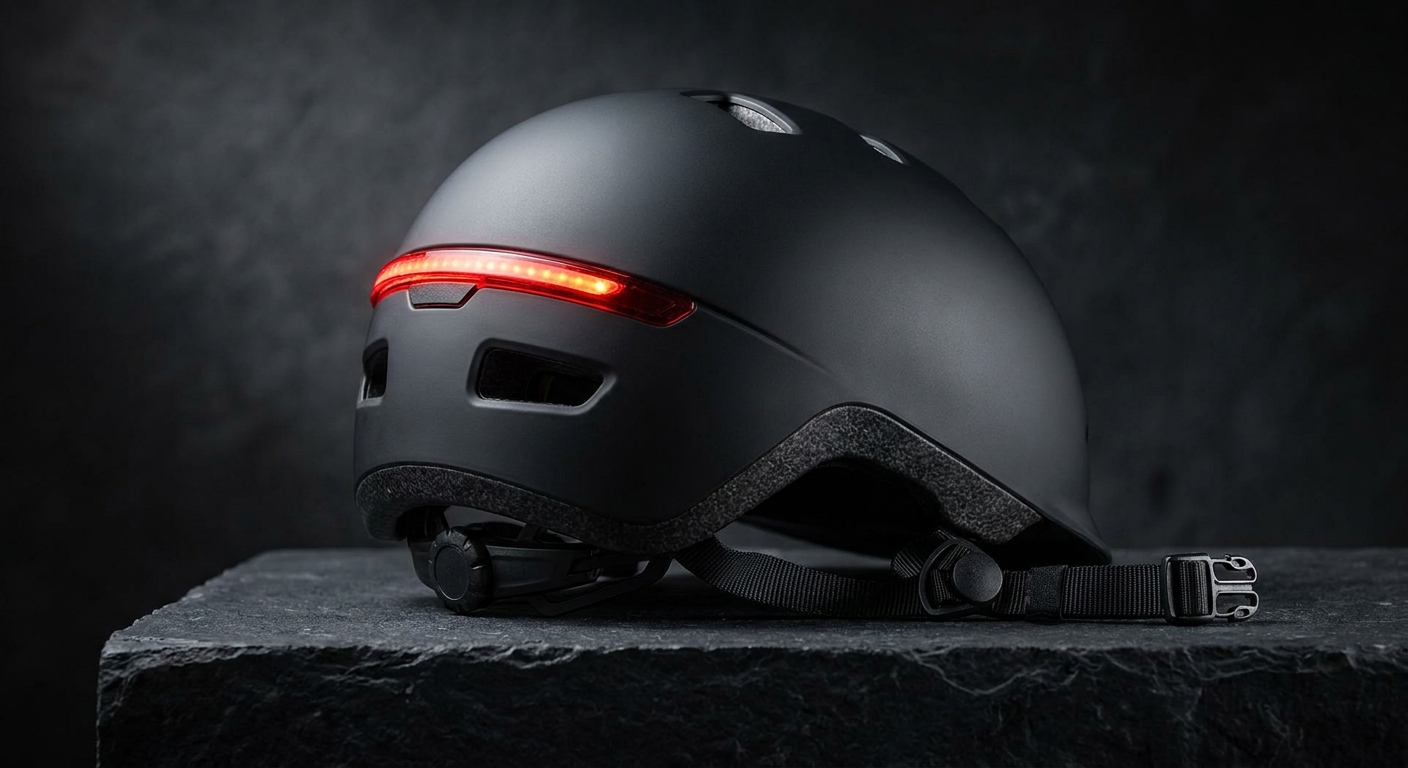
Helmet requirements for riding electric scooters in Delaware depend primarily on the age of the operator and local municipal laws. Under state-level motorized skateboard statutes, minors under the age of 16 are legally mandated to wear a certified helmet. For adult riders, helmets may not always be legally required, but they remain an indispensable safety tool. Keeping up with the regulations surrounding electric scooters in Delaware ensures you stay protected on every journey.
What are the laws for riders under 16?
Any minor under 16 years old operating a motorized personal vehicle on public property must wear a helmet that meets federal CPSC standards. Law enforcement officers can issue fines to parents of minors who fail to wear proper head protection.
Think about it: a certified helmet is a small price to pay for preventing serious head injuries.
- Mandatory for all public road riders under 16.
- Must meet certified safety ratings (CPSC / ASTM).
- Fines are issued directly to parents or guardians.
Should adults wear head protection?
Although Delaware law does not force adults over 18 to wear head protection, medical data strongly supports doing so. A dual-certified commuter helmet safeguards you from traumatic head injuries during sudden spills or collisions.
Key Takeaway: Wearing a certified safety helmet is the most effective way to protect yourself and set an excellent example for younger riders.
| Rider Age Group | Legal Requirement | Recommended Helmet Standard |
|---|---|---|
| Under 16 Years | Strictly Mandatory | CPSC / ASTM Certified |
| 16 to 18 Years | Highly Recommended | CPSC / ASTM Certified |
| Over 18 Years | Optional (Highly Advised) | Dual-Certified Commuter |
Prioritizing head safety keeps you compliant with state minor laws and prepared for unexpected road hazards.
Can you ride electric scooters in Delaware at night?
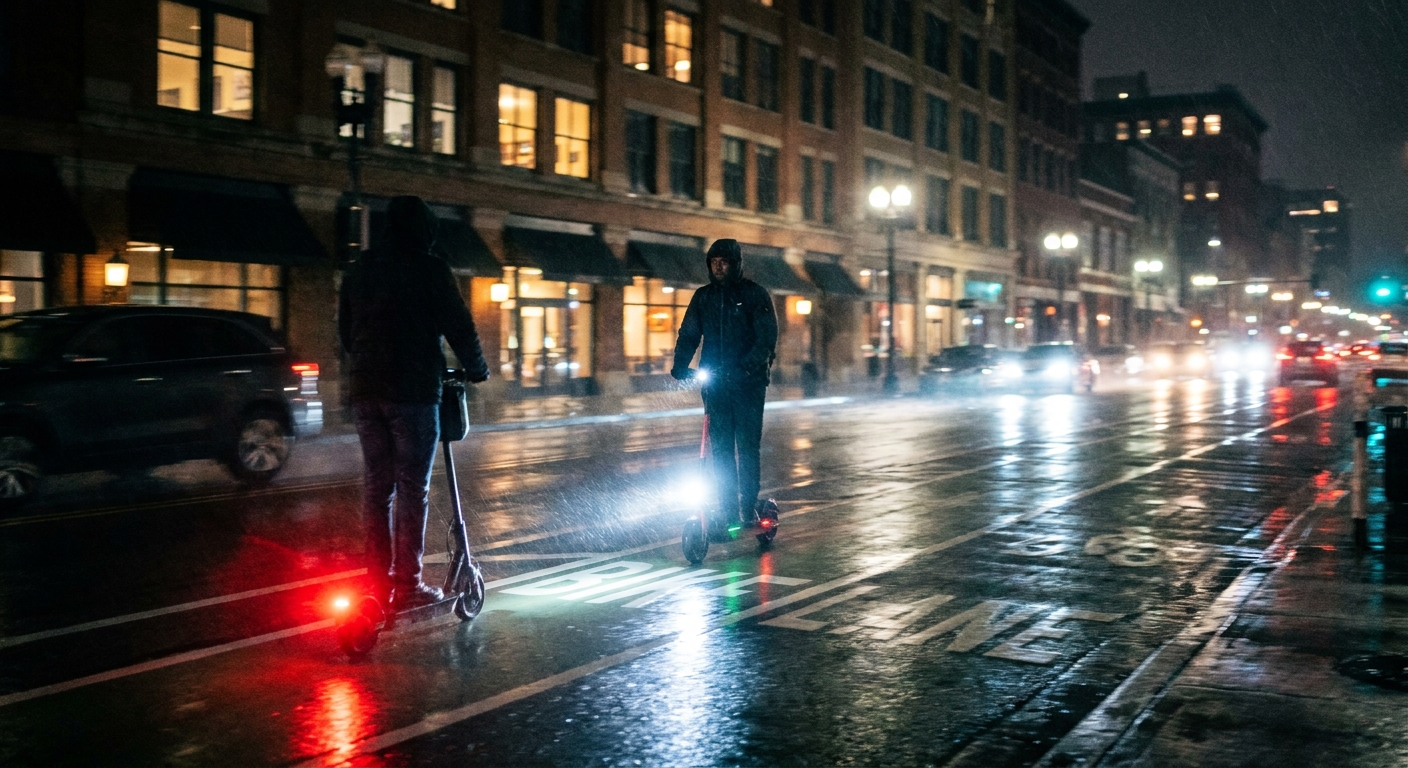
Yes, you can ride electric scooters in Delaware at night, provided your vehicle is equipped with the legally required lighting and reflective gear. State and local laws require specific light visibility ranges between sunset and sunrise to prevent night collisions. Riding electric scooters in Delaware during low-visibility hours requires proactive safety measures to keep you visible to larger vehicles.
What safety lighting is legally required?
Delaware law mandates that any motorized skateboard ridden at night must feature a front white light visible from at least 500 feet. Additionally, the rear of the vehicle must have a red light or reflector visible from 300 feet.
Here is the deal: standard built-in scooter lights might not always meet these long-distance safety requirements.
- Front white light: Must be visible from 500 feet.
- Rear red light/reflector: Must be visible from 300 feet.
- Reflective side stickers: Highly recommended for side profile visibility.
What are best practices for night riding?
To maximize your safety, wear a high-visibility reflective vest or activewear over your regular clothing. Reduce your operating speed at night to give yourself more time to spot potholes, gravel, or dark road debris.
Key Takeaway: Investing in bright lights and reflective clothing dramatically lowers your risk of being overlooked by drivers in the dark.
| Safety Gear | Legal Minimum Standard | Pro-Level Recommendation |
|---|---|---|
| Front Headlight | White light (500 ft visibility) | High-lumen handlebar-mounted LED |
| Rear Light | Red light/reflector (300 ft) | Flashing LED with brake sensor |
| Rider Apparel | No state-level requirement | Reflective safety vest and helmet |
Outfitting your scooter with strong lights is a legal necessity that makes evening commutes much safer.
What is the liability for electric scooters in Delaware?
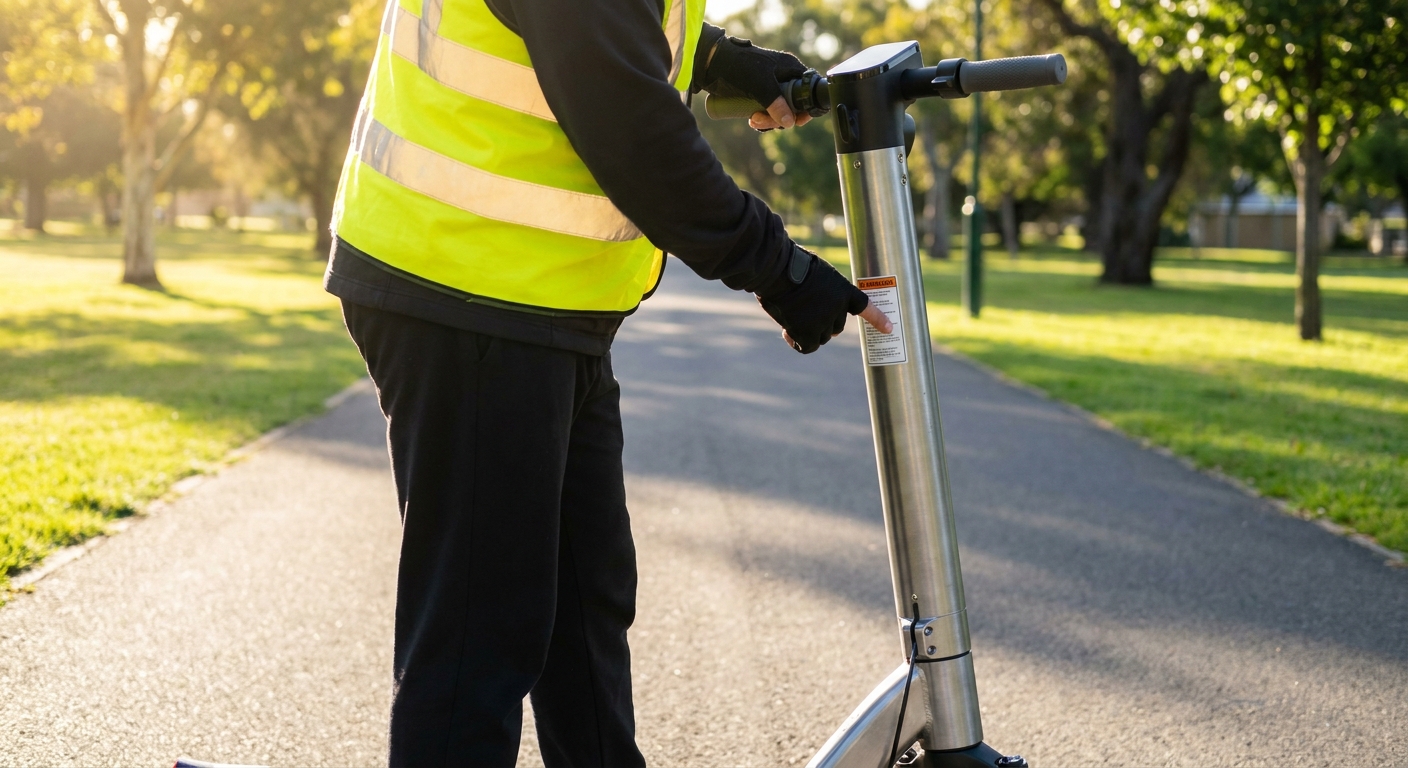
Liability for electric scooters in Delaware falls directly on the operator in the event of an accident, property damage, or pedestrian injury. If you cause a collision, you can be held personally liable for medical bills and repair costs out of pocket. Understanding the risks associated with electric scooters in Delaware can save you from devastating financial consequences if an accident happens.
Does insurance cover scooter accidents?
Standard auto insurance and homeowners’ insurance policies frequently exclude motorized vehicles from liability coverage. This means that if you hit a pedestrian or scratch a parked car, your typical policy will not pay for the damages.
Think about it: a single collision can lead to expensive legal bills if you are unprotected.
- Standard auto insurance: Excludes scooter accidents.
- Homeowners’ liability: Rarely covers motorized transport.
- Specialty micromobility insurance: Highly recommended for commuters.
What are the fines for non-compliance?
Local police officers can issue traffic citations ranging from $25 to $100 for riding violations in Delaware. Repeated violations or riding a scooter in highly restricted highway zones can result in immediate vehicle impoundment.
Key Takeaway: Securing personal liability coverage and following local rules protects you from massive out-of-pocket accident costs.
| Incident Type | Financial Risk | Smart Protection Method |
|---|---|---|
| Pedestrian Injury | High out-of-pocket medical claims | Purchase specialty rider insurance |
| Property Damage | Repair bills for struck vehicles | Maintain strict speed control |
| Traffic Citation | $25 to $100 police fines | Study local town ordinances |
Taking responsibility for safety and insurance is the best way to shield yourself from legal issues.
How do you choose electric scooters in Delaware?
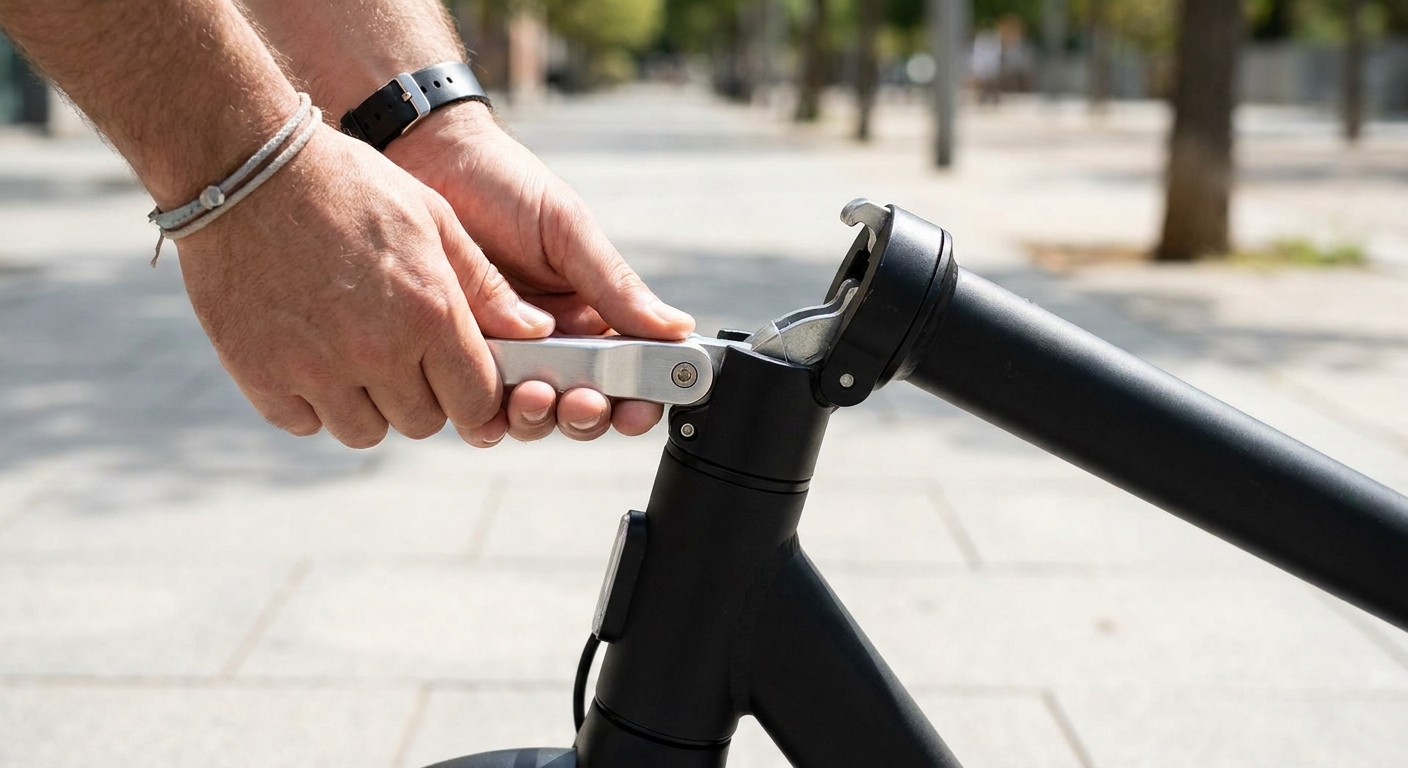
Choosing electric scooters in Delaware requires finding a balance between lightweight portability, robust safety components, and efficient battery performance. Because of local public transit integration rules and sidewalk bans, having a portable, easy-to-fold machine is incredibly beneficial. Selecting the ideal electric scooters in Delaware ensures you can navigate tight campus walkways and busy city streets with absolute ease.
Why are weight and foldability critical?
Selecting a portable vehicle is essential for navigating Delaware’s public transportation systems, like DART buses. For premium options designed for seamless urban portability, explore high-quality models directly on Dynamic Scooter.
The best part? Choosing a lightweight, rapidly folding scooter is essential for commuting in cities like Wilmington or Newark.
- Saves energy when carrying up office stairs.
- Fits easily into a car trunk or under a desk.
- Allows for fast transitions onto public buses.
What motor power matches Delaware roads?
Delaware’s flat coastal plains mean you do not need oversized, heavy dual motors designed for mountain climbing. Browse specialized commuter options on the Dynamic Scooter Model B to find the perfect balance of range and weight.
Key Takeaway: Picking a lightweight, fast-folding scooter with single-motor efficiency matches Delaware’s flat terrain and local transit rules perfectly.
| Feature | Commuter Ideal Standard | Practical Advantage |
|---|---|---|
| Vehicle Weight | Under 25 lbs (approx. 10kg) | Easy to carry onto DART buses |
| Folding Mechanism | Rapid quick-release latch | Folds down under desks in seconds |
| Motor Type | Efficient single-motor setup | Preserves battery range on flat terrain |
Prioritizing portable, efficient designs guarantees your scooter remains an asset rather than a bulky burden.
Conclusion
Navigating Delaware’s legal framework might seem daunting at first, but keeping these state and local rules in mind ensures you can ride smoothly, safely, and entirely within the law. By understanding local classifications, complying with speed limits, and wearing proper safety gear, you can turn your daily commute into an enjoyable, eco-friendly experience.
If you are ready to elevate your personal transit with a lightweight, high-performance ride that meets every commuter standard, contact us today to find your perfect vehicle. We are dedicated to providing the ultimate, hassle-free micromobility solutions designed to help you reclaim your daily commute and pave the way toward a cleaner, greener tomorrow.
FAQs
Can I ride my electric scooter on Delaware state park trails?
Yes, you can ride on paved state park trails, but you must respect the 15 mph speed limit and yield to pedestrians.
What is the best way to avoid fines while riding in Delaware?
Ride on permitted municipal streets, avoid state highways, and stay off downtown sidewalks. Checking specific local town ordinances before riding is always recommended.
How do I know if my city allows electric scooters?
You must check your city’s official local municipal code. Towns like Newark and Wilmington have custom ordinances that override default state-level bans.
Can I take my electric scooter on Delaware public transit?
Yes, but your vehicle should be compact and highly portable. Folding models are usually permitted on DART buses if they do not block pathways.
Do I need to buy insurance for my scooter in Delaware?
No, insurance is not legally mandated by the state. However, buying specialty personal liability insurance is highly recommended since regular auto policies will not cover scooter accidents.