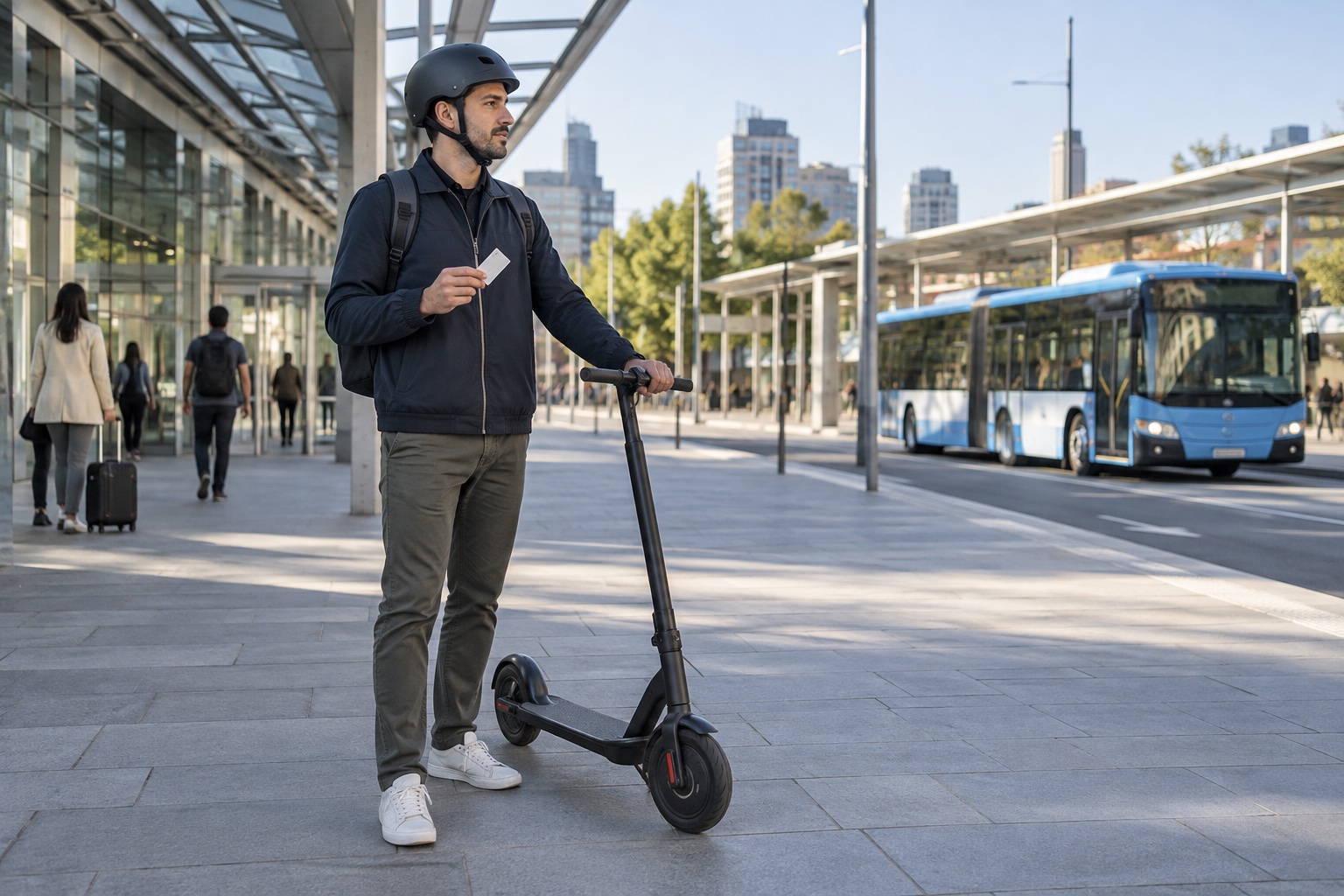
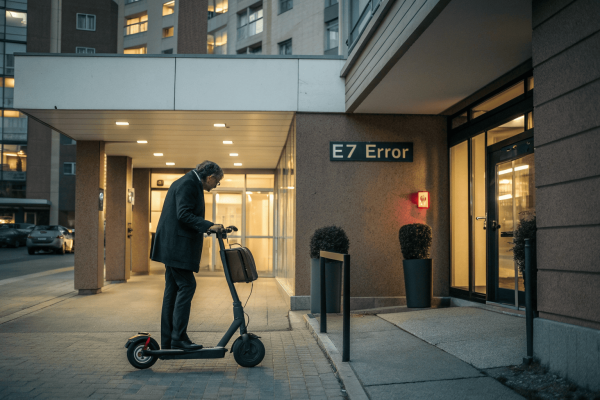
Electric scooters have become important tools for modern city commuting. But when your scooter shows an E7 error code, this convenience can suddenly stop. This problem confuses and frustrates many users. Have you ever prepared to leave home, only to find your electric scooter showing an E7 error and refusing to start? This situation is not only annoying but also disrupts your entire schedule.
The E7 error on electric scooters typically indicates a Hall sensor problem in the motor. This comprehensive guide walks you through diagnosis and repair, from simple connection checks to sensor replacement. Follow our step-by-step solutions to get your scooter running again without professional help.
This guide will help you understand the causes of E7 errors and provide detailed troubleshooting steps. Whether you are a technical beginner or an experienced user, the solutions here will help you quickly restore your scooter to normal use.
What is an E7 Error?
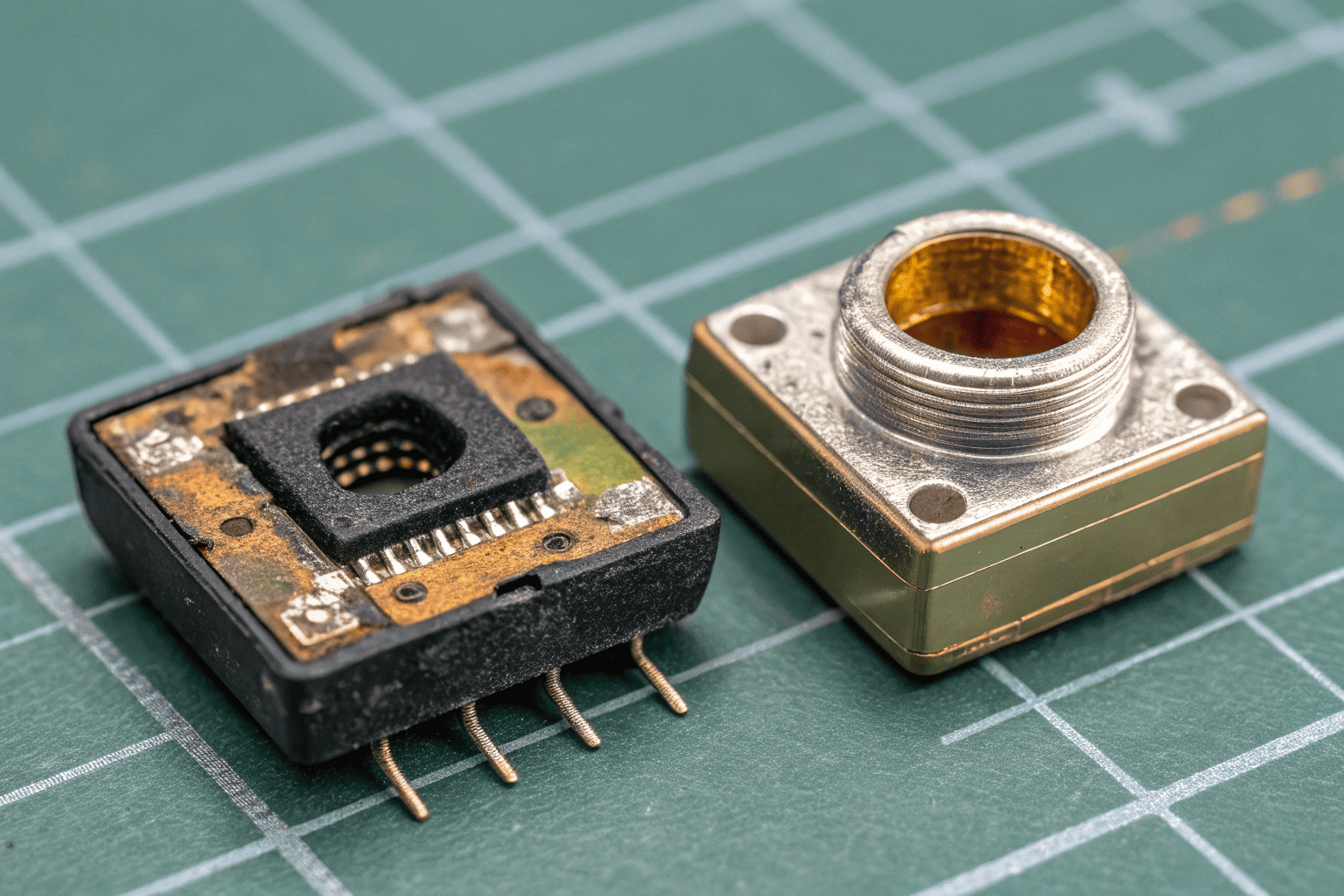
The E7 error is a common fault code reported by electric scooter control systems. This code usually indicates a problem with the motor Hall sensor. The Hall sensor is a key component in electric scooters, responsible for monitoring the motor’s speed and position, ensuring smooth operation. When this sensor fails, the control system cannot accurately obtain motor status information, so it displays an E7 error and stops working to prevent further damage.
In high-end models, the E7 error specifically indicates a problem with the motor sensor circuit. This may be caused by various reasons, from simple loose connections to damage to the sensor itself.
The Hall sensor works based on the Hall effect, which detects magnetic field changes and converts them into electrical signals. In electric scooters, these sensors are usually installed inside the motor to detect the position of the rotor.

Common Causes of E7 Errors
Understanding the possible causes of E7 errors is the first step to solving the problem. Here are some of the most common situations that cause E7 errors:
1. Loose or Damaged Motor Connection Wires
The connection wires between the motor and controller may become loose or damaged due to long-term use or accidental collisions. This is one of the most common causes of E7 errors, and also the easiest to check and fix.
Connection problems usually appear as intermittent faults, meaning the scooter sometimes works normally and sometimes shows E7 errors. This is because loose connections may temporarily restore contact during vibration or in specific positions.
Case: Mr. Li’s scooter worked normally on flat surfaces, but would show an E7 error whenever passing over bumpy sections. After inspection, it was found that one of the motor connection terminals was loose, and contact would be interrupted whenever the scooter experienced significant vibration. After re-securing the terminal, the problem was solved.
2. Hall Sensor Failure
The Hall sensor itself may fail due to long-term use, moisture, or manufacturing defects. This situation usually requires replacing the sensor or the entire motor assembly.
Sensor failures usually appear as persistent problems, meaning the E7 error appears regardless of conditions. Once a sensor is damaged, it cannot correctly detect the motor rotor position, and the controller cannot correctly control motor operation.
3. Controller Problems
Sometimes the problem is not with the motor or sensor, but with the controller. Internal circuit problems in the controller may prevent it from correctly reading Hall sensor signals, triggering E7 errors.
Controller problems are usually more complex and may involve multiple components on the circuit board. Common controller problems include broken solder joints, aging capacitors, or moisture on the circuit board.
Case: After using her scooter on a rainy day, Ms. Wang began to see E7 errors. Upon inspection, the motor and connections had no problems, but there were slight signs of moisture in the controller. After professional drying and cleaning, the controller resumed normal function, and the E7 error disappeared.
4. Unstable Battery Voltage
Unstable or low battery voltage can also cause E7 errors. When the battery cannot provide enough power, the motor and sensors may not work properly.
Battery problems usually appear as E7 errors more likely to occur when the battery is low, or in high-load situations (such as going uphill). This is because aging batteries cannot provide enough current to support normal motor operation.
5. Software or Firmware Issues
In some cases, the scooter’s software or firmware may have bugs that cause the system to incorrectly report E7 faults. This situation can usually be resolved by resetting the system or updating the firmware.
Software problems usually appear as irregular errors, sometimes even temporarily disappearing after shutdown and restart. These problems are more common in new models or scooters that have recently undergone firmware updates.
How to Diagnose E7 Errors
Before attempting to fix an E7 error, it’s important to correctly diagnose the specific cause of the problem. Here are some effective diagnostic steps:
Check the Error Display Pattern
First, note the display pattern of the E7 error. Is it continuously displayed or flashing? What is the frequency of flashing? Different display patterns may indicate different types of problems.
Most electric scooters use LED displays or dedicated error indicator lights to show error codes. Typically, E7 errors will be displayed with specific flashing patterns, such as flashing 7 times in a row, then pausing, then repeating this pattern.
Observe When the Fault Occurs
Record the specific circumstances when the E7 error appears. Does it appear immediately at startup, or after riding for a while? Is it more likely to appear under specific environmental conditions, such as humid weather or high temperatures?
Create a simple fault log, recording the time, environmental conditions, and usage situation each time the E7 error appears. Such records can help identify patterns, such as whether the error only appears at specific temperatures, or whether it’s related to battery level.
Check for External Damage
Carefully check if the scooter has signs of external damage, especially in the motor area and connection wires. Sometimes, seemingly minor damage can cause problems with internal components.
Pay special attention to the following points during inspection:
- Whether the motor housing has dents or cracks
- Whether connection wires show wear, breakage, or exposed copper wires
- Whether the controller housing has cracks or signs of water ingress
- Whether the battery compartment shows signs of swelling or leakage
Use Diagnostic Tools
If you have the means, you can use professional diagnostic tools to connect to the scooter’s system. These tools can provide more detailed error information and system status data, helping to precisely locate the problem.
Many modern electric scooters are equipped with Bluetooth or USB interfaces that can connect to smartphone apps or computer software for diagnosis. These apps can usually read more detailed error codes and system parameters, such as motor temperature, current consumption, and sensor readings.

Step-by-Step Guide to Fixing E7 Errors
Now, let’s start systematically solving E7 errors. Here is a step-by-step repair guide, starting with the simplest solutions and gradually moving to more complex repair methods.
Step 1: Restart the System
Like many electronic devices, a simple restart can sometimes solve the problem:
- Turn off the scooter power
- Wait at least 30 seconds
- Turn the power back on
- Check if the error still exists
This simple step can solve temporary system failures or signal interference problems. Restarting can clear temporary data in system memory, reinitialize all sensors and control systems, and sometimes this is enough to solve the problem.
Case: After a long period of storage, Mr. Chen’s scooter showed an E7 error. Following the manual’s recommendation, he turned off the power, waited one minute, then turned it back on, and the error disappeared, restoring the scooter to normal operation.
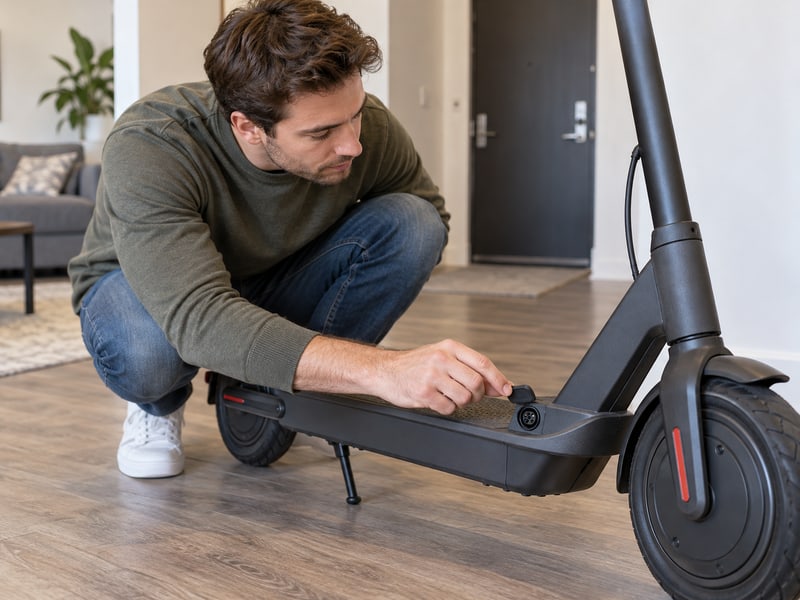
Step 2: Check and Reconnect Motor Cables
If restarting doesn’t solve the problem, the next step is to check the motor connections:
- Turn off the power and remove the battery (if possible)
- Find the cables connecting the motor and controller
- Check if the cables have obvious damage or wear
- Disconnect the connectors and check if the interfaces have dust, moisture, or corrosion
- Clean the connectors with a dry cloth or electronic contact cleaner
- Securely reconnect the cables
- Replace the battery and turn on the power to test
Many E7 errors are caused by simple connection problems, and this step can usually solve most situations. The possibility of loose connections is greater especially after riding on bumpy roads or if the scooter has fallen.
Step 3: Check Battery Status
If connections are normal but the problem persists, check the battery status:
- Ensure the battery is fully charged
- Use a voltmeter to measure battery output voltage (if possible)
- If the voltage is significantly lower than normal, try replacing the battery or charger
- If using an old battery, consider replacing it with a new one
Battery problems are a common cause of various electrical faults, including E7 errors. As usage time increases, the battery’s capacity and maximum output current gradually decrease, potentially failing to meet the needs of the motor and control system.
Step 4: Check Hall Sensors
If the above steps haven’t solved the problem, you may need to check the Hall sensors:
- Locate the Hall sensors inside the motor (usually requires partial disassembly of the motor)
- Check if the sensor connections are secure
- Check if the sensors have obvious damage
- If possible, use a multimeter to test the sensor resistance values
- If the sensors are damaged, you’ll need to replace the sensors or the entire motor assembly
This step may require some technical knowledge and tools; if you’re unsure, it’s advisable to seek professional help. Hall sensors are usually small black squares, directly soldered to circuit boards inside the motor or connected via small connectors.
Step 5: Update Firmware
Sometimes, E7 errors may be caused by software problems:
- Check if the manufacturer’s website has the latest firmware updates
- Follow instructions to connect the scooter to a computer or mobile app
- Download and install the latest firmware
- Restart the scooter and test
Firmware updates can fix known software bugs and improve system stability. Manufacturers usually release firmware updates regularly, especially after discovering common problems.
Step 6: Check the Controller
If all other methods have failed, the problem may be with the controller:
- Open the controller housing (make sure to disconnect all power sources first)
- Check if the controller circuit board has obvious damage or burn marks
- Check if the solder joints on the circuit board are intact
- If problems are found, you may need to replace the entire controller
The controller is the “brain” of the scooter, and if it has problems, professional repair or replacement is usually needed. The controller contains complex circuits and components, including microprocessors, power transistors, capacitors, and various protection circuits.

Maintenance Tips to Prevent E7 Errors
Prevention is always better than repair. Here are some maintenance suggestions to help prevent E7 errors:
Regular Cleaning
Regularly cleaning the scooter, especially the motor and controller areas, can prevent connection problems caused by dust and dirt accumulation. Use a dry cloth to gently wipe, avoiding excessive water or cleaning agents.
Cleaning frequency should be adjusted according to the usage environment. If you often use the scooter in dusty or humid environments, you should clean more frequently.
Avoid Extreme Conditions
Try to avoid using the scooter in extreme weather conditions, such as heavy rain, high temperatures, or extremely cold environments. These conditions increase the risk of electronic component failure.
If you must use the scooter in less than ideal conditions, you can take some protective measures:
- Use waterproof covers to protect the controller and battery areas in rainy weather
- Avoid long exposure to sunlight in hot weather
- In cold weather, warm up the scooter indoors before use
Proper Charging
Always use the original charger and follow the correct charging procedure. Avoid completely discharging or overcharging the battery, both of which will shorten battery life and may cause system problems.
Charging best practices:
- Start charging when the battery level drops to 20-30%
- Avoid frequent shallow charging cycles
- Don’t charge in extremely hot or cold environments
- Disconnect the charger promptly after charging is complete
- When storing long-term, keep the battery at 40-60% charge
Regular Connection Checks
Even if the scooter is working normally, you should regularly check that all cable connections are secure. This can prevent connection loosening caused by vibration.
It’s recommended to check all visible connection points at least once a month, especially after riding on bumpy roads. During checks, focus on:
- Motor connection wires
- Controller connections
- Display connections
- Battery connection terminals
Software Updates
Regularly check for and install software and firmware updates provided by the manufacturer. These updates usually contain important bug fixes and performance improvements.
Many modern electric scooters have companion mobile apps that can automatically notify users of new firmware updates. Even if there are no obvious problems, it’s recommended to install these updates promptly, as they may contain preventive fixes that help avoid potential problems.

Frequently Asked Questions
Q: Does an E7 error mean my scooter needs professional repair?
A: Not necessarily. Many E7 errors can be solved through simple steps, such as restarting the system or reconnecting cables. Only when these basic methods fail might professional repair be needed. It’s recommended to try the basic troubleshooting steps in this guide first, and only consider seeking professional help if the problem persists.
Q: How much does it cost to replace Hall sensors?
A: Costs vary by brand and model. Individual Hall sensors are relatively inexpensive, but if the entire motor assembly needs replacement, the cost will be much higher. In authorized repair centers, the cost of replacing Hall sensors is usually between $7-15, while replacing the entire motor might cost $30-75.
Q: Can I use my electric scooter in the rain?
A: Most electric scooters have some degree of water resistance, but using them in heavy rain is not recommended. If you must use the scooter in wet conditions, try to avoid passing through deep puddles, and thoroughly dry the scooter after use.
Q: Why is my scooter more likely to show E7 errors in winter?
A: Low temperatures affect battery performance and the efficiency of electronic components. Additionally, winter’s humid conditions may also cause electrical connection problems. Before using the scooter in cold weather, it’s best to let it warm up indoors for a while.
Q: Does my scooter warranty cover E7 errors?
A: This depends on the specific warranty terms and the cause of the error. If the E7 error is caused by a manufacturing defect, it’s usually covered by warranty. But if it’s caused by improper use or external damage, it may not be covered.
Q: Will E7 errors cause permanent damage to my electric scooter?
A: The E7 error itself is a protection mechanism designed to prevent further damage. When the system detects Hall sensor abnormalities, it immediately stops the motor to prevent possible damage. However, if you ignore this error and try to force use, it may cause permanent damage to the motor or controller.
When to Seek Professional Help
Although many E7 errors can be fixed by yourself, in the following situations, it’s advisable to seek professional help:
- If you’ve tried all the steps above, but the problem still exists
- If you find obvious physical damage to the motor or controller
- If your scooter is still under warranty (self-repair may void the warranty)
- If you’re unfamiliar with electronic device repair
- If you smell burning odors or see signs of smoke
Professional technicians have specialized tools and knowledge to safely and effectively solve complex problems. They can perform deeper diagnostics, such as using oscilloscopes to check Hall sensor signals or measuring motor winding resistance values, which are difficult for ordinary users to accomplish.
Conclusion
Although E7 errors are annoying, they can usually be solved through systematic troubleshooting steps. Starting with simple restarts, gradually checking connections, batteries, sensors, and controllers, in most cases, the problem can be found and fixed.
Remember, regular maintenance is the best method to prevent E7 errors and other problems. Keeping your scooter clean, avoiding extreme conditions, charging correctly, and regularly checking connections can greatly extend the life of your electric scooter.
No matter which brand of electric scooter you use, I hope this guide can help you solve E7 errors, allowing you to once again enjoy the convenience and fun that electric scooters bring.