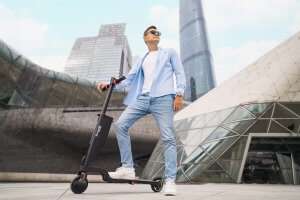

Choosing the right electric bike can feel overwhelming. With so many types, features, and price points, it is hard to know where to start. You want a bike that fits your lifestyle, whether you are commuting to work, exploring trails, or just enjoying a leisurely ride. The fear of making the wrong choice can be paralyzing, leaving you stuck with a bike that does not meet your needs or, worse, one that gathers dust in the garage.
The best electric bike for adults is one that aligns with your primary use, offers the right balance of motor power and battery range, and provides a comfortable and safe riding experience. For many, a versatile and powerful model like the Dynamic Scooter Q5, which blends the capabilities of a mountain bike with the comfort of a commuter, is the ideal solution.
This guide will break down the key factors to consider, helping you understand the options and find the perfect electric bike to fit your life. Let’s find your ride.
1. What Are the Different Types of Electric Bikes?
Not all electric bikes are created equal. The first step in choosing the right one is to understand the different types available. Each is designed for a specific purpose, so matching the bike to your intended use is key.
Electric mountain bikes (e-MTBs) are built for off-road adventures. Here’s the deal… they feature durable frames, powerful motors, and suspension to handle rough terrain. They are perfect for anyone who wants to ride trails and tackle steep climbs. A great example is the Dynamic Scooter Q5, which is designed to handle both trails and city streets.
Electric commuter or hybrid bikes are designed for city riding. They offer a comfortable, upright riding position and often come with practical features like fenders and racks. They are a fantastic option for getting to work or running errands.
Electric cruiser bikes are all about comfort. They have wide, swept-back handlebars, comfortable saddles, and a relaxed riding position. They are ideal for leisurely rides.
Electric fat tire bikes have oversized tires that provide excellent stability and traction on a variety of surfaces, including sand, snow, and mud. They are a great choice for riders who want to go anywhere.
| E-Bike Type | Primary Use | Key Features |
| Electric Mountain Bike | Off-road trails, climbing | Durable frame, suspension, powerful motor |
| Electric Commuter/Hybrid | City riding, errands | Upright position, fenders, racks |
| Electric Cruiser | Leisurely rides, comfort | Relaxed position, wide handlebars |
| Electric Fat Tire | All-terrain, sand, snow | Oversized tires for stability |
Understanding these categories will help you narrow down your choices and focus on the type of bike that best fits your needs.

2. What Key Factors Should Adults Consider?
Once you have an idea of the type of e-bike you want, it is time to dig into the details. There are a few key factors that every adult should consider to ensure they are getting a bike that is a perfect fit.
Your intended use is the most important factor. Now, you might be wondering… why is this so crucial? Because a bike designed for commuting will not be the best choice for hitting the trails, and vice versa. Be honest about how you plan to use your bike most of the time.
Next, consider the motor type. The two main options are mid-drive motors and hub motors. Mid-drive motors are located in the center of the bike and provide a more natural, balanced feel. Hub motors are located in the wheel hub and are often more affordable. For hilly terrain, a mid-drive motor is usually better.
Battery range is another critical consideration. Think about how far you typically ride. You want a battery that can comfortably handle your longest rides without causing “range anxiety.” Look at the battery’s capacity, measured in Watt-hours (Wh).
Finally, do not overlook comfort and fit. An uncomfortable bike will not get ridden. Make sure the frame size is right for your height. Look for a bike with an adjustable saddle and handlebars.
| Factor | Why It Matters | What to Look For |
| Intended Use | Determines the right type of bike | Commuting, fitness, trails, leisure |
| Motor Type | Affects performance and feel | Mid-drive for hills, hub for value |
| Battery Range | Ensures you can complete your rides | Sufficient Watt-hours (Wh) for your needs |
| Comfort and Fit | A comfortable bike gets ridden more | Correct frame size, adjustable components |
By carefully considering these factors, you can make a much more informed decision and choose an e-bike that you will love to ride for years to come.
3. How Do You Choose the Right Motor Power?
Motor power is one of the most talked-about features of an electric bike, but it can also be one of the most confusing. Understanding what the numbers mean will help you choose a bike with the right amount of power.
Motor power is typically measured in Watts (W). You will see numbers like 250W, 500W, and 650W. But here’s the thing… higher wattage generally means more power and faster acceleration. For flat terrain and lighter riders, a 250W motor might be sufficient. For heavier riders or those who plan to tackle hills, a 500W or 650W motor is better.
Torque, measured in Newton-meters (Nm), is another important number. Torque is the rotational force that gets you moving from a stop and helps you power up hills. A motor with higher torque will feel more powerful, especially on climbs. Look for a motor with at least 50Nm of torque.
It is important to match the motor power to your weight and the type of terrain you will be riding on. A heavier rider will need more power to get up a hill. If you live in a hilly area, you will appreciate a more powerful motor. The Dynamic Scooter Q5, with its 650W motor (peaking at 1000W) and high torque, is a great example of a bike that can handle a wide range of riders and terrains.
| Motor Spec | What It Means | What to Look For |
| Wattage (W) | Overall power and acceleration | 250W for flat, 500W+ for hills |
| Torque (Nm) | Climbing and starting power | 50Nm+ for good performance |
| Peak Power | Maximum power for short bursts | Higher peak power for steep climbs |
Choosing the right motor power is about finding a balance. You want enough power to handle your needs without paying for more than you will use. A versatile, powerful motor will ensure you are ready for anything the road or trail throws at you.
4. What Should You Look for in an E-Bike Battery?
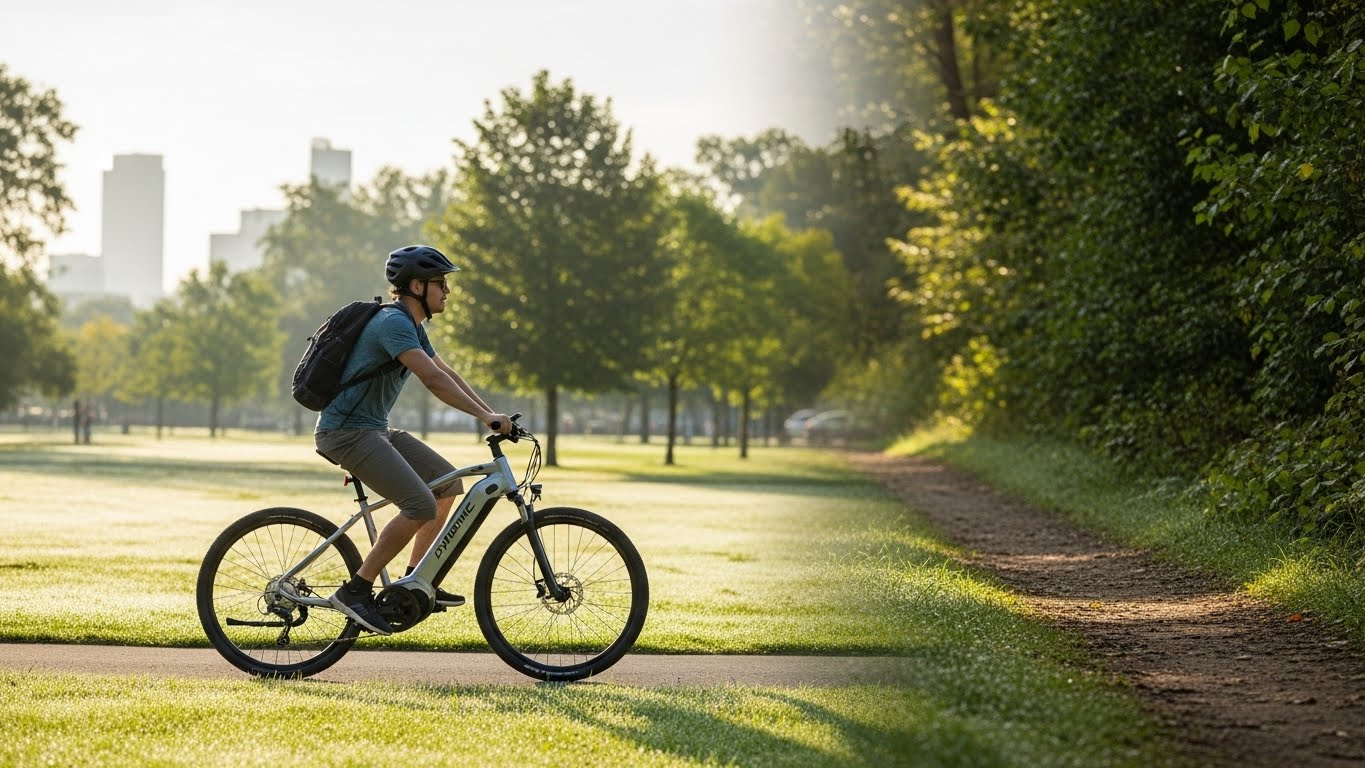
The battery is the lifeblood of your electric bike. It determines how far you can go and how much fun you can have on a single charge. Understanding the key features of an e-bike battery will help you choose a bike with the range you need.
Battery capacity is the most important spec to look at. It is usually measured in Amp-hours (Ah) or Watt-hours (Wh). Let me explain… a higher number means a larger capacity and a longer range. For example, a 48V 15Ah battery, like the one on the Dynamic Scooter Q5, has a capacity of 720Wh (48V x 15Ah). This is a large capacity that will provide a long range.
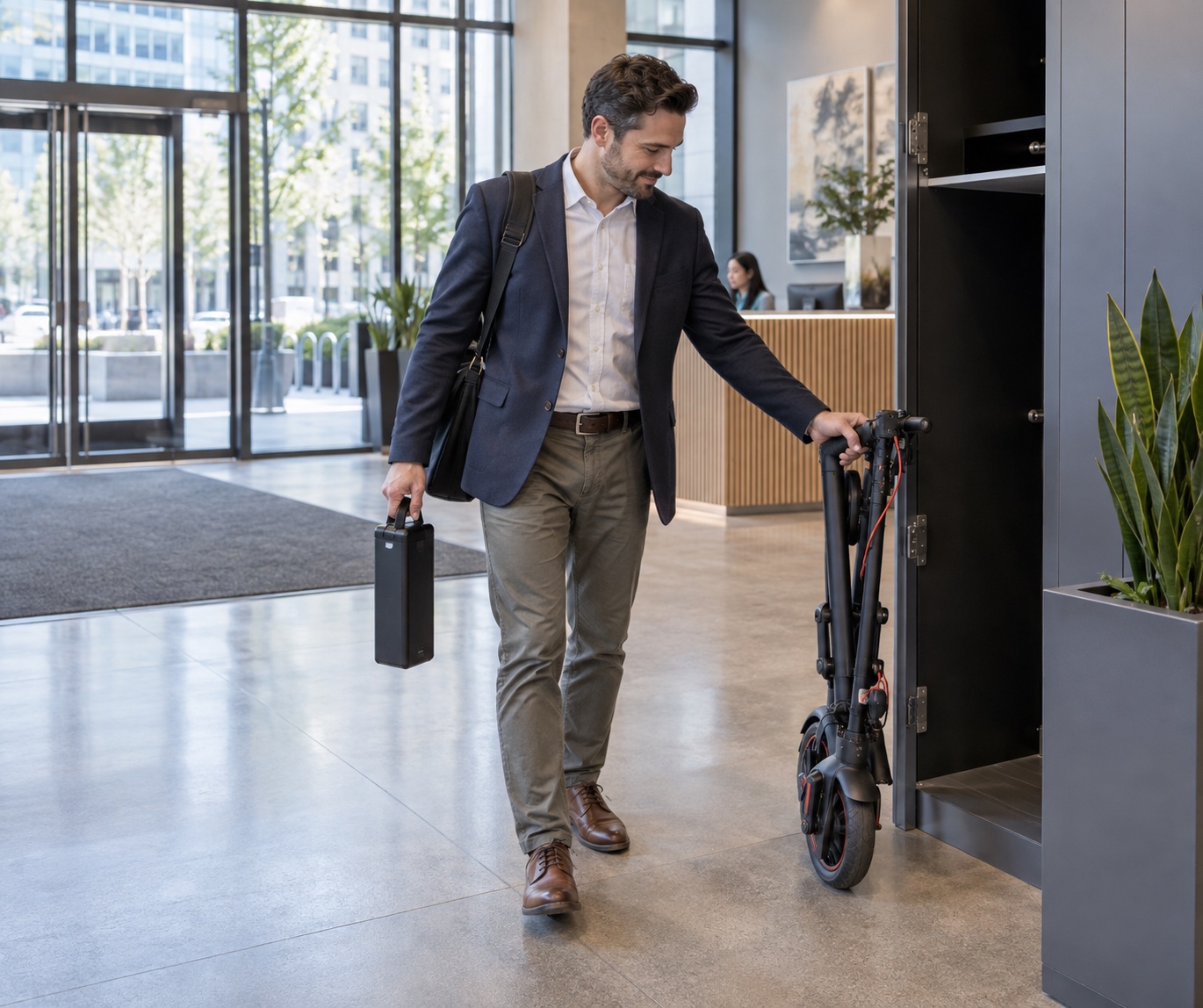
Next, consider whether you want a removable or an integrated battery. A removable battery can be taken off the bike for charging, which is convenient if you live in an apartment or do not have an outlet near where you park your bike. An integrated battery is built into the frame.
The charging time and overall lifespan of the battery are also important. Most e-bike batteries take between 4 and 8 hours to fully charge. A quality battery should last for several years and hundreds of charge cycles.
| Battery Feature | What It Affects | What to Look For |
| Capacity (Wh) | Range | 500Wh+ for long range |
| Removability | Convenience | Removable for easy charging |
| Charging Time | Downtime between rides | 4-8 hours for a full charge |
| Lifespan | Long-term value | High-quality cells from a reputable brand |
A good battery is a worthwhile investment. It will give you the freedom to ride farther and with more confidence, knowing you have the power to get where you are going.
5. Why is Frame and Suspension Important?
The frame and suspension are the foundation of your e-bike. They determine the bike’s durability, comfort, and how it handles on different surfaces. Paying attention to these components will ensure you get a bike that is both comfortable and built to last.
The frame material has a big impact on the bike’s weight and durability. This is important because… you want a frame that is strong enough to handle the extra stress of the motor and battery, but not so heavy that it is difficult to manage. Aluminum-alloy frames, like the one used on the Dynamic Scooter Q5, offer a great balance of strength and relatively low weight.
Suspension is what smooths out the bumps in the road or trail. The two main types are hardtail and full-suspension. A hardtail bike has suspension in the front fork but not in the rear. A full-suspension bike has suspension in both the front and the rear. For rough trails, a full-suspension bike provides more comfort and control. For city riding, a hardtail is often sufficient.
The amount of suspension travel, measured in millimeters (mm), also matters. More travel means the suspension can absorb bigger bumps. A bike like the Dynamic Scooter Q5, with its full-suspension design, is a versatile choice that can handle a wide variety of terrain.
| Component | What It Affects | What to Look For |
| Frame Material | Durability, weight | Aluminum-alloy for a good balance |
| Suspension Type | Comfort, control | Full-suspension for rough terrain |
| Suspension Travel | Bump absorption | More travel for bigger bumps |
A quality frame and a good suspension system will make your rides more comfortable and enjoyable. They are key components that contribute to the overall quality and performance of your e-bike.
6. What Are the E-Bike Classifications?
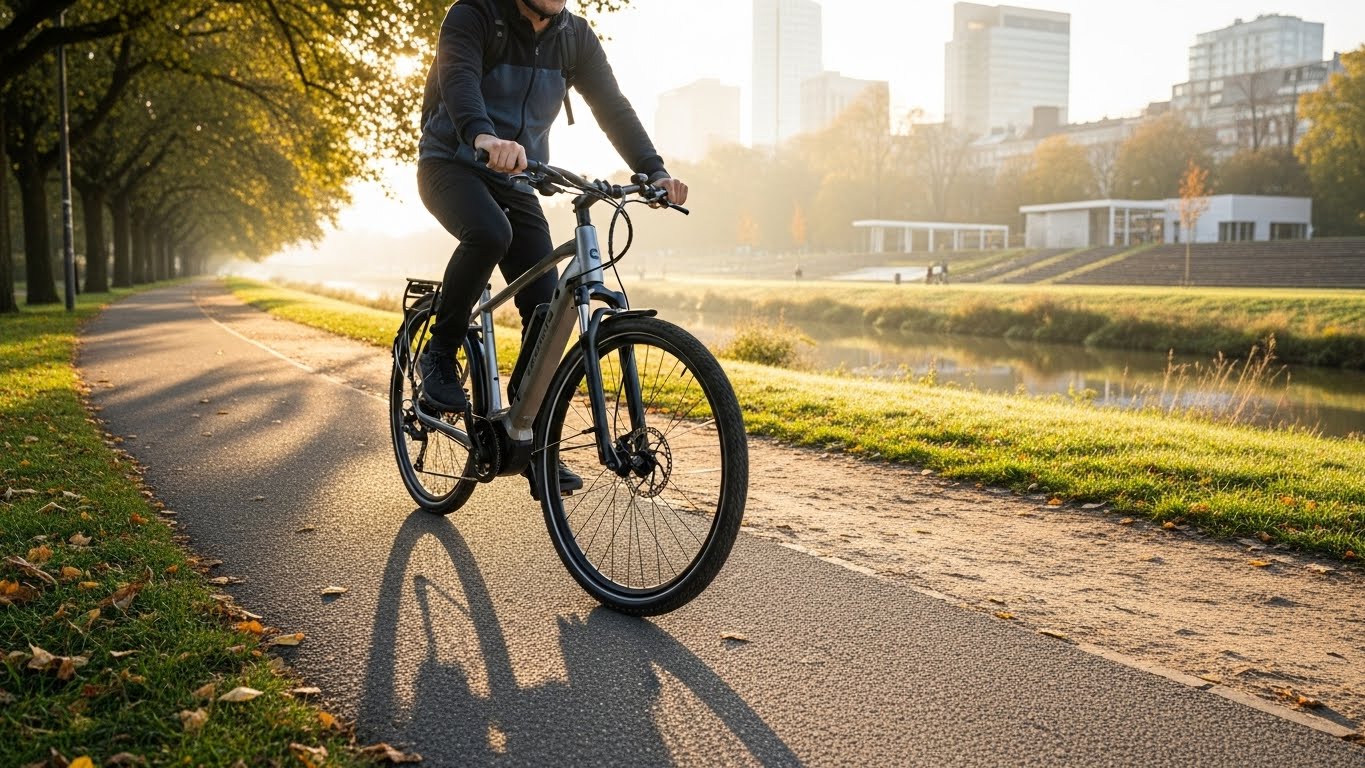
Not all e-bikes are legally the same. In the United States and many other places, e-bikes are organized into a 3-Class system. Understanding these classes is crucial because they determine where you can legally ride.
The 3-Class system is based on the bike’s top assisted speed and whether it has a throttle. Here’s a breakdown…
•Class 1: A Class 1 e-bike has a motor that provides assistance only when you are pedaling (pedal-assist) and stops providing assistance when the bike reaches 20 mph.
•Class 2: A Class 2 e-bike has a throttle that can power the bike without pedaling, but it also has a maximum assisted speed of 20 mph.
•Class 3: A Class 3 e-bike is pedal-assist only (no throttle) but can provide assistance up to 28 mph.
Why does this matter? Different trails and paths have different rules about which classes of e-bikes are allowed. Class 1 e-bikes are the most widely accepted and are often allowed on the same trails as traditional mountain bikes. Class 2 and 3 e-bikes may be restricted to bike lanes and roads.
Before you buy an e-bike, it is a good idea to check the local regulations in your area. The Dynamic Scooter Q5 is a versatile option that can be configured to comply with different class regulations.
| E-Bike Class | Assist Type | Max Assisted Speed | Common Use |
| Class 1 | Pedal-Assist | 20 mph | Bike paths, trails |
| Class 2 | Throttle | 20 mph | Bike lanes, streets |
| Class 3 | Pedal-Assist | 28 mph | Commuting, roads |
Understanding the class system is a key part of being a responsible e-bike owner. It helps you choose the right bike and ride it in the right places.
7. How Important Are Brakes and Gearing?
When it comes to safety and performance, the brakes and gearing on your e-bike are just as important as the motor. The extra speed and weight of an e-bike put more demand on these components.
Brakes are your most important safety feature. Here’s why… you need to be able to stop quickly and reliably. Hydraulic disc brakes are the best option for e-bikes. They provide more stopping power and better modulation than mechanical disc brakes. Look for a bike with large brake rotors (180mm or more).
Your bike’s gearing, or drivetrain, is also crucial. A quality drivetrain with a wide range of gears will help you get the most out of your motor. A system like a Shimano 9-speed allows you to find the right gear for any situation.
Using your gears correctly will make you a more efficient rider. It will also put less strain on your motor and extend your battery life. Do not just rely on the motor’s power; use your gears to maintain a comfortable pedaling cadence.
| Component | Why It’s Important | What to Look For |
| Brakes | Safety, control | Hydraulic disc brakes, large rotors |
| Gearing | Efficiency, performance | Quality drivetrain (e.g., Shimano), wide gear range |
| Shifting | Smoothness, reliability | Crisp and precise shifting |
Do not overlook the importance of quality brakes and gearing. They are essential components that contribute to a safe, efficient, and enjoyable riding experience.
8. What Features Enhance the Riding Experience?
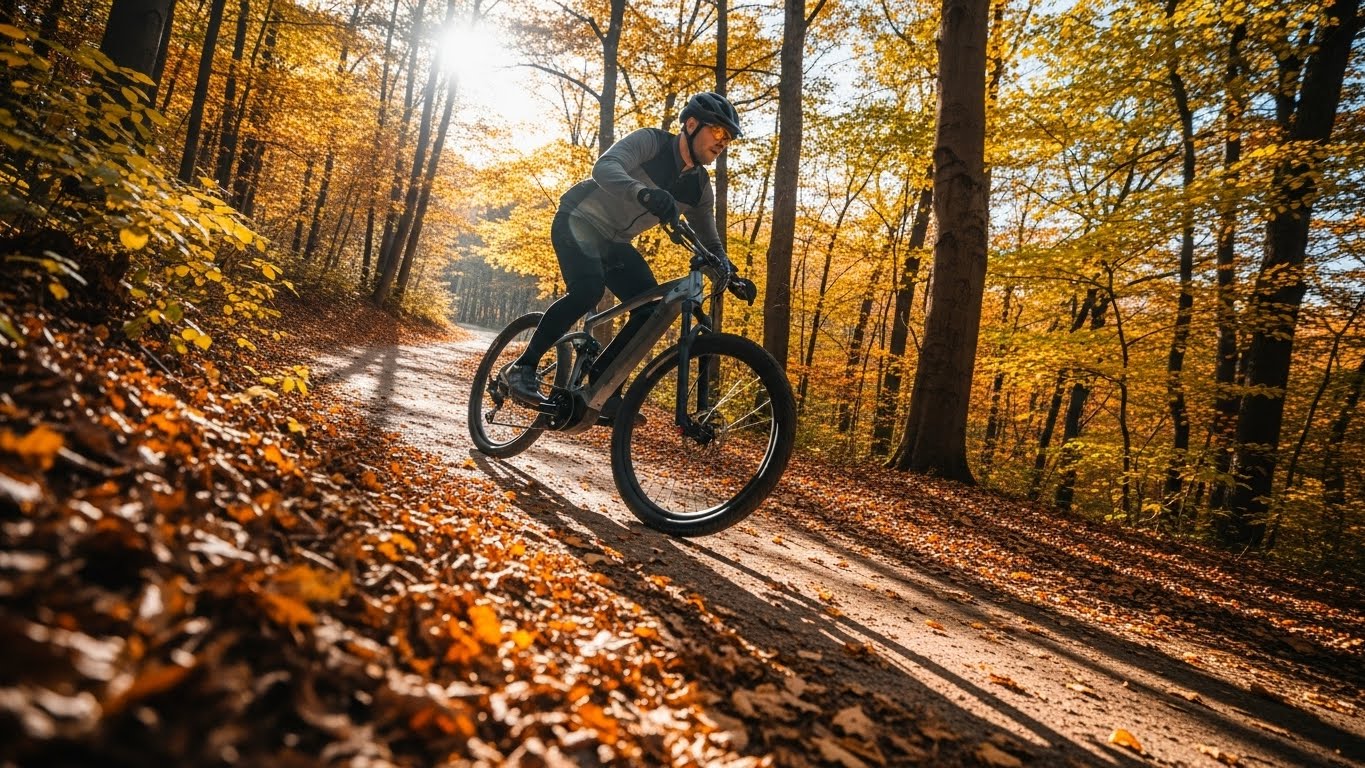
Beyond the core components like the motor and battery, there are a number of other features that can greatly enhance your riding experience. These features can add safety, convenience, and fun.
Integrated lights are a key safety feature. The bottom line? They make you more visible to cars and other road users, especially at night or in low-light conditions. Look for a bike with bright, integrated front and rear lights that are powered by the main battery.
Fenders and racks add a lot of utility to an e-bike. Fenders will keep you clean and dry when riding on wet roads. A rear rack allows you to carry groceries, a change of clothes, or anything else you need to transport. These features can turn your e-bike into a true car replacement.
An LCD display is your command center. It provides all the key information you need at a glance, including your speed, battery level, and assist level. A large, easy-to-read display is a must-have feature.
| Feature | Benefit | Why You Want It |
| Integrated Lights | Safety | Increased visibility to others |
| Fenders and Racks | Utility, convenience | Carry cargo, stay clean and dry |
| LCD Display | Information, control | Easy access to key ride data |
These features may seem like small details, but they can make a big difference in your overall enjoyment of the bike. They are the finishing touches that can take a good e-bike and make it great.
9. How Much Should You Expect to Spend?
Electric bikes are a significant investment, so it is important to have a clear idea of how much you should expect to spend. Prices can range from a few hundred dollars to over ten thousand, but the sweet spot for most adults is in the mid-range.
Entry-level e-bikes can be found for under $1,200. Want to know the secret? These bikes often use lower-quality components and may not be as durable or reliable. They can be a good option for very casual riders, but they may not hold up to daily use.
Mid-range e-bikes typically cost between $1,200 and $2,500. This is where you will find the best balance of quality, performance, and value. Bikes in this range usually have reliable motors, good battery life, and quality components. The Dynamic Scooter Q5, at around $1,399, is a prime example of a high-value mid-range e-bike.
High-end e-bikes can cost $2,500 and up. These bikes feature the latest technology, the most powerful motors, and the lightest frames. They are a great choice for serious enthusiasts, but they may be overkill for the average adult.
| Price Range | What You Get | Best For |
| Entry-Level (<$1,200) | Basic components, lower power | Casual, infrequent riders |
| Mid-Range ($1,200 – $2,500) | Good quality, performance, and value | Most adult riders |
| High-End (>$2,500) | Top-of-the-line components, high performance | Serious enthusiasts, performance riders |
Setting a realistic budget is an important step in the buying process. By focusing on the mid-range, you can find a high-quality e-bike that will provide years of reliable and enjoyable riding.
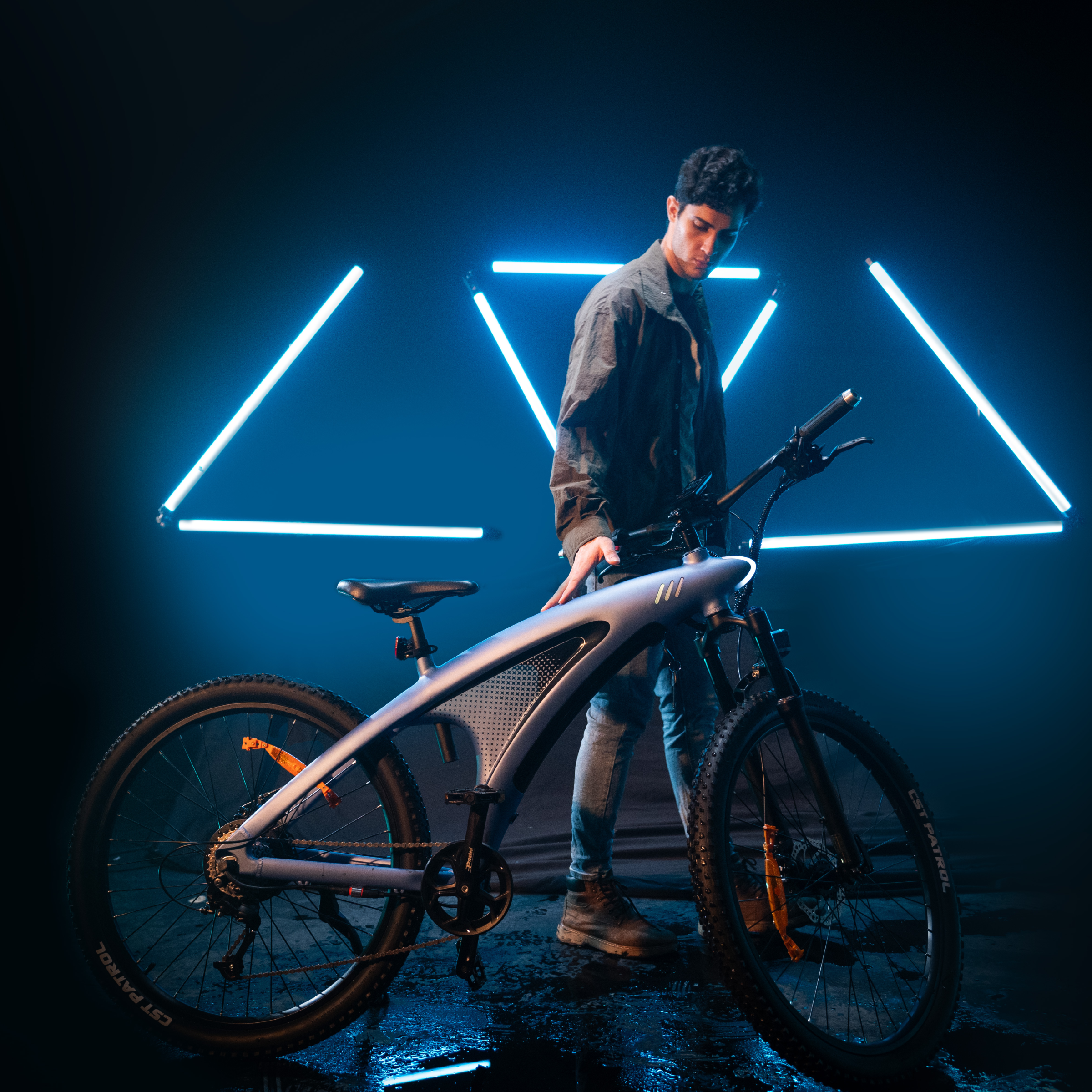
10. Why is the Dynamic Scooter Q5 a Top Choice for Adults?
After considering all the factors, one bike that stands out as a top choice for many adults is the Dynamic Scooter Q5. It offers a unique combination of power, versatility, and value that is hard to beat.
The Q5 is built around a powerful 650W motor that peaks at 1000W. What does this mean for you? It means you have the power to flatten hills and accelerate quickly. This motor is paired with a large 48V 15Ah battery, providing a long range of up to 100 km on a single charge.
The full-suspension frame and 27.5-inch all-terrain tires make the Q5 incredibly versatile. It is comfortable enough for city commuting but also capable enough to handle rough trails. It is a bike that can truly do it all.
Dynamic Scooter did not skimp on the components. The Q5 features a reliable Shimano 9-speed drivetrain and powerful hydraulic disc brakes. These are quality components you would expect to find on a much more expensive bike. It is this combination of performance and value that makes the Dynamic Scooter Q5 such a compelling option for adults.
| Feature | Dynamic Scooter Q5 Spec | Benefit to the Rider |
| Motor | 650W (1000W Peak) | Excellent power for hills and acceleration |
| Battery | 48V 15Ah (720Wh) | Long range for extended rides |
| Suspension | Full-Suspension | Comfort and control on all terrains |
| Components | Shimano 9-speed, Hydraulic Brakes | Reliable performance and safety |
Conclusion
Choosing the best electric bike for adults comes down to matching the bike to your needs. By considering the type of riding you will do, the key features like motor and battery, and setting a realistic budget, you can find the perfect e-bike. The goal is to find a bike that you will be excited to ride every day.
For many, a versatile and powerful bike like the Dynamic Scooter Electric Mountain Bike Q5 is the ideal choice, offering a perfect blend of performance, comfort, and value. Ready to find your perfect ride? Contact the team at Dynamic Scooter today and let us help you start your electric bike adventure.
FAQ
Q1: What is the average range of an electric bike?
The range can vary from 20 to 100 miles (32-160 km) depending on the battery, assist level, terrain, and rider weight. A bike like the Dynamic Scooter Q5 can get up to 100 km in pedal-assist mode.
Q2: How fast can an electric bike for adults go?
Most e-bikes are limited to a top assisted speed of 20 mph (32 km/h) for Class 1 and 2, or 28 mph (45 km/h) for Class 3. The Dynamic Scooter Q5 can reach up to 45 km/h where permitted.
Q3: Are electric bikes heavy?
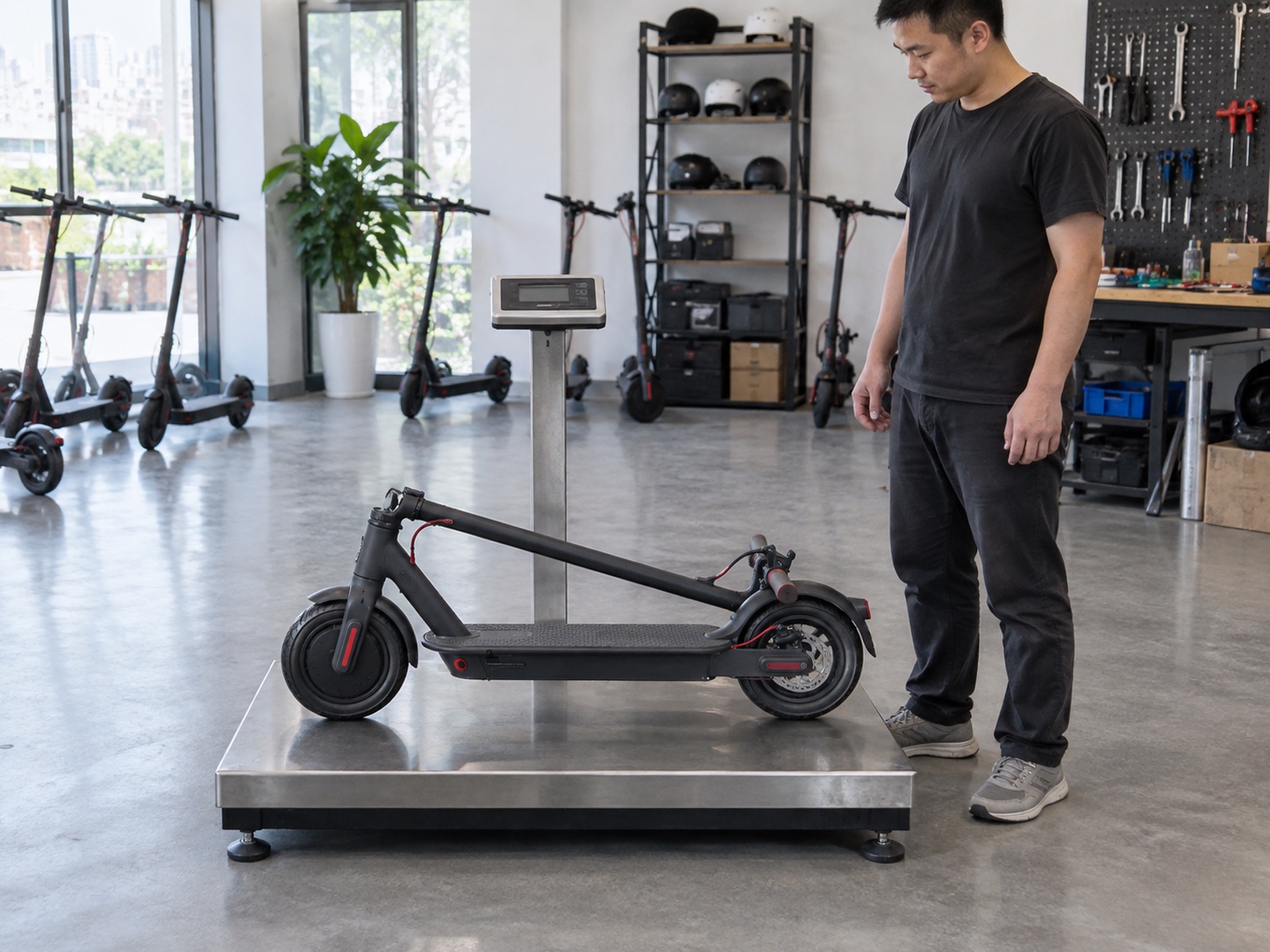
Yes, e-bikes are heavier than traditional bikes, typically weighing between 40 and 70 lbs (18-32 kg). The Dynamic Scooter Q5 weighs 28 kg (62 lbs), but the motor assistance makes the weight unnoticeable while riding.
Q4: Do I need a license to ride an electric bike?
In most places, you do not need a license to ride a Class 1, 2, or 3 e-bike. However, regulations can vary by state and city, so it is always best to check your local laws.
Q5: Can I ride an electric bike in the rain?
Most e-bikes are water-resistant and can be ridden in light rain. Look for models with an IP rating, like the IPX4-rated Dynamic Scooter Q5, which protects against splashes. Avoid heavy downpours and submerging the bike.