
Rain can destroy your electric scooter’s expensive components in minutes. Water damage often costs hundreds or thousands to repair. This guide shows you proven methods on how to protect electric scooter from rain and keep it running safely.
To protect electric scooter from rain, use waterproof covers, avoid riding in heavy rain, seal charging ports, and dry the scooter thoroughly after any water exposure. Focus protection on the battery, motor, and electrical connections. Proper storage and maintenance prevent long-term water damage that can cost thousands in repairs.
Here’s everything you need to know about keeping your electric scooter safe from rain damage.
1. What Rain Damage Can Happen to Your Electric Scooter?
Water poses serious threats to electric scooters because they contain sensitive electronic components. Understanding how to protect electric scooter from rain starts with knowing what damage can occur. The battery system faces the highest risk from water exposure. Moisture can cause short circuits, permanent battery damage, and complete power system failure.
Electrical connections throughout the scooter can corrode when exposed to water. This corrosion creates resistance that reduces performance and can cause dangerous malfunctions. Water can penetrate through small gaps in the housing and reach internal wiring. Here’s why it matters – even small amounts of water can trigger expensive repairs that cost more than proper protection.
Metal components like the frame, bolts, and brake cables develop rust when exposed to moisture. Rust weakens structural integrity and affects safety systems. The folding mechanism, if present, becomes stiff and unreliable after water exposure. Aluminum frames resist rust better than steel, but joints and connections remain vulnerable.
The display screen and control panel can malfunction or fail completely when water penetrates the housing. These components often lack adequate sealing in budget scooter models. Water can cause screen flickering, button failures, and complete system shutdowns.
| Component | Rain Damage Risk | Repair Cost Range | Prevention Priority |
| Battery System | Very High | $200-$800 | Critical |
| Motor Assembly | High | $150-$500 | High |
| Display/Controls | High | $100-$300 | High |
| Brake System | Medium | $50-$200 | Medium |
Motor damage from water exposure can be gradual or immediate. Water can damage motor bearings, causing grinding noises and reduced efficiency. Electrical windings can short circuit when wet, leading to complete motor failure. Hub motors are particularly vulnerable because they sit close to the ground where water spray is heaviest. Regular inspection after rain exposure helps identify early signs of motor damage.
2. Which Electric Scooter Parts Need Rain Protection Most?
Learning how to protect electric scooter from rain requires identifying the most vulnerable components. The battery compartment requires the highest level of protection from rain. Most scooters house the battery in the deck or stem area. Water entry through gaps or poor sealing can cause immediate and permanent damage to expensive lithium-ion batteries.
Charging ports present another critical vulnerability when considering how to protect electric scooter from rain. Many scooters have rubber flaps or covers that provide minimal protection. Water can enter through loose or damaged port covers and travel directly to internal electrical systems.
The motor assembly, typically located in the wheel hub, needs protection from water spray and splashing. While motors have some water resistance, prolonged exposure can damage bearings, magnets, and electrical windings. The best part? Most motor damage is preventable with proper covers and riding techniques.
Display screens and control panels often have the weakest water resistance ratings. These components sit exposed on the handlebars where they face direct rain impact. Water can seep through button gaps and screen edges.
| Critical Protection Areas | Water Entry Points | Protection Methods | Effectiveness |
| Battery Compartment | Deck seams, covers | Silicone sealing | 95% |
| Charging Port | Rubber flaps | Waterproof caps | 90% |
| Motor Housing | Wheel gaps | Protective covers | 85% |
| Control Panel | Button gaps | Clear shields | 80% |
Brake systems need special attention in wet weather protection strategies. Disc brakes perform poorly when wet and may require longer stopping distances. Cable-operated brakes can stretch or stick when water enters the cable housing.
3. What Waterproof Covers Work Best for Electric Scooters?
Selecting the right waterproof cover is a key part of how to protect electric scooter from rain during storage and transport. Full scooter covers provide the most complete protection from rain during storage and transport. These covers typically use waterproof materials like PVC or polyester with waterproof coatings. Look for covers with IP65 or higher water resistance ratings.
Custom-fit covers designed for specific scooter models offer the best protection when learning how to protect electric scooter from rain. They include cutouts for wheels and handles while providing complete coverage of vulnerable areas. Universal covers cost less but may not fit properly around unique scooter features.
Material quality makes a significant difference in cover performance and longevity. Heavy-duty vinyl and marine-grade fabrics resist tearing and provide long-lasting protection. Lightweight covers may tear easily and offer poor water resistance. But here’s the thing – heavier covers can be difficult to carry and store when not in use.
Ventilation features prevent moisture buildup inside covers during storage. Look for covers with breathable panels or vents that allow air circulation while blocking water entry. Poor ventilation can trap moisture and cause corrosion even when the scooter stays dry externally.
| Cover Type | Protection Level | Price Range | Best Use Case |
| Custom-Fit Full Cover | Excellent | $60-$120 | Long-term storage |
| Universal Full Cover | Good | $30-$80 | General protection |
| Partial Cover | Fair | $20-$50 | Quick protection |
| Emergency Cover | Basic | $10-$25 | Temporary use |
Portability affects how often you’ll actually use a cover in your strategy for how to protect electric scooter from rain. Compact, lightweight covers that fold into small pouches encourage regular use. Heavy, bulky covers often get left at home when you need them most.
4. How Do You Protect the Battery and Charging Port from Rain?
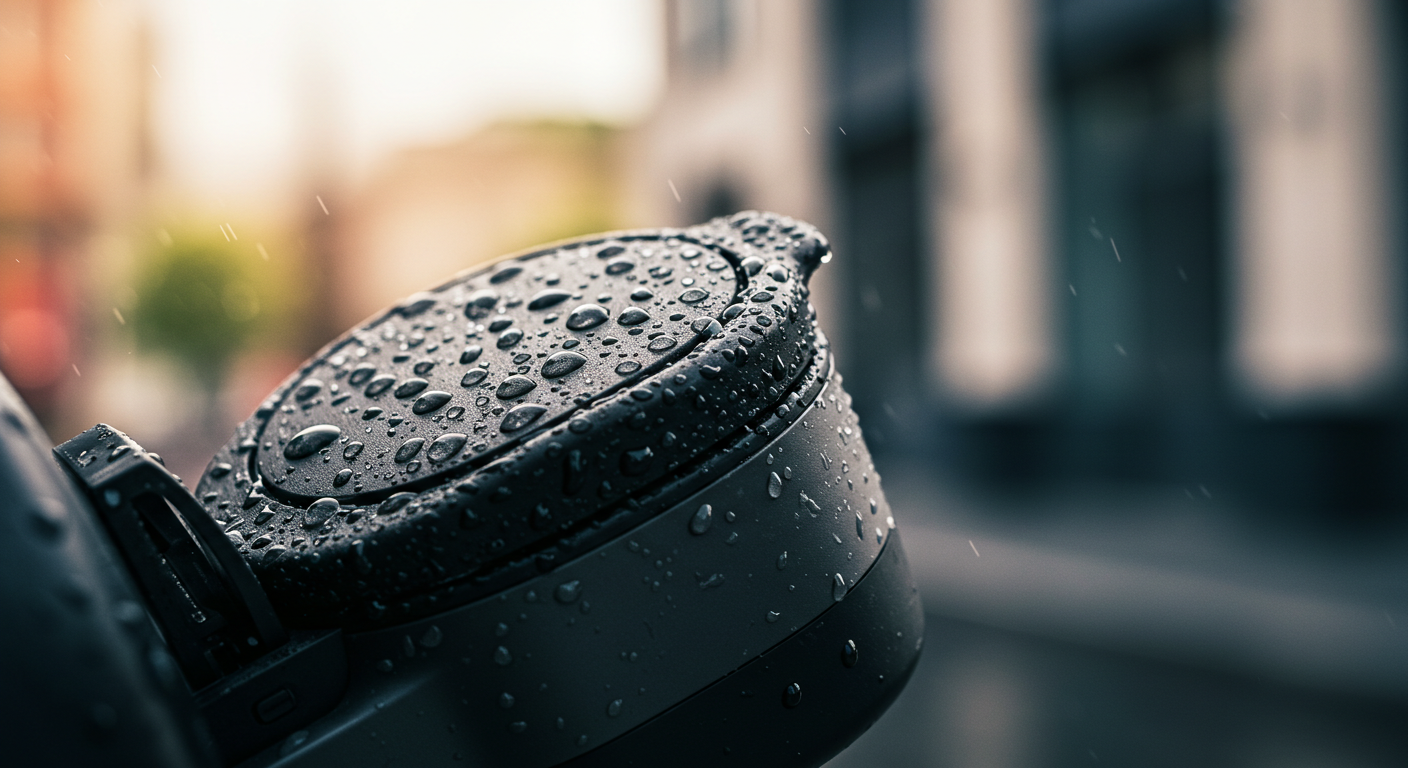
Battery and charging port protection forms the foundation of how to protect electric scooter from rain effectively. Charging port protection starts with proper cover maintenance. Check rubber flaps and covers regularly for cracks, tears, or loose fits. Replace damaged covers immediately to prevent water entry.
Waterproof charging port caps provide superior protection compared to standard rubber flaps when considering how to protect electric scooter from rain. These caps create watertight seals and often include tethers to prevent loss. Silicone caps offer the best combination of durability and sealing performance.
Battery compartment sealing requires attention to all entry points. Apply marine-grade silicone sealant to gaps around battery covers and access panels. Use waterproof tape on removable battery connections when riding in wet conditions.
Never charge your scooter immediately after rain exposure. Allow all components to dry completely before connecting to power. Charging wet batteries can cause dangerous short circuits and permanent damage. Now, you might be wondering how long to wait – allow at least 24 hours of drying time.
| Protection Method | Effectiveness | Cost Range | Installation Difficulty |
| Silicone Port Caps | 95% | $5-$15 | Easy |
| Waterproof Tape | 85% | $3-$10 | Easy |
| Sealant Application | 90% | $8-$20 | Moderate |
| Professional Sealing | 98% | $50-$150 | Professional |
Emergency drying procedures can save your scooter after unexpected water exposure. Remove the battery if possible and dry all visible water immediately. Use compressed air to blow water from electrical connections and crevices.

5. What Riding Techniques Keep You Safe in Wet Weather?
Safe riding techniques are part of how to protect electric scooter from rain and ensure rider safety. Speed reduction becomes critical when riding in wet conditions. Reduce your normal speed by at least 50% to account for reduced traction and longer braking distances. Wet surfaces can cause sudden loss of control at normal speeds.
Braking technique changes significantly in wet weather riding. Apply brakes gradually and earlier than normal to avoid skidding. Test brake performance at low speeds before riding in traffic. Electronic brakes may respond differently when wet and require adjustment periods.
Tire traction drops dramatically on wet surfaces, making this knowledge crucial for how to protect electric scooter from rain damage through safe riding. Avoid painted lines, metal surfaces, and smooth concrete that become extremely slippery when wet. Choose routes with textured pavement when possible.
Visibility becomes a major safety concern in rain conditions. Use front and rear lights even during daylight hours. Wear bright, reflective clothing to increase visibility to other vehicles. Let me explain why this matters – even experienced riders can lose control on slippery surfaces or become invisible to drivers.
| Wet Weather Adjustment | Normal Conditions | Wet Conditions | Safety Impact |
| Maximum Speed | 15-25 mph | 8-12 mph | High |
| Braking Distance | 10-15 feet | 20-30 feet | Critical |
| Following Distance | 2-3 seconds | 4-6 seconds | High |
| Visibility Range | 100+ feet | 30-50 feet | Critical |
Route planning helps avoid the most dangerous wet weather conditions. Avoid hills, sharp turns, and areas prone to flooding. Choose well-lit routes with good drainage and minimal traffic when possible.

6. How Should You Store Your Electric Scooter After Rain Exposure?
Proper storage after rain exposure is a critical aspect of how to protect electric scooter from rain damage long-term. Immediate drying prevents most water damage when done properly. Use absorbent towels to remove all visible water from the scooter surface. Pay special attention to electrical connections, charging ports, and any gaps in the housing.
Air circulation accelerates the drying process and prevents moisture buildup. Position the scooter in a well-ventilated area with good airflow. Use fans to increase air circulation around the scooter if natural ventilation is limited.
Temperature control affects drying effectiveness when implementing how to protect electric scooter from rain strategies. Moderate temperatures (65-75°F) provide optimal drying conditions. Avoid high heat that can damage plastic components or cause rapid moisture expansion. This is important because extreme temperatures can cause more damage than the water itself.
Component inspection should follow every rain exposure. Check all electrical connections for signs of water entry or corrosion. Test all functions including lights, brakes, and throttle response before the next ride.
| Drying Step | Time Required | Equipment Needed | Effectiveness |
| Surface Drying | 5-10 minutes | Towels | 60% |
| Air Circulation | 2-4 hours | Fans | 85% |
| Complete Drying | 24-48 hours | Ventilated space | 95% |
| Function Testing | 10-15 minutes | None | Verification |
Long-term storage requires additional precautions after rain exposure. Remove the battery if possible and store it separately in a dry location. Apply light oil to metal components to prevent rust formation.
7. What Maintenance Steps Prevent Long-Term Rain Damage?
Regular maintenance forms the backbone of how to protect electric scooter from rain over the long term. Regular waterproofing treatments extend your scooter’s resistance to water damage. Apply silicone spray to electrical connections monthly. Use marine-grade sealants on joints and seams that show signs of wear or gaps.
Component inspection schedules help catch water damage early in your plan for how to protect electric scooter from rain. Check charging ports, battery connections, and display seals weekly. Look for signs of corrosion, unusual wear, or moisture buildup in electrical areas.
Lubrication of moving parts becomes more frequent after rain exposure. Apply appropriate lubricants to brake cables, folding mechanisms, and wheel bearings. Water can wash away protective lubricants and cause premature wear.
Professional servicing provides thorough water damage assessment and prevention. Annual professional inspections can identify potential water entry points before they cause damage. Here’s the deal – prevention costs much less than repairs after water damage occurs.
| Maintenance Task | Frequency | Cost Range | Benefit Level |
| Waterproofing Treatment | Monthly | $10-$20 | High |
| Component Inspection | Weekly | Free | Very High |
| Lubrication | After rain | $5-$15 | High |
| Professional Service | Annually | $50-$150 | Very High |
Warranty considerations affect your maintenance approach when learning how to protect electric scooter from rain. Some manufacturers void warranties for water damage or unauthorized modifications. Check warranty terms before applying sealants or making waterproofing modifications.
Conclusion
Learning how to protect electric scooter from rain requires multiple strategies including waterproof covers, proper storage, and regular maintenance. Focus protection efforts on the battery, charging port, and electrical connections where water damage costs the most. Simple prevention steps like using covers and avoiding heavy rain can save thousands in repair costs.
Proper riding techniques and immediate drying after rain exposure prevent most water damage problems. What does this mean for you? Start with basic protection like waterproof covers and charging port caps, then build up to comprehensive weatherproofing as your experience grows.
Dynamic Scooter offers weather-resistant electric scooters designed for all-weather use, plus a complete line of protective accessories and professional weatherproofing services. Visit our website to find the right protection solutions for your scooter and riding conditions.
FAQ
Q1: Can I ride my electric scooter in light rain?
Most electric scooters have basic water resistance (IP54 rating) that handles light rain and splashes. However, avoid heavy rain, puddles, and standing water. Always check your scooter’s IP rating and manufacturer guidelines before riding in wet conditions to protect electric scooter from rain damage.
Q2: What should I do if my electric scooter gets soaked in rain?
Turn off the scooter immediately and avoid charging it. Dry all visible water with towels, remove the battery if possible, and let everything air dry for 24-48 hours in a warm, ventilated area. Check all connections before using again to protect electric scooter from rain damage.
Q3: Are waterproof covers worth buying for electric scooters?
Yes, waterproof covers provide excellent protection during storage and transport. Look for covers with IP65 or higher ratings, proper ventilation, and secure fastening systems. They typically cost $30-80 and can prevent thousands in repair costs when you protect electric scooter from rain.
Q4: How do I know if rain has damaged my electric scooter?
Signs include reduced battery life, erratic display readings, unusual noises from the motor, brake performance issues, or visible corrosion. If you notice any of these symptoms after rain exposure, stop using the scooter and consult a technician to protect electric scooter from rain damage.
Q5: Can I make my electric scooter more waterproof?
You can improve water resistance by applying silicone sealant to joints, using waterproof tape on connections, installing additional covers, and regular maintenance. However, avoid major modifications that might void your warranty when learning how to protect electric scooter from rain.