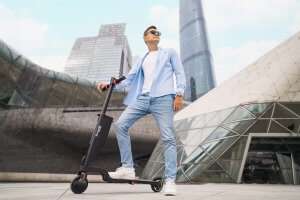

Rainy days can be hard on electric scooter riders. The wet weather can ruin your day, damage your scooter, affect your safety, and create a lousy riding experience. Can you ride an electric scooter in the rain? Keep reading to learn the potential dangers and how you can safely ride in the rain.
Can you ride an electric scooter in the rain? Riding in the rain is possible, but it comes with significant risks. Knowing the limitations, checking the waterproof rating, and using the right precautions will keep you safe.
Riding an electric scooter in the rain can present various challenges. You must understand the potential dangers and how to deal with them. Let’s look closer into the question, can you ride an electric scooter in the rain safely?
Can You Ride an Electric Scooter in the Rain?
Yes, you can ride an electric scooter in the rain. It depends on the waterproof rating of the scooter and your safety gear. If you want to ride electric scooters in wet weather, you need to know how rain affects your scooter’s functionality and your safety.
Why It’s Not Recommended to Ride a Scooter in the Rain?
Riding an electric scooter in the rain is generally not recommended due to various risks. Falling off the scooter or damaging the scooter’s electrical system are possible consequences of riding wet roads in rainy conditions. High waterproof-rated scooters can still have malfunction issues if they remain in the rain for extended periods. It’s advisable to avoid riding in heavy rainfall and to consider an alternative mode of transportation if possible.
Reduced Traction and Slippery Surfaces
One concern when riding electric scooters in the rain is reduced traction. Many scooters are typically built to ride on rough surfaces. When there are wet leaves, a thin layer of water, oil, or other wet surfaces, the electric scooter tires do not get enough traction.
Component Failures
Water can cause multiple components to fail if the scooter is not sealed correctly. The motor is one of many parts that can fail. You can also have a problem with the battery and control components. If your electric scooter is not waterproof, there’s a good chance water will ruin it or cause functionality issues.
Water Corrosion
Electric scooters can experience water corrosion if exposed to the rain for long periods. Even though your electric scooters may have a higher waterproof rating, metal still rusts and can weaken the components.
Reduced Visibility
Another problem with riding an electric scooter in the rain is reduced visibility. It reduces your ability to see clearly. It also reduces visibility for other people to see you, your scooter’s lights and reflectors might not be as visible to other road users, making you more vulnerable to collisions.
Physical Discomfort
The last problem with riding electric scooters in the rain is physical discomfort. You will get cold and wet while riding in the rain, diminishing your physical ability and causing distractions from focusing on the road.
Voided Warranty
If you’re worried about voiding your warranty, do not drive your electric scooter in the rain. Most manufacturers will not cover water under warranty. If you have water damage due to rain exposure or other liquids, they may void your warranty. It’s a best practice to check with your warranty and make sure they allow it.
Differences Between Scooter Types
Some electric scooters are better for rain compared to others. The more expensive options tend to have better wiring, tires, and safety when driving in these environments.
Unpredictable Weather
Rain can come suddenly. Sometimes weather conditions are unpredictable. You do not want to experience being three to five miles away from your house and getting stuck in a rainstorm.
Electric Scooter IP Ratings
When considering riding an electric scooter in the rain, it’s essential to know your scooter’s IP (Ingress Protection) rating. The IP rating indicates the level of protection the scooter has against dust and water. Here’s a breakdown of some common IP ratings:
| IP Rating | Protection Against Dust | Protection Against Water | Description |
|---|---|---|---|
| IP54 | Limited dust protection (dust can enter but not affect functionality) | Protection against water splashes from any direction | Suitable for light rain, but not for heavy or continuous exposure |
| IP55 | Dust protected (dust cannot enter in harmful amounts) | Protection against low-pressure water jets from any direction | Can handle moderate rain but should avoid direct exposure to jets |
| IP56 | Dust protected (dust cannot enter in harmful amounts) | Protection against high-pressure water jets from any direction | Good for riding in rain or water splashes, but avoid submersion |
| IP65 | Fully dust tight (no dust can enter) | Protection against water jets from any direction at high pressure | Well-suited for outdoor use in rain and heavy splashes |
| IP66 | Fully dust tight (no dust can enter) | Protection against powerful water jets and temporary submersion | Ideal for harsh conditions and very wet environments |
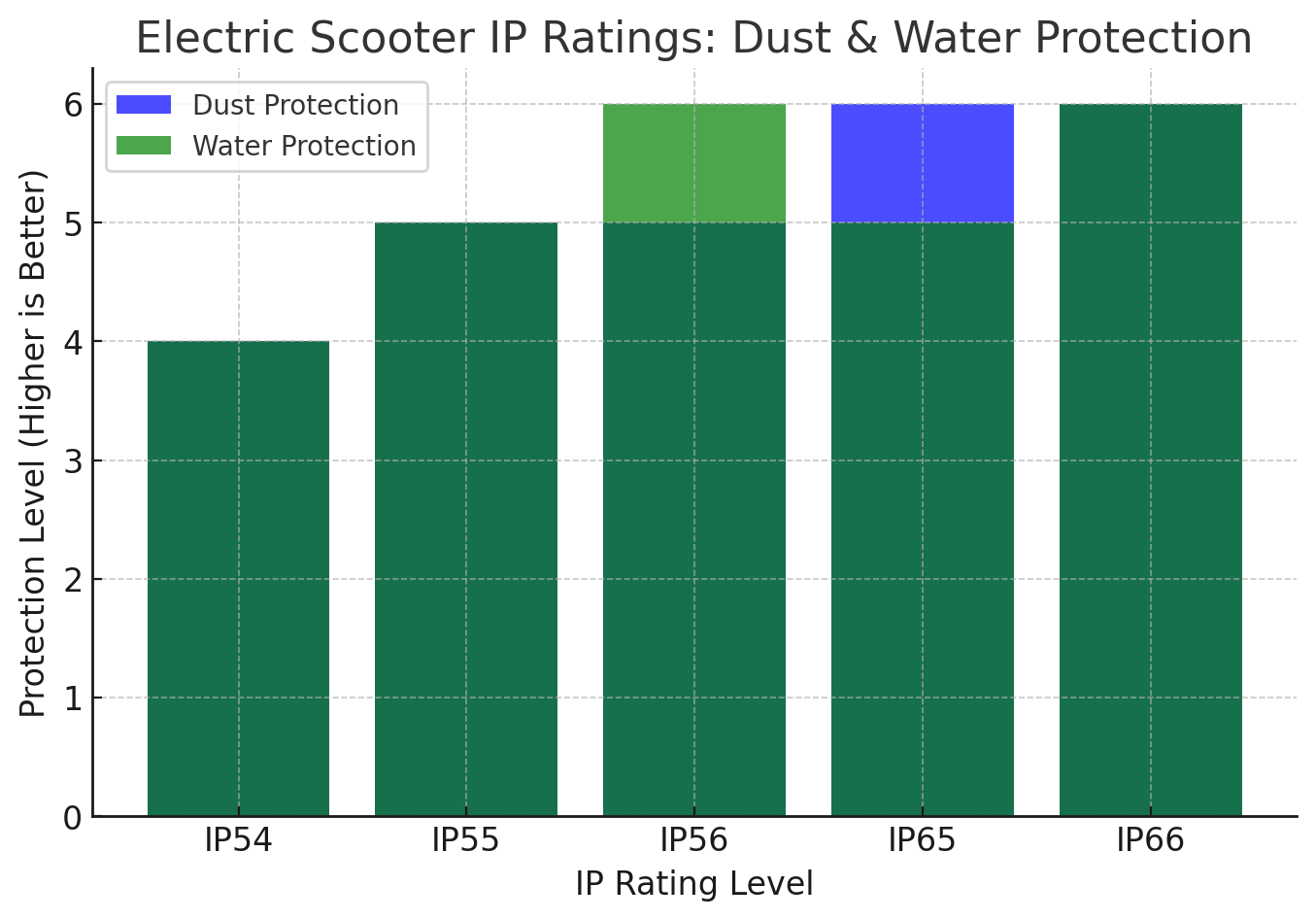
These ratings indicate how protected your scooter is from dust and water. IP65 and up provide the greatest water protection.However, IP54 and IP55 are not entirely unsuitable for riding in the rain, but you must carefully assess the conditions, especially in heavy rain or large puddles.
Vehicles that are below IP65 may need extra precautions and are not as suitable for riding in heavy rain. For safety reasons, you should not ride a scooter with an IP rating below IP54 in the rain.
How IP Rating Affects Electric Scooters in the Rain
The IP (ingress protection) rating determines how resistant your electric scooter is to dust and water. If your scooter has a high IP rating, it has excellent waterproofing, but why? If a scooter has great waterproofing, the electrical components, motor and battery are protected by:
- Sealed Casings and Waterproof Enclosures
Scooters with high IP ratings have tightly sealed casings around sensitive electronic components such as the battery, controller, and motor. These enclosures prevent water from seeping into circuits, reducing the risk of short circuits and malfunctions. - Silicone and Rubber Gaskets
Manufacturers use silicone seals, rubber gaskets, and waterproof adhesives around openings such as charging ports, control panels, and battery compartments to prevent water from entering vulnerable areas. - Water-Resistant Ventilation Systems
Some of the higher rated scooters (IP65+) use water- resistant ventilation systems to allow heat dissipation while protecting against water penetration into the enclosure. - Nano-Coating and Corrosion-Resistant Materials
High-IP scooters often incorporate hydrophobic nano-coatings on circuit boards and rust-resistant materials like aluminum alloys to reduce damage from water exposure. - Drainage Design and Water Expulsion Features
Some scooters incorporate strategic drainage holes to allow any water that enters accidentally to escape before reaching crucial components.
A higher IP rating equates to better sealing, advanced waterproof materials, and robust enclosure designs. The higher the IP rating, the more resistant the scooter is to rain and splashes. However, no electric scooter is completely waterproof. It would be best if you never expose a high-IP-rated scooter to water for extended periods, nor should you ride through puddles or leave your e-scooter outside during heavy storms to avoid long- term damage.
Considerations for Riding an Electric Scooter in the Rain
When riding an electric scooter in the rain, several factors must be taken into account:
- Speed: You must reduce your speed to avoid losing control.
- Braking: Your braking distance will increase, so plan to apply the brakes sooner.
- Angle: Adjust the angle of the scooter to maintain stability.
- Lighting: Check the lighting of your scooter.
- Tire Grip: Check the tire tread and make sure they’re suitable for wet conditions.
- Road Conditions: Watch for puddles, metal tracks and gravel roads.
Is It Necessary to Ride a Scooter in the Rain?
Riding a scooter in the rain is not recommended. However, there are times when riding in the rain may be unavoidable, but how? If you find yourself in a place where you must ride your scooter in the rain, make sure you take all precautions into consideration. Prepare yourself for the ride by checking the waterproof rating of your scooter, having the proper gear and reducing your speed.
10 Tips for Riding an Electric Scooter in the Rain
- Check the Waterproof Rating: Ensure your scooter can handle rain exposure before riding.
- Increase Visibility: Wear reflective clothing and ensure your scooter’s lights are working.
- Check and Maintain Tires: Properly maintain and check your scooter’s tires for wear.
- Brake Early and Slow Down: Anticipate your stops and brake early to avoid skidding off.
- Wear Proper Rain Gear: Wear waterproof gear such as rain jackets and pants.
- Adjust Riding Style: Adopt a smoother riding style to reduce sudden movements.
- Avoid Puddles and Slippery Surfaces: Try to avoid big puddles as well as metal tracks and slippery roads.
- Clean the Scooter After Riding: Rinse and dry the scooter after riding around in the rain.
- Psychological Adjustments: Stay calm and focused during rainy rides to maintain safety.
- Safety Gear: Always wear a helmet and gloves for added protection.
Are Electric Scooters Designed for Rainy Days?
While many electric scooters are made to carry you through light rain, your scooter may not be made for heavy rain or long exposure. Check the waterproof rating and specs of the scooter to determine if you are safe to ride through the rain.
What to Do if Your Electric Scooter Gets Wet?
If your electric scooter gets wet, follow these steps:
- Turn off the scooter immediately.
- Place it in a warm, dry location.
- Remove the battery and other detachable parts.
- Wait at least 48 hours for full drying.
- Perform a final check to determine if there is damage.
Accessories for Wet Weather Riding
- Waterproof Bags
- Anti-slip Handlebars
- Waterproof Shoe Covers
- Mudguards
- Rain Covers for Screens
- Reflective Stickers
- Clear Safety Glasses
- Waterproof Sealed Connectors (Silicone Sealant)
Future Technologies for Rainy Day Scooters
The future of electric scooters may involve smart sensors, adaptive braking, and integrated weather warnings. New technology, IoT, auto-speed adjustment, and rain sensors can help make riding more safe during wet weather.

FAQ
What Should I Wear When Riding an Electric Scooter in the Rain?
Waterproof clothing, gloves, and a helmet. You can also wear waterproof shoes or shoe covers to keep your feet dry.
How Can I Make My Electric Scooter Waterproof?
Make sure you know the IP rating, use waterproof covers, and regularly maintain the scooter.
Can I Charge My Electric Scooter After Riding in the Rain?
Only charge your scooter when it is completely dry, and make sure there is no water around the charging port.
Do All Electric Scooters Have an IP Rating?
Not all electric scooters have a waterproof rating, but most brands have basic water protection.
Why Choose Dynamic Scooter?
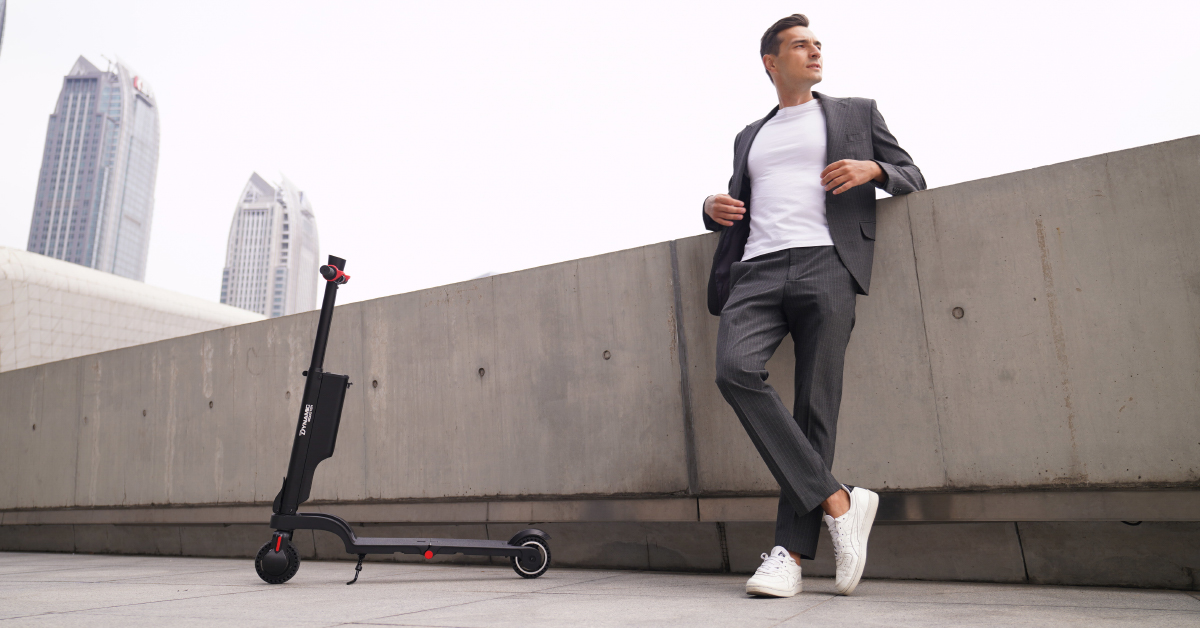
Dynamic Scooter produces high-quality waterproof-rated electric scooters that help ensure your safety and comfort even when riding in the rain! Our scooters include long battery life, fast charging, and foldable lightweight design for easy storage.
Dynamic Scooter is perfect for daily commuting or joy riding! With advanced built-in safety features, including a dual-brake system, ergonomic handles, and smart battery management, our scooters are reliable and durable.
Check out our scooters today if you want to ride in the rain without worry!
Conclusion
You can ride an electric scooter in the rain, but you should take certain precautions to ensure your safety and the protection of your scooter.