...

September 5, 2025

What Should Adults Know Before Buying Electric Scooters? Must-Read Guide

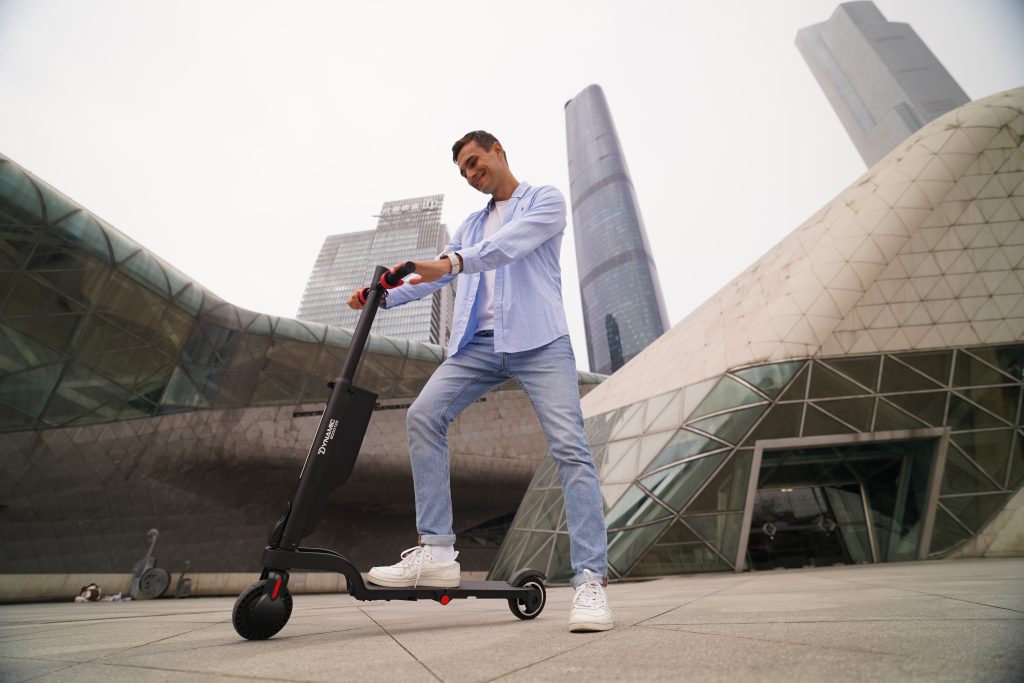
Buying an electric scooter as an adult requires careful consideration. Adult needs differ significantly from children’s models. Many adults make costly mistakes by focusing only on price or speed. They don’t consider weight limits, build quality, and practical features. Without proper research, you might end up with problems. Your scooter could break quickly. It might not meet your commuting needs. It could lack essential safety features. The key is understanding several important factors. You need to know about motor power, battery life, and weight capacity. Safety features and legal requirements are also crucial. This knowledge helps you choose a reliable electric scooter. You want one that provides years of dependable transportation for adult users. 1. What Motor Power Do Adults Need in Electric Scooters? Motor power directly affects your scooter’s ability to handle adult weight, climb hills, and maintain speed consistently. Here’s why it matters – insufficient motor power leads to poor performance, shortened battery life, and potential safety issues when the scooter can’t maintain adequate speeds in traffic. Adults typically need motors with at least 250-350 watts for flat terrain commuting. This power level handles most adult weights (150-200 lbs) effectively on level surfaces. For riders over 200 lbs or those facing hills, 500+ watt motors provide better performance and reliability. Dual motor systems offer superior power and control for heavier adults or challenging terrain. These systems distribute power more evenly, provide better acceleration, and offer redundancy if one motor fails. However, dual motors increase weight, cost, and battery consumption. Peak vs continuous power ratings can be misleading in marketing materials. Continuous power represents sustained performance, while peak power shows brief maximum output. Focus on continuous ratings for realistic performance expectations. Motor Power Suitable Weight Terrain Capability Typical Speed 250-350W 150-180 lbs Flat surfaces 15-18 mph 500-750W 180-220 lbs Moderate hills 18-22 mph 1000W+ 220+ lbs Steep hills 22-28 mph Motor placement affects handling and performance characteristics. Hub motors in wheels provide direct power but can make wheels heavy and affect handling. Mid-drive motors offer better weight distribution but require more complex drivetrains. The Dynamic Scooter Model B features a 500W motor that provides excellent performance for most adults while maintaining efficiency and reliability. This power level handles hills confidently while preserving battery life for longer commutes. Brushless motors offer superior efficiency and longevity compared to brushed alternatives. They require less maintenance, run quieter, and provide more consistent power delivery. Most quality adult scooters use brushless motor technology. 2. How Do You Choose the Right Battery for Adult Use? Battery selection significantly impacts your scooter’s range, charging time, and long-term reliability. The best part? Understanding battery specifications helps you choose a scooter that meets your daily travel needs without leaving you stranded with a dead battery. Lithium-ion batteries dominate the adult electric scooter market due to their energy density and longevity. These batteries provide 300-800 charge cycles and maintain performance better than older technologies. Avoid scooters with lead-acid batteries, which are heavy and short-lived. Battery capacity, measured in amp-hours (Ah) or watt-hours (Wh), determines range potential. Higher capacity batteries provide longer range but increase weight and cost. Most adults need 10-15 Ah capacity for practical commuting distances of 15-25 miles. Voltage affects motor performance and top speed capabilities. Higher voltage systems (48V-60V) provide better performance than lower voltage (24V-36V) alternatives. However, higher voltage requires more sophisticated charging and safety systems. Battery Spec Range Impact Charging Time Weight Addition 10Ah/36V 15-20 miles 4-6 hours 6-8 lbs 15Ah/48V 20-30 miles 6-8 hours 8-12 lbs 20Ah/52V 30-40 miles 8-10 hours 12-16 lbs Removable batteries offer significant advantages for adult users. They enable indoor charging, reduce theft risk, and allow carrying spare batteries for extended range. However, removable systems add complexity and potential failure points. Fast charging capabilities reduce downtime but may impact battery longevity. Some batteries support 2-3 hour charging times, while others require 6-8 hours. Balance charging speed needs with battery life expectations. Temperature affects battery performance significantly. Cold weather reduces range by 20-40%, while extreme heat can damage batteries permanently. Consider your climate when evaluating battery specifications and storage requirements. 3. What Weight Capacity Should Adults Look For? Weight capacity directly affects safety, performance, and scooter longevity for adult users. Now, you might be wondering why manufacturers’ weight limits matter and how to choose appropriate capacity for your needs and potential cargo requirements. Most adult electric scooters support 220-330 lbs maximum weight. However, operating near maximum capacity reduces performance, range, and component lifespan. Choose scooters with weight limits at least 50 lbs above your actual weight for optimal performance. Weight distribution affects handling and stability significantly. Carrying backpacks, groceries, or other cargo changes the scooter’s center of gravity. Consider total loaded weight, not just body weight, when evaluating capacity requirements. Deck size and construction must support adult weights safely. Larger, reinforced decks provide better stability and weight distribution. Avoid scooters with small or flimsy deck construction that may flex or fail under adult use. Weight Range Recommended Capacity Performance Impact Safety Margin 150-180 lbs 250+ lbs Optimal 70+ lbs 180-220 lbs 300+ lbs Good 80+ lbs 220-260 lbs 350+ lbs Adequate 90+ lbs Frame materials affect weight capacity and durability. Aluminum alloy frames offer good strength-to-weight ratios, while steel frames provide maximum strength at higher weight. Carbon fiber offers premium strength and lightness but at significantly higher cost. Suspension systems must handle adult weights effectively. Inadequate suspension leads to harsh rides and potential component damage. Look for adjustable suspension that can be tuned for your weight and riding preferences. The Dynamic Scooter Model B supports up to 265 lbs with excellent performance margins, making it suitable for most adults while maintaining efficiency and handling characteristics. 4. Which Safety Features Are Essential for Adult Riders? Adult electric scooter safety requirements exceed children’s needs due to higher speeds, weights, and traffic exposure. This is important because adults often ride in more challenging environments and face greater consequences from accidents or equipment failures. Braking systems must provide reliable stopping power for adult

What Should Adults Know Before Buying Electric Scooters? Must-Read Guide Read More »
What Does Electric Scooter Insurance Really Cost You? A Complete Guide

Electric scooter insurance costs confuse many riders. Without proper coverage, you risk thousands in liability claims and total loss from theft. Smart insurance choices protect your investment and financial future. Electric scooter insurance typically costs $100-400 annually, depending on coverage type, scooter value, and location. Liability-only policies start around $100 yearly, while comprehensive coverage ranges from $200-400. High-performance scooters and urban areas increase premiums significantly. But here’s the thing… most riders pay too much because they don’t understand the real cost factors. 1. What factors affect electric scooter insurance costs? Insurance companies evaluate multiple risk factors when pricing your electric scooter policy. Your scooter’s specifications play the biggest role in determining premiums. Scooter value directly impacts insurance costs. A $300 basic model costs less to insure than a $2,000 high-performance scooter. Insurance companies calculate premiums based on replacement costs and theft likelihood. Here’s why it matters… expensive scooters attract thieves and cost more to repair or replace. Your age and riding experience affect rates significantly. Riders under 25 typically pay 20-30% higher premiums due to accident statistics. Experienced riders with clean records receive better rates. Location influences pricing through crime rates and accident frequency. Urban areas with high theft rates increase premiums by 15-25% compared to suburban locations. Factor Impact on Premium Typical Increase High-value scooter Major 25-40% Urban location Moderate 15-25% Young rider age Moderate 20-30% Poor credit score Minor 5-15% Coverage type selection affects your total costs. Basic liability costs less but offers minimal protection. Comprehensive coverage costs more but protects against theft, vandalism, and weather damage. Deductible amounts inversely affect premiums. Higher deductibles reduce monthly costs but increase out-of-pocket expenses during claims. Most riders choose $250-500 deductibles for balanced protection. 2. How much do different insurance types cost monthly? Insurance companies offer various coverage types with different pricing structures. Understanding each option helps you make informed decisions about protection levels. Liability coverage represents the most affordable option. This basic protection covers damages you cause to others but not your own scooter. Monthly costs range from $8-15 for minimum state requirements. Comprehensive coverage protects against theft, vandalism, fire, and weather damage. This coverage typically costs $15-25 monthly for standard scooters. High-end models may cost $30-40 monthly. The best part? comprehensive coverage often pays for itself after one theft incident. Collision insurance covers accident damage to your scooter regardless of fault. Monthly costs range from $10-20 depending on scooter value and deductible selection. Coverage Type Monthly Cost Annual Cost Protection Level Liability Only $8-15 $100-180 Basic Comprehensive $15-25 $180-300 Good Full Coverage $25-35 $300-420 Complete Personal injury protection covers medical expenses after accidents. This optional coverage costs $5-10 monthly but provides valuable protection for serious injuries. Uninsured motorist coverage protects you when hit by uninsured drivers. Monthly costs range from $3-8 but provide peace of mind in areas with high uninsured driver rates. 3. Which states require electric scooter insurance? State insurance requirements vary significantly for electric scooters. Understanding your local laws prevents costly violations and ensures proper protection. Mandatory insurance states require coverage for scooters exceeding specific speed or power thresholds. California requires insurance for scooters over 20 mph. New York mandates coverage for all motorized scooters. Now, you might be wondering… how do states determine insurance requirements? Most states base requirements on maximum speed capabilities. Scooters capable of 20+ mph typically require insurance regardless of actual riding speed. Power ratings above 750 watts also trigger insurance requirements in many areas. Registration requirements often accompany insurance mandates. States requiring insurance usually demand registration, license plates, and valid driver’s licenses for operation. State Speed Threshold Insurance Required Registration Needed California 20+ mph Yes Yes New York All motorized Yes Yes Florida 30+ mph Yes No Texas No requirement No No Penalty costs for non-compliance range from $100-1,000 depending on state laws. Repeat violations may result in license suspension or scooter impoundment. Optional insurance regions allow riders to choose coverage levels. However, liability protection remains wise even in non-mandatory states due to accident risks. 4. What coverage options should you consider buying? Selecting appropriate coverage protects your financial interests while managing premium costs. Different coverage types address specific risks and situations. Basic liability protection covers damages you cause to others during accidents. This minimum coverage satisfies legal requirements but offers no protection for your scooter or injuries. Theft and vandalism coverage protects against criminal activity. Urban riders face higher theft risks, making this coverage particularly valuable. Coverage typically includes replacement costs minus deductibles. This is important because… electric scooter theft rates exceed 15% annually in major cities. Medical payment benefits cover accident-related injuries regardless of fault. This coverage pays medical bills up to policy limits, reducing out-of-pocket expenses. Coverage Option Annual Cost Best For Coverage Limit Liability $100-180 Legal compliance $25,000-50,000 Theft protection $80-150 Urban riders Scooter value Medical payments $50-100 All riders $5,000-25,000 Roadside assistance $30-60 Long commuters Service calls Property damage protection covers damage to others’ property during accidents. This coverage handles repair costs for vehicles, buildings, or other property you accidentally damage. Roadside assistance add-ons provide emergency services for breakdowns or accidents. Services include towing, battery jumps, and emergency repairs. Annual costs range from $30-60. 5. How can you reduce your insurance premiums? Smart shopping strategies and discount opportunities significantly reduce insurance costs. Most riders overpay because they don’t know available savings options. Multi-policy discounts reward customers who bundle scooter insurance with auto or home policies. These discounts typically save 10-25% on total premiums across all policies. Safety course completion benefits reduce premiums for educated riders. Many insurers offer 5-15% discounts for completing approved safety courses. Online courses often qualify for discounts. Here’s the deal… insurance companies reward safe riders with lower rates. Good driving record rewards apply to scooter insurance. Clean driving records with no accidents or violations earn discounts up to 20% with many insurers. Discount Type Savings Amount Requirements Duration Multi-policy 10-25% Bundle policies Ongoing Safety course 5-15% Complete training 3 years Good record 10-20% Clean driving Annual review Annual payment 5-10% Pay

What Does Electric Scooter Insurance Really Cost You? A Complete Guide Read More »

What Are California’s Electric Scooter Laws in 2026? Must-Know Rules

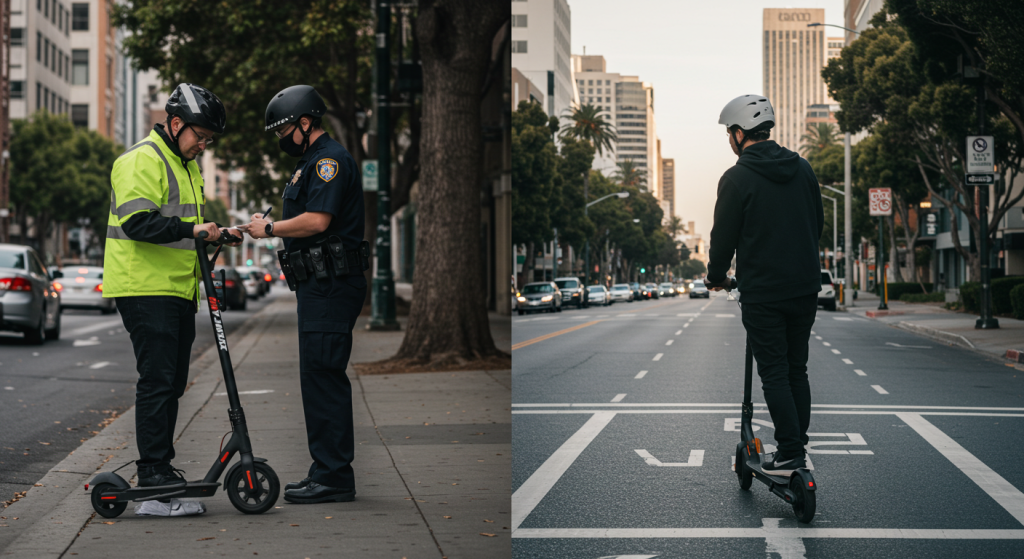
California’s electric scooter laws confuse many riders. You could face big fines and legal trouble without knowing the rules. This guide shows you exactly what’s legal and what’s not. California requires electric scooter riders to be at least 16 years old. Riders under 18 must wear helmets. You can only ride in bike lanes or streets with speed limits under 25 mph. Scooters cannot go faster than 15 mph. Sidewalk riding is banned statewide with fines up to $200. But here’s the thing – each city adds its own rules too. 1. What are the basic electric scooter laws in California? California has statewide rules for electric scooters that apply everywhere. These rules apply in every city and county across the state. Local governments can add stricter rules on top of these basic requirements. You must be at least 16 years old to ride an electric scooter legally on public roads. Here’s why it matters – younger riders get automatic tickets regardless of adult supervision. The base fine starts at $197 plus court costs that often exceed $300. Your scooter cannot go faster than 15 mph on flat ground during normal use. Scooters that can reach over 20 mph maximum speed need DMV registration and a motorcycle license. Speed testing happens on level, dry pavement under normal conditions. Police use radar guns to check scooter speeds during traffic stops. Rule Type What’s Required Fine Amount Court Costs Total Cost Age Limit 16 years old minimum $197 $300+ $497+ Speed Limit 15 mph maximum $238 $300+ $538+ Helmet Under 18 Must wear approved helmet $197 $300+ $497+ No Sidewalk Riding Stay off all sidewalks $200 $300+ $500+ Night Lights Required after sunset $238 $300+ $538+ Riders under 18 must wear bike helmets that meet safety standards. The helmet must fit properly with working chin straps. Adults 18 and older can choose whether to wear helmets. Safety experts recommend helmets for all riders regardless of age. You don’t need a driver’s license for standard scooters under 20 mph capability. You do need valid government ID to prove your age to police. No special permits or endorsements are required for basic operation. You don’t need to register your scooter with the California DMV. Electric scooters follow modified bicycle regulations rather than motor vehicle laws. This saves you registration fees and paperwork. Your scooter must have working brakes on both front and rear wheels. Brakes must stop you within 25 feet when traveling 10 mph. You need proper lighting systems for safe night riding operations. 2. Where can you legally ride electric scooters in California? California law tells you exactly where you can and cannot ride your scooter. Knowing these rules keeps you safe and helps you avoid expensive tickets. Breaking location rules is one of the most common violations. Bike lanes are the best and safest place to ride your electric scooter. Both painted bike lanes and protected bike lanes allow scooters at all times. These lanes are designed for vehicles like yours. You can ride on streets with posted speed limits of 25 mph or less. The best part? You can use the whole traffic lane, not just the edge. This makes you more visible to drivers and safer overall. Traffic laws require you to ride with traffic flow, not against it. You must follow the same rules as bicycles when using streets. This includes stopping at red lights and stop signs. Where You Can Ride Is It Legal? Speed Limit Special Rules Ticket Risk Painted Bike Lanes Yes 15 mph Best choice available Low Protected Bike Lanes Yes 15 mph Safest option available Low Streets 25 mph or less Yes 15 mph When no bike lane exists Medium Streets over 25 mph No N/A Too dangerous for scooters High Sidewalks No N/A Banned everywhere in state High Crosswalks Walk only N/A Must get off and walk Medium You cannot ride on sidewalks anywhere in California without exception. This rule applies statewide regardless of city or county. Breaking this rule costs up to $200 plus mandatory court fees. Crosswalks require you to get off your scooter and walk. Riding through crosswalks counts as sidewalk riding. Police watch crosswalks carefully for violations. Highways and freeways are completely off-limits to all scooters. This includes on-ramps, off-ramps, and shoulder areas. Any road over 25 mph speed limit is too dangerous. Private property follows different rules set by property owners. Shopping centers and business parks can allow or ban scooters. Always look for posted signs that explain the local rules. Parks have mixed rules depending on who manages them. California state parks usually ban all motorized vehicles including scooters. City and county parks may allow scooters on paved paths only. School zones often have extra restrictions beyond state law. Many schools ban scooters during school hours for student safety. Police increase enforcement near schools during busy times. 3. What safety equipment is required for electric scooters? California requires specific safety gear for legal scooter riding throughout the state. This equipment protects you and other people on the road. Having the right gear also keeps you out of legal trouble. Your scooter must have working brakes on both front and rear wheels. The brakes must be able to stop you within 25 feet from 10 mph speed. This test happens on flat, dry pavement under normal weather conditions. Now, you might be wondering about lighting requirements that many riders forget about completely. You need a white front light and red rear reflector when riding after dark. Dark officially means 30 minutes after sunset until 30 minutes before sunrise. Brake testing by police happens during traffic stops and safety inspections. Officers may test your brakes on the spot. Broken brakes result in immediate citations and possible scooter impoundment. Safety Gear What You Need Who Needs It Fine Amount Extra Penalties Bike Helmet Proper fit with chin strap Under 18 only $197 May require traffic school Front Light White light visible ahead Everyone at night $238 Scooter may

What Are California’s Electric Scooter Laws in 2026? Must-Know Rules Read More »

What Are the Best Electric Scooter Tricks to Master? Beginner to Pro Tips

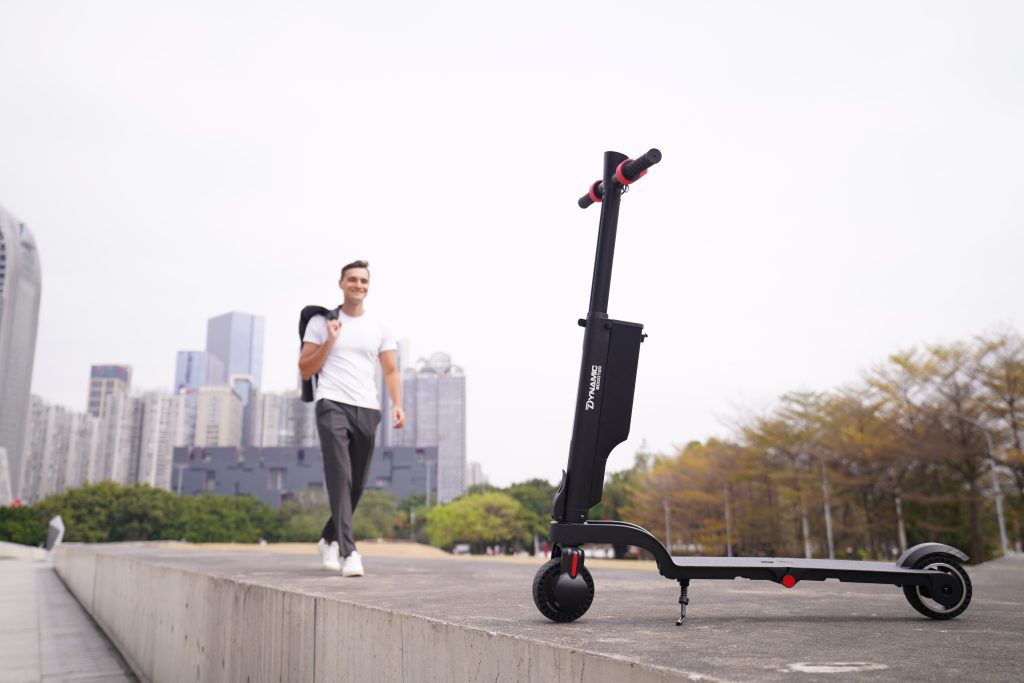
Learning scooter tricks seems hard and risky without proper guidance. Poor technique leads to crashes, injuries, and damaged equipment that costs hundreds to replace. This guide teaches you safe, proven methods to master impressive tricks step by step. The best electric scooter tricks for beginners include proper balance, basic turns, controlled stops, and simple wheelies. Intermediate riders can master bunny hops, sharp corners, and curb riding. Advanced tricks include tailwhips, barspins, and 180-degree turns. Always wear safety gear and practice in safe areas. But here’s the thing – most riders skip the basics and get hurt trying advanced moves. 1. What basic tricks should beginners start with? Every great trick rider starts with solid fundamentals that build confidence and prevent serious injuries. These basic skills form the foundation for all advanced maneuvers you’ll want to learn later in your riding journey. Proper stance and balance create the stable base for everything else you’ll do. Stand with feet shoulder-width apart and knees slightly bent for shock absorption. Here’s why it matters – good balance prevents falls and gives you complete control during tricks and normal riding. Keep your weight centered over the scooter deck at all times. Lean forward slightly when accelerating and backward when braking or preparing to stop. Practice standing still on your scooter for 30 seconds without moving or wobbling. Body positioning affects every aspect of your riding performance. Keep your head up and eyes looking ahead, not down at the deck. Relax your shoulders and arms while maintaining a firm grip on the handlebars. Basic Skill Practice Time Difficulty Level Safety Risk Key Focus Area Balance Stance 1-2 days Easy Low Weight distribution Smooth Turns 3-5 days Easy Low Body lean technique Controlled Stops 2-3 days Easy Medium Brake pressure control Speed Control 1 week Medium Medium Throttle management Confidence Building 2 weeks Medium Low Mental preparation Simple turning techniques help you navigate safely while building essential control skills. Start with wide, gentle turns at slow speeds to get the feel. Lean your body slightly into the turn while keeping your feet planted firmly on the deck. Practice figure-eight patterns in an empty parking lot or safe open area. This drill improves your turning skills and builds muscle memory for smooth direction changes. Start with large patterns and gradually make smaller circles as you improve. Weight shifting during turns requires practice to master completely. Shift your weight to the inside of the turn while maintaining balance. Too much lean causes crashes while too little makes turns ineffective. Controlled stopping prevents crashes and builds confidence for all riding situations. Use both brakes gradually rather than grabbing them hard and suddenly. Practice stopping from different speeds until smooth braking becomes completely automatic. Speed control separates good riders from great ones who can handle any situation. Learn to maintain steady speeds and make smooth adjustments without jerky movements. This skill helps with all other tricks and keeps you safe in traffic. 2. How do you perform intermediate scooter tricks? Intermediate tricks build on your basic skills and add real excitement to your riding experience. These moves require more practice and coordination but create impressive results when performed correctly and safely. Manual wheelies look cool and significantly improve your balance skills for all riding situations. Start by shifting your weight backward while gently pulling up on the handlebars with controlled force. The best part? This trick teaches you weight distribution principles that help with all advanced moves. Begin practicing wheelies at very slow speeds on completely flat ground. Lift the front wheel just a few inches at first to get the feel. Gradually increase the height and duration as your balance and confidence improve steadily. Wheelie timing requires precise coordination between weight shift and handlebar pull. Pull too hard and you’ll flip backward dangerously. Pull too soft and the wheel won’t lift at all. Intermediate Trick Learning Time Skill Level Equipment Needs Practice Surface Manual Wheelie 2-3 weeks Medium Standard scooter Flat pavement Bunny Hop 3-4 weeks Medium-Hard Good brakes Smooth concrete Sharp Cornering 1-2 weeks Medium Grippy tires Open parking lot Curb Riding 2-3 weeks Medium-Hard Sturdy wheels Low practice curbs Obstacle Navigation 4-5 weeks Hard Practice cones Controlled environment Bunny hops help you clear small obstacles and look impressive to other riders. Compress your body down like a spring, then explode upward while pulling the handlebars toward your chest. Land with both wheels touching down together smoothly. Practice bunny hops over small objects like sticks, chalk lines, or small cones. Gradually increase the height and distance as your technique improves with repetition. This trick requires good timing and coordination between upper and lower body. Compression and extension timing makes bunny hops work effectively. Compress quickly but extend explosively for maximum height. Practice the motion without obstacles first to build muscle memory. Sharp cornering at speed requires advanced balance and precise control techniques. Lean into turns more aggressively while maintaining appropriate speed for conditions. Practice on wide turns before attempting tight corners that require more skill. Curb riding involves riding along raised surfaces like curbs, ledges, or rails. Start with wide, low curbs and progress to narrower ones as skills develop. This trick builds precision and confidence for technical riding situations. 3. What advanced tricks can experienced riders master? Advanced tricks require months of dedicated practice and carry significantly higher risks than basic moves. Only attempt these complex maneuvers after mastering all basic and intermediate skills completely and consistently. Tailwhips involve spinning the scooter deck 360 degrees while jumping and maintaining control. This complex trick requires perfect timing, strong leg muscles, and lots of dedicated practice time. Now, you might be wondering how long it takes to master – most dedicated riders need 3-6 months of regular, focused practice sessions. Start by practicing the jump motion without spinning the deck at all. Get comfortable with the height and landing technique first. Then add small deck movements before attempting full rotations that require precise timing. Deck spinning technique requires kicking

What Are the Best Electric Scooter Tricks to Master? Beginner to Pro Tips Read More »

Is Electric Scooter Commuting Right for You? Here’s the Truth

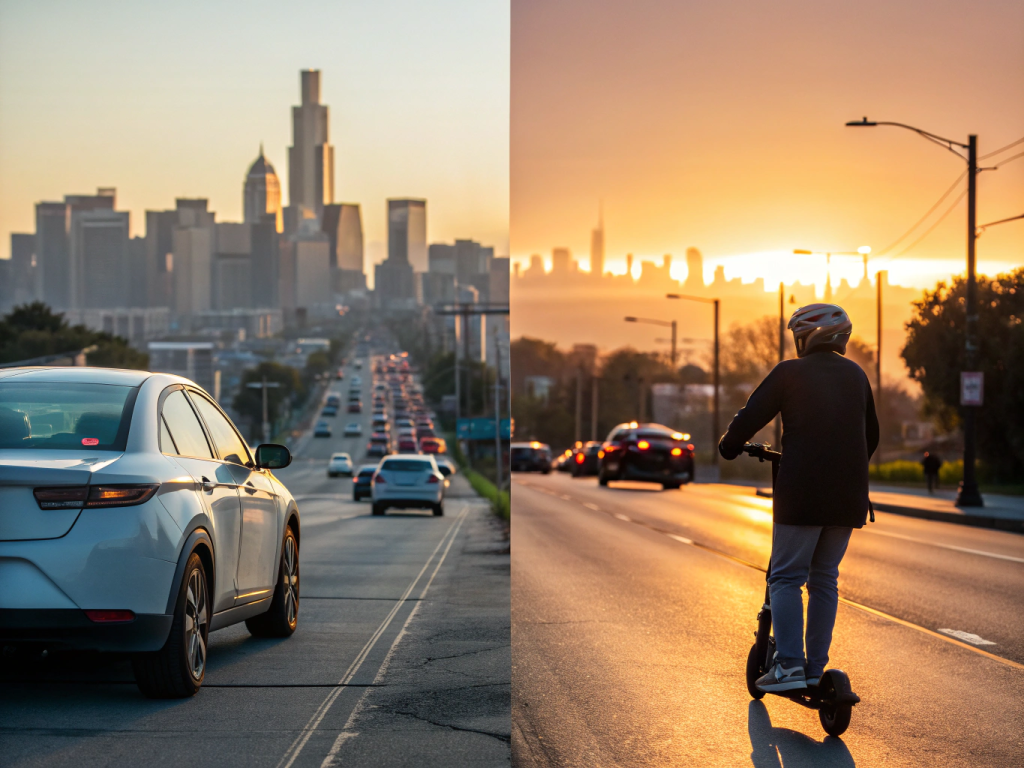
Your daily commute costs too much and takes too long. Traffic jams waste your time while gas prices drain your wallet. Electric scooter commuting offers a smart fix that saves money, cuts travel time, and helps the planet. Electric scooter commuting saves you $2,000-5,000 each year compared to owning a car. It cuts commute times by 30-50% in busy cities. Most scooters go 15-40 miles per charge and cost under $1 weekly to run. You need to know local laws, safety rules, weather limits, and how to pick the right scooter for your route. Here’s the deal – successful scooter commuting requires planning and preparation. 1. What are the main benefits of electric scooter commuting? Electric scooter commuting transforms your daily travel experience while delivering significant financial and lifestyle benefits. These advantages make scooters an attractive alternative to traditional transportation methods for many urban workers. Cost savings represent the biggest advantage for most commuters who switch to electric scooters. Car ownership costs average $9,000-12,000 annually including payments, insurance, gas, and maintenance. This is important because scooter ownership costs under $500 per year for most riders. Public transportation expenses add up quickly in major cities. Monthly transit passes cost $50-200 depending on your location. Annual public transport costs often exceed $1,000-2,400 per person. Scooter operating costs remain remarkably low compared to other options. Electricity costs under $0.05 per charge for most models. Weekly charging costs typically range from $0.25-1.00 depending on usage patterns. Transportation Method Annual Cost Daily Time Environmental Impact Flexibility Electric Scooter $300-500 15-30 min Very Low Very High Car Ownership $9,000-12,000 30-60 min High Medium Public Transit $600-2,400 45-90 min Medium Low Rideshare Services $3,000-8,000 20-45 min Medium-High High Bicycle $100-300 20-40 min Very Low High Environmental impact reduction appeals to eco-conscious commuters seeking sustainable transportation. Electric scooters produce zero direct emissions during operation. Manufacturing impacts remain lower than cars or motorcycles. Time efficiency improves dramatically in congested urban areas where scooters can navigate traffic. Door-to-door travel times often beat cars and public transit. No waiting for buses or searching for parking spaces. Health benefits include light exercise and fresh air exposure during commutes. Standing and balancing on scooters engages core muscles. Outdoor activity improves mood and energy levels compared to sitting in cars. Parking convenience eliminates the stress and cost of finding car parking. Most scooters fold for easy storage in offices or apartments. No parking fees or tickets to worry about daily. 2. How do you choose the right electric scooter for commuting? Selecting the perfect commuter scooter requires matching your specific needs with available features and capabilities. The right choice depends on your route, budget, storage options, and personal preferences. Range and battery life determine whether a scooter can handle your daily commute reliably. Calculate your total daily distance including any detours or errands. Want to know the secret? Choose a scooter with 50% more range than your daily needs for safety margin. Most commuter routes require 10-25 miles of daily range for round trips. Factor in hills, headwinds, and cold weather that reduce battery performance. Battery degradation over time also affects maximum range. Weight and portability matter if you need to carry your scooter upstairs or store it indoors. Lightweight models under 30 pounds are easier to handle. Folding mechanisms should be quick and reliable for daily use. Scooter Category Weight Range Typical Range Top Speed Price Range Lightweight Commuter 20-30 lbs 15-25 miles 15-20 mph $300-800 Standard Commuter 30-45 lbs 25-40 miles 20-25 mph $500-1,500 Heavy-Duty Commuter 45-65 lbs 30-50 miles 25-30 mph $800-2,500 Premium Commuter 35-55 lbs 40-60 miles 25-35 mph $1,200-3,000 Speed and power specifications affect your commute time and ability to handle hills. Most urban commuting requires 15-25 mph top speeds. Higher speeds help with longer routes but may face legal restrictions. Motor power between 250-500 watts handles most commuting needs effectively. More powerful motors climb hills better but drain batteries faster. Dual motors provide extra power but add weight and cost. Build quality and durability determine long-term reliability and maintenance costs. Look for solid construction, quality components, and good warranties. Read reviews from actual commuters in similar conditions. Weather resistance protects your investment from rain and moisture damage. IP54 or higher ratings provide adequate protection for most climates. Avoid riding in heavy rain regardless of ratings. 3. What safety precautions should commuters take? Safety preparation prevents accidents and injuries that can derail your commuting plans. Proper precautions protect you from traffic, weather, and equipment failures while building confidence for daily riding. Helmet and protective gear provide critical protection during falls or collisions. Quality helmets reduce head injury risk by 85% according to safety studies. Now, you might be wondering which type works best – bicycle helmets offer the right protection for scooter speeds. Choose helmets with CPSC or SNELL certification for proven safety standards. Proper fit is crucial – helmets should sit level and snug without sliding. Replace helmets after any impact or every 3-5 years. Additional protective gear includes knee pads, elbow pads, and gloves for extra protection. Reflective clothing improves visibility to drivers during dawn and dusk commutes. Bright colors help you stand out in traffic. Safety Gear Protection Level Cost Range Replacement Frequency Certified Helmet Critical $30-150 After impact/3-5 years Reflective Vest High $10-30 When worn/faded Knee/Elbow Pads Medium $20-60 When damaged Gloves Medium $15-40 Seasonally Proper Footwear Medium $50-200 When worn out Traffic rules and road positioning keep you safe while maintaining traffic flow. Follow bicycle laws in most areas unless local rules specify otherwise. Ride with traffic, not against it, for predictable movement patterns. Use bike lanes when available and legal for scooters. Stay visible and predictable in your movements. Signal turns and stops clearly to communicate with drivers and pedestrians. Weather condition considerations affect both safety and equipment performance. Wet roads reduce traction and increase stopping distances. Cold weather reduces battery range and affects tire pressure. Avoid riding in heavy rain, snow, or ice conditions. Wind affects stability, especially on lightweight scooters.

Is Electric Scooter Commuting Right for You? Here’s the Truth Read More »

Shopping Cart
Scroll to Top