
Buying an electric scooter as an adult requires careful consideration. Adult needs differ significantly from children’s models. Many adults make costly mistakes by focusing only on price or speed. They don’t consider weight limits, build quality, and practical features.
Without proper research, you might end up with problems. Your scooter could break quickly. It might not meet your commuting needs. It could lack essential safety features. The key is understanding several important factors. You need to know about motor power, battery life, and weight capacity. Safety features and legal requirements are also crucial.
This knowledge helps you choose a reliable electric scooter. You want one that provides years of dependable transportation for adult users.
1. What Motor Power Do Adults Need in Electric Scooters?
Motor power directly affects your scooter’s ability to handle adult weight, climb hills, and maintain speed consistently. Here’s why it matters – insufficient motor power leads to poor performance, shortened battery life, and potential safety issues when the scooter can’t maintain adequate speeds in traffic.
Adults typically need motors with at least 250-350 watts for flat terrain commuting. This power level handles most adult weights (150-200 lbs) effectively on level surfaces. For riders over 200 lbs or those facing hills, 500+ watt motors provide better performance and reliability.
Dual motor systems offer superior power and control for heavier adults or challenging terrain. These systems distribute power more evenly, provide better acceleration, and offer redundancy if one motor fails. However, dual motors increase weight, cost, and battery consumption.
Peak vs continuous power ratings can be misleading in marketing materials. Continuous power represents sustained performance, while peak power shows brief maximum output. Focus on continuous ratings for realistic performance expectations.
| Motor Power | Suitable Weight | Terrain Capability | Typical Speed |
| 250-350W | 150-180 lbs | Flat surfaces | 15-18 mph |
| 500-750W | 180-220 lbs | Moderate hills | 18-22 mph |
| 1000W+ | 220+ lbs | Steep hills | 22-28 mph |
Motor placement affects handling and performance characteristics. Hub motors in wheels provide direct power but can make wheels heavy and affect handling. Mid-drive motors offer better weight distribution but require more complex drivetrains.
The Dynamic Scooter Model B features a 500W motor that provides excellent performance for most adults while maintaining efficiency and reliability. This power level handles hills confidently while preserving battery life for longer commutes.
Brushless motors offer superior efficiency and longevity compared to brushed alternatives. They require less maintenance, run quieter, and provide more consistent power delivery. Most quality adult scooters use brushless motor technology.
2. How Do You Choose the Right Battery for Adult Use?
Battery selection significantly impacts your scooter’s range, charging time, and long-term reliability. The best part? Understanding battery specifications helps you choose a scooter that meets your daily travel needs without leaving you stranded with a dead battery.
Lithium-ion batteries dominate the adult electric scooter market due to their energy density and longevity. These batteries provide 300-800 charge cycles and maintain performance better than older technologies. Avoid scooters with lead-acid batteries, which are heavy and short-lived.
Battery capacity, measured in amp-hours (Ah) or watt-hours (Wh), determines range potential. Higher capacity batteries provide longer range but increase weight and cost. Most adults need 10-15 Ah capacity for practical commuting distances of 15-25 miles.
Voltage affects motor performance and top speed capabilities. Higher voltage systems (48V-60V) provide better performance than lower voltage (24V-36V) alternatives. However, higher voltage requires more sophisticated charging and safety systems.
| Battery Spec | Range Impact | Charging Time | Weight Addition |
| 10Ah/36V | 15-20 miles | 4-6 hours | 6-8 lbs |
| 15Ah/48V | 20-30 miles | 6-8 hours | 8-12 lbs |
| 20Ah/52V | 30-40 miles | 8-10 hours | 12-16 lbs |
Removable batteries offer significant advantages for adult users. They enable indoor charging, reduce theft risk, and allow carrying spare batteries for extended range. However, removable systems add complexity and potential failure points.
Fast charging capabilities reduce downtime but may impact battery longevity. Some batteries support 2-3 hour charging times, while others require 6-8 hours. Balance charging speed needs with battery life expectations.
Temperature affects battery performance significantly. Cold weather reduces range by 20-40%, while extreme heat can damage batteries permanently. Consider your climate when evaluating battery specifications and storage requirements.
3. What Weight Capacity Should Adults Look For?
Weight capacity directly affects safety, performance, and scooter longevity for adult users. Now, you might be wondering why manufacturers’ weight limits matter and how to choose appropriate capacity for your needs and potential cargo requirements.
Most adult electric scooters support 220-330 lbs maximum weight. However, operating near maximum capacity reduces performance, range, and component lifespan. Choose scooters with weight limits at least 50 lbs above your actual weight for optimal performance.
Weight distribution affects handling and stability significantly. Carrying backpacks, groceries, or other cargo changes the scooter’s center of gravity. Consider total loaded weight, not just body weight, when evaluating capacity requirements.
Deck size and construction must support adult weights safely. Larger, reinforced decks provide better stability and weight distribution. Avoid scooters with small or flimsy deck construction that may flex or fail under adult use.
| Weight Range | Recommended Capacity | Performance Impact | Safety Margin |
| 150-180 lbs | 250+ lbs | Optimal | 70+ lbs |
| 180-220 lbs | 300+ lbs | Good | 80+ lbs |
| 220-260 lbs | 350+ lbs | Adequate | 90+ lbs |
Frame materials affect weight capacity and durability. Aluminum alloy frames offer good strength-to-weight ratios, while steel frames provide maximum strength at higher weight. Carbon fiber offers premium strength and lightness but at significantly higher cost.
Suspension systems must handle adult weights effectively. Inadequate suspension leads to harsh rides and potential component damage. Look for adjustable suspension that can be tuned for your weight and riding preferences.
The Dynamic Scooter Model B supports up to 265 lbs with excellent performance margins, making it suitable for most adults while maintaining efficiency and handling characteristics.
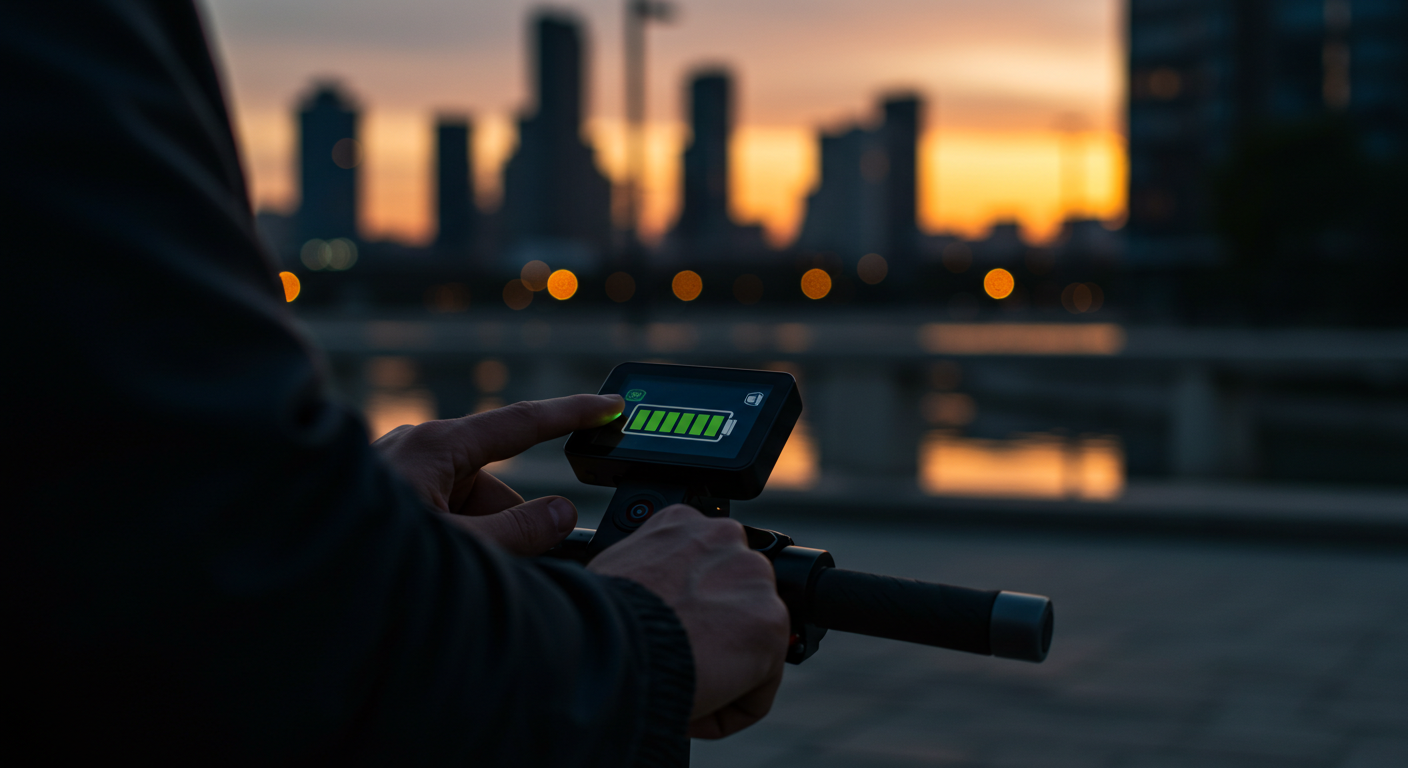
4. Which Safety Features Are Essential for Adult Riders?
Adult electric scooter safety requirements exceed children’s needs due to higher speeds, weights, and traffic exposure. This is important because adults often ride in more challenging environments and face greater consequences from accidents or equipment failures.
Braking systems must provide reliable stopping power for adult weights at higher speeds. Dual braking systems combining electronic and mechanical brakes offer the best safety margins. Avoid scooters with only single brake systems, especially for adult use.
Lighting systems become critical for adult commuters who may ride in low-light conditions. Front headlights, rear taillights, and side reflectors improve visibility significantly. Look for lights with adequate brightness and battery life for your riding conditions.
Tire quality affects safety, comfort, and reliability for adult riders. Pneumatic (air-filled) tires provide better shock absorption and traction than solid tires. However, they require maintenance and can puncture. Consider your riding environment when choosing tire types.
| Safety Feature | Importance Level | Adult Benefit | Regulatory Requirement |
| Dual brakes | Critical | Reliable stopping | Often required |
| LED lighting | High | Visibility | Varies by location |
| Bell/horn | Medium | Pedestrian warning | Sometimes required |
| Reflectors | High | Passive visibility | Usually required |
Speed limiting features help comply with local regulations and improve safety. Many areas restrict electric scooter speeds to 15-20 mph. Adjustable speed limits allow compliance while maintaining performance when legal.
Kickstand quality matters more for adult scooters due to higher weights and values. Sturdy kickstands prevent tip-overs that could damage the scooter or cause injuries. Look for reinforced kickstands rated for your scooter’s weight.
Anti-theft features become important for valuable adult scooters. Built-in locks, GPS tracking, and smartphone connectivity help protect your investment. Consider security features based on your storage and usage patterns.
5. How Do You Evaluate Build Quality and Durability?
Build quality determines whether your electric scooter provides reliable long-term service or becomes an expensive disappointment. Let me explain how to assess construction quality, component reliability, and manufacturer reputation to make a smart purchasing decision.
Frame construction quality affects safety, durability, and ride characteristics. Welded aluminum frames offer good strength and corrosion resistance. Look for smooth welds, proper reinforcement at stress points, and quality finishing that indicates attention to detail.
Component quality varies dramatically between manufacturers and price points. Premium scooters use name-brand components from established suppliers, while budget models may use generic parts with unknown reliability. Research component brands and specifications.
Folding mechanisms must handle repeated use without loosening or failing. Quality folding systems use robust hinges, secure locking mechanisms, and proper engineering for adult weights. Test folding mechanisms for smooth operation and solid lockup.
| Quality Indicator | Premium Models | Budget Models | Reliability Impact |
| Frame welding | Smooth, reinforced | Rough, minimal | High |
| Component brands | Name brands | Generic | High |
| Finish quality | Consistent, durable | Uneven, cheap | Medium |
| Hardware quality | Stainless steel | Basic steel | Medium |
Water resistance ratings indicate build quality and component protection. IP54 or higher ratings provide adequate protection for normal use. Avoid scooters without proper sealing, especially for electronic components.
Warranty coverage reflects manufacturer confidence in build quality. Longer warranties typically indicate better construction and component quality. Compare warranty terms, coverage, and manufacturer reputation when evaluating options.
The Dynamic Scooter Model B exemplifies quality construction with reinforced aluminum frame, premium components, and comprehensive warranty coverage that demonstrates manufacturer confidence in long-term reliability.
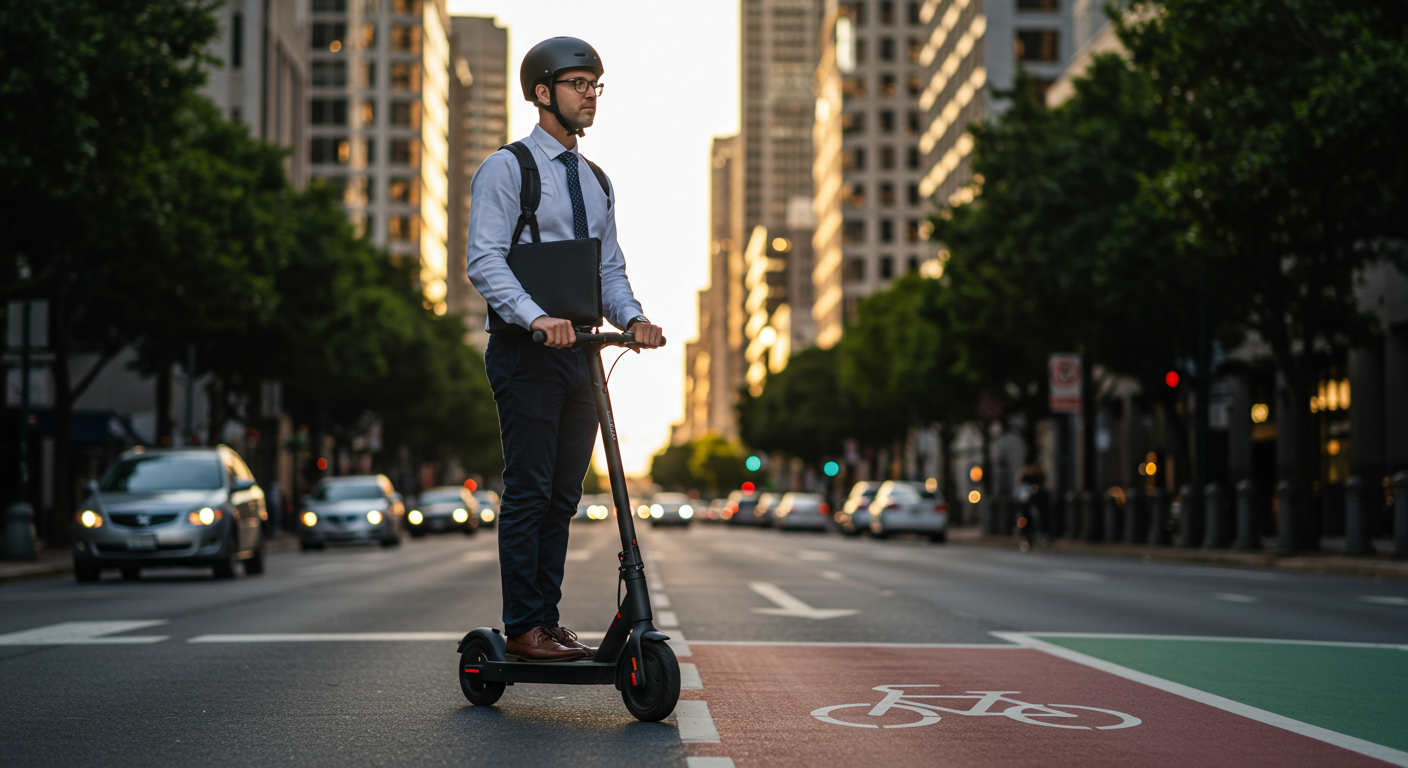
6. What Legal Requirements Apply to Adult Electric Scooters?
Legal compliance affects where and how you can legally operate your electric scooter. Want to know the secret? Understanding local regulations before purchasing prevents legal issues and ensures you choose a scooter that meets all applicable requirements in your area.
Speed limits vary by jurisdiction but commonly restrict electric scooters to 15-20 mph. Some areas have different limits for bike paths, roads, and sidewalks. Choose scooters with adjustable speed limits to ensure compliance across different zones.
Power restrictions may limit motor wattage in some areas. European regulations often limit motors to 250W, while US regulations are generally more permissive. Check local laws before purchasing high-powered models that may be illegal in your area.
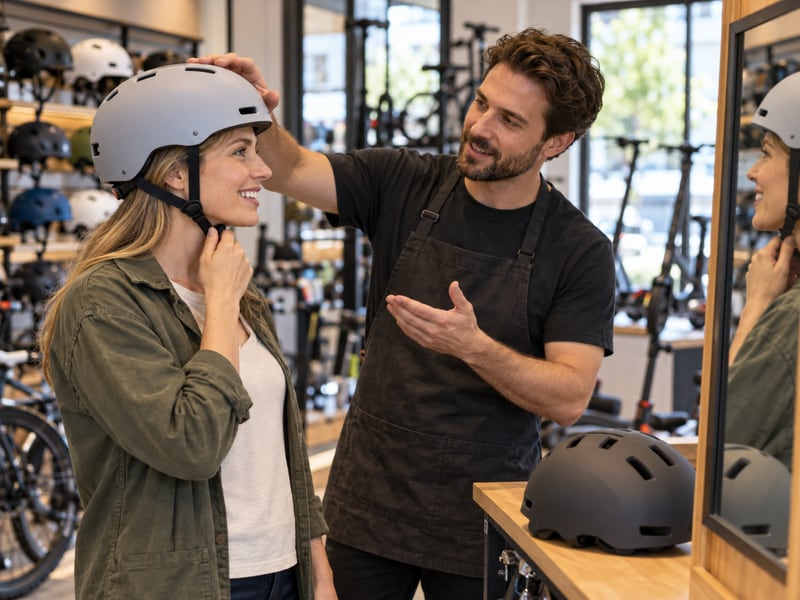
Age and licensing requirements vary significantly between locations. Some areas require licenses, registration, or insurance for electric scooters. Others restrict use to specific age groups or require safety equipment like helmets.
| Legal Aspect | Common Requirements | Compliance Strategy | Penalty Risk |
| Speed limits | 15-20 mph | Adjustable settings | Fines |
| Helmet use | Age or speed dependent | Always carry helmet | Citations |
| Path restrictions | Varies by location | Know local rules | Confiscation |
| Registration | Some jurisdictions | Check requirements | Legal issues |
Insurance requirements are becoming more common for electric scooters. Some areas mandate liability coverage, while others recommend it. Consider insurance costs when budgeting for electric scooter ownership.
Parking regulations affect daily usability in urban areas. Many cities restrict where scooters can be parked or stored. Understand local parking rules to avoid fines or confiscation of your scooter.
Equipment requirements may mandate specific safety features. Some jurisdictions require bells, lights, or reflectors. Ensure your chosen scooter meets all local equipment requirements or can be easily modified for compliance.
7. How Do You Calculate Total Cost of Ownership?
Total ownership costs extend far beyond the initial purchase price to include maintenance, insurance, and replacement parts. Here’s the deal – understanding all costs helps you budget appropriately and choose a scooter that provides good long-term value for your specific usage patterns.
Initial purchase prices for quality adult electric scooters range from $300-2000+. The Dynamic Scooter Model B offers exceptional value at $375.37, providing premium features at an accessible price point that competes favorably with budget alternatives.
Operating costs include electricity for charging, typically $20-50 annually for regular commuters. This represents significant savings compared to car operation, public transit, or ride-sharing services for short to medium distance travel.
Maintenance costs vary based on usage intensity and component quality. Budget $50-150 annually for routine maintenance including tire replacement, brake adjustments, and general upkeep. Quality scooters require less frequent maintenance than budget alternatives.
| Cost Category | Annual Estimate | Factors Affecting Cost | Money-Saving Tips |
| Electricity | $20-50 | Usage frequency | Off-peak charging |
| Maintenance | $50-150 | Component quality | DIY basic maintenance |
| Insurance | $50-200 | Coverage level | Shop for rates |
| Replacement parts | $25-100 | Build quality | Buy quality initially |
Insurance costs depend on coverage level and local requirements. Basic liability coverage may cost $50-100 annually, while comprehensive coverage protecting against theft and damage costs more. Compare insurance options and requirements in your area.
Replacement part costs affect long-term ownership economics. Quality scooters use standard components with reasonable replacement costs. Budget scooters may use proprietary parts that are expensive or difficult to obtain.
Depreciation affects resale value for users who may upgrade or change transportation needs. Quality scooters from reputable manufacturers retain value better than budget alternatives, reducing total ownership costs for users who sell their scooters.

Conclusion
Choosing the right electric scooter as an adult requires careful consideration of motor power, battery capacity, weight limits, safety features, and legal requirements. Quality construction and appropriate specifications ensure reliable performance and long-term value. Understanding total ownership costs helps you make an informed financial decision.
The bottom line? Invest in quality components and appropriate specifications for your needs. Don’t compromise on safety features or build quality to save money initially. A well-chosen electric scooter provides years of reliable, economical transportation that pays for itself through reduced transportation costs.
The Dynamic Scooter Model B delivers exceptional value for adult riders at $375.37. With code SS10, you save 10% plus fast shipping for just $29.90. Visit dynamicscooter.com to see how our Model B combines the power, safety, and reliability that adult riders demand. Experience the quality construction and thoughtful design that makes electric scooter commuting practical and enjoyable for daily use.
FAQ
Q1: What’s the minimum motor power needed for adult electric scooters?
Adults should look for at least 250-350 watts for flat terrain riding. Heavier riders (200+ lbs) or those facing hills need 500+ watts for adequate performance. Insufficient power leads to poor acceleration, reduced range, and potential safety issues in traffic situations.
Q2: How long do electric scooter batteries last for adults?
Quality lithium-ion batteries typically last 2-4 years or 300-800 charge cycles with proper care. Battery life depends on charging habits, storage conditions, and usage patterns. Avoid deep discharges and extreme temperatures to maximize battery longevity.
Q3: Do adults need insurance for electric scooters?
Insurance requirements vary by location, but many areas now require liability coverage for electric scooters. Even where not required, insurance protects against accident liability and theft. Check local requirements and consider coverage based on your scooter’s value and usage.
Q4: What weight limit should adults choose for electric scooters?
Choose scooters with weight limits at least 50 lbs above your actual weight for optimal performance. Most adult scooters support 220-330 lbs maximum. Operating near maximum capacity reduces performance, range, and component lifespan significantly.
Q5: Are expensive electric scooters worth the cost for adults?
Quality scooters provide better safety, reliability, and longevity than budget alternatives. While initial costs are higher, premium scooters often cost less long-term due to reduced maintenance, better warranties, and higher resale values. Consider total ownership costs, not just purchase price.