

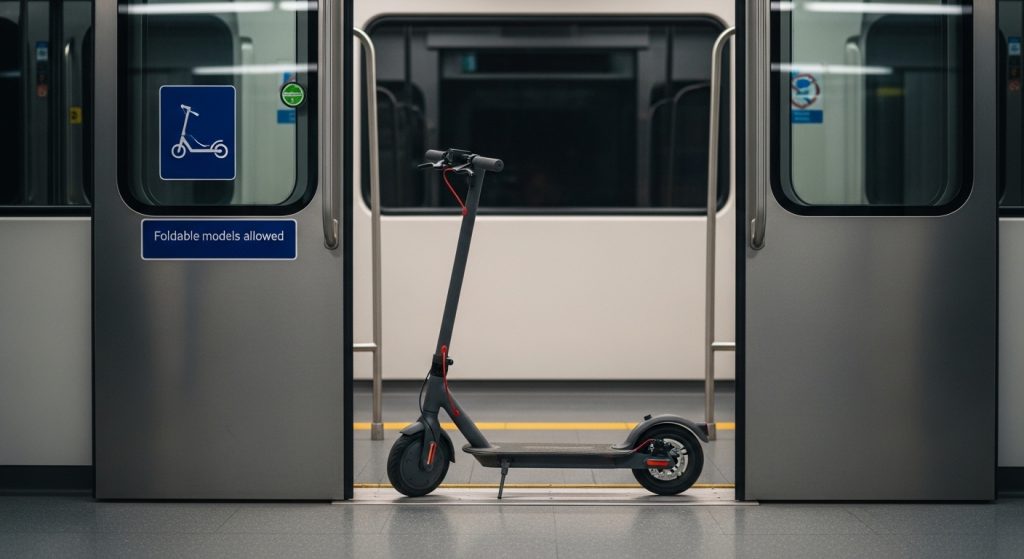
Can You Take an Electric Scooter on the Subway?
Struggling with that last-mile commute from the subway station? An electric scooter seems like a perfect fix, but getting turned away at the turnstile can ruin your day. Understanding the subway rules is key. This guide breaks down everything you need to know. Yes, you can often take an electric scooter on the subway, but specific rules vary significantly by city. Most subway systems require them to be foldable and adhere to strict size, weight, and battery rules. Many authorities also ban them during peak rush hours. Always check your local subway agency’s latest policy before you travel to avoid fines or entry denial. A compact, lightweight model offers the most flexibility for a smooth commute. So, how do you make sure yours meets the requirements? Let me explain… 1. What Are the General Rules for Bringing an Electric Scooter on the Subway? Bringing an electric scooter on the subway can shorten your commute. However, every city has its own set of rules. Most subway authorities create policies to keep all passengers safe and comfortable. These rules often cover the scooter’s size, weight, and whether it needs to be folded. You will find that some subway systems welcome personal mobility devices more than others. Folding electric scooters are almost always preferred. A folded one takes up less space. This makes it easier to store and less of a hazard to other riders. Subway authorities often ban non-folding models entirely. They can block aisles and doorways. This creates a major safety concern, especially during busy hours. Always check if your scooter’s folded size meets local subway requirements. Size and weight are key factors. Subway systems set limits to prevent bulky items from cluttering the cars. A typical limit might be around 30-50 pounds. The dimensions matter just as much. But here’s the thing… these rules are not the same across different cities or even different subway lines within the same city. Safety rules form another key aspect. This usually involves the battery. Most systems have rules about the type and size of lithium-ion batteries they allow. This helps prevent fire hazards. You may also need to keep it powered off while on the subway. Following these safety rules protects you and everyone around you. Understanding these general rules helps you prepare. Take time to research your local subway authority’s website before your first trip. Many systems post detailed guides online. Some even offer PDF downloads. This preparation saves you time and prevents problems at the station entrance. Guideline Common Subway Requirement Folding Must be folded before entering the station or subway car. Size Limits Folded dimensions should not exceed a set limit (e.g., 48x24x24 inches). Weight Limits Typically under 50 lbs to ensure it can be carried easily. Battery Safety Must meet specific safety certifications (e.g., UL 2272). 2. Which Major Cities Allow Electric Scooters on Their Subway Systems? Rules for electric scooters on subways vary by city. Each major city sets its own policy. In New York City, the MTA allows foldable electric scooters on its subways. The key is that they must be folded and not block seats or aisles. This makes compact models a popular choice for New Yorkers who value quick commuting. In San Francisco, the Bay Area Rapid Transit (BART) system has similar rules. They get the green light, but you cannot ride them inside stations or on platforms. You must treat them like luggage. This means carrying them or rolling them when folded. During crowded commute times, be mindful of the space you take up. Toronto’s subway system, the TTC, also welcomes foldable models. However, they do not allow them on buses during rush hour, a separate rule to note for mixed commutes. On the subway, passengers can bring them at all times as long as they stay folded. The best part? This flexibility allows for a much smoother multi-modal commute across the city. Other cities have their own unique takes. For example, in London, Transport for London (TfL) bans all private scooters on the Tube. This stems from fire safety concerns. This shows why checking the rules for your specific city’s subway matters. A quick visit to the local transit authority’s website can save you trouble. Washington D.C. offers another example. The WMATA Metrorail system allows folding models but asks riders to avoid peak hours when possible. Chicago’s ‘L’ train system has similar policies. They permit them but expect riders to show courtesy during busy times. Los Angeles Metro Rail takes a more open approach, allowing scooters of reasonable size throughout the day. City Subway System Are Electric Scooters Allowed? New York City MTA Subway Yes, if folded. San Francisco BART Yes, if folded. Toronto TTC Subway Yes, if folded. London The Tube (TfL) No, completely banned. Washington D.C. WMATA Metrorail Yes, if folded (avoid peak hours). Chicago ‘L’ Train (CTA) Yes, if folded and courteous. 3. What Size and Weight Limits Apply to Electric Scooters on the Subway? When it comes to bringing your electric scooter on the subway, size and weight are not just tips—they are rules. Most subway authorities have specific size requirements to keep them from becoming obstacles. These limits keep pathways clear and allow for quick entry and exit. A common rule is that the scooter, when folded, should be no larger than a standard piece of luggage. Weight limits exist for safety reasons. A heavy electric scooter can be hard to carry, especially up and down station stairs. This poses a risk to the owner and other passengers. Most systems cap the weight at around 50 pounds (23 kg). This limit makes sure the average person can manage it without help. It also cuts the risk of injury during busy boarding times. Folding your electric scooter is often how you meet these size limits. A non-folding model will almost certainly exceed the size rules. A compact, foldable design becomes your best friend for subway travel. Here’s why it matters… one that folds quickly and securely makes the […]
Can You Take an Electric Scooter on the Subway? Read More »