
Struggling with that last-mile commute from the subway station? An electric scooter seems like a perfect fix, but getting turned away at the turnstile can ruin your day. Understanding the subway rules is key. This guide breaks down everything you need to know.
Yes, you can often take an electric scooter on the subway, but specific rules vary significantly by city. Most subway systems require them to be foldable and adhere to strict size, weight, and battery rules. Many authorities also ban them during peak rush hours. Always check your local subway agency’s latest policy before you travel to avoid fines or entry denial. A compact, lightweight model offers the most flexibility for a smooth commute.
So, how do you make sure yours meets the requirements? Let me explain…
1. What Are the General Rules for Bringing an Electric Scooter on the Subway?
Bringing an electric scooter on the subway can shorten your commute. However, every city has its own set of rules. Most subway authorities create policies to keep all passengers safe and comfortable. These rules often cover the scooter’s size, weight, and whether it needs to be folded. You will find that some subway systems welcome personal mobility devices more than others.
Folding electric scooters are almost always preferred. A folded one takes up less space. This makes it easier to store and less of a hazard to other riders. Subway authorities often ban non-folding models entirely. They can block aisles and doorways. This creates a major safety concern, especially during busy hours. Always check if your scooter’s folded size meets local subway requirements.
Size and weight are key factors. Subway systems set limits to prevent bulky items from cluttering the cars. A typical limit might be around 30-50 pounds. The dimensions matter just as much. But here’s the thing… these rules are not the same across different cities or even different subway lines within the same city.
Safety rules form another key aspect. This usually involves the battery. Most systems have rules about the type and size of lithium-ion batteries they allow. This helps prevent fire hazards. You may also need to keep it powered off while on the subway. Following these safety rules protects you and everyone around you.
Understanding these general rules helps you prepare. Take time to research your local subway authority’s website before your first trip. Many systems post detailed guides online. Some even offer PDF downloads. This preparation saves you time and prevents problems at the station entrance.
| Guideline | Common Subway Requirement |
| Folding | Must be folded before entering the station or subway car. |
| Size Limits | Folded dimensions should not exceed a set limit (e.g., 48x24x24 inches). |
| Weight Limits | Typically under 50 lbs to ensure it can be carried easily. |
| Battery Safety | Must meet specific safety certifications (e.g., UL 2272). |
2. Which Major Cities Allow Electric Scooters on Their Subway Systems?
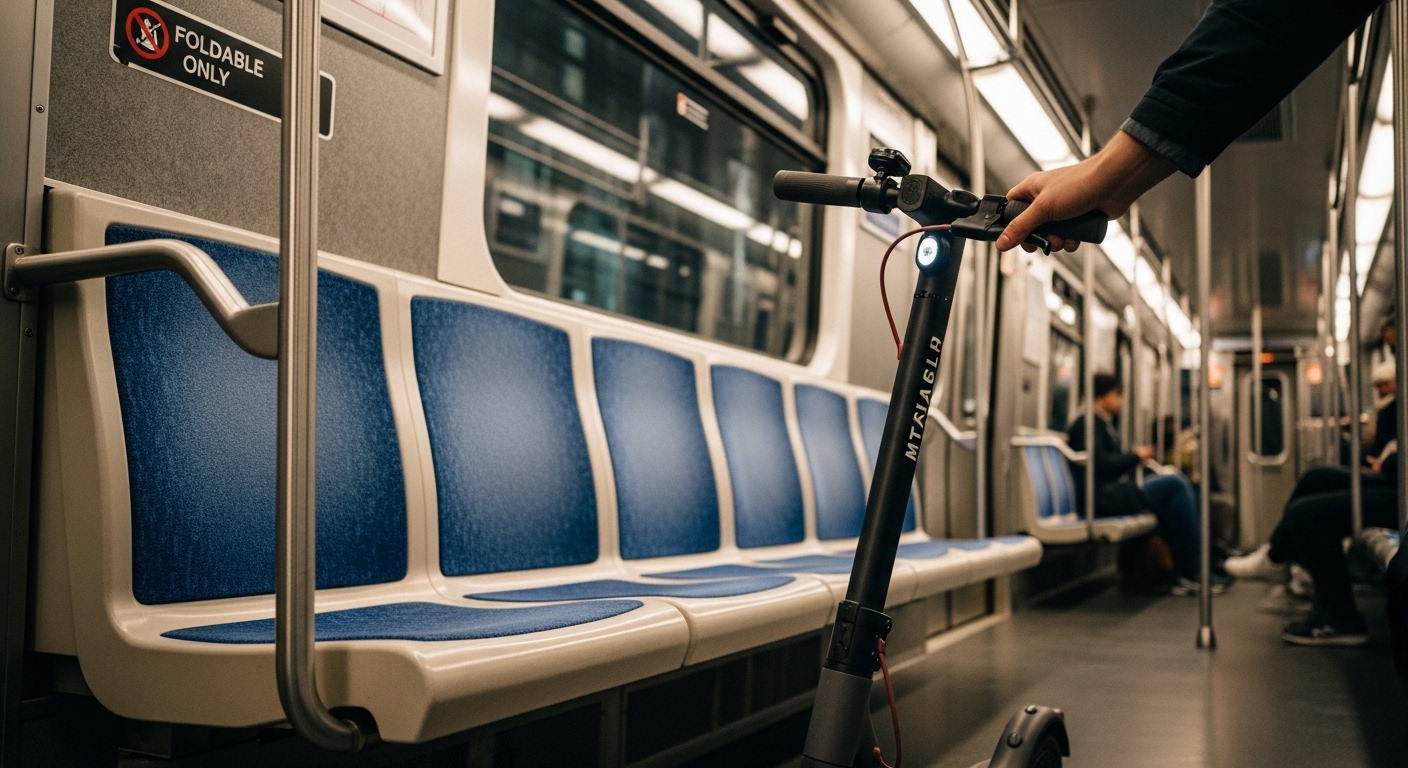
Rules for electric scooters on subways vary by city. Each major city sets its own policy. In New York City, the MTA allows foldable electric scooters on its subways. The key is that they must be folded and not block seats or aisles. This makes compact models a popular choice for New Yorkers who value quick commuting.
In San Francisco, the Bay Area Rapid Transit (BART) system has similar rules. They get the green light, but you cannot ride them inside stations or on platforms. You must treat them like luggage. This means carrying them or rolling them when folded. During crowded commute times, be mindful of the space you take up.
Toronto’s subway system, the TTC, also welcomes foldable models. However, they do not allow them on buses during rush hour, a separate rule to note for mixed commutes. On the subway, passengers can bring them at all times as long as they stay folded. The best part? This flexibility allows for a much smoother multi-modal commute across the city.
Other cities have their own unique takes. For example, in London, Transport for London (TfL) bans all private scooters on the Tube. This stems from fire safety concerns. This shows why checking the rules for your specific city’s subway matters. A quick visit to the local transit authority’s website can save you trouble.
Washington D.C. offers another example. The WMATA Metrorail system allows folding models but asks riders to avoid peak hours when possible. Chicago’s ‘L’ train system has similar policies. They permit them but expect riders to show courtesy during busy times. Los Angeles Metro Rail takes a more open approach, allowing scooters of reasonable size throughout the day.
| City | Subway System | Are Electric Scooters Allowed? |
| New York City | MTA Subway | Yes, if folded. |
| San Francisco | BART | Yes, if folded. |
| Toronto | TTC Subway | Yes, if folded. |
| London | The Tube (TfL) | No, completely banned. |
| Washington D.C. | WMATA Metrorail | Yes, if folded (avoid peak hours). |
| Chicago | ‘L’ Train (CTA) | Yes, if folded and courteous. |

3. What Size and Weight Limits Apply to Electric Scooters on the Subway?
When it comes to bringing your electric scooter on the subway, size and weight are not just tips—they are rules. Most subway authorities have specific size requirements to keep them from becoming obstacles. These limits keep pathways clear and allow for quick entry and exit. A common rule is that the scooter, when folded, should be no larger than a standard piece of luggage.
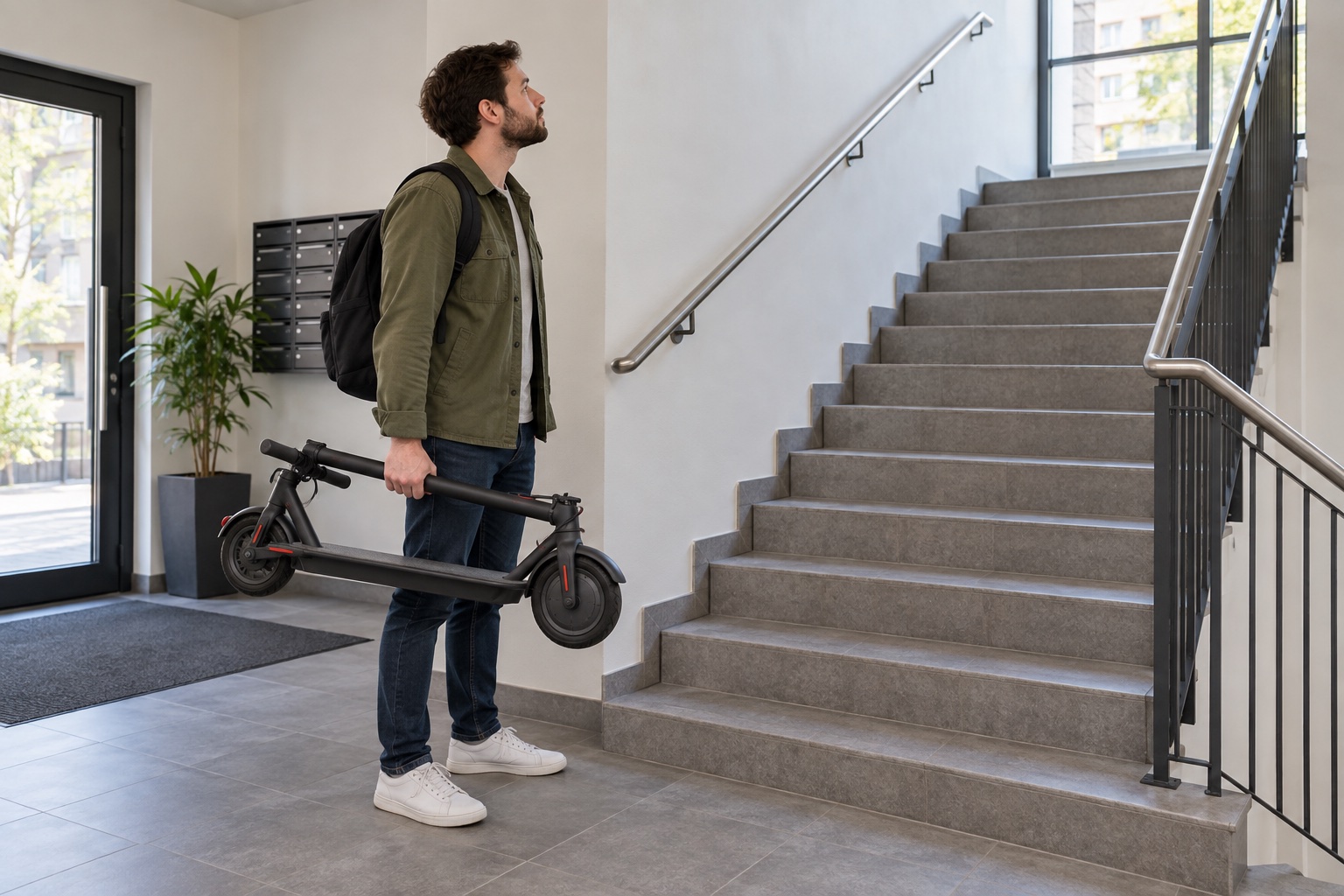
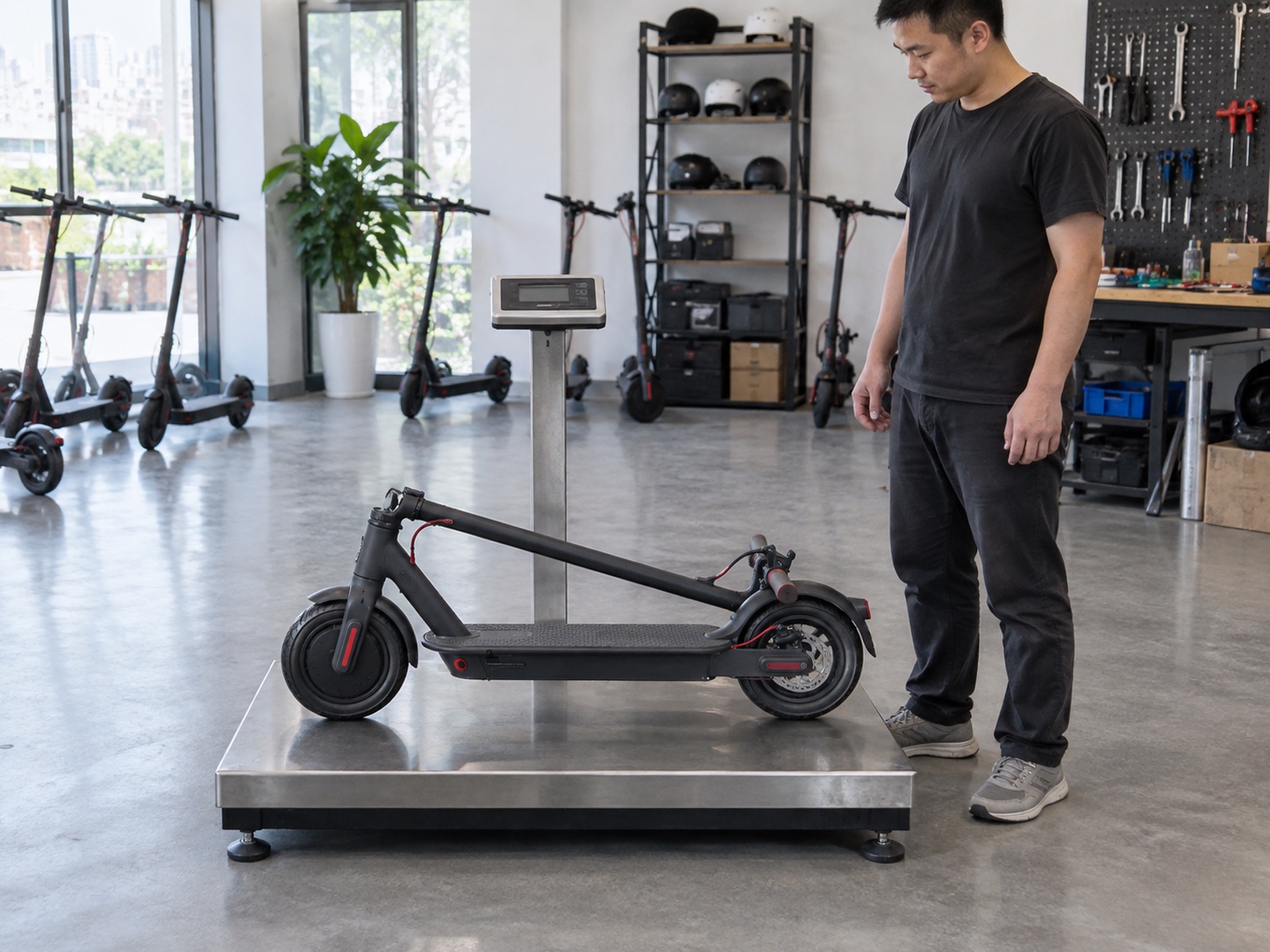
Weight limits exist for safety reasons. A heavy electric scooter can be hard to carry, especially up and down station stairs. This poses a risk to the owner and other passengers. Most systems cap the weight at around 50 pounds (23 kg). This limit makes sure the average person can manage it without help. It also cuts the risk of injury during busy boarding times.
Folding your electric scooter is often how you meet these size limits. A non-folding model will almost certainly exceed the size rules. A compact, foldable design becomes your best friend for subway travel. Here’s why it matters… one that folds quickly and securely makes the switch from riding to boarding seamless. It shows care for fellow passengers and subway staff.
Let’s look at a comparison of a few major subway systems. While the specifics vary, the general trend is clear. Smaller and lighter always works better. Before you buy one for your commute, check the rules for your local subway system. This will help you pick a model that you can take with you anywhere.
Some systems measure dimensions in different ways. BART measures the total linear dimensions (length plus width plus height). Others list maximum measurements for each dimension separately. Understanding these details helps you make a smart purchase. Many makers now list their folded dimensions clearly in product specs.
| City | Subway Authority | Maximum Dimensions (Folded) | Maximum Weight |
| New York City | MTA | Not explicitly defined, but must be manageable. | Not explicitly defined. |
| San Francisco | BART | 36″ x 18″ x 12″ | 50 lbs |
| Los Angeles | Metro | 48″ x 24″ x 24″ | 55 lbs |
| Washington D.C. | WMATA | No larger than a suitcase. | Not explicitly defined. |
4. Do You Need to Fold Your Electric Scooter on the Subway?
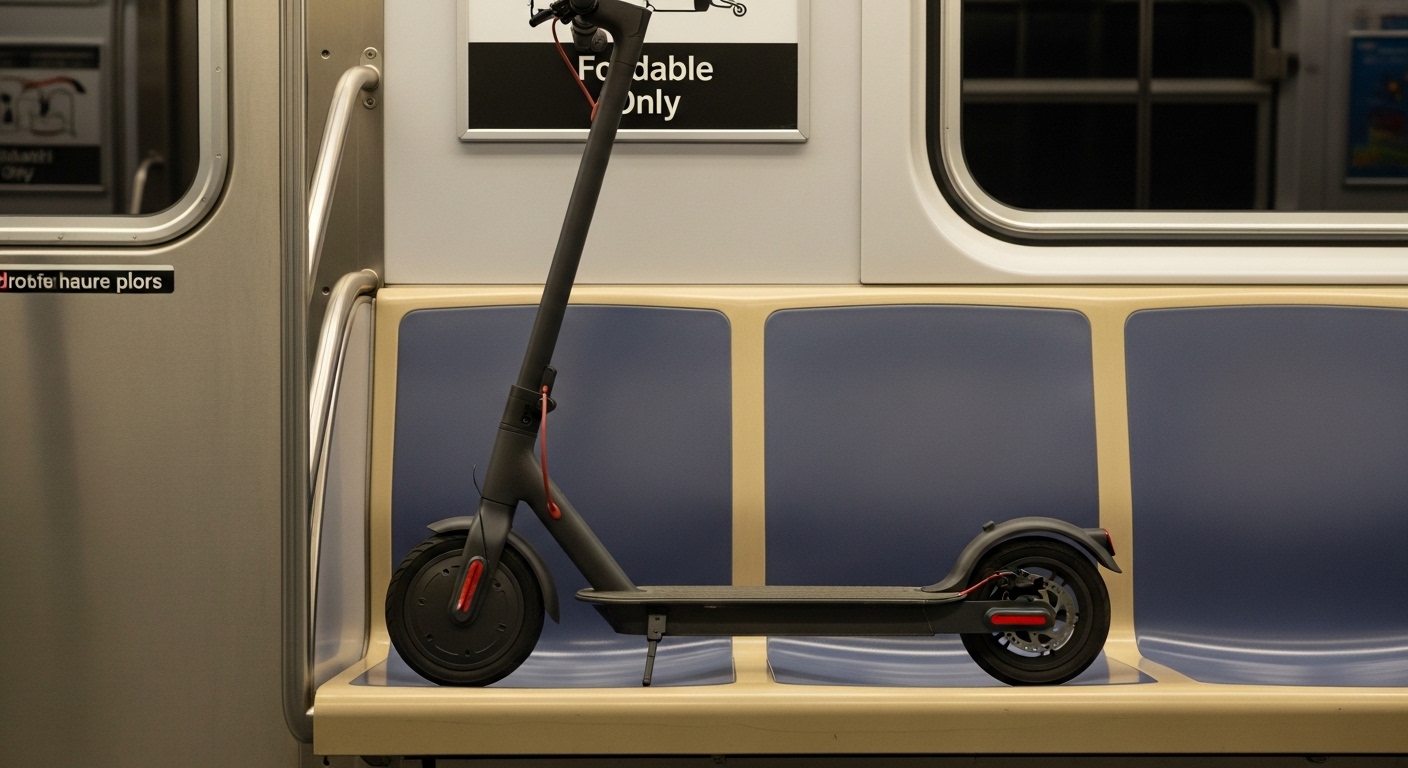
In almost all cases, the answer is yes. Subway authorities require you to fold your electric scooter before bringing it on board. This forms a basic rule for keeping everyone safe. An unfolded one takes up a lot of floor space. It can easily become a tripping hazard for other passengers, especially in a crowded subway car.
The benefits of a portable, foldable design cannot be overstated for a commuter. One that folds down into a compact shape is much easier to handle. You can tuck it under a seat or place it in a luggage area. This keeps it out of the way. It also makes it less likely to get damaged or to damage someone else’s property.
Storage during rush hour demands major thought. During these peak times, space becomes a rare commodity. An unfolded model would be impossible to fit. Even a folded one needs smart storage. Now, you might be wondering… where is the best place to put it? Look for luggage racks or spaces under seats. Avoid blocking aisles or doors at all costs.
There are some best practices for folding and carrying it. Practice folding and unfolding it at home so you can do it quickly at the station. Make sure all latches lock securely before you lift it. A good carrying strap or handle can make a world of difference. Being prepared makes the entire process smoother and less stressful for you and those around you.
Some modern electric scooters feature one-step folding systems. These designs allow you to fold them in seconds with little effort. This ease becomes priceless when you are rushing to catch a subway. Look for models with solid folding systems that won’t loosen over time.
| Action | Best Practice for Subway Travel |
| Folding | Practice at home to become quick and smooth. |
| Securing | Double-check that all folding parts lock properly. |
| Carrying | Use a dedicated handle or strap for a better grip. |
| Storing | Place under a seat or in a luggage rack, never in the aisle. |
5. Are There Time Restrictions for Taking Electric Scooters on the Subway?
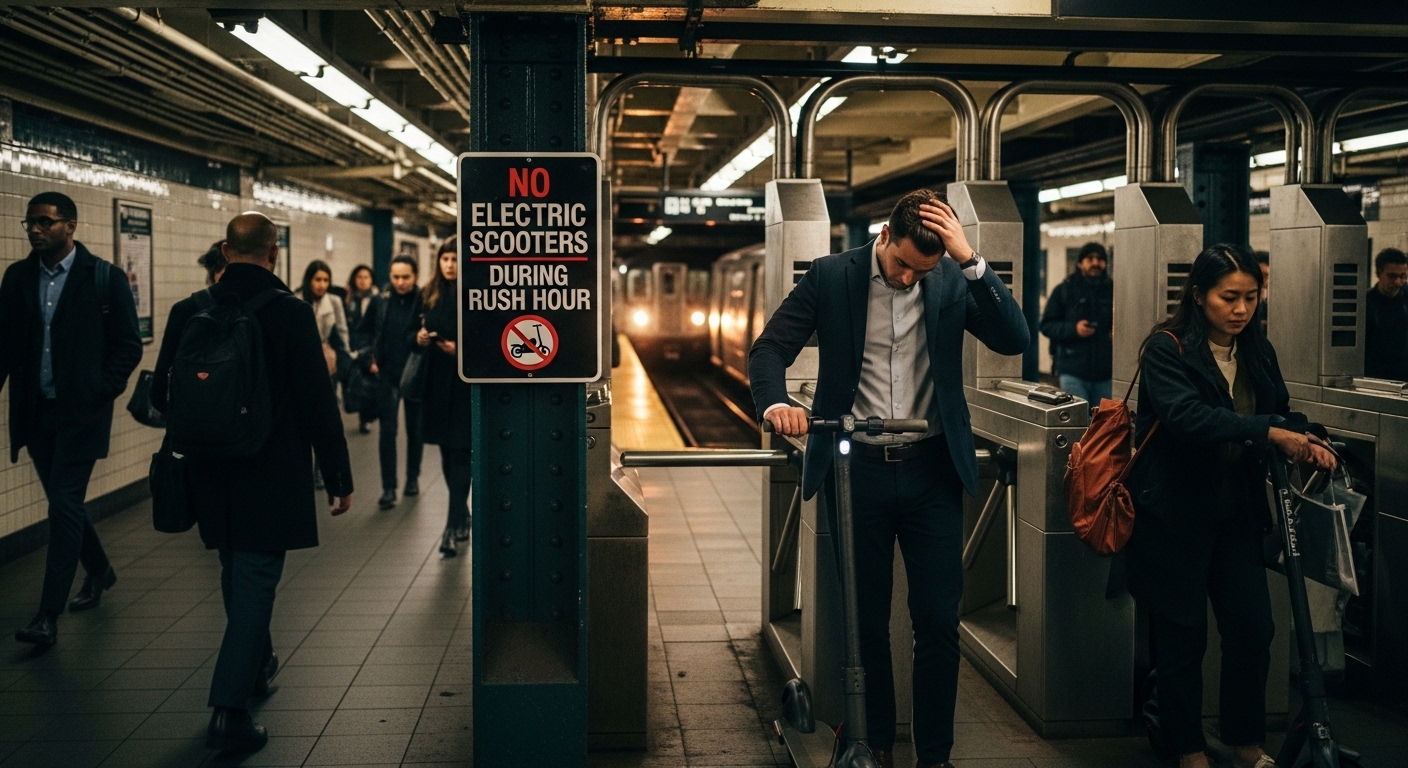
Time limits form a common policy on the subway. Many systems use peak hour bans to manage crowding. These are the busiest times of the day, typically morning and evening commutes. During these hours, there is simply not enough space to safely fit personal mobility devices. Trying to bring one on board at this time will likely result in staff asking you to wait.
Weekend and holiday policies tend to be more relaxed. With fewer commuters, subway cars have more room. This makes it a great time to travel with your scooter. You can explore new parts of the city without worrying about rush hour rules. However, it remains important to be courteous and keep your folded electric scooter out of the way.
Special events can also lead to temporary bans. Concerts, sporting events, or festivals can cause a surge in ridership. Subway authorities may announce temporary bans on scooters and other large items to manage the crowds. This is important because… you do not want to get stranded after an event. Check for service alerts before you head out.
Planning your commute around these limits becomes key to success. If you must travel during peak hours, you may need to find an alternative for part of your journey. This could mean riding it the entire way or using a bike-sharing service. A little bit of planning can help you avoid delays and stress. Always have a backup plan in mind.
Some subway systems define peak hours in different ways. In most North American cities, morning rush hour runs from 7:00 AM to 9:30 AM. Evening rush hour typically spans 4:30 PM to 7:00 PM. However, these times can vary by city and even by specific subway line. Check your local system’s website for exact times.
| Time Period | Typical Subway Rule |
| Weekday Rush Hour | Often banned or heavily restricted. |
| Weekday Off-Peak | Generally allowed, if folded. |
| Weekends | Usually allowed, if folded. |
| Holidays | Policies mirror weekend service. |
| Special Events | Check for specific service alerts and temporary bans. |
6. What Safety Rules Must You Follow When Bringing an Electric Scooter on the Subway?
Safety forms the top priority for all subway systems. When you bring an electric scooter on board, you take responsibility for making sure it does not pose a risk. Battery safety demands major attention. Subway authorities have strict rules to prevent fires. Your scooter’s battery should carry a certification like UL 2272. This shows it has passed tough safety testing.
Proper positioning and storage are also critical. Never leave it in a place where it could fall or roll. Do not block aisles, doorways, or emergency exits. The best place for it is under your seat or in a designated luggage area. If you have to hold it, make sure you have a firm grip. A loose electric scooter can become a dangerous object in a moving subway car.
Courtesy matters just as much as the official rules. Be mindful of the space you take up. Keep it close to you. Do not lean it against other passengers or their belongings. The bottom line? A little care goes a long way in making the journey pleasant for everyone. Remember that you share the space with many other people.
Breaking these policies can have results. At a minimum, staff could ask you to leave the subway. Repeat offenses could lead to a fine or even a ban from the transit system. These rules exist for a reason. Following them keeps the system safe and efficient for all riders. It is a small price to pay for the ease of a multi-modal commute.
Battery fires, though rare, can be very bad in enclosed spaces like subway cars. This is why subway authorities take battery rules so seriously. Always buy from trusted makers. Avoid cheap copies that may use poor batteries. Your safety and the safety of others depends on this choice.
| Safety Rule | Why It Matters on the Subway |
| Use UL Certified Batteries | Prevents fire hazards from faulty batteries in enclosed cars. |
| Power Off the Electric Scooter | Avoids accidental start on the subway. |
| Store Securely | Prevents the electric scooter from rolling or falling during movement. |
| Keep Aisles Clear | Ensures safe movement and emergency access for all passengers. |
7. How Do You Choose a Subway-Friendly Electric Scooter?

Picking the right electric scooter becomes key if you plan to use it with the subway. Not all models work equally well for this purpose. A subway-friendly model has specific features that make it ideal for a mixed commute. The most important feature is a portable and foldable design. You need one that folds down quickly and easily. The smaller and more compact it is when folded, the better your experience will be.
Weight forms another key factor. You will carry it up and down stairs, and lift it into subway cars. A lightweight model will make your life much easier. Look for models made from materials like aluminum alloy. These offer a good balance of strength and low weight. A scooter under 30 pounds is ideal for this kind of use.
Battery specs also matter a lot. You need enough range to get you from the subway station to your final stop. However, you also need to meet the subway authority’s battery rules. Most systems have a limit on battery capacity, often around 160Wh. What does this mean for you? You need to find one that balances range and compliance.
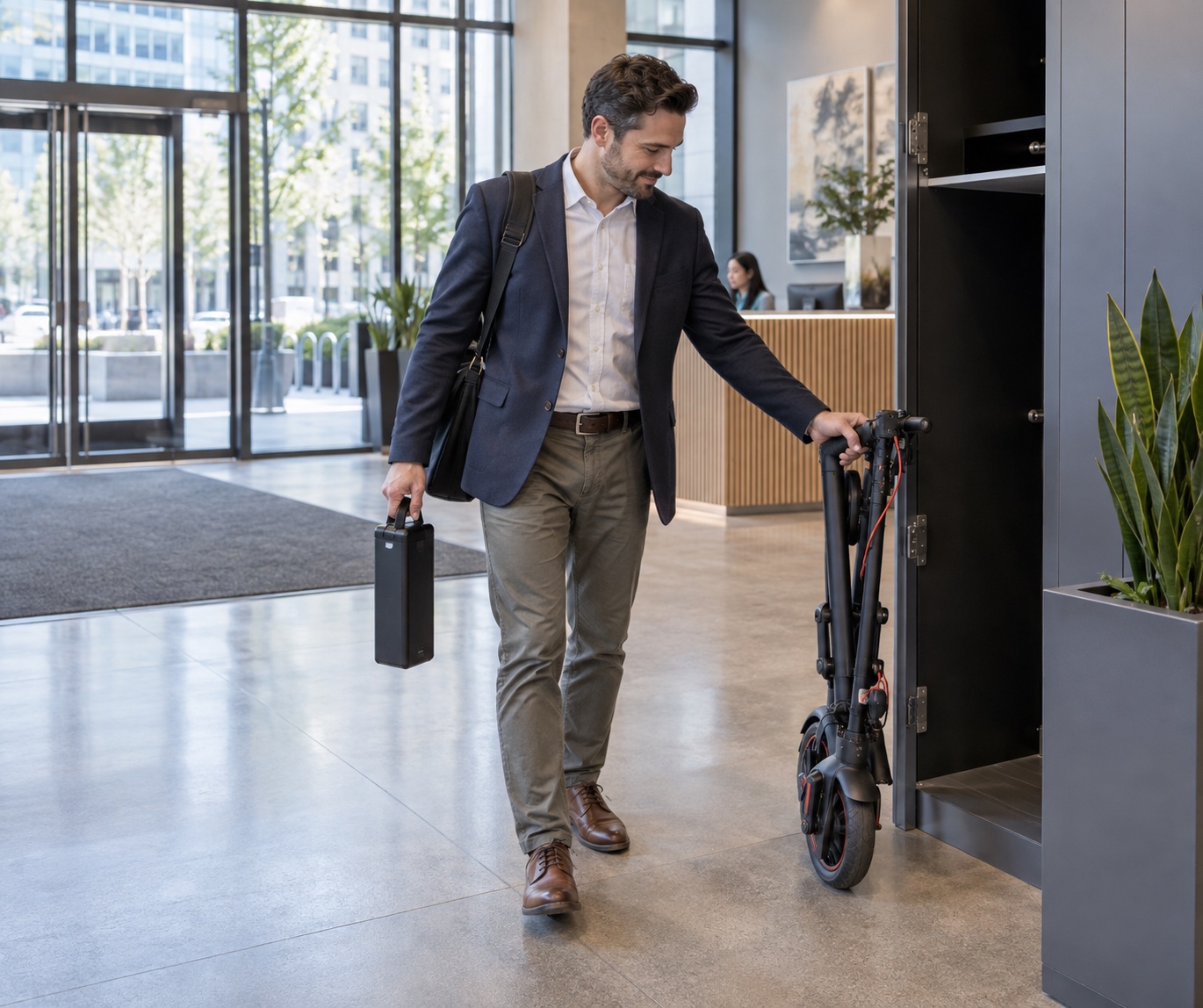
Think about a model like the Dynamic Scooter Model B. It is designed with the commuter in mind. It is lightweight, foldable, and has a detachable battery. This makes it easy to carry and store. The battery also meets most subway system rules. A model like this can turn a stressful commute into a simple, enjoyable ride. It is a smart buy for any urban commuter.
Build quality should not be overlooked. A well-built model will handle the daily stress of commuting. Look for solid construction, quality materials, and good reviews from other commuters. Pay attention to the folding system’s strength. A system that fails after a few months will leave you stranded.
The Dynamic Scooter Model B offers several subway-friendly features. It weighs just under 30 pounds, making it easy to carry. The folding system works smoothly and locks securely. The detachable battery means you can charge it at your desk without bringing the entire unit inside. The compact folded size fits easily under most subway seats.
Range and speed also play a role in your decision. For the last-mile commute, you typically need a range of 5-10 miles. The Dynamic Scooter Model B offers up to 12 miles on a single charge. This gives you plenty of buffer for unexpected detours. The top speed of 15 mph is fast enough for efficiency but not so fast that it becomes dangerous in crowded areas.
| Feature | Why It’s Good for Subway Transit |
| Foldable Design | Folds quickly to meet subway rules and for easy storage. |
| Lightweight Frame | Easy to carry up station stairs and into subway cars. |
| Detachable Battery | Allows for easier charging and compliance checks. |
| Compact Size | Takes up minimal space on crowded subway cars. |
| Durable Build | Handles daily commuting stress and frequent folding. |
Conclusion
Taking an electric scooter on the subway is possible and practical with the right preparation. The key is to know the rules of your local subway system. Focus on a model that is lightweight, foldable, and meets all safety standards. By understanding the policies on size, weight, and peak hour travel, you can make your commute smoother. This knowledge helps you avoid fines and enjoy a seamless journey.
Ready to upgrade your commute? The Dynamic Scooter Model B is built for the urban traveler, offering a perfect blend of portability and performance.
FAQ
Q1: Can I bring my electric scooter on the subway during rush hour?
Most subway systems ban or restrict them during peak hours to manage crowding. It is always best to check your local subway authority’s specific rules before you travel during these times. Some systems allow them even during rush hour if they are folded and stored properly.
Q2: Do all electric scooters need to be folded on the subway?
Yes, virtually all subway authorities that permit them require folding before entering a station or vehicle. This is a critical safety measure to keep aisles clear and prevent hazards. Non-folding models typically face complete bans on most subway systems.
Q3: What happens if my electric scooter is too big for the subway?
If your scooter exceeds the size or weight limits, subway staff will likely deny you entry. To avoid this, measure its folded dimensions and check them against the policy online before your trip. Think about investing in a more compact model if you commute regularly.
Q4: Are there battery restrictions for electric scooters on the subway?
Yes, most subway systems have limits on battery capacity, typically between 100-160Wh, due to fire safety rules. Check your scooter’s battery specs to make sure it complies. Always buy models with UL-certified batteries for maximum safety and compliance.
Q5: Can I ride my electric scooter inside the subway station?
No, you cannot ride it inside subway stations, on platforms, or on the subway car itself. You must power it off and walk with it or carry it while folded. Riding inside stations creates safety hazards and breaks subway authority rules in virtually all cities.