...

August 14, 2026

What Is the Best Electric Scooter for Adults 300 Lbs?

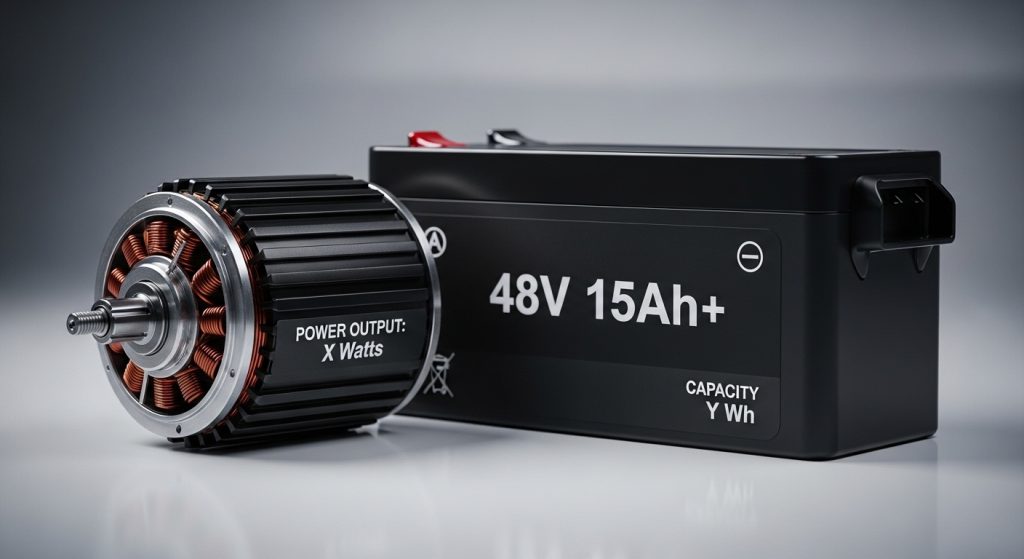
Finding an electric scooter that supports your weight is tough. Standard models bend or break, leaving you stranded and frustrated. This guide shows you exactly what to look for in a heavy-duty electric scooter for adults 300 lbs, so you can ride with confidence and power. The best electric scooter for a 300 lbs adult is a heavy-duty model with a weight capacity of at least 330 lbs, a powerful motor of 1000W or more, and a durable frame made from high-strength steel or aluminum alloy. Key features to look for include a robust suspension system, wide pneumatic tires for stability, and a dual braking system for reliable stopping power. A high-capacity battery (48V 15Ah+) is also vital for achieving adequate range and performance under a heavier load. So, what specific features make an electric scooter right for you? Let me explain… 1. What Makes an Electric Scooter Suitable for 300 Lbs Adults? Not all electric scooters are built the same. For a 300 lbs adult, a standard model just will not do. You need an electric scooter designed for a higher weight capacity. This starts with the frame. A heavy-duty model uses stronger materials like aircraft-grade aluminum or steel. This prevents the frame from flexing or breaking under stress. The motor is another key part. An electric scooter for a heavier rider needs more power. A weak motor will struggle with hills and have slow acceleration. Look for a motor with at least 500 watts, but 1000 watts or more is much better. Dual motors, one in each wheel, provide the best performance for a 300 lbs rider. They offer better grip and power distribution. Battery performance is also affected by rider weight. A heavier load puts more strain on the battery, which can reduce your range. A suitable electric scooter for adults 300 lbs needs a high-capacity battery. This ensures you can travel a good distance without needing a recharge. Look for batteries with a high amp-hour (Ah) rating. A battery with 15Ah or more is a good starting point. The deck size matters too. A wider and longer deck provides more room for your feet. This improves stability and comfort during your ride. A stable platform is key for feeling secure, especially when traveling at higher speeds. Many heavy-duty models come with decks that are 8 to 10 inches wide and 20 to 24 inches long. Weight distribution is another factor. An electric scooter with a low center of gravity will feel more stable and be easier to control. This is especially true when taking turns or riding on uneven surfaces. A well-balanced electric scooter for adults 300 lbs will have the battery and motor positioned to keep the weight low and centered. Here’s why it matters… a comfortable and stable ride is a safe ride. Feature Importance for 300 Lbs Rider High Weight Capacity Prevents frame damage and ensures rider safety. Powerful Motor Provides adequate acceleration and hill-climbing ability. Large Battery Delivers sufficient range under a heavier load. Sturdy Frame Offers durability and a stable riding experience. Wide Deck Increases comfort and improves balance. How much weight can a heavy-duty electric scooter withstand? Standard electric scooters typically support up to 220 or 265 pounds. This is not enough for a 300 lbs adult. Heavy-duty models are built to handle more. These models often have a weight capacity ranging from 300 to 400 pounds or even more. It is always best to choose an electric scooter with a weight limit that is higher than your actual weight. This extra capacity provides a safety margin. It means the frame, motor, and brakes are not constantly operating at their absolute limit. This reduces wear and tear and improves the scooter’s lifespan. An electric scooter rated for 350 lbs will perform much better for a 300 lbs rider than one rated for exactly 300 lbs. Rider weight has a direct impact on performance. A heavier rider will experience slower acceleration and reduced range compared to a lighter rider on the same scooter. This is why a powerful motor and a large battery are so important. They help to offset the effects of the increased load. A 300 lbs rider on a scooter with a 500W motor will notice a big difference compared to one with a 1500W motor. Always check the manufacturer’s specified weight capacity. Be wary of claims that seem too good to be true. Reading reviews from other heavy riders can give you a better idea of real-world performance. Look for reviews that specifically mention the rider’s weight and how the scooter handled it. The best part? Many reputable brands now offer specific heavy-duty models designed for larger adults. Testing is also important. Some manufacturers conduct real-world testing with riders at or above the weight limit. This gives you more confidence that the electric scooter for adults 300 lbs can truly handle the load. Certifications and safety ratings can also provide peace of mind. Look for scooters that meet industry standards for load-bearing capacity. Scooter Class Typical Weight Limit (lbs) Recommended for 300 lbs Rider? Standard 220 – 265 No Heavy-Duty 300 – 400 Yes Super-Duty 400+ Yes (Offers best performance) 3. What Motor Power Do You Need for a 300 Lbs Rider? Motor power is measured in watts. For a 300 lbs rider, more watts are always better. A motor with less than 500 watts will feel sluggish and struggle on even small inclines. A minimum of 500W is a good starting point for flat areas, but for mixed terrain, you should aim higher. An electric scooter for adults 300 lbs with a 500W motor is suitable only for very flat, smooth surfaces. For a truly capable electric scooter, look for a motor with 1000 watts or more. This amount of power will provide strong acceleration and allow you to climb moderate hills without slowing to a crawl. Many heavy-duty models come with motors in the 1000W to 2000W range. Some high-performance models even offer 3000W

What Is the Best Electric Scooter for Adults 300 Lbs? Read More »
Massachusetts Electric Scooter Laws: A Complete Rider’s Guide

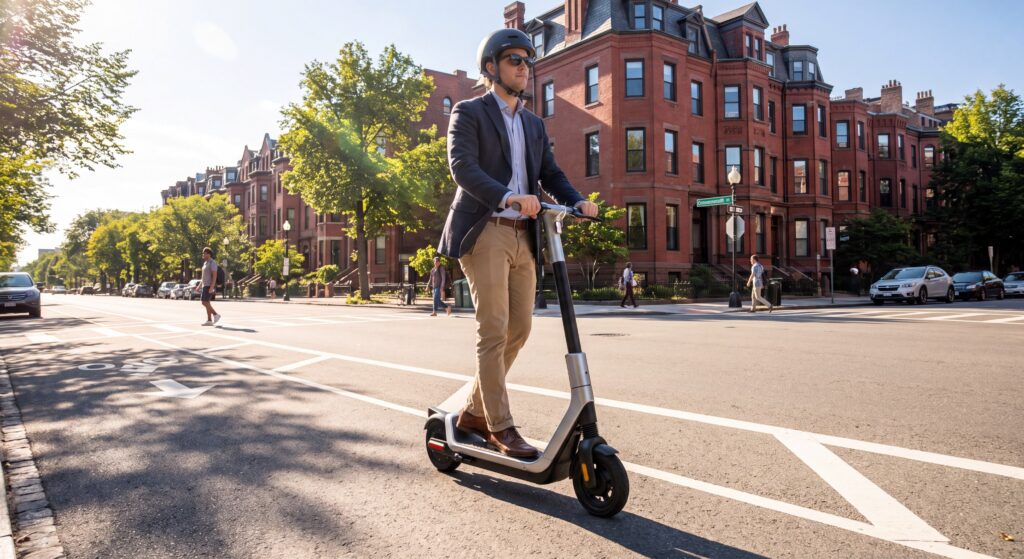
Massachusetts electric scooter laws classify e-scooters as motorized scooters, meaning you must follow specific road rules, license requirements, and speed limits to ride legally in the Bay State. Imagine coasting along the scenic Charles River Esplanade on a crisp autumn morning, the wind in your face and the Boston skyline gleaming in the distance. But your peaceful commute can quickly turn into a stressful ordeal if you are pulled over by a local officer and hit with a massive fine because you didn’t know the obscure local regulations. The overlapping state statutes and confusing municipal guidelines can leave any rider feeling lost. To keep you safe and legally compliant, we have built this ultimate, comprehensive guide to Massachusetts electric scooter laws so you can ride with absolute confidence. What are the Massachusetts electric scooter laws for beginners? Beginners should know that Massachusetts electric scooter laws classify e-scooters under motorized scooter regulations, which means you do not have to register your vehicle with the RMV. You can ride your vehicle on public roadways without a license plate or title. However, you must still follow the state’s basic traffic laws and safety guidelines. Learning these simple rules early ensures you enjoy a safe, hassle-free ride. Staying informed helps you avoid unexpected traffic stops. How state statutes define your electric ride When you step onto your electric scooter, you are operating what the state legally terms a “motorized scooter.” This official category refers to any vehicle with two or three wheels, handlebars, and an electric motor that can propel the device independently. Think about it: Knowing this classification helps you understand your rights on the road. It also prevents you from getting confused by laws meant for larger vehicles. Key Takeaway: Understanding your scooter’s legal status as a motorized vehicle helps you avoid RMV registration headaches while keeping you safe on local roads. Legal Element E-Scooter Classification Registration Required? Vehicle Type Motorized Scooter No RMV Paperwork None No Key Restriction No Expressways Yes This data clearly shows that taking precautions saves you both time and hefty state fines. Where can you ride under Massachusetts electric scooter laws? You can legally ride your electric scooter on public roads and designated bike lanes under Massachusetts electric scooter laws. However, you are strictly prohibited from taking your ride onto expressways or limited-access state highways. Additionally, local towns can write their own rules regarding sidewalk riding. Planning your daily route is simple once you know which paths are open. Sticking to approved pathways keeps your daily commute stress-free. Master public roads and designated bike lanes When you travel through local streets, staying on the right side of the road is your main legal duty. State guidelines encourage you to use bicycle lanes to keep away from fast traffic. Here is the deal: Riding in designated lanes ensures a safer experience for everyone. It also helps you steer clear of heavy city traffic. Key Takeaway: Planning your route along bike lanes and public roads keeps you fully compliant with state transit rules. Roadway Type Allowed? Special Riding Rule Public Streets Yes Must ride on the far right Bike Lanes Yes Highly recommended State Highways No Expressly prohibited This breakdown demonstrates that sticking to designated paths keeps you safe and avoids expensive state highway tickets. Do Massachusetts electric scooter laws require a license? Yes, you absolutely must possess a valid driver’s license or learner’s permit to ride legally under Massachusetts electric scooter laws. Unlike states that allow unlicensed riding, Massachusetts enforces this requirement for safety and accountability. If you are caught riding without these credentials, you could face hefty traffic fines. Carrying your license is a simple habit that protects you from legal trouble. It ensures every rider has a basic understanding of road safety. Licensure rules for commuter compliance Holding an active learner’s permit is the minimum legal requirement if you do not have a driver’s license. The state expects you to keep this document on your person whenever you are riding. Look: Keeping your paperwork in order is a simple way to protect your commute. It builds a responsible community of micromobility riders. Key Takeaway: Carrying a valid driver’s license or learner’s permit is a non-negotiable legal requirement for riding in Massachusetts. Credential Type Valid for Riding? Must Carry Physical Copy? Driver’s License Yes Yes Learner’s Permit Yes Yes No License/Permit No N/A This comparison proves that keeping your credentials active guarantees you will never be penalized for unlicensed riding. How fast can you go under Massachusetts electric scooter laws? You can ride at a maximum speed of exactly 20 miles per hour under Massachusetts electric scooter laws. This speed limit is strictly enforced on all public ways and bike paths across the state. Going any faster is considered a traffic violation and can result in immediate fines. Restricting your speed keeps you in complete control of your vehicle. It is the best way to handle busy city streets. Why speed management protects everyone Riding at a safe speed gives you plenty of time to react to sudden road hazards. Boston’s historic streets are often narrow, making speed control incredibly important. But wait, there is more: Managing your speed is a simple way to show respect to other commuters. It keeps the roads friendly for all types of travel. Key Takeaway: Keeping your speed capped at 20 MPH satisfies state regulations and gives you the reaction time needed to stay safe. Zone Type Legal Speed Limit Action if Exceeded Public Roadways 20 MPH Max Speeding Fine Crowded Sidewalks Riding Banned Immediate Citation Bike Paths 20 MPH Max Verbal Warning/Fine This data clearly demonstrates that keeping your speed controlled protects your wallet and your physical safety. Are helmets mandatory under Massachusetts electric scooter laws? Yes, wearing an approved safety helmet is mandatory for all riders under Massachusetts electric scooter laws. The state does not make exceptions for age or riding experience when it comes to head protection. Failing to wear a helmet is a direct traffic violation

Massachusetts Electric Scooter Laws: A Complete Rider’s Guide Read More »

Electric Scooter Laws in Texas: What Riders Need to Know in 2026

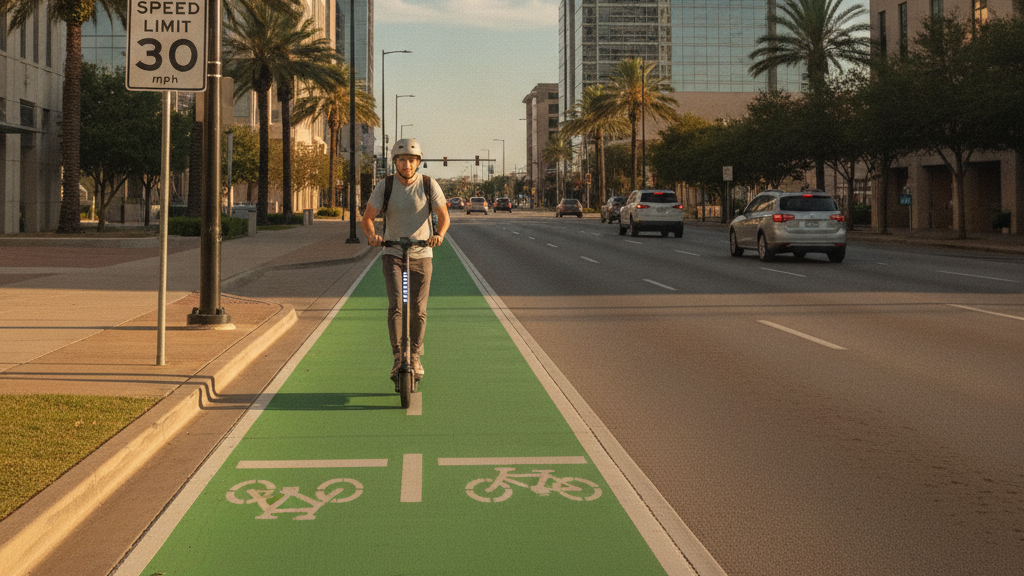
Electric scooter laws in Texas in 2026 permit you to ride on roads with a speed limit of 35 mph or lower without a driver’s license or insurance, provided you obey local city rules. Navigating the shifting regulations across Texas cities can feel like a stressful legal minefield for daily commuters. One wrong turn onto a high-speed arterial road or parking in a restricted zone could leave you facing steep administrative fines, or worse, have your custom ride towed away. Fortunately, learning the correct legal standards ensures you stay safe, legal, and fully in control. By mastering the electric scooter laws in Texas, you can confidently navigate the streets on a high-performance ride. How do electric scooter laws in Texas define your ride? Electric scooter laws in Texas define your ride as a “motor-assisted scooter” under state code, provided it has at least two wheels, a braking system, a flat deck, and human-propulsion capability. To ride legally on public roads, you must understand how the electric scooter laws in Texas classify your micro-mobility device. If your ride has a motor under 40cc (or the electric equivalent) and supports manual pushing, it fits this status perfectly. State-level design guidelines for legal status Here is the deal:Your scooter must meet the precise structural parameters set by the state of Texas to remain classified as a motor-assisted scooter. Operating a device that exceeds these limits changes your legal standing. Reclassification risks for high-powered rides Think about it:If your ride features a motor that exceeds the standard 40cc equivalent, it will be reclassified under Texas law. This reclassification means your vehicle is treated as a moped or motorcycle. Key Takeaway: Always verify your scooter’s motor wattage and design specs before hitting Texas public streets. Vehicle Type Motor Limit License Required Registration Motor-Assisted Scooter Max 40cc equiv No No Moped / Motorcycle Exceeds 40cc equiv Yes Yes This comparison table highlights how physical specifications dictate your administrative responsibilities under state regulations. Who must follow electric scooter laws in Texas today? Electric scooter laws in Texas apply to every operator on public roads, regardless of whether you are riding a personally owned device or a shared commercial rental. Understanding the reach of electric scooter laws in Texas is essential for both daily commuters and weekend recreational riders. Failing to comply can lead to individual citations from local law enforcement officers. Regulations for private scooter owners Here is the kicker:As a private owner, you have the freedom to ride your personal vehicle on any legally permitted roadway or lane. However, you carry full personal liability for any compliance or safety violations. Shared rental app user guidelines Look look:While rental riders might feel anonymous, they are subject to the same traffic regulations as private vehicle owners. Additionally, app-based geofences will actively limit your speed and navigation boundaries. Key Takeaway: Ownership does not shield you from traffic tickets; all riders on public streets are held to the exact same standards. Rider Category Traffic Laws Apply Geofenced Speed Limits Personal Liability Private Owner Yes No Full Rental User Yes Yes (App enforced) Shared / App terms The detailed matrix outlines how your legal and operational liabilities differ based on how you access your scooter. Where do electric scooter laws in Texas allow riding? Electric scooter laws in Texas allow you to ride on any public road with a posted speed limit of 35 mph or less, as well as designated bicycle lanes. Knowing exactly where to steer your vehicle is a critical aspect of mastering the electric scooter laws in Texas. While state law opens up a majority of public streets, you must always stay alert for localized restrictions. Navigating public roads and streets Here is the deal:You can legally operate your e-scooter on standard municipal roads with low speed limits, keeping as close to the right side of the road as possible. This maintains a predictable flow for faster motor traffic. Utilizing bike lanes and shared paths Look at it this way:Using designated lanes separates you from heavy vehicular traffic, dramatically lowering your risk of an accident on busy city streets. Most metropolitan corridors encourage micromobility within these protected paths. Key Takeaway: Stick to low-speed roads and actively utilize bike lanes to ensure a legal and secure commute. Riding Environment Legality Status Operating Rules Streets ≤ 35 mph Fully Legal Stay as far right as possible Designated Bike Lanes Fully Legal Yield to manual bicycles Highways > 35 mph Prohibited Strictly off-limits Use this breakdown to plan your daily route through legal, low-risk municipal corridors. Do electric scooter laws in Texas require a license? Electric scooter laws in Texas do not require riders to hold a valid driver’s license, state vehicle registration, or liability insurance. This bureaucratic exemption under electric scooter laws in Texas is one of the best parts of the current system. It makes e-scooters incredibly accessible and affordable alternatives for urban transit. Driver’s license and testing exemptions Think about it:You do not need to pass a written test, perform a practical road exam, or carry a physical license card to commute. Anyone who meets basic age requirements can jump on a scooter and go. Registration and DMV requirements Here is the kicker:You can skip the long lines at the DMV because standard micromobility devices do not require license plates or annual inspections. This keeps your operating costs extremely low. Key Takeaway: Enjoy the hassle-free legal status of e-scooters, but always practice safe riding even without licensing requirements. Administrative Category E-Scooter Requirement Traditional Vehicle Driver’s License Not Required Required DMV Registration Not Required Required Annual State Inspection Not Required Required This data table demonstrates how much red tape you save by choosing a scooter over a traditional car or motorcycle. How do electric scooter laws in Texas restrict speed? Electric scooter laws in Texas enforce a maximum statewide speed limit of 20 mph on public streets and roads. Violating velocity limits can lead to unexpected speeding citations, making it vital to understand speed-based electric scooter laws

Electric Scooter Laws in Texas: What Riders Need to Know in 2026 Read More »

Electric Scooter Maintenance in Summer: Battery, Tire, Charging, and Cleaning Tips

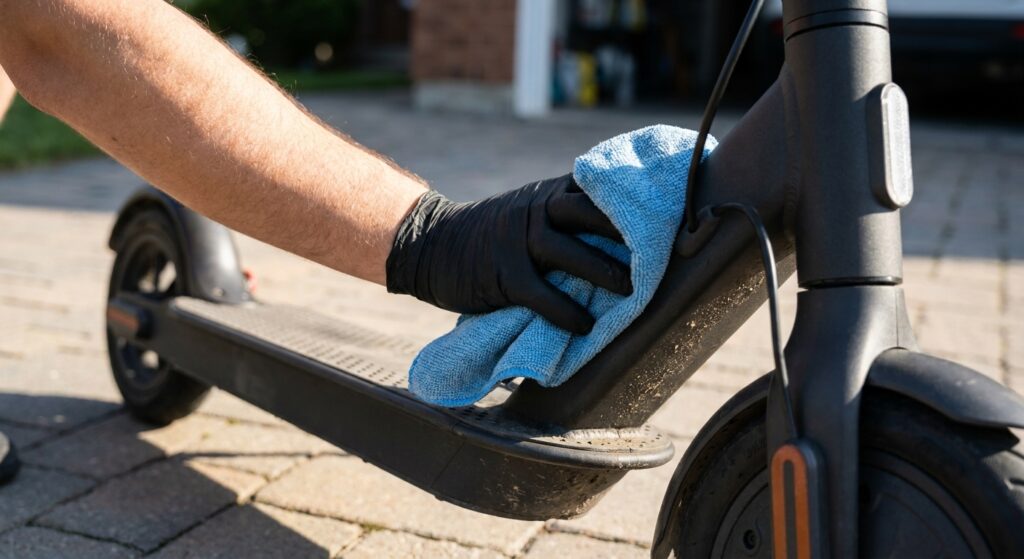
Performing seasonal upkeeps like monitoring tyre pressure, parking in shaded spots, and managing battery temperatures is the absolute best way to ensure your electric scooter thrives during hot summer months. Riding on a hot summer afternoon feels incredibly liberating as you cruise down the open road. However, extreme ground heat and scorching sun rays can silently cook your vehicle’s sensitive internal cells. If you ignore these extreme temperatures, your battery can suffer from severe thermal shutdown, leaving you stranded on melting asphalt miles away from home. Fortunately, performing proactive electric scooter maintenance safeguards your ride against severe thermal wear and performance drops. Why is summer electric scooter maintenance crucial? Summer weather demands strict upkeep because extreme heat accelerates chemical breakdown within battery cells and softens tyre rubber. Performing active electric scooter maintenance during high-temperature months protects your sensitive electronics from catastrophic failures. The combination of baking asphalt and hot direct sunlight places unprecedented physical stress on your vehicle. Neglecting basic care can lead to permanent battery damage and costly mechanical repairs. By being proactive, you ensure your motor and internal circuits remain safe from thermal stress. It also guarantees your rides stay smooth and consistent all season long. Why does extreme heat threaten your battery pack? High temperatures increase the internal resistance of lithium-ion cells, causing them to generate more heat. Here is the deal: if your battery runs too hot, the system will lower power output to avoid thermal runaway. Continuous exposure to extreme ambient heat permanently degrades capacity and reduces your overall riding range. You must watch out for signs of thermal degradation during your daily commutes. These signs can severely disrupt your travel plans if left unchecked. What are the primary mechanical risks of hot pavement? Hot asphalt transfers intense conductive heat directly through your low deck to the motor and suspension. But that is not all. Harsh UV rays dry out rubber seals and melt vital lubricating grease on your folding joints. These issues can create severe safety hazards if you ride on degraded parts. Keeping these elements lubricated ensures structural stability on bumpy summer streets. Key Takeaway: Protecting your ride from ground-level heat preserves structural integrity and keeps your rides exceptionally smooth. Heat Source Impacted Part Recommended Threshold Preventative Action Ambient Air Battery Pack Keep below 45°C Park in ventilated shade Hot Asphalt Motor Casing Keep below 60°C Avoid continuous peak throttle Monitoring these crucial thermal thresholds protects internal components from severe degradation. Where do you park for electric scooter maintenance? You should always park your vehicle in a cool, well-ventilated, shaded environment to protect it from thermal stress. Choosing proper parking areas is a fundamental step in proactive electric scooter maintenance during a heatwave. Leaving your ride exposed to scorching midday sun causes rapid heat build-up. It can easily warp plastic parts and fade your instrument console. Shaded spots act as a shield against intense ultraviolet radiation. This simple daily habit prevents your deck from turning into a heat sponge. Is shaded parking enough to prevent thermal damage? Standard outdoor shade helps block direct solar rays, but it does not cool down high ambient air. The truth is: parking inside unventilated metal sheds or car trunks can create a dangerous greenhouse effect. This trapped heat cooks your electronics even if the scooter is turned off. You need to seek out areas with active airflow to help your scooter cool down. Ventilation is just as important as blocking direct sunlight. How does the Dynamic Scooter Cover shield your deck? Investing in a premium, UV-reflective protective cover keeps direct sunlight off your delicate instrument panels. Think about it: a quality cover keeps abrasive summer dust out of delicate charging ports. When you protect these key entry points, you lower the chances of electrical shorts. A specialized cover is lightweight and easy to carry on daily trips. It provides an extra layer of defense when outdoor parking is your only option. Key Takeaway: Utilizing a specialized cover blocks heat absorption and extends the lifespan of sensitive electronic screens. Parking Location Temperature Risk Protection Level Best Use Case Subterranean Garage Low High Overnight & Long-term Covered Shade Medium Medium Quick day stops Choosing high-protection locations limits thermal exposure and keeps performance metrics stable. How does charging affect electric scooter maintenance? Charging your ride immediately after a trip can damage battery cells because they are already hot from operating. You must follow strict battery cooling guidelines as part of your regular electric scooter maintenance protocol. Forcing electricity into hot lithium-ion cells causes extreme internal heat spikes. Over time, this bad habit rapidly degrades overall battery health. Letting your vehicle rest before plugging it in is highly recommended. This practice guarantees safe power intake and preserves battery capacity. Should you charge your ride immediately after use? Connecting your charger right after a ride leads to a dangerous compounding of operational and electrical heat. Here is the deal: your battery needs time to naturally cool down to ambient levels first. Giving your scooter a short break ensures the lithium-ion cells remain stable. A cool battery accepts charges much more efficiently than a hot one. Taking this extra step will keep your power pack running at peak levels. What are the best practices for cool-down charging? You should charge your vehicle in an open, ventilated indoor space rather than a confined closet. Think about it: keeping air circulating around the power brick prevents the charger itself from overheating. This simple routine maximizes energy efficiency and guards against unwanted high-voltage surges. Timing your charge cycles is also highly beneficial. It avoids the hottest hours of the day when grid stress is highest. Key Takeaway: Allowing your battery to cool before charging prevents thermal spikes and maximizes the total life cycles of your cells. Charging Phase Required Wait Time Target Area Temp Safe Charging Window Post-Ride Cool Down 30 – 45 Minutes Ambient Air Temp Morning / Evening Active Charging No Wait Required Under 30°C Max 4 Hours Adhering to these cool-down cycles

Electric Scooter Maintenance in Summer: Battery, Tire, Charging, and Cleaning Tips Read More »

Shopping Cart
Scroll to Top