
Introduction
Electric scooters transform daily commutes but require proper charging techniques to maintain peak performance and battery longevity. Many owners unknowingly damage their scooter batteries through incorrect charging habits. Want to know the shocking truth?
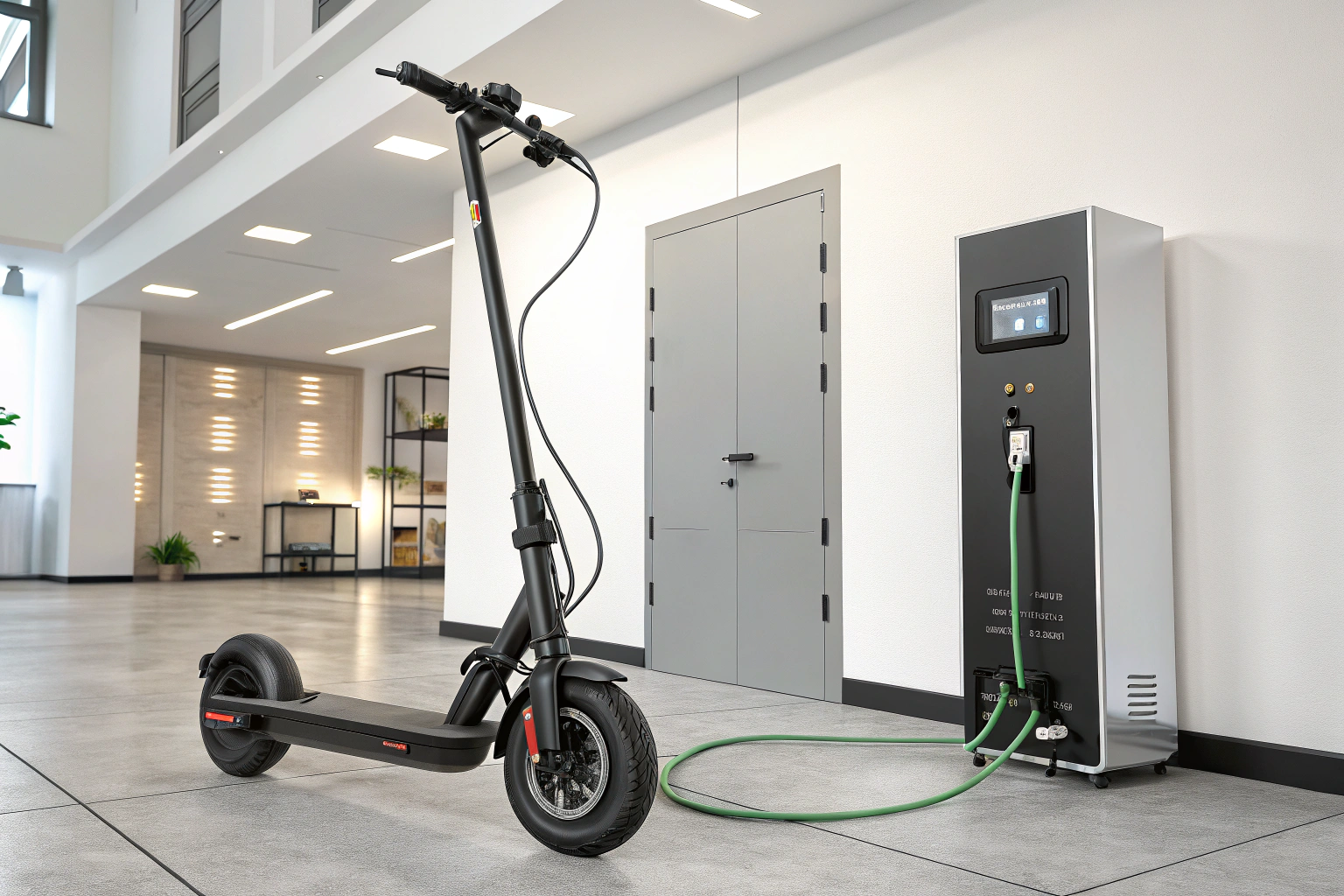
To charge an electric scooter correctly, first connect the charger to a wall outlet, then plug it into your scooter’s charging port. Wait until the indicator light turns green (typically 3-8 hours), then promptly disconnect. For optimal battery life, charge between 20-80% capacity and store at room temperature away from extreme conditions.
Most scooter performance issues stem from improper charging rather than manufacturing defects. This guide walks through essential steps and best practices to maximize your electric scooter’s lifespan while ensuring optimal performance every time you ride.
1. Understanding Your Electric Scooter Battery
Before plugging in your electric scooter, understanding what powers your ride makes all the difference for long-term performance. Modern electric scooters primarily use lithium-ion batteries, though some budget models still feature lead-acid or nickel-metal hydride alternatives. Here’s something most retailers won’t tell you: battery chemistry significantly affects charging requirements and overall lifespan.
Different types of batteries used in electric scooters
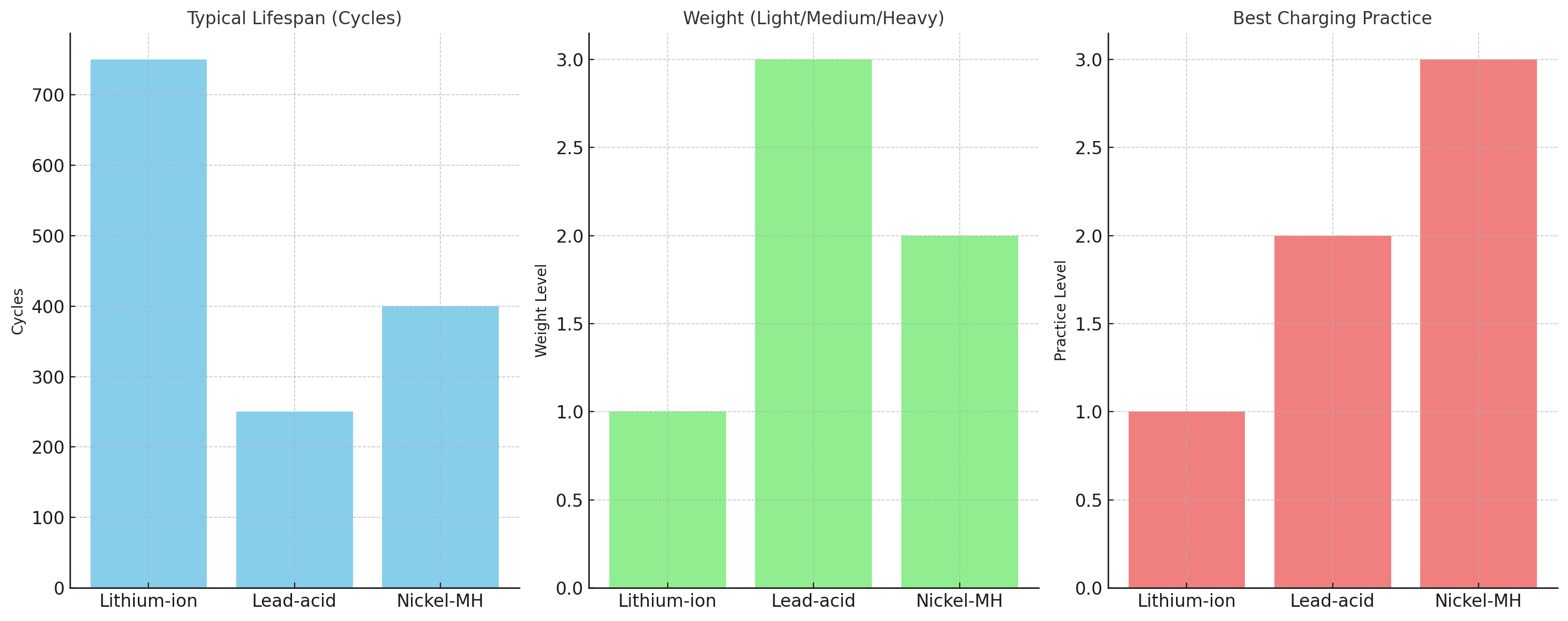
Lithium-ion batteries dominate the market due to their superior energy density, lightweight properties, and minimal memory effect. These powerhouses typically last 500-1000 charge cycles when properly maintained. Lead-acid batteries cost less upfront but weigh considerably more and provide shorter ranges between charges. Nickel-metal hydride batteries occupy a middle ground with decent performance but require specific charging patterns to prevent memory effect issues.
Battery capacity and voltage specifications explained
Battery capacity measures in ampere-hours (Ah) or watt-hours (Wh), indicating how much energy your scooter stores. Most commuter models feature capacities between 250-500Wh, determining your potential range per charge. Voltage ratings typically range from 24V for entry-level models to 48V or higher for performance scooters. The surprising reality? Higher voltage generally means better hill-climbing ability and acceleration rather than simply greater range.
Battery management systems and their functions
Quality electric scooters incorporate sophisticated Battery Management Systems (BMS) that regulate charging flow, prevent overheating, and balance cell voltages. This silent guardian protects against overcharging, deep discharging, and short circuits while monitoring temperature fluctuations. Premium models feature adaptive BMS technology that adjusts charging parameters based on environmental conditions and battery health status.
| Battery Type | Typical Lifespan | Weight | Best Charging Practice |
|---|---|---|---|
| Lithium-ion | 500-1000 cycles | Light | Partial charges (20-80%) |
| Lead-acid | 200-300 cycles | Heavy | Full charges recommended |
| Nickel-MH | 300-500 cycles | Medium | Occasional full discharge |
2. Essential Charging Equipment
Proper charging equipment safeguards your investment while maintaining optimal battery performance throughout your scooter’s lifespan. The truth nobody mentions? Using incorrect chargers ranks among the leading causes of premature battery failure in electric scooters.
Standard chargers vs fast chargers
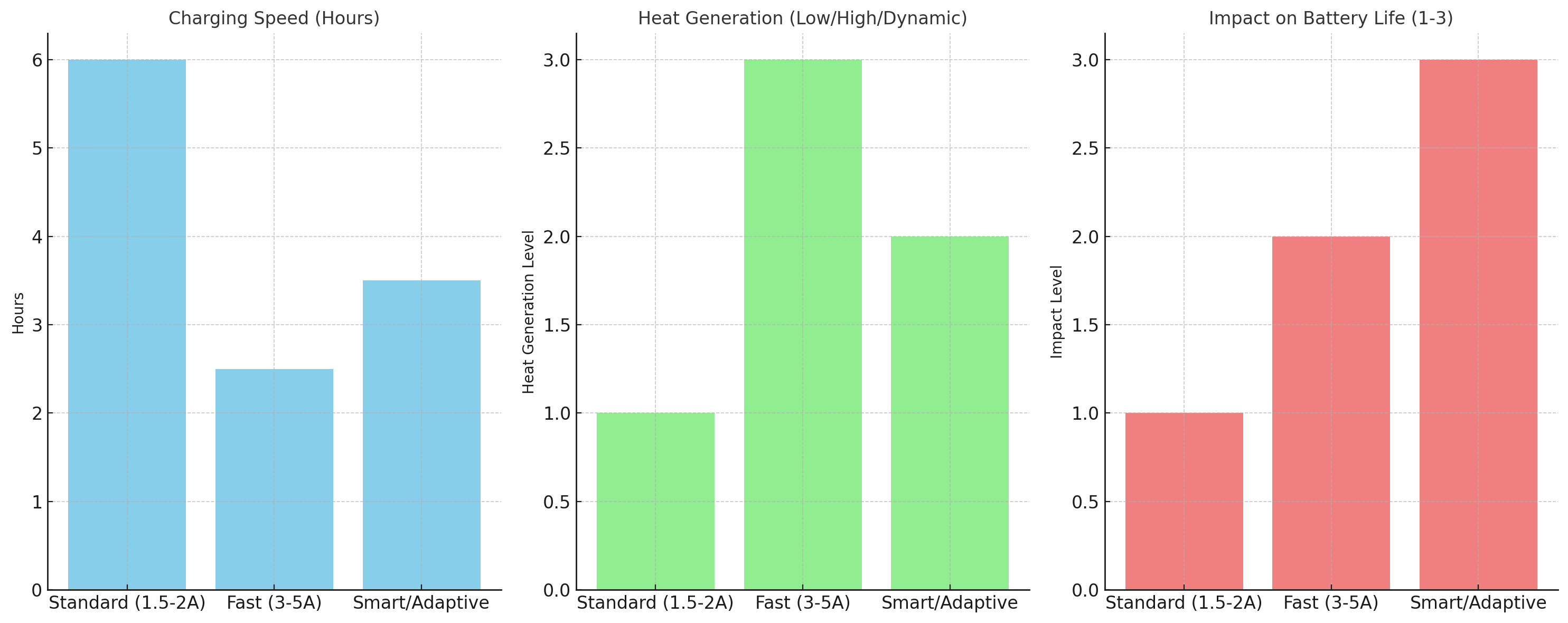
Standard chargers supplied with most electric scooters deliver power at 1.5-2A, providing gentle, battery-friendly charging over 4-8 hours depending on capacity. Fast chargers push 3-5A for dramatically reduced charging times but generate additional heat that potentially degrades battery cells over time. Some premium models feature smart charging technology that starts fast then tapers to gentler rates as batteries approach full capacity.
Charging adapters and extensions
Quality charging adapters maintain proper voltage regulation when standard outlets prove inaccessible. Extension cords should feature minimum 16-gauge wire for short runs and 14-gauge for distances exceeding 25 feet to prevent voltage drop issues that stress charging components. Shocked by this next fact? Inadequate extension cords cause voltage fluctuations that damage both chargers and batteries while creating potential fire hazards.
Safety features to look for in quality chargers
Premium chargers incorporate multiple safety mechanisms including thermal cut-offs, short-circuit protection, and automatic shut-off when batteries reach full charge. Look for UL certification, proper insulation at connection points, and LED indicators showing charging status. Advanced models feature adaptive charging algorithms that adjust power delivery based on battery temperature and state-of-charge for maximum cell longevity.
| Charger Type | Charging Speed | Heat Generation | Impact on Battery Life |
|---|---|---|---|
| Standard (1.5-2A) | 4-8 hours | Low | Minimal degradation |
| Fast (3-5A) | 2-3 hours | High | Moderate degradation |
| Smart/Adaptive | Variable | Dynamic | Optimized for longevity |
3. Step-by-Step Charging Process
Following a systematic charging process ensures safety while maximizing battery performance for years of trouble-free riding. Ever wondered why some scooters last years while others fail within months? The difference often lies in these seemingly simple charging steps.
Preparing your scooter for charging
Begin by positioning your scooter in a dry, room-temperature environment away from direct sunlight and flammable materials. Allow hot scooters to cool for 15-30 minutes after riding before connecting chargers, especially during summer months. Check charging ports for moisture, debris or damage that might compromise connections. Remove any accessories drawing parasitic power like lights or phone chargers for more efficient battery replenishment.
Proper connection techniques
Always connect your charger to the wall outlet first, then to your scooter to prevent arcing that damages charging ports. Ensure the connector aligns properly without forcing, which might bend pins or damage sockets. Most quality scooters feature keyed connectors that only insert one way to prevent reverse polarity issues. The surprising detail many miss? Slightly loose connections create resistance that generates heat, potentially damaging both charger and scooter components over time.
Monitoring the charging progress
Quality electric scooters display charging status through LED indicators or mobile apps. Typically, red lights indicate active charging while green signals completion. Some advanced models show percentage-based charging progress. Monitor for unusual heating, strange odors, or abnormal noises during the charging process. Modern scooters with Bluetooth connectivity provide detailed battery analytics including cell voltage, temperature, and estimated range based on current charge level.
Knowing when charging is complete
Charging completion typically indicates when LEDs change from red to green or apps show 100% status. However, smart charging systems often continue balancing individual cells for 30-60 minutes after reaching full capacity. This critical fact changes everything: allowing this balancing phase to complete fully prevents premature battery degradation even when indicators suggest charging has finished.
| Charging Stage | Indicator Color | What’s Happening | Action Required |
|---|---|---|---|
| Not Connected | No light/Off | No power flow | Connect charger |
| Active Charging | Red | Normal charging cycle | Monitor occasionally |
| Near Complete | Yellow/Orange | Approaching full charge | Continue charging |
| Fully Charged | Green | Charging complete | Disconnect within 1-2 hours |
| Error State | Flashing/Alternate | Charging fault detected | Check connections/seek service |
4. Optimal Charging Practices
Strategic charging behaviors dramatically extend battery lifespan while maintaining consistent performance. The shocking reality? How and when you charge matters more than how far you ride for long-term battery health.
Best time to charge your electric scooter
Charge your scooter when battery levels drop to 20-30% rather than waiting for complete depletion. Avoid charging immediately after riding when batteries run hot, ideally waiting 30 minutes for thermal stabilization. Overnight charging works well with modern scooters featuring automatic cut-off systems, though disconnecting soon after reaching full charge remains ideal. Some riders schedule charging during off-peak electricity hours for cost savings and reduced grid strain.
Recommended charging frequency
For daily commuters, charging after each significant ride maintains ideal battery levels without stressing cells. Weekend riders should maintain 40-60% charge during storage periods with monthly top-ups to prevent cell deterioration from prolonged low states. Here’s what manufacturers don’t advertise: lithium batteries prefer regular small charges over infrequent complete cycles, making daily partial charges ideal for maximum longevity.
Partial vs full charging cycles
Lithium batteries thrive when kept between 20-80% capacity, avoiding extreme states that accelerate degradation. Complete 0-100% charges occasionally help recalibrate battery management systems but shouldn’t become routine practice. Some manufacturers recommend monthly full discharge-recharge cycles for cell balancing, though opinions vary based on specific battery construction and management technology.
Temperature considerations during charging
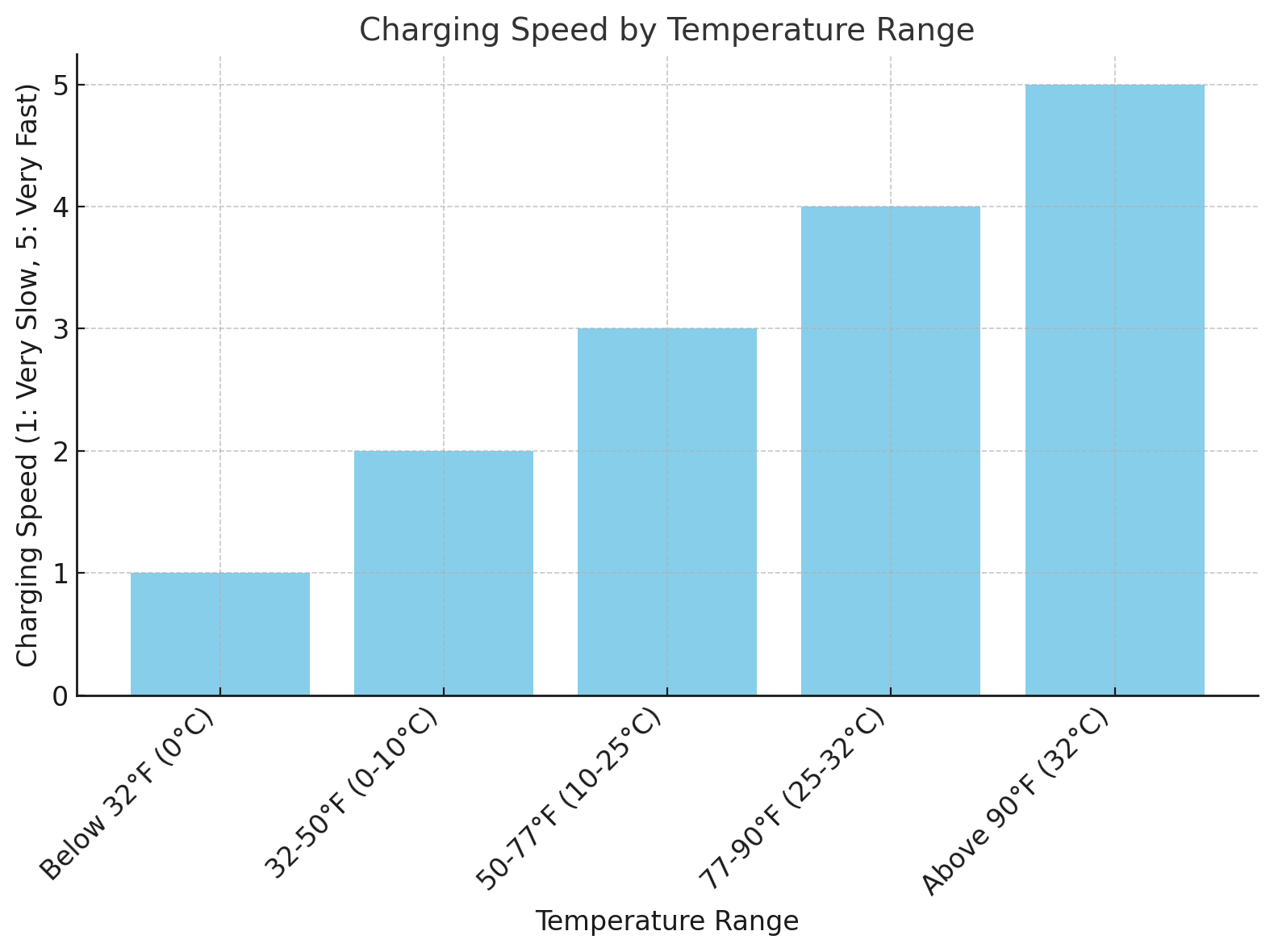
Optimal charging occurs between 50-77°F (10-25°C), with performance and safety degrading at temperature extremes. Cold temperatures below 40°F (4°C) slow ion movement, potentially causing lithium plating that permanently damages cells. Hot environments above 90°F (32°C) accelerate chemical reactions, leading to premature aging. The surprising truth many riders overlook: outdoor charging stations during extreme weather conditions significantly impact battery health even with apparently normal charging behavior.
| Temperature Range | Charging Speed | Battery Impact | Recommended Action |
|---|---|---|---|
| Below 32°F (0°C) | Very slow | Potential damage | Warm battery before charging |
| 32-50°F (0-10°C) | Slow | Reduced efficiency | Charge indoors if possible |
| 50-77°F (10-25°C) | Optimal | Best performance | Standard charging recommended |
| 77-90°F (25-32°C) | Fast | Minor stress | Avoid fast charging |
| Above 90°F (32°C) | Very fast | Accelerated aging | Delay charging until cooler |
5. Common Charging Mistakes to Avoid
Even enthusiastic scooter owners make charging mistakes that shorten battery life and compromise performance. Want to know the truth that dealers rarely mention? Most warranty claims relate directly to these avoidable charging errors.
Overcharging risks and prevention
Modern electric scooters incorporate overcharge protection, but leaving scooters permanently connected stresses these systems while generating unnecessary heat. Some chargers maintain trickle charge after reaching full capacity, keeping batteries at stress-inducing 100% levels for extended periods. Disconnect your scooter within 1-2 hours after the charger indicates completion for maximum battery preservation.
Using incorrect voltage chargers
Chargers must match your scooter’s exact voltage requirements – a 36V scooter needs a 36V charger, not 24V or 48V alternatives. Undervoltage chargers fail to fully charge batteries while overvoltage options potentially cause catastrophic damage. The alarming fact most owners miss: even correct voltage chargers with excessive amperage output can overheat battery cells, leading to premature failure or dangerous thermal events.
Charging with damaged equipment
Frayed cables, bent connectors, or chargers that feel unusually hot during operation present serious hazards. Damaged charging equipment creates resistance points that generate heat while potentially allowing short circuits. Water damage to either chargers or scooter charging ports introduces corrosion that compromises safe power delivery. Inspect all charging components regularly, replacing anything showing physical damage or operating abnormally.
Improper storage while charging
Charge scooters in open, well-ventilated spaces away from flammable materials and direct sunlight. Avoid charging on carpets, furniture, or enclosed spaces like closets where heat accumulates. This surprising detail makes all the difference: covering charging scooters with clothing or storing them in carrying cases during charging traps heat that accelerates battery aging while creating potential fire hazards.
| Charging Mistake | Potential Consequence | Prevention Strategy |
|---|---|---|
| Leaving connected for days | Reduced battery capacity | Set timer as reminder to disconnect |
| Using wrong voltage charger | Catastrophic battery failure | Only use manufacturer-approved chargers |
| Charging in extreme temperatures | Accelerated degradation | Charge in climate-controlled environments |
| Frequent complete discharges | Shortened battery lifespan | Recharge when battery reaches 20-30% |
| Charging with damaged cables | Fire risk/electrical damage | Inspect equipment regularly for wear |

6. Troubleshooting Charging Problems
When your electric scooter refuses to charge properly, systematic troubleshooting saves time and potentially expensive repairs. The surprising reality most riders overlook? Simple fixes often solve what appears to be complex charging failures.
Diagnosing common charging issues
Start with basic checks by examining power outlets – test with another device to confirm electricity flow. Inspect charger lights: no illumination suggests charger failure while blinking patterns often indicate specific fault codes detailed in your manual. Check connection points for corrosion, bent pins or debris preventing proper contact. Verify charging port alignment, as even slight misalignment prevents power transfer. Many modern scooters incorporate fault detection modes that display diagnostic codes through LED patterns or app notifications, revealing specific charging system failures.
Solutions for scooters that won’t charge
For unresponsive charging systems, perform a power cycle by disconnecting all power sources including main battery (if accessible) for 10-15 minutes to reset internal electronics. Clean charging ports using compressed air or a soft brush rather than metal tools that might cause shorts. Some models feature hidden reset buttons accessed through pinhole openings near the charging port or under the deck. Here’s a critical insight few know about: depleted batteries sometimes require “jump starting” with brief connections to functioning chargers to wake up battery management systems before normal charging begins.
When to seek professional help
Professional assistance becomes necessary when charging issues persist after basic troubleshooting, especially if you notice battery swelling, unusual odors, or leakage. Physical damage to battery compartments, water exposure incidents, or charging ports that overheat during connection attempts require expert evaluation. Warranty considerations also factor in – unauthorized repairs potentially void manufacturer coverage, making authorized service centers preferable for scooters within warranty periods.
Battery reset procedures
Many electric scooters benefit from periodic battery system resets that recalibrate management software and balance cell voltages. Standard reset procedures typically involve full discharge followed by uninterrupted charging to 100%, though specific techniques vary by manufacturer. Some models feature dedicated reset protocols accessed through control panel button combinations or mobile apps. The game-changing fact most manuals omit: after reset procedures, several normal charge-discharge cycles may be required before battery indicators provide accurate readings again.
| Charging Problem | Possible Causes | Troubleshooting Steps |
|---|---|---|
| No charging lights | Dead outlet/charger failure | Test outlet with another device; try different charger |
| Lights on but battery not charging | Poor connection/port damage | Clean connections; check for bent pins |
| Intermittent charging | Loose connection/wire damage | Secure connections; inspect wire integrity |
| Charger overheating | Short circuit/component failure | Disconnect immediately; replace charger |
| Very slow charging | Low voltage/charger damage | Use proper outlet; check charger output |
7. On-the-Go Charging Solutions
Modern mobility demands charging flexibility beyond home outlets, especially for commuters and travelers. The fascinating truth nobody tells you? Strategic on-the-go charging extends your effective range by up to 300% during all-day excursions.
Portable charging options
Compact power banks designed specifically for electric scooters provide emergency charging through high-capacity lithium cells with voltage regulation. These specialized units typically deliver 1-2 bars of charge rather than full battery replenishment. Foldable solar charging mats create sustainable charging options during outdoor adventures though requiring significantly longer charging periods. Some innovative riders utilize portable generators for remote charging, though weight considerations limit practicality for most daily scenarios.
Public charging stations
Urban areas increasingly feature dedicated micromobility charging stations in parking garages, transportation hubs, and shopping centers. Apps like ChargePoint and specialized scooter manufacturer applications map nearby charging points compatible with your specific model. Some forward-thinking businesses offer customer charging stations similar to phone charging kiosks. This changes everything for daily commuters: membership-based charging networks provide unlimited top-ups for monthly subscription fees, dramatically enhancing the practicality of longer commutes.
Emergency charging techniques
In genuine emergencies, compatible chargers from other devices sometimes work temporarily – laptop chargers with matching voltage and connector types provide limited charging capability though this method risks potential damage. Some scooters accept standard USB charging through maintenance ports at extremely slow rates – providing enough power for short distances in critical situations. Adventure riders sometimes carry compact jump starters with DC outputs that connect through adapter cables for field recharging.
Travel-friendly charging accessories
International travelers benefit from compact voltage converters that handle 110-240V variations while protecting against power surges common in diverse electrical grids. Multi-standard plug adapters ensure connectivity regardless of socket configurations. Charging organizers with retractable cables reduce tangling while protecting connectors from damage in transit. The game-changing accessory most riders overlook: charging splitters that power multiple devices simultaneously from one outlet, perfect for hotel rooms with limited access points.
| Charging Solution | Best Use Case | Approximate Charging Capability |
|---|---|---|
| Portable power bank | Emergency range extension | 20-30% of battery capacity |
| Solar charging mat | Outdoor/camping scenarios | 5-15% per hour of sunlight |
| Public charging stations | Urban commuting | Full charge (time varies) |
| Battery swap systems | Delivery/commercial fleets | Instant full capacity |
| Compact wall adapters | International travel | Standard charging rates |

Dynamic Scooter’s Model B features smart battery management technology with integrated overcharge protection and rapid recharging capabilities. Its detachable lithium battery allows convenient indoor charging while its intuitive LED display clearly shows charging status and remaining range.
FAQ Section
Q1: How long does it take to fully charge an electric scooter?
Most electric scooters require 3-8 hours for a complete charge, depending on battery capacity and charger specifications. Smaller models with 250W motors might charge in 3-4 hours, while larger 500W+ scooters can take 6-8 hours. Fast chargers can reduce this time but may affect battery longevity.
Q2: Can I use a different charger than what came with my scooter?
Using alternative chargers remains risky unless they match exact voltage and current specifications of your original charger. Incompatible chargers can damage battery cells, reduce capacity, or create safety hazards. Always check manufacturer recommendations before connecting third-party charging equipment.
Q3: Should I drain my scooter battery completely before recharging?
No, completely draining lithium-ion batteries frequently shortens their lifespan. Most modern electric scooters perform better with partial discharge cycles, maintaining charge between 20-80% for optimal battery health. Complete discharges should happen only occasionally for calibration purposes.
Q4: Why does my electric scooter not hold a charge anymore?
Poor charge retention typically stems from battery degradation, exposure to extreme temperatures, extended storage without maintenance charging, or internal cell damage. Other factors include control board issues, damaged wiring, or charger malfunctions. Regular maintenance helps prevent many of these problems.
Q5: Can I charge my electric scooter overnight?
Charging overnight works safely with most modern scooters featuring automatic cut-off systems that prevent overcharging. However, manufacturers still recommend disconnecting fully charged batteries to minimize heat exposure and stress on components. Quality chargers with proper certification present minimal risk during extended charging sessions.