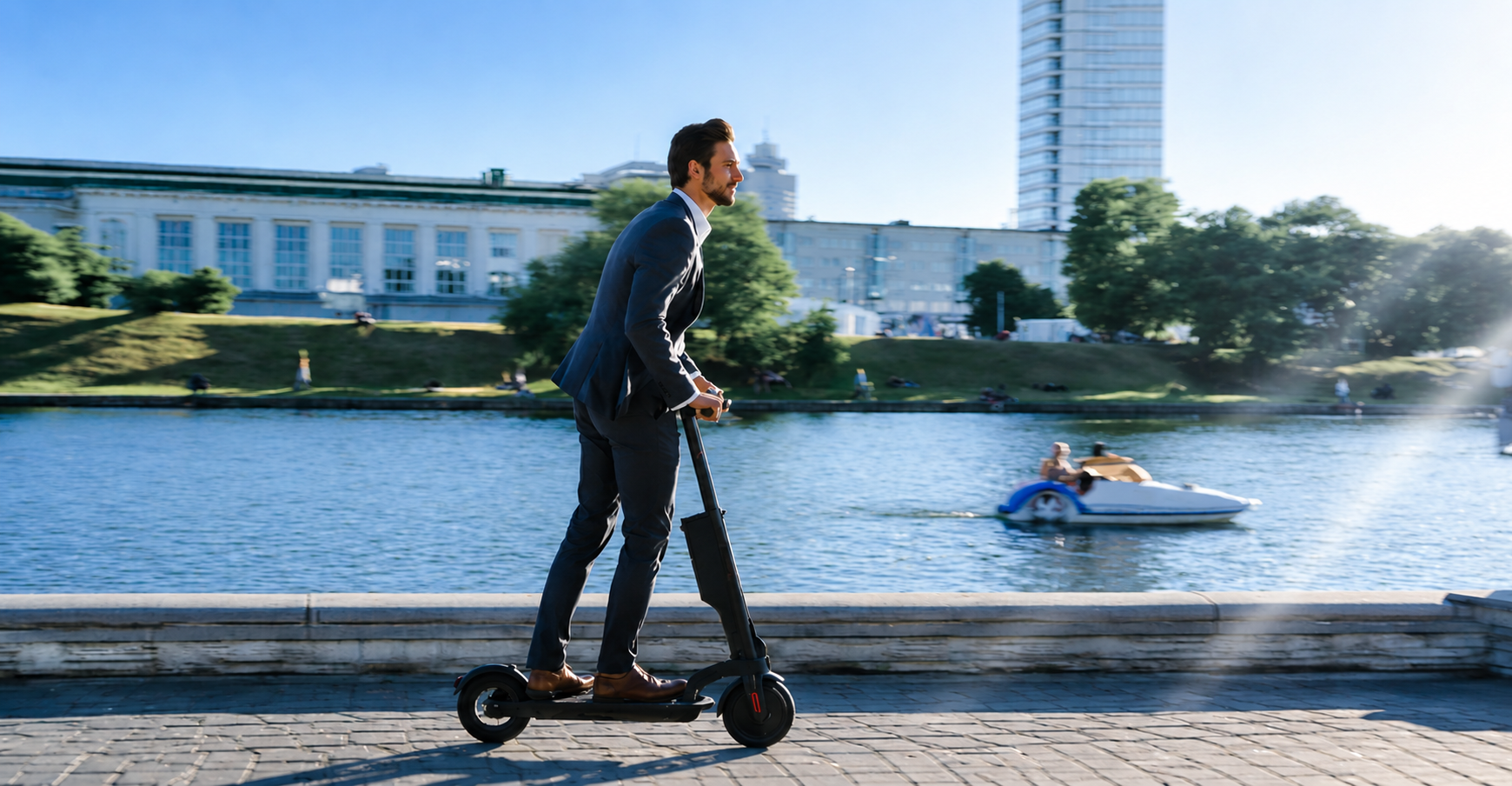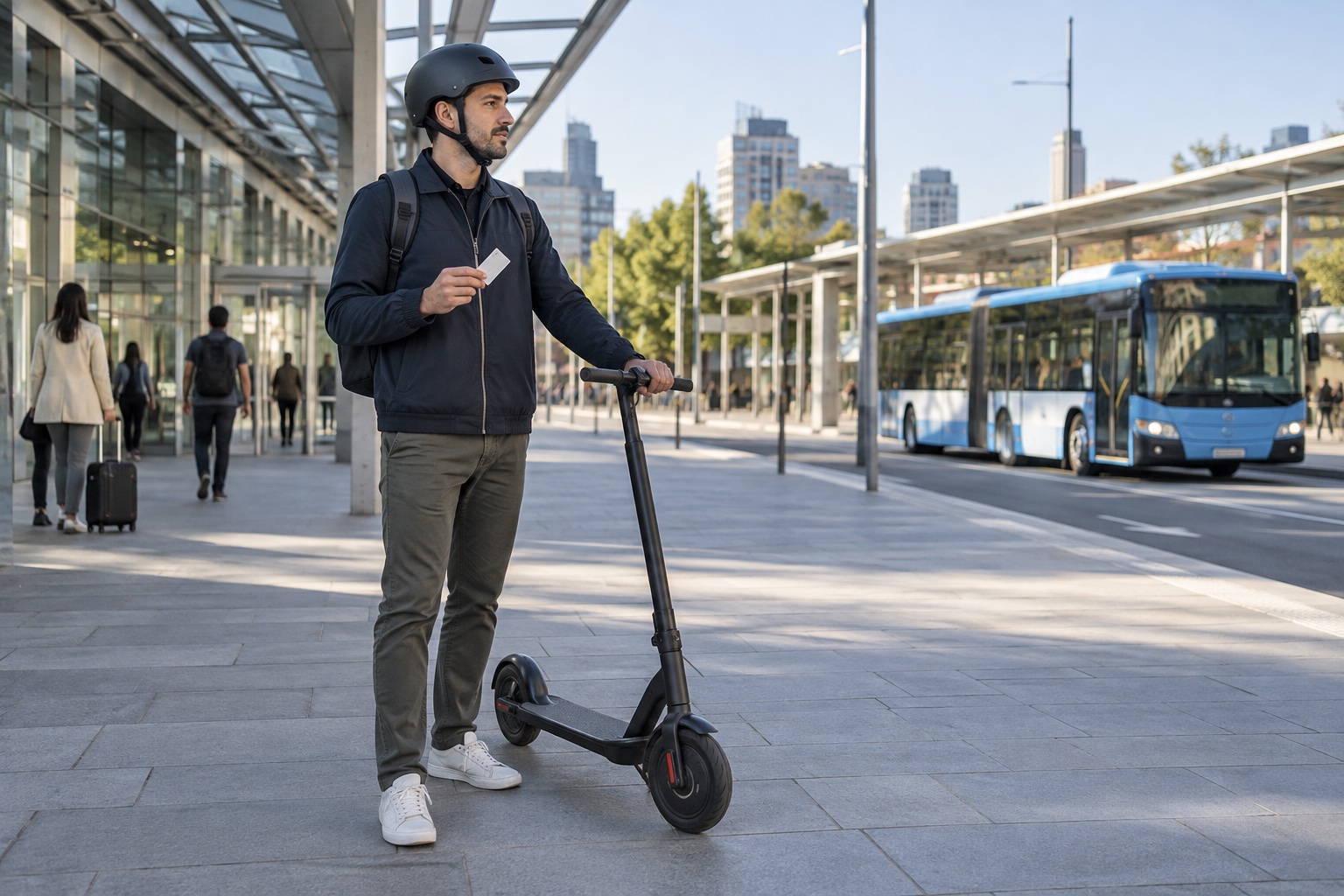

Concerned about your electric scooter’s safety? You are not alone. As e-scooters gain popularity, they become targets for thieves. The good news? Effective strategies can protect your ride. Dynamic Scooter, your Canadian micro-mobility partner, offers this guide to help secure your scooter and ensure peace of mind. We provide solutions.
To keep your electric scooter from being stolen, use high-quality U-locks or chain locks secured to an immovable object, park in well-lit, high-traffic areas, and consider using GPS trackers and alarms. Registering your scooter and making it unique also deters thieves effectively.
1. Why is Electric Scooter Theft a Growing Concern Today?
Electric scooter use is booming across Canada and the United States. It is a clear trend. This rise means more scooters, and thus, more theft opportunities. E-scooters are portable, making them easy for thieves to snatch and resell. Urban areas report increasing e-scooter thefts. Losing your scooter is more than a financial loss; it disrupts your transport and convenience. Imagine your Dynamic Scooter Model B gone – a frustrating scenario we aim to prevent. The key point is this growing issue demands proactive security from all riders. Awareness is your first defense.
2. What Are the Most Common Methods Thieves Use to Steal E-Scooters?
Thieves use various tactics. Understanding them is crucial. Many employ brute force, like bolt cutters on weak locks. An unsecured scooter is an easy target; they might just lift it. Parking in poorly lit or secluded areas increases risk significantly. Some thieves can bypass simple electronic locks or hotwire basic models. You might wonder, what can be done? Knowing these common methods—from cutting locks to exploiting isolated spots—helps you build a stronger defense for your e-scooter.
| Theft Method | Tool/Technique | Vulnerability Exploited | Key Prevention |
|---|---|---|---|
| Lock Attack | Bolt cutters, grinders | Weak or improper locks | Use high-quality U-lock/chain |
| Lift & Carry | Physical force | Unsecured, lightweight scooter | Lock to an immovable object always |
| Opportunistic (Location) | Stealth in quiet areas | Poorly lit, low traffic | Park in visible, busy locations |
| Electronic Bypass | Tampering, hotwiring | Basic or no electronic security | Opt for models with advanced security |
3. Are Certain E-Scooter Models More Prone to Theft?
Yes, some e-scooters are more appealing targets. Here is the reality. Popular, high-demand brands can attract thieves due to higher resale values. Scooters with easily removable valuable parts, like batteries, might also be targeted. A critical factor is built-in security; models lacking integrated alarms or robust locks are riskier. It is logical. While premium models like our Dynamic Scooter Model B offer better features, their value can also attract thieves. Thieves often assess risk versus reward: if your scooter seems hard to steal or trace, they will likely move on. Knowing your model’s risks helps you choose security.

4. How Can a Robust Locking Strategy Effectively Prevent E-Scooter Theft?
A strong locking strategy is your primary shield. The aim is deterrence. Make your e-scooter appear too difficult for a thief. Using multiple quality locks creates layered security, increasing the effort needed. Proper technique is vital: always lock the frame (not just a wheel) to a genuinely immovable object, like a cemented bike rack. Remember this, a flimsy signpost is not secure. Visible, sturdy locks also act as a strong visual deterrent. If a thief sees your scooter is well-secured, they will likely seek an easier target. This proactive stance is key.
5. What Are the Best Types of Locks to Secure Your Electric Scooter?
Choosing the right lock is essential. Let us be specific. U-locks (D-locks) of hardened steel are recommended for cut resistance. Look for reputable brands and high security ratings. Heavy-duty chain locks offer flexibility for various objects; ensure links are thick and hardened. Folding locks balance security and portability, but quality varies. Disc brake locks, especially with alarms, add another layer by immobilizing a wheel and sounding off. A crucial tip: avoid relying solely on cable locks for primary security; they are too easily cut. Use them for accessories or as a secondary deterrent.

6. Where Are the Safest Locations to Park and Secure Your E-Scooter?
Parking smart is as vital as locking smart. Consider this carefully. Always choose well-lit, high-traffic areas. Thieves prefer to work unnoticed. Designated scooter or bike parking with fixed racks are good. If possible, parking indoors – a secure garage or office storage – is safest. CCTV coverage can also deter thieves. What to avoid? Isolated, dimly lit spots, especially overnight. Before leaving your Dynamic Scooter, assess the location’s safety. A little caution in parking makes a big difference in preventing theft. Minimize criminal opportunity.
| Location Feature | Risk Level | Recommendation |
|---|---|---|
| Well-lit, High Traffic | Low | Preferred parking, increased visibility |
| Designated Parking Racks | Low | Use if available, designed for security |
| Indoors/Secure Private | Very Low | Optimal choice whenever possible (garage, office) |
| CCTV Coverage | Medium-Low | Adds a layer of deterrence and potential evidence |
| Isolated/Dimly Lit | High | Avoid, especially overnight; prime for thieves |

7. Can GPS Trackers Significantly Improve the Chances of Recovering a Stolen E-Scooter?
GPS trackers can be invaluable if theft occurs. Here is how they assist. These devices let you track your scooter’s location in real-time, usually via a smartphone app. This information is crucial for police recovery efforts. Many trackers offer geofencing, alerting you if your scooter leaves a set area. However, note this. Signal strength can be an issue, and battery life needs monitoring. While a tracker does not prevent theft, it significantly boosts recovery odds. For an e-scooter, a GPS tracker, with good physical security, is a smart investment.
8. How Effective Are Audible Alarms in Deterring E-Scooter Thieves?
Audible alarms can be a surprisingly effective deterrent. The reason is straightforward: thieves dislike attention. A loud alarm, built-in or aftermarket, attracts it. Motion-activated alarms sound if the scooter is tampered with, often startling the thief into fleeing. The surprise element is potent. This protects your scooter and alerts nearby people. While false alarms are a concern with low-quality units, a reliable system adds significant protection. Some Dynamic Scooter models may offer integrated alarms. An alarm makes your scooter a riskier target.

9. What Is the Importance of Registering Your E-Scooter for Theft Prevention and Recovery?
Registering your e-scooter is a simple, impactful step. Why is it important? National and local registration databases (like BikeRegister) record your ownership, linking the serial number to you. If stolen and recovered, registration helps police return it. It is solid proof. Registered scooters are harder for thieves to resell. Buyers and pawn shops might check registration; police can identify stolen property easily. We urge Dynamic Scooter owners to register their vehicles. It is a small effort for a big security boost.
10. Do Modern E-Scooters Come with Advanced Built-in Security Features?
Yes, many modern e-scooters now include sophisticated security. Manufacturers are adapting. Features like app-controlled locking, integrated alarms, and immobilizers are more common. Some scooters use NFC cards or digital keys for startup, making hotwiring harder. What does this mean? When choosing an e-scooter, like a Dynamic Scooter, look for these built-in protections. While not replacing a good physical lock, they add valuable defense layers, making your scooter a smarter, more secure investment. Firmware updates can also add security enhancements.
| Built-in Security Feature | How it Works | Benefit |
|---|---|---|
| App-Controlled Lock | Immobilizes scooter via smartphone app | Convenient remote security, potential alerts |
| Integrated Alarm | Sounds siren upon unauthorized movement | Deters thieves, attracts attention |
| Immobilizer | Prevents motor from starting without auth. | Stops hotwiring attempts |
| NFC/Digital Key Start | Requires specific card/app signal to operate | Enhances protection against unauthorized use |

11. How Can You Make Your E-Scooter a Less Appealing Target for Thieves?
Beyond security devices, make your scooter less attractive. Be resourceful. Personalization helps. Unique stickers or discreet engravings make your scooter identifiable and harder to resell. If it stands out, it is riskier. Removing valuable accessories like phone mounts when parked reduces temptation. A simple but effective measure. Security marking kits (UV pens, microdots) offer another way to prove ownership if recovered. The goal is to make a thief think your scooter is too much trouble or too risky. These small touches can deter.
12. What Immediate Steps Should You Take if Your E-Scooter Is Stolen?
Discovering your e-scooter stolen is distressing. But act quickly. First: report to police immediately. Provide all details – make, model (e.g., Dynamic Scooter Model B), serial number, color, unique marks. Photos help. Note the last seen time/location. Next, if insured, contact your insurer promptly. Do not delay. Check online marketplaces (Kijiji, eBay) and pawn shops; thieves sell fast. If you have a GPS tracker, activate it and share data with police (do not attempt recovery yourself). Alerting community groups can also assist. Swift action maximizes recovery chances.

13. How Can Community Involvement and Awareness Programs Help Reduce E-Scooter Theft?
Individual security is vital, but community efforts amplify protection. There is power in unity. Neighborhood watch programs can include e-scooter security. More vigilant eyes mean fewer thief opportunities. Sharing info about suspicious activity locally helps. Promoting secure parking among all riders creates a less favorable environment for theft. It is about shared vigilance. Working with authorities to improve public scooter parking, like installing secure racks in lit areas, also contributes. Awareness campaigns educate riders, making the community safer for all.

14. Does E-Scooter Insurance Typically Cover Theft, and Is It a Worthwhile Investment?
Insurance can offer a financial buffer. But check policy details. Some homeowner’s or renter’s insurance might offer limited coverage, often with exclusions or low limits. Specialized e-scooter insurance is increasingly available and usually offers better theft coverage. Key checks: coverage limits (replacement cost or actual cash value?), deductible, and exclusions. The specifics are crucial. Its worth depends on scooter value (a premium Dynamic Scooter may warrant it), risk, and budget. For claims, a police report and proof of ownership are usually needed.
| Insurance Aspect | Key Question | Implication for You |
|---|---|---|
| Coverage Type | Home/Renters or Specialized E-Scooter Policy? | Determines if/how theft is covered. |
| Policy Limits | What is the maximum payout? | Affects financial recovery post-theft. |
| Deductible Amount | How much do you pay first? | Impacts the net benefit of a claim. |
| Exclusions | What situations or items are NOT covered? | Avoids surprises if you need to make a claim. |
| Claim Process | What documentation and steps are required? | Ensures you can navigate the process smoothly. |
15. What Future Technologies and Innovations Could Enhance E-Scooter Security?
The fight against e-scooter theft evolves with technology. The outlook is positive. Biometric authentication, like fingerprint scanners, could offer personalized security, making your scooter operable only by you. Imagine your Dynamic Scooter responding only to your touch. AI-powered anti-theft systems might learn usage patterns and flag anomalies, triggering alerts. It is an exciting development. More deeply integrated smart locks, perhaps with remote disabling beyond current apps, could offer greater resistance. Blockchain ownership registries could create transparent records, making it harder for thieves to profit. These technologies point towards more secure e-scooters.
In conclusion, protecting your electric scooter requires a comprehensive strategy. Be proactive, not reactive. By understanding risks, investing in quality locks, choosing safe parking, and using technology like GPS and alarms, you reduce vulnerability. Register your scooter and consider insurance. What single action will you take today to improve your scooter’s security? For more tips on securing your Dynamic Scooter, visit our website or contact support. Ride smart, ride safe!
For top-tier security and peace of mind, choose Dynamic Scooters. Our models, like the Model B, feature robust designs and options for advanced anti-theft protection. Ride confidently.

FAQ Section
Q1: What is the very first action I should take if I discover my electric scooter has been stolen?
Immediately report the theft to local police. Provide all details: make, model, serial number, color, unique marks, and last known location. A prompt report is vital for recovery and insurance.
Q2: How exactly do GPS trackers for electric scooters function to help locate them?
GPS trackers use satellite signals for real-time location, accessible via an app or web platform. Many offer geofencing, alerting you if the scooter leaves a set area, aiding swift notification.
Q3: Are simple cable locks generally considered sufficient for securing an electric scooter against theft?
No, cable locks are not sufficient for primary security. They are easily cut. Use them as a secondary deterrent or for accessories; a robust U-lock or chain lock should secure the frame.
Q4: Is it possible to install an aftermarket alarm system on any model of electric scooter?
Many aftermarket alarms are universally compatible. However, verify specific compatibility with your model, and consider installation ease and power source before buying.
Q5: What specific information is typically required when registering an electric scooter with a security database?
Typically, provide the scooter’s serial number, make, model, and color. Have photos and personal contact info ready. Some registers might also request proof of purchase for verification.