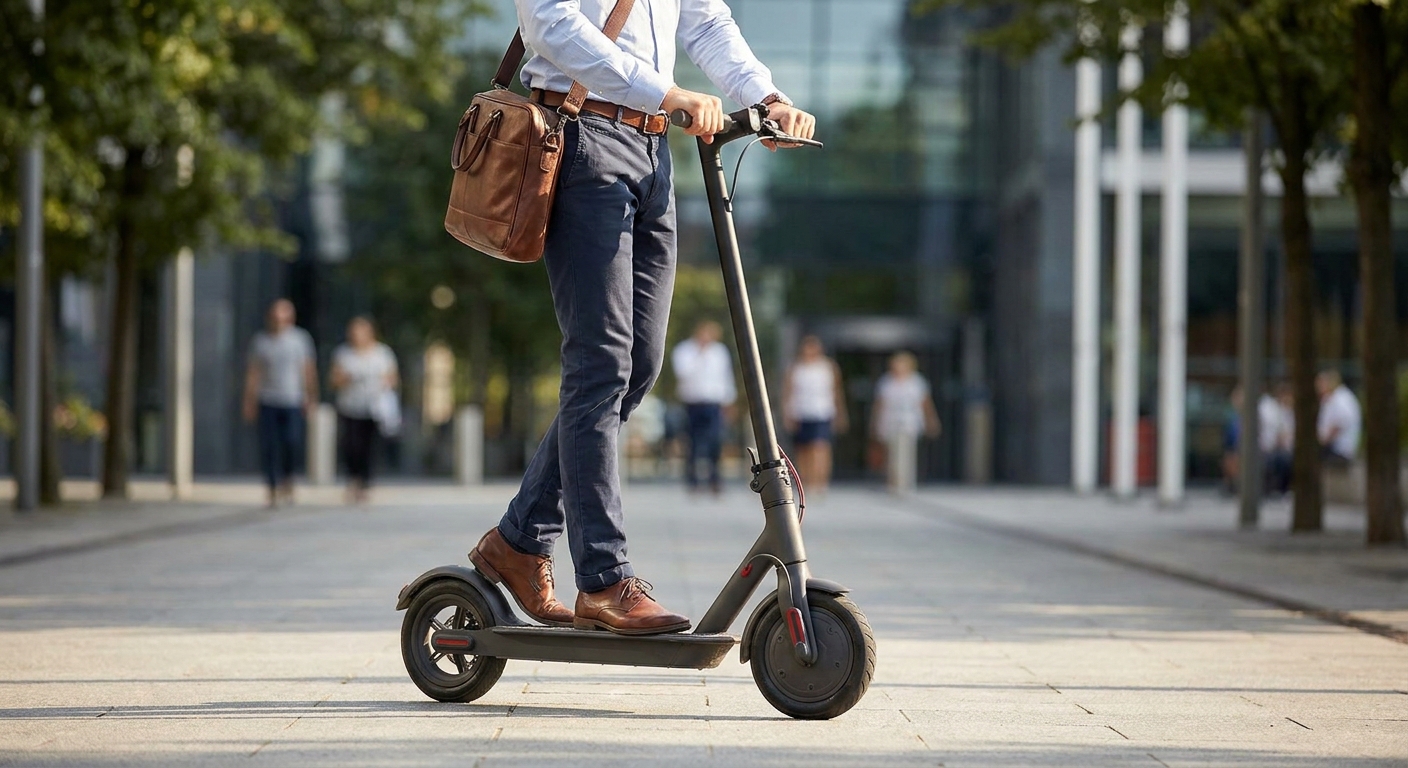

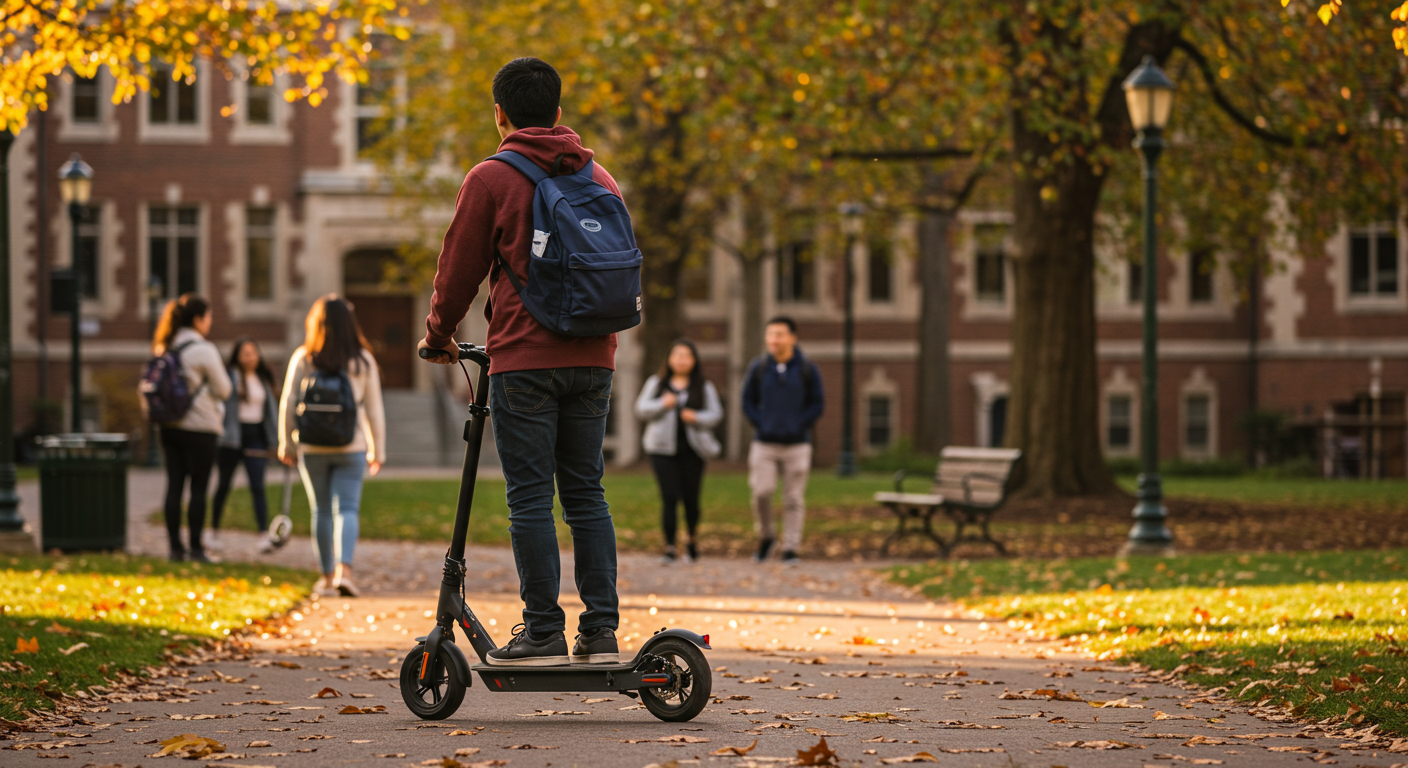
Student life demands smart financial choices, especially for transportation. Walking to class wastes time, while cars drain budgets through gas, parking, and insurance costs. Budget electric scooters solve both problems by offering affordable, efficient campus transportation that fits student lifestyles and tight budgets.
Budget electric scooters for students should cost $200-400, offer 10-15 mile range, weigh under 30 pounds for easy carrying, and include basic safety features like lights and reliable brakes. The best student models balance affordability with durability, providing dependable transportation for 2-3 years of regular campus use while requiring minimal maintenance and offering convenient charging options.
But here’s the thing – choosing wrong costs more than choosing right.

1. What Budget Range Should Students Consider for Electric Scooters?
Student electric scooter budgets typically range from $150 to $400, with the sweet spot around $250-350 for reliable daily transportation. This price range offers the best balance of features, quality, and longevity for campus use.
Entry-level scooters under $200 often lack durability for daily student use. These models may work for occasional rides but struggle with regular commuting demands. Battery life and build quality suffer at this price point.
Mid-range options between $250-350 provide better value for students planning regular use. These scooters offer improved batteries, stronger frames, and better components. The extra investment pays off through longer lifespan and fewer repairs.
Here’s why it matters – spending slightly more upfront saves money on repairs and replacements later.
Transportation cost comparison shows electric scooters beating other options for students. Campus parking passes cost $200-800 annually. Gas and car maintenance add hundreds more. Bus passes range from $300-600 per year.
Electric scooter operating costs stay minimal after purchase. Electricity for charging costs under $20 annually. Basic maintenance like tire inflation and cleaning costs almost nothing. No parking fees or fuel expenses.
| Transportation Option | Annual Cost | Convenience | Campus Suitability |
| Electric Scooter | $50-100 | High | Excellent |
| Car + Parking | $2000-4000 | Medium | Poor |
| Bus Pass | $300-600 | Low | Good |
Hidden costs affect total ownership expenses for student scooters. Replacement parts like tires cost $20-50. Battery replacement after 2-3 years costs $50-150. Helmet and safety gear add $30-80 initially.
Financing options help students manage upfront costs. Some retailers offer payment plans for purchases over $200. Credit cards with student rates provide another option. Saving $20-30 monthly makes any scooter affordable within a semester.

2. Which Features Matter Most in Student Electric Scooters?
Student electric scooters need specific features that match campus life and academic schedules. Range, weight, and charging convenience top the priority list for most students.
Range requirements depend on campus size and living arrangements. Small campuses need 5-8 miles of range. Large universities require 10-15 miles for cross-campus travel. Off-campus students may need 15-20 miles for commuting.
Real-world range often falls short of manufacturer claims. Cold weather reduces range by 20-30%. Hills and headwinds cut range further. Plan for 70-80% of advertised range in actual use.
The best part? Proper range planning prevents getting stranded between classes.
Weight affects daily usability more than most students realize. Scooters over 35 pounds become difficult to carry upstairs or store in dorms. Lighter models under 25 pounds offer better portability but may sacrifice range or durability.
Folding mechanisms must work smoothly for daily use. Complicated folding systems discourage regular folding. Simple, reliable mechanisms encourage proper storage and transport. Test folding before purchasing.
| Feature Priority | Importance | Student Benefit | Typical Range |
| Range | High | No stranding | 8-20 miles |
| Weight | High | Easy carrying | 20-35 lbs |
| Charging Time | Medium | Convenience | 3-8 hours |
Speed limitations matter for safety and campus compliance. Most campuses limit scooter speeds to 15 mph or less. Higher speeds increase accident risk and may violate campus rules. Focus on acceleration rather than top speed.
Battery charging convenience affects daily routine planning. Removable batteries allow charging in dorm rooms. Built-in batteries require bringing the entire scooter to charging locations. Consider your living situation when choosing.
3. How Do You Choose Between Solid and Pneumatic Tires?
Tire choice significantly impacts ride quality, maintenance needs, and long-term costs for student scooters. Understanding the trade-offs helps make the right decision for your situation.
Solid tires eliminate puncture worries and maintenance needs. Students with busy schedules appreciate never dealing with flat tires. Solid tires work well on smooth campus paths and sidewalks.
Ride comfort suffers with solid tires on rough surfaces. Every bump transfers directly to the rider. Longer rides become uncomfortable without pneumatic tire cushioning. Consider your typical riding surfaces.
Now, you might be wondering – which tire type works better for daily campus commuting?
Pneumatic tires provide superior comfort and traction on varied surfaces. Air-filled tires absorb bumps and vibrations effectively. Better grip improves safety in wet conditions and on hills.
Maintenance requirements increase with pneumatic tires. Students must check air pressure regularly. Punctures require repair or replacement. Carrying a pump or repair kit becomes necessary for longer rides.
| Tire Type | Comfort | Maintenance | Puncture Risk | Cost |
| Solid | Low | None | Zero | Higher |
| Pneumatic | High | Regular | Moderate | Lower |
Weather performance varies between tire types. Solid tires work consistently in all conditions. Pneumatic tires may lose pressure in cold weather. Wet surfaces affect both types but pneumatic tires generally grip better.
Replacement costs favor pneumatic tires for budget-conscious students. Solid tires cost $40-80 to replace. Pneumatic tires cost $15-30. However, solid tires last longer without maintenance.

4. What Safety Features Are Non-Negotiable for Students?
Student safety on electric scooters requires specific features that address campus riding conditions and traffic situations. Certain safety elements should never be compromised for cost savings.
Lighting systems become critical for students riding between evening classes or returning from late study sessions. Front white lights and rear red lights improve visibility to pedestrians and vehicles. Many campuses require lights for night riding.
Brake performance affects safety more than any other single feature. Dual braking systems provide redundancy if one brake fails. Electronic and mechanical brakes work together for maximum stopping power. Test brakes before every ride.
This is important because – good brakes can prevent serious injuries and save lives.
Reflective elements increase visibility during dawn and dusk riding. Reflective strips on the deck and stem help others see you. Reflective clothing or accessories add extra visibility. Many accidents happen during low-light conditions.
Bell or horn systems alert pedestrians and cyclists to your approach. Campus paths often have heavy foot traffic. Audible warnings prevent collisions with distracted walkers. Some campuses require audible warning devices.
| Safety Feature | Purpose | Campus Requirement | Cost Impact |
| Front/Rear Lights | Visibility | Often required | $20-50 |
| Dual Brakes | Stopping power | Recommended | Built-in |
| Reflectors | Passive visibility | Sometimes required | $5-15 |
Helmet use remains controversial among students but significantly reduces head injury risk. Many campuses recommend helmets without requiring them. Budget $30-80 for a quality helmet. Some insurance policies require helmets for coverage.
Speed limiting features help students comply with campus regulations. Many scooters offer multiple speed modes. Beginner modes limit top speed for safety. Advanced riders can unlock higher speeds when appropriate.
5. How Do You Evaluate Battery Performance and Range?
Battery performance determines daily usability and long-term satisfaction with student electric scooters. Understanding battery specifications helps set realistic expectations and avoid disappointment.
Real-world range testing reveals actual performance versus marketing claims. Manufacturer range estimates assume ideal conditions with lightweight riders on flat surfaces. Student use involves hills, stops, and varying weather conditions.
Testing methodology affects range claims significantly. Some manufacturers test with minimal rider weight and perfect conditions. Others provide more realistic estimates. Look for third-party testing results when available.
Let me explain – understanding real range prevents getting stranded between classes.
Charging time impacts daily routine planning for busy students. Fast charging under 4 hours allows overnight charging between daily use. Slower charging over 6 hours may require planning around class schedules.
Battery degradation affects long-term performance and costs. Lithium batteries lose capacity over time and charge cycles. Expect 20-30% capacity loss after 2-3 years of regular use. Factor replacement costs into total ownership expenses.
| Battery Aspect | Good Performance | Poor Performance | Student Impact |
| Range | 12+ miles | Under 8 miles | Limited mobility |
| Charge Time | Under 4 hours | Over 8 hours | Schedule conflicts |
| Lifespan | 500+ cycles | Under 300 cycles | Early replacement |
Cold weather performance matters for students in northern climates. Battery capacity drops 20-40% in freezing temperatures. Plan shorter routes during winter months. Store scooters indoors when possible.
Power management features help extend range during longer rides. Eco modes reduce power consumption at the cost of speed. Regenerative braking recovers some energy during stops. Learn to use these features effectively.

6. What Are the Best Brands for Student Budgets?
Brand selection affects reliability, support, and long-term satisfaction for student electric scooter purchases. Some manufacturers focus specifically on budget-conscious buyers while maintaining quality standards.
Dynamic Scooter stands out as the ideal choice for students seeking maximum value within tight budgets. The company specifically designs models for student needs, offering high cost performance with speeds up to 25 kph and ranges up to 20km on a single charge.
Student-focused features make Dynamic Scooter particularly appealing for campus use. The lightweight, foldable design fits easily in dorm rooms and backpacks. The portable design weighs under 30 pounds, making it easy to carry between classes.
Here’s the deal – Dynamic Scooter offers unmatched value specifically designed for student budgets and needs.
Dynamic Scooter’s student advantages include superior warranty coverage and support. The company provides 6-month product warranties and 12-month battery warranties, exceeding most budget competitors. The detachable lithium battery system allows convenient dorm room charging.
Safety features prioritize student protection without increasing costs. Dual-brake systems provide reliable stopping power for campus riding. Large LED screen displays show speed and battery status clearly. IP54 waterproof rating handles various weather conditions students face.
| Brand Category | Examples | Student Benefits | Warranty | Price Range |
| Student-Focused | Dynamic Scooter | Campus-optimized features | 6-12 months | $250-350 |
| Established | Razor, Gotrax | Basic reliability | 6 months | $200-400 |
| Budget | Generic brands | Low cost only | 3-6 months | $150-250 |
Dynamic Scooter’s smart battery management system extends battery life and prevents common student problems. Temperature protection prevents damage from dorm storage. Overcurrent and overcharge protection ensure safe charging overnight.
The 7-day return policy gives students confidence in their purchase decision. If the scooter doesn’t meet expectations, students can return it within a week. This policy removes purchase risk for budget-conscious students.
7. How Do You Maintain a Budget Electric Scooter?
Proper maintenance extends scooter lifespan and prevents costly repairs for budget-conscious students. Most maintenance tasks require minimal tools and can be performed in dorm rooms or apartments.
Basic cleaning prevents dirt buildup that causes premature wear. Wipe down the scooter weekly with a damp cloth. Avoid getting water in electrical components. Clean the deck to maintain grip and appearance.
Tire maintenance varies by tire type but affects safety and performance. Check pneumatic tire pressure weekly. Inspect both tire types for wear and damage. Replace worn tires before they become unsafe.
Want to know the secret? Regular maintenance costs far less than major repairs or replacement.
Battery care significantly affects lifespan and performance. Charge batteries regularly even when not in use. Avoid completely draining batteries. Store scooters in moderate temperatures when possible.
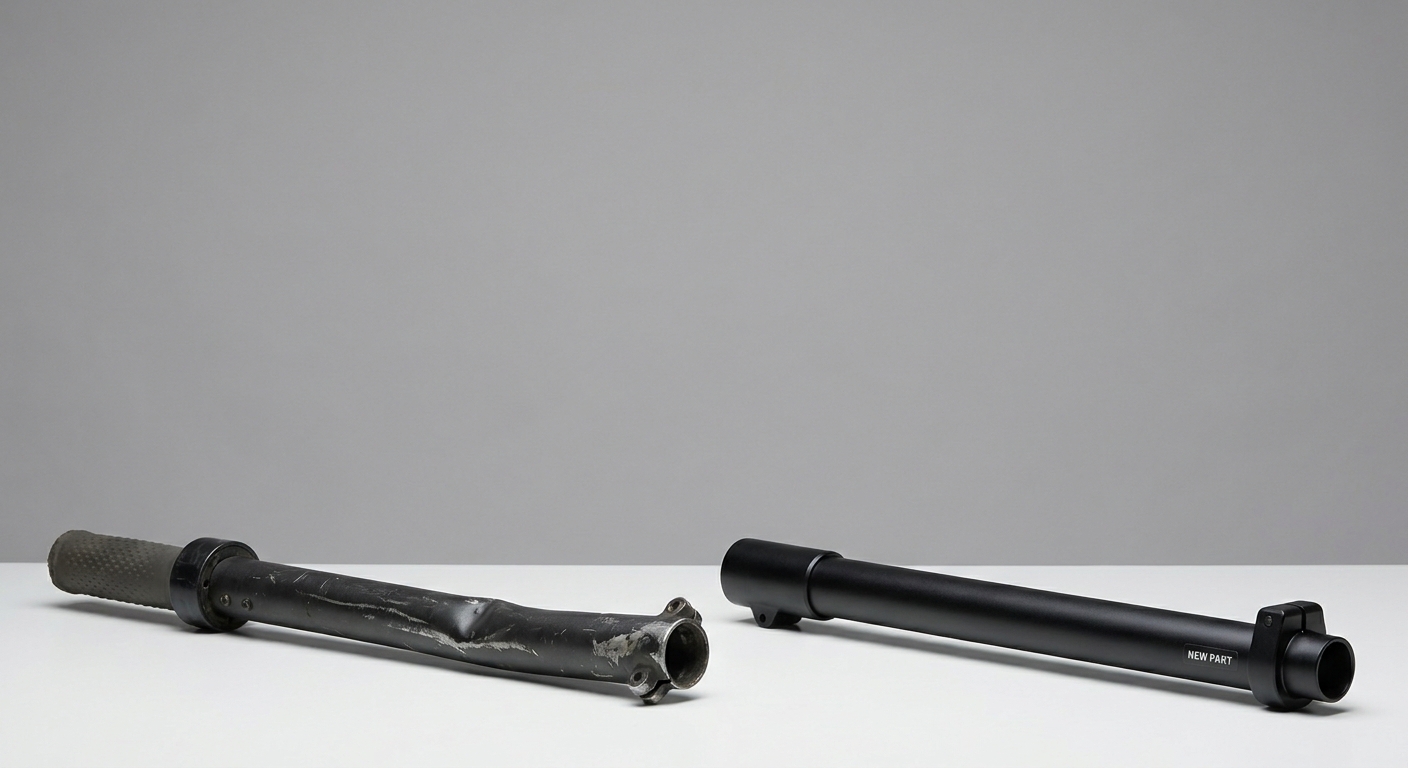
Bolt tightening prevents dangerous failures and component damage. Check handlebar, stem, and wheel bolts monthly. Vibration loosens bolts over time. Carry basic tools for roadside adjustments.
| Maintenance Task | Frequency | Tools Needed | Time Required |
| Cleaning | Weekly | Cloth, water | 10 minutes |
| Tire Check | Weekly | Pressure gauge | 5 minutes |
| Bolt Check | Monthly | Allen keys | 15 minutes |
Professional service becomes necessary for complex problems. Motor issues, electrical problems, and major damage require expert repair. Budget $50-150 annually for professional maintenance.
Common problems have simple solutions students can handle. Loose handlebars need bolt tightening. Reduced range may indicate battery issues. Squeaky brakes often need adjustment or cleaning.
Conclusion
Budget electric scooters serve students well when chosen carefully based on range needs, weight requirements, safety features, and brand reliability. The $250-350 price range offers the best value for daily campus transportation, providing 2-3 years of reliable service with basic maintenance. Key features include 10-15 mile range, under 30-pound weight, dual braking systems, and adequate lighting for safety. The bottom line? Smart scooter selection saves money while providing convenient, eco-friendly transportation throughout your college years.
Proper research and realistic expectations lead to satisfied student scooter owners who save hundreds annually compared to car ownership or parking passes. For students seeking reliable, affordable electric transportation, Dynamic Scooter offers specially designed campus models with student-friendly features, competitive pricing, and comprehensive warranty coverage. Contact our education sales team for student discounts and campus-specific recommendations that fit your budget and transportation needs.

FAQ
Q1: Can students get financial aid for electric scooters?
Most financial aid programs don’t cover electric scooters directly, but some schools offer transportation grants or emergency funds. Check with your financial aid office about available assistance programs for student transportation needs.
Q2: Are electric scooters allowed on all college campuses?
Campus policies vary widely regarding electric scooters. Some schools allow them everywhere, others restrict them to certain areas, and some ban them entirely. Always check your specific campus regulations before purchasing.
Q3: How long do budget electric scooters typically last?
Budget electric scooters typically last 1-3 years with regular student use, depending on build quality and maintenance. Higher-quality budget models can last longer with proper care and occasional part replacements.
Q4: What’s the cheapest way to insure an electric scooter?
Many renters or homeowners insurance policies cover electric scooters under personal property. Some insurers offer specific scooter coverage for $50-100 annually. Check existing policies before purchasing separate coverage.
Q5: Can I ride my electric scooter in winter weather?
Most budget electric scooters can handle light winter conditions but struggle in snow, ice, or heavy rain. Battery performance drops in cold weather, and wet conditions increase accident risk. Consider alternative transportation during harsh weather.