
Charging your electric scooter overnight seems convenient. But many riders worry about battery damage, fire risks, and overcharging. Without proper knowledge, you might harm your scooter’s battery. You could also create safety hazards. The key is understanding modern battery management systems. You also need to follow manufacturer guidelines and use proper charging practices to safely charge overnight.
Most modern electric scooters can safely charge overnight. They use lithium-ion batteries and built-in Battery Management Systems (BMS). Quality scooters like the Dynamic Scooter Model B include overcharge protection. They also have temperature monitoring and automatic shutoff features. These prevent damage during extended charging periods. However, proper charging habits remain important. Environmental conditions also matter for battery longevity and safety.
Here’s the thing – not all scooters are created equal when it comes to charging safety.
1. What Happens When You Charge an Electric Scooter Overnight?
Modern electric scooters use sophisticated charging systems that manage power flow automatically. Here’s why it matters – understanding the charging process helps you make informed decisions about overnight charging safety and battery longevity.
Lithium-ion batteries charge in three distinct phases that occur automatically during overnight sessions. The first phase delivers constant current until the battery reaches about 80% capacity. This phase typically takes 2-4 hours depending on battery size and charger output.
The second phase switches to constant voltage while current gradually decreases. This phase fine-tunes the charge level and typically lasts 1-2 hours. The final phase maintains a trickle charge to keep the battery at 100% without overcharging.
Battery Management Systems monitor voltage, current, and temperature throughout charging. These systems prevent overcharging by stopping power flow when batteries reach full capacity. Quality BMS units also balance individual cells and protect against temperature extremes.
| Charging Phase | Duration | Safety Features | Power Consumption |
| Constant Current | 2-4 hours | Current limiting | High |
| Constant Voltage | 1-2 hours | Voltage regulation | Medium |
| Maintenance | Ongoing | Overcharge protection | Very Low |
The Dynamic Scooter Model B includes advanced BMS technology with multiple protection layers. Temperature sensors shut down charging if batteries get too hot. Voltage monitors prevent overcharging damage. Current limiters protect against power surges and electrical faults.
Heat generation during charging is normal but must stay within safe limits. Proper ventilation prevents heat buildup that could damage batteries or create fire risks. Most quality chargers include thermal protection that reduces charging speed if temperatures rise.
Charging efficiency varies throughout the overnight cycle. The initial phases consume more electricity and generate more heat. The maintenance phase uses minimal power and produces little heat, making extended overnight charging relatively safe with quality equipment.
Smart charging algorithms in premium scooters optimize the charging process automatically. These systems adjust charging parameters based on battery condition, temperature, and age. The result is safer, more efficient charging that extends battery life.
2. How Do Battery Management Systems Protect Against Overcharging?
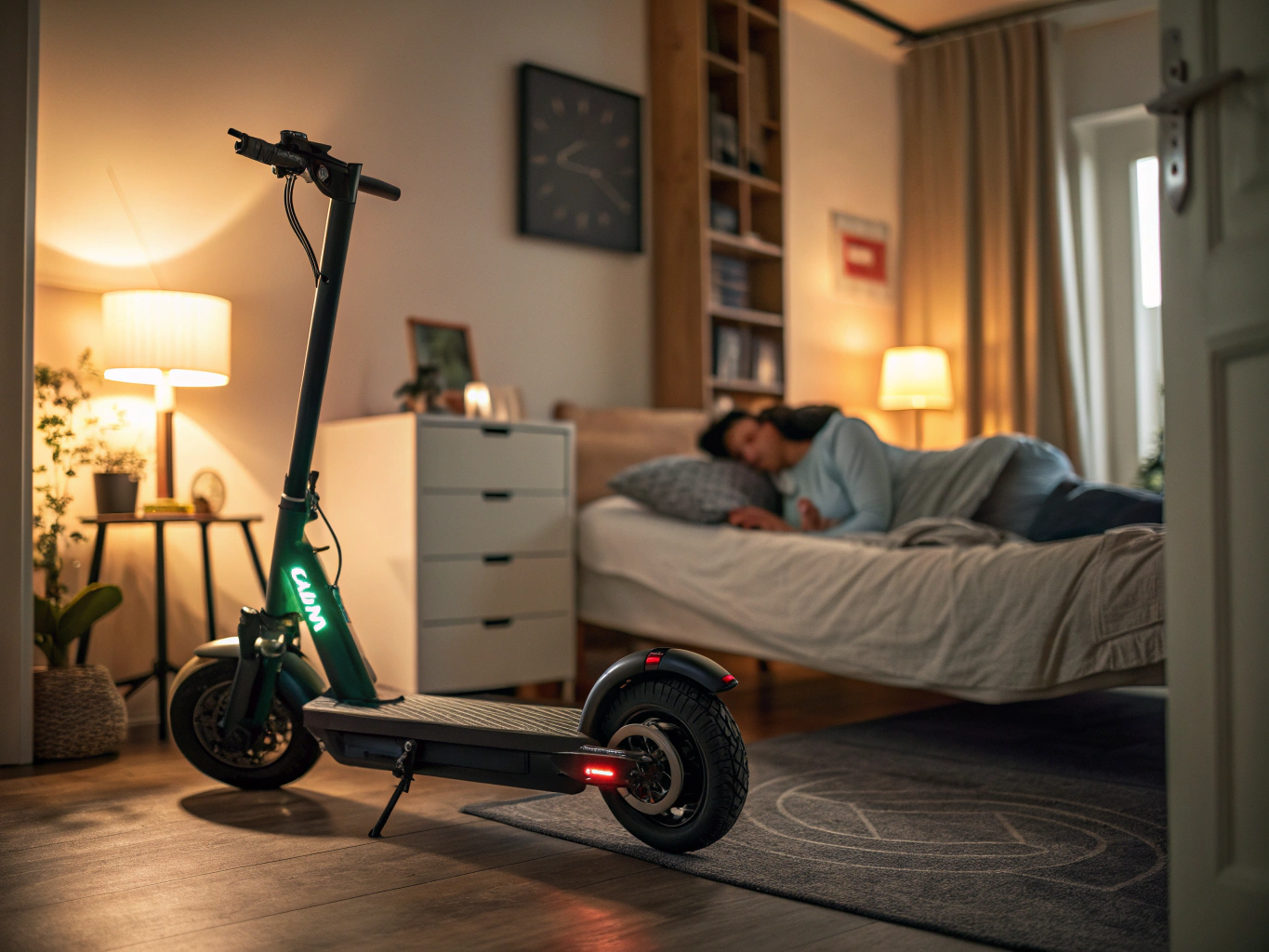
Battery Management Systems serve as the primary safety mechanism in modern electric scooters. The best part? These systems work automatically without requiring user intervention during normal operation, providing continuous protection throughout overnight charging sessions.
Overcharge protection prevents batteries from exceeding safe voltage limits through multiple monitoring systems. When batteries reach 100% capacity, the BMS stops accepting charge current. This prevents the chemical reactions that cause battery degradation and potential thermal runaway situations.
Cell balancing ensures all battery cells charge evenly during extended charging periods. Unbalanced cells can create hot spots and reduce overall battery life significantly. Quality BMS units monitor each cell individually and redirect current as needed to maintain optimal balance.
Temperature monitoring protects against thermal damage through continuous sensor feedback. If battery temperature exceeds safe limits, the BMS reduces charging current or stops charging completely. This prevents the dangerous conditions that can lead to battery fires or explosions.
| BMS Protection | Function | Benefit | Response Time |
| Overvoltage | Stops charging at full capacity | Prevents overcharging | Instant |
| Undervoltage | Prevents deep discharge | Extends battery life | Continuous |
| Overcurrent | Limits charging speed | Reduces heat buildup | Milliseconds |
| Temperature | Monitors battery heat | Prevents thermal runaway | Real-time |
Short circuit protection immediately disconnects power if electrical faults occur during charging. This prevents damage to both the battery and charging system while protecting against fire hazards. Quality BMS units can detect and respond to faults in milliseconds.
The Dynamic Scooter Model B uses a sophisticated BMS with redundant safety systems and multiple backup sensors. Multiple sensors provide backup protection if primary systems fail. This multi-layer approach significantly reduces the risk of charging-related problems.
Voltage regulation maintains precise control over charging parameters throughout the overnight cycle. The BMS continuously adjusts voltage and current to match battery requirements. This precision prevents overcharging while maximizing charging efficiency and battery longevity.
Communication protocols allow the BMS to interact with smart chargers for optimized charging. Advanced systems share battery status information with chargers to adjust charging parameters automatically. This coordination improves safety and extends battery life significantly.
3. What Are the Real Risks of Overnight Charging?
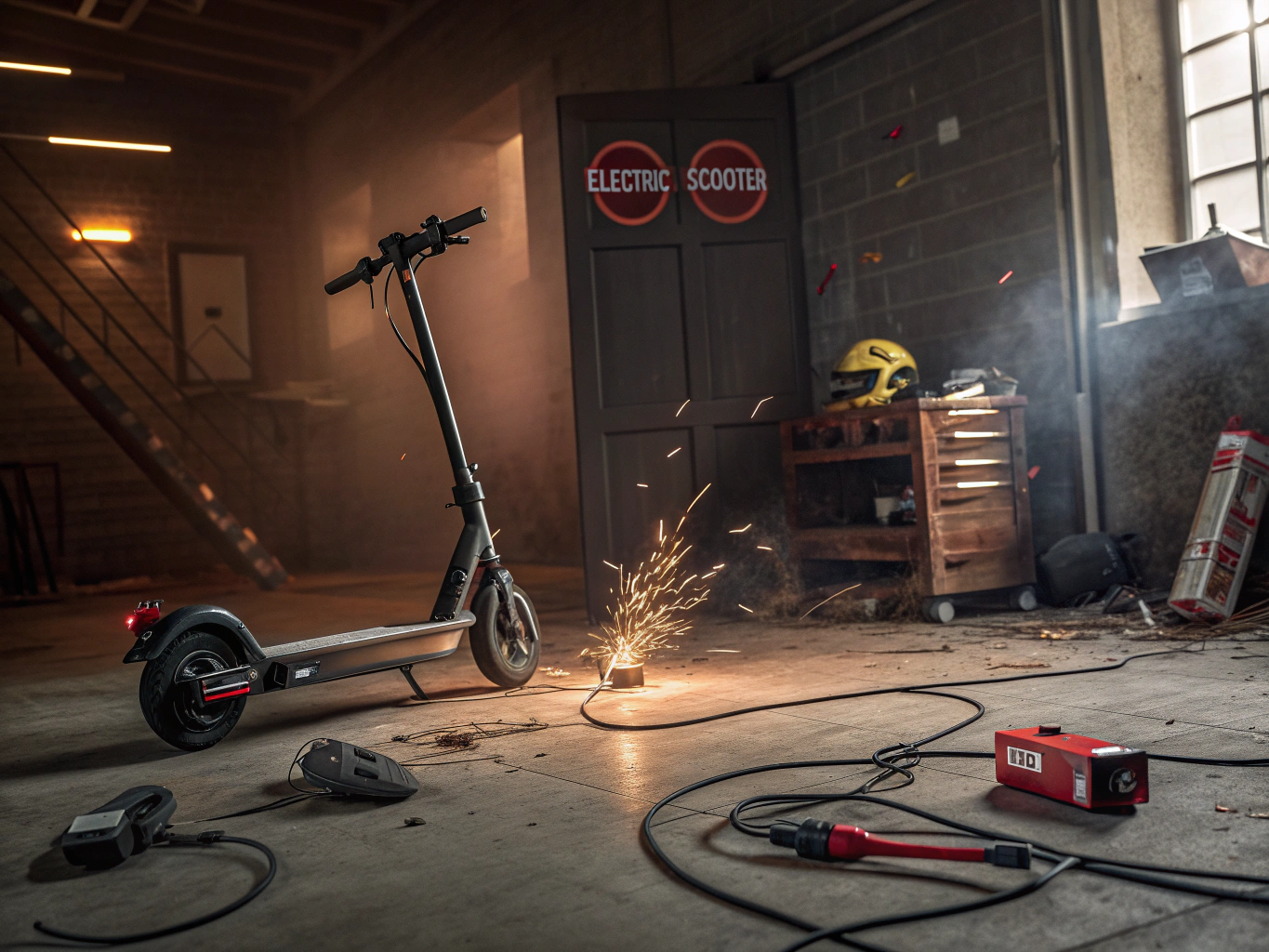
While modern scooters include safety features, some risks remain with overnight charging that users should understand. Now, you might be wondering about the actual dangers versus perceived risks when leaving scooters plugged in for extended periods.
Fire risk represents the most serious concern with overnight charging, though actual incidents remain rare with quality equipment. Faulty batteries, damaged chargers, or poor ventilation can create dangerous conditions. However, quality scooters with proper BMS significantly reduce these risks through multiple protection layers.
Battery degradation occurs faster with poor charging habits and extended high-charge states. Keeping batteries at 100% charge for extended periods can reduce their lifespan by 20-30%. Some manufacturers recommend unplugging chargers once batteries reach full capacity to minimize this effect.
Electrical hazards increase with damaged equipment or improper installation in home charging setups. Frayed cables, loose connections, or overloaded circuits create fire and shock risks. Regular equipment inspection prevents most electrical problems before they become dangerous.
| Risk Factor | Likelihood | Prevention Method | Cost Impact |
| Battery fire | Very low with quality BMS | Use certified chargers | High if occurs |
| Electrical shock | Low with proper equipment | Inspect cables regularly | Medium |
| Battery degradation | Moderate with poor habits | Follow charging guidelines | Low to medium |
| Property damage | Very low with precautions | Charge in safe locations | High if occurs |
Environmental factors affect charging safety significantly during overnight sessions. High temperatures, humidity, or poor ventilation increase risks substantially. Charging in cool, dry locations with good airflow provides the safest conditions for extended charging periods.
Counterfeit or damaged chargers pose the greatest safety risks during any charging session. These devices often lack proper safety features and may deliver incorrect voltage or current. Always use manufacturer-approved chargers for your specific scooter model to minimize risks.
Power grid fluctuations can affect charging safety during overnight sessions when electrical demand varies. Voltage spikes or drops can damage charging equipment or create unsafe conditions. Quality chargers include surge protection to handle normal grid variations.
Insurance considerations may apply to overnight charging in some residential situations. Check with your insurance provider about coverage for electric vehicle charging equipment. Some policies require specific safety measures or equipment certifications for full coverage.
4. Which Electric Scooters Are Safest for Overnight Charging?
Not all electric scooters offer the same level of charging safety for overnight use. This is important because the quality of safety systems varies dramatically between manufacturers and price points, affecting both safety and long-term reliability.
The Dynamic Scooter Model B features advanced safety systems including temperature monitoring, overcharge protection, and automatic shutoff capabilities. These systems work together to provide comprehensive protection during extended charging sessions, making overnight charging both safe and convenient.
Premium scooters typically include comprehensive BMS with multiple protection layers and redundant safety systems. These models use higher-quality components and undergo more rigorous testing. The investment in safety technology pays off through reduced risks and longer equipment life.
Budget scooters often use basic charging systems with minimal safety features that may not be suitable for overnight charging. These models may lack proper BMS or use lower-quality components that increase risks. Investing in quality equipment provides better long-term safety and reliability.
Certification standards indicate safety compliance and testing by independent organizations. Look for scooters with UL, CE, or similar safety certifications. These standards require testing of charging systems and safety features under various conditions.
| Safety Feature | Premium Models | Budget Models | Dynamic Scooter Model B | Importance |
| Advanced BMS | Yes | Limited | Yes | Critical |
| Temperature monitoring | Yes | Rare | Yes | High |
| Overcharge protection | Yes | Basic | Yes | Critical |
| Safety certifications | Multiple | Few | UL Listed | High |
Brand reputation often correlates with safety quality and customer support. Established manufacturers invest more in safety research and testing. They also provide better customer support when problems occur and maintain parts availability longer.
Warranty coverage reflects manufacturer confidence in safety systems and build quality. Longer warranties typically indicate better quality components and safety features. The Dynamic Scooter Model B includes comprehensive warranty coverage for both the scooter and battery systems.
5. How Should You Prepare Your Scooter for Overnight Charging?
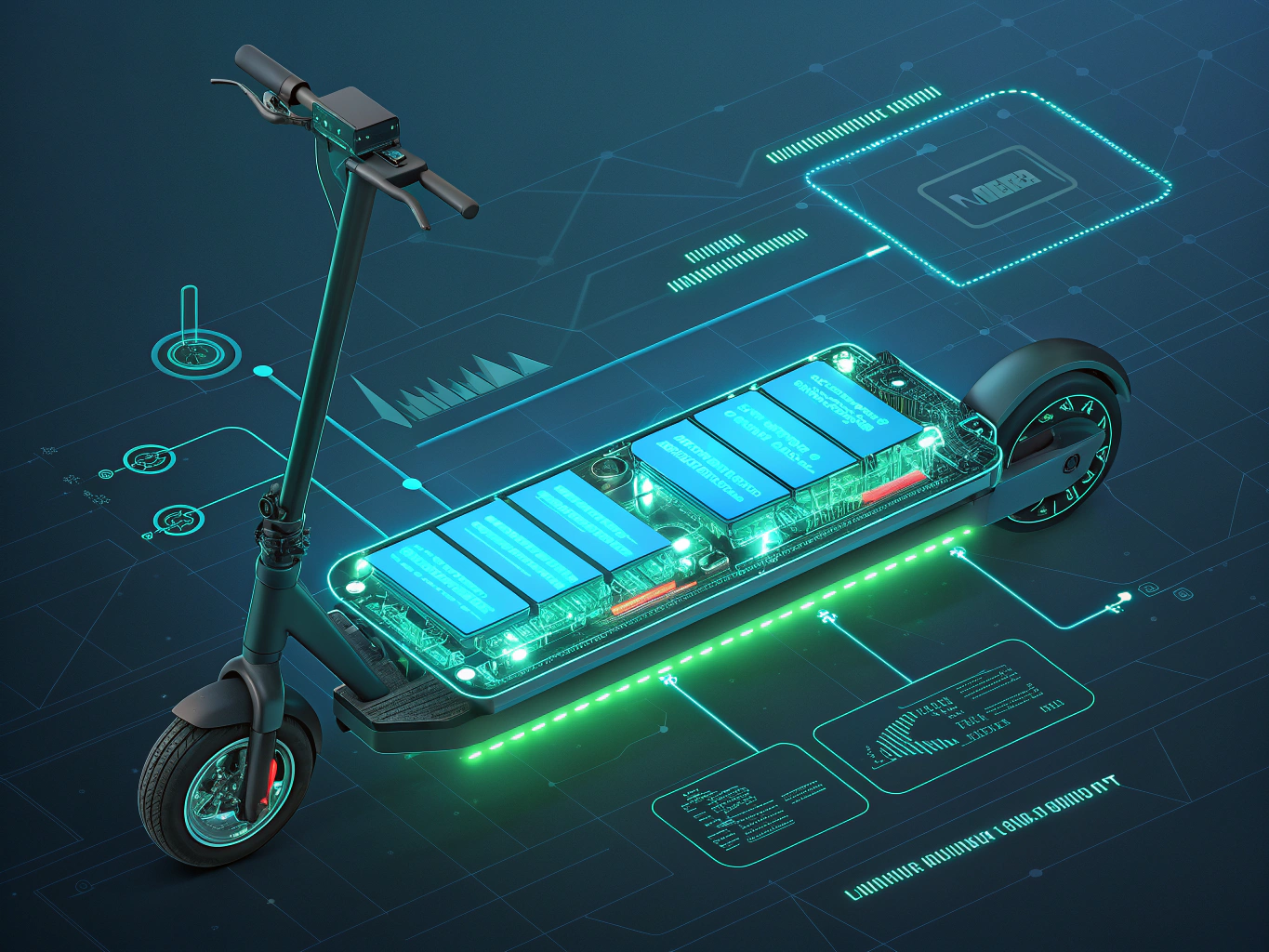
Proper preparation reduces risks and extends battery life during overnight charging sessions. Let me explain the steps that ensure safe and effective charging while protecting your investment and property.
Location selection affects both safety and charging efficiency significantly. Choose cool, dry areas with good ventilation and away from flammable materials. Avoid charging in bedrooms, closets, or other confined spaces where heat buildup could create problems.
Equipment inspection prevents problems before they start and identifies potential hazards. Check charging cables for damage, ensure connections are clean and tight, and verify that outlets can handle the charger’s power requirements safely.
Battery condition affects charging safety and efficiency throughout the overnight cycle. Clean battery terminals, check for physical damage, and ensure the battery isn’t excessively hot before connecting the charger for extended periods.
| Preparation Step | Why It Matters | Frequency | Time Required |
| Inspect cables | Prevents electrical hazards | Before each charge | 2 minutes |
| Check connections | Ensures proper charging | Weekly | 1 minute |
| Clean terminals | Improves efficiency | Monthly | 5 minutes |
| Verify ventilation | Prevents overheating | Before each charge | 1 minute |
Environmental controls help maintain safe charging conditions throughout the night. Ensure adequate airflow around the scooter and charger. Keep the charging area clean and free from dust or debris that could interfere with ventilation or create fire hazards.
Timer usage provides additional safety control for cautious users. Some riders use smart plugs or timers to automatically disconnect power after estimated charging time. This adds an extra layer of protection against extended charging, though modern BMS makes this less necessary.
6. What Charging Habits Extend Battery Life?
Smart charging practices significantly impact battery longevity and performance over time. Want to know the secret? Following manufacturer guidelines and understanding battery chemistry helps maximize your investment while maintaining safety.
Partial charging often works better than full charges for lithium-ion batteries in daily use. Keeping charge levels between 20-80% can extend battery life significantly. However, occasional full charges help calibrate battery management systems and maintain accuracy.
Charging frequency affects battery health more than charging duration in most cases. Frequent shallow charges typically cause less wear than deep discharge cycles. Most experts recommend charging when batteries reach 20-30% capacity rather than waiting for complete discharge.
Temperature management during charging prevents damage and extends life significantly. Avoid charging immediately after riding when batteries are hot. Allow cooling time before connecting chargers, especially in warm weather or after long rides.
| Charging Practice | Battery Impact | Recommended Frequency | Long-term Benefit |
| Full charge (100%) | Moderate wear | Weekly | System calibration |
| Partial charge (80%) | Minimal wear | Daily as needed | Extended lifespan |
| Deep discharge (0%) | High wear | Avoid when possible | None |
| Temperature monitoring | Prevents damage | Every charge session | Safety and longevity |
Storage charging requires different approaches than daily use charging for optimal results. For long-term storage, maintain batteries at 50-60% charge and recharge monthly. This prevents deep discharge while minimizing storage-related degradation.
The Dynamic Scooter Model B includes smart charging features that optimize battery health automatically. The system adjusts charging parameters based on battery condition and environmental factors, taking the guesswork out of proper charging practices.

7. When Should You Avoid Overnight Charging?
Certain conditions make overnight charging inadvisable or dangerous for any electric scooter. Here’s the deal – recognizing these situations helps prevent problems and ensures safe operation while protecting your investment.
Extreme temperatures create unsafe charging conditions that can damage equipment or create hazards. Avoid charging when ambient temperatures exceed 85°F or drop below 32°F. These conditions can damage batteries or create safety hazards that override BMS protection.
Damaged equipment should never be used for overnight charging under any circumstances. Cracked cases, frayed cables, or loose connections increase fire and shock risks significantly. Replace damaged components before attempting any charging, especially extended sessions.
Electrical system problems in your home affect charging safety and equipment longevity. Overloaded circuits, faulty outlets, or inadequate grounding create dangerous conditions. Have electrical issues resolved before charging expensive equipment for extended periods.
| Avoid Charging When | Risk Level | Alternative Action | Potential Consequences |
| Temperature >85°F | High | Wait for cooler conditions | Battery damage, fire risk |
| Damaged charger | Very High | Replace before use | Fire, electrocution |
| Wet conditions | High | Ensure complete drying | Short circuit, shock |
| Overloaded circuits | Medium | Use dedicated outlet | Equipment damage |
Recent battery problems indicate potential safety issues that require attention. If your scooter has experienced overheating, swelling, or unusual charging behavior, avoid overnight charging until problems are diagnosed and resolved by qualified technicians.
Travel situations often present unsuitable charging conditions for safe overnight charging. Hotel rooms, temporary accommodations, or unfamiliar electrical systems may not provide safe charging environments. Use supervised charging in uncertain situations to monitor for problems.
Conclusion
Overnight charging can be safe for modern electric scooters. This requires proper Battery Management Systems and quality components. The key factors include using manufacturer-approved chargers. You also need adequate ventilation and proper charging practices. Quality scooters with advanced BMS technology reduce risks significantly. They do this through multiple protection layers.
The bottom line? Your scooter’s safety during overnight charging depends on several factors. Equipment quality matters most. Environmental conditions are also important. Proper preparation makes a big difference. Budget models may lack adequate safety features. Premium scooters with comprehensive protection systems can handle overnight charging safely.
The Dynamic Scooter Model B provides peace of mind. It has advanced BMS and temperature monitoring. It also includes automatic safety shutoffs. Visit dynamicscooter.com to learn more. See how our Model B’s sophisticated charging system keeps your investment safe. It also provides convenient overnight charging capability.
FAQ
Q1: How long does it take to fully charge an electric scooter?
Most electric scooters require 3-6 hours for a complete charge from empty to full. Charging time depends on battery capacity, charger output, and current charge level. The Dynamic Scooter Model B typically charges fully in 3-4 hours with its included fast charger.
Q2: Can I leave my electric scooter plugged in all the time?
While modern BMS prevents overcharging, constantly keeping scooters at 100% charge can reduce battery lifespan. It’s better to unplug once fully charged or use smart plugs with timers. For daily use, charge as needed rather than maintaining constant connection.
Q3: What should I do if my scooter gets hot while charging?
Stop charging immediately if your scooter becomes excessively hot. Allow it to cool completely before investigating the cause. Check for damaged cables, blocked ventilation, or environmental factors. Contact the manufacturer if overheating persists.
Q4: Is it safe to charge my scooter in the garage?
Garages can be suitable for charging if they have adequate ventilation, stable temperatures, and proper electrical systems. Avoid charging near flammable materials or in areas with extreme temperature fluctuations. Ensure the space stays dry and well-ventilated.
Q5: How do I know if my scooter’s charger is working properly?
A properly functioning charger should have indicator lights showing charging status, maintain stable output without excessive heat, and complete charging cycles in expected timeframes. Replace chargers that overheat, spark, or fail to charge batteries properly.