
Choosing between an electric bike and electric scooter can feel overwhelming with so many factors to consider. Both offer eco-friendly transportation, but they serve different needs and lifestyles. Without proper comparison, you might invest in the wrong option for your daily commute, budget, or riding preferences.
The key is understanding the differences in speed, range, cost, portability, and practical applications to make an informed decision that matches your specific transportation needs.
Here’s the thing – the right choice depends entirely on your individual circumstances.
1. What Are the Key Differences Between Electric Bikes and Electric Scooters?
Electric bikes and electric scooters represent two distinct approaches to personal electric transportation. Here’s why it matters – understanding these fundamental differences helps you choose the option that best fits your lifestyle and transportation needs.
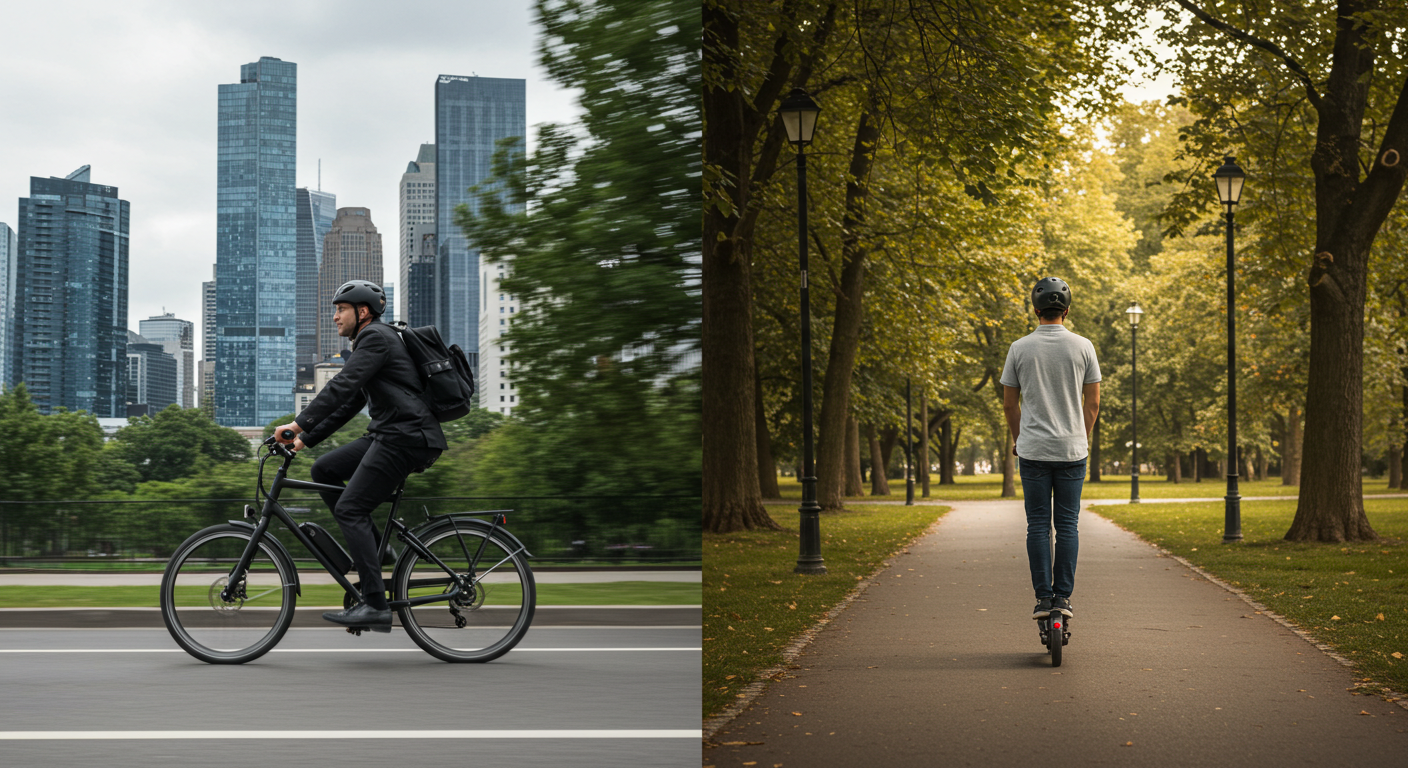
Electric bikes combine traditional pedaling with electric motor assistance. They typically feature larger frames, comfortable seating, and pedals that allow manual propulsion. Most e-bikes can travel 20-50 miles per charge and reach speeds of 20-28 mph depending on local regulations.
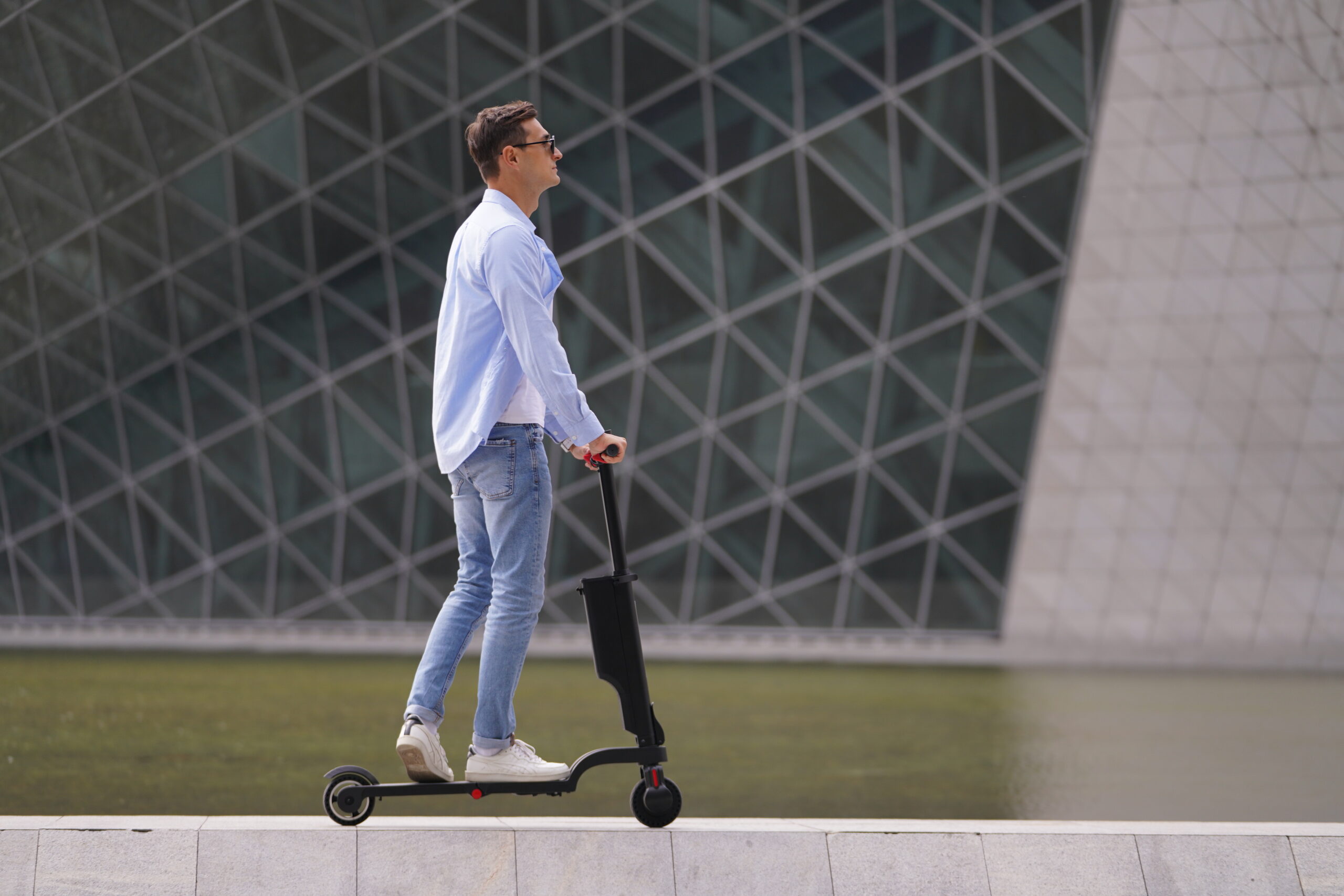
Electric scooters offer a more compact, standing-ride experience. They rely entirely on electric power with no pedaling option. Most scooters are lighter, more portable, and designed for shorter trips. Range typically spans 8-25 miles with speeds of 15-25 mph.
| Feature | Electric Bikes | Electric Scooters |
| Riding Position | Seated | Standing |
| Manual Backup | Pedaling available | None |
| Typical Range | 20-50 miles | 8-25 miles |
| Average Speed | 20-28 mph | 15-25 mph |
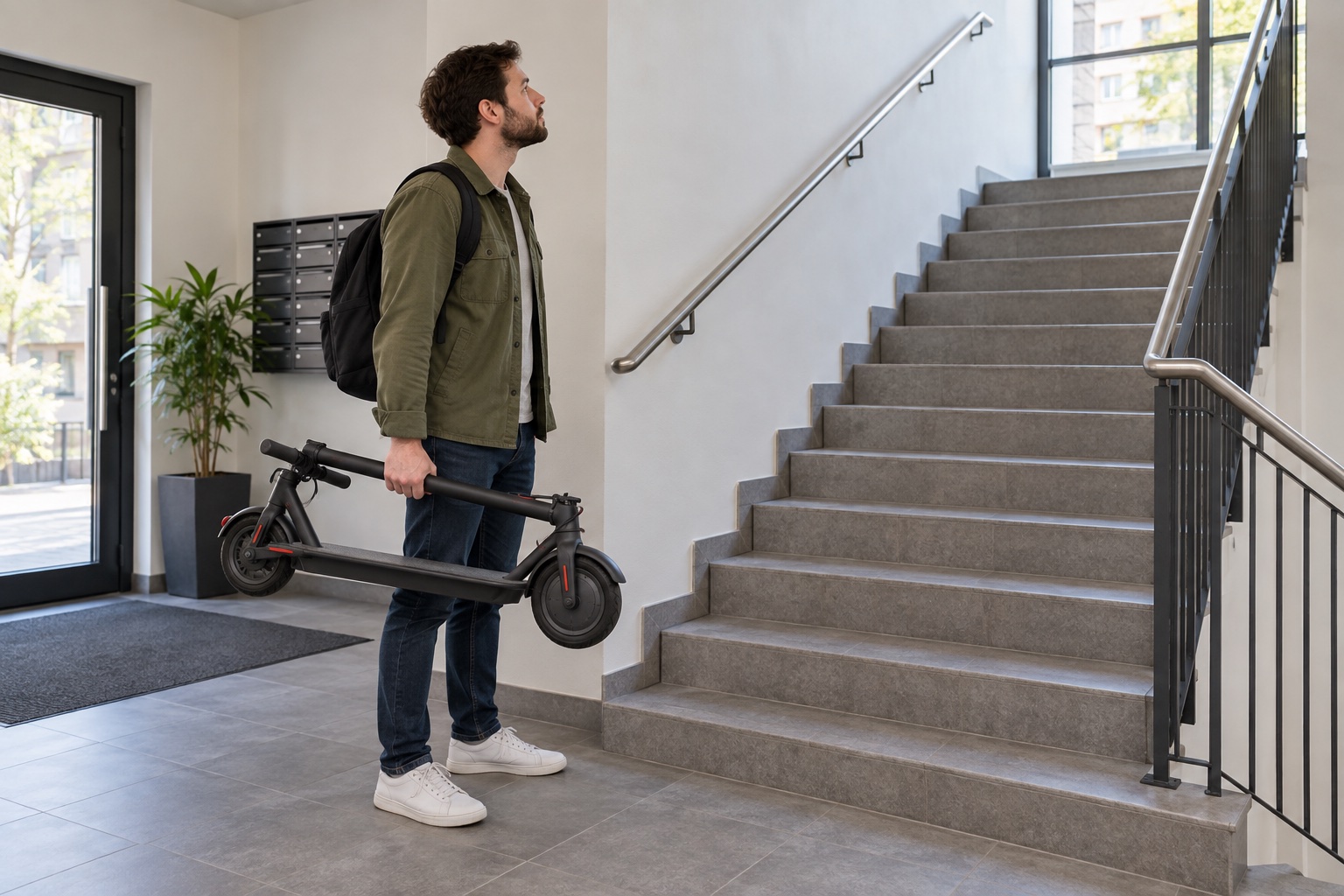
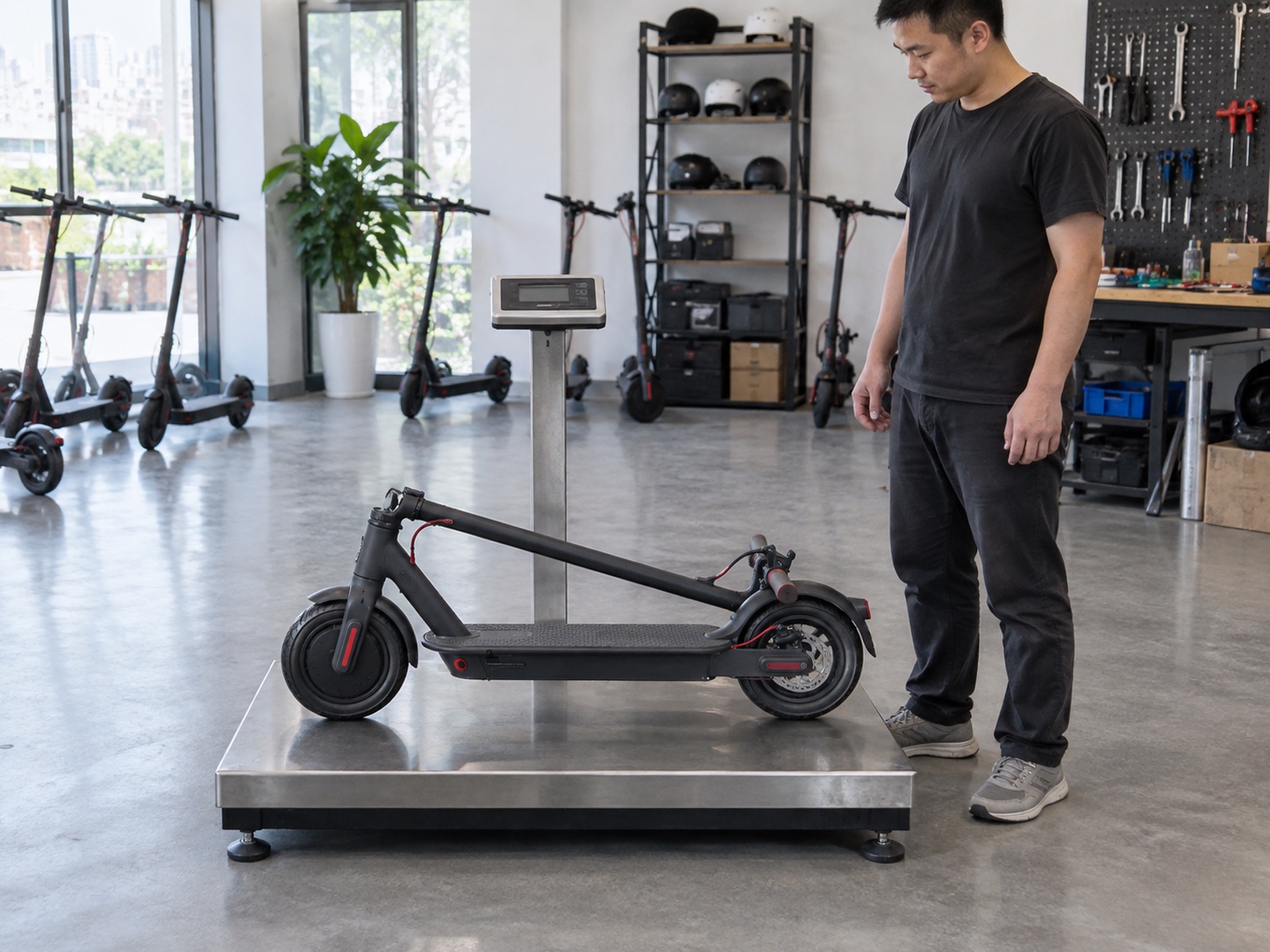
Weight differences significantly impact portability and storage. Electric bikes typically weigh 40-70 pounds, making them challenging to carry upstairs or into buildings. Electric scooters usually weigh 25-40 pounds and often fold for easier transport.
Battery placement affects balance and handling characteristics. E-bikes distribute battery weight across the frame for stability. Scooters concentrate battery weight in the deck or stem, creating different handling dynamics.
The Dynamic Scooter Model B exemplifies quality scooter design with its lightweight construction, foldable frame, and impressive 20-mile range. It bridges the gap between portability and performance that many commuters seek.
2. How Do Speed and Range Compare Between E-Bikes and E-Scooters?
Speed and range capabilities vary significantly between electric bikes and scooters, affecting their suitability for different transportation needs. The best part? Understanding these differences helps you choose based on your actual travel requirements rather than marketing claims.
Electric bikes generally offer superior range due to larger battery capacity and pedal assistance. Premium e-bikes can travel 40-80 miles on a single charge when combining electric power with pedaling. This makes them suitable for longer commutes and recreational rides.
Electric scooters prioritize portability over maximum range. Most quality scooters provide 15-25 miles of range, which covers typical urban commuting needs. The trade-off comes in the form of lighter weight and easier storage.
Speed regulations affect both vehicle types differently. In most areas, e-bikes can legally travel faster than scooters on bike paths and roads. Class 3 e-bikes can reach 28 mph with pedal assistance, while most scooters are limited to 15-20 mph.
| Performance Metric | Electric Bikes | Electric Scooters | Best For |
| Maximum Range | 40-80 miles | 15-25 miles | Long commutes vs short trips |
| Top Speed | 20-28 mph | 15-20 mph | Highway access vs city streets |
| Hill Climbing | Excellent with pedals | Good with powerful motors | Hilly terrain vs flat areas |
Real-world performance often differs from manufacturer specifications. Factors like rider weight, terrain, weather, and riding style significantly impact both speed and range. E-bikes maintain performance better under challenging conditions due to pedal backup.
Battery technology continues improving for both vehicle types. Newer lithium-ion batteries offer better energy density and longer lifespans. However, e-bike batteries typically last longer due to less frequent full discharge cycles.
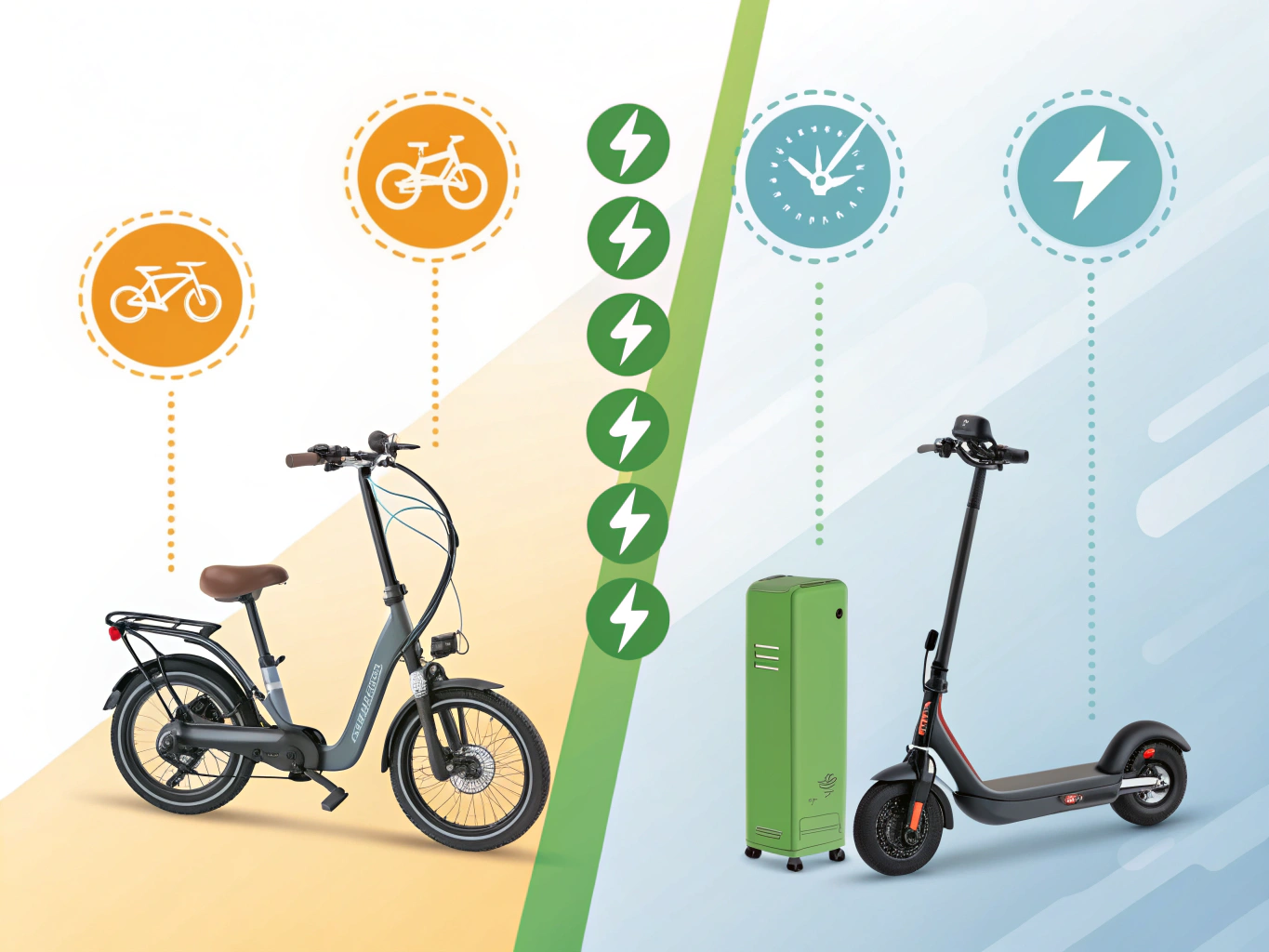
Charging time varies between models but generally favors scooters. Most e-scooters charge fully in 3-6 hours, while e-bikes may require 4-8 hours due to larger battery capacity.
3. Which Option Offers Better Value for Your Money?
Cost considerations extend beyond initial purchase price to include maintenance, insurance, and long-term value. Now, you might be wondering about the total cost of ownership for each option over several years of use.
Entry-level electric scooters start around $300-500, while quality models range from $500-1500. Premium scooters with advanced features can cost $1500-3000. The Dynamic Scooter Model B offers excellent value at $375.37 with features typically found in more expensive models.
Electric bikes generally cost more upfront, with entry-level models starting around $800-1200. Mid-range e-bikes cost $1500-3000, while premium models can exceed $5000. The higher cost reflects more complex components and larger batteries.
Maintenance costs favor electric scooters due to simpler mechanical systems. Scooters have fewer moving parts, no chain or gears, and simpler brake systems. E-bikes require regular chain maintenance, gear adjustments, and more frequent tire replacements.
| Cost Factor | Electric Bikes | Electric Scooters | Annual Difference |
| Initial Purchase | $800-5000+ | $300-3000 | Varies widely |
| Maintenance | $100-300/year | $50-150/year | $50-150 savings |
| Insurance | $100-200/year | $50-100/year | $50-100 savings |
| Replacement Parts | Higher cost | Lower cost | $100-200 savings |
Resale value typically favors electric bikes due to their durability and established market. Quality e-bikes retain 40-60% of their value after 2-3 years, while scooters may retain 30-50% depending on condition and brand reputation.
Operating costs remain minimal for both options. Electricity costs for charging average $0.05-0.15 per full charge. Both options eliminate fuel costs, parking fees, and many transportation expenses associated with cars.
Long-term value depends on usage patterns. Heavy daily users may find e-bikes more cost-effective despite higher upfront costs. Occasional users or those with short commutes often find scooters provide better value.
4. How Do Portability and Storage Requirements Differ?
Portability and storage considerations significantly impact daily usability for urban commuters and travelers. This is important because your ability to easily transport and store your vehicle affects how often you’ll actually use it.
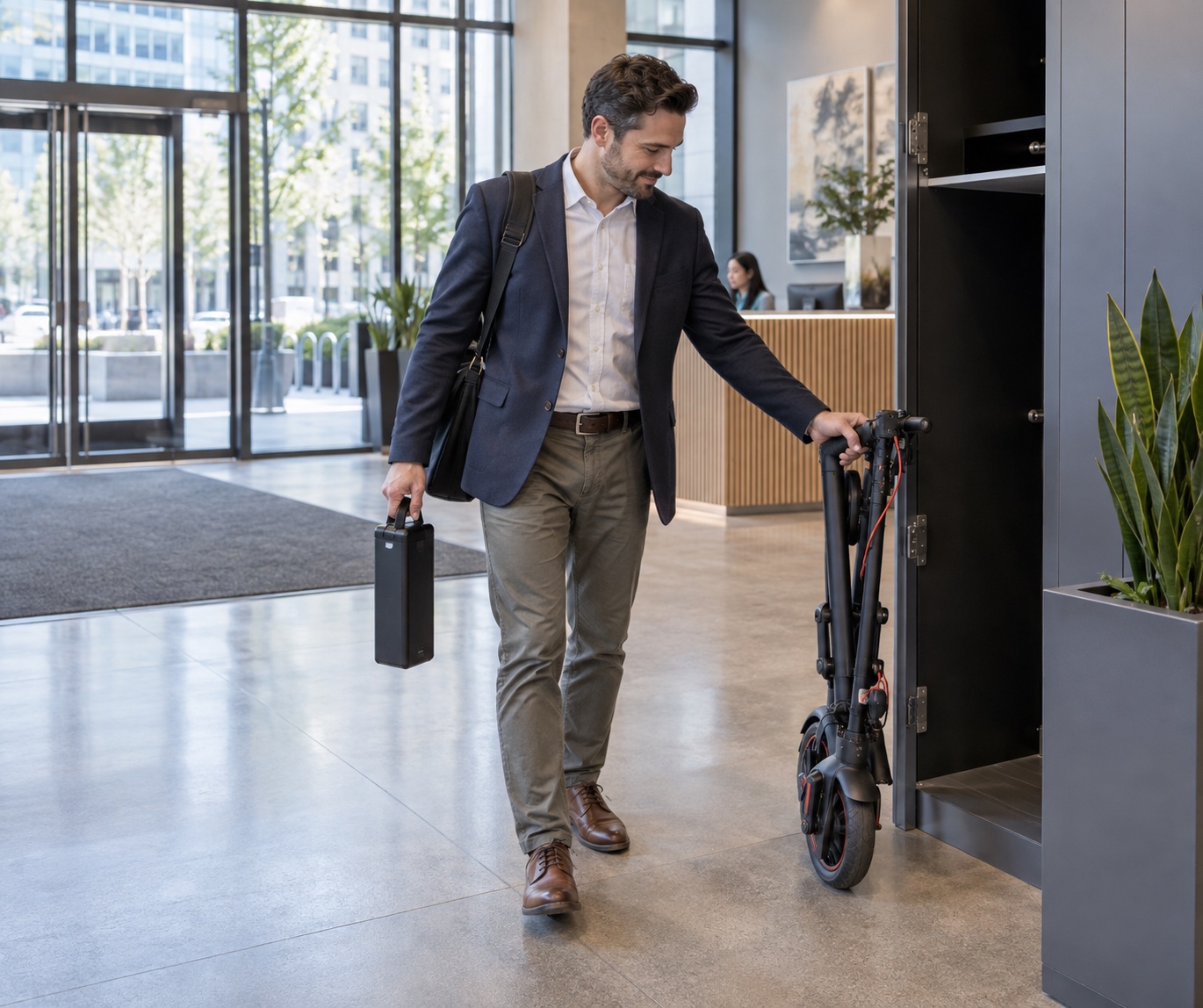
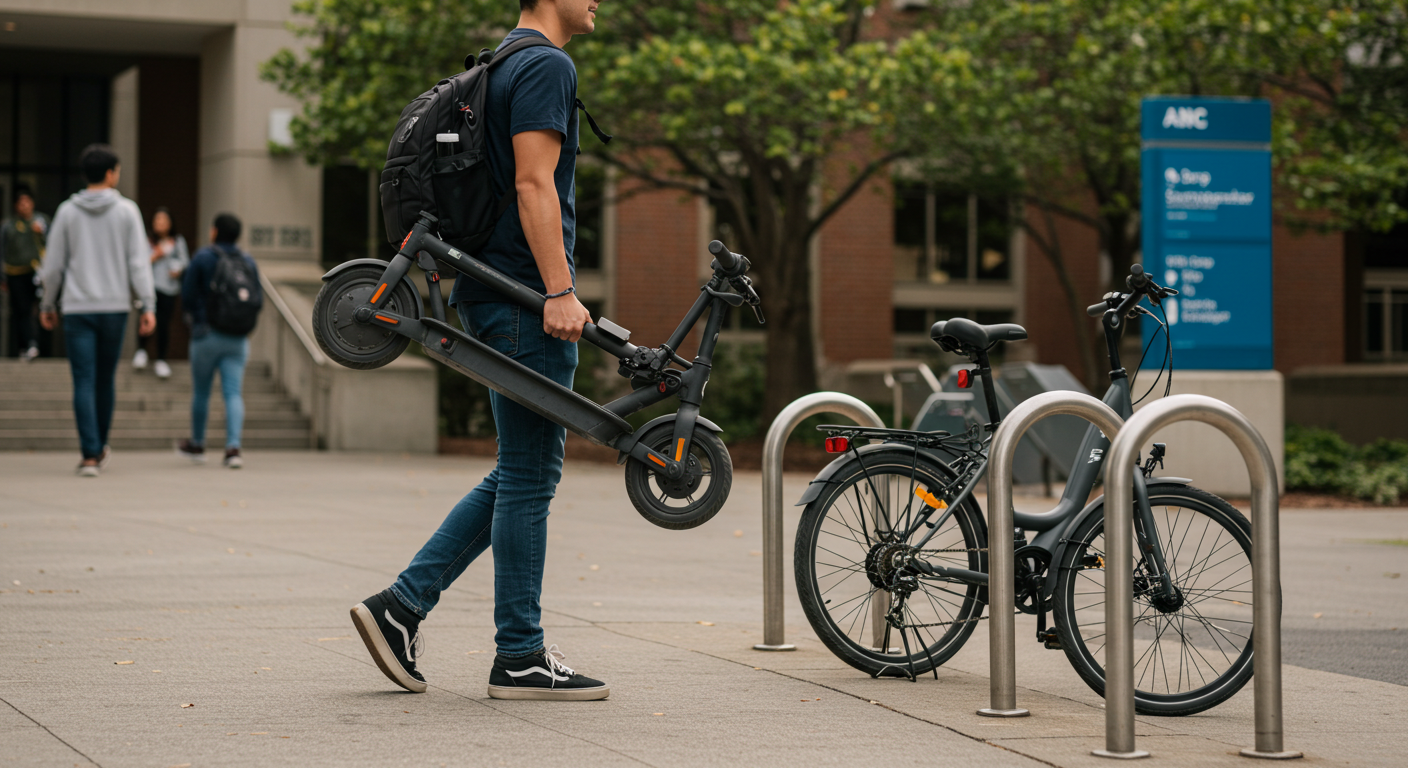
Electric scooters excel in portability due to folding mechanisms and lighter weight. Most quality scooters fold in 10-30 seconds and fit in car trunks, under desks, or in closets. The compact folded size makes them practical for multi-modal transportation.
Electric bikes require more storage space and are challenging to transport. Even folding e-bikes are bulkier and heavier than scooters when folded. Most e-bikes need dedicated parking spaces, bike racks, or garage storage.
Apartment living favors electric scooters for obvious reasons. Scooters can be stored in small spaces, carried upstairs easily, and brought indoors for security. E-bikes often require outdoor storage or dedicated indoor space.
| Storage Aspect | Electric Bikes | Electric Scooters | Urban Advantage |
| Folded Dimensions | 3x2x1 feet (typical) | 4x1x0.5 feet | Scooter wins |
| Weight When Folded | 40-70 lbs | 25-40 lbs | Scooter wins |
| Folding Time | 2-5 minutes | 10-30 seconds | Scooter wins |
| Indoor Storage | Difficult | Easy | Scooter wins |
Public transportation compatibility strongly favors scooters. Most buses, trains, and subways allow folded scooters as personal items. E-bikes often face restrictions or require special bike racks that may be full during peak hours.
Travel considerations make scooters more versatile. Folded scooters can accompany you on flights, in hotel rooms, or rental cars. E-bikes require specialized transportation and storage arrangements when traveling.
Security concerns affect both options differently. Scooters can be brought indoors, eliminating theft risk. E-bikes often require outdoor parking with locks, making them targets for theft in urban areas.
5. What Are the Safety and Legal Considerations?
Safety and legal requirements vary significantly between electric bikes and scooters, affecting where and how you can ride legally. Let me explain why understanding these differences prevents legal issues and keeps you safe on the road.
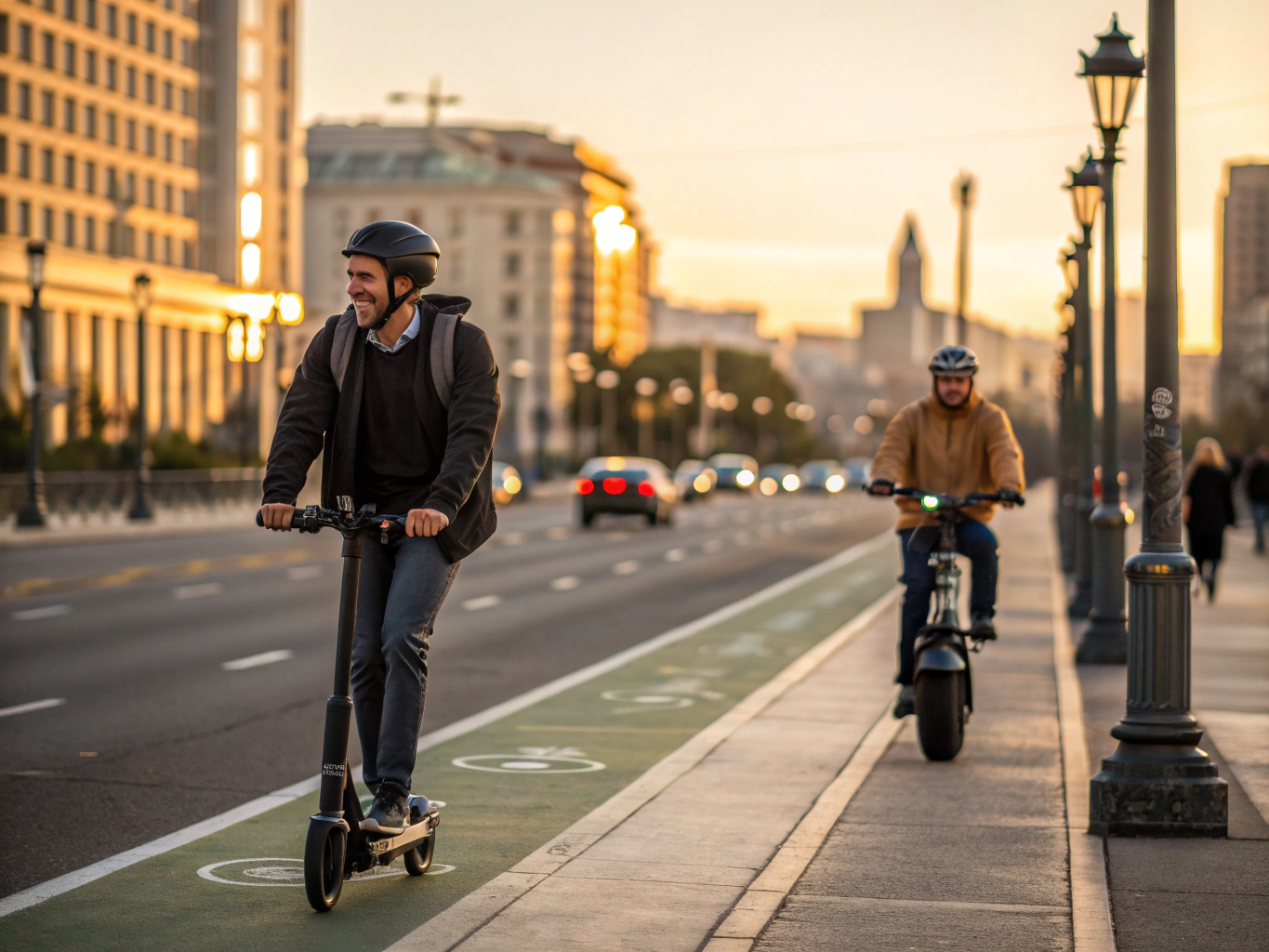
Electric bikes generally enjoy broader legal acceptance and infrastructure access. Most jurisdictions treat e-bikes similarly to traditional bicycles, allowing use on bike paths, lanes, and roads. Speed limits and power restrictions vary by location and e-bike class.
Electric scooters face more restrictive regulations in many areas. Some cities ban scooters entirely, while others limit where they can be ridden. Sidewalk riding is often prohibited, forcing scooter users onto roads where they may feel unsafe.
Helmet requirements differ between vehicle types and locations. Many areas require helmets for scooter riders but not e-bike users. Some jurisdictions have age-specific helmet requirements that affect family use considerations.
| Legal Aspect | Electric Bikes | Electric Scooters | Regulatory Trend |
| Bike Path Access | Generally allowed | Often restricted | Improving for scooters |
| Road Access | Widely permitted | Varies by location | Expanding gradually |
| Helmet Requirements | Age-dependent | Often mandatory | Becoming stricter |
| License Requirements | Rarely required | Sometimes required | Varies by power |
Safety statistics show different risk profiles for each vehicle type. E-bikes benefit from bike infrastructure and established traffic patterns. Scooters face challenges from their smaller size and less predictable handling characteristics.
Visibility concerns affect both options but impact scooters more severely. The standing position and smaller profile make scooter riders less visible to drivers. E-bike riders sit higher and present a more familiar silhouette to other road users.
Insurance availability and requirements vary by location and vehicle type. Some areas require insurance for higher-powered e-bikes or scooters. Check local requirements before purchasing either option.
6. Which Vehicle Type Suits Different Lifestyles Better?
Lifestyle compatibility determines long-term satisfaction with your electric vehicle choice. Want to know the secret? Matching vehicle characteristics to your specific needs and preferences ensures you’ll actually use your investment regularly.
Urban commuters with short to medium distances often prefer electric scooters. The portability, quick folding, and ability to bring indoors make scooters practical for city living. Office workers appreciate being able to store scooters under desks or in small spaces.
Suburban users with longer commutes typically benefit more from electric bikes. The extended range, comfortable seating, and ability to pedal when batteries run low make e-bikes suitable for longer distances and varied terrain.
Recreational users have different priorities depending on their activities. E-bikes excel for longer recreational rides, exercise, and exploring varied terrain. Scooters work well for short recreational trips and urban exploration.
| Lifestyle Factor | Electric Bikes | Electric Scooters | Best Match |
| Daily Commute >5 miles | Excellent | Limited | E-bikes |
| Apartment Living | Challenging | Excellent | Scooters |
| Exercise Goals | High benefit | Minimal benefit | E-bikes |
| Multi-modal Transport | Difficult | Easy | Scooters |
Age and physical considerations influence vehicle choice significantly. E-bikes accommodate riders with mobility limitations better due to seated position and pedal assistance. Scooters require good balance and leg strength for extended standing.
Weather tolerance varies between options. E-bikes provide better stability in wind and rain due to larger wheels and seated position. Scooters can be more challenging to control in adverse weather conditions.
Family use considerations favor different options based on needs. E-bikes can accommodate child seats and cargo, making them family-friendly. Scooters are typically single-rider vehicles, though some models offer passenger capability.
7. How Do Maintenance and Durability Compare?
Long-term ownership costs and reliability differ significantly between electric bikes and scooters. Here’s the deal – understanding maintenance requirements helps you budget for total ownership costs and choose the most reliable option for your needs.
Electric scooters generally require less maintenance due to simpler mechanical systems. Most scooters have fewer moving parts, no chains or gears, and simpler brake systems. Regular maintenance involves checking tire pressure, cleaning, and occasional brake adjustments.
Electric bikes require more complex maintenance similar to traditional bicycles plus electric components. Chain lubrication, gear adjustments, brake maintenance, and tire replacements occur more frequently. The additional complexity increases both maintenance time and costs.
Component durability varies between vehicle types and quality levels. Premium scooters like the Dynamic Scooter Model B use quality materials and components designed for daily use. Budget models may require more frequent repairs or replacements.
| Maintenance Item | Electric Bikes | Electric Scooters | Frequency Difference |
| Chain Maintenance | Monthly | Not applicable | E-bikes require more |
| Brake Adjustments | Quarterly | Semi-annually | E-bikes need more frequent |
| Tire Replacement | Every 1000-3000 miles | Every 1500-4000 miles | Similar wear rates |
| Battery Replacement | 3-5 years | 2-4 years | Varies by usage |
Weather exposure affects durability differently. E-bikes typically have better weather sealing and more robust construction. Scooters may be more vulnerable to water damage if not properly sealed, though quality models include adequate protection.
Repair complexity favors scooters for basic maintenance. Most scooter repairs can be performed with basic tools and minimal mechanical knowledge. E-bike repairs often require specialized tools and more technical expertise.
Parts availability and cost impact long-term ownership. E-bike parts are widely available due to compatibility with traditional bicycle components. Scooter parts may be more model-specific.
Conclusion
Choosing between an electric bike and electric scooter depends on your specific needs, lifestyle, and priorities. Electric bikes offer superior range, comfort, and versatility for longer commutes and recreational use. Electric scooters provide unmatched portability, easier storage, and lower maintenance for urban commuting and short trips.
The bottom line? Consider your daily travel distance, storage limitations, budget, and intended use. For commutes under 10 miles with storage constraints, electric scooters often provide the best solution. For longer distances, exercise benefits, or varied terrain, electric bikes typically offer better value.
The Dynamic Scooter Model B represents an excellent middle ground, offering 20-mile range, quality construction, and competitive pricing at $375.37. With code SS10, you save 10% plus fast shipping for just $29.90. Visit dynamicscooter.com to see how our Model B combines the best aspects of electric mobility in a portable, reliable package that fits your urban lifestyle.
FAQ
Q1: Can electric bikes and scooters be used in the rain?
Most quality electric bikes and scooters have water-resistant ratings (IP54 or higher) that allow light rain use. However, avoid riding in heavy rain or through deep puddles. Always dry your vehicle thoroughly after wet weather exposure and store indoors when possible.
Q2: How long do batteries last on electric bikes vs scooters?
Electric bike batteries typically last 3-5 years or 500-1000 charge cycles due to larger capacity and less frequent full discharges. Electric scooter batteries usually last 2-4 years or 300-800 cycles. Proper charging habits and storage extend battery life for both vehicle types.
Q3: Do I need a license to ride an electric bike or scooter?
Most areas don’t require licenses for e-bikes under 750W or scooters under 1000W. However, regulations vary by location, vehicle power, and speed capabilities. Check local laws before purchasing, as some areas require registration, insurance, or licenses for higher-powered models.
Q4: Which is better for exercise – electric bikes or scooters?
Electric bikes provide significantly more exercise benefits due to pedaling options and pedal-assist modes. You can adjust assistance levels to increase workout intensity. Electric scooters provide minimal exercise, mainly engaging core muscles for balance during standing rides.
Q5: How much does it cost to charge an electric bike vs scooter?
Charging costs are minimal for both options. Electric bikes cost approximately $0.10-0.20 per full charge due to larger batteries. Electric scooters cost about $0.05-0.15 per charge. Annual electricity costs typically range from $20-50 for regular users of either vehicle type.