
Choosing the wrong e-MTB can lead to frustration and wasted money. You might end up with a bike that lacks the power for steep climbs or a battery that dies halfway through your ride. This guide will help you find the perfect electric mountain bike for your needs.
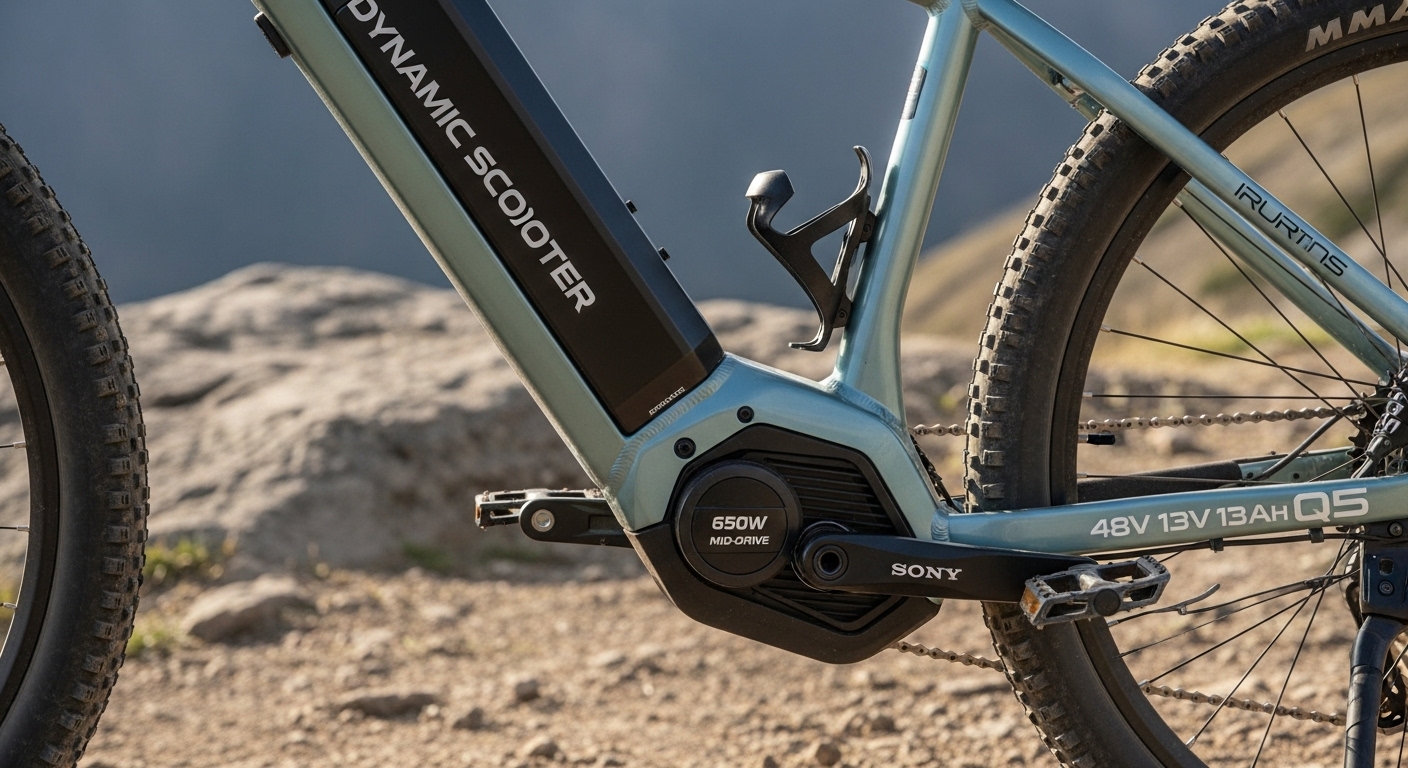
The best electric mountain bike combines a powerful motor, a long-lasting battery, a durable frame, and reliable components. Key features to look for include a mid-drive motor for balanced power, a battery with at least 500Wh for extended range, full suspension for trail comfort, and hydraulic disc brakes for safe stopping. Models like the Dynamic Scooter Electric Mountain Bike Q5 offer a 650W motor, a 48V 13Ah removable battery, and all-terrain tires, providing a versatile and high-performance riding experience for both commuting and off-road adventures.
But how do you know which features are right for you? Let’s break it down.
1. What defines an electric mountain bike?
An electric mountain bike, or e-MTB, is a bicycle with an electric motor. The motor helps you pedal. Unlike a motorcycle, it does not replace your effort. It just adds to it. This makes steep hills easier. You can ride longer and keep up with faster riders. Every e-MTB has three main parts: a motor, a battery, and a strong frame. These parts work together. They give you the power to ride trails that were too hard before.
Traditional mountain bikes rely solely on the rider’s power. An e-MTB gives you extra power. Here’s the deal… this assistance is what makes them so appealing. It opens up a new world of possibilities for riders of all skill levels. You can choose between two main types of assistance: pedal-assist systems (PAS) and throttles. PAS provides power only when you are pedaling. The motor senses your effort and adds power. This feels natural. A throttle lets you turn on the motor on demand. You do not need to pedal. Most modern electric mountain bike focus on PAS. This gives a more natural riding feel. It also helps with battery life. PAS systems often have multiple levels. You can pick how much help you want. This lets you save battery on easy sections. You can use more power on hard climbs.
| Feature | Electric Mountain Bike (e-MTB) | Traditional Mountain Bike |
| Propulsion | Rider power + Electric motor assist | Rider power only |
| Best For | Hills, long distances, mixed skill groups | Fitness, technical skill building |
| Weight | Heavier due to motor and battery | Lighter and more nimble |
2. How do you choose the right motor and battery?
Picking the right motor and battery is your biggest choice. The motor is the heart of the bike. It gives you power for tough climbs and speed. There are two main types: hub motors and mid-drive motors. Hub motors sit in the wheel’s hub. Mid-drive motors sit at the bike’s crank. Most riders prefer mid-drive motors for e-MTBs. They offer better balance and a more natural feel. Motor power is measured in watts (W). Torque is measured in newton-meters (Nm). For trail riding, look for at least 500W and 60Nm of torque.
The battery is your fuel tank. It decides how far you can ride on one charge. Battery capacity is measured in watt-hours (Wh). You get Wh by multiplying volts (V) by amp-hours (Ah). A bigger Wh number means a longer range. A 48V 13Ah battery, like on the Dynamic Scooter Q5, offers about 624Wh. This gives you a long range. The bottom line? You should also think about battery type. A removable battery is easy to charge off the bike. An integrated battery looks sleeker.
| Motor & Battery Feature | Recommendation for Trail Riding | Why It Matters |
| Motor Type | Mid-Drive | Better balance and power transfer |
| Motor Power | 650W or higher | Sufficient power for steep climbs |
| Battery Capacity | 600Wh or higher | Longer range for extended rides |
| Battery Style | Removable | Easier charging and security |
3. What are the different types of e-MTBs?
Electric mountain bikes come in several varieties. Each is designed for different terrain and riding styles. The most common types are hardtail, full-suspension, and fat tire e-MTBs. A hardtail e-MTB has suspension in the front fork. The rear is rigid. This makes it efficient for climbing. It is a good choice for smoother trails and cross-country riding. Hardtails are often more affordable. They also need less maintenance than full-suspension models. The rigid rear means fewer moving parts. This cuts down on service needs. Hardtails are also lighter. This helps with climbing and speed on flat ground.
Full-suspension e-MTBs feature both front and rear suspension. This design gives superior comfort and control on rough terrain. It absorbs bumps. It keeps the wheels on the ground. If you plan to tackle rocky descents and hard trails, a full-suspension bike is the way to go. The rear suspension lets the bike move with the terrain. This gives better traction. It also reduces fatigue on long rides. You can ride harder and longer. Now, you might be wondering… what about fat tire bikes? Fat tire e-MTBs have oversized tires. They offer excellent traction on soft surfaces. Think sand, snow, and mud. They give a stable, comfortable ride. But they can be heavier. They are also slower on hardpacked trails. The wide tires create more drag. But on soft ground, they shine. They float over surfaces that would bog down regular tires.
| e-MTB Type | Best Use Case | Key Advantage |
| Hardtail | Cross-country, smoother trails | Efficient and lower maintenance |
| Full-Suspension | Technical trails, rough terrain | Maximum comfort and control |
| Fat Tire | Sand, snow, soft surfaces | Excellent traction and stability |
4. How does suspension affect an e-MTB?
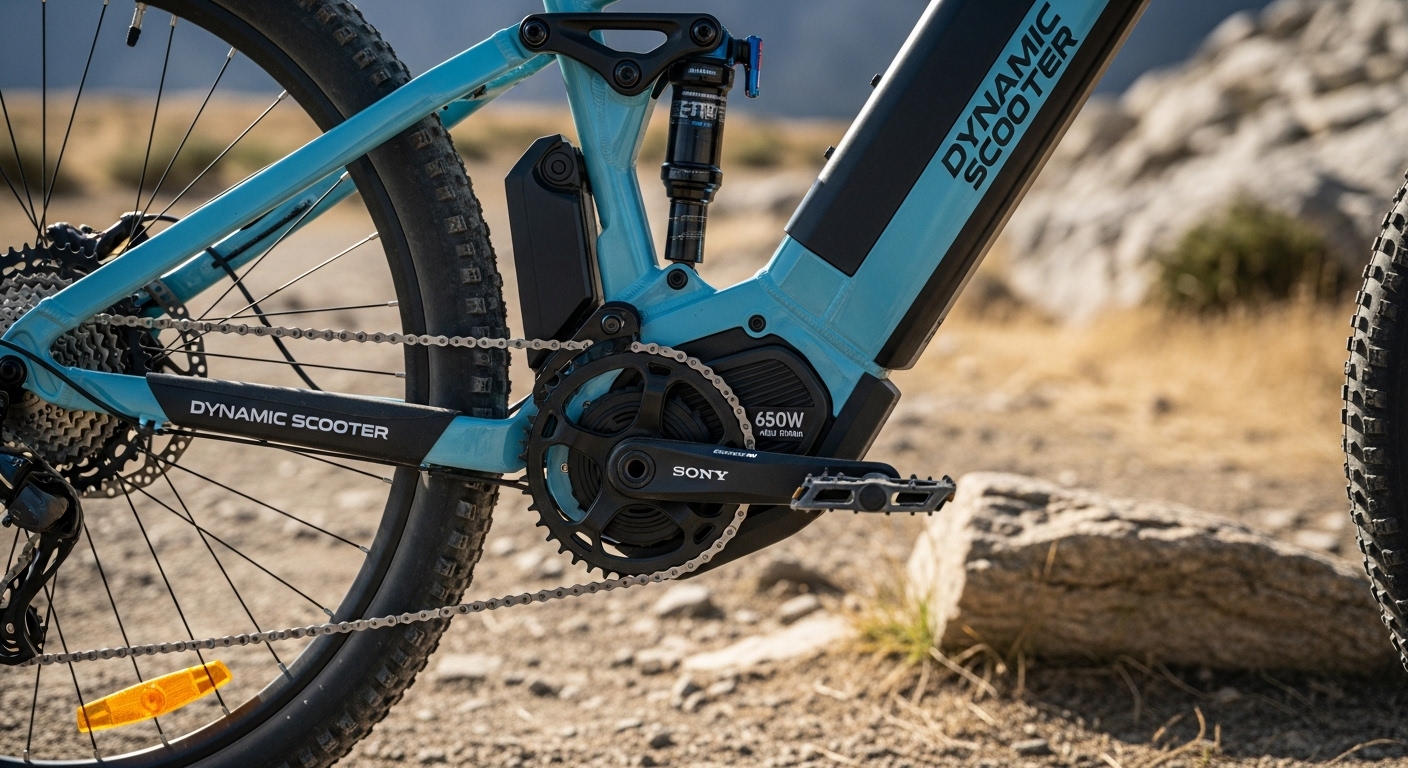
Suspension is a key feature. It separates a good e-MTB from a basic e-bike. Its job is to absorb impacts from rocks, roots, and bumps. This gives you a smoother ride and better control. Front suspension is in the fork. It is the most basic type. It keeps the front wheel on the ground. This helps steering and braking on uneven ground. For casual riding on mild trails, a good front fork might be all you need.
Rear suspension, or a shock, makes a full-suspension bike. It lets the rear wheel move on its own. This absorbs impacts. It also improves traction and comfort on rough trails. This matters because… on an e-MTB, you often go faster. You need to stay in control. A full-suspension system stops you from bouncing on rough descents. It keeps the rear tire on the ground for better grip on climbs. Match the suspension travel to your riding style. More travel is better for downhill. Less travel is better for climbing.
| Suspension Type | Rider Benefit | Ideal Terrain |
| Front Suspension (Hardtail) | Improved steering and control | Light trails, gravel paths |
| Full Suspension | Maximum comfort and traction | Rocky, technical, and steep trails |
| No Suspension (Rigid) | Maximum efficiency on pavement | Urban commuting, paved roads |
5. What should you look for in brakes and drivetrain?
When you ride an e-MTB, you go faster. You also carry more weight than on a regular bike. This makes good brakes critical. The standard for any serious e-MTB is hydraulic disc brakes. Hydraulic systems use fluid. They move force from the lever to the caliper. This gives you more stopping power and better control. You can control your speed with precision. You can stop quickly when you need to.
Your drivetrain has the gears, shifters, chain, and derailleurs. It moves power from your pedals to the rear wheel. A quality drivetrain from a brand like Shimano gives smooth shifting. It works well even under the motor’s extra load. Here’s why it matters… a cheap drivetrain can miss shifts. The chain can drop at the worst time. Look for a bike with many gears. A 9-speed or higher system is good. It helps you find the right pace for any terrain.
| Part | Recommended Type | Primary Benefit |
| Brakes | Hydraulic Disc Brakes | Superior stopping power and control |
| Shifter | Trigger or Rapid-fire | Fast and accurate gear changes |
| Gears | 9-Speed or higher | Wide range for varied terrain |
| Brand | Shimano or SRAM | Proven reliability and performance |
6. How does frame material and design impact performance?
An e-MTB’s frame is its backbone. It must be strong. It handles the weight of the motor and battery. It also handles off-road riding. The most common materials are aluminum and carbon fiber. Aluminum alloy frames offer a good balance. They are strong, light, and affordable. They are durable. They can take abuse on the trail. Carbon fiber frames are lighter. They can be shaped in complex ways. This can improve ride quality. But they cost more.
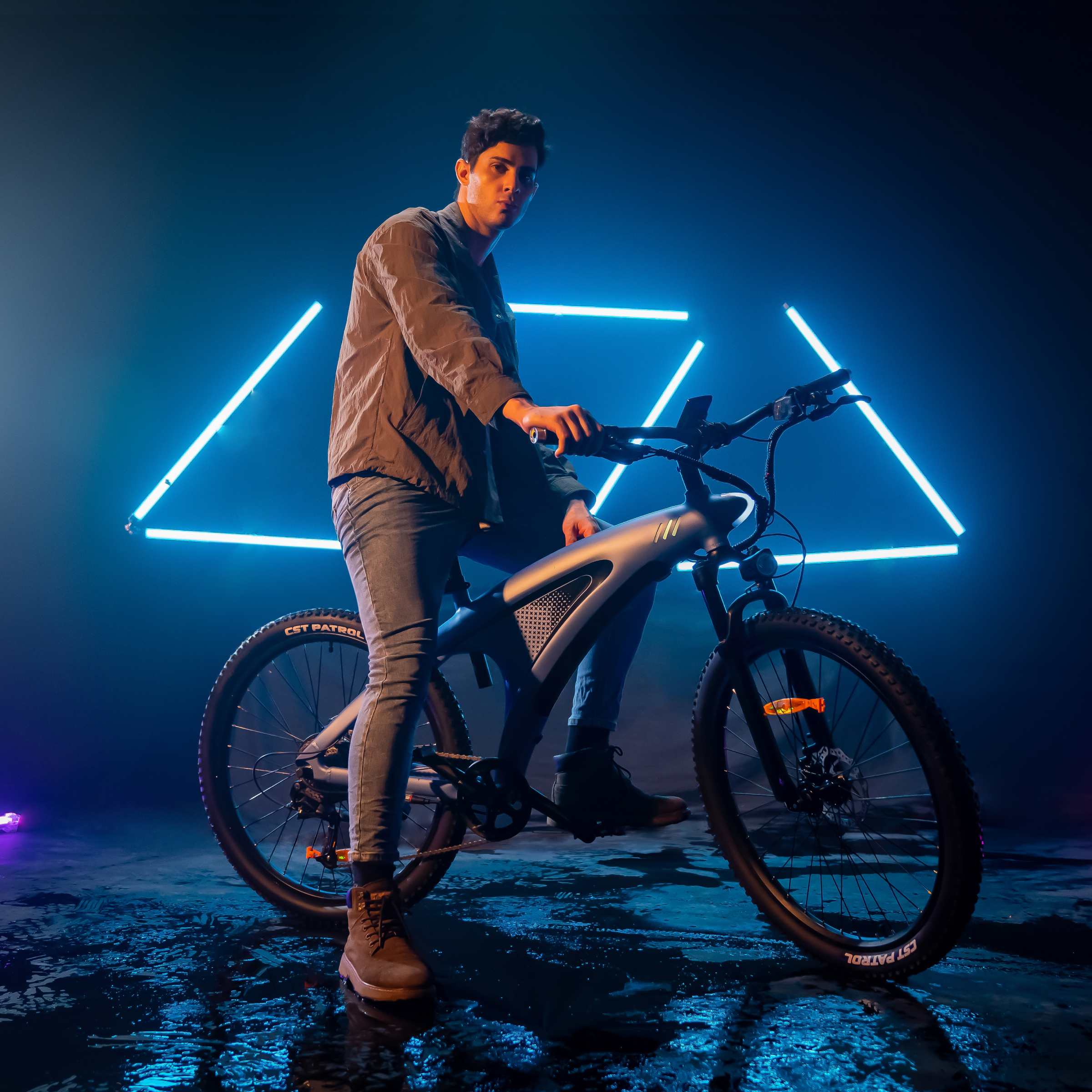
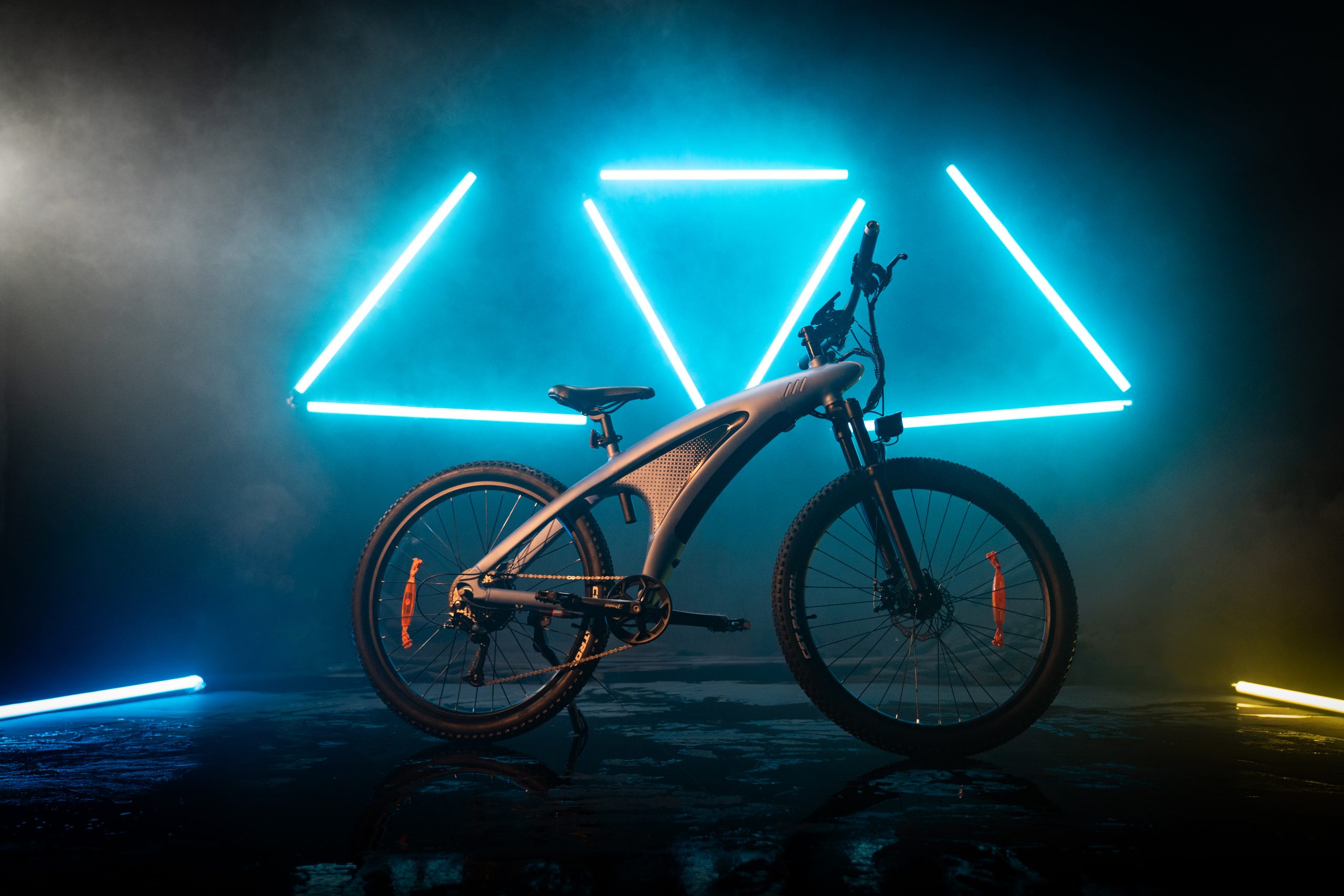
Frame geometry affects how a bike handles. The head tube angle, seat tube angle, and chainstay length matter. They affect stability at speed. They also affect how the bike turns. Modern e-MTBs often have a “long, low, and slack” geometry. This gives better stability on descents. Some designs, like the Dynamic Scooter Q5’s bionic “pangolin” frame, look good too. They fit components well. Let me explain… this is not just about looks. A good frame protects the battery and motor. It also gives a balanced ride. Always check the bike’s max load. Make sure it can hold your weight and your gear.
| Frame Feature | Aluminum Alloy | Carbon Fiber |
| Weight | Heavier | Lighter |
| Cost | More affordable | More expensive |
| Durability | High | High, but can be brittle |
| Ride Feel | Stiff and responsive | Stiff with vibration damping |
7. What features improve range and convenience?
Getting more ride time and fun comes down to range and convenience. The best way to control your range is with pedal-assist (PAS) levels. Most e-MTBs offer many levels. Eco mode is gentle. It saves battery. It is good for flat ground and easy trails. Turbo mode is powerful. It is for steep climbs and when you need speed. Using a lower level extends your range a lot. You can ride much farther. The Dynamic Scooter Q5 can go up to 100 km in pedal-assist mode. This makes it good for all-day rides. You can ride without worrying about running out of power. Many riders find that eco mode is enough for most riding. They save turbo for when they really need it.
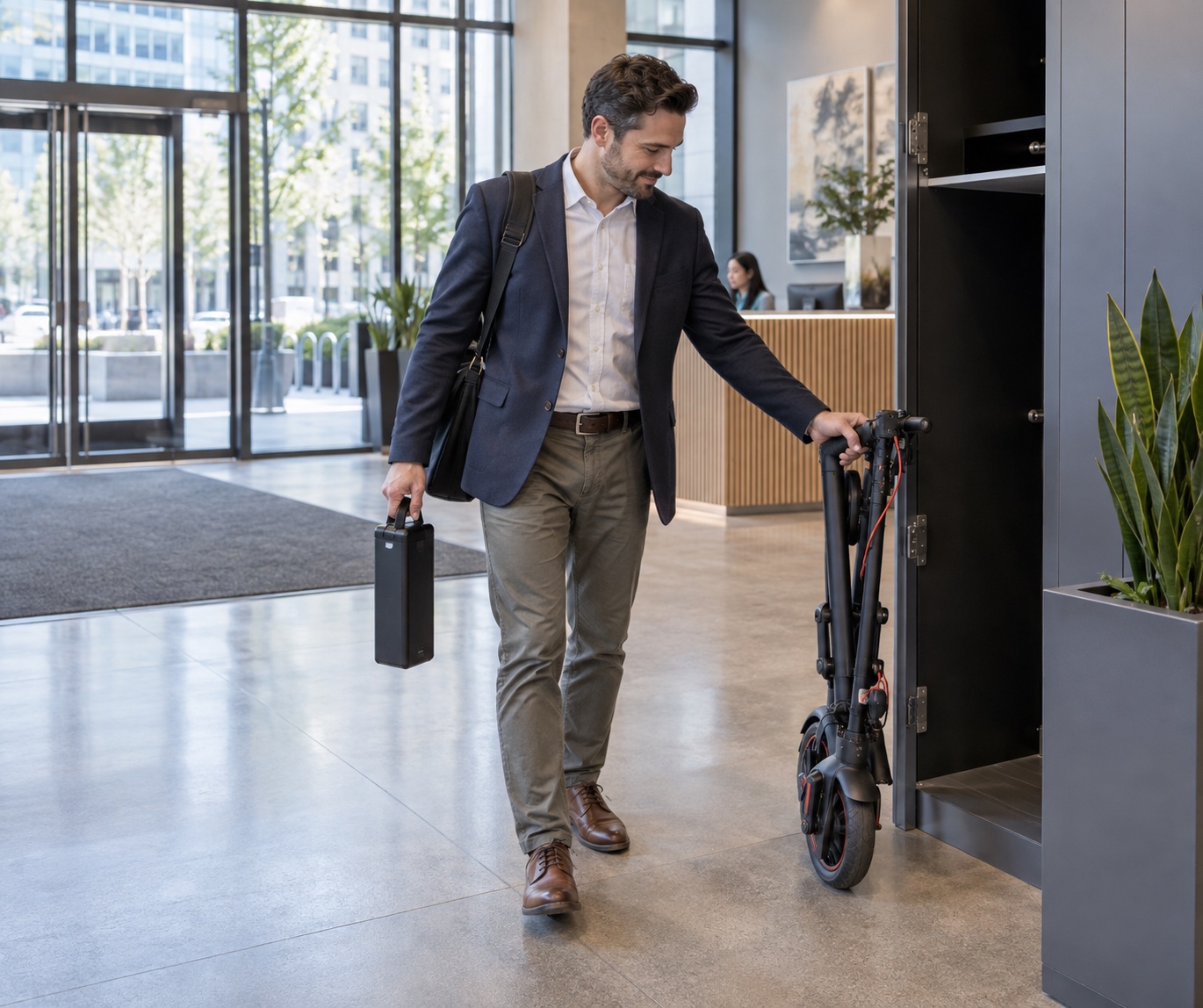
A fast-charging, removable battery is very convenient. You can remove it and charge it anywhere. You can charge at home, at work, or in a coffee shop. You do not need to bring the whole bike inside. This is great if you live in an apartment. It is also good for security. You can take the battery with you. The best part? You can carry a spare battery for very long rides. This doubles your range. Some riders keep a spare in their car. They swap it out at the trailhead. Other key features are all-terrain tires and waterproofing. All-terrain tires work on pavement and dirt. They have a tread pattern that grips both surfaces. An IPX4 rating protects the bike from splashing water. You can ride in the rain. You can also ride through puddles and streams. The electronics stay safe.
| Convenience Feature | Benefit to the Rider | Example |
| Multiple PAS Levels | Balances power use and extends range | Eco, Tour, and Turbo modes |
| Removable Battery | Easy charging and security | Charge at your desk at work |
| All-Terrain Tires | Versatility for different surfaces | Ride from home to the trailhead |
| IPX4 Waterproofing | Protection from rain and puddles | Ride with confidence in wet weather |
8. How much should you expect to spend on a good e-MTB?
The price of an e-MTB varies widely. It can be a thousand dollars or over ten thousand. Think of them in three tiers: entry-level, mid-range, and high-end. Entry-level e-MTBs cost under $2,000. They offer basic features. They can be a good start. But they may lack power for serious trails. Mid-range bikes cost $2,000 to $5,000. This is the sweet spot for most riders. You get powerful motors and reliable parts from brands like Shimano. You also get full suspension and hydraulic brakes.
High-end e-MTBs cost $5,000 or more. They have top parts, light carbon frames, and advanced suspension. They perform well. But the gains are small. Most riders do not need them. What does this mean for you? Find the best value. Pick features that matter for your riding style. Do not pay for features you do not need. A bike like the Dynamic Scooter Q5 costs $1,399. It has features from more expensive bikes. It has a 650W motor and a 48V 13Ah battery. Also think about long-term costs. This includes maintenance and battery replacement.
| Price Tier | Typical Price Range | Key Characteristics |
| Entry-Level | < $2,000 | Basic components, hub motors |
| Mid-Range | $2,000 – $5,000 | Quality components, mid-drive motors |
| High-End | > $5,000 | Top-of-the-line everything, carbon frames |
9. What maintenance does an electric mountain bike require?
Like any vehicle, an e-MTB needs regular care. Much of it is simple. You can do it at home. Before every ride, check your tire pressure, brakes, and chain. This keeps your bike safe and ready. After a ride, clean your bike. This is key after muddy rides. A clean bike looks good. It also helps you spot problems. Keep the chain clean and lubed. This gives smooth shifting. It also stops early wear.
Battery care is also key. To make your battery last, avoid extreme heat or cold. Store it with a partial charge if you will not ride for a while. Keep it between 40% and 80%. But here’s the thing… some tasks need a pro. Take your bike to a mechanic for a full service once a year. They can check the motor and update the firmware. They can also service the suspension and brakes. This keeps everything working well.
| Maintenance Task | Frequency | Why It Matters |
| Tire Pressure Check | Before every ride | Ensures proper handling and prevents flats |
| Chain Cleaning & Lube | Every few rides | Promotes smooth shifting and drivetrain longevity |
| Brake Check | Before every ride | Critical for safety |
| Professional Service | Annually | Keeps complex systems running smoothly |
10. How do you find the right size and fit?
Finding the right size and fit is as key as picking the right parts. A bike that is too big or too small is bad. It will be hard to control. It can ruin your ride. It can even cause injury. Most makers have sizing charts. They match frame size to your height. This is a good start. Also check the standover height. This is the space from the ground to the top tube. You want at least two inches of clearance.
Once you have the right frame size, fine-tune the fit. Adjust the saddle height and handlebar position. Your saddle should be high enough. Your leg should be almost fully extended at the bottom of the pedal stroke. Adjust the handlebars to suit your style. You can sit upright or lean forward. Want to know the secret? Take the bike for a test ride. This lets you feel how it handles. Make sure you are comfortable and in control.
| Sizing Step | Action | Desired Outcome |
| Check Sizing Chart | Match your height to the manufacturer’s recommendation | Select the correct frame size |
| Verify Standover Height | Check for 2-3 inches of clearance over the top tube | Ability to stand comfortably over the bike |
| Adjust Saddle Height | Set height for a slight knee bend at pedal bottom | Efficient pedaling and comfort |
| Test Ride | Ride the bike and assess comfort and handling | Confidence that the bike is a good fit |
Conclusion
Picking the best e-MTB means balancing power, range, and parts. We covered how to pick the right motor and battery. We looked at the types of e-MTBs. We talked about suspension, brakes, and frame design. Now you can make a smart choice. You can find a bike that gives good performance and value. The right e-MTB opens up new trails. It lets you ride farther and faster.
For a bike that does all this well, check out the Dynamic Scooter Q5. It has a powerful motor and a long-range removable battery. It has quality parts. It gives a top riding experience at a fair price. Visit our website to see how the Q5 can change your rides.
FAQ
Q1: Can you ride an electric mountain bike in the rain?
An electric mountain bike with a proper IP (Ingress Protection) rating for water resistance can be ridden in the rain. Look for ratings like IPX4, which protect the battery and motor from splashing water from any direction. However, always exercise caution on wet and slippery surfaces.
Q2: How long does it take to charge an e-MTB battery?
Charging time depends on the battery’s capacity and the charger’s output. A standard 48V 13Ah battery, for example, typically takes 4-6 hours to fully charge with a standard charger. Some models offer fast-charging capabilities that can reduce this time.
Q3: What is the typical lifespan of an e-MTB battery?
A modern lithium-ion e-MTB battery generally lasts for 500 to 1,000 charge cycles. With proper care, this translates to several years of regular use before you notice a significant drop in its capacity. Storing it at a partial charge and avoiding extreme temperatures can extend its life.
Q4: Are electric mountain bikes street legal?
Regulations for electric bikes vary by region. In many places, e-MTBs are classified into different categories based on top speed and motor power. You should check your local laws to understand any restrictions on where you can ride your e-MTB, especially on public roads and non-motorized trails.
Q5: Can I upgrade components on my e-MTB later?
Yes, many components on an electric mountain bike, such as the brakes, tires, handlebars, and saddle, can be upgraded. The drivetrain can also be modified. However, upgrading the motor or battery can be more complex and may be limited by the frame’s design and the electronic system’s compatibility.