
Choosing between a gas and an electric mountain bike is a tough decision. You want power for the trails, but you also care about noise, maintenance, and where you can ride. Making the wrong choice can lead to frustration and limit your adventures. This guide will help you understand the key differences so you can pick the perfect ride.
The better choice between a gas and electric mountain bike depends on your priorities. Electric mountain bikes are quieter, more environmentally friendly, and require less maintenance, offering instant torque for climbing. Gas mountain bikes provide higher top speeds and longer range but are noisy, produce emissions, and have more complex maintenance needs. For most riders, especially those who value trail access and a natural riding feel, electric mountain bikes are the superior option.
Ready to make a decision? Let’s break it down.
1. What Are the Main Differences Between Gas and Electric Mountain Bikes?
The biggest difference is the power source. Gas mountain bikes use a small internal combustion engine that runs on gasoline. Electric mountain bikes, or e-MTBs, use a battery-powered motor that assists your pedaling. This fundamental difference affects everything from performance to maintenance.
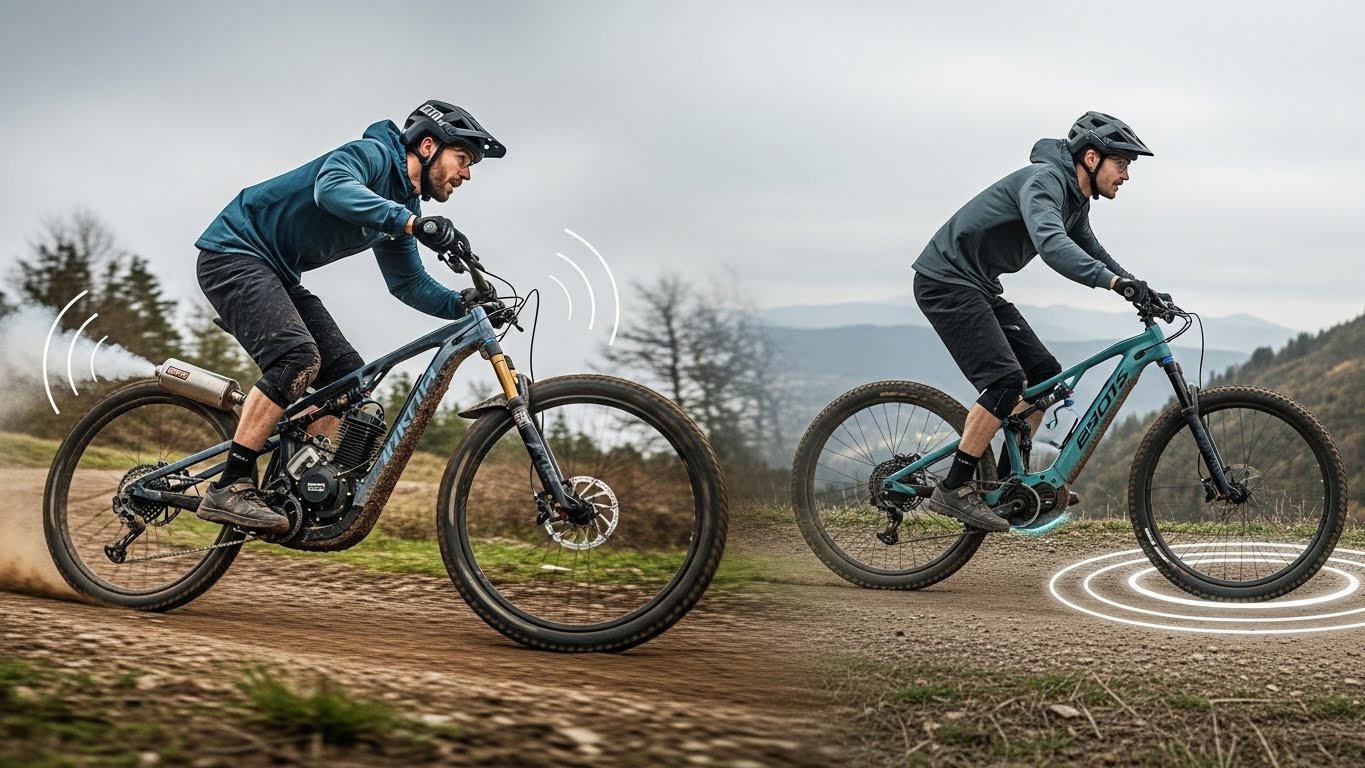
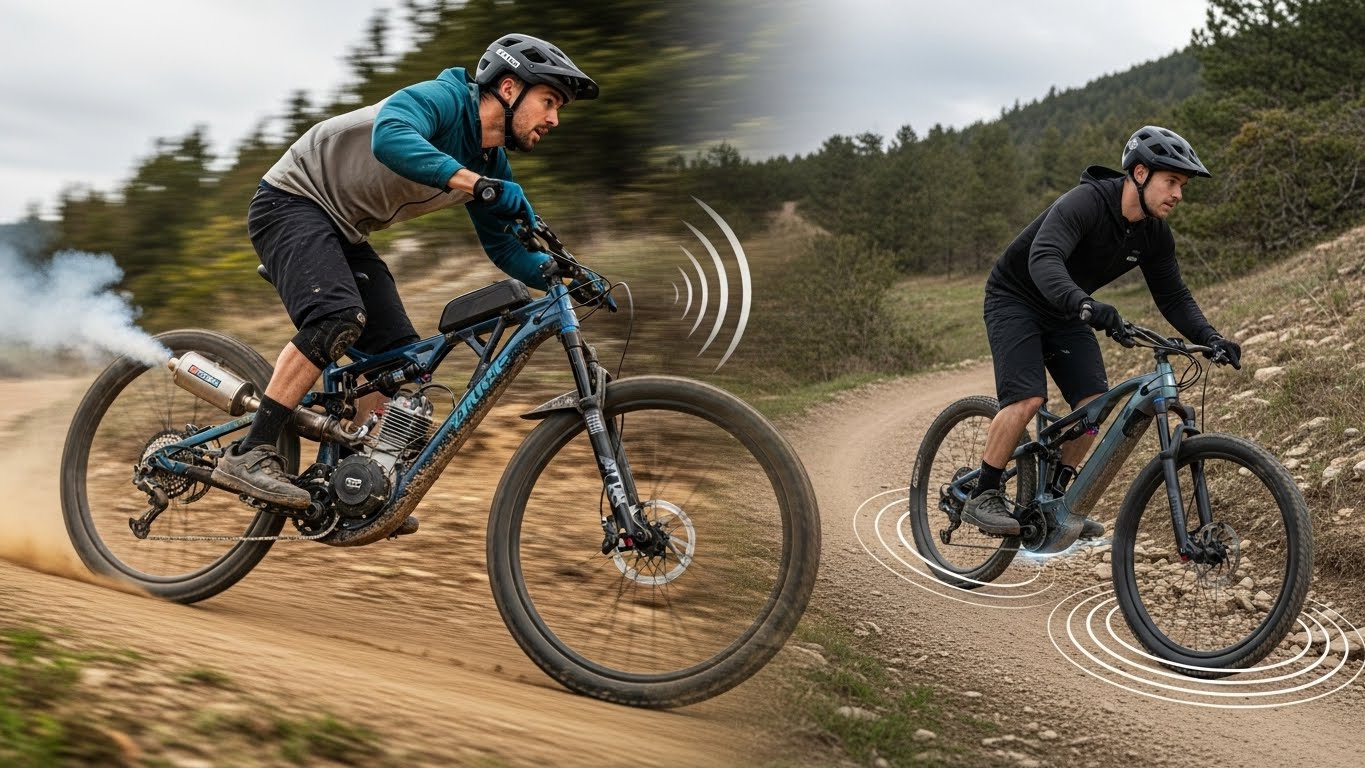
Gas engines are noisy and produce exhaust fumes. The constant vibration and smell of gasoline can detract from the outdoor experience. Electric motors, in contrast, are nearly silent and produce zero emissions. Here’s the deal… this makes electric bikes much more pleasant to ride. You can enjoy the sounds of nature, have conversations with friends, and ride without disturbing wildlife or other trail users. The lack of noise and fumes creates a more immersive and enjoyable experience in nature.
Maintenance needs also vary greatly. Gas engines have many moving parts, like pistons and spark plugs. They require regular oil changes and tune-ups. Electric motors are much simpler. They have fewer moving parts and are virtually maintenance-free. This means less time in the garage and more time on the trail.
Weight and its distribution are other key factors. Gas bikes tend to be top-heavy due to the engine and fuel tank, which can make them feel unwieldy in tight corners. Electric bikes have a battery and motor, but this weight is usually centered and low on the frame. This lower center of gravity leads to more balanced and stable handling. A well-balanced bike is easier to control on technical terrain and more confidence-inspiring for the rider.
| Feature | Gas Mountain Bike | Electric Mountain Bike |
| Power Source | Gasoline Engine | Battery-Powered Motor |
| Noise Level | Loud | Nearly Silent |
| Emissions | Yes | No |
| Maintenance | High (oil, spark plugs) | Low (battery, motor) |
2. How Do Performance Levels Compare?
Performance is where the debate between gas and electric gets interesting. Both types of bikes offer impressive power, but they deliver it in different ways. Gas bikes often have higher top speeds. They can be faster on open fire roads or flat terrain. However, they can be harder to control at low speeds.
Electric bikes shine when it comes to torque and acceleration. The best part? The motor provides instant power as soon as you start pedaling. This makes it easier to get up to speed and conquer steep climbs. High-quality e-MTBs, like the Dynamic Bike Electric Mountain Bike Q5, feature powerful motors that can handle tough terrain. The Q5’s 48V/650W motor (peaking at 1000W) provides the torque needed for 25-degree climbs.
Range is another important consideration. Gas bikes can typically go farther on a single tank of fuel. You can also carry extra fuel with you. Electric bikes are limited by their battery capacity. However, modern e-MTBs have impressive ranges. The Dynamic Bike Q5 offers up to 90-100 km with pedal-assist, which is more than enough for most trail rides.
Power delivery is a key difference. Gas bikes often have a narrow powerband, meaning you need to keep the engine in a specific RPM range for optimal performance. This can result in a jerky, on-or-off power delivery that makes it hard to manage traction on loose or technical trails. Electric bikes offer smooth, proportional power across the entire speed range. The motor assists you based on how hard you pedal, creating a more natural and intuitive riding experience. This makes it easier to tackle tricky sections of trail with confidence.
| Performance Metric | Gas Mountain Bike | Electric Mountain Bike |
| Top Speed | Generally Higher | Lower (regulated) |
| Torque | Good | Excellent (Instant) |
| Range | Longer | Shorter (but improving) |
| Power Delivery | Can be jerky | Smooth and natural |
3. What Are the Cost Considerations?
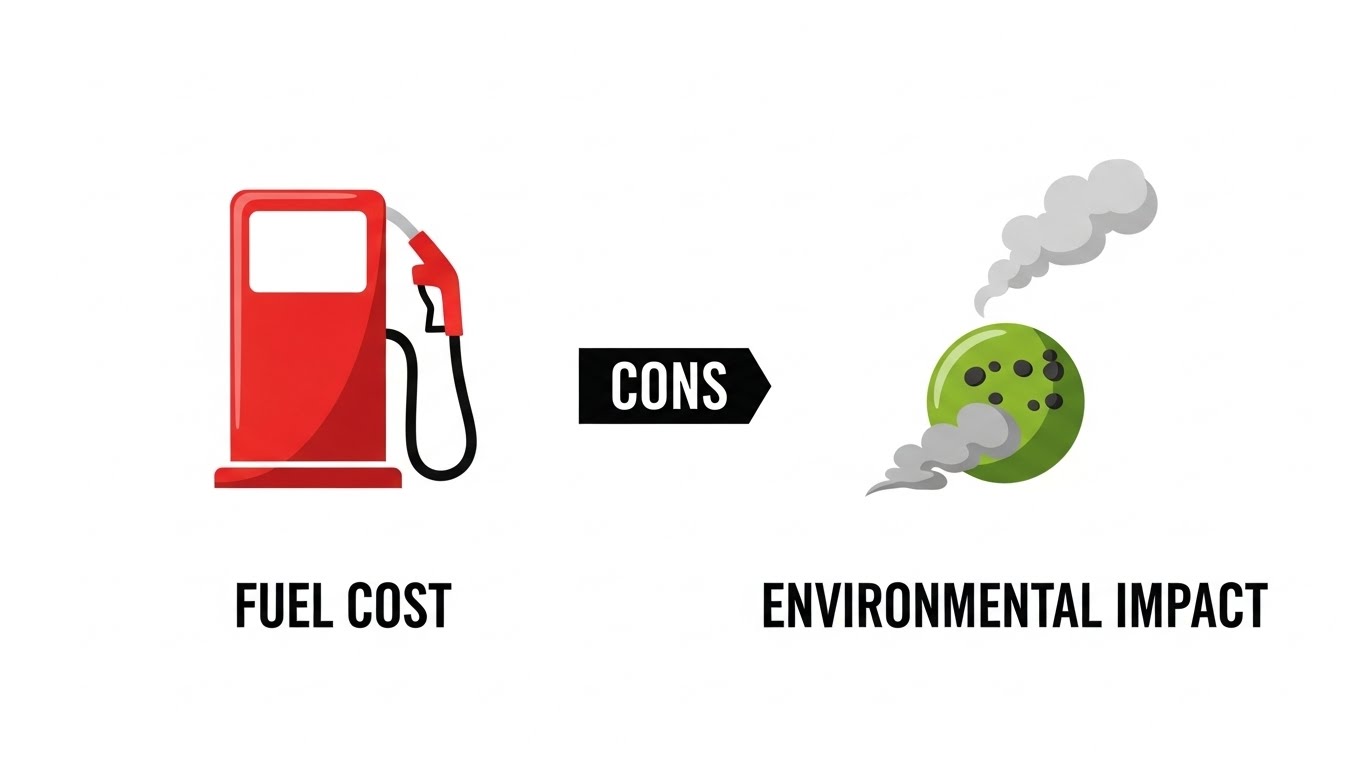
Cost is a major factor for any big purchase. When comparing gas and electric mountain bikes, you need to look beyond the initial price tag. You should also consider the long-term costs of ownership. This includes fuel, maintenance, and repairs.
Gas mountain bikes often have a lower initial purchase price. You can find entry-level models for less than a comparable electric bike. However, the savings can be quickly offset by ongoing costs. But here’s the thing… you have to constantly buy fuel and oil. You also need to budget for regular engine maintenance.
Electric mountain bikes may have a higher upfront cost. However, their operating costs are significantly lower. Electricity is far cheaper than gasoline. A full charge for an e-bike battery costs just a few cents. Maintenance is also less expensive. With fewer moving parts in the motor, there is less that can go wrong. Brands like Dynamic Bike offer great value in this space. The Electric Mountain Bike Q5 is priced competitively at $1,399, making it an affordable entry into the world of high-performance e-MTBs without the high long-term costs of a gas bike.
Long-term ownership costs tend to favor electric bikes. Over several years, the savings on fuel and maintenance can add up significantly. You won’t have to worry about expensive engine rebuilds or carburetor issues. The main long-term cost for an e-MTB is an eventual battery replacement, which is typically needed after 3-5 years.
| Cost Factor | Gas Mountain Bike | Electric Mountain Bike |
| Initial Price | Lower to Moderate | Moderate to High |
| Fuel/Energy Cost | High | Very Low |
| Maintenance Cost | Moderate to High | Low |
| Resale Value | Lower | Higher |
4. Which Is Better for the Environment?
Environmental impact is an increasingly important consideration for many riders. Mountain biking is all about enjoying the outdoors. It makes sense to choose a bike that has a minimal impact on the environment. In this regard, electric bikes have a clear advantage.
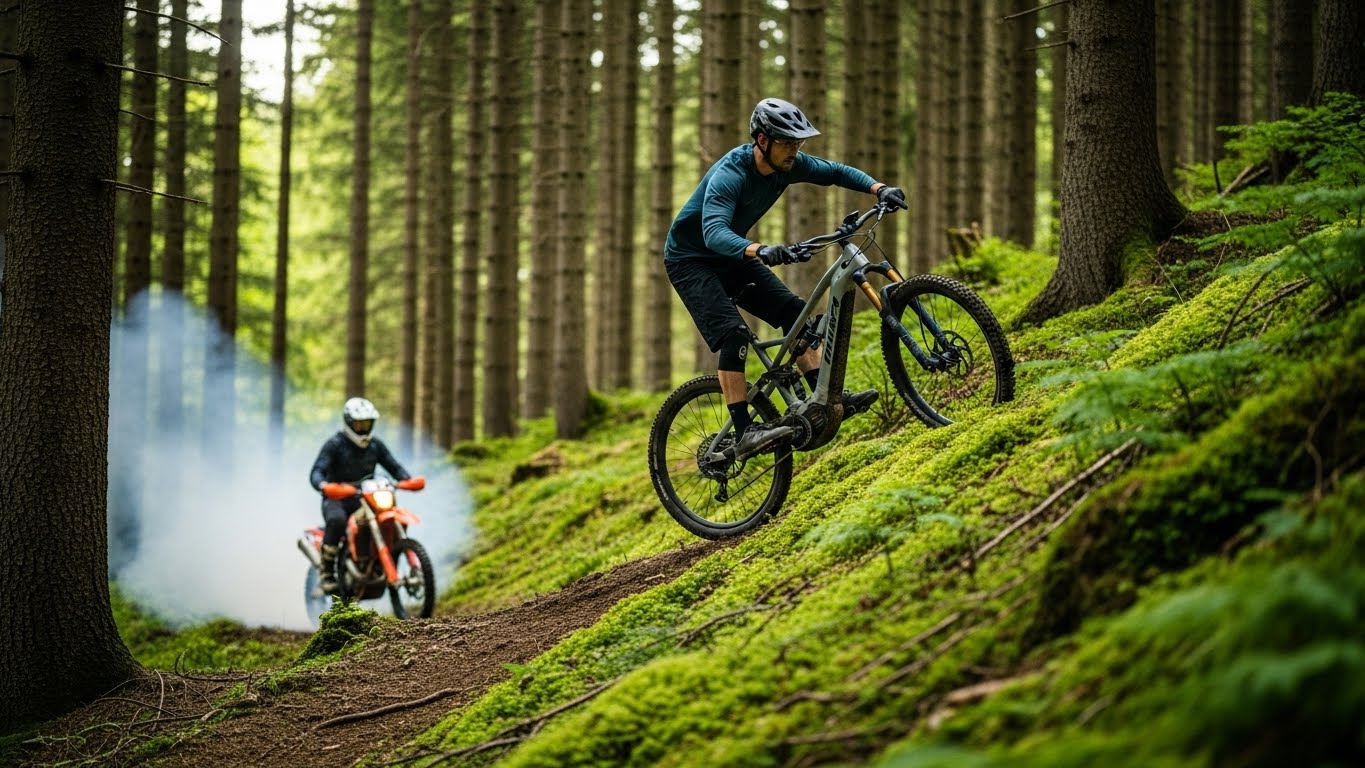
Gas mountain bikes run on fossil fuels. Their engines produce harmful emissions, including carbon monoxide and hydrocarbons. These pollutants can harm air quality and contribute to climate change. Now, you might be wondering… how much of an impact does one bike make? While a single bike’s emissions are small, they add up over time and across many riders.
Electric mountain bikes produce zero emissions while riding. They are powered by a battery, which can be charged using renewable energy sources like solar or wind. This makes them a much cleaner and greener option. Their near-silent operation also reduces noise pollution. This is better for wildlife and for other people enjoying the trail.
The carbon footprint of manufacturing is another factor. Both types of bikes require energy and resources to produce. However, the lifetime impact of a gas bike is much higher due to its reliance on gasoline and the emissions produced. While battery production for e-bikes has an environmental cost, this is a one-time impact. The battery can be charged with renewable energy, and many manufacturers now have recycling programs to responsibly dispose of old batteries, further reducing their environmental footprint.
| Environmental Factor | Gas Mountain Bike | Electric Mountain Bike |
| Emissions | Yes (CO, HC) | No |
| Noise Pollution | High | Very Low |
| Carbon Footprint | Higher | Lower |
| Trail Impact | Higher risk of fluid leaks | Lower risk |
5. How Do Maintenance Needs Differ?
Maintenance is a reality of owning any mountain bike. However, the type and frequency of maintenance differ greatly between gas and electric models. Understanding these differences can help you choose a bike that fits your lifestyle and mechanical aptitude.
Gas mountain bikes require significant engine maintenance. You need to change the oil, clean the air filter, and replace the spark plug regularly. You may also need to adjust the carburetor and check the fuel lines. These tasks can be complex and time-consuming. If you’re not mechanically inclined, you’ll need to pay for professional service.
Electric mountain bikes, on the other hand, are much simpler to maintain. Let me explain… the motor and battery are sealed units that require no regular servicing. The main maintenance tasks are the same as for a non-electric mountain bike. This includes cleaning the bike, lubricating the chain, and checking the brakes and tires. These are tasks that most riders can easily do themselves.
Parts replacement is another area of difference. Gas engines have many wear-and-tear parts that need regular replacement. This includes pistons, rings, gaskets, and clutch components. These parts can be expensive and require specialized knowledge to install. Electric motors have very few moving parts and are incredibly reliable, often lasting the lifetime of the bike with no service. The battery is the main component that will need replacement, but a quality battery like the one in the Dynamic Bike Q5 should last for 3-5 years or more.
| Maintenance Area | Gas Mountain Bike | Electric Mountain Bike |
| Engine/Motor | Regular oil changes, tune-ups | None |
| Drivetrain | Chain, sprockets, etc. | Chain, sprockets, etc. |
| Brakes/Tires | Regular checks | Regular checks |
| Reliability | Lower | Higher |
6. What About Legal and Trail Access Issues?
Before you buy a new mountain bike, it’s crucial to understand where you can legally ride it. Trail access is one of the biggest factors that separates gas and electric mountain bikes. Regulations can vary widely by state, county, and even individual trail systems.
Gas-powered vehicles are prohibited on most non-motorized trails. This includes hiking, biking, and equestrian trails. Their noise and emissions are considered disruptive and damaging to the natural environment. This severely limits where you can ride a gas mountain bike. You are often restricted to designated off-road vehicle (ORV) parks or private land.
Electric mountain bikes, especially Class 1 e-MTBs that are pedal-assist only, are treated differently. This is important because… they are often allowed on the same trails as regular mountain bikes. They are quiet, produce no emissions, and have a similar impact on the trail as a non-electric bike. This opens up a vast network of trails for you to explore.
It’s always important to check local regulations. E-bikes are often categorized into classes. Class 1 e-bikes are pedal-assist only with a top speed of 20 mph. Class 2 have a throttle, and Class 3 are pedal-assist up to 28 mph. Most trail access is granted to Class 1 e-MTBs. The trend is toward greater access for e-MTBs as land managers and trail users recognize their low impact. This is a huge advantage for electric bike owners.
| Access Issue | Gas Mountain Bike | Electric Mountain Bike |
| Trail Access | Very Restricted (ORV areas) | Widely Allowed (most MTB trails) |
| Regulations | Often classified as motorcycle | Often classified as bicycle |
| Noise/Emissions | Prohibited in many areas | Generally accepted |
7. Which Should You Choose for Your Riding Style?
Ultimately, the best choice between a gas and electric mountain bike depends on you. Your personal riding style, fitness level, and priorities will determine which bike is the right fit. There is no one-size-fits-all answer. By considering your own needs, you can make an informed decision.
If you are a competitive racer or someone who values high top speeds above all else, a gas bike might be appealing. They can be faster on open terrain and offer a longer range. However, you must be willing to deal with the noise, maintenance, and limited trail access. The bottom line? Gas bikes are a niche product for a specific type of rider.
For the vast majority of mountain bikers, an electric bike is the better choice. They are perfect for recreational riding, fitness, and even competition. They allow you to ride farther, explore more, and tackle climbs that were previously out of reach. E-bikes are also more inclusive. They allow riders of different fitness levels to enjoy the trails together. A family or group of friends with varying abilities can all ride together, with everyone getting the workout they desire.
An e-MTB like the Dynamic Bike Electric Mountain Bike Q5 is a versatile option. It’s powerful enough for serious trail riding, with a 650W motor and full suspension. It also has a long-range battery, making it suitable for all-day adventures. At the same time, it’s quiet and eco-friendly, so you can ride it on most mountain bike trails. It strikes a great balance between performance and practicality.
| Rider Profile | Best Choice | Reason |
| Recreational Rider | Electric | Quiet, fun, easy to use |
| Commuter | Electric | Low cost, low maintenance |
| Serious Trail Rider | Electric | Great performance, wide trail access |
| MX/Enduro Racer | Gas | Higher top speed, longer range |
Conclusion
Choosing between a gas and electric mountain bike is a big decision. Gas bikes offer high speed and long range, but come with noise, emissions, and limited trail access. Electric bikes provide a quiet, eco-friendly, and low-maintenance alternative with instant torque and broad trail acceptance. For most riders, the benefits of an electric mountain bike make it the clear winner. This guide has given you the tools to make a smart choice.
If you’re looking for a high-performance electric mountain bike at an affordable price, check out the Dynamic Bike Electric Mountain Bike Q5 at dynamicbike.com. With a powerful 48V/650W motor, up to 100 km pedal-assist range, and a 3-year warranty, the Q5 is built to perform.
FAQ
Q1: Are gas mountain bikes more powerful than electric ones?
Gas mountain bikes typically offer higher top speeds and longer range, but modern electric mountain bikes deliver instant torque and smoother power delivery. The best choice depends on your riding needs.
Q2: How much does it cost to run a gas vs. electric mountain bike?
Gas bikes require fuel, oil, and more frequent maintenance. Electric bikes need electricity for charging and less maintenance. Over time, electric bikes are usually cheaper to operate.
Q3: Can electric mountain bikes handle steep climbs like gas bikes?
Yes, electric mountain bikes with high-torque motors can handle steep climbs effectively. Many e-MTBs offer 25-degree or greater climbing ability, comparable to gas bikes.
Q4: Are gas mountain bikes banned on most trails?
Many trails prohibit motorized vehicles, including gas bikes, due to noise and emissions. Electric bikes are often allowed on more trails, but regulations vary by location.
Q5: Which lasts longer: gas or electric mountain bikes?
With proper maintenance, both can last many years. Electric bikes have fewer moving parts and may require less frequent repairs, while gas bikes need regular engine maintenance.