
Carrying a heavy electric scooter on public transit or storing it in your apartment is frustrating and exhausting. A bulky scooter limits your flexibility and makes commuting less enjoyable. The solution is finding a lightweight model that doesn’t sacrifice performance or safety. This guide reveals the lightest electric scooters available today and explains why weight matters for your daily commute. You’ll learn what makes a scooter light, which models deliver the best performance, and how to choose the perfect option for your needs.
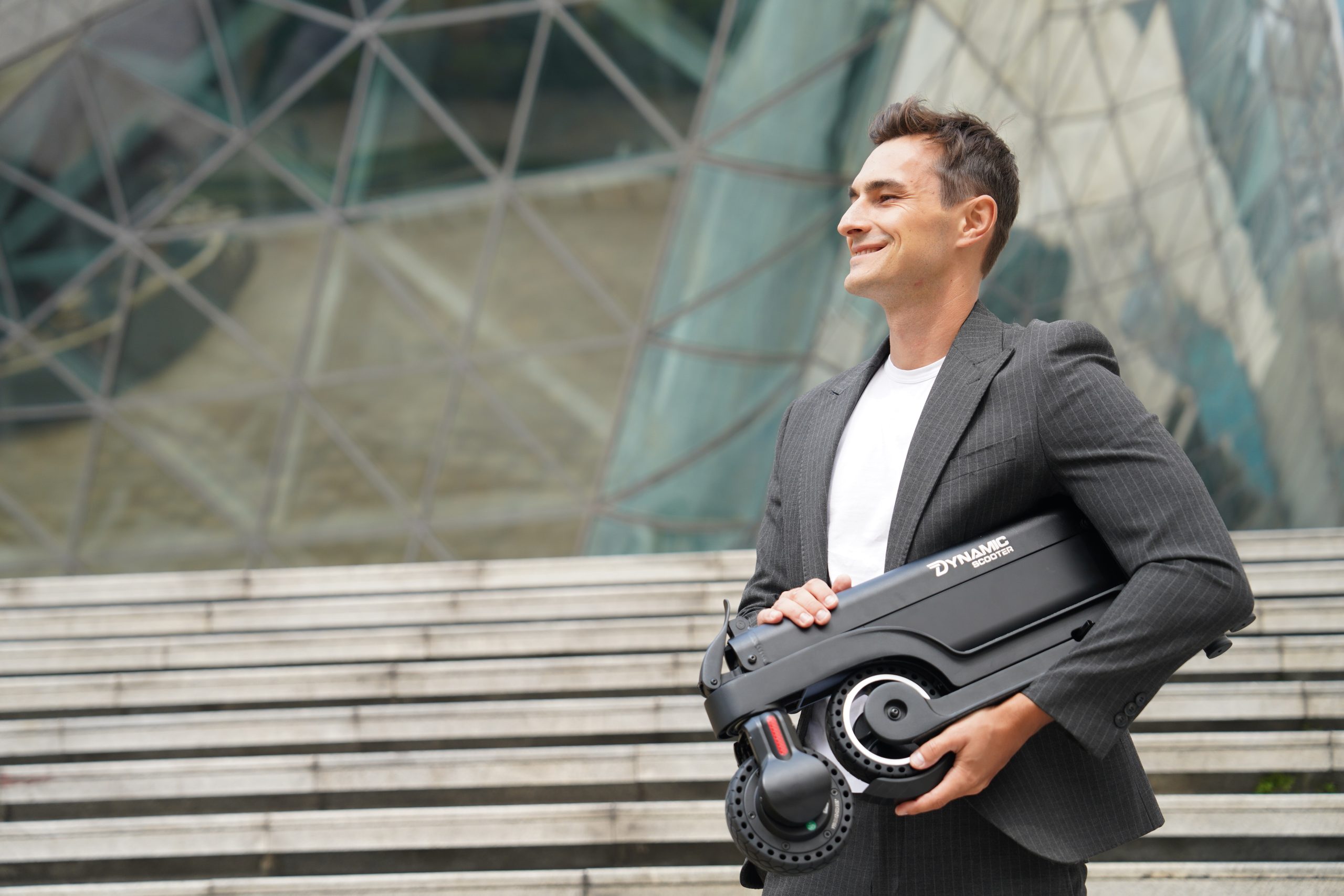
The lightest electric scooters combine portability with reliable performance, making them ideal for urban commuters. Dynamic Scooter offers models designed for easy transport without compromising on speed, range, or safety features. Weight matters because it affects how easily you can carry, fold, and store your scooter. A lighter scooter means less strain on your arms and back during daily use.
Ready to discover the perfect lightweight scooter? Here’s the deal…
1. Why Does Scooter Weight Matter for Your Commute?
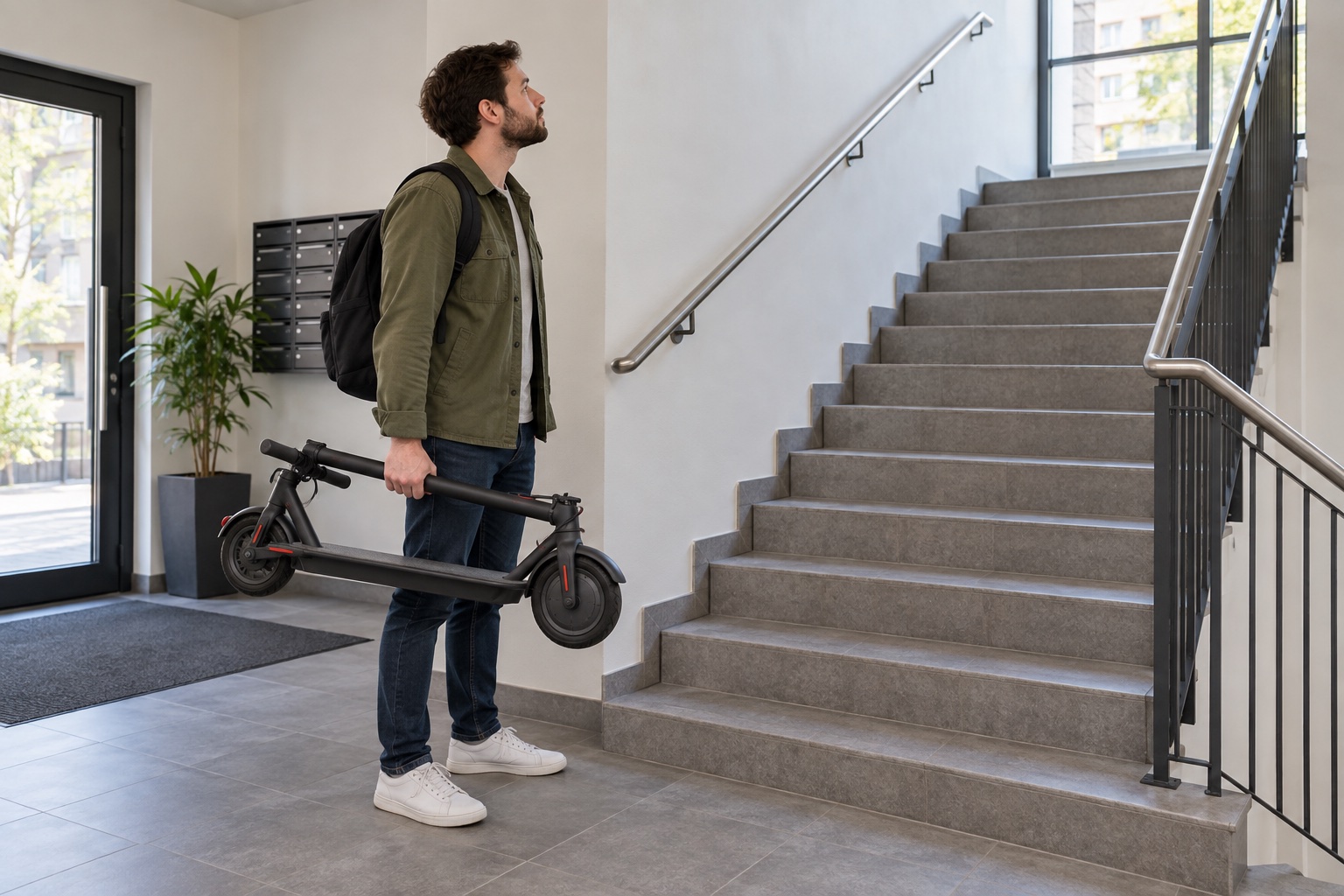
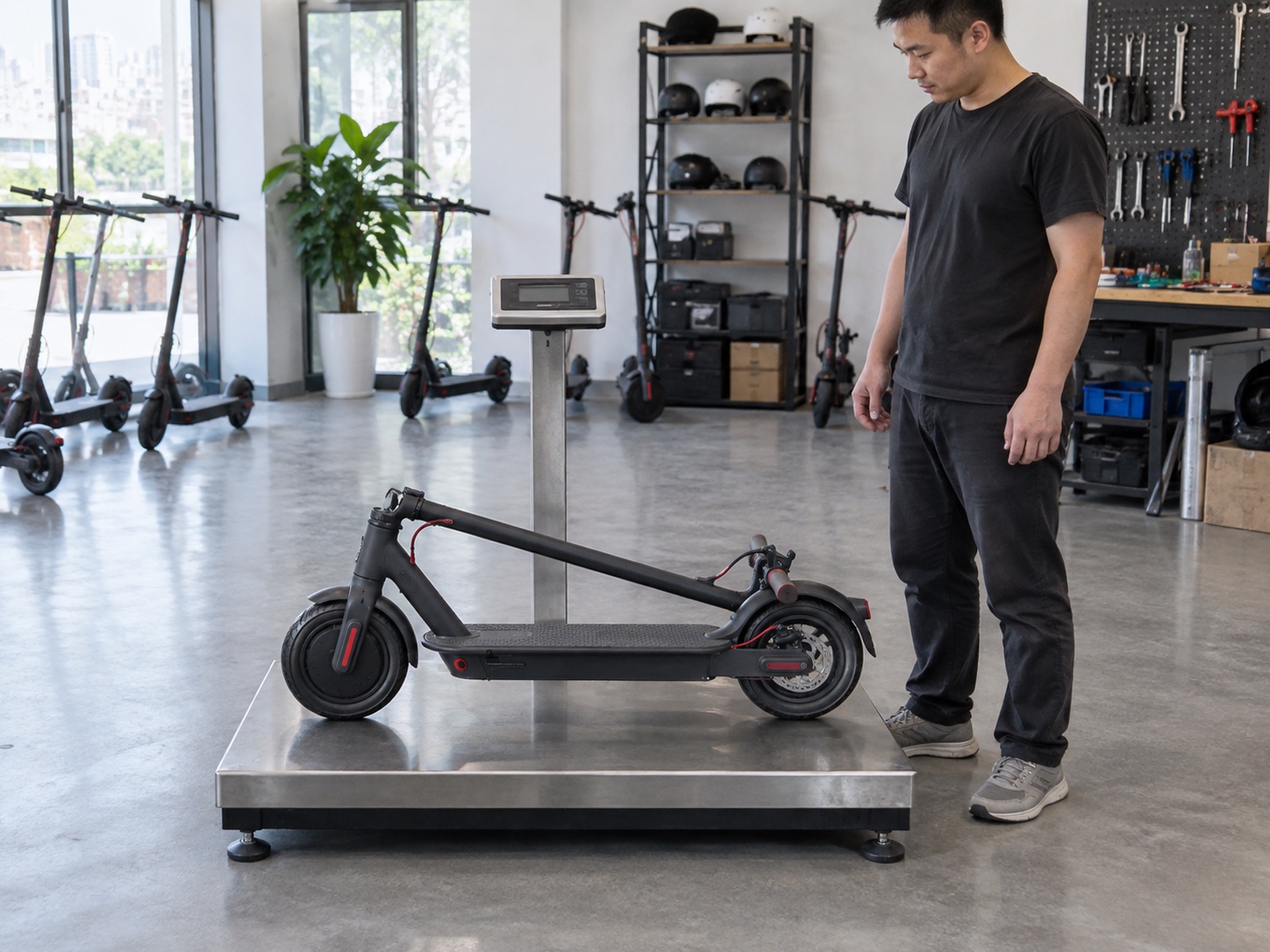
Weight is one of the most overlooked factors when choosing an electric scooter. Many buyers focus on speed and range but ignore how the scooter’s weight affects their daily experience. A scooter you can’t comfortably carry becomes a burden rather than a solution. If you take public transit, walk to your car, or climb stairs, weight becomes critical. The difference between a 25-pound scooter and a 35-pound one might not sound significant, but you’ll feel it after carrying it for just a few minutes.
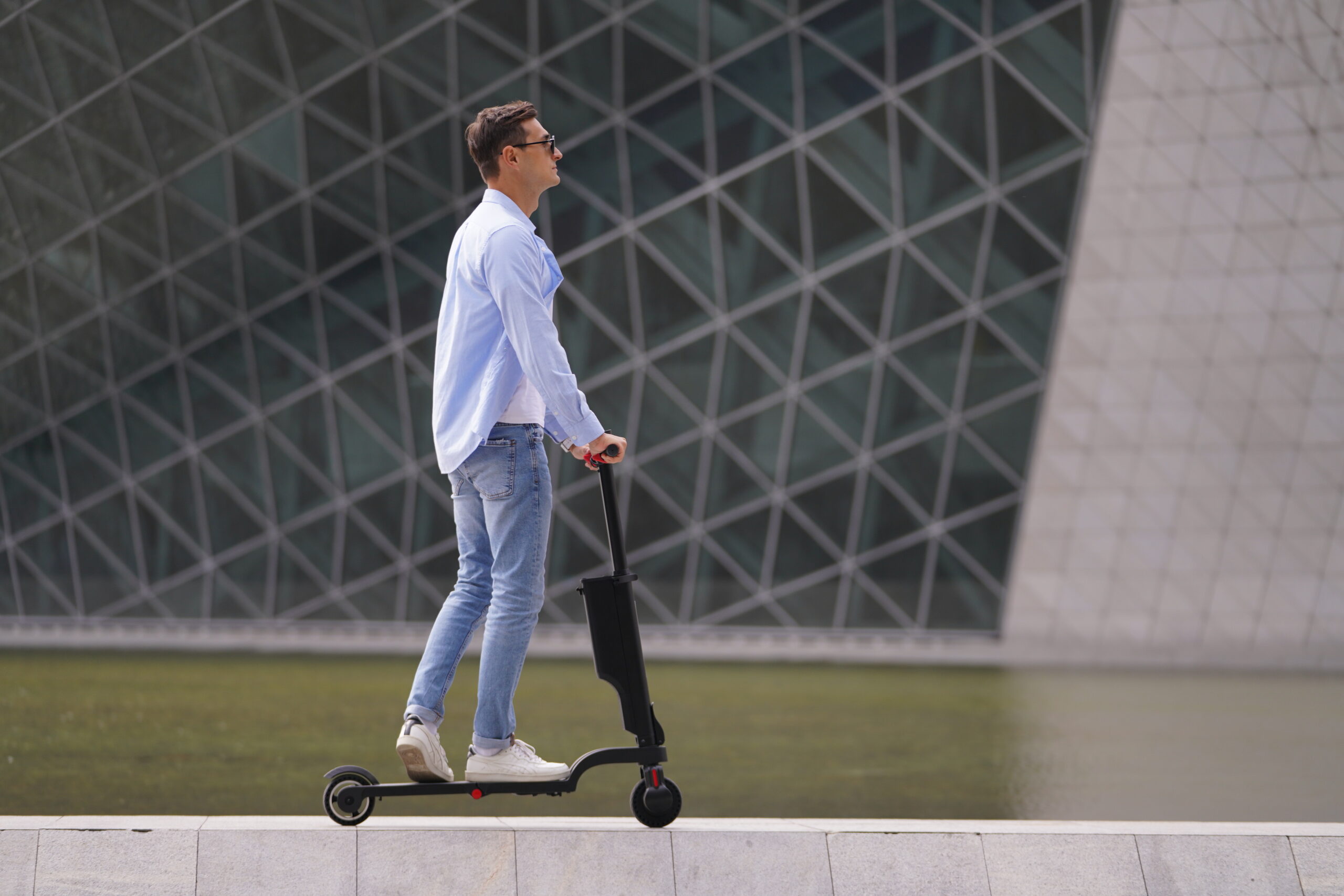
Portability directly impacts your commuting flexibility. A lightweight scooter lets you combine multiple transportation methods seamlessly. You can ride to the train station, fold it up, carry it onto the train, and ride again at your destination. This is important because this flexibility saves you time and money compared to driving or taking a taxi. A heavier scooter makes this multi-modal approach impractical. You’ll end up leaving it at home or paying for parking, defeating the purpose of having a scooter.
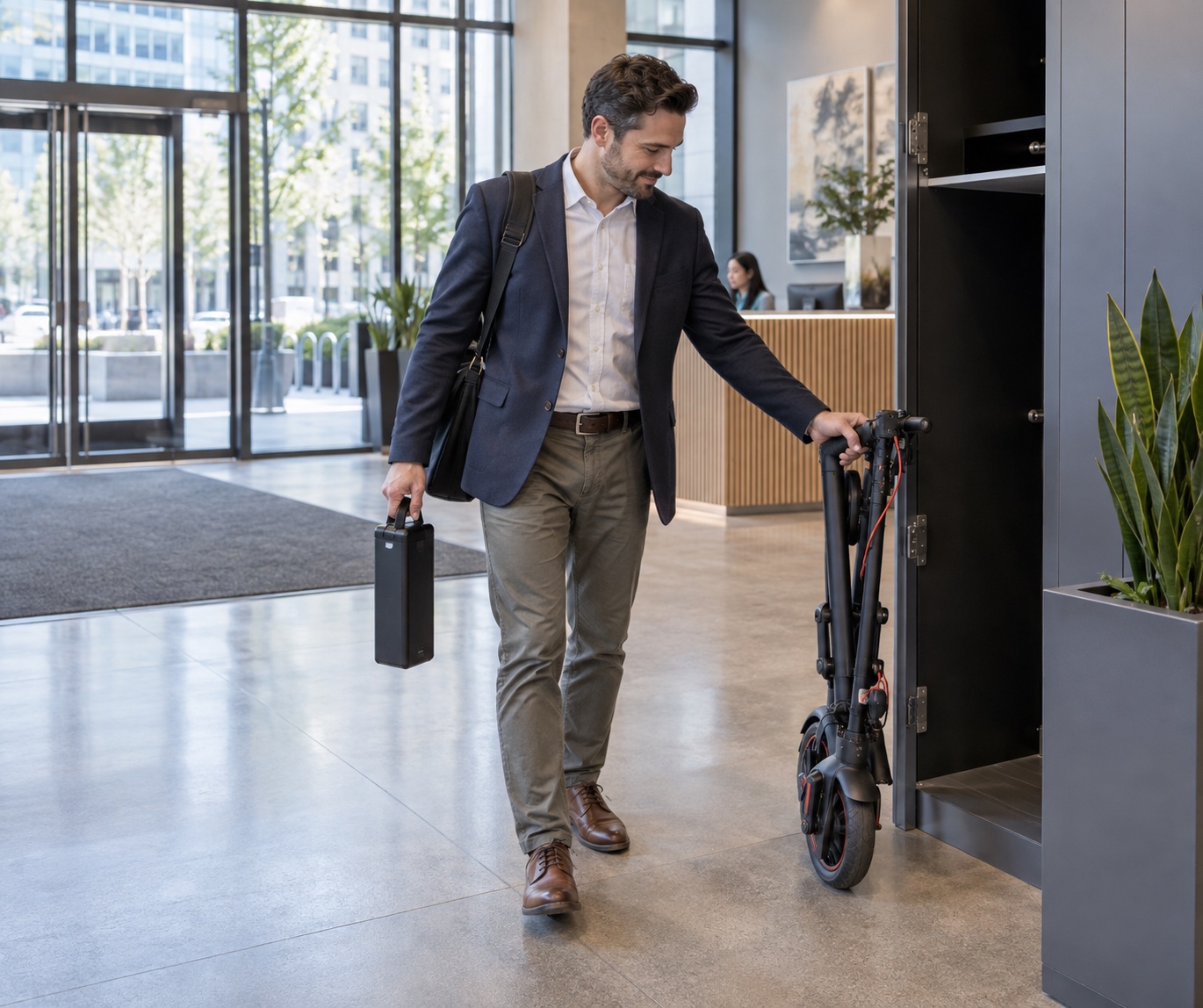
Storage is another major consideration. Most apartments and offices have limited space. A light scooter fits easily in a closet, under a desk, or in a car trunk. A heavy scooter requires dedicated storage space you might not have. This becomes especially important during winter or bad weather when you’re not riding daily. A scooter that’s easy to store is more likely to stay in your life long-term.
Physical strain matters more than people realize. Carrying a 40-pound scooter up stairs or onto a bus can cause shoulder and back pain over time. Lighter models reduce this strain significantly. If you have mobility issues or are smaller in stature, weight becomes even more critical. A scooter that’s too heavy might be physically impossible for you to use regularly.
Finally, weight affects the scooter’s overall performance and efficiency. Lighter scooters accelerate faster and climb hills more easily because the motor doesn’t have to work as hard. This means better range on a single charge and more responsive handling. A lighter scooter is simply more fun to ride and easier to control in traffic.
| Weight Range | Carrying Ease | Storage Difficulty | Best For |
| Under 20 lbs | Very easy | Very easy | Frequent travelers, small riders |
| 20-25 lbs | Easy | Easy | Most commuters |
| 25-30 lbs | Moderate | Moderate | Casual riders |
| 30+ lbs | Difficult | Difficult | Stationary use only |

2. What Makes an Electric Scooter Lightweight?
Understanding what contributes to a scooter’s weight helps you make better purchasing decisions. Not all lightweight scooters are created equal. Some sacrifice safety or performance to reduce weight, while others use smart engineering to achieve both. The best lightweight scooters use quality materials and thoughtful design to minimize weight without compromising reliability.
Frame material is the biggest factor in overall weight. Aluminum alloy is the standard for lightweight scooters because it’s strong yet light. Titanium is even lighter but costs significantly more. Steel frames are heavier and less common in modern scooters. Carbon fiber is extremely light but very expensive and less durable than aluminum. Most quality lightweight scooters use aircraft-grade aluminum that balances strength, weight, and cost.
Battery design significantly impacts weight. Lithium-ion batteries are the lightest option available. Older lead-acid batteries are much heavier and rarely used anymore. Within lithium-ion technology, battery capacity matters. A scooter with a 36V battery is lighter than one with a 48V battery, but it also has less power and range. The best lightweight scooters use efficient battery designs that provide adequate power without excessive weight.
Motor specifications also affect weight. A direct-drive motor is heavier than a hub motor because it requires more components. Hub motors are lighter and more efficient. Here’s why it matters… A lighter motor means less weight to carry and better acceleration. However, hub motors can generate more heat, which is why some scooters use direct-drive motors despite the weight penalty.
Tire choice impacts weight more than many people realize. Solid tires are lighter than air-filled tires because they don’t require tubes or air pressure systems. However, air-filled tires provide a smoother, more comfortable ride. Smaller wheels are lighter than larger ones but affect ride quality and stability. The lightest scooters often use smaller, solid tires to minimize weight.
Design efficiency matters tremendously. Manufacturers can reduce weight by eliminating unnecessary components and optimizing structural design. A well-engineered scooter achieves strength with less material. This requires careful engineering and quality manufacturing. Cheap scooters often use heavier designs because they’re easier to manufacture.
| Component | Lightweight Option | Heavy Option | Weight Difference |
| Frame | Aluminum alloy | Steel | 3-5 lbs |
| Battery | 36V Lithium-ion | 48V Lead-acid | 5-8 lbs |
| Motor | Hub motor | Direct-drive motor | 2-3 lbs |
| Tires | Solid, small | Air-filled, large | 2-4 lbs |
| Total Impact | Lightweight design | Heavy construction | 12-20 lbs |
3. Which Electric Scooters Are the Lightest on the Market?
Several excellent lightweight scooters are available today. The market offers options at different price points and performance levels. Understanding the top lightweight models helps you compare features and find the best fit for your needs. Each scooter has unique strengths and trade-offs to consider.
The Dynamic Scooter Model B is an excellent choice for those seeking lightweight performance. It weighs just 10kg (22 pounds), making it exceptionally easy to carry and store. Despite its light weight, it delivers impressive performance with a 25 kph top speed and 20 km range. The aluminum frame is durable and reliable. The foldable design makes it incredibly portable. The best part? It’s priced competitively, especially with our Christmas promotion offering 10% off with code XMAS10.
Other notable lightweight models include the Xiaomi Mi 3, which weighs about 12.5 pounds but offers limited range and power. The Segway Ninebot ES2 weighs around 26 pounds and provides solid performance. The Razor E300 is heavier at 39 pounds but offers excellent stability for beginners. Each model serves different needs and budgets.
When comparing lightweight scooters, consider the trade-offs. The lightest models sacrifice some power and range. Mid-weight scooters around 25 pounds offer the best balance of portability and performance. Heavier scooters provide more power but lose the portability advantage.
Price varies significantly among lightweight models. Budget options start around $200 but may lack safety features or durability. Mid-range models cost $300-500 and offer excellent value. Premium lightweight scooters exceed $600 but provide superior build quality and performance.
Availability is another consideration. Some lightweight models are hard to find or only available in certain regions. Buying from established brands with US warehouses ensures reliable supply and support. Dynamic Scooter maintains US-based inventory for fast shipping and excellent customer service.
| Model Name | Weight | Top Speed | Range | Price Range | Best For |
| Dynamic Model B | 22 lbs | 25 kph | 20 km | $300-400 | Balanced performance |
| Xiaomi Mi 3 | 12 lbs | 25 kph | 30 km | $250-350 | Ultra-light travel |
| Segway ES2 | 26 lbs | 25 kph | 25 km | $350-450 | Stability and comfort |
| Razor E300 | 39 lbs | 15 kph | 10 km | $150-250 | Beginners and kids |

4. How Do Lightweight Scooters Compare to Standard Models?
Comparing lightweight and standard scooters reveals important trade-offs. Lightweight models excel in portability but may sacrifice some features. Standard models offer more power and comfort but are harder to carry. Understanding these differences helps you decide which type suits your lifestyle.
Portability is the obvious advantage of lightweight scooters. A 24-pound scooter is dramatically easier to carry than a 40-pound one. This matters when using public transit, climbing stairs, or storing at home. If portability is your priority, lightweight wins decisively. Standard scooters simply can’t match this advantage.
Performance is where standard models often excel. Heavier scooters typically have larger motors and bigger batteries. This translates to higher top speeds and longer ranges. If you need to travel long distances or climb steep hills regularly, a standard scooter might be better. Here’s why it matters… A lightweight scooter might struggle on challenging terrain that a standard scooter handles easily.
Comfort is another consideration. Larger wheels and more suspension make standard scooters more comfortable on rough roads. Lightweight scooters often use smaller wheels and minimal suspension to reduce weight. This means a bumpier ride on poor road conditions. If your commute involves rough streets, a standard scooter might be worth the extra weight.
Stability and control differ between the two types. Standard scooters with larger wheels and wider decks provide more stability, especially for beginners. Lightweight scooters are nimbler and more responsive but require more skill to handle. Experienced riders often prefer the agility of lightweight models.
Price varies significantly. Lightweight scooters are often cheaper because they use fewer materials. However, premium lightweight models can cost more than budget standard scooters. The best value depends on your specific needs and budget.
| Aspect | Lightweight Scooters | Standard Scooters | Winner Depends On |
| Portability | Excellent | Poor | Lightweight |
| Performance | Good | Excellent | Standard |
| Comfort | Moderate | Excellent | Standard |
| Stability | Good | Excellent | Standard |
| Price | Lower average | Higher average | Lightweight |
| Overall Value | High for commuters | High for distance | Use case dependent |
5. What Safety Features Should Lightweight Scooters Have?
Safety is non-negotiable, regardless of weight. A lightweight scooter must still protect riders from injury and prevent accidents. Understanding essential safety features ensures you choose a scooter that’s both light and safe. Never compromise on safety to save a few pounds.
Braking systems are critical for safety. Dual-brake systems combining electronic and physical brakes provide reliable stopping power. A lightweight scooter should never sacrifice braking performance. Look for scooters with responsive brakes that work in all weather conditions. This is important because poor brakes can cause accidents that injure you and damage property.
Lighting is essential for visibility. Front and rear lights help you see and be seen, especially at night. LED lights are standard on quality scooters. Reflectors add extra visibility. A lightweight scooter should include adequate lighting without adding significant weight.
Tires must provide good grip and stability. Even solid tires should have adequate tread for traction. Tire quality affects how well the scooter handles in wet conditions. A lightweight scooter with poor tires is dangerous, regardless of its other features.
Frame integrity is crucial. The frame must be strong enough to support your weight safely. Aluminum frames are typically strong enough if properly engineered. Inspect for cracks or damage before purchasing. A lightweight frame should never feel flimsy or weak.
Electrical safety is often overlooked. Look for UL 2272 certification, which indicates the electrical system has been tested for safety. This certification prevents electrical fires and other hazards. A quality lightweight scooter includes this protection.
| Safety Feature | Why It Matters | What to Look For |
| Dual Brakes | Reliable stopping power | Electronic + physical brakes |
| Lighting | Visibility in low light | Front and rear LED lights |
| Tire Quality | Traction and stability | Adequate tread, good grip |
| Frame Strength | Structural integrity | No cracks, solid construction |
| Electrical Safety | Prevents fires and hazards | UL 2272 certification |

6. How to Choose the Right Lightweight Scooter for Your Needs?
Selecting the perfect lightweight scooter requires considering your specific situation. Different riders have different priorities. A student needs different features than a commuter. Understanding your needs helps you make the right choice.
First, assess your commuting distance. If you travel less than 10 miles daily, a lightweight scooter with moderate range is sufficient. For longer commutes, you might need a heavier scooter with extended range. Most lightweight scooters handle distances up to 20 km, which covers most urban commutes. Here’s why it matters… Choosing a scooter with inadequate range forces you to charge at work or miss your commute.
Consider your physical capabilities. Lighter riders benefit from lightweight scooters more than heavier riders. If you’re small or have mobility issues, a 20-pound scooter is much better than a 40-pound one. If you’re strong and able-bodied, the weight difference matters less. Choose based on your actual physical situation.
Evaluate your storage situation. If you have limited space, a lightweight scooter is essential. If you have a garage or dedicated storage, weight matters less. Think about where you’ll store the scooter daily and whether you can comfortably handle the weight.
Think about terrain. If your route includes steep hills, you need adequate motor power. Lightweight scooters sometimes struggle on challenging terrain. If your commute is mostly flat, a lightweight scooter works perfectly. The best part? You can test ride different models to see how they handle your specific route.
Budget is always a factor. Lightweight scooters range from $200 to $700. Determine your budget first, then find the best option within that range. Don’t overspend for features you don’t need.
Finally, consider the brand’s reputation and support. A lightweight scooter from a reliable brand with good customer service is worth more than a cheap model from an unknown manufacturer. Dynamic Scooter provides excellent support and reliable products.
| Decision Factor | Lightweight Advantage | Standard Advantage | Your Priority |
| Short Commute | Perfect fit | Overkill | Lightweight |
| Limited Storage | Essential | Problematic | Lightweight |
| Flat Terrain | Ideal | Unnecessary | Lightweight |
| Long Commute | Challenging | Better option | Standard |
| Steep Hills | Struggling | Handles well | Standard |
| Budget Conscious | Usually cheaper | More expensive | Lightweight |
7. What Are the Best Lightweight Scooter Accessories?
Accessories enhance your scooter experience and improve safety. The right accessories make a lightweight scooter even more practical. Some accessories add minimal weight while providing significant benefits.
A carrying bag or backpack is invaluable for lightweight scooter owners. It lets you carry the scooter comfortably on your back, freeing your hands. Quality bags distribute weight evenly and protect the scooter from damage. Look for bags with padded straps and waterproof material. This is important because a good carrying solution makes your scooter truly portable.
Helmets are non-negotiable safety equipment. A lightweight helmet protects your head in accidents. Modern helmets are light and comfortable. Never ride without a helmet, regardless of distance or speed.
Lights and reflectors improve visibility. Additional lights beyond the scooter’s built-in ones increase safety. Clip-on lights, reflective vests, and spoke reflectors make you more visible to cars and pedestrians.
Phone mounts let you use GPS navigation safely. A secure mount keeps your phone accessible without requiring you to hold it. This is especially useful for unfamiliar routes.
Lock and security devices protect your scooter from theft. A lightweight cable lock is easy to carry. U-locks provide more security but add weight. Choose based on your security needs and how often you leave your scooter unattended.
Repair kits are practical additions. A small kit with a spare tube, tire levers, and patches weighs very little but can save your commute. Knowing how to use these tools is equally important.
| Accessory Type | Weight Added | Primary Benefit | Essential? |
| Carrying Bag | 1-2 lbs | Comfortable transport | Highly |
| Helmet | 1-2 lbs | Head protection | Critical |
| Lights | 0.5 lbs | Visibility and safety | Important |
| Phone Mount | 0.2 lbs | Safe navigation | Useful |
| Lock | 1-3 lbs | Theft prevention | Important |
| Repair Kit | 0.5 lbs | Emergency repairs | Practical |
Conclusion
Lightweight electric scooters offer the perfect solution for urban commuters seeking portability without sacrificing performance. Weight matters significantly for daily usability, storage, and physical comfort. The lightest models combine smart engineering with quality materials to minimize weight while maintaining safety and reliability.
Dynamic Scooter‘s lightweight models deliver excellent value and performance for commuters who prioritize portability. Understanding what makes a scooter light, comparing options carefully, and prioritizing safety ensures you choose the right model for your lifestyle. This holiday season, take advantage of our Christmas promotion to get the perfect lightweight scooter at an unbeatable price. Use code XMAS10 for 10% off, purchase two and get the second at 50% off.
Contact Dynamic Scooter today to find your ideal lightweight commuting solution and start enjoying the freedom and flexibility that comes with portable, efficient transportation.

FAQ
Q1: What is the lightest electric scooter available?
The lightest models weigh around 12-15 pounds, like the Xiaomi Mi 3. However, the Dynamic Scooter Model B at 24 pounds offers a better balance of weight, performance, and reliability for most commuters.
Q2: Do lightweight scooters have good range?
Yes, many lightweight scooters offer 15-25 km range, which is sufficient for most daily commutes. Range depends more on battery capacity than weight, though lighter scooters are often more efficient.
Q3: Are lightweight scooters safe?
Lightweight scooters can be just as safe as heavier models if they include proper safety features like dual brakes, lights, and UL 2272 certification. Never sacrifice safety features to save weight.
Q4: Can I carry a lightweight scooter on public transit?
Yes, that’s one of the main advantages. A 20-25 pound scooter is easy to carry onto buses and trains. Always check your local transit rules about scooter policies first.
Q5: How much does the Christmas promotion save me?
With code XMAS10, you get 10% off. Buy two and get the second at 50% off. For five units, the price drops to $257.80 per unit. These savings make lightweight scooters even more affordable.