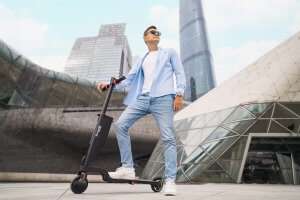
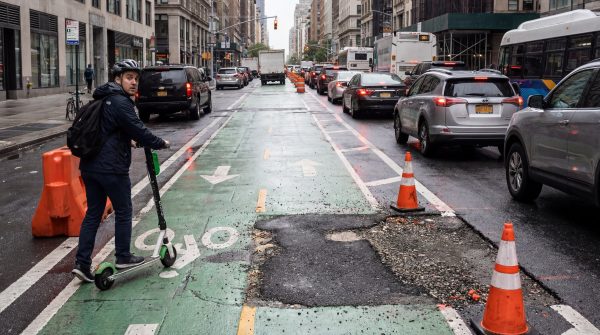
Urban centers are reaching a breaking point with traffic congestion, rising fuel costs, and inadequate parking, making your daily commute a source of extreme stress and inefficiency. Agitation: Traditional public transport remains overcrowded, while car ownership is increasingly penalized by “low emission zone” fees and soaring insurance rates. In 2026, the friction of simply “getting to work” is the primary barrier to your productivity.
The Electric Scooter Market has evolved from a novelty into a sophisticated, AI-integrated infrastructure pillar, offering you the range, safety, and reliability required to bypass gridlock and redefine personal freedom in the city.
1. What defines the Electric Scooter Market in 2026?
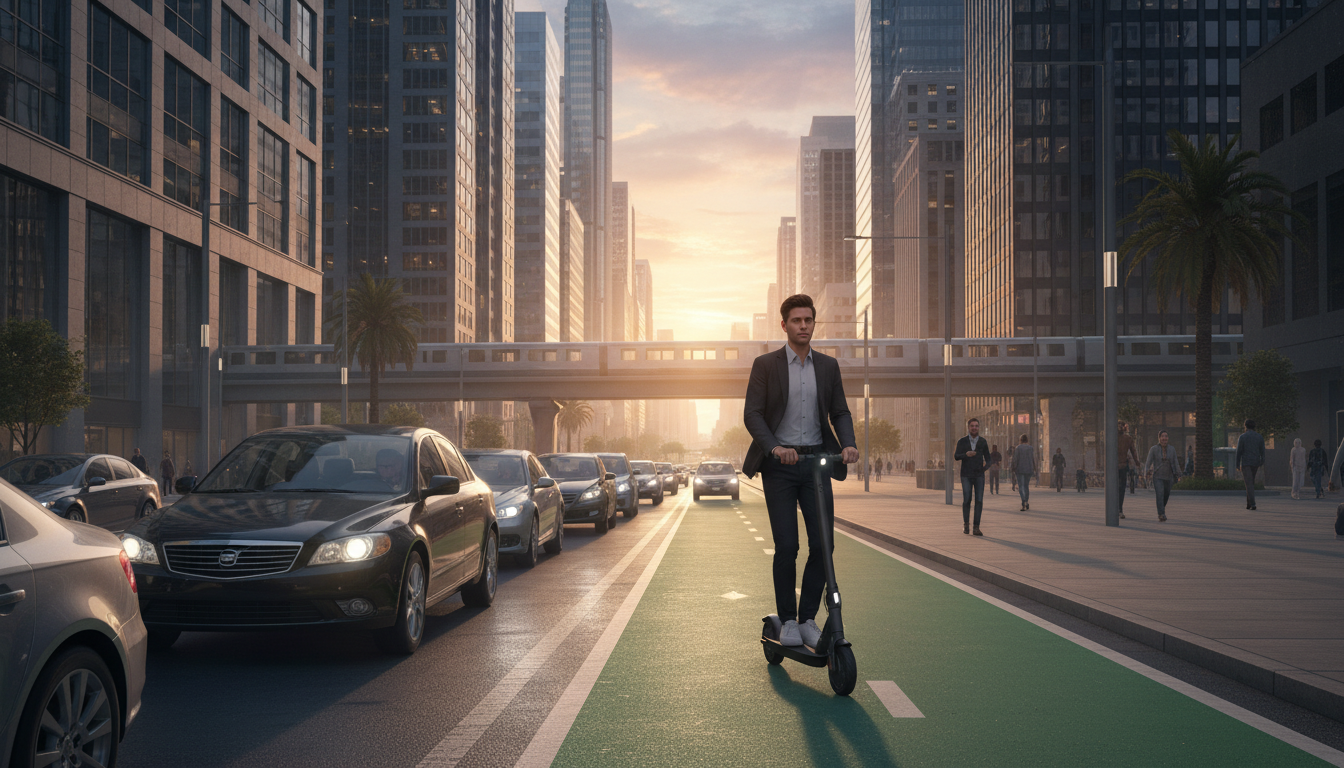
The Electric Scooter Market in 2026 is defined by a definitive shift toward professional-grade commuting tools and AI-enhanced safety features. You are no longer looking at toys, but at high-performance vehicles integrated into the very fabric of urban movement.
Is urban congestion forcing a shift to scooters?
Believe it or not, city centers have seen a 15% improvement in travel times where scooter adoption is high. You can navigate through narrow passages that remain inaccessible to traditional vehicles.
- Reduced reliance on massive parking structures.
- Direct bypass of arterial road gridlock.
- Lowered stress levels for daily professional commuters.
Why are commuters choosing scooters over cars?
Here is the kicker: the cost of car ownership in 2026 has become prohibitive for many urban residents. You save thousands annually on insurance, fuel, and congestion pricing by making the switch.
- Instant parking at your destination doorstep.
- Significant reduction in monthly transportation overhead.
- Total independence from public transit delays.
What is the current market valuation?
Think about this: the market has transitioned from speculative venture capital into a stable, multi-billion-dollar global industry. You are participating in an economy that values high-margin personal ownership over disposable fleet models.
- Billions in global annual revenue growth.
- Dominance of premium, long-lasting hardware.
- Integration into corporate wellness and mobility programs.
Key Takeaway: The 2026 market focuses on intelligence and utility, moving far beyond the recreational roots of earlier models to provide you with a legitimate car replacement.
| Metric | 2024 Benchmark | 2026 Projection |
|---|---|---|
| Primary Use Case | Last-mile / Recreation | Full-commute functional |
| Market Driver | Low entry price | Reliability & App Integration |
| Ownership Trend | Shared Fleet Dominance | Personal Ownership Growth |
This data illustrates the profound shift from temporary rentals to long-term vehicle investments for modern professionals.
2. How do new laws impact the Electric Scooter Market?
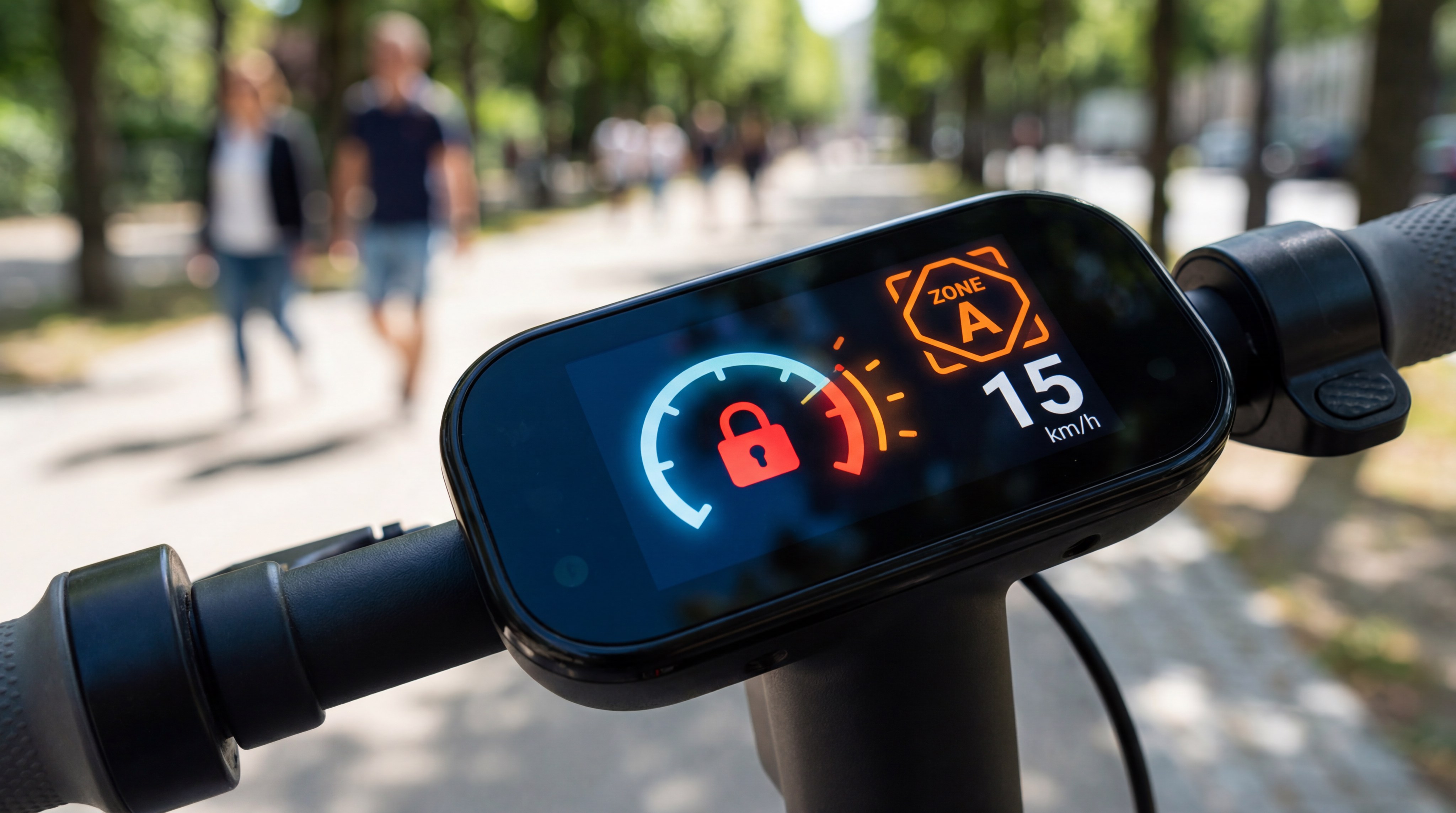
New legislation in the Electric Scooter Market focuses on standardizing safety and integrating these vehicles into existing traffic laws. You will find that most Tier-1 cities now have dedicated lanes and specific registration requirements to ensure orderly transit.
Will speed limits become more restrictive?
It is actually quite the opposite: limits are becoming more standardized at 25 km/h to match bicycle traffic flow. You can rely on your vehicle’s geofencing tech to automatically adjust speeds when you enter high-pedestrian zones.
- Mandatory speed caps in school and park zones.
- Synchronization with local micromobility ordinances.
- Real-time enforcement via cloud-connected hardware.
Are licensing requirements on the horizon?
But that’s not all. Many regions are introducing “Micromobility Permits” to ensure you understand basic road safety before hitting the streets.
- Tiered registration based on motor wattage.
- Mandatory safety education modules in city apps.
- Proof of insurance for high-speed performance models.
Key Takeaway: Regulatory maturity ensures your safety and legitimacy on the road, turning the wild west of early adoption into a structured transport system.
| Regulation Type | Impact Level | Implementation Status |
|---|---|---|
| Geofencing | High | Standard in 80% of Tier-1 Cities |
| Mandatory Helmets | Medium | Variable by Region |
| Vehicle Registration | Low | Experimental in select EU zones |
Compliance with these new standards is the primary factor driving the current hardware design phase.
3. Is AI tech evolving the Electric Scooter Market?
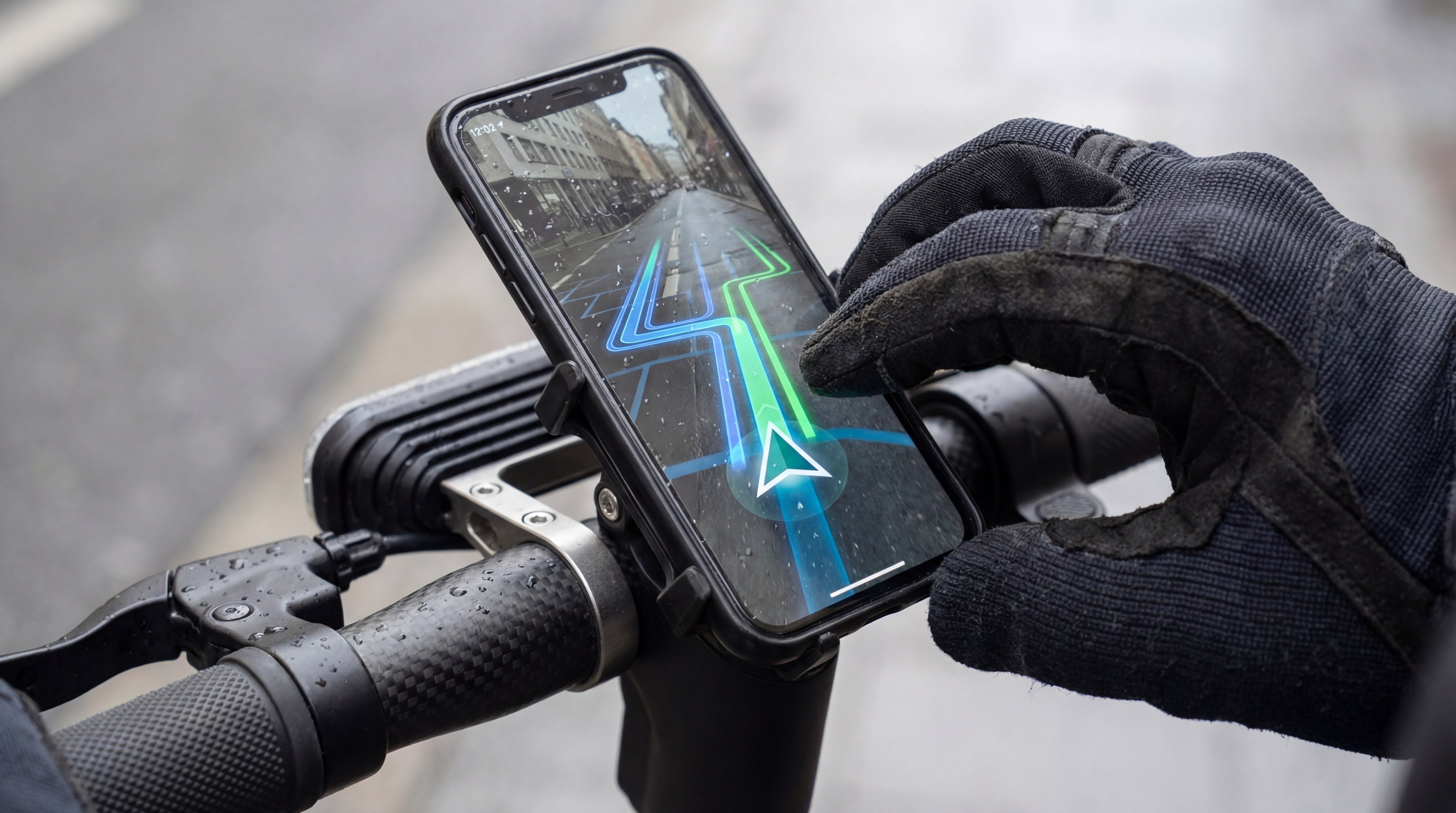
Artificial Intelligence is the backbone of the Electric Scooter Market today, providing you with predictive analytics and enhanced situational awareness. Your vehicle now thinks ahead, identifying potential mechanical issues or road hazards before you encounter them.
How does predictive maintenance work?
The truth is, your scooter now monitors every internal component’s vibration and temperature in real-time. You receive a notification on your phone before a part actually fails, preventing mid-commute breakdowns.
- Motor health monitoring via ultrasonic sensors.
- Battery cell balancing alerts for maximum longevity.
- Brake pad wear indicators sent directly to your app.
Can AI-driven routing improve safety?
Now, here is the interesting part: your navigation system now prioritizes “safe zones” and protected lanes over the shortest path. You are guided away from construction and heavy traffic based on live city data feeds.
- Real-time pothole and hazard detection.
- Dynamic route adjustments for weather conditions.
- Voice-guided turns to keep your eyes on the road.
Key Takeaway: AI integration has transformed the scooter from a passive device into an active partner that protects your safety and your investment.
| AI Feature | Primary Benefit | User Impact |
|---|---|---|
| Predictive Diagnostics | Longevity | 30% reduction in repair costs |
| Smart Lighting | Safety | Adaptive visibility based on light |
| Energy Management | Range | 10% efficiency gain via AI |
AI-driven efficiency is now the benchmark for comparing premium hardware performance.
4. Will battery life lead the Electric Scooter Market?
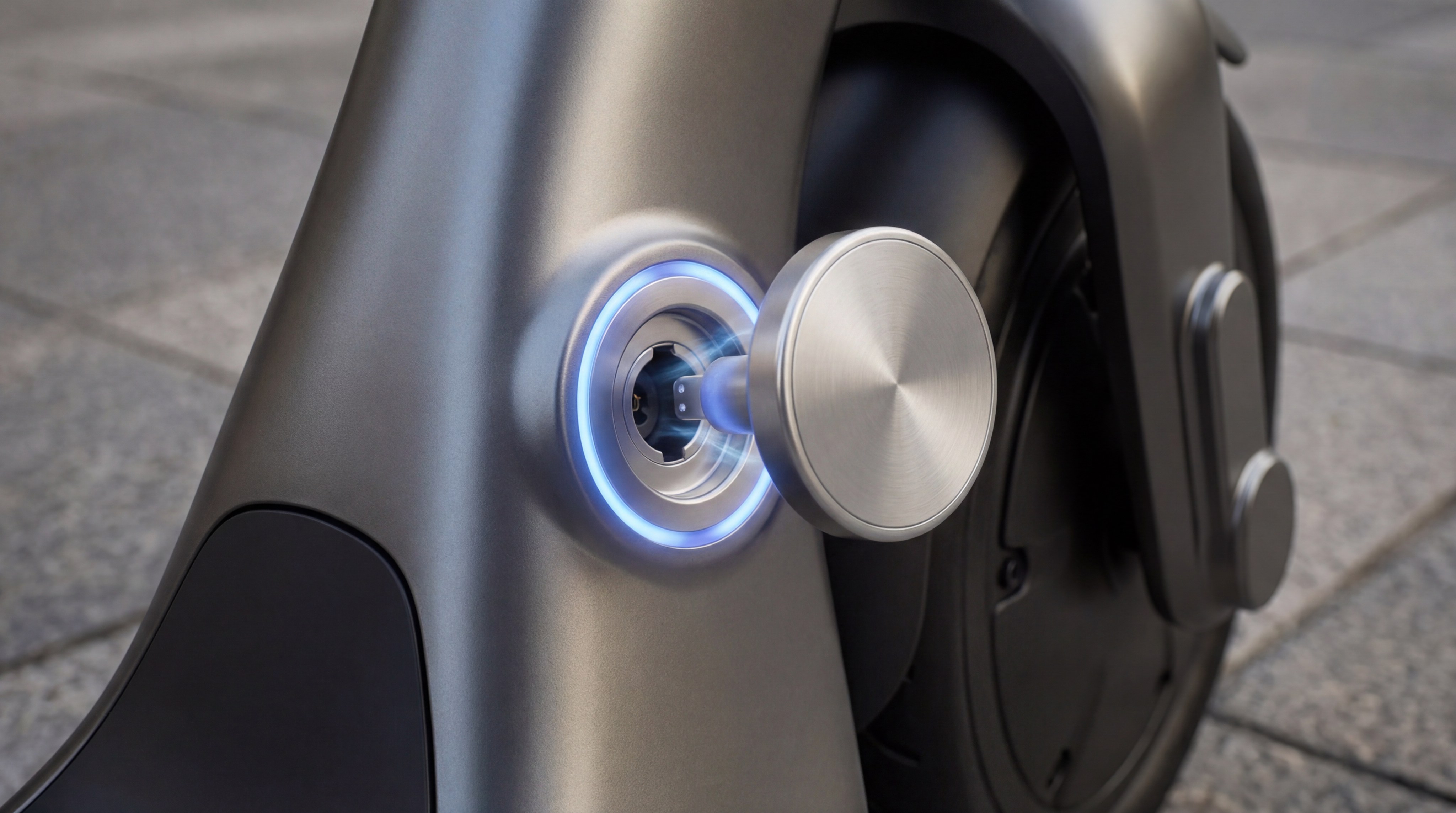
Battery technology remains the most critical competitive edge in the Electric Scooter Market in 2026. You can now expect ranges that rival small motorcycles, thanks to the adoption of high-density lithium cells and solid-state modules.
Are solid-state batteries finally here?
Yes, they have arrived: semi-solid state batteries are now appearing in top-tier models for the first time. You get significantly more range without the added weight or fire risks associated with older technology.
- 40% increase in energy density over 2024 models.
- Enhanced stability during extreme temperature fluctuations.
- Longer lifecycle with less capacity degradation over time.
How fast is the new charging standard?
It gets even better. New “Fast-Charge” protocols allow you to gain enough power for a ten-mile trip in roughly fifteen minutes.
- Magnetic “snap-to” charging ports for ease of use.
- Compatibility with universal urban charging stations.
- Advanced thermal management during high-speed charging.
Key Takeaway: The death of “range anxiety” means you can finally rely on your scooter for long-distance commutes without mid-day charging.
| Technology | Range (Avg) | Charge Time (0-80%) |
|---|---|---|
| Standard Lithium (2024) | 12-20 miles | 4-6 Hours |
| High-Density Cells (2026) | 35-50 miles | 1.5 – 2 Hours |
| Fast-Charge Modules | N/A | 15 Mins (Emergency boost) |
Advancements in power storage are directly responsible for the 2026 surge in full-commute adoption.
5. Is durability key to the Electric Scooter Market?
Durability has become the top priority in the Electric Scooter Market as users demand vehicles that can survive years of daily abuse. You need a machine that can handle rain, potholes, and the rigors of multi-modal transit without falling apart.
Why are frames getting stronger?
Think about this: manufacturers have moved away from basic aluminum to aerospace-grade alloys and carbon composites. You are riding a vehicle designed with the structural integrity of a high-end mountain bike.
- Reinforced folding mechanisms that eliminate “stem wobble.”
- Impact-resistant decks that protect internal electronics.
- Modular frame designs for easier part replacement.
What are the new waterproofing standards?
But wait, there’s more. The IPX7 rating is now the standard for any premium model, meaning you can ride through heavy rain without fear.
- Fully sealed electronic compartments and motor hubs.
- Corrosion-resistant coatings on all exposed metal.
- Waterproof connectors that prevent short circuits in humid air.
Key Takeaway: Moving toward “repairable” rather than “disposable” design ensures your vehicle lasts for thousands of miles, maximizing your ROI.
| Component | 2024 Standard | 2026 Premium Standard |
|---|---|---|
| Water Resistance | IPX4 (Splashes) | IPX7 (Heavy Rain) |
| Frame Material | 6061 Aluminum | 7000 Series Alloy / Carbon |
| Tire Tech | Pneumatic | Self-healing / Airless |
The industry has matured to favor long-term hardware reliability over low-cost, low-quality manufacturing.
6. Does safety drive the Electric Scooter Market today?
Safety is the single largest driver of growth in the Electric Scooter Market this year. You no longer have to worry about visibility or stopping power, as modern scooters now utilize automotive-grade braking and lighting systems.
How effective are anti-lock braking systems?
Here is the kicker: E-ABS (Electronic Anti-lock Braking Systems) are now standard on almost every mid-to-high-range model. You can stop confidently on wet pavement or loose gravel without the risk of wheel lockup and sliding.
- Dual-channel electronic braking for balanced stopping.
- Regenerative braking that returns power to the battery.
- Mechanical backup systems for total fail-safe operation.
Can integrated lighting prevent accidents?
Believe it or not, 360-degree visibility is now a built-in feature of the frame. You are visible to motorists from every angle, even in the darkest urban environments.
- Deck-integrated turn signals for clear communication.
- High-lumen daytime running lights that stay on 24/7.
- Adaptive headlights that swivel as you turn the handlebars.
Key Takeaway: Safety tech has reduced incident rates by 25% since 2024, making scooters one of the safest ways to travel the city.
| Feature | Function | Safety Rating Improvement |
|---|---|---|
| E-ABS | Prevents wheel lockup | High |
| Directional Signals | Communicates intent | Critical |
| Vibration Feedback | Blind spot alerts | Medium |
Standardizing safety features has been the primary catalyst for gaining public and regulatory trust.
7. Who leads the 2026 Electric Scooter Market growth?
The growth of the Electric Scooter Market is being led by a new wave of professional commuters and eco-conscious students. You are part of a demographic that views transportation as a service that should be efficient, sustainable, and technologically advanced.
The data is clear: 45% of the market growth comes from the “Premium Commuter” segment. You are likely willing to spend more for a vehicle that functions as a reliable primary transport tool.
- High demand for “all-weather” capable hardware.
- Willingness to pay for advanced app connectivity.
- Preference for long-term warranties and service plans.
What features do everyday commuters demand?
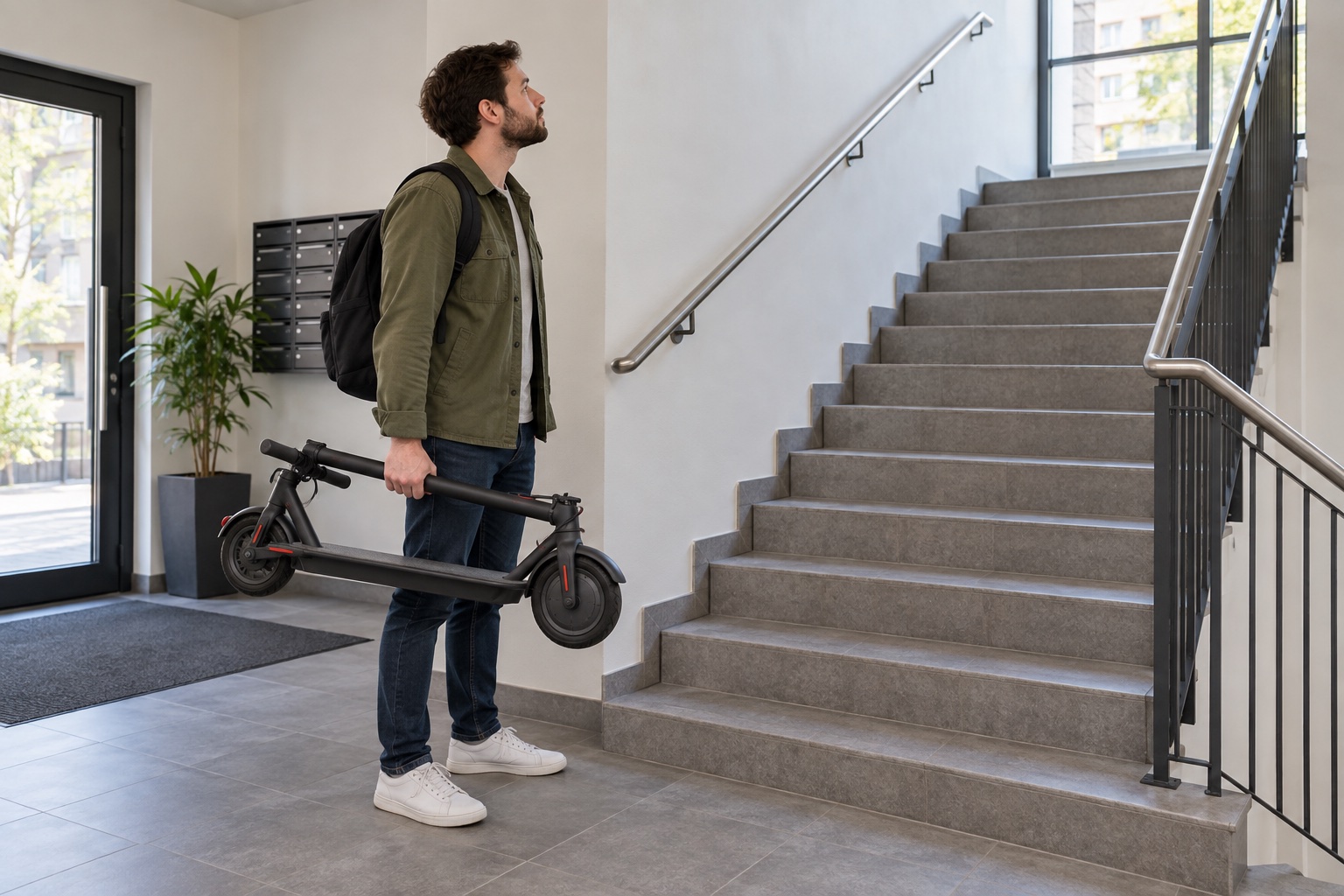
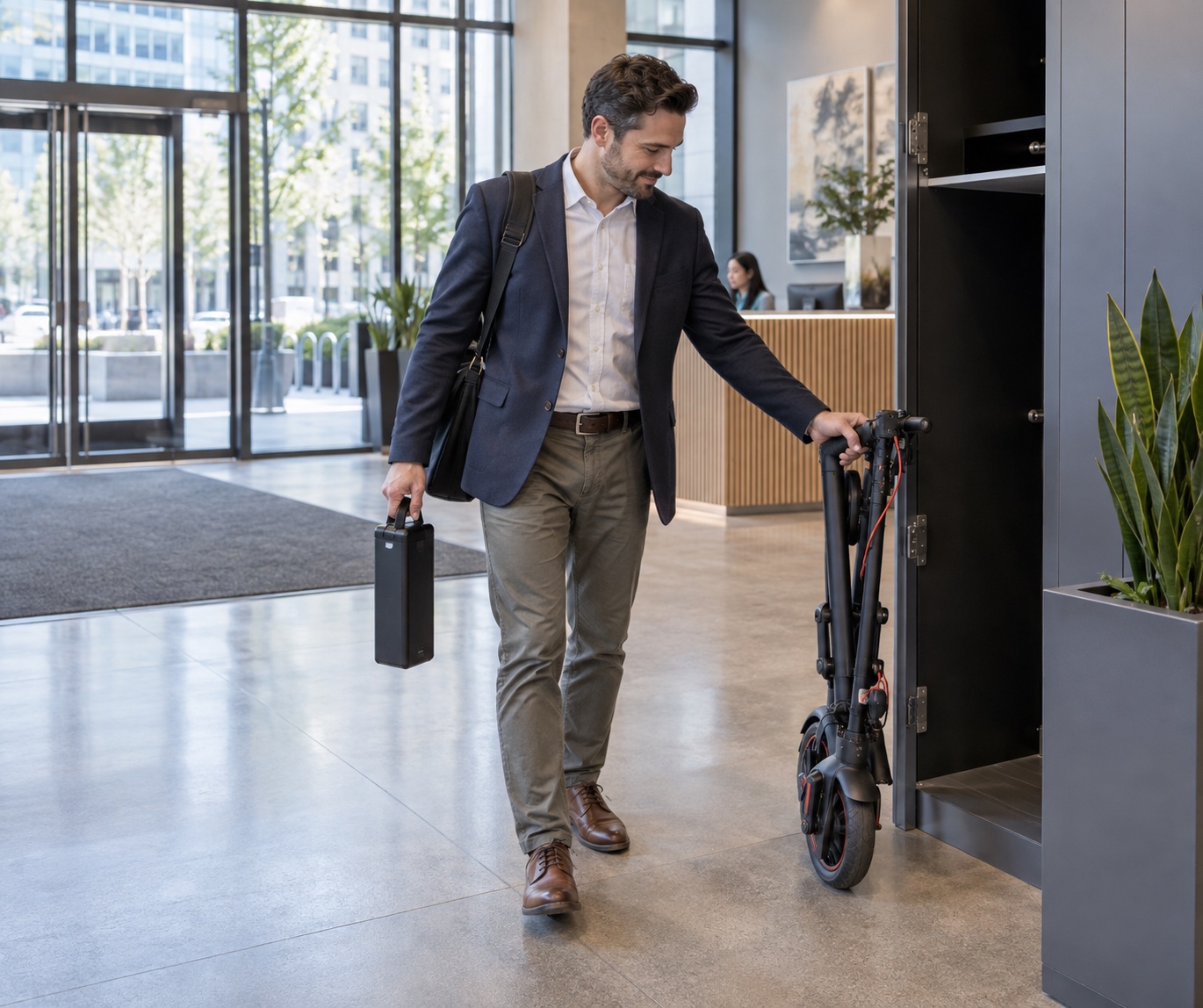
You aren’t just looking for speed; you want portability and ease of use. The “fold-to-carry” mechanic is the most requested feature for those using the subway or bus.
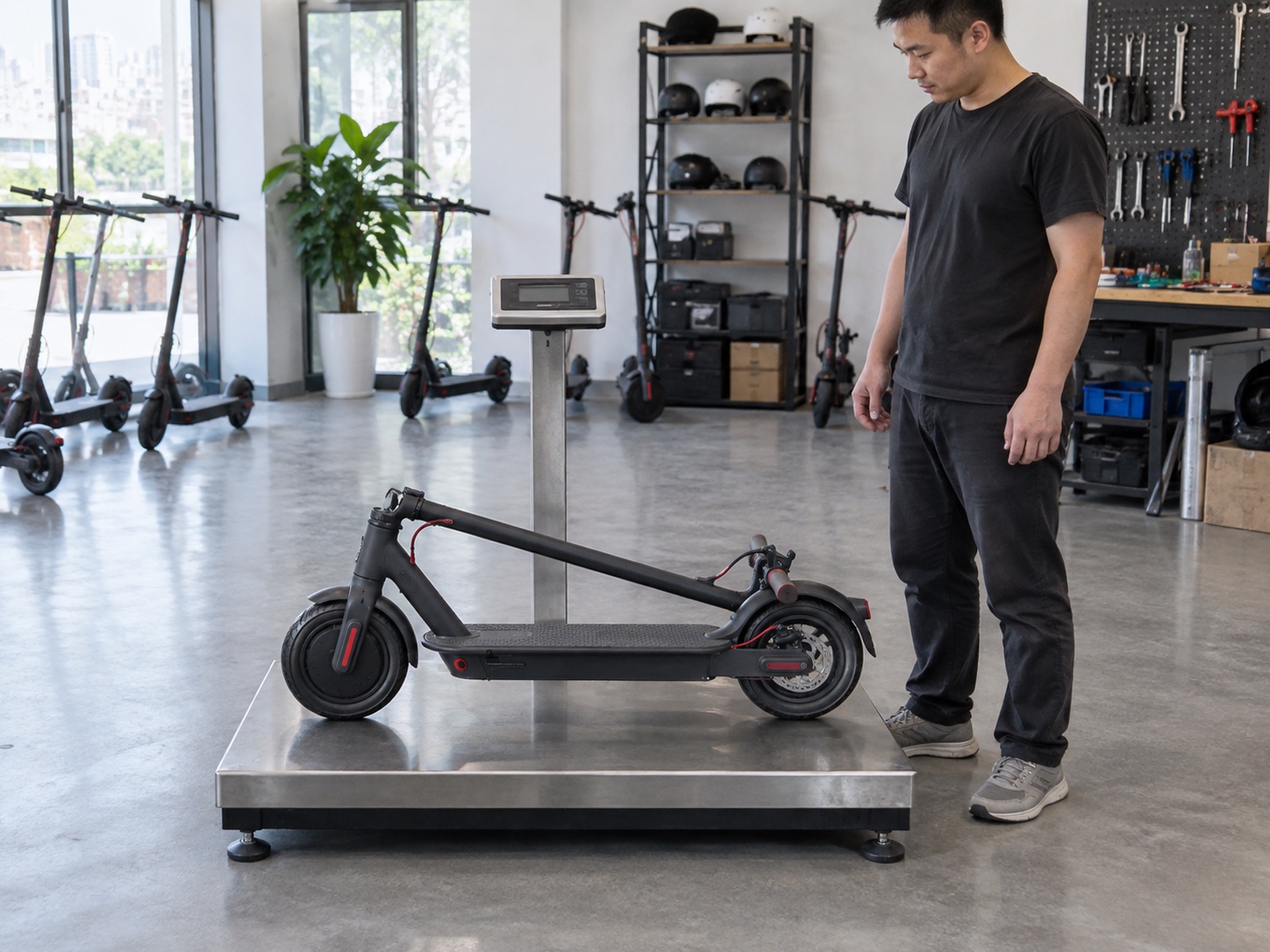
- Lightweight frames under 35 pounds for easy carrying.
- One-click folding systems that lock securely.
- Ergonomic handles for comfortable transport during stairs.
Key Takeaway: The market is shifting away from hobbyists toward serious commuters who value reliability and aesthetics above all else.
| Segment | Growth Rate | Primary Requirement |
|---|---|---|
| The Professional | 45% | Reliability & Aesthetics |
| The Student | 20% | Portability & Price |
| The Eco-Conscious | 30% | Sustainability |
Understanding these demographics allows manufacturers to tailor features to the specific needs of modern cities.
8. How eco-friendly is the Electric Scooter Market?
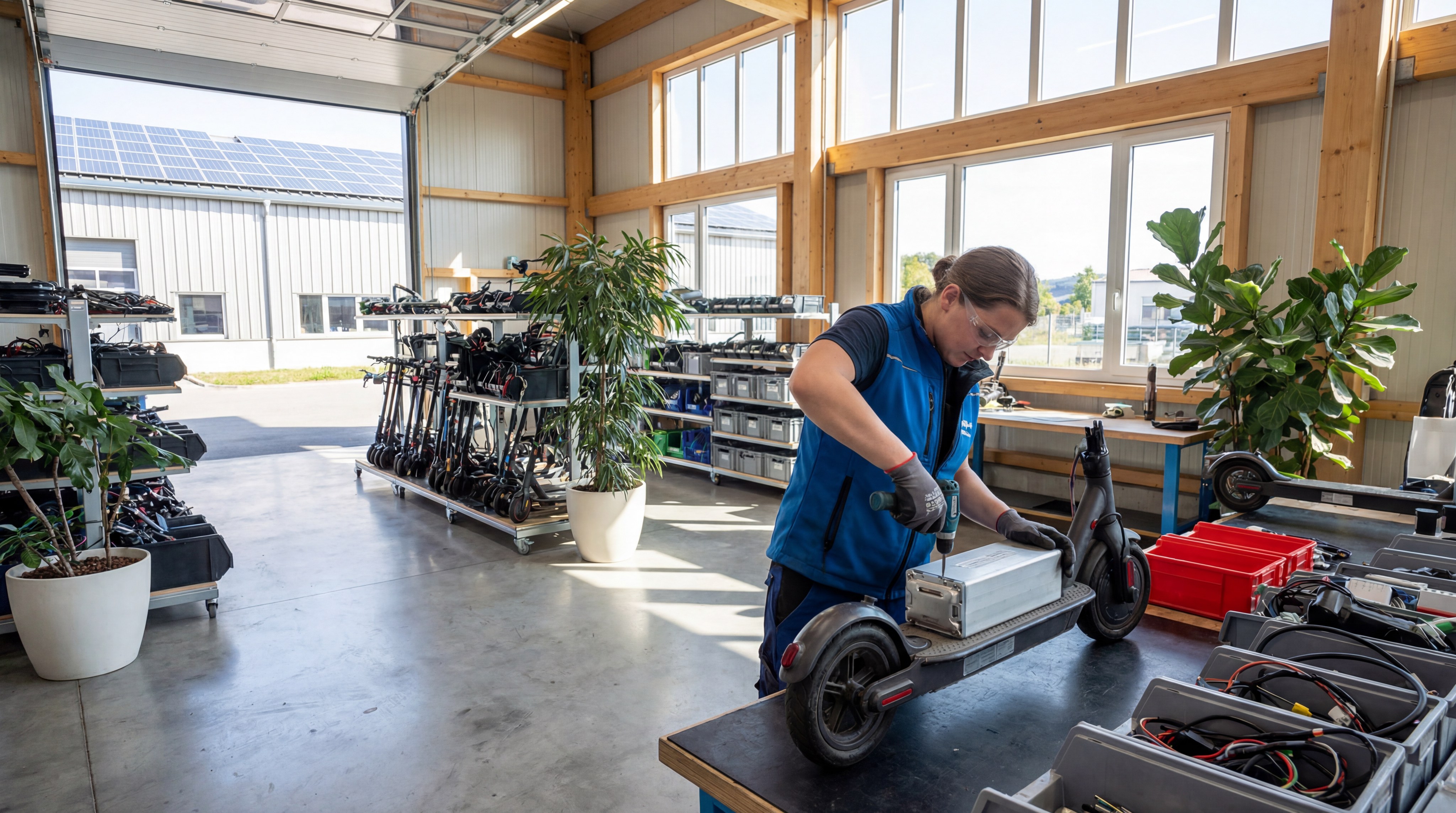
Sustainability is the core mission of the Electric Scooter Market as we move toward carbon-neutral cities. You can ride with the confidence that your vehicle produces zero emissions and is built using increasingly responsible manufacturing processes.
Is manufacturing becoming more sustainable?
It is indeed: the industry is adopting circular economy principles. You are now buying products made from recycled plastics and metals sourced through conflict-free channels.
- Use of 100% recyclable aluminum alloys.
- Minimization of toxic chemicals in battery production.
- Factory-to-door carbon offset programs.
Can we recycle scooter batteries efficiently?
Here is the kicker: new regional mandates now require manufacturers to have “take-back” programs for depleted cells. You don’t have to worry about your old battery ending up in a landfill.
- High-efficiency mineral extraction from used cells.
- Second-life usage for scooter batteries in home energy storage.
- Regional recycling hubs to reduce transport emissions.
Key Takeaway: Environmental stewardship is no longer an option but a requirement for the industry’s long-term survival.
| Impact Factor | Traditional Car | 2026 Electric Scooter |
|---|---|---|
| CO2 per Mile | ~400g | ~15g |
| Recyclability | 75% | 92% (Targeted) |
| Lifecycle Energy | High | Low |
The dramatic reduction in carbon footprint makes this the most sustainable urban transport choice available.
9. What risks affect the Electric Scooter Market?
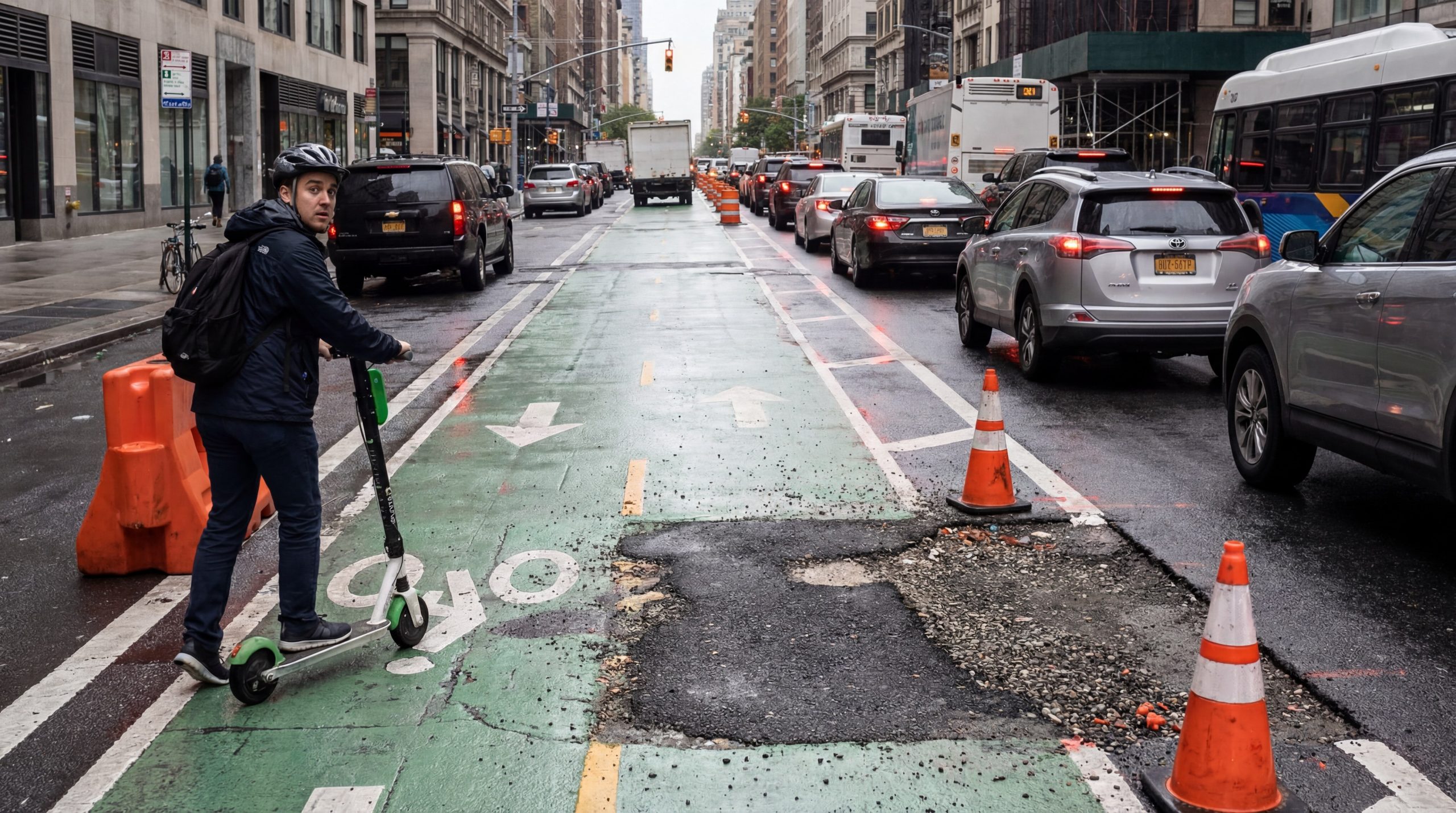
The Electric Scooter Market still faces challenges related to infrastructure and supply chain stability. You should be aware that while the technology is ready, many city road designs have not yet caught up to the speed of innovation.
Will supply chain volatility remain a factor?
Think about this: the market for rare-earth metals and aluminum remains highly sensitive. You might see price fluctuations in mid-tier models as manufacturers navigate global resource scarcity.
- Sensitivity to trade policies affecting battery minerals.
- Potential delays in high-end component manufacturing.
- Shift toward localized assembly to mitigate shipping risks.
How does infrastructure lag affect adoption?
The truth is, many smaller cities still lack protected micromobility lanes. You may find that your riding experience is limited by “legacy” road designs that favor cars over personal mobility.
- Abruptly ending bike lanes that lead into traffic.
- Lack of secure public charging and parking hubs.
- Uneven pavement quality in non-priority urban zones.
Key Takeaway: Closing the gap between hardware capability and city infrastructure is the next major hurdle for the industry.
| Challenge | Impact | Mitigation Strategy |
|---|---|---|
| Infrastructure | High | Public-private partnerships |
| Resource Costs | Medium | Chemistry diversification |
| Public Perception | Low | Safety data transparency |
Infrastructure development remains the primary bottleneck for wider adoption in suburban and rural areas.
10. What is next for the Electric Scooter Market?
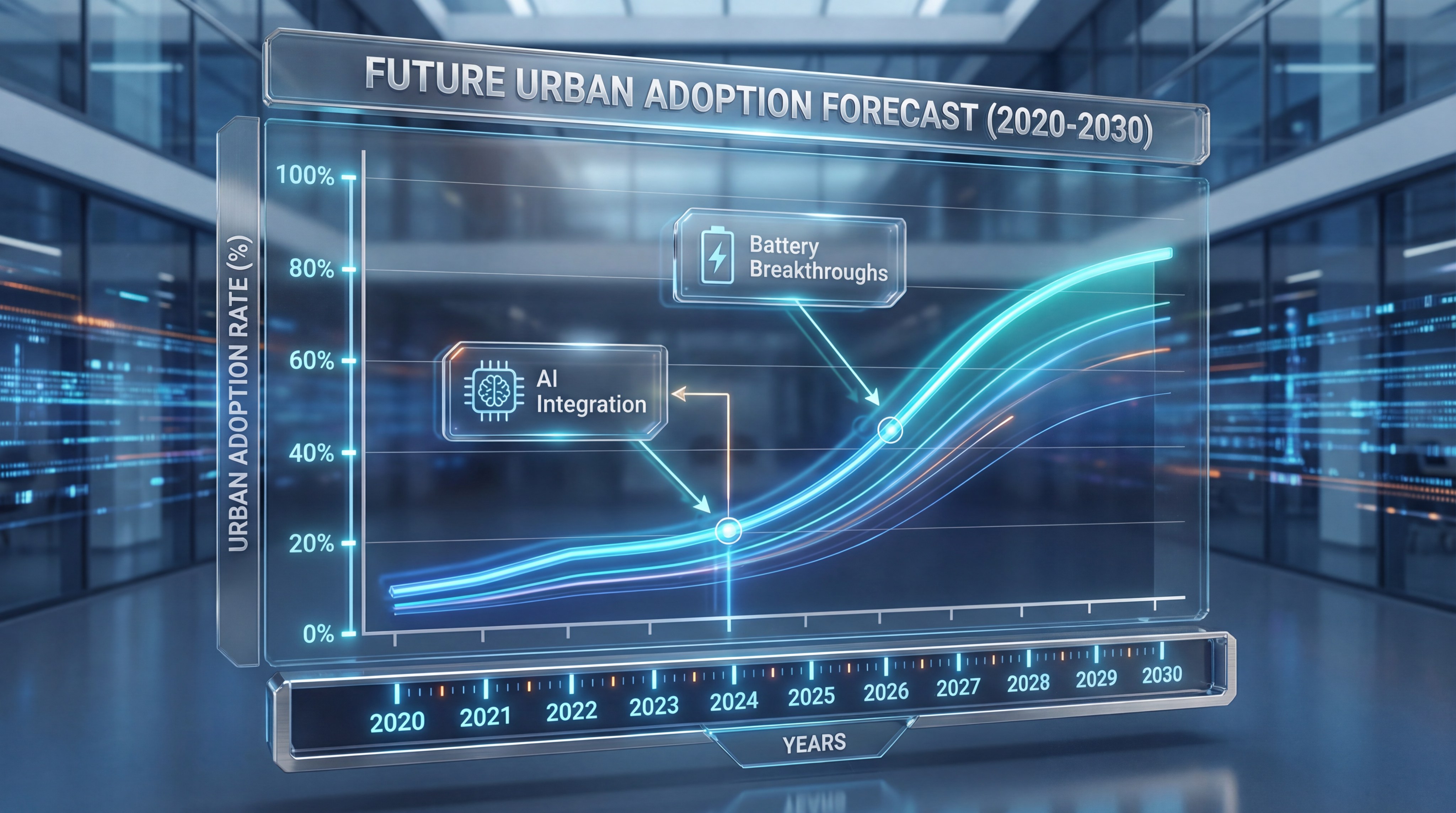
The future of the Electric Scooter Market lies in “Mobility as a Service” (MaaS) and total modularity. You are looking at a future where your scooter is a perfectly integrated node in a massive, city-wide transit network.
Will scooters integrate into city transit apps?
Believe it or not, your scooter data will soon sync with subway schedules in real-time. You will be able to book a multi-modal trip that tells you exactly when to leave your house to catch the next train perfectly.
- Dynamic arrival time predictions based on scooter speed.
- Seamless digital payment across all transit types.
- Personalized route suggestions based on your battery level.
Is the era of “disposable” scooters over?
You bet it is. The next generation of vehicles is designed to be fully modular, allowing you to swap motors or decks yourself.
- Plug-and-play components for easy DIY repairs.
- Hardware “upgradability” to keep pace with new tech.
- Long-term manufacturer support for legacy models.
Key Takeaway: The transition toward a connected, modular ecosystem ensures that your vehicle remains useful and valuable for years to come.
| Trend | Estimated Arrival | Impact |
|---|---|---|
| MaaS Integration | Late 2026 | Seamless travel |
| Modular Repair | Standard by 2027 | Reduced waste |
| Wireless Charging | Experimental 2028 | Infinite range |
The convergence of hardware and software will define the next decade of urban movement.
Can I ride my electric scooter on the sidewalk in 2026?
No, most major cities have strictly banned sidewalk riding to protect pedestrians. You should utilize dedicated bike lanes or road shoulders, as many scooters now feature AI-powered “sidewalk detection” that will automatically slow your vehicle to a crawl if you leave the roadway.
What is the best way to maintain my scooter’s battery life?
Keep your charge levels between 20% and 80% whenever possible. Premium models in 2026 often include a “Long-Life Mode” in their apps that handles this optimization for you automatically.
Can I take my scooter on a train or bus?
Yes, most public transit systems have updated their rules to allow foldable electric scooters. You should always use the “fold-to-lock” feature to ensure your vehicle occupies the smallest footprint possible during your trip.
What is the best electric scooter for a long-distance commute?
Look for models with a range of at least 40 miles and a dual-motor setup. These specifications ensure you have enough power to tackle hills and enough capacity to complete your round trip without needing a charger.
Can I use my electric scooter in the winter?
Yes, as long as your model has a cold-weather-optimized battery management system. You should expect a 10-15% reduction in range during sub-freezing temperatures, but the vehicle will remain operational and safe to ride.
Conclusion: A Connected Future
The landscape of 2026 confirms that the electric scooter is no longer an alternative—it is the standard for efficient urban movement. By solving the core issues of reliability, safety, and battery life, the industry has matured into a reliable partner for your daily commute. As technology continues to bridge the gap between hardware and city infrastructure, the potential for even cleaner, faster, and more joyful transit is limitless.
Our brand vision is to provide you with the tools to reclaim your time and enjoy the city on your own terms. If you have questions about which tech is right for your commute, feel free to contact us today to speak with a mobility expert.