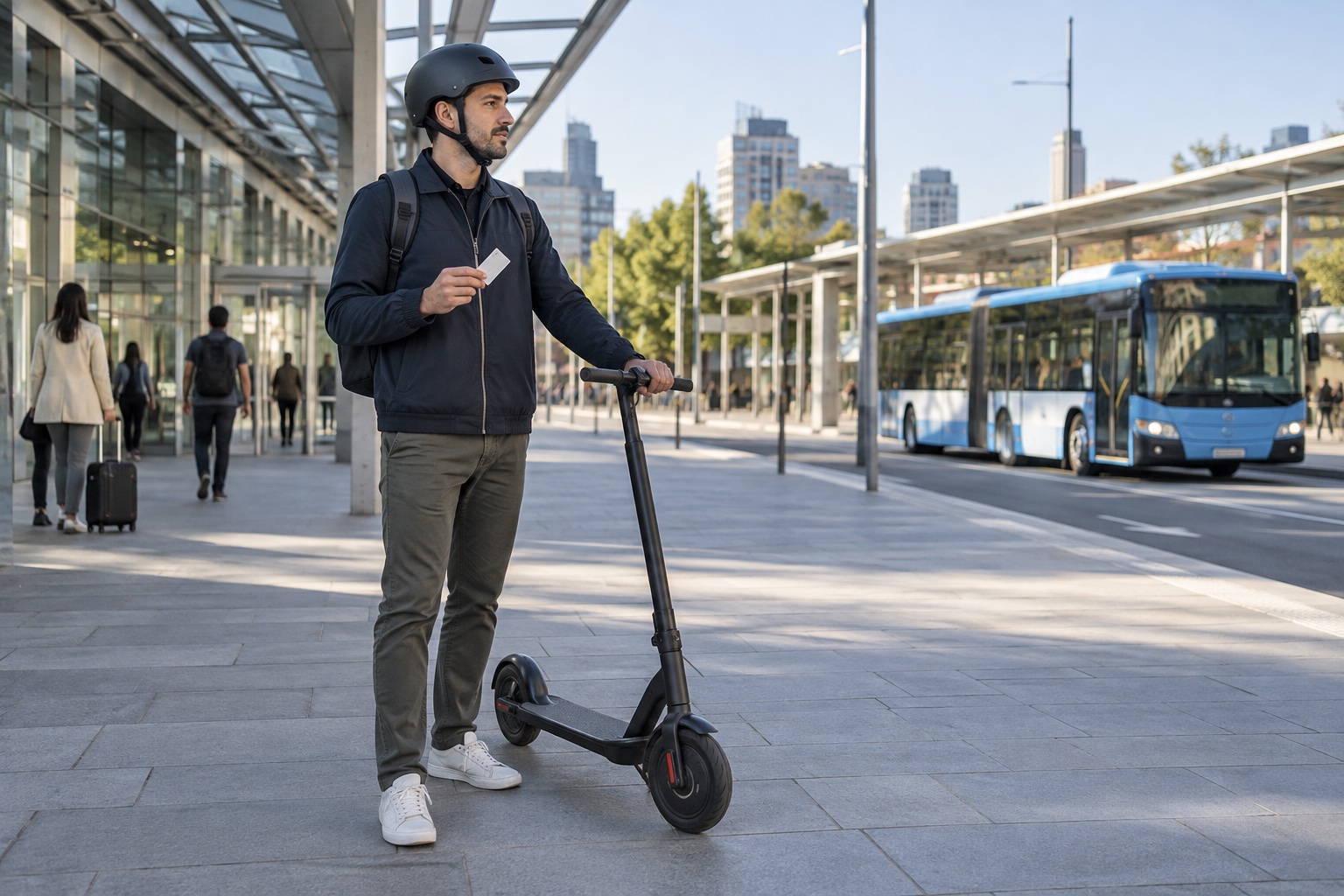

Choosing between an electric scooter and an electric skateboard for urban commuting depends entirely on your priority for safety, portability, and ease of use. Imagine standing on a crowded city corner with the clock ticking toward your morning meeting while the subway is delayed yet again. You need to navigate the “last mile” of your commute without arriving drenched in sweat or stuck in gridlock.
This is where the debate of electric scooter vs electric skateboard begins, as picking the wrong ride can lead to a steep learning curve or a commute that simply doesn’t fit your lifestyle.
Which is faster to master: electric scooter vs electric skateboard?
Mastering an electric scooter is significantly faster than learning to ride an electric skateboard because of the stability provided by handlebars. Most new riders can feel confident on a scooter in less than five minutes, while a board often requires days of practice.

The Intuitive Nature of Handlebars
The learning curve for the electric scooter vs electric skateboard comparison starts with physical support. Handlebars give you a steady point of contact that helps maintain balance immediately.
- Vertical support post for balance.
- Direct steering control via wrists.
- Natural forward-facing stance.
Think about it: when you have something to hold onto, your brain spends less energy on staying upright and more on navigating the road.
The Challenge of Deck Balancing
Learning the electric scooter vs electric skateboard balance requires significant core strength when you choose the board. On a skateboard, your feet and ankles do 100% of the work to keep you stable at high speeds.
But here is the kicker:
Without handlebars, a sudden bump can easily throw a beginner off balance. You have to learn how to shift your weight perfectly just to make a simple turn.
Key Takeaway: Scooters are the “get up and go” choice for those who want a zero-stress learning experience.
| Feature | Electric Scooter | Electric Skateboard |
|---|---|---|
| Difficulty Level | Low (Beginner) | Moderate to High |
| Mastery Time | Under 5 Minutes | 3 – 7 Days |
If you are looking for the easiest transition to micro-mobility, the scooter is your best bet.
How safe is the electric scooter vs electric skateboard for roads?
An electric scooter is generally safer for daily road use due to its mechanical braking systems and higher rider visibility. When comparing the electric scooter vs electric skateboard, the ability to stop instantly with a hand lever provides a massive safety advantage in traffic.

Braking Systems and Stopping Power
Safety in the electric scooter vs electric skateboard debate often comes down to how quickly you can stop. Scooters use disc or drum brakes that feel tactile and reliable, much like a bicycle.
- Hand-operated brake levers.
- Predictable stopping distances.
- Redundant electronic braking.
Let’s dive in:
Skateboards rely on a wireless remote for braking, which can be sensitive or even fail if the connection drops. Having a physical cable connected to a brake pad offers much more peace of mind.
Visibility and Integrated Lighting
Integrated lights on an electric scooter vs electric skateboard make a huge difference during sunset commutes. High-mounted headlights ensure that cars can see you from a distance, which is harder to achieve on a low-profile board.
Think about it:
The higher your eyes are from the ground, the more of the road you can see. This extra height allows you to spot hazards like car doors opening or deep potholes before they become a problem.
Key Takeaway: Scooters offer superior braking and visibility, making them the safer choice for busy city streets.
| Safety Element | Electric Scooter | Electric Skateboard |
|---|---|---|
| Primary Brake | Mechanical Lever | Remote Bluetooth |
| Lighting | Built-in High Beam | Deck Level (Often Add-on) |
Safety shouldn’t be a compromise when you’re sharing the road with multi-ton vehicles.
Is an electric scooter vs electric skateboard easier to carry?
While an electric skateboard is physically smaller, a foldable electric scooter is often easier to carry into buildings and onto public transit because of its built-in handles. The Model B is a prime example of a scooter designed specifically to be “last-mile” ready for professionals.

The Foldable Advantage
The portability of the electric scooter vs electric skateboard depends on how it fits into your daily routine. Modern scooters fold down into a compact “stick” shape that slides easily under a bus seat.
- One-click folding mechanisms.
- Compact storage for tight offices.
- Secure locking when folded.
But here is the kicker:
A folded scooter acts as its own handle. You don’t have to worry about dirty wheels touching your clothes as you do with a skateboard deck.
Lightweight Dimensions
Carrying an electric scooter vs electric skateboard through a lobby is a different experience for each. Boards are lighter but can be awkward to hold for long periods without a dedicated bag.
Look at it this way:
The Model B balances weight and power perfectly, making it light enough for a flight of stairs. It provides the portability you need without sacrificing the ride quality of a full-sized vehicle.
Key Takeaway: Scooters are better for multi-modal commutes involving trains or buses due to their folding nature.
| Portability | Electric Scooter | Electric Skateboard |
|---|---|---|
| Foldability | Yes (One-handed) | No |
| Carry Method | Integrated Stem Handle | Under Arm / Backpack |
Ease of transport is essential for anyone who doesn’t want to leave their ride locked outside.
What speed can you expect from electric scooter vs electric skateboard?
Both the electric scooter vs electric skateboard usually offer top speeds between 15 and 25 mph, which is the legal limit in most urban areas. You can explore a wide variety of high-performance options in our full collection to see how they stack up.
Acceleration and Motor Torque
The sensation of speed on an electric scooter vs electric skateboard is quite different. Boards often feel faster because your center of gravity is lower, but scooters often have more torque for hill climbing.
- Quick off-the-line acceleration.
- Better performance on inclines.
- Smooth power delivery.
Let’s dive in:
Scooters provide a stable platform that allows you to use that speed with confidence. You won’t feel “speed wobbles” at 15 mph on a scooter the way you might on a short-range skateboard.
Handling Inclines and Hills
Comparing the power of an electric scooter vs electric skateboard shows that scooters are built for the daily grind. Most city commutes involve at least one bridge or hill that requires consistent motor output.
Think about it:
A dual-motor scooter can climb a 15-degree grade without breaking a sweat. On a board, climbing steep hills requires a lot of “kick” from the motor and perfect balance from the rider to keep the front wheels down.
Key Takeaway: Both are fast, but scooters offer more stability and power for climbing urban hills.
| Speed Factor | Electric Scooter | Electric Skateboard |
|---|---|---|
| Top Speed | 15 – 25 mph | 12 – 30 mph |
| Hill Climbing | Excellent Stability | Motor Dependent |
Consistent speed is the key to arriving at your destination on time every day.
Which has better range: electric scooter vs electric skateboard?
Electric scooters typically offer a longer range because their larger frames can house more substantial battery packs. When looking at the electric scooter vs electric skateboard, you’ll find that scooters are better suited for commutes longer than 5 miles.
Battery Capacity and Efficiency
The range of an electric scooter vs electric skateboard is often limited by physical space. Scooters have a long deck that acts as a perfect enclosure for high-capacity lithium-ion cells.
- Larger decks for bigger batteries.
- Consistent power for long distances.
- Standard 3–5 hour charge times.
But here is the kicker:
A scooter like the Model B offers a reliable 12-mile range, which covers the average urban commute twice over. Skateboards often sacrifice battery size to keep the weight low enough to carry.
Energy Consumption in the City
Weight affects the range of the electric scooter vs electric skateboard differently. Boards are very sensitive to rider weight and wind resistance, whereas scooters have the torque to maintain efficiency.
Let’s dive in:
If you have a heavy backpack, the scooter’s motor will handle the extra load with less battery drain. This makes the scooter a more predictable “commuter tool” for people carrying gear.
Key Takeaway: Scooters are the winner for range, offering enough juice for long commutes without midday charging.
| Battery Life | Electric Scooter | Electric Skateboard |
|---|---|---|
| Typical Range | 12 – 25 Miles | 7 – 15 Miles |
| Charging Time | 4 Hours (Average) | 3 Hours (Average) |
Range anxiety disappears when you know your ride has the capacity to get you home.
Is an electric scooter vs electric skateboard more comfortable?
An electric scooter provides a more comfortable ride because of its larger pneumatic tires and natural standing position. If you choose the Model B, you’ll notice that road vibrations are absorbed by the vehicle rather than your joints.

Vibration Dampening and Tires
The comfort of the electric scooter vs electric skateboard is largely determined by what’s touching the ground. Scooters use large rubber tires that can roll over cracks and debris without jarring the rider.
- Shock-absorbing air-filled tires.
- Wider platform for foot placement.
- Optional suspension systems.
Think about it:
Most skateboards use solid polyurethane wheels. While great for smooth skateparks, these wheels transmit every single bump in the pavement directly into your knees and ankles.
Standing Ergonomics and Fatigue
Long-distance comfort on an electric scooter vs electric skateboard favor the forward-facing stance. Standing on a scooter is like standing on the ground, whereas a skateboard requires a sideways, athletic posture.
But here is the kicker:
Holding a sideways stance for 20 minutes can lead to “speed leg” or muscle fatigue. On a scooter, you can shift your weight easily and stay relaxed, arriving at your destination feeling fresh.
Key Takeaway: Scooters are the superior choice for comfort, especially on older city streets with rough pavement.
| Comfort Factor | Electric Scooter | Electric Skateboard |
|---|---|---|
| Stance | Forward (Natural) | Sideways (Athletic) |
| Tire Type | Pneumatic (Air-filled) | Polyurethane (Solid) |
Your body will thank you for choosing a ride that prioritizes shock absorption and ergonomic design.
Which requires more upkeep: electric scooter vs electric skateboard?
Electric scooters generally require less frequent maintenance because their internal components are better protected from dust and moisture. In the electric scooter vs electric skateboard comparison, the board’s exposed belt drives and bearings need constant cleaning to stay functional.
Component Durability and Protection
The durability of an electric scooter vs electric skateboard is a major factor for daily users. Scooters are built like mini-tanks, with wires hidden inside the frame and motors sealed inside the wheels.
- Hidden wiring for weather protection.
- Sealed hub motors.
- Robust metal or carbon frames.
Let’s dive in:
Skateboards have “trucks” and often exposed belts that can snap if they catch a sharp pebble. Keeping a skateboard running smoothly requires a level of “tinkering” that many commuters want to avoid.
Repair Simplicity and Parts
Maintaining an electric scooter vs electric skateboard is simple if you have the right support. Most scooter repairs involve basic tasks like checking tire pressure or tightening a brake cable.
Think about it:
Our Model B comes with a 6-month warranty, ensuring that your investment is protected. If something does go wrong, finding a replacement tire or brake pad is much easier than sourcing specific skateboard motor mounts.
Key Takeaway: Scooters are “set it and forget it” machines, while skateboards are for those who enjoy regular maintenance.
| Upkeep | Electric Scooter | Electric Skateboard |
|---|---|---|
| Cleaning Needs | Low | High (Bearings/Belts) |
| Durability | High (Weather Resistant) | Moderate (Exposed Parts) |
Low maintenance means more time riding and less time stuck in the garage with a wrench.
Which handles rough roads better: electric scooter vs electric skateboard?
Electric scooters handle rough terrain much better than skateboards because of their wheel diameter and ground clearance. For commuters riding the Model B, uneven sidewalks and gravel patches are minor inconveniences rather than major hazards.

Obstacle Clearance and Potholes
The ability of an electric scooter vs electric skateboard to survive a pothole is a matter of physics. A scooter wheel is typically 8.5 to 10 inches, while skateboard wheels are often less than 4 inches.
- Larger wheels roll over cracks.
- Higher ground clearance.
- Stability when hitting debris.
But here is the kicker:
A single large pebble can stop an electric skateboard instantly, leading to a “nasty fall.” A scooter will simply roll over that same pebble without the rider even noticing it.
Wet Surface Grip and Fenders
Riding an electric scooter vs electric skateboard in the rain is a completely different experience. Scooters come with fenders that keep water from splashing on your pants, and rubber tires offer better wet-weather grip.
Think about it:
Skateboards are notoriously dangerous on wet surfaces because polyurethane wheels become very slippery. Plus, without fenders, the wheels will kick up a “rooster tail” of dirty road water directly onto your back.
Key Takeaway: Scooters are the clear choice for all-weather commuting and navigating imperfect city infrastructure.
| Terrain Handling | Electric Scooter | Electric Skateboard |
|---|---|---|
| Potholes | Manages Well | Very Dangerous |
| Rain/Wet Road | Moderate Grip | No Grip / Messy |
Don’t let a little bit of rain or a cracked sidewalk stop your morning commute.
What is the cost of an electric scooter vs electric skateboard?
The initial cost of an electric scooter vs electric skateboard is quite similar, with entry-level models for both starting around $300 to $500. However, high-end scooters tend to offer better long-term value because they require fewer replacement parts over time.
Initial Investment vs. Build Quality
When comparing the electric scooter vs electric skateboard price tag, you have to look at what you get for your money. A budget scooter usually includes lights, brakes, and a display, which are often extra on a board.
- All-in-one feature sets.
- Durable materials (Aluminum/Steel).
- Better resale value.
Let’s dive in:
The Dynamic Scooter Model B is positioned as a high-value deal, especially when you use the NY10 discount code. It gives you professional-grade performance without the boutique price of a carbon-fiber longboard.
Long-Term Value and Maintenance Costs
The hidden costs of an electric scooter vs electric skateboard include tires, belts, and batteries. Skateboard wheels wear down much faster than thick rubber scooter tires.
Think about it:
If you ride 10 miles a day, you might go through two sets of skateboard wheels a year. A scooter’s pneumatic tires can last for thousands of miles if you keep the air pressure consistent, saving you money in the long run.
Key Takeaway: Both are affordable, but the scooter’s durability makes it a more cost-effective choice for daily use.
| Cost Category | Electric Scooter | Electric Skateboard |
|---|---|---|
| Entry Price | $300 – $600 | $300 – $800 |
| Long-term Value | High | Moderate |
Investing in quality upfront prevents expensive repairs and replacements down the road.
Which lifestyle fits an electric scooter vs electric skateboard?
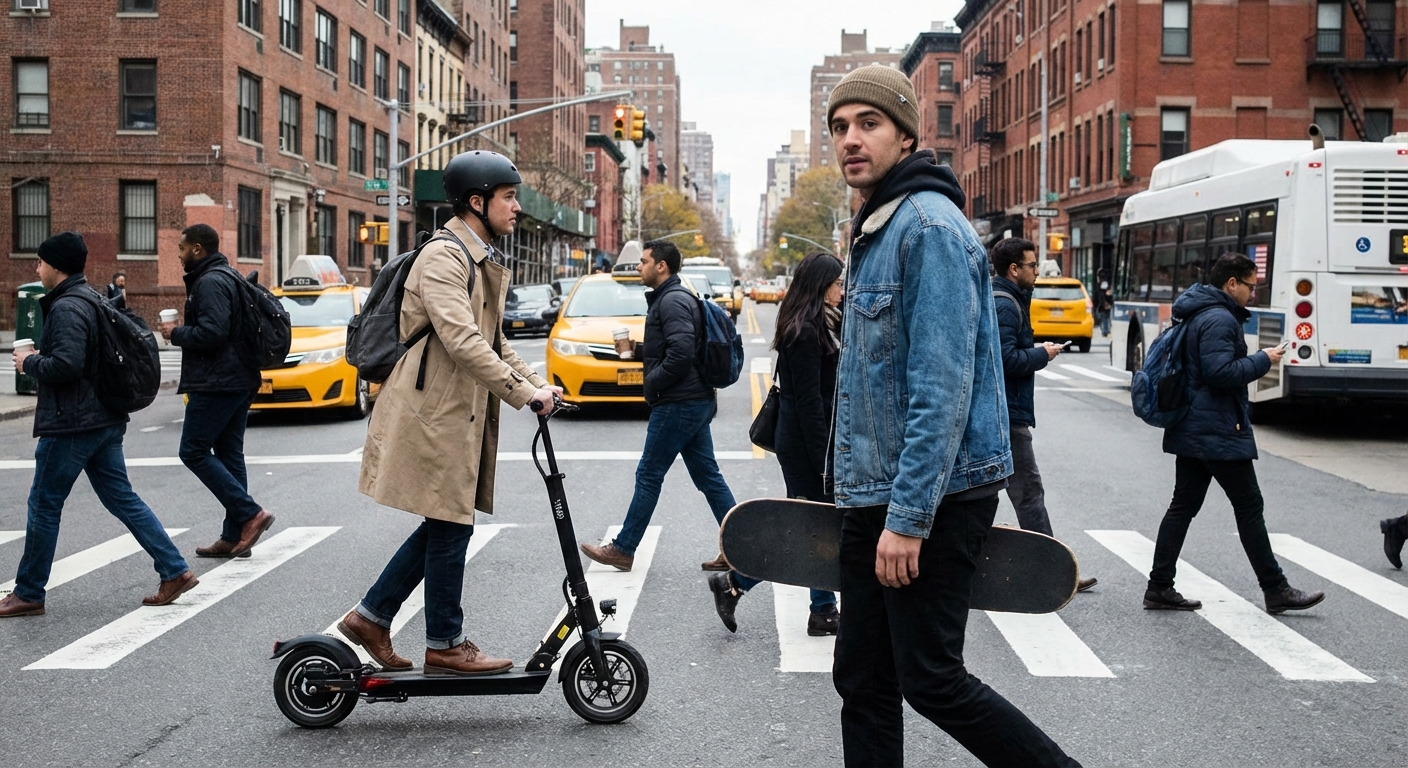
The choice between an electric scooter vs electric skateboard usually comes down to whether you prioritize utility or recreation. Scooters are the ultimate tool for the professional commuter, while skateboards appeal to those who want a “surf-like” feeling on their way to work.
The Professional Commuter
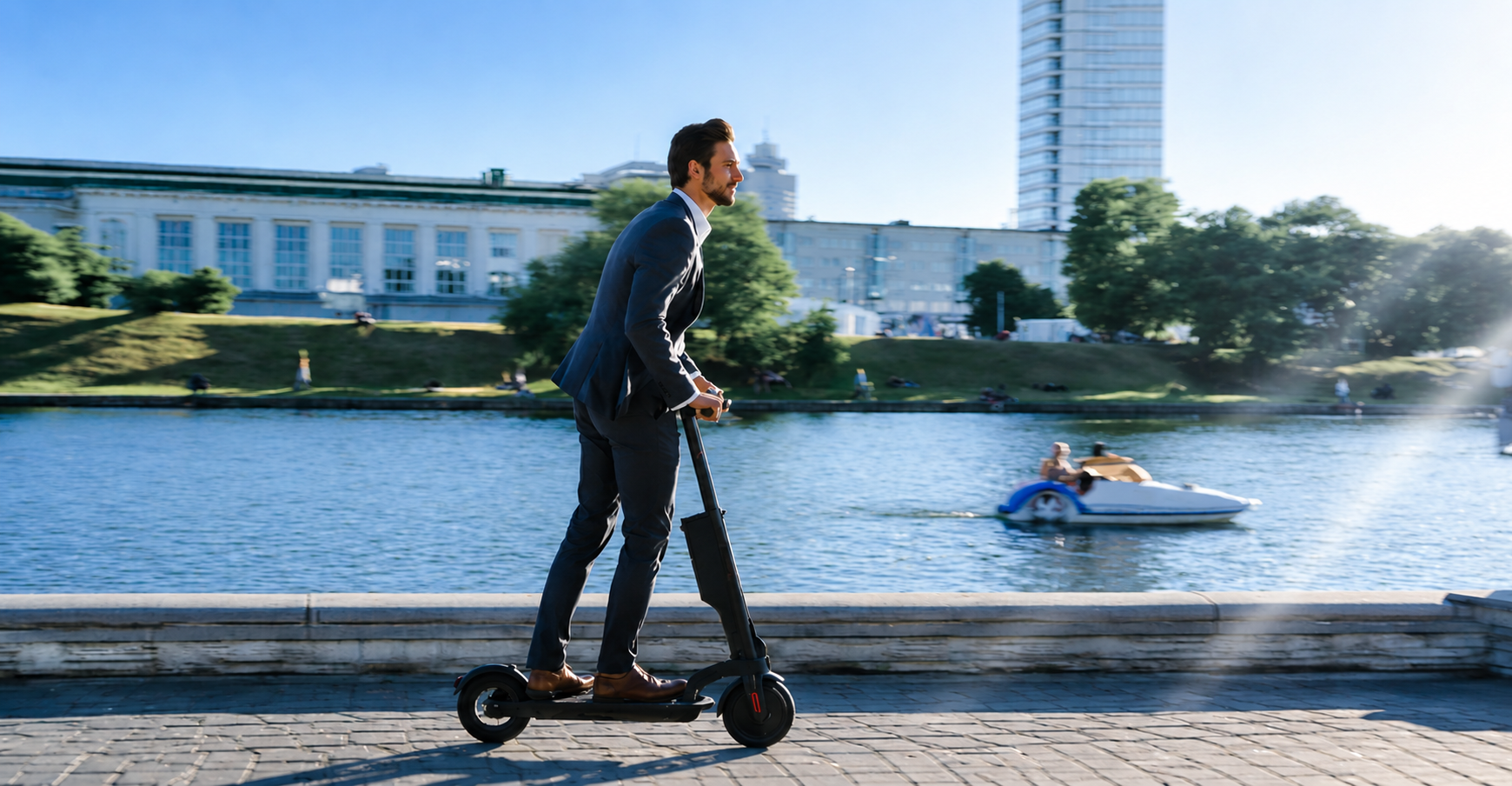
In the world of electric scooter vs electric skateboard users, the professional almost always chooses the scooter. It allows you to wear a suit or dress and arrive at the office without looking like you just came from the gym.
- Clean operation (no carrying dirty decks).
- Safe for business attire.
- Reliable daily transportation.
But here is the kicker:
A scooter fits into a professional environment seamlessly. You can fold it up, tuck it under your desk, and it looks like a piece of high-tech gear rather than a toy.
The Recreational Hobbyist
If you view your commute as a chance to practice your “carving,” then the electric scooter vs electric skateboard debate might lean toward the board. It offers a level of fun and expression that a scooter can’t quite match.
Look at it this way:
Skateboards are great for weekend fun and coastal cruises. However, for the Tuesday morning rush when it’s 40 degrees and you’re running late, the stability and reliability of the scooter are hard to beat.
Key Takeaway: Scooters are for people who need to get to work reliably; skateboards are for people who want to play on the way.
| Use Case | Electric Scooter | Electric Skateboard |
|---|---|---|
| Work/School | Excellent | Good (Dry days only) |
| Weekend Hobby | Good | Excellent |
Your ride should reflect your lifestyle and the practical needs of your daily journey.
Conclusion
We have explored the vital differences between these two modes of transport, from safety and learning curves to maintenance and terrain. Choosing an electric scooter solves the problem of unreliable public transit and the physical strain of walking long “last miles.” At Dynamic Scooter, we provide high-quality, foldable, and energy-efficient solutions like the Dynamic Scooter Model B to help you reclaim your time and enjoy your commute. Our vision is to create a greener, more efficient urban landscape where everyone has access to a reliable way to move.
If you are ready to upgrade your morning routine, contact us today to find the perfect ride for your lifestyle.
Ride smarter, move greener, and start your journey with Dynamic Scooter.

Frequently Asked Questions
- Can I ride an electric scooter on the sidewalk safely?
Yes, but it depends on your local laws. Generally, scooters are safer for sidewalks than skateboards because you can step off instantly and use the handlebars to navigate around pedestrians. - What’s the best choice for someone with zero balance skills?
Definitely an electric scooter. The handlebars provide three points of contact (two hands, feet), making it nearly impossible to fall compared to the two points of contact on a board. - How do I know if the Model B will fit on my commute?
If your commute involves a train, bus, or stairs, the Model B is perfect. Its one-click folding mechanism and lightweight frame were designed specifically for multi-modal city travel. - Can I ride an electric skateboard in business shoes?
It is not recommended. Skateboards require “grip” from flat-soled sneakers to stay safe, whereas you can easily ride a scooter in dress shoes, boots, or even casual heels. - What’s the best way to prevent theft for my scooter?
The best prevention is to never leave it outside. Because scooters like the Model B fold so compactly, you can bring it inside your office or apartment rather than locking it to a rack.