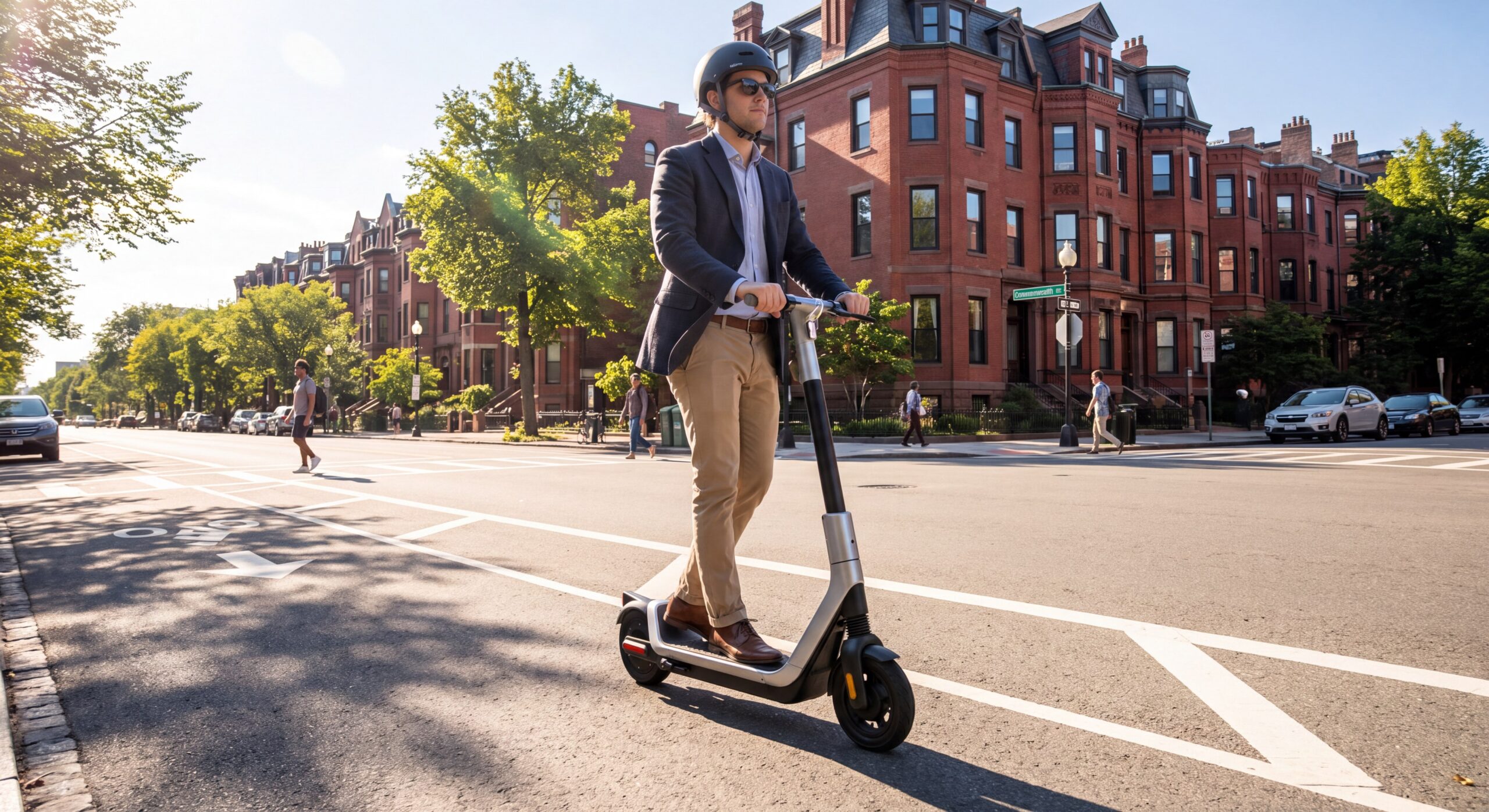

Choosing an electric scooter is the best option for your daily travel if you want to slash commuting expenses, eliminate messy maintenance, and glide smoothly through heavy city traffic. Every single morning, millions of urban commuters step out of their homes only to face the exact same frustrating routine: starting a noisy machine, fighting gridlocked traffic, and watching their hard-earned money drain away at the gas pump.
Over time, these rising fuel costs and constant engine vibrations turn what should be a simple journey into an exhausting, expensive chore that ruins your productivity before your workday even begins. Fortunately, transitioning to a clean, highly efficient personal vehicle offers the ultimate solution to reclaim your time and budget.
Which option saves you the most money overall?
An electric model consistently saves you the most money overall when evaluating an Electric scooter vs petrol scooter over a multi-year ownership cycle. While the initial purchase price of a high-tech model can be slightly higher, the long-term running costs are a tiny fraction of a gas-powered alternative. You will quickly realize that the daily cost of electricity is practically negligible compared to fluctuating fuel pump prices.
Furthermore, the simplified mechanics of electric motors mean you can say goodbye to expensive regular tune-ups. Commuters who switch to electric find themselves keeping hundreds of dollars in their pockets every single year.
Analyzing the breakdown of daily operational costs
Charging your vehicle at home overnight during off-peak hours is incredibly economical and highly predictable. You do not have to worry about volatile global oil markets or fuel taxes affecting your daily commute.
Here is the deal:
- Electricity rates are highly stable and much cheaper per mile than gasoline.
- You can charge easily from any standard household outlet.
- Electric drivetrains operate at over 85% efficiency compared to just 20% for gas engines.
Over a standard commute, these tiny electricity costs translate into massive annual savings. It becomes clear that the financial benefits start accumulating from your very first mile.
Key Takeaway: Choosing an electric model offers unparalleled operational efficiency, drastically lowering your daily transport budget and providing immediate financial relief.
| Cost Category | Electric Option | Petrol Option |
|---|---|---|
| Cost Per Mile | ~$0.01 – $0.02 | ~$0.12 – $0.15 |
| Routine Fluids | None | Engine Oil / Coolant |
| Fuel Volatility | Low | High |
The raw data clearly demonstrates that electric power provides a highly stable, low-cost alternative to expensive fossil fuels.

How does the daily travel range compare
A petrol vehicle offers a longer total range per tank, but comparing an Electric scooter vs petrol scooter reveals that modern battery capacities are more than sufficient for standard daily commutes. Most city riders travel fewer than fifteen miles per day, which is a distance that modern batteries can handle several times over. This means you do not need hundreds of miles of range for a simple daily commute.
Standard commuter routes fit comfortably within the single-charge limits of modern personal electric vehicles. You will enjoy a highly reliable ride without any range-related stress.
Examining urban travel patterns and charging habits
Charging your vehicle at home or the office completely eliminates the need to visit crowded gas stations during your rush hour. You simply plug in when you park and walk away.
Think about it:
- Most modern batteries provide between 30 to 60 miles of range per charge.
- You can easily top off your battery while sitting at your office desk.
- Widespread public charging networks make mid-day top-offs faster than ever.
This domestic charging cycle integrates seamlessly into your daily routine. If you want to customize your ride with specialized gear, you can browse high-quality accessories and parts to enhance your carrying capacity.
Key Takeaway: While petrol models excel at long-distance highway travel, modern electric batteries provide more than enough range to handle standard urban commuting patterns.
| Range Metric | Electric Option | Petrol Option |
|---|---|---|
| Average Daily Range | 40 – 80 Miles | 150 – 250 Miles |
| Refueling Time | 4 – 6 Hours | 3 Minutes |
| Refueling Location | Anywhere with an Outlet | Dedicated Gas Stations |
Evaluating your actual daily mileage shows that the convenience of domestic charging far outweighs the raw range of a fuel tank.
Which scooter delivers better performance?
An electric vehicle delivers far superior acceleration and low-speed performance when comparing an Electric scooter vs petrol scooter. This instant responsiveness is due to the physical characteristics of electric motors, which provide peak torque the moment you twist the throttle. Traditional combustion engines must build up engine speed before transferring power to the wheels.
This immediate throttle response makes navigating tight traffic corridors incredibly safe and highly engaging. You can easily accelerate away from congested vehicle clusters at traffic lights.
Understanding throttle response and torque curves
The absence of gears and clutches means your acceleration is completely smooth, linear, and predictable. There is no lag or hesitation when you need to make a quick maneuver.
Look:
- Electric motors provide 100% torque instantly from a dead stop.
- No gear shifting or clutch engagement is required to build speed.
- Sustained electric power curves prevent sluggish low-speed riding.
This seamless delivery of power makes city riding feel effortless and intuitive. You will feel a level of control that traditional engines simply cannot match.
Key Takeaway: Electric drivetrains deliver immediate, responsive torque that makes city riding safer and much more agile than combustion alternatives.
| Performance Area | Electric Drive | Petrol ICE Drive |
|---|---|---|
| 0-30 mph Time | Extremely Fast | Moderate (CVT Lag) |
| Power Delivery | Continuous & Smooth | Pulsing & Segmented |
| Rider Effort | Extremely Low | Moderate |
The instantaneous nature of electric torque provides a decisive handling advantage when maneuvering through heavy city traffic.
How do the mechanical motors differ?
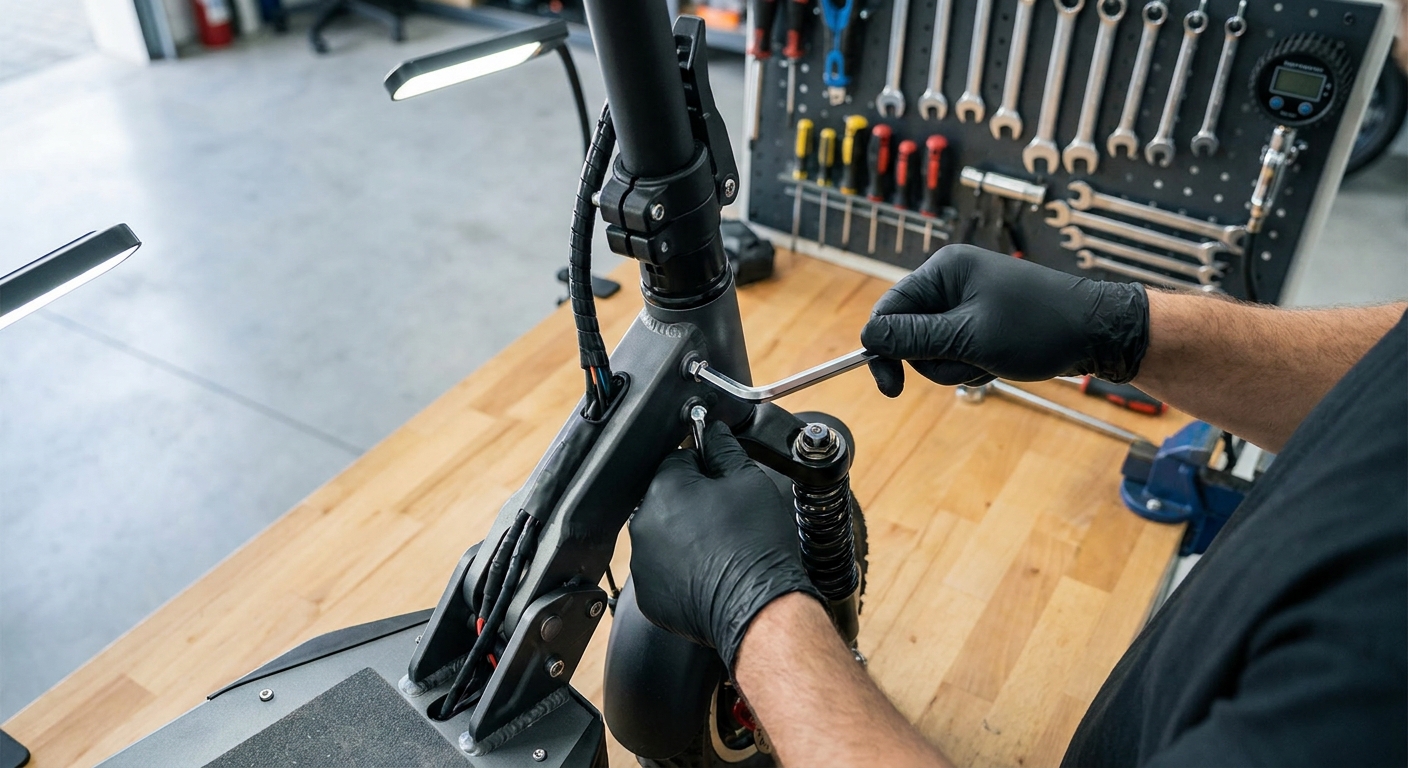
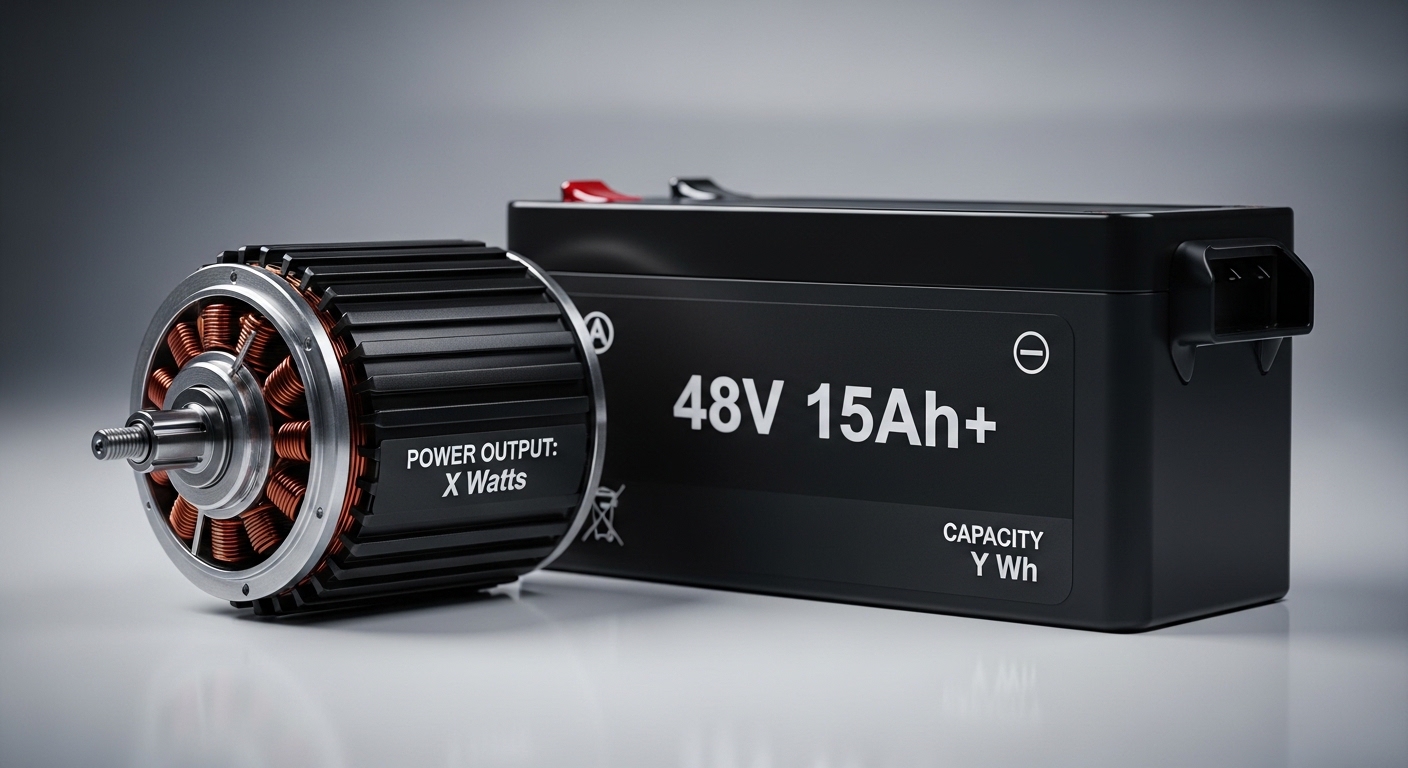
The primary difference lies in the extreme mechanical simplicity of electric hub motors compared to highly complex internal combustion engines. An Electric scooter vs petrol scooter comparison highlights a battle between a sealed magnetic unit with almost no moving parts and a complex thermal engine. A traditional engine relies on a network of pistons, valves, spark plugs, and fuel lines to function.
This lack of mechanical complexity means there are far fewer components that can wear out or break over time. You will spend less time worrying about mechanical failures during your daily commute.
Comparing moving parts and long-term reliability
Because electric hub motors use magnetic fields to generate rotation, they experience virtually zero internal physical friction. This elegant design keeps the motor running cool and protects it from physical wear.
But wait, there is more:
- Electric drivetrains typically feature fewer than twenty total moving parts.
- There are no delicate belts, pulleys, or clutches to adjust regularly.
- The motor casing is completely sealed against dirt, dust, and moisture.
This streamlined engineering guarantees exceptional reliability over years of daily operation. You can count on your ride starting perfectly every single morning.
Key Takeaway: The simplified, magnetic design of electric motors eliminates the mechanical failure risks inherent in complex fossil-fuel engines.
| Motor Feature | Electric Hub Motor | Petrol Combustion Engine |
|---|---|---|
| Moving Components | ~1 – 5 Parts | 150+ Parts |
| Primary Lubrication | None Required | Continuous Engine Oil |
| Sealing Level | Fully Hermetic | Open Intake / Exhaust |
By stripping away dozens of friction-heavy parts, electric drivetrains achieve a level of mechanical reliability that combustion engines cannot match.
Which battery technology is best?

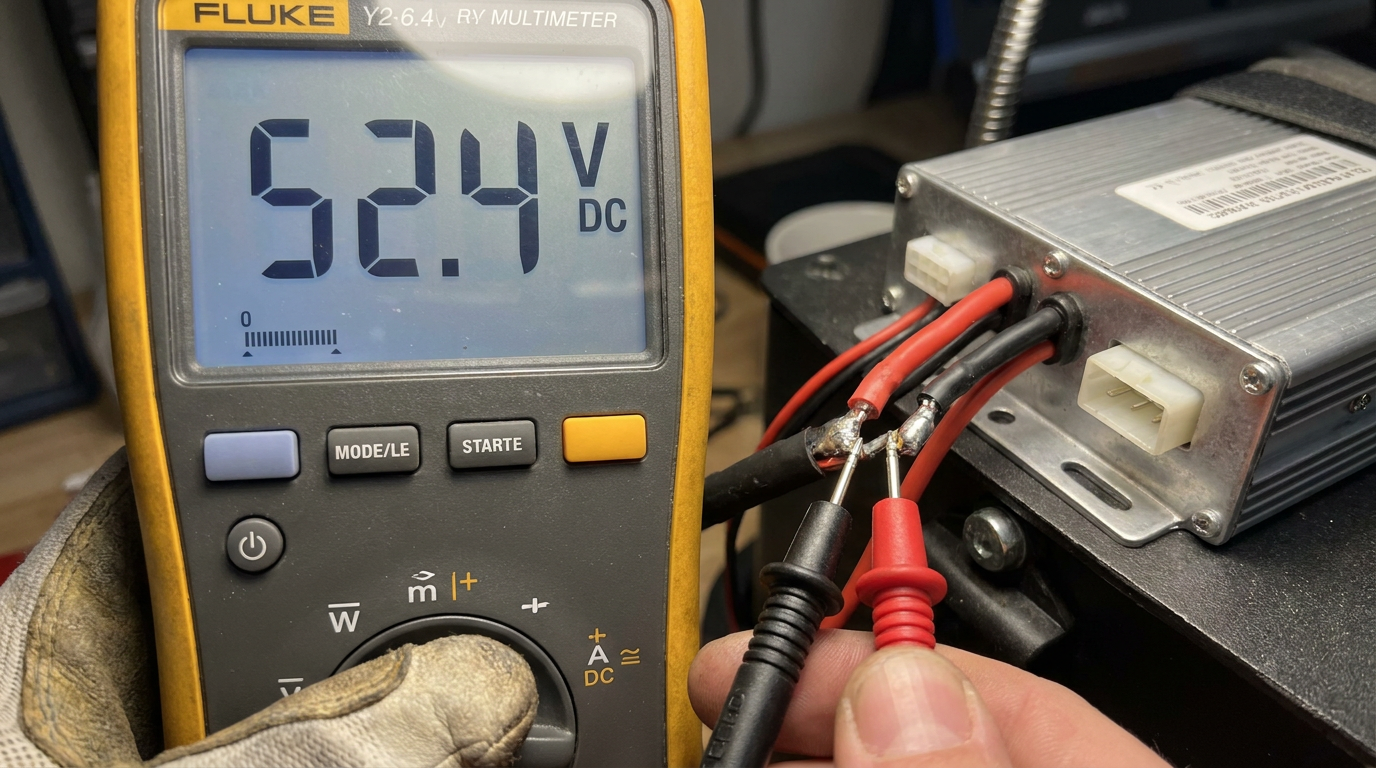
High-grade lithium-ion is the absolute best battery technology because it provides the optimal balance of energy density, weight, and lifespan. When evaluating an Electric scooter vs petrol scooter for long-term daily travel, understanding battery chemistry is crucial to protecting your investment. These advanced power packs store an immense amount of energy in a highly compact, lightweight frame.
Modern batteries are managed by sophisticated onboard computer systems that monitor temperature, voltage, and charging speeds. This ensures your power source remains completely safe and efficient for years of daily use.
Maximizing battery health and charge cycles
A premium battery is engineered to deliver hundreds of full charge cycles before showing any minor drop in capacity. Following a few simple charging habits will keep your power pack in perfect condition.
Remember:
- Modern lithium cells perform best when kept between 20% and 80% charge.
- Onboard battery management systems prevent dangerous overcharging.
- Removable batteries let you charge conveniently at any indoor wall outlet.
Advanced lithium-ion technology serves as the reliable, high-density heart of the modern clean transportation movement. If you want to learn more about selecting the right battery capacity, you can read our informative blog guides for detailed advice.
Key Takeaway: High-performance lithium-ion batteries provide a highly stable, long-lasting energy source that makes modern clean transit incredibly practical.
| Battery Property | Premium Lithium-Ion | Legacy Battery Tech |
|---|---|---|
| Energy Density | Exceptionally High | Low and Heavy |
| Expected Lifespan | 500 – 1000 Cycles | 200 – 300 Cycles |
| Portability | Often Removable | Permanently Fixed |
Advanced lithium chemistry is the core engine driving the modern clean transportation revolution.
How comfortable is the riding experience?

An electric scooter offers an infinitely more comfortable riding experience because its smooth electric motor eliminates harsh engine vibrations and loud exhaust noise. A direct Electric scooter vs petrol scooter comparison highlights how much physical strain a noisy, vibrating gas engine puts on your body. Riding without constant chassis shake dramatically reduces daily commuting fatigue.
This peaceful, vibration-free ride allows you to arrive at your destination feeling completely relaxed and focused. You will enjoy a much calmer transition between home and work.
Eliminating sensory fatigue and engine heat
The near-silent operation of electric motors lets you stay highly aware of your surrounding environment. You can easily hear approaching vehicles, sirens, and pedestrian traffic around you.
The truth is:
- Whisper-quiet motors dramatically reduce overall sensory overload during rush hour.
- Zero hot exhaust pipes mean there is no risk of accidental burns when parking.
- A balanced, low-slung chassis provides exceptional stability at all speeds.
This lack of physical and auditory stress transforms a boring daily chore into an enjoyable ride. You will actually look forward to your daily trip through the city.
Key Takeaway: The silent, vibration-free operation of electric models provides a premium level of physical comfort that gas scooters cannot replicate.
| Comfort Metric | Electric Scooter | Petrol Scooter |
|---|---|---|
| Vibration Level | Virtually Zero | High (Engine Idle) |
| Acoustic Output | Whisper-quiet Hum | Loud Exhaust Noise |
| Thermal Output | Cool and Safe | Hot Exhaust Pipes |
Choosing a quiet, vibration-free ride is a highly effective way to protect your physical health and mental clarity on the road.
Which has a better total cost over 3 years?

An electric model delivers a drastically lower total cost of ownership over a three-year period when comparing an Electric scooter vs petrol scooter. While gas scooters may look slightly cheaper in the showroom, they quickly become highly expensive as fuel and maintenance bills pile up. Electricity costs remain remarkably stable and cheap, allowing you to budget with absolute confidence.
When you factor in the frequent mechanical service required by combustion engines, the long-term financial victory of electric technology becomes undeniable. Your initial investment will pay for itself multiple times over.
Calculating fuel savings and maintenance reductions
Owning a petrol vehicle means dealing with a constant stream of recurring costs that slowly drain your bank account. You must regularly pay for motor oil, spark plugs, filters, and transmission belt adjustments.
In other words:
- Fuel expenses for petrol models can easily exceed hundreds of dollars annually.
- Electric models completely bypass expensive, routine engine tune-ups.
- The money saved in the first year alone often covers the initial purchase gap.
By year three, the operational savings of electric ownership will have put significant cash back into your pocket. It is the smartest financial decision you can make for your daily transport.
Key Takeaway: Over a three-year cycle, the massive savings on fuel and mechanical maintenance make electric scooters the far more economical choice.
| Estimated 3-Year Costs | Electric Option | Petrol Option |
|---|---|---|
| Total Energy/Fuel | ~$100 (Electricity) | ~$1,800 (Gasoline) |
| Scheduled Maintenance | ~$120 (Tires & Pads) | ~$750 (Engine Tune-ups) |
| Total Cost Impact | Exceptionally Low | High Recurring Burden |
The long-term financial data clearly shows that clean electric technology is the most cost-effective path for daily travel.
Which option is truly eco-friendly?

An electric scooter is the only option that is truly eco-friendly because it produces zero direct tailpipe emissions as you ride. Comparing an Electric scooter vs petrol scooter makes it clear that burning fossil fuels directly contributes to worsening air quality in our cities. Switching to electric power instantly cuts your personal carbon footprint down to almost nothing.
Even when charging from a standard electric grid, electric drivetrains are far more energy-efficient and clean than individual combustion engines. You can easily make your daily ride completely green by charging with renewable energy sources.
Reducing urban smog and noise pollution
Eliminating toxic exhaust fumes is critical for improving overall public health and reducing smog levels in dense urban centers. Your choice to ride clean directly supports a healthier community environment.
Go figure:
- Electric motors emit absolutely zero greenhouse gases or fine particulates.
- Whisper-quiet operation helps reduce harmful urban noise pollution.
- Compatible charging setups allow you to power your ride with home solar.
This combination of clean air and quiet streets makes our neighborhoods much more liveable and pleasant. You will feel great knowing your commute is not harming the planet.
Key Takeaway: Riding a modern electric scooter is a highly effective, active step toward reducing global emissions and supporting sustainable urban planning.
| Environmental Impact | Electric Scooter | Petrol Scooter |
|---|---|---|
| Tailpipe Emissions | Absolute Zero | Carbon & Particulates |
| Noise Pollution | Extremely Low | High Exhaust Noise |
| Eco-Compatibility | Works with Solar/Wind | Tied to Fossil Fuels |
Switching to an emission-free vehicle is the single most impactful choice a commuter can make for the local environment.
Which handles dense traffic better?

An electric scooter handles dense traffic far better due to its ultra-slim chassis, responsive throttle, and exceptionally low center of gravity when comparing an Electric scooter vs petrol scooter. When you compare in crowded city streets, the agile, lightweight design of electric models wins every time. Heavy engines and bulky fuel tanks make petrol scooters much wider and harder to control at slow speeds.
Having a highly balanced, lightweight vehicle allows you to navigate tight traffic lanes with total confidence. You will weave through congested corridors effortlessly and safely.
Maximizing low-speed balance and agility
Placing the heavy battery pack low in the floorboard lowers the overall center of gravity, making balancing at walking speeds feel completely natural. This stable weight distribution reduces the need to constantly put your feet down in slow-moving traffic.
Look:
- Sleek, compact frames easily slip through tight urban gaps.
- Instant, lag-free power lets you make precise, safe maneuvers.
- Lighter weight makes parking and pushing your ride incredibly easy.
This incredible agility makes riding through rush-hour traffic feel completely stress-free. To explore options with optimized frame sizes, consider checking our all products directory for detailed specifications.
Key Takeaway: The centralized weight and sleek design of electric models provide a level of low-speed agility that bulky petrol vehicles cannot replicate.
| Handling Feature | Electric Commuter | Petrol Commuter |
|---|---|---|
| Center of Gravity | Low and Centralized | High and Rear-biased |
| Chassis Profile | Ultra-slim and Sleek | Bulky and Wide |
| Agility Level | Outstanding | Heavy and Sluggish |
The superior weight distribution of electric models gives riders the ultimate handling advantage in complex city environments.
How easy is storage and charging at home?
An electric scooter is incredibly easy to store and charge at home because it produces absolutely zero toxic fumes or messy oil leaks. Comparing an Electric scooter vs petrol scooter highlights the massive benefit of having a clean, odor-free machine that you can safely park indoors. Petrol engines naturally emit strong fuel odors and hot exhaust vapors that make indoor storage impossible.
This clean operation allows you to park your ride inside your hallway, apartment, or garage without any worry. You will never have to deal with unsightly oil spots on your driveway or floor.
Understanding clean indoor parking and simple charging
Storing your scooter inside protects it from harsh weather, heavy rain, and the constant risk of outdoor theft. This extra security directly prolongs the overall lifespan and appearance of your vehicle.
Think about it:
- Zero fuel smells or greasy leaks make indoor storage highly practical.
- Removable battery packs let you charge up anywhere inside.
- You can plug into any standard household outlet with zero hassle.
You can easily manage your daily charging routine without any complicated infrastructure. For those who want a lightweight commuter model, checking out the details of our Dynamic Scooter Model B is highly recommended.
Key Takeaway: Clean indoor compatibility and simple wall-outlet charging make owning an electric model an incredibly convenient, domestic-friendly experience.
| Domestic Usability | Electric Scooter Option | Petrol Scooter Option |
|---|---|---|
| Indoor Storage | Fully Safe and Odorless | Hazardous (Gas Fumes) |
| Leaking Risks | Absolute Zero | Moderate (Oil & Fuel) |
| Charging Setup | Any Standard Wall Outlet | Public Gas Stations Only |
The clean, fume-free nature of electric power integrates perfectly into modern urban living and residential spaces.
Making Your Final Choice
Selecting the perfect personal vehicle is all about matching modern technology to the unique demands of your daily schedule. By analyzing cost, performance, and day-to-day maintenance, it becomes clear that clean electric technology provides the ultimate solution to the financial and physical stress of modern urban travel.
If you are ready to eliminate high fuel costs, quiet your daily commute, and enjoy an incredibly smooth and agile ride, feel free to contact us today to find the perfect commuter setup for your routine. We stand firmly behind the power of clean, efficient electric mobility to transform your daily transit from an exhausting chore into the highlight of your day.
FAQ: Electric Scooter vs Petrol Scooter Common Queries
Can I ride an electric scooter in heavy rain?
Yes, you can safely ride high-quality electric scooters in heavy rain because their critical electrical components, including the battery pack and motor, are completely sealed against moisture. Most modern commuter models carry certified waterproof ingress protection ratings. However, you should avoid riding through deep standing water that completely submerges the deck, as this can exceed the vehicle’s seal limits.
What’s the best way to extend my scooter’s battery life?
The absolute best approach is to keep the battery level between 20% and 80% during daily use and avoid extreme temperatures. Letting your lithium-ion battery drain completely to zero percent or leaving it plugged in at full capacity for days will degrade the internal chemistry faster. Storing your scooter in a cool, shaded indoor space is also highly effective at preserving long-term battery health.
Can I charge my electric scooter at any standard wall outlet?
Absolutely, you can plug your scooter’s charger into any standard household wall outlet without needing special high-voltage charging equipment. This makes charging incredibly simple at home, inside your apartment, or even at your office desk during the workday. If your model features a removable battery pack, you can easily carry the battery indoors to charge while leaving the frame parked safely.
How do I know if an electric scooter is legal on my local roads?
You must check your local municipal transport guidelines because regulations regarding electric two-wheelers vary significantly by city. In many metropolitan areas, high-speed electric scooters require standard registration, license plates, and a driver’s license. Low-speed models, however, are often classified similarly to motorized bicycles and do not require special permits or registration.
What’s the best option for daily commutes over forty miles?
A petrol scooter is usually better for extremely long commutes unless you have a convenient charging setup available at your workplace. While some premium electric models can cover that distance, they require a longer mid-day charge compared to the instant replenishment of a fuel tank. If you have workplace charging access, an electric model remains the most cost-effective choice for long-distance commutes.