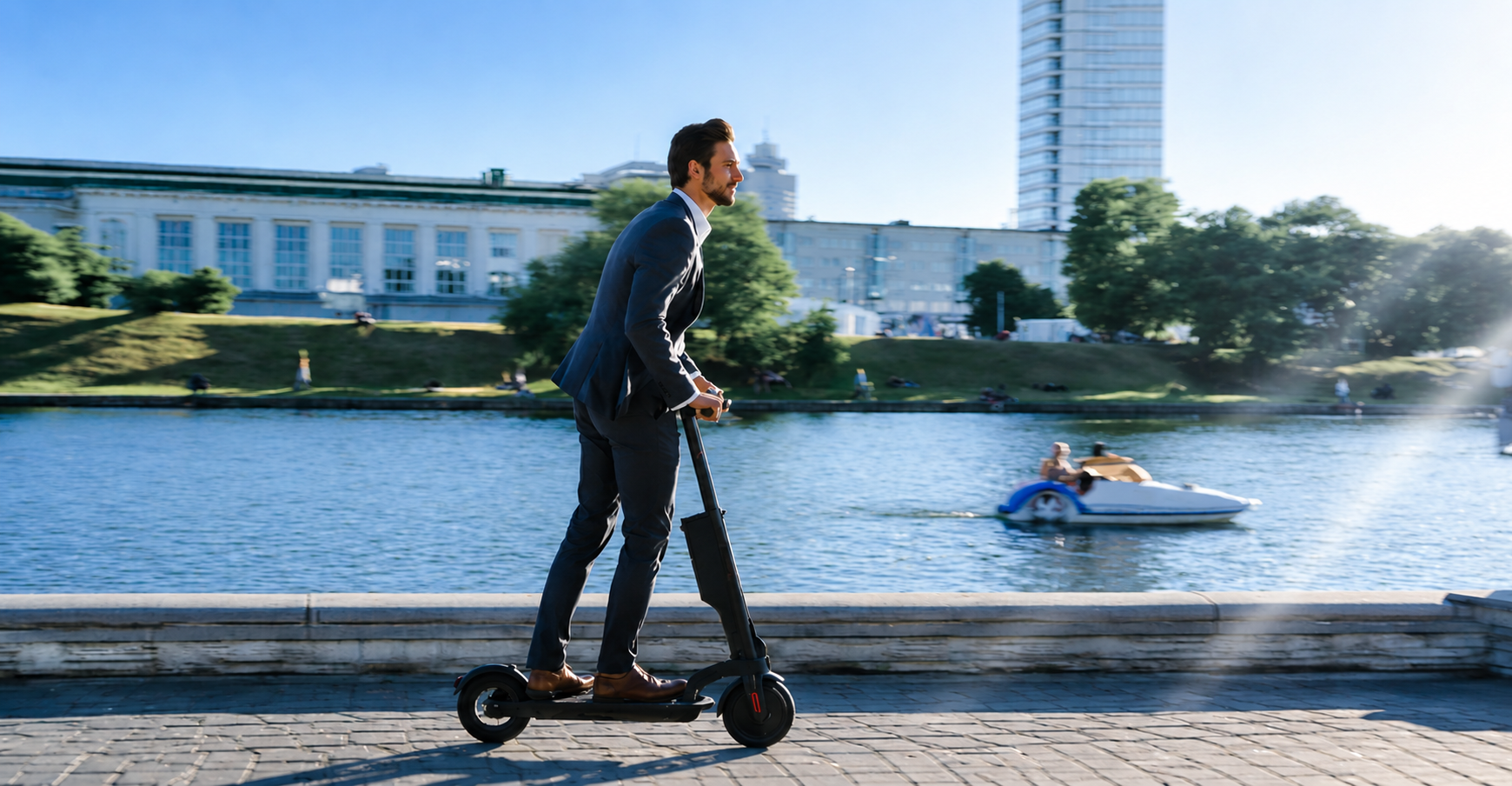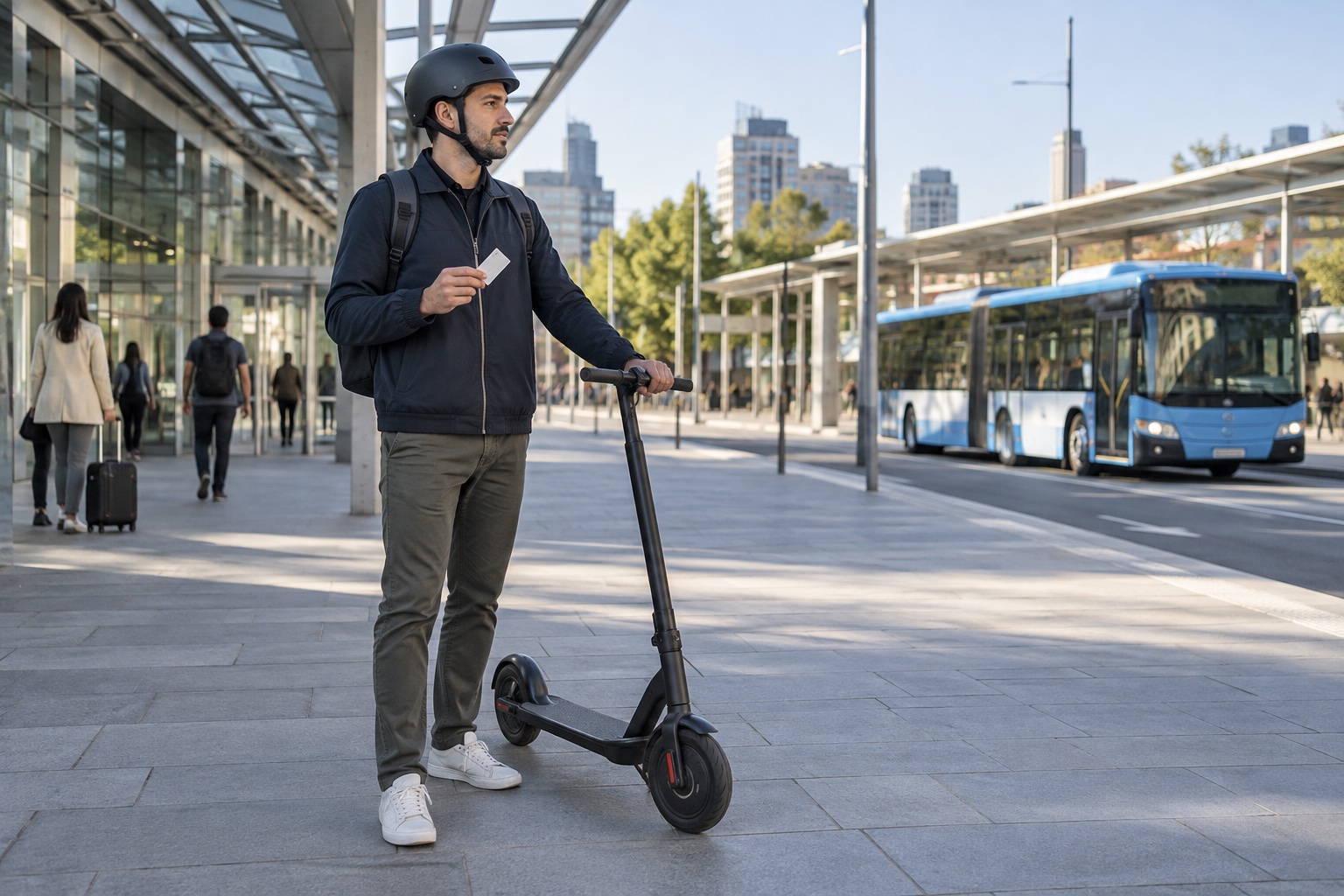

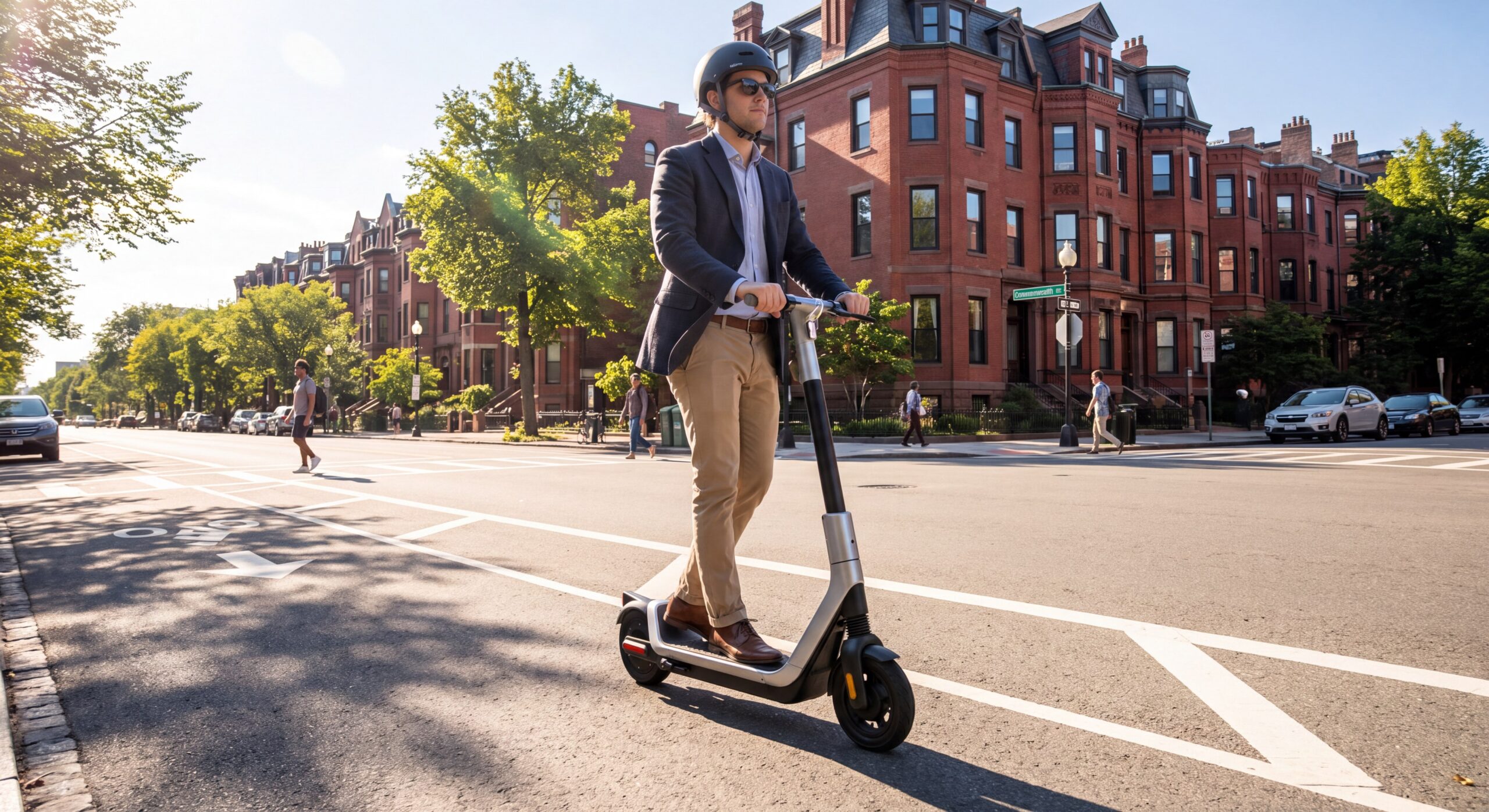
Massachusetts electric scooter laws classify e-scooters as motorized scooters, meaning you must follow specific road rules, license requirements, and speed limits to ride legally in the Bay State. Imagine coasting along the scenic Charles River Esplanade on a crisp autumn morning, the wind in your face and the Boston skyline gleaming in the distance.
But your peaceful commute can quickly turn into a stressful ordeal if you are pulled over by a local officer and hit with a massive fine because you didn’t know the obscure local regulations. The overlapping state statutes and confusing municipal guidelines can leave any rider feeling lost. To keep you safe and legally compliant, we have built this ultimate, comprehensive guide to Massachusetts electric scooter laws so you can ride with absolute confidence.
What are the Massachusetts electric scooter laws for beginners?

Beginners should know that Massachusetts electric scooter laws classify e-scooters under motorized scooter regulations, which means you do not have to register your vehicle with the RMV. You can ride your vehicle on public roadways without a license plate or title. However, you must still follow the state’s basic traffic laws and safety guidelines.
Learning these simple rules early ensures you enjoy a safe, hassle-free ride. Staying informed helps you avoid unexpected traffic stops.
How state statutes define your electric ride
When you step onto your electric scooter, you are operating what the state legally terms a “motorized scooter.” This official category refers to any vehicle with two or three wheels, handlebars, and an electric motor that can propel the device independently.
Think about it:
- Your scooter is legally different from high-speed mopeds.
- You do not need to purchase expensive RMV liability insurance.
- You must avoid riding on high-speed expressways.
Knowing this classification helps you understand your rights on the road. It also prevents you from getting confused by laws meant for larger vehicles.
Key Takeaway: Understanding your scooter’s legal status as a motorized vehicle helps you avoid RMV registration headaches while keeping you safe on local roads.
| Legal Element | E-Scooter Classification | Registration Required? |
|---|---|---|
| Vehicle Type | Motorized Scooter | No |
| RMV Paperwork | None | No |
| Key Restriction | No Expressways | Yes |
This data clearly shows that taking precautions saves you both time and hefty state fines.
Where can you ride under Massachusetts electric scooter laws?

You can legally ride your electric scooter on public roads and designated bike lanes under Massachusetts electric scooter laws. However, you are strictly prohibited from taking your ride onto expressways or limited-access state highways. Additionally, local towns can write their own rules regarding sidewalk riding.
Planning your daily route is simple once you know which paths are open. Sticking to approved pathways keeps your daily commute stress-free.
Master public roads and designated bike lanes
When you travel through local streets, staying on the right side of the road is your main legal duty. State guidelines encourage you to use bicycle lanes to keep away from fast traffic.
Here is the deal:
- Always stay on the far-right side of the street.
- Use green-painted bike lanes whenever they are available.
- Yield the right of way to pedestrians at all times.
Riding in designated lanes ensures a safer experience for everyone. It also helps you steer clear of heavy city traffic.
Key Takeaway: Planning your route along bike lanes and public roads keeps you fully compliant with state transit rules.
| Roadway Type | Allowed? | Special Riding Rule |
|---|---|---|
| Public Streets | Yes | Must ride on the far right |
| Bike Lanes | Yes | Highly recommended |
| State Highways | No | Expressly prohibited |
This breakdown demonstrates that sticking to designated paths keeps you safe and avoids expensive state highway tickets.
Do Massachusetts electric scooter laws require a license?
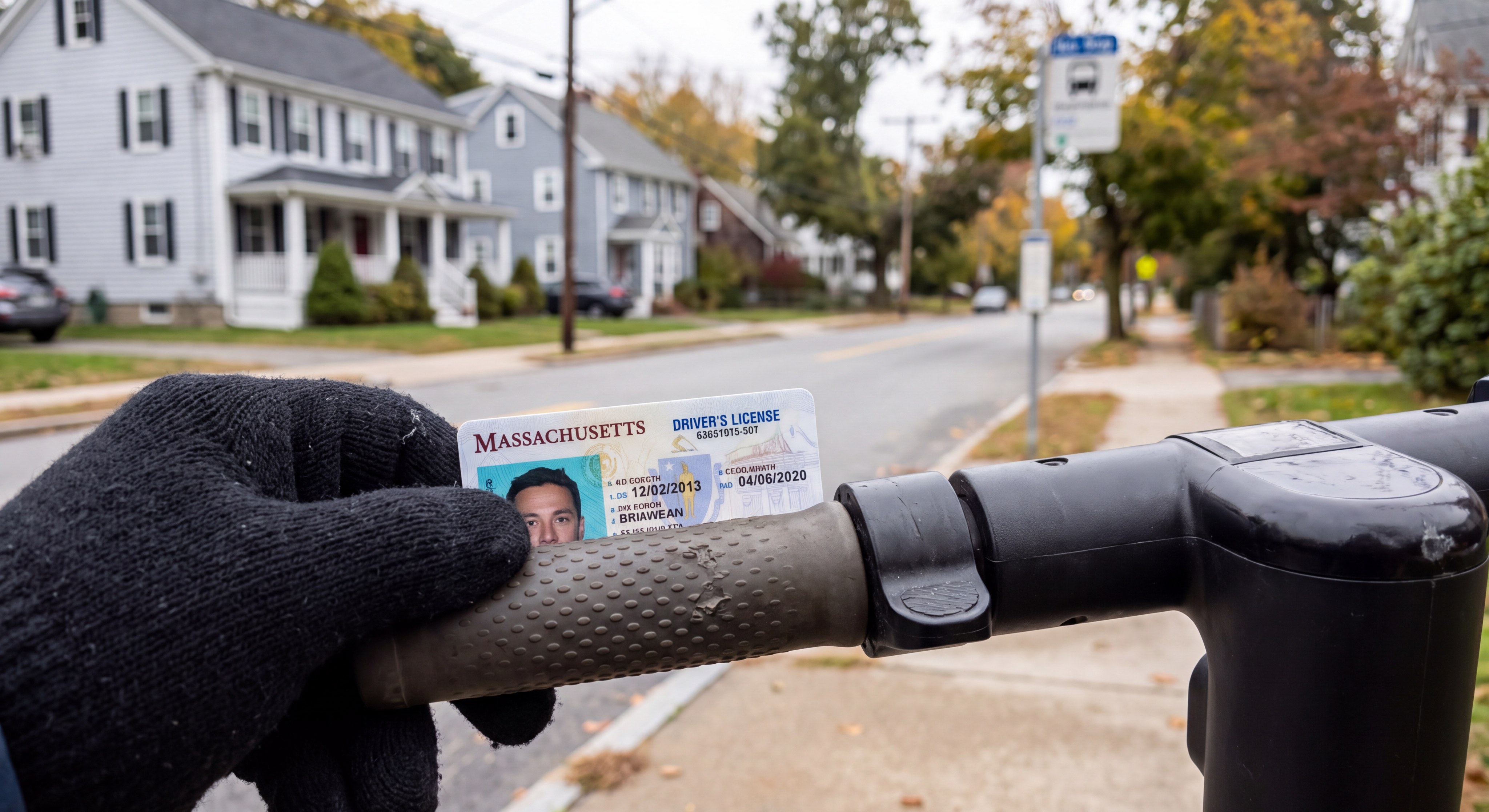
Yes, you absolutely must possess a valid driver’s license or learner’s permit to ride legally under Massachusetts electric scooter laws. Unlike states that allow unlicensed riding, Massachusetts enforces this requirement for safety and accountability. If you are caught riding without these credentials, you could face hefty traffic fines.
Carrying your license is a simple habit that protects you from legal trouble. It ensures every rider has a basic understanding of road safety.
Licensure rules for commuter compliance
Holding an active learner’s permit is the minimum legal requirement if you do not have a driver’s license. The state expects you to keep this document on your person whenever you are riding.
Look:
- Carry your physical license or permit on every single ride.
- Make sure your driving credentials are completely active.
- Do not let unlicensed friends operate your e-scooter.
Keeping your paperwork in order is a simple way to protect your commute. It builds a responsible community of micromobility riders.
Key Takeaway: Carrying a valid driver’s license or learner’s permit is a non-negotiable legal requirement for riding in Massachusetts.
| Credential Type | Valid for Riding? | Must Carry Physical Copy? |
|---|---|---|
| Driver’s License | Yes | Yes |
| Learner’s Permit | Yes | Yes |
| No License/Permit | No | N/A |
This comparison proves that keeping your credentials active guarantees you will never be penalized for unlicensed riding.
How fast can you go under Massachusetts electric scooter laws?

You can ride at a maximum speed of exactly 20 miles per hour under Massachusetts electric scooter laws. This speed limit is strictly enforced on all public ways and bike paths across the state. Going any faster is considered a traffic violation and can result in immediate fines.
Restricting your speed keeps you in complete control of your vehicle. It is the best way to handle busy city streets.
Why speed management protects everyone
Riding at a safe speed gives you plenty of time to react to sudden road hazards. Boston’s historic streets are often narrow, making speed control incredibly important.
But wait, there is more:
- Slow down when you approach busy pedestrian crossings.
- Keep your speed down around blind street corners.
- Give yourself ample space to brake safely.
Managing your speed is a simple way to show respect to other commuters. It keeps the roads friendly for all types of travel.
Key Takeaway: Keeping your speed capped at 20 MPH satisfies state regulations and gives you the reaction time needed to stay safe.
| Zone Type | Legal Speed Limit | Action if Exceeded |
|---|---|---|
| Public Roadways | 20 MPH Max | Speeding Fine |
| Crowded Sidewalks | Riding Banned | Immediate Citation |
| Bike Paths | 20 MPH Max | Verbal Warning/Fine |
This data clearly demonstrates that keeping your speed controlled protects your wallet and your physical safety.
Are helmets mandatory under Massachusetts electric scooter laws?

Yes, wearing an approved safety helmet is mandatory for all riders under Massachusetts electric scooter laws. The state does not make exceptions for age or riding experience when it comes to head protection. Failing to wear a helmet is a direct traffic violation and leaves you vulnerable to fines.
Strapping on a helmet is the easiest way to safeguard your health. It should be the very first thing you do before starting your ride.
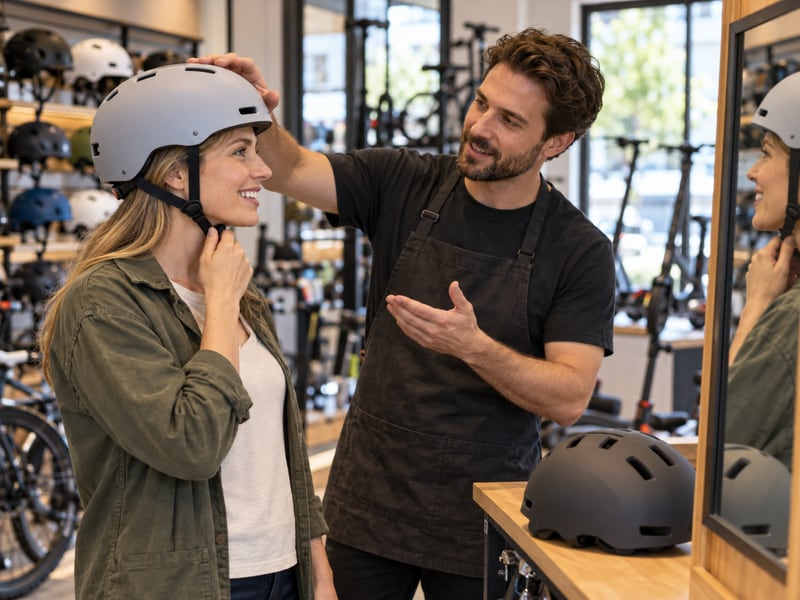
Select a helmet that meets federal standards
You must wear a helmet that is certified by the US Department of Transportation (DOT) to comply with the law. A certified helmet features a sturdy chin strap and a thick protective liner.
Look:
- Check for the official US DOT stamp on the helmet.
- Ensure the helmet fits snugly and does not slip.
- Never use a helmet that has been damaged in a crash.
Choosing the right helmet is a small investment that offers massive protection. It keeps you safe while keeping you fully legal.
Key Takeaway: Strapping on a US DOT-approved helmet keeps you fully compliant with state laws and protects your life.
| Rider Age | Helmet Mandatory? | Required Certification |
|---|---|---|
| Under 18 | Yes | US DOT Approved |
| 18 and Older | Yes | US DOT Approved |
| Passengers | N/A (No Passengers Allowed) | N/A |
This table shows that helmet compliance is universal across all age groups, leaving no room for excuses when it comes to head safety.
What age limits exist in Massachusetts electric scooter laws?
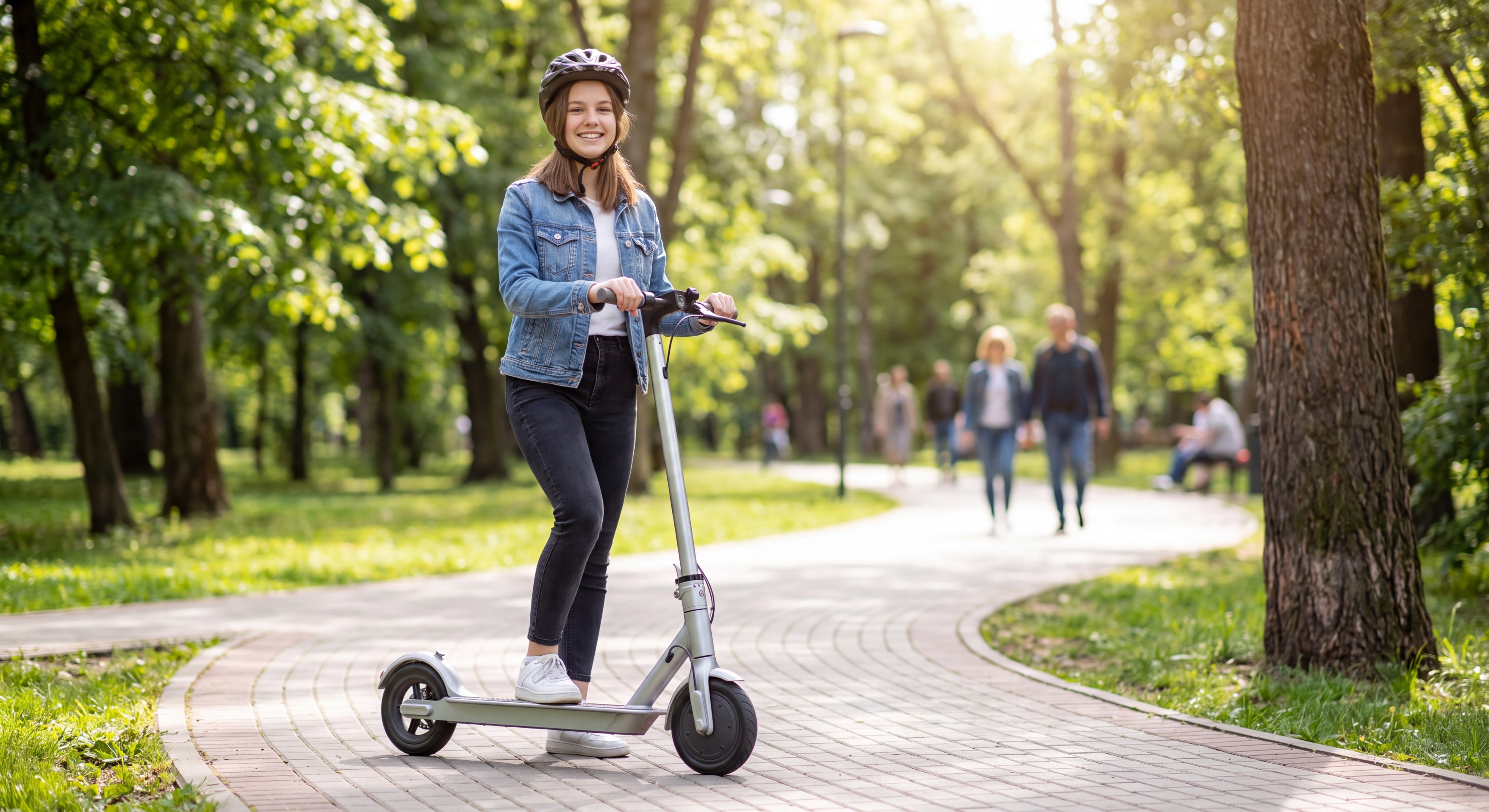
You must be at least 16 years old to legally ride an e-scooter under Massachusetts electric scooter laws. This age requirement is in place because younger children lack the road experience needed to navigate traffic. Operating an e-scooter under this age limit on public roads is strictly prohibited.
Parents must ensure their teenagers respect this state limit. Keeping young riders off public streets prevents dangerous traffic accidents.
Teen riding rules and permit requirements
Teenagers who meet the age requirement must carry their permit or license while riding. They must follow the same speed limits and safety rules as adult commuters.
Think about it:
- No one under 16 may ride on public roads.
- Teens must wear a helmet during every single trip.
- Young riders must stick to the right side of the street.
Teaching teens about these rules prepares them for safe riding. It ensures they stay legal and protected.
Key Takeaway: Adhering to the minimum age of 16 keeps young riders safe and legally protected on Massachusetts roads.
| Age Group | Legally Allowed to Ride? | Permit/License Required? |
|---|---|---|
| Under 16 | No | N/A |
| 16 to 17 | Yes | Yes |
| 18 and Older | Yes | Yes |
This regulatory age hierarchy clearly indicates that the state reserves scooter operation for mature individuals who hold formal driving permits.
How do Massachusetts electric scooter laws define micromobility?
State statutes define micromobility vehicles by separating e-scooters, motorized bicycles, and mopeds into distinct legal categories under Massachusetts electric scooter laws. Unlike mopeds, which can travel faster and require registration, electric scooters are limited to 20 MPH and do not need RMV plates. This clear division helps you understand which vehicle best fits your needs.
Knowing these legal definitions prevents you from buying a vehicle with unexpected registration requirements. It makes your buying decisions much easier.
Scooters versus motorized bicycles and mopeds
While mopeds require a trip to the RMV and liability insurance, electric scooters operate under highly flexible rules. Motorized bicycles have pedal assistance and can often go places where scooters are banned.
Here is the deal:
- Mopeds require official RMV registration plates.
- E-scooters are limited to a strict 20 MPH cap.
- Electric bicycles often have access to state parks.
Understanding these differences helps you choose the perfect ride for your daily route. It saves you from complex paperwork.
Key Takeaway: Recognizing the differences between e-scooters, mopeds, and e-bikes allows you to ride legally without unnecessary registration costs.
| Vehicle Type | Max Speed Limit | RMV Registration Needed? |
|---|---|---|
| E-Scooter | 20 MPH | No |
| Moped | 30 MPH | Yes |
| E-Bike | 25 MPH | No |
This comparison shows that electric scooters offer the ultimate balance of speed and convenience without any registration hassle.
What equipment is required by Massachusetts electric scooter laws?
Your vehicle must feature working stop lights, turn signals, and a reliable braking system to comply with Massachusetts electric scooter laws. These equipment requirements are designed to let you signal stops and turns to motorists without taking your hands off the handlebars. Riding a scooter without these pre-installed safety features is illegal.
Checking your scooter’s hardware before every trip is an excellent safety habit. It ensures you are always prepared for traffic.
Essential lighting and signal systems
Since riding at night is banned, your turn signals are crucial for daytime visibility in traffic. Bright, clear lights prevent motorists behind you from making dangerous errors.
But wait, there is more:
- Check your brake lights to ensure they work.
- Use turn signals before making any lane changes.
- Test your brakes to verify safe stopping power.
Keeping your lights and signals clean ensures you stay visible to larger vehicles. It is a simple way to avoid accidents.
Key Takeaway: Maintaining fully functional lights and signals on your scooter satisfies state laws and keeps you visible to motorists.
| Required Equipment | Legal Purpose | Rider Action |
|---|---|---|
| Brake Light | Signals stops to cars | Check function daily |
| Turn Signals | Indicates lane changes | Use before turning |
| Brakes | Ensures quick stops | Test stopping distance |
This data clearly shows that having proper equipment installed keeps you fully visible and protected from costly equipment fines.
How to maintain your ride under Massachusetts electric scooter laws?
You must maintain your e-scooter’s brakes, battery, and electronic systems to remain in compliance with safety standards under Massachusetts electric scooter laws. Bumpy city streets can loosen screws and wear down brake pads over weeks of daily commuting. Establishing a regular maintenance schedule keeps your ride safe and legally compliant.
Regular care also saves you money on replacement parts over the long term. It keeps your ride performing like new.
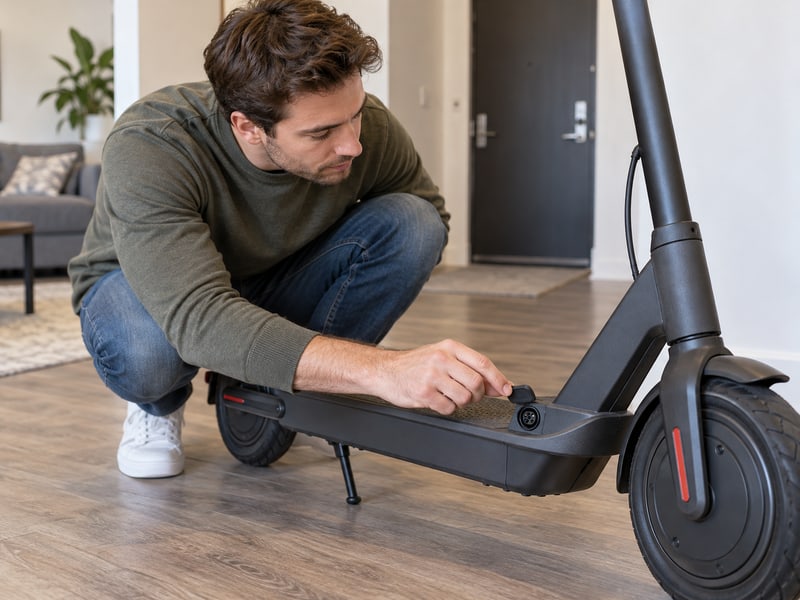
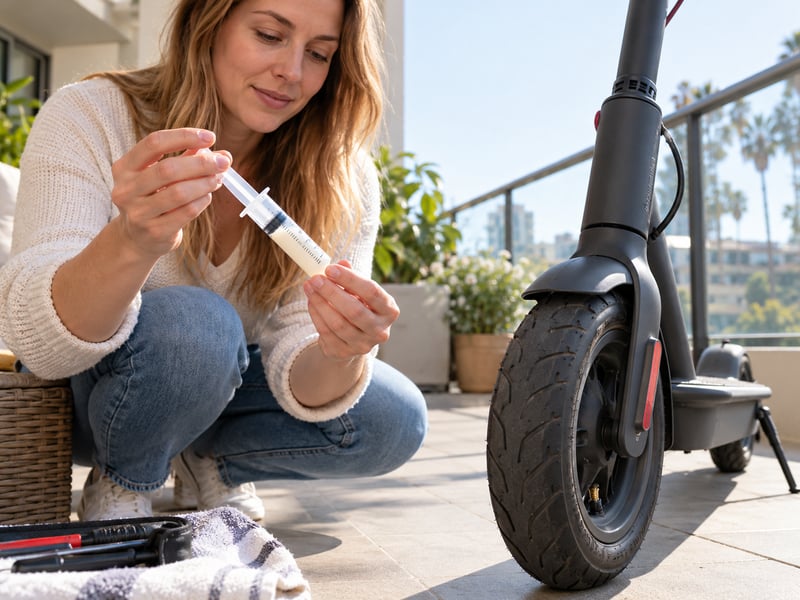
Establish a regular inspection routine
You should focus your inspections on the braking system, tire wear, and battery connections. A quick check prevents mechanical failures while you are navigating busy city streets.
Here is the deal:
- Check your tire pressure and tread depth weekly.
- Tighten the folding stem and handlebar screws regularly.
- Keep your battery terminals clean and dry.
If you experience electrical issues, you should contact Dynamic Scooter for professional assistance. Taking quick action prevents small issues from turning into major repairs.
Key Takeaway: A simple weekly safety inspection keeps your scooter in peak legal operating condition and prevents unexpected breakdowns.
| Component | Maintenance Interval | Compliance Checklist |
|---|---|---|
| Braking System | Weekly | Test responsiveness and pad wear |
| Battery Pack | Monthly | Check charge hold and clean terminals |
| Stem & Screws | Bi-weekly | Tighten folding mechanisms |
This structured maintenance plan ensures your vehicle remains highly reliable, completely safe, and fully aligned with state safety regulations.
Why choose Model B under Massachusetts electric scooter laws?
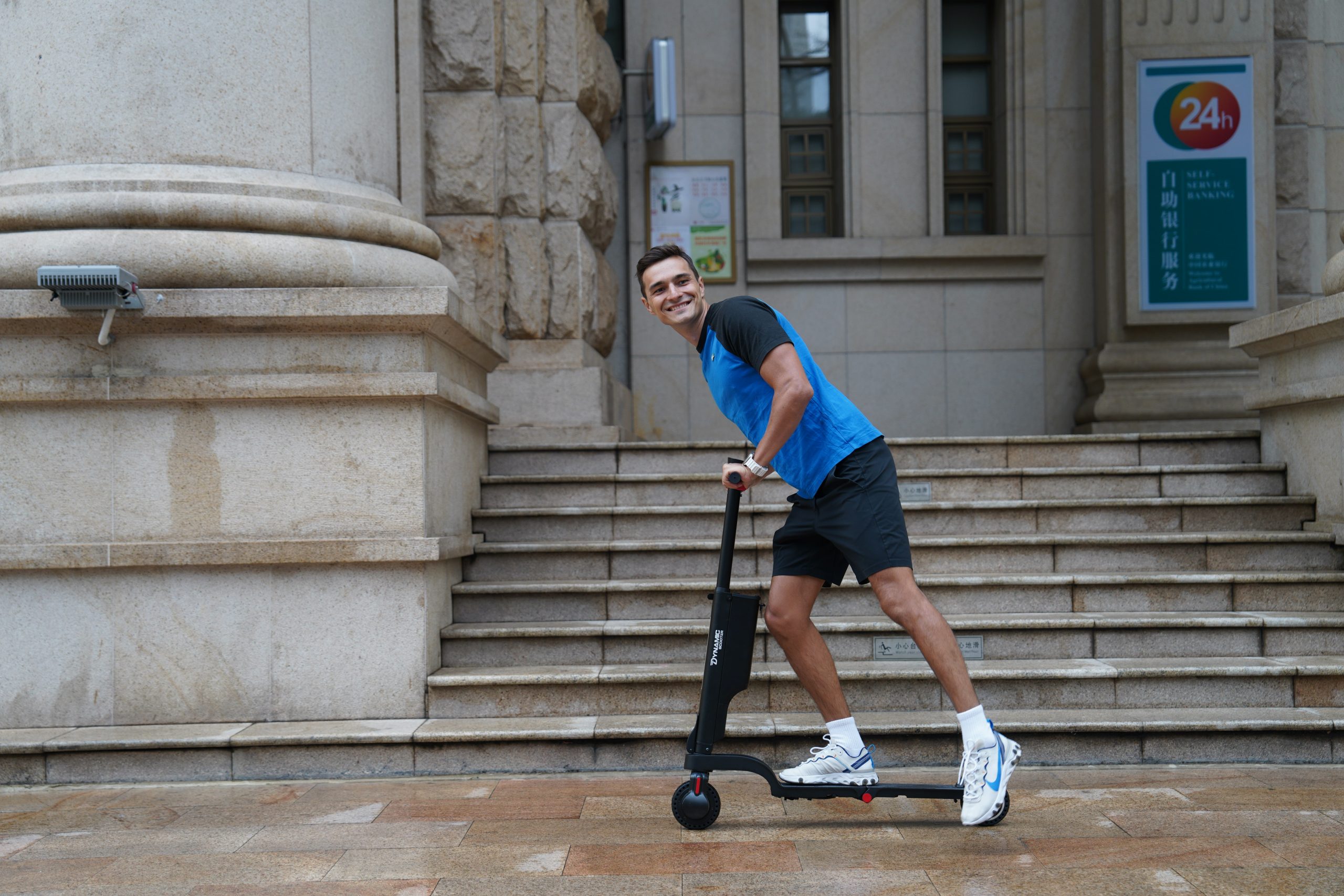
The Dynamic Scooter Model B is the ideal choice under Massachusetts electric scooter laws because of its fully compliant design, portable frame, and affordable price of $392.17. It comes with pre-installed turn signals, responsive brakes, and a safe speed limit that fits state regulations perfectly. You can ride straight out of the box without any legal worries.
This high-performance scooter is designed specifically for clean, efficient city commuting. It delivers exceptional value while keeping you perfectly legal.
Engineered for compliance and peak performance
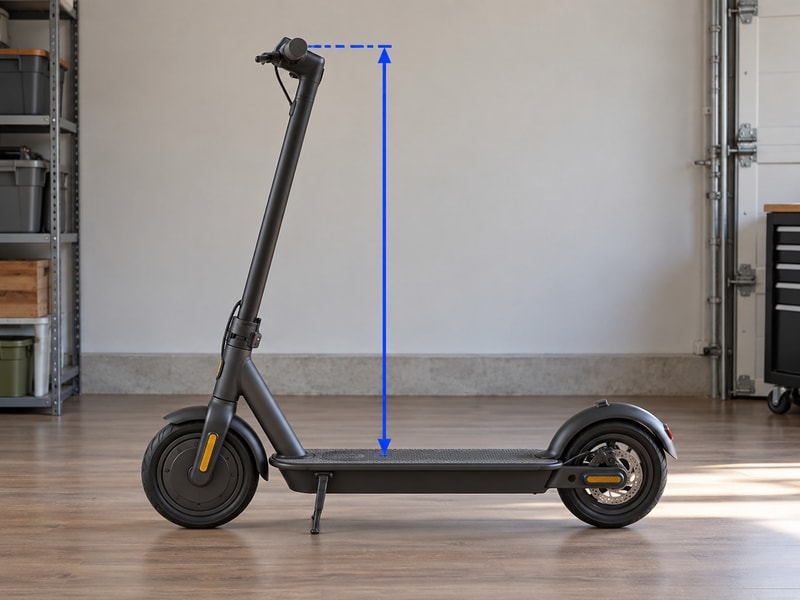
The Model B electric scooter features a compact folding mechanism and a detachable battery, making it perfect for campus transit. You can carry it easily onto public transit or slide it under your office desk.
Look:
- The detachable battery allows you to charge indoors easily.
- A bright LED display shows your speed in real-time.
- The ultra-lightweight frame folds down in just seconds.
Our team at Dynamic Scooter operates with our mission to deliver eco-friendly micromobility. If you need extended range, you can upgrade to the Model B and Battery pack to keep riding further.
Key Takeaway: Selecting the Model B ensures you ride a scooter that is 100% compliant with state laws right out of the box.
| Model B Feature | State Legal Requirement | Compliance Status |
|---|---|---|
| Top Speed | Under 20 MPH Limit | Fully Compliant (15 MPH) |
| Turn Signals | Mandatory | Pre-Installed |
| Price Point | Budget-Friendly | Exceptionally Affordable ($392.17) |
This comparison clearly proves that the Model B is the smartest, most compliant, and cost-effective commuter solution on the market today.
Conclusion: Ride Smart, Ride Legal
Navigating municipal rules and state statutes in Massachusetts does not have to be a stressful hurdle for your daily transit. With this complete legal guide, you now have all the tools, speed limits, and equipment regulations needed to cruise through Boston and beyond with complete confidence. At Dynamic Scooter, we believe that urban transit should be clean, efficient, and accessible to everyone.
Our highly compliant Model B scooter is engineered precisely to take the stress out of your commute while keeping you fully protected against local fines. If you are ready to elevate your daily journey with a dependable, budget-friendly micromobility solution, feel free to contact us today to find your perfect ride.
Frequently Asked Questions
Can I ride my electric scooter on Boston sidewalks?
No, it is strictly prohibited. The City of Boston explicitly bans riding motorized scooters on sidewalks to protect pedestrians, so you must stick to designated bike lanes or the right side of public roads.
How do I know if my helmet is legally compliant?
Yes, you can easily verify this by checking the back of your helmet for the official US DOT certification sticker. Under state law, any helmet you wear while riding a motorized scooter must meet these federal safety standards.
What’s the best way to charge my Model B scooter on campus?
The best way is to utilize the detachable battery system. You can easily remove the battery from the frame and plug it into any standard indoor wall outlet while keeping the scooter locked up outside.
Can I carry a friend as a passenger on my electric scooter?
No, it is strictly prohibited. State regulations do not permit carrying passengers on motorized scooters, as doing so alters the balance of the vehicle and increases your risk of a sudden crash.