
Winter brings unique challenges for electric scooter riders. You might wonder if your daily commute or leisure rides are still possible when temperatures drop and roads become slick. Ignoring these conditions can lead to reduced performance, potential damage to your scooter, and even unsafe riding experiences. Many riders face this dilemma as seasons change, fearing their reliable transport might become a liability.
What does this mean for you? It means understanding how cold weather impacts your electric scooter and what steps you can take to ensure its longevity and your safety. This article will explore the effects of winter on electric scooters, essential maintenance tips, and how to stay safe while riding in colder conditions. We will cover everything from battery care to legal considerations, helping you navigate the colder months with confidence.
1. Can you ride an electric scooter in winter?
Riding an electric scooter in winter requires careful thought. Cold temperatures affect scooter performance and rider safety. Knowing these impacts helps you decide if winter riding suits you. Here’s why it matters… Ignoring these points can cause problems.
Electric scooters have specific temperature ranges. Most work best above freezing. Below 0°C (32°F), batteries and tires change. This affects scooter function. Some scooters may not start in extreme cold.
| Temperature Range | Scooter Performance Impact |
| Above 10°C (50°F) | Optimal performance, full range |
| 0°C to 10°C (32°F to 50°F) | Slight range reduction, slower charging |
| Below 0°C (32°F) | Significant range loss, potential battery damage, reduced braking efficiency |
Cold weather greatly impacts lithium-ion batteries. They lose capacity and power in low temperatures. This shortens your scooter’s range. Charging also becomes less efficient. Your scooter may feel weaker on hills. This happens because battery reactions slow down.
Safety is key when riding in winter. Roads can be slick from ice, snow, or wet leaves. Visibility often drops with shorter days and bad weather. Be extra careful. Wear bright clothes and use strong lights. This helps others see you. Always check conditions before riding.

2. How does cold weather affect electric scooter batteries?
Electric scooter batteries, usually lithium-ion, are sensitive to cold. Low temperatures slow down chemical reactions inside the battery. This impacts its ability to deliver power and hold a charge. Understanding these effects helps you care for your battery. But here’s the thing… proper battery care extends its life.
In cold weather, your scooter’s battery gives less energy. This reduces your maximum range. A scooter that normally goes 20 km might only go 10-15 km in winter. You will also notice less acceleration and top speed. The battery struggles to give steady power. This is common for all battery devices in cold.
| Temperature | Expected Range Reduction |
| 0°C (32°F) | 20-30% |
| -5°C (23°F) | 30-40% |
| -10°C (14°F) | 40-50% |
Charging an electric scooter battery in cold weather takes longer. The battery management system (BMS) may limit charging current. This protects the battery from damage. It prevents issues from quick temperature changes during charging. Always charge your battery indoors at room temperature. This ensures efficient and safe charging. It also helps keep battery health over time.
Good battery care is vital in winter. Always store your scooter and battery indoors. Keep the battery charge between 50% and 80% for long storage. Do not charge a frozen battery; let it warm up first. Use the original charger to avoid damage. These steps help keep battery capacity. They also make your battery last longer. This saves you money.
3. What are the risks of riding an electric scooter on icy or snowy roads?
Riding an electric scooter on icy or snowy roads is dangerous. These conditions greatly reduce traction. This makes scooter control hard. You face a higher risk of falls and accidents. This is important because… your safety depends on knowing these risks.
Ice and snow make surfaces very slippery. Your scooter’s tires lose grip easily. This means stopping takes much longer. Even a little ice can cause a slide. Braking distances grow a lot. Always ride slower in these conditions. Give yourself more room to stop.
| Road Condition | Traction Level | Braking Distance Impact |
|---|---|---|
| Dry Asphalt | High | Normal |
| Wet Asphalt | Medium | +20% |
| Light Snow | Low | +50% |
| Ice | Very Low | +100% or more |
Winter roads hide many dangers. Black ice is almost invisible. It forms on cold surfaces and looks like wet pavement. Potholes are also harder to see under snow or puddles. Hitting these can damage your scooter. They can also cause sudden falls. Stay alert and look ahead. Avoid riding after dark if you can.
Your tires are your only contact with the road. Standard scooter tires are not for winter. They lack the grip needed for slippery surfaces. Think about special winter tires. Some have deeper treads or small studs. These give better grip in snow and ice. Correct tire pressure is also key. Check it often. This makes the scooter more stable and grippy.

4. What modifications can make an electric scooter more winter-friendly?
Making your electric scooter more winter-friendly involves practical upgrades. These changes improve safety and performance in cold, wet, or snowy conditions. They help your scooter handle harsh winter weather. Now, you might be wondering… what specific changes help most?
Changing your tires is a big modification. Standard scooter tires offer poor grip on slippery surfaces. Winter tires have softer rubber and deeper treads. Studded tires go further. They have small metal studs in the tread. These studs grip ice and packed snow. This gives great traction. Check if your scooter supports these tires. Ensure correct installation for safety.
| Tire Type | Best Use Case | Traction in Snow/Ice |
|---|---|---|
| Standard | Dry/Wet Pavement | Poor |
| Winter | Cold, Wet Roads | Fair |
| Studded | Ice, Packed Snow | Excellent |
Winter roads are often wet and slushy. Riding through puddles or melting snow can splash water and grime. Adding larger fenders helps. They block much of this spray. This keeps you cleaner. It also protects your scooter’s parts from water damage. Look for fenders that cover well. Make sure they are secure. This simple addition makes riding more comfortable.
Winter days are shorter. Visibility can be poor due to fog or snow. Upgrading your scooter’s lights is key. Add brighter front and rear lights. Think about side lights or reflective tape. This makes you much more visible to drivers and walkers. A good headlight lights your path. A bright taillight shows you are there. Always keep your lights clean and working. This helps you see and be seen.
5. How can you protect yourself when riding an electric scooter in cold weather?
Protecting yourself when riding an electric scooter in cold weather is vital. Proper gear and awareness reduce risks. Cold can cause discomfort and reduce your reaction time. Staying warm and visible keeps you safe. The best part? Simple preparations make a big difference.
Layering your clothing is key for cold weather riding. Start with a base layer that wicks away moisture. Add insulating layers like fleece or wool. Finish with a waterproof and windproof outer shell. Protect your extremities with warm gloves, a hat, and insulated boots. Cold hands and feet impair your ability to control the scooter. This also helps prevent frostbite. Choose materials that keep you dry and warm.
| Clothing Item | Purpose | Material Suggestion |
|---|---|---|
| Base Layer | Moisture Wicking | Merino Wool, Synthetic |
| Mid Layer | Insulation | Fleece, Down |
| Outer Layer | Wind/Water Protection | Gore-Tex, Nylon |
| Gloves | Hand Warmth | Insulated, Waterproof |
| Boots | Foot Warmth/Grip | Insulated, Non-slip Sole |
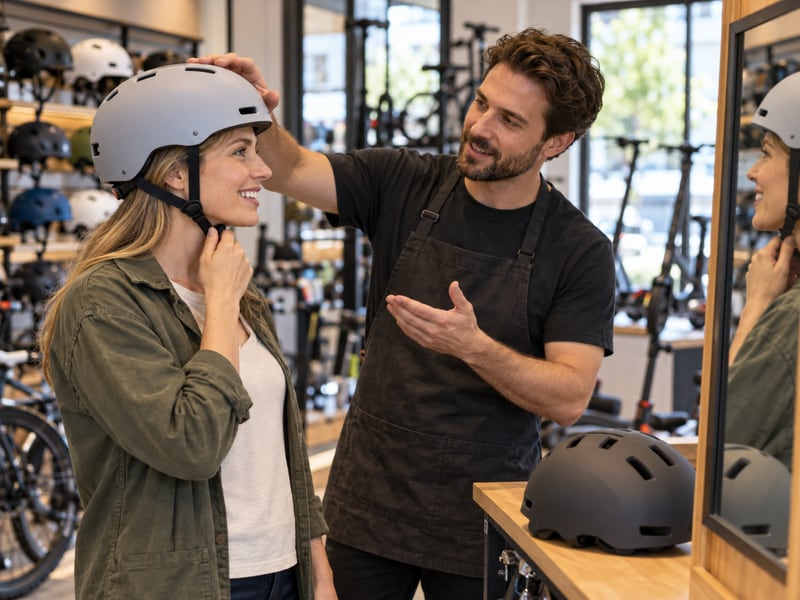
A helmet is always necessary when riding an electric scooter. In winter, it also adds warmth. Choose a helmet that fits well and offers good coverage. Consider a full-face helmet for extra protection from wind and cold. Knee and elbow pads offer protection in case of a fall. Wrist guards can prevent injuries. These items are crucial for safety. They absorb impact and reduce the severity of injuries.
Visibility is often poor in winter. Shorter days, fog, and precipitation reduce how well others can see you. Wear bright, reflective clothing. Add reflective tape to your helmet and scooter. Use strong front and rear lights. Consider flashing lights for increased attention. Make eye contact with drivers. Assume others may not see you. This proactive approach helps prevent accidents. It ensures you stand out in low light conditions.

6. What maintenance is needed for electric scooters in winter?
Winter weather can be tough on electric scooters. Salt, slush, and cold temperatures can cause wear and tear. Regular maintenance becomes even more important during these months. Proper care helps prevent damage and keeps your scooter running smoothly. Let me explain… a little effort goes a long way.
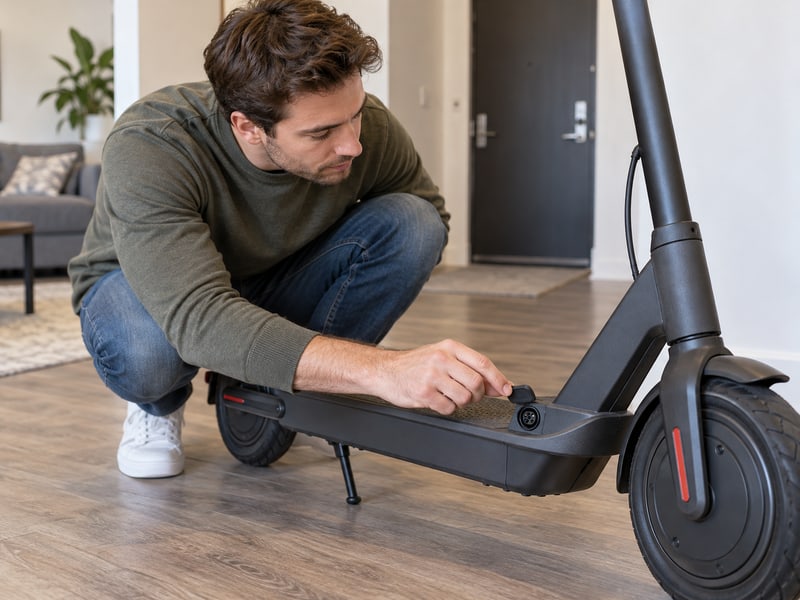
Road salt and grime are corrosive. They can damage your scooter’s frame, components, and electrical connections. After every winter ride, clean your scooter thoroughly. Use a damp cloth to wipe down the frame and wheels. Pay special attention to areas where salt might accumulate. Avoid using high-pressure washers. These can force water into sensitive electrical parts. A gentle wipe-down is usually enough. This simple step prevents rust and corrosion.
| Cleaning Task | Frequency | Notes |
|---|---|---|
| Wipe down frame | After every ride | Use damp cloth, avoid electronics |
| Clean wheels/tires | Weekly | Remove salt and debris |
| Inspect brakes | Bi-weekly | Check for wear and proper function |
| Check electrical connections | Monthly | Look for corrosion, keep dry |
Cold temperatures cause tire pressure to drop. Low tire pressure affects handling and stability. It also increases the risk of punctures. Check your tire pressure before each ride. Inflate them to the recommended levels. Also, inspect your tire treads. Worn treads reduce grip, especially on wet or slippery surfaces. Replace tires if they show significant wear. Good tires are crucial for safety in winter conditions.
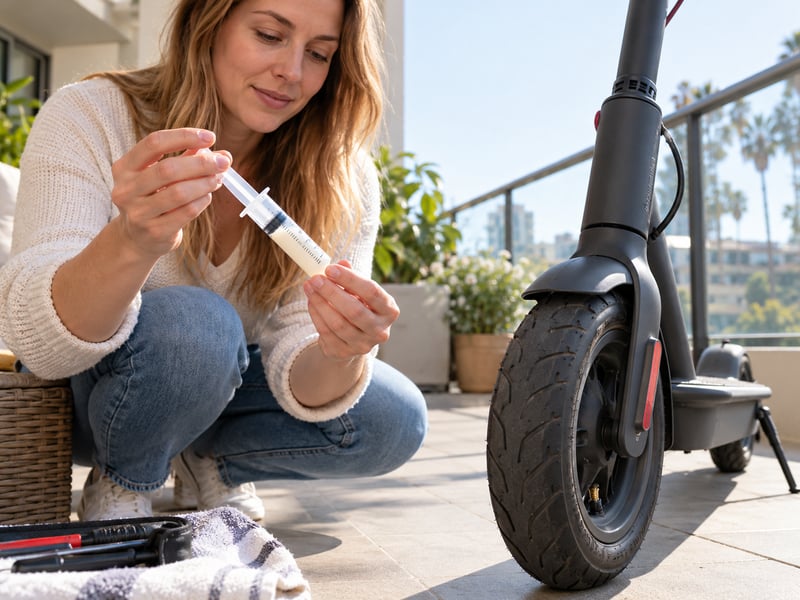
Water and salt can cause metal parts to rust. Lubricate moving components like hinges, folding mechanisms, and brake cables. Use a water-resistant lubricant. This prevents corrosion and ensures smooth operation. Apply lubricant sparingly. Wipe away any excess. Regular lubrication extends the life of these parts. It also makes your scooter easier to fold and handle. This small task makes a big difference.
7. How can you store an electric scooter during winter months?
Proper storage of your electric scooter during winter is crucial. It protects your investment and ensures it is ready for spring. Neglecting storage can lead to battery degradation or component damage. A little preparation goes a long way. Want to know the secret? It is all about careful planning.
Before putting your scooter away, give it a thorough cleaning. Remove all dirt, mud, and road salt. Use a damp cloth and mild soap. Pay attention to crevices and moving parts. After cleaning, dry the scooter completely. Moisture can lead to rust and corrosion during storage. Ensure all electrical connections are dry. This prevents long-term damage. A clean scooter stores better.
| Storage Preparation Step | Detail | Why it Matters |
|---|---|---|
| Clean thoroughly | Remove dirt, salt, grime | Prevents corrosion and damage |
| Dry completely | Ensure no moisture remains | Avoids rust and electrical issues |
| Inspect for damage | Check all components | Address issues before storage |
The battery is the most sensitive part of your electric scooter. Store it separately from the scooter if possible. Keep the battery in a cool, dry place. Ideal storage temperature is between 10°C and 20°C (50°F and 68°F). Do not store it fully charged or completely empty. A charge level of 50-80% is best. This prevents capacity loss. Check the charge every few weeks. Top it up if it drops too low. This maintains battery health.
Select a storage location that is dry and protected. A garage, shed, or basement can work. Avoid places with extreme temperature fluctuations. Do not store your scooter outdoors. Direct exposure to cold, moisture, and sunlight is harmful. Cover the scooter to protect it from dust. Ensure the area is secure. This keeps your electric scooter safe. It also prevents accidental damage.
8. Are there specific electric scooter models better suited for winter conditions?
Some electric scooter models handle winter better than others. Their design and features make a big difference in performance and safety. Choosing the right model helps with winter riding. The bottom line? Not all scooters are equal for cold weather.
For a winter scooter, look for specific features. Larger, pneumatic tires give better grip and absorb shock. A strong frame and sealed parts protect against moisture and salt. Good lighting is key for visibility. A powerful motor helps on hills. Look for models with high IP ratings for water resistance. These features make winter riding safer and more reliable.
| Feature | Benefit for Winter Riding |
| Large Pneumatic Tires | Better grip, shock absorption |
| High IP Rating | Water and dust resistance |
| Powerful Motor | Maintains speed on inclines |
| Bright Lights | Improved visibility |
| Durable Frame | Resists corrosion and impact |
Some brands build very durable scooters. These often use stronger materials and better sealing. Look for scooters with solid build quality. Heavy-duty models for off-road use can also work well in winter. They usually have better suspension and stronger motors. These designs handle rough terrain and bad conditions. They offer a more stable ride. This is important for safety.
Motor power affects how your scooter handles hills and heavy loads. In winter, snow or slush adds resistance. A higher wattage motor gives needed power. Build quality means the materials and assembly. A well-built scooter resists rust and impact damage. It also lasts longer. Get a scooter with good motor power and strong build quality. This ensures reliability in tough conditions.

9. What are the legal considerations for riding electric scooters in winter?
Before riding your electric scooter in winter, know the laws. Rules vary by place. They can change with weather. Ignoring these rules can lead to fines or legal trouble. What does this mean for you? It means staying informed about local laws.
Many cities have rules for electric scooters. These often cover speed, where to ride, and age. Some areas might limit scooter use in bad winter weather. They might ban them from sidewalks or roads with snow or ice. Always check your city’s transport laws. These are usually on their websites. Not knowing the law is no excuse. Stay updated on changes.
| Legal Aspect | Common Regulation | Winter Impact |
|---|---|---|
| Speed Limits | 20–25 km/h (12–15 mph) | May be reduced in adverse conditions |
| Riding Areas | Bike lanes, roads | Restrictions on sidewalks, snowy paths |
| Age Restrictions | 16+ years old | Generally unchanged |
| Helmet Laws | Mandatory in some areas | Always recommended in winter |
Accidents happen, especially in winter. Your personal insurance might not cover scooter incidents. Car insurance rarely does. Some special scooter insurance exists. Check your policy details carefully. An accident on ice could cost you money. This includes damage to property or injuries to others. Think about getting specific coverage. This protects you from unexpected costs.
Road safety laws apply to electric scooter riders. This includes traffic lights, stop signs, and right-of-way. In winter, these laws are even more important. Less visibility and slippery roads mean extra care. Always signal turns. Ride predictably. Follow all traffic signs. Watch for walkers and cars. Your actions affect everyone’s safety. Following these laws helps prevent accidents. It also makes your ride smoother.
10. What alternatives exist for winter commuting if electric scooters are not suitable?
If riding an electric scooter in winter is too hard or unsafe, other options exist. These can provide good transport in colder months. It is smart to have a backup plan. Here’s the deal… safety and reliability come first.
Public transport is often the best choice. Buses, trains, and subways offer a warm, safe, and often fast way to commute. They are not affected by icy roads or heavy snow. Many cities have large public transport systems. Check times and routes before you go. This saves time and stress. It also lowers your carbon footprint. Public transport is a good choice for regular travel.
| Public Transport Type | Pros | Cons |
|---|---|---|
| Bus | Wide coverage, often heated | Can be delayed by traffic/weather |
| Train/Subway | Fast, unaffected by road conditions | Limited routes, may require transfers |
| Tram/Streetcar | Eco-friendly, scenic routes | Limited coverage, can be slow |
Electric bikes (e-bikes) can be a good choice. They are more stable than scooters. This is due to bigger wheels and a different riding position. Some e-bikes have wider tires or studded options. This helps with grip in winter. Other personal devices, like electric unicycles, also exist. But they often take more time to learn. Always think about safety and local rules. E-bikes give similar freedom to scooters.
Carpooling with friends or co-workers is another option. It cuts costs and helps the environment. Ride-sharing services like Uber or Lyft are also available. They offer door-to-door ease. These services are very useful on bad weather days. They give a safe and comfortable ride. This can be a good answer for some winter commutes. It means you do not need to own a car.
Conclusion
Riding an electric scooter in winter demands careful planning and preparation. We have covered the impact of cold on batteries, the risks of slippery roads, and essential maintenance. We also looked at protective gear, scooter modifications, and legal considerations. Understanding these aspects helps you make informed decisions. By taking the right steps, you can extend your scooter’s lifespan and ensure safer rides. This approach helps you save on potential repair costs.
For reliable and high-performance electric scooters built to handle diverse conditions, explore the range at Dynamic Scooter. We offer models designed with durability and safety in mind. Visit our website today to find the perfect scooter for your needs and discover how we can support your year-round commuting.

FAQ
Q1: Is it safe to ride an electric scooter in freezing temperatures?
Riding in freezing temperatures carries risks. Cold affects battery performance, reducing range and power. More importantly, roads can become icy and slippery, increasing the risk of falls. It is generally safer to avoid riding when temperatures are below freezing or when ice is present.
Q2: How much does battery range decrease in cold weather?
Battery range can decrease significantly in cold weather, often by 20-50%. This is because cold temperatures slow down the chemical reactions within the lithium-ion battery, making it less efficient. The colder it gets, the more noticeable the range reduction will be.
Q3: What kind of tires are best for winter electric scooter riding?
For winter riding, specialized winter tires or studded tires are best. Winter tires have softer rubber and deeper treads for better grip on cold, wet surfaces. Studded tires offer superior traction on ice and packed snow due to small metal studs embedded in the tread. Standard tires are not suitable for winter conditions.
Q4: Can I leave my electric scooter battery charging overnight in cold conditions?
No, it is not recommended to charge your electric scooter battery overnight in cold conditions. Always bring the battery indoors and let it warm up to room temperature before charging. Charging a cold or frozen battery can damage it and reduce its lifespan. The optimal charging temperature is typically between 10°C and 20°C (50°F and 68°F).
Q5: What should I do if my electric scooter gets wet from snow or slush?
If your electric scooter gets wet from snow or slush, clean it immediately after your ride. Wipe down the entire scooter with a damp cloth to remove salt and grime, then dry it thoroughly. Pay special attention to electrical connections and moving parts. Avoid using high-pressure water. Proper cleaning and drying prevent rust and corrosion.