Ever wondered if your electric scooter can legally zip along the sidewalk? This question has left many riders confused, especially when they’re trying to avoid busy roads.
Generally, riding electric scooters on sidewalks is prohibited in most states across the U.S. However, the exact regulations vary by location. In California, it’s explicitly illegal, while states like Texas allow it under specific conditions.

Let’s dive into the details of these regulations. As someone who rides my Dynamic Scooter daily, I’ve had to learn the rules the hard way in several states. Understanding where you can legally ride isn’t just about avoiding tickets – it’s about keeping yourself and pedestrians safe.
What Are the Electric Scooter Riding Regulations in the U.S.?
Have you ever been stopped by a police officer while riding your electric scooter? I have, and it was because I didn’t know the local regulations that varied from my home state.
Electric scooter regulations in the U.S. vary significantly by state and even by city. Most states allow electric scooters on roads with speed limits of 25-35 mph and in bike lanes, but have specific restrictions regarding sidewalk use, required safety equipment, and rider age.

Electric Scooter Regulations in Florida
Florida has become increasingly friendly toward electric scooters in recent years. When I visited Miami with my Dynamic Scooter last summer, I was pleasantly surprised by the clear regulations and infrastructure.
Florida law treats electric scooter riders similar to bicyclists, giving them "all rights and duties applicable to the rider of a bicycle." This means electric scooters can use streets and bike lanes throughout the state. The minimum age to ride is 16, and no driver’s license is required to operate one.
Key Florida regulations include:
- Maximum speed limit of 20 mph
- No license requirement
- Minimum age of 16 years
- Legal to ride on streets and bike lanes
- Sidewalk riding is generally permitted unless prohibited by local ordinance
- Helmets are recommended but not mandatory for riders over 16
Several Florida cities have their own specific regulations that may be more restrictive than state law, so always check local ordinances before riding.
Electric Scooter Regulations in California
California has some of the strictest electric scooter laws in the country. I learned this the hard way during a business trip to San Francisco when I almost received a citation for riding on the sidewalk.
California Vehicle Code (CVC) §21235 explicitly prohibits riding electric scooters on sidewalks. This law applies to both personally-owned scooters like my Dynamic Scooter and rentals.
California’s key regulations include:
- Valid driver’s license or learner’s permit required
- Minimum age of 16 years
- Maximum speed of 15 mph
- Helmets required for riders under 18
- Prohibited on sidewalks except to enter/exit adjacent property
- Legal on roads with speed limits up to 25 mph and in bike lanes
- No passengers allowed
California cities can impose additional restrictions, so check local laws before riding in urban areas.
Electric Scooter Regulations in Illinois
Illinois has a relatively new framework for electric scooters, with laws clarifying their status implemented in recent years. Having lived in Chicago, I’ve seen firsthand how these regulations have evolved.
In Illinois, it’s legal to ride low-speed electric scooters on roads with a maximum speed limit of 35 mph. Similar to other states, electric scooters are treated much like bicycles in terms of where they can operate.
Illinois regulations include:
- No license requirement for scooters under 30 mph
- Not allowed on highways with speed limits over 35 mph
- Not permitted on state highways
- Sidewalk riding is generally not addressed by state law but may be restricted by local ordinances
- Minimum age requirements vary by municipality
Chicago and other Illinois cities may have additional regulations, so always verify local rules.
Electric Scooter Regulations in Texas
Texas offers relatively friendly laws for electric scooter riders. During my trip to Austin last year, I found it much easier to navigate the city on my Dynamic Scooter compared to other states.
Texas Transportation Code §551.352 states that motor-assisted scooters may be operated only on streets with speed limits of 35 mph or less. They can cross roads with higher speed limits at intersections.
Key Texas regulations include:
- No state-level license requirement
- Can be ridden on roads with speed limits of 35 mph or less
- Sidewalk riding is generally allowed unless prohibited by local ordinance
- Local municipalities can impose additional restrictions
- No state-level helmet requirement, though some cities may require them
Cities like Austin, Dallas, and Houston have their own specific ordinances that may restrict where and how electric scooters can be operated.
Electric Scooter Regulations in Washington State
Washington State classifies electric scooters as "motorized foot scooters" and has regulations similar to those for bicycles. When I visited Seattle, I appreciated the clear guidelines for riders.
In Washington, electric scooters:
- Must not exceed 20 mph, with operational speed capped at 15 mph
- Are prohibited on sidewalks unless specifically permitted by local ordinance
- Can be used on roads, bike lanes, and some multi-use paths
- Require riders to be at least 16 years old
- Require helmets for all riders
Local municipalities in Washington can impose additional restrictions, so verify city-specific rules before riding.
Electric Scooter Regulations in New York State
New York State legalized electric scooters in 2020 after much debate. The regulations are fairly comprehensive and similar to those in other states. I’ve found New York City to be particularly strict about enforcement.
New York’s regulations include:
- Minimum age of 16 years
- Maximum speed of 15 mph
- Not permitted on sidewalks except as authorized by local ordinance
- Allowed on roads with speed limits of 30 mph or less
- Helmets required for riders ages 16-17
- No license requirement
New York City has additional restrictions and designated areas where electric scooters are permitted.
Why Are Electric Scooters Generally Not Allowed on Sidewalks?
Have you ever wondered why most cities don’t want electric scooters on sidewalks? After speaking with transportation officials and experiencing close calls myself, I understand the reasoning.
Electric scooters are typically banned from sidewalks because they pose safety risks to pedestrians. With speeds of up to 15-20 mph, they move significantly faster than walking pace, creating hazards in pedestrian spaces that were designed for slow-moving foot traffic.

The primary concerns about sidewalk riding include:
-
Pedestrian Safety: Sidewalks are designed for pedestrians moving at 2-3 mph. Electric scooters traveling 5-6 times faster create significant collision risks. This speed differential makes it difficult for both parties to react in time to avoid accidents.
-
Space Limitations: Most urban sidewalks are narrow and already crowded with pedestrians, making it challenging to safely accommodate faster-moving vehicles. Even my compact Dynamic Scooter takes up significant sidewalk space.
-
Reduced Visibility: Buildings, trees, and street furniture can block sightlines on sidewalks, increasing accident risk when faster-moving scooters approach intersections or driveways.
-
Vulnerability of Specific Pedestrians: Children, elderly people, and those with disabilities are particularly vulnerable to injuries from collisions with electric scooters.
-
Surface Conditions: Sidewalks often have uneven surfaces, cracks, and obstacles that can cause scooter riders to lose control, creating additional hazards.
Research has shown that pedestrian-scooter crashes can result in serious injuries for both parties. A 2019 study from UCLA found that 40% of electric scooter injuries involved collisions with pedestrians.
Why Do People Ride Scooters on the Sidewalk?
Despite the regulations, I often see riders using sidewalks instead of streets. Understanding these motivations helps address the underlying issues.
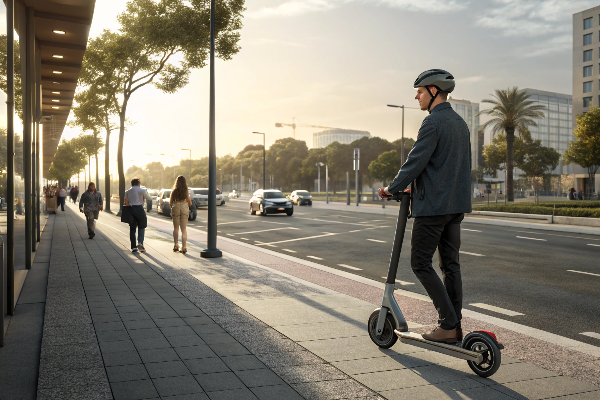
People often choose to ride electric scooters on sidewalks primarily out of fear for their own safety. When faced with the choice between riding alongside fast-moving vehicles or on pedestrian pathways, many riders perceive the sidewalk as the safer option.
Main Reason: Avoiding Riding Alongside Cars
The most compelling reason riders choose sidewalks is fear of sharing the road with cars. I’ve experienced this myself, especially in cities without dedicated bike lanes. When a large truck passes within feet of you at 35 mph, the sidewalk suddenly looks much more appealing.
Key factors include:
- Speed differential between scooters (15-20 mph) and vehicles (25-45 mph)
- Lack of physical separation from motor vehicles
- Distracted or aggressive drivers
- Fear of being struck from behind
- Greater perceived risk of serious injury in a car collision
A 2023 study by the Insurance Institute for Highway Safety found that scooter riders who felt unsafe on roads were 3.5 times more likely to use sidewalks, regardless of local laws.
Safety Concerns for Electric Scooters in Traffic Lanes
Several specific safety risks make traffic lanes particularly challenging for electric scooter riders:
- Visibility Issues: Cars often fail to notice smaller vehicles like electric scooters
- Road Conditions: Potholes, debris, and sewer grates that pose minor issues for cars can be dangerous for scooters
- Lack of Protective Features: Unlike cars, scooters provide no physical protection in a collision
- Limited Maneuverability: Electric scooters may struggle to quickly avoid hazards at higher speeds
- Driver Awareness: Many drivers aren’t accustomed to sharing roads with electric scooters
My own Dynamic Scooter has excellent visibility features, but I still face these challenges when riding in traffic.
Other Reasons: Convenience and Flexibility
Beyond safety, riders choose sidewalks for practical reasons:
- Direct Routes: Sidewalks often provide more direct routes than available bike lanes
- Connectivity: Sidewalks typically offer better connectivity between destinations
- Avoiding Traffic Signals: Some riders use sidewalks to bypass traffic lights and congestion
- Perceived Enforcement: Many riders believe sidewalk regulations aren’t strictly enforced
- Lack of Alternatives: In areas without bike lanes or low-speed streets, sidewalks may seem like the only viable option
Electric Scooter Legal and Safety Regulations
Understanding the broader legal framework helps riders make informed decisions about where and how to operate their scooters.
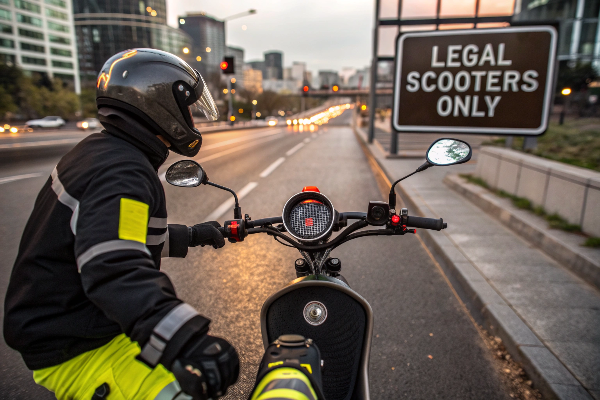
Electric scooter legal requirements typically include age restrictions, equipment standards, and operational rules. Most states classify electric scooters as low-speed electric vehicles that must meet specific criteria regarding maximum speed, motor power, and safety features.
Legal Requirements for Electric Scooter Riding
The federal government classifies electric scooters as low-speed electric vehicles with:
- Maximum speed capability of 20 mph
- Motor power of 750W or less
- Two or three wheels
Beyond these baseline criteria, legal requirements vary by state but typically include:
- Age Restrictions: Most states require riders to be at least 16 years old
- License Requirements: Some states require a valid driver’s license or permit (notably California)
- Registration: Generally not required for standard electric scooters
- Insurance: Typically not required, though recommended for liability protection
- Road Access: Restricted from highways and high-speed roads
Safety Measures for Electric Scooter Riding
Safety experts and manufacturers like us at Dynamic Scooter recommend the following safety measures:
- Pre-Ride Inspection: Check brakes, tires, and controls before each ride
- Visibility Enhancements: Use lights, reflectors, and bright clothing
- Proper Footwear: Wear closed-toe shoes with good grip
- Hands-Free Operation: Never use mobile devices while riding
- Weather Awareness: Avoid riding in rain, snow, or ice when possible
- Defensive Riding: Assume drivers don’t see you and ride accordingly
- Maintain Control: Keep both hands on the handlebars except when signaling
Do You Need to Wear a Helmet When Riding an Electric Scooter?
Helmet requirements vary by state and sometimes by rider age:
- California: Required for riders under 18
- Florida: Not required but recommended
- Washington State: Required for all riders
- New York: Required for riders ages 16-17
- Texas: No state requirement, though some cities mandate helmets
- Illinois: Requirements vary by municipality
Even where not legally required, helmets significantly reduce the risk of serious head injury. Studies show that properly worn helmets can reduce the risk of head injury by up to 60% in scooter accidents.
As a responsible manufacturer, we at Dynamic Scooter always recommend wearing a helmet regardless of local requirements. Our own research shows that proper head protection is the single most effective safety measure for electric scooter riders.
Where Can You Ride Electric Scooters?
The question of where to legally ride extends beyond just sidewalks. Let’s explore all the options.
Electric scooters can typically be ridden on city streets with speed limits of 25-35 mph or less, bike lanes, and some multi-use paths. Sidewalk riding is generally prohibited, though some states and cities make exceptions. High-speed roads, highways, and most park trails are off-limits.

On Which Roads Can You Ride Electric Scooters?
Electric scooters are generally permitted on:
- Local Streets: Roads with speed limits of 25-35 mph or less, depending on state law
- Bike Lanes: Dedicated lanes for bicycles and other small vehicles
- Shared Roadways: Roads designated for shared use with proper signage
- Some Shoulders: Where specifically permitted by local ordinance
Electric scooters are typically prohibited on:
- Highways: Both interstate and state highways
- High-Speed Roads: Roads with speed limits above 35 mph
- Limited-Access Highways: Roads with controlled entrances and exits
- Certain Bridges and Tunnels: Where explicitly prohibited
Road Lanes vs. Sidewalks: Where Are Electric Scooters Legal?
This comparison highlights the key differences in regulations:
| Feature | Road Lanes | Sidewalks |
|---|---|---|
| Legal Status | Generally legal on roads ≤ 25-35 mph | Generally prohibited (with exceptions) |
| Safety Concerns | Higher risk of vehicle collisions | Higher risk of pedestrian collisions |
| Speed Restrictions | Usually no additional restrictions | Often limited to 5-8 mph where permitted |
| Right-of-Way | Must follow traffic rules | Must yield to pedestrians where permitted |
| State Variations | Mostly consistent permissions | Highly variable by state and city |
| Enforcement Level | Moderate to high | Variable, often situation-dependent |
Penalties and Enforcement for Illegal Riding
What happens if you break the rules? Here’s what you need to know.
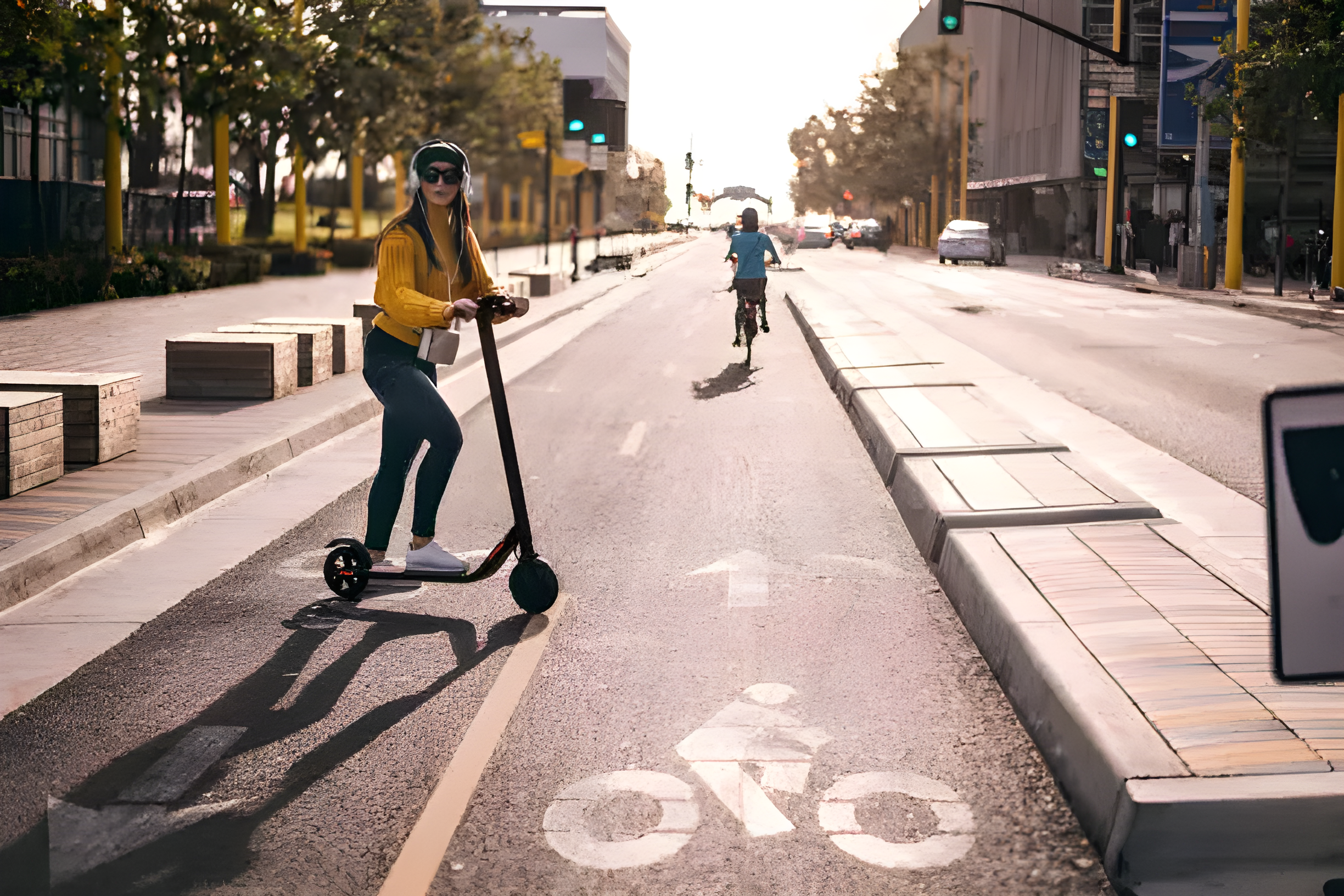
Violations of electric scooter regulations can result in fines, impoundment of the scooter, and in some cases, points on your driver’s license. Enforcement varies widely by location, with larger cities typically having stricter enforcement than suburban or rural areas.
Common Illegal Riding Situations
The most frequently cited violations include:
- Sidewalk Riding: In jurisdictions where prohibited
- Underage Operation: Riders below the minimum age requirement
- Riding Without Required License: In states requiring driver’s licenses
- Exceeding Speed Limits: Particularly in areas with specific scooter speed restrictions
- Unsafe Operation: Reckless riding, riding under the influence, or carrying passengers where prohibited
- Equipment Violations: Missing required safety equipment like lights or helmets
- Prohibited Area Access: Riding in zones where scooters are explicitly banned
Penalties by State for Illegal Riding
Penalties vary significantly by state:
- California: Fines up to $250 for sidewalk riding; additional penalties for other violations
- Florida: Typically civil infractions with fines of $50-100
- New York: Fines ranging from $50 to $500 depending on the violation
- Texas: Fines vary by municipality, typically $20-200
- Washington: Fines ranging from $25 to $250
- Illinois: Varies by municipality; Chicago fines range from $25 to $500
Some jurisdictions may also impound illegally operated scooters and assess storage fees in addition to citation costs.
Electric Scooter Frequently Asked Questions (FAQ)
Let’s address some common questions riders often ask about electric scooter regulations.
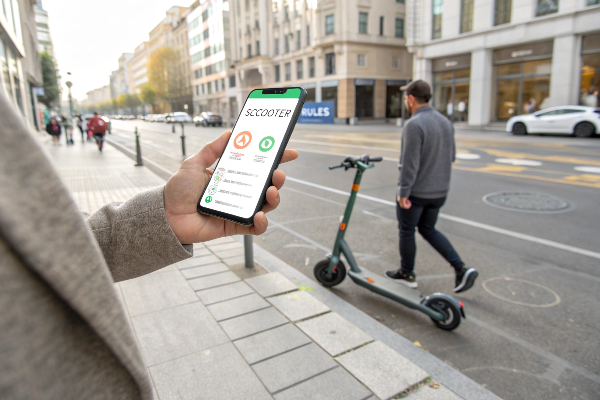
Electric scooters raise numerous questions about their legal operation, safety requirements, and rider responsibilities. While regulations vary by location, there are some general guidelines that apply in most jurisdictions.
What Is the Maximum Speed Limit for Electric Scooters?
The maximum legal speed limit for electric scooters in most U.S. states is 20 mph, though operational speed limits are often capped at 15 mph in urban areas. This aligns with federal classifications for low-speed electric vehicles.
However, the practical speed limits vary by state:
- California: 15 mph
- New York: 15 mph
- Florida: 20 mph
- Texas: Not specifically limited beyond the 20 mph federal guideline
- Washington: 15 mph operational limit, 20 mph maximum capability
- Illinois: Generally follows the 20 mph federal guideline
At Dynamic Scooter, our Model B has a top speed of 15 mph (25 kph), placing it within the legal limits for all states. This balance of performance and compliance is intentional in our design.
Can You Ride an Electric Scooter Without a Driver’s License?
License requirements vary significantly by state:
- States requiring licenses: California, Connecticut, Delaware, Georgia (for scooters >15 mph), and several others
- States not requiring licenses: Florida, Illinois (for scooters <30 mph), Texas, Wisconsin, and many others
- Special cases: Some states have special permits or identification requirements short of a full license
Always check your specific state’s requirements before riding. The trend is toward not requiring licenses for standard electric scooters under 20 mph, but exceptions exist.
How Can You Ensure Your Safety and Others’ When Riding an Electric Scooter?
Safe riding practices include:
- Wear Appropriate Safety Gear: Always wear a helmet; consider additional protection like gloves and knee pads
- Be Visible: Use lights and reflectors, wear bright clothing, especially at night
- Ride Predictably: Signal turns, maintain consistent speeds, and avoid erratic movements
- Stay Alert: Don’t use headphones or mobile devices while riding
- Respect Pedestrians: When sharing spaces, reduce speed and yield to those on foot
- Follow Traffic Rules: Obey traffic signals, signs, and lane markings just like other vehicles
- Ride Sober: Never operate an electric scooter under the influence of alcohol or drugs
- Regular Maintenance: Keep your scooter in good condition with regular checks and maintenance
As a Dynamic Scooter rider myself, I’ve found that following these practices not only keeps me safer but also helps improve the public perception of electric scooter users in general.

Conclusion
Understanding electric scooter regulations helps ensure safe, legal riding. Most states prohibit sidewalk riding, though exceptions exist. Always check local laws, wear safety gear, and ride responsibly to avoid penalties and prevent accidents.