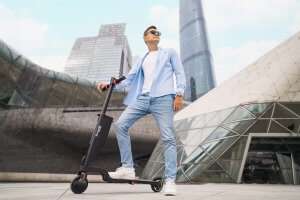

Are you unsure whether your electric scooter is a motorized vehicle? Confusion on this issue could get you a ticket or your electric scooter impounded! You need to know if your e-scooter is a motorized vehicle so you can ride it safely without any worries.
An electric scooter is a motorized vehicle because it has a motor powered by electricity. The actual classification of an electric scooter may depend on your location. In most cases, your local authorities will consider electric scooters in their own category separate from your car, motorcycle, etc., but may place some restrictions on them.
Let’s dive deeper into this complicated topic so that you are riding legally and safely no matter where you are.
Introduction: The Rise of Electric Scooters and Legal Questions
Electric scooters have transformed urban mobility in recent years. As someone deeply involved in the e-mobility industry, I’ve witnessed firsthand how these compact vehicles have revolutionized short-distance transportation.
However, this fast adoption has created many regulatory issues. The chief controversy with electric scooters centers on whether they meet the definition of a motorized vehicle. While this may seem like a simple question, the implications affect riders, manufacturers and regulators.
Why does this matter? Because it determines where you can legally ride, whether you need a license, insurance requirements, and what safety equipment is mandatory. Failure to understand these rules could result in fines or violations.
In this comprehensive guide, I’ll address the complex question of whether an electric scooter is a motorized vehicle, exploring the nuances of electric scooter legal classification across different regions and what it means for you as a rider.

Defining Electric Scooters: Types and Classifications
Before diving into legal definitions, let’s establish what constitutes an electric scooter. An electric scooter is a two-wheeled vehicle with a handlebar, deck for standing and sometimes a seat that is powered by an electric motor.
Different Types of Electric Scooters
There are a few different types of electric scooters on the market:
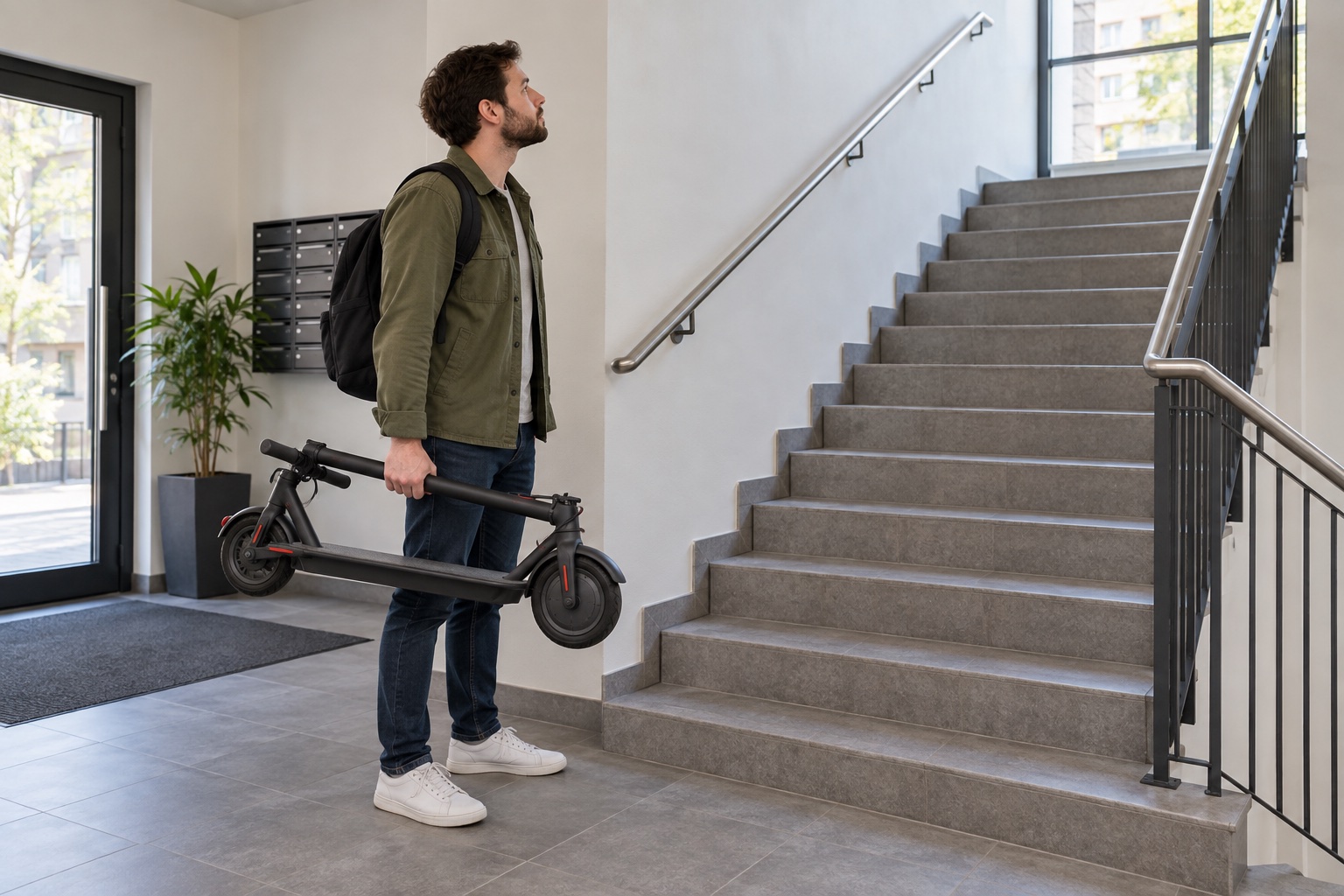
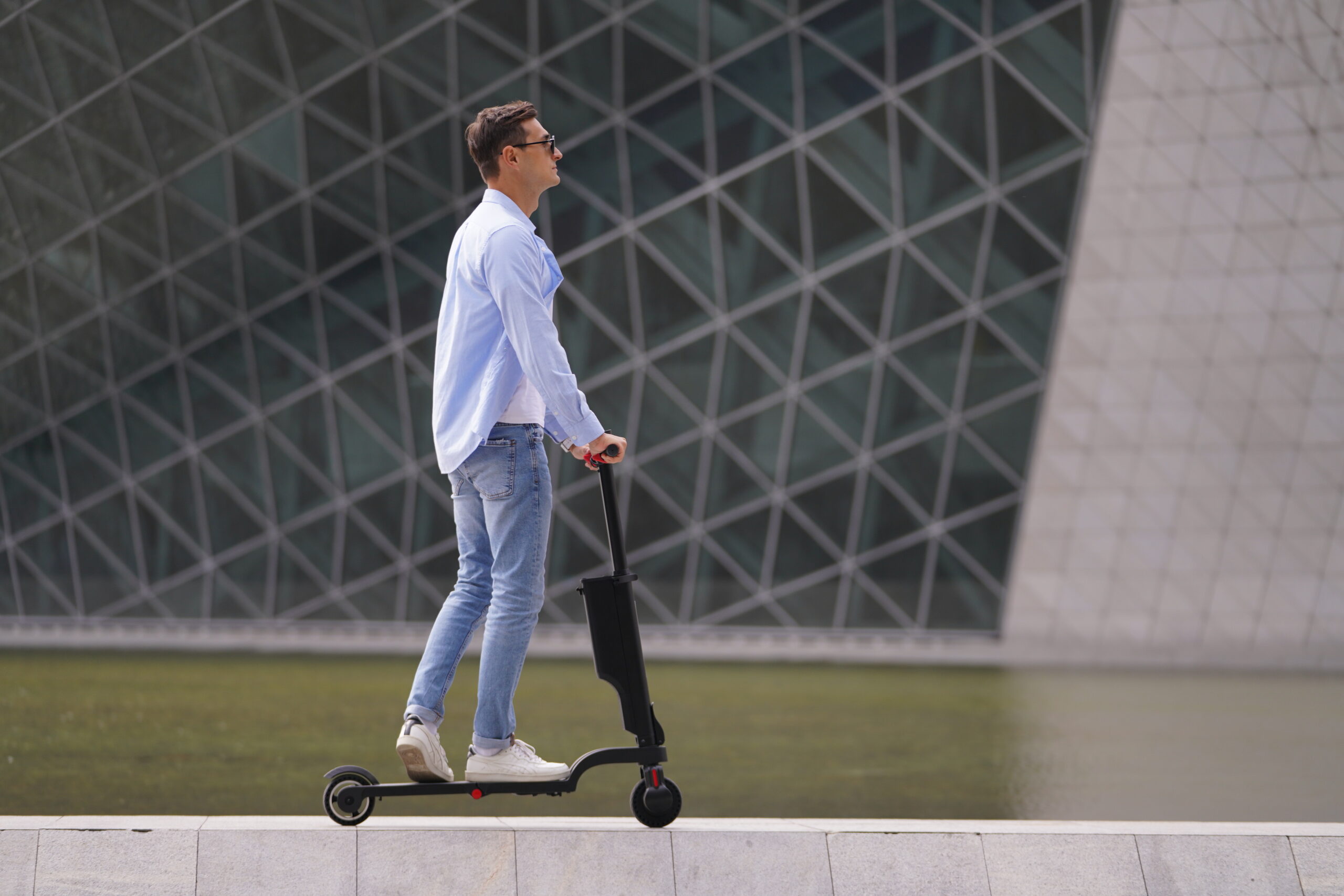
Standing electric scooters are the most common type. They have handlebars, a platform to stand on, and no seat. They are lightweight and portable. This is what most people think of when talking about e-scooters. They are great for short commutes.
Seated electric scooters have a seat for the rider. They are typically more comfortable for longer rides. These look more like traditional mopeds. However, they are powered by electricity instead of gas.
Off-road electric scooters are a distinct type of e-scooter designed to travel on terrain you wouldn’t normally ride on with a typical scooter. They combine the benefits of a standard electric scooter while providing enhanced durability and performance to allow you to ride on trails, dirt paths, gravel roads, and other non-standard terrain.
Three-wheel electric scooters represent a distinct category within the electric scooter market, offering unique advantages that set them apart from traditional two-wheel models. These vehicles feature a triangular wheel configuration—typically with either one wheel in front and two in the rear, or two wheels in front and one in the rear—creating a more stable platform for riders.
Electric scooters differ from the traditional kick scooter in that they are motorized. Traditional kick scooters rely on you to push with your feet. Electric scooters have a battery-powered motor that propels the scooter with little physical exertion from the rider.
This motorization is precisely what creates the legal ambiguity regarding their classification. The presence of a motor technically places them in the realm of motorized vehicles, yet their limited speed and power distinguish them from conventional motor vehicles like cars and motorcycles.
Technical Specifications That Define Electric Scooters
Electric scooter technical specifications have a significant impact on their legal classification. There are various specifications of electric scooters depending on the manufacturer and model you purchase. Here are a few that may pertain to legal regulations.
Key Technical Parameters
Motor power and max speed capabilities. These will likely have the most impact on legal classification. Most consumer electric scooters have motors between 250-500 watts, but some higher-performance ones exceed 1000 watts. Max speed generally ranges from 15-20 mph (24-32 km/hr), but some can travel faster.
Battery size and range determine how far your e-scooter can go on one charge. Most scooters range between 10-30 miles (16-48 km) on a charge depending on the size of the battery, rider weight, terrain, and speed.
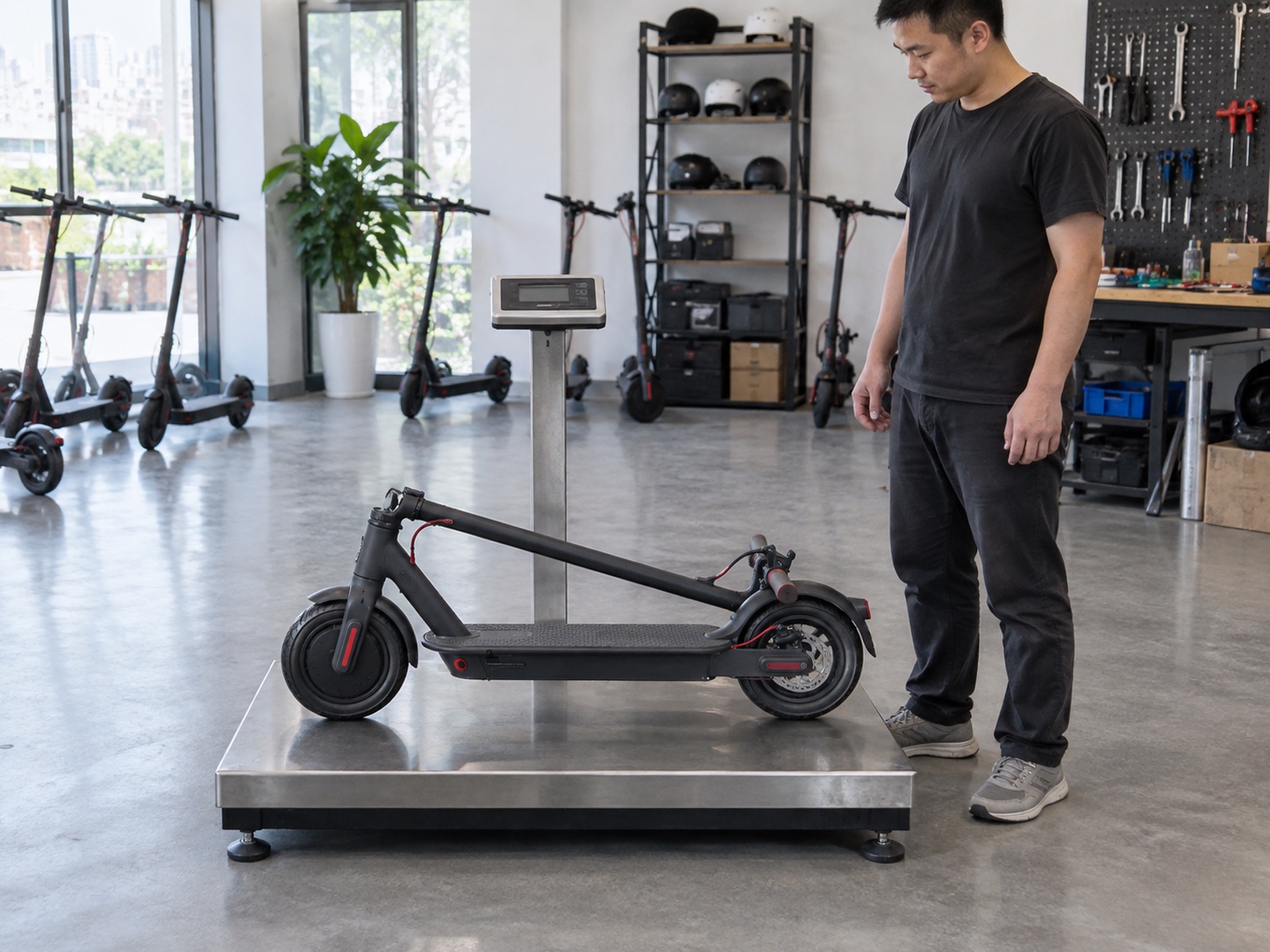
Weight and max load capacity may tie into classification. Most consumer electric scooters weigh approximately 20-60 lbs (9-27 kg) and can carry a rider weighing 220-330 lbs (100-150 kg).
Industry standards for electric scooters continue to evolve as the technology matures. Organizations like the Consumer Product Safety Commission (CPSC) in the United States and similar bodies worldwide are developing safety standards specific to electric scooters.
How do these technical specifications affect legal classification? Many jurisdictions use maximum speed as a primary criterion for categorization. For instance, vehicles capable of speeds above certain thresholds (often 20 mph) may face stricter regulations. Similarly, motor power often determines whether a vehicle qualifies for certain exemptions or falls under more rigorous regulatory frameworks.
Comparing Electric Scooters to Other Electric Vehicles
To help you understand the legal classification of e-scooters, let’s examine how they compare to other methods of transportation and how the law classifies those.
Electric scooters vs. electric bicycles presents an interesting comparison. E-bikes typically feature pedals and can be operated without motor assistance, whereas e-scooters rely entirely on their motors. This distinction is significant in many legal frameworks, with e-bikes often enjoying more permissive regulations due to their hybrid human-electric power system.
When comparing electric scooters vs. electric motorcycles, the differences become more pronounced. Electric motorcycles generally have more powerful motors, higher top speeds, and require registration and licensing in most jurisdictions. They’re unambiguously classified as motor vehicles, while e-scooters often occupy a regulatory middle ground.
Electric scooters vs. electric hoverboards/unicycles reveals another dimension of micro-mobility device classification. These devices typically lack handlebars and rely on the rider’s balance for steering, which affects their safety profile and subsequent regulations.
The key legal distinctions between these classifications often hinge on:
- Maximum speed capabilities
- Presence of pedals or other human-powered components
- Motor power ratings
- Physical design (seating, handlebars, etc.)
- Intended use (recreation vs. transportation)
These distinctions determine whether a device falls under motor vehicle laws, bicycle regulations, or specialized frameworks created specifically for newer mobility technologies.
Legal Definitions Around the World: Regional Variations
The e-scooter motor vehicle definition varies significantly across different regions, creating a complex patchwork of regulations for riders to navigate.
| Region/Continent | Legal Classification | Definition | Notable Restrictions | Regulatory Trend |
|---|---|---|---|---|
| North America | Varies by jurisdiction | Typically defined as “low-speed micro-mobility devices” or “motorized scooters” | Often prohibited on sidewalks and highways | Moving toward standardized regulations with local variations |
| Canada | No federal definition | Provincial definitions vary from “motorized scooters” to “micro-mobility devices” | Multi-tiered regulatory structure with significant municipal authority | Decentralized approach with provincial frameworks and municipal implementation |
| Europe | “Personal Light Electric Vehicles” (PLEVs) or “Electric Personal Mobility Devices” | Two-wheeled vehicles with electric motors, handlebars, and platforms for standing | Often restricted from pedestrian-only areas | Harmonization efforts through EU directives with national implementation |
| Asia | Varies widely from “Personal Mobility Devices” to “Motorized Bicycles” | Definitions vary significantly by country | Complete bans in some areas (parts of China); strict regulations in Singapore | Increasingly restrictive in dense urban areas, especially in East Asia |
| Australia/Oceania | “Personal Mobility Devices” or “Powered Mobility Devices” | Electric-powered devices with 2+ wheels designed for personal transportation | Restricted to bike paths and low-speed roads in most areas | Gradual liberalization through state-based trials |
| South America | Limited specific classification | Often fall under “small motorized vehicles” or similar categories | Limited infrastructure for safe operation | Emerging regulations primarily in major urban centers |
| Africa | Largely unregulated | Few formal definitions in most countries | Limited infrastructure for safe operation | Minimal formal regulation with focus on urban centers |
| Middle East | Emerging classifications | Varies by country, often similar to “light electric vehicles” | Often restricted to designated paths in regulated areas | Growing regulation in wealthy Gulf states, limited elsewhere |
| United Kingdom | “Powered Transporters” | Vehicles powered by an electric motor with no pedals that can be used on public roads | Private e-scooters restricted to private land; rental schemes in trial areas | Cautious approach with government-sanctioned trials |
| European Union | “Personal Light Electric Vehicles” (PLEVs) | Two-wheeled vehicles with a maximum design speed between 6 and 25 km/h | Varies by member state, often restricted from highways and pedestrian zones | Working toward harmonized regulations while allowing national variations |
These regional variations highlight the challenges of categorizing a relatively new technology within existing legal frameworks. As electric scooters continue to gain popularity, we can expect regulations to evolve and potentially become more standardized internationally.
Current Regulatory Landscape for Electric Scooters
The regulatory landscape for electric scooters presents several challenges for lawmakers, manufacturers, and riders alike.
Major regulatory challenges include:
- Fitting new technology into existing legal frameworks
- Balancing safety concerns with transportation benefits
- Managing conflicts between different road users
- Addressing environmental impacts and sustainability goals
Gaps in existing regulatory frameworks are apparent in many jurisdictions. Examples include unclear definitions, inconsistent enforcement, and the lack of specific provisions for electric scooters. In some areas, e-scooters operate in legal gray areas and are neither explicitly permitted nor prohibited.
Trends in regulation development show movement toward:
- Creating specific categories for micro-mobility devices
- Implementing speed limits in pedestrian areas
- Requiring basic safety equipment
- Developing parking management solutions
- Addressing data privacy concerns for rental services
Industry self-regulation and standards are also emerging. Manufacturers and rental companies are developing their own safety guidelines and best practices. Organizations such as the Micromobility Coalition advocate responsible use of e-scooters and reasonable regulations that promote safety without killing innovation.
As someone who works with these regulations, we have seen that the most successful balance safety concerns with the practical benefit e- scooters offer for urban mobility.

Traffic Laws Governing Electric Scooters
Understanding where and how you can legally operate an electric scooter is essential for compliance and safety.
Where Electric Scooters Can Legally Operate
The e-scooter road legality varies significantly by location. In many cities, electric scooters are permitted on bike lanes and roads with lower speed limits (typically under 25-35 mph). Some jurisdictions allow sidewalk riding, while others explicitly prohibit it.
Speed restrictions are common, with many areas imposing electric scooter speed limits of 15-20 mph. Some locations implement even lower limits (5-10 mph) in high-pedestrian areas or shared paths.
Safety requirements often include lighting (front and rear), reflectors, and sometimes audible signaling devices like bells.
Parking Regulations and Management
Parking has emerged as a significant regulatory focus, particularly in response to concerns about rental scooters cluttering sidewalks. Many cities now designate specific parking areas and implement penalties for improper parking.
Required Safety Equipment
Helmet requirements vary widely. Some jurisdictions mandate helmets for all riders, others only for minors, and some have no requirements at all. Additional safety equipment may include:
- Lights for night riding
- Reflectors for visibility
- Bells or horns for signaling
- Properly functioning brakes
Penalties for Violations
Violations of electric scooter regulations can result in various penalties, including:
- Monetary fines (typically ranging from $25 to $500)
- Impoundment of the scooter
- Points on driving records (in jurisdictions that classify e-scooters as motor vehicles)
- Potential criminal charges for serious violations (such as riding under the influence)
As regulations continue to evolve, staying informed about local laws is essential for legal and safe operation.
Practical Implications of Electric Scooter Classification
The classification of electric scooters has several practical implications for owners and riders.
Purchase and Registration Requirements
In jurisdictions that classify e-scooters as motor vehicles, registration may be required. This typically involves:
- Paying a registration fee
- Displaying a license plate or registration sticker
- Periodic renewal of registration
- Potential vehicle inspections
Most areas, however, do not require registration for standard consumer electric scooters that meet certain criteria (typically related to maximum speed and power).
Usage Area Restrictions
Classification directly impacts where you can legally ride. If classified as motor vehicles, e-scooters may be prohibited from:
- Sidewalks
- Pedestrian zones
- Certain parks and recreational areas
- Roads with higher speed limits
Conversely, if classified as bicycles or micro-mobility devices, they may be permitted in bike lanes and paths closed to motor vehicles.
Insurance and Liability Considerations
Beyond mandatory insurance requirements, classification affects liability in accidents. In jurisdictions where e-scooters are motor vehicles, accidents may be governed by motor vehicle accident laws, which can impact:
- Fault determination
- Available compensation
- Applicable statutes of limitations
- Potential criminal charges for serious incidents
Cross-jurisdictional Usage Concerns
For riders who travel between different cities or states, varying classifications create compliance challenges. A perfectly legal riding practice in one jurisdiction may result in fines or penalties just across a municipal or state boundary.
This patchwork of regulations underscores the importance of researching local laws before riding in unfamiliar areas.
FAQ
Can minors ride electric scooters legally?
Age restrictions vary from place to place. Most jurisdictions allow riders between 16–18 years of age to ride on public roads. Some allow younger riders with supervision or only on private property. Many locations have stricter helmet requirements for minors.
Are electric scooters allowed on highways?
In general, this is a no. Usually you cannot ride an electric scooter on highways, freeways, or roads with a speed limit over 25–35 mph depending on the jurisdiction.This prohibition is due to the speed differential between e-scooters and other vehicles.
Do I need special insurance for my electric scooter?
You do not need specific insurance in most places, but it is often recommended. Jurisdictions that consider e-scooters a motor vehicle may require liability insurance. In addition, some homeowners or renters insurance policies cover them. However, specific insurance for e- scooters is becoming a more common product.
How can I determine if my electric scooter complies with local regulations?
To ensure compliance:
- Check your scooter’s specifications against these local requirements (especially maximum speed and motor power).
- Contact your local transportation authority or law enforcement agency to get answers.
- Review your municipal codes and state laws about e-scooters.
- Check with local electric scooter retailers.
What are the consequences of violating electric scooter laws?
Consequences vary by jurisdiction and the nature of the violation. Common penalties include:
- Monetary fines (typically $25-$500)
- Impoundment of the scooter
- Points on driving record (in some jurisdictions)
- Potential criminal charges for serious violations (such as riding under the influence)
For our Dynamic Scooter customers, we provide a comprehensive guide to local regulations with each purchase to help ensure compliance and safe operation. Our Dynamic Scooter Model B is engineered to meet regulations in most North American jurisdictions with its 15 mph top speed, lightweight design, and comprehensive safety features including dual brakes and LED lighting.

Conclusion
The classification of e-scooters is a moving target as legislators catch up with this innovative solution to urban transportation. Learn your local laws to ride safely and legally. But for now, please consider e-scooters to be motor vehicles.