
Electric scooter fires can destroy property and cause serious injuries or death. Many riders ignore fire risks until it’s too late. Understanding why scooters catch fire helps you prevent dangerous situations and protect yourself and others.
Electric scooters catch fire mainly due to battery problems, charging issues, manufacturing defects, and environmental damage. Lithium-ion batteries can overheat and enter thermal runaway, creating intense fires that spread quickly. Poor quality control in cheap scooters increases risks significantly. Using wrong chargers, overcharging, water damage, and physical impacts also cause fires. Prevention requires buying quality scooters, following proper charging practices, regular maintenance, and avoiding extreme conditions. Quality brands with safety certifications have much lower fire risks than budget alternatives.
This guide covers the main fire causes, prevention methods, and emergency procedures to keep you safe.
1. What Are the Main Causes of Electric Scooter Fires?
Electric scooter fires result from several interconnected factors that create dangerous conditions. Understanding these root causes helps you identify and avoid high-risk situations. Here’s the deal… most fires are preventable with proper knowledge and precautions.
Battery overheating represents the most common cause of scooter fires. Lithium-ion batteries generate heat during charging and use. When temperatures exceed safe limits, thermal runaway occurs. This creates a chain reaction where heat generates more heat until the battery ignites.
Faulty charging systems create fire hazards through electrical malfunctions and overcharging. Cheap chargers lack proper voltage regulation and safety shutoffs. Damaged charging ports allow moisture and debris to cause short circuits. Overcharging forces too much energy into batteries, causing dangerous overheating.
Manufacturing defects in electrical components increase fire risks significantly. Poor quality control allows defective batteries, wiring, and circuits to reach consumers. Substandard materials break down quickly under normal use. Cost-cutting measures eliminate important safety features and protections.
Physical damage to battery cells and wiring creates immediate fire hazards. Crashes, drops, and impacts can puncture battery cells or damage protective circuits. Exposed wires can short circuit and generate sparks. Even minor damage can worsen over time and eventually cause fires.
| Fire Cause Category | Risk Level | Prevention Difficulty | Common Triggers |
| Battery Overheating | High | Medium | Overcharging, age, damage |
| Charging Problems | High | Low | Wrong chargers, damaged ports |
| Manufacturing Defects | Very High | High | Poor quality control |
| Physical Damage | Medium | Low | Crashes, drops, impacts |

2. How Do Battery Problems Lead to Scooter Fires?
Battery-related fires are the most dangerous type of electric scooter fire due to their intensity and rapid spread. Lithium-ion batteries contain flammable electrolytes that burn extremely hot when ignited. This is important because… understanding battery fire mechanisms helps you recognize warning signs and take preventive action.
Lithium-ion battery chemistry creates inherent fire risks when safety systems fail. These batteries store large amounts of energy in compact spaces. Chemical reactions generate heat and gases that can ignite under certain conditions. Once started, battery fires are difficult to extinguish and can reignite hours later.
Cell damage from impacts and overuse compromises battery safety systems. Physical damage can puncture cell walls and expose reactive materials to air. Overuse degrades internal components and reduces safety margins. Even small amounts of damage can lead to catastrophic failure over time.
Poor quality control in cheap batteries eliminates critical safety features. Budget manufacturers skip expensive safety testing and use substandard materials. Protective circuits may be inadequate or missing entirely. Quality control processes fail to catch defective cells before they reach consumers.
Age-related battery degradation increases fire risks as scooters get older. Battery capacity decreases over time, but internal resistance increases. This generates more heat during charging and use. Older batteries are more likely to develop internal shorts and other dangerous conditions.
| Battery Problem | Fire Risk | Warning Signs | Prevention Methods |
| Thermal Runaway | Extreme | Excessive heat, swelling | Quality batteries, proper charging |
| Physical Damage | High | Dents, punctures, leaks | Careful handling, protective cases |
| Manufacturing Defects | Very High | Early failures, overheating | Buy certified brands only |
| Age Degradation | Medium | Reduced range, slow charging | Replace old batteries promptly |
3. What Charging Mistakes Cause Fire Hazards?
Charging-related fires are among the most preventable types of scooter fires. Most charging fires result from user mistakes or equipment failures that proper practices can avoid. Now, you might be wondering… what specific charging behaviors create the highest risks? The answer involves several common but dangerous practices.
Using incompatible or counterfeit chargers creates serious fire hazards. Wrong voltage or amperage can overcharge batteries and cause overheating. Counterfeit chargers lack proper safety features and quality control. Even chargers that appear to work correctly may have hidden defects that cause fires later.
Overcharging and leaving scooters plugged in overnight stresses battery systems beyond safe limits. Continuous charging after batteries reach full capacity generates excess heat. Cheap charging systems may lack automatic shutoffs that prevent overcharging. Extended charging times increase the chances of electrical failures and fires.
Charging in extreme temperatures affects battery chemistry and safety systems. High temperatures during charging can trigger thermal runaway. Cold temperatures can cause batteries to accept charge improperly. Both conditions stress battery systems and increase fire risks significantly.
Damaged charging ports and loose connections create electrical hazards that can spark fires. Moisture, debris, and corrosion in charging ports cause short circuits. Loose connections generate heat and sparks that can ignite nearby materials. Physical damage to charging cables exposes live wires and creates shock and fire risks.
| Charging Mistake | Fire Risk Level | Common Scenarios | Safe Alternatives |
| Wrong Charger | Very High | Using phone or laptop chargers | Original equipment only |
| Overcharging | High | Overnight charging, forgetting | Timed charging, monitoring |
| Extreme Temperatures | Medium | Garage, car charging | Room temperature charging |
| Damaged Equipment | High | Worn cables, dirty ports | Regular inspection, replacement |

4. How Do Manufacturing Defects Create Fire Risks?
Manufacturing defects represent the most dangerous cause of scooter fires because users cannot easily detect or prevent them. These defects often remain hidden until catastrophic failure occurs. Want to know the secret? choosing reputable manufacturers with proper certifications is your best protection against defective products.
Poor quality control in budget scooters allows dangerous defects to reach consumers. Manufacturers may skip expensive safety testing to reduce costs. Inspection processes may be inadequate or nonexistent. Defective components get installed in finished products without detection.
Substandard wiring and electrical components fail under normal operating conditions. Cheap wire insulation breaks down and exposes conductors. Low-quality connectors create loose connections that generate heat. Circuit boards may lack proper protection against overcurrent and overvoltage conditions.
Inadequate safety systems and protections eliminate critical fire prevention features. Battery management systems may be simplified or omitted entirely. Thermal protection circuits may use cheap components that fail when needed most. Fuses and circuit breakers may be undersized or missing completely.
Cost-cutting measures that compromise safety create hidden fire hazards throughout the scooter. Manufacturers may use cheaper materials that don’t meet safety standards. Assembly processes may be rushed, leading to poor connections and mechanical failures. Quality assurance testing may be reduced or eliminated to save money.
| Manufacturing Issue | Detection Difficulty | Fire Risk | Consumer Protection |
| Poor Quality Control | Very High | Extreme | Buy certified brands only |
| Substandard Components | High | Very High | Check safety certifications |
| Missing Safety Systems | High | Extreme | Research manufacturer reputation |
| Cost-Cutting Compromises | Very High | High | Avoid suspiciously cheap products |
5. What Environmental Factors Increase Fire Risk?
Environmental conditions significantly affect electric scooter fire risks by stressing electrical systems and compromising safety features. Understanding these factors helps you avoid dangerous situations and protect your investment. Let me explain… environmental damage often accumulates slowly before causing sudden, catastrophic failures.
Water damage and moisture exposure create multiple fire hazards in electric scooters. Water can cause short circuits in electrical systems and corrode connections. Moisture inside battery compartments can trigger chemical reactions that generate heat and gases. Even small amounts of water can cause progressive damage that leads to fires weeks or months later.
Extreme heat and cold temperature effects stress battery chemistry and electrical components. High temperatures accelerate battery degradation and increase fire risks. Cold temperatures can cause batteries to behave unpredictably during charging. Rapid temperature changes create thermal stress that can crack components and create failure points.
Physical impacts and crash damage compromise safety systems that prevent fires. Crashes can puncture battery cells, damage wiring, and break protective circuits. Even minor impacts can create hidden damage that worsens over time. Vibration from rough roads can loosen connections and create electrical hazards.
Storage conditions and maintenance neglect allow environmental damage to accumulate unchecked. Storing scooters in damp, hot, or dirty environments accelerates component degradation. Lack of regular cleaning allows debris to accumulate in electrical components. Poor maintenance practices miss early warning signs of potential fire hazards.
| Environmental Factor | Damage Type | Fire Risk Increase | Prevention Methods |
| Water/Moisture | Corrosion, short circuits | High | Dry storage, waterproof covers |
| Temperature Extremes | Component stress, degradation | Medium | Climate-controlled storage |
| Physical Impacts | Mechanical damage | High | Careful handling, protective gear |
| Poor Storage | Multiple degradation types | Medium | Clean, dry, stable environment |
6. How Can You Prevent Electric Scooter Fires?
Fire prevention requires a comprehensive approach that addresses all major risk factors. Most scooter fires are preventable with proper equipment selection, charging practices, and maintenance routines. The best part? prevention is much easier and cheaper than dealing with fire damage and injuries.
Proper charging practices and safety habits eliminate the most common cause of scooter fires. Always use original or manufacturer-approved chargers that match your scooter’s specifications. Charge in well-ventilated areas away from flammable materials. Never leave damaged or suspicious scooters charging unattended.
Regular maintenance and inspection routines help identify potential fire hazards before they become dangerous. Check charging ports for damage, corrosion, or debris monthly. Inspect battery cases for swelling, cracks, or other damage. Test charging systems regularly and replace worn components promptly.
Quality equipment and certified components provide built-in fire protection that cheap alternatives lack. Buy scooters from reputable manufacturers with proper safety certifications. Look for UL, CE, or other recognized safety standards. Invest in quality replacement parts and accessories that meet safety requirements.
Safe storage and handling procedures protect scooters from environmental damage that can cause fires. Store scooters in clean, dry, temperature-controlled environments when possible. Avoid exposing scooters to extreme temperatures, moisture, or physical impacts. Handle batteries carefully and replace them when they show signs of age or damage.
| Prevention Category | Effectiveness | Implementation Cost | Long-term Benefits |
| Proper Charging | Very High | Low | Prevents most charging fires |
| Regular Maintenance | High | Low | Early problem detection |
| Quality Equipment | Very High | Medium | Built-in safety features |
| Safe Storage | Medium | Low | Prevents environmental damage |
7. What Should You Do If Your Scooter Catches Fire?
Knowing how to respond to scooter fires can save lives and minimize property damage. Electric scooter fires spread quickly and burn extremely hot, requiring immediate and appropriate action. Here’s why it matters… the first few minutes of a fire determine whether it becomes a minor incident or a major disaster.
Immediate safety steps and evacuation procedures should be your first priority when a fire starts. Get away from the burning scooter immediately and warn others in the area. Electric scooter fires can explode and spread rapidly. Never attempt to move a burning scooter or retrieve personal items from the area.
Fire suppression methods for electrical fires require special considerations and equipment. Never use water on electrical fires as it can cause electrocution and spread burning liquids. Use Class C fire extinguishers designed for electrical fires if available. Sand or baking soda can help smother small battery fires if proper extinguishers are not available.
When to call emergency services depends on the fire size and location, but err on the side of caution. Call 911 immediately for any fire that threatens people or property. Inform dispatchers that it’s an electrical fire involving lithium batteries. Even small fires can reignite hours later and require professional monitoring.
Post-fire safety and damage assessment require professional expertise due to toxic fumes and reignition risks. Lithium battery fires produce toxic gases that can be dangerous even after flames are extinguished. Never enter areas where scooter fires occurred without proper ventilation and safety equipment. Have damaged areas inspected by professionals before reoccupying.
| Emergency Response | Priority Level | Key Actions | Safety Considerations |
| Immediate Evacuation | Highest | Get away, warn others | Fire spreads rapidly |
| Fire Suppression | High | Use proper extinguishers | Never use water |
| Emergency Services | High | Call 911 immediately | Specify electrical/battery fire |
| Post-Fire Safety | Medium | Professional assessment | Toxic fumes, reignition risk |

Conclusion
Electric scooters catch fire due to battery problems, charging mistakes, manufacturing defects, and environmental damage. Most fires are preventable with quality equipment and proper practices. Battery overheating and thermal runaway create the most dangerous fires. Wrong chargers and overcharging cause many preventable incidents.
Cheap scooters with poor quality control have much higher fire risks. Water damage and physical impacts can trigger delayed fire hazards. Prevention requires buying certified scooters, following safe charging practices, and regular maintenance. If fires occur, evacuate immediately and call professionals.
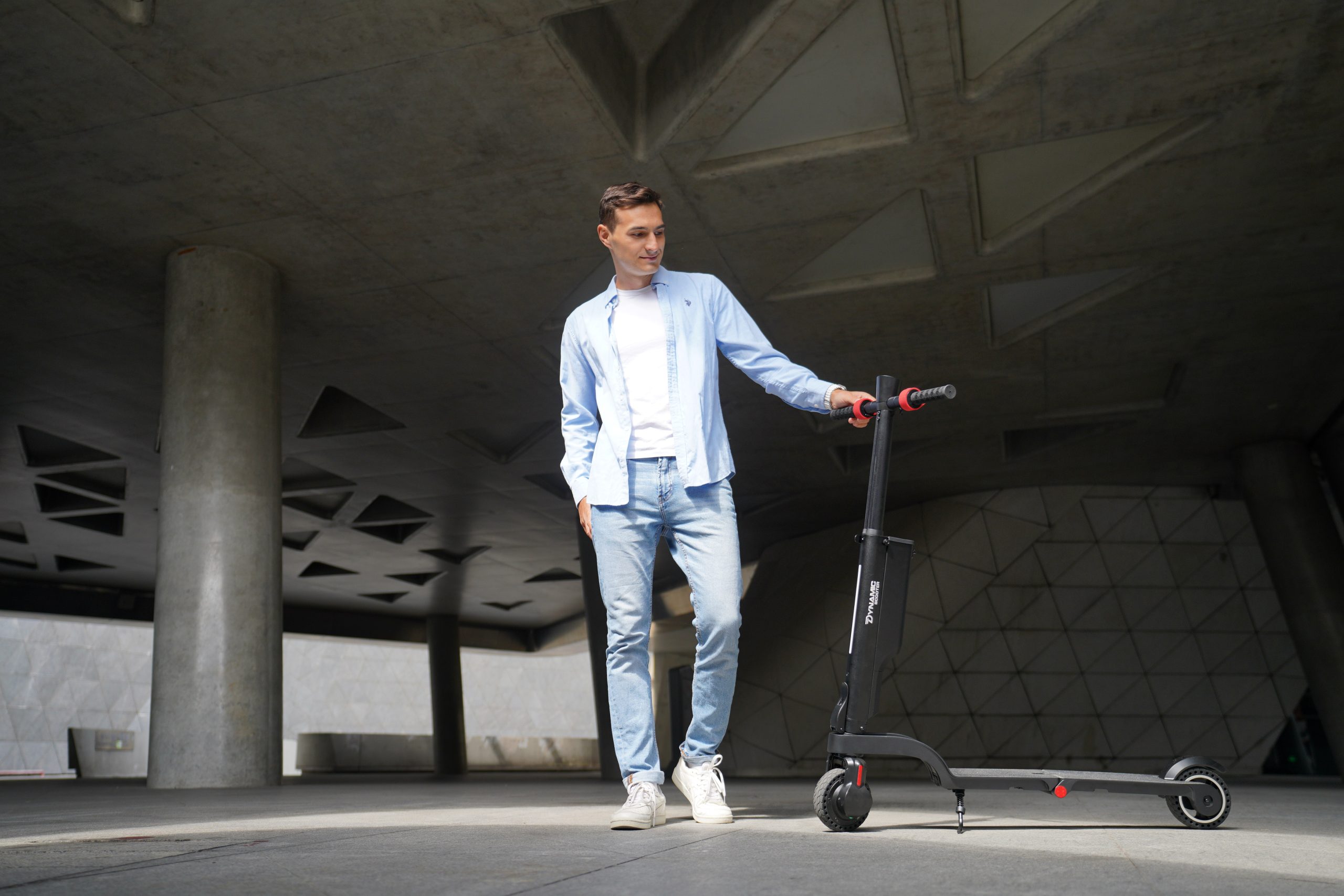
Dynamic Scooter prioritizes safety with advanced battery management systems, certified components, and comprehensive safety testing. Choose Dynamic Scooter for reliable performance with industry-leading fire prevention features.
FAQ
Q1: Are electric scooter fires common?
Electric scooter fires are relatively rare but can be serious when they occur. Most incidents involve cheap, poorly made scooters or improper charging practices. Quality scooters with proper safety features have much lower fire risks.
Q2: Can I use any charger with my electric scooter?
No, you should only use the original charger or manufacturer-approved replacements. Wrong chargers can overcharge the battery, cause overheating, and create fire hazards. Always match voltage and amperage specifications exactly.
Q3: Is it safe to charge my scooter overnight?
Charging overnight is generally safe with quality scooters that have proper charging controls. However, it’s safer to charge during the day when you can monitor the process. Never leave damaged or cheap scooters charging unattended.
Q4: What are the warning signs of a potential fire hazard?
Warning signs include unusual heat during charging, swollen battery cases, burning smells, sparks, or smoke. If you notice any of these signs, stop using the scooter immediately and contact the manufacturer.
Q5: Should I buy a cheap electric scooter to save money?
Cheap scooters often have poor quality batteries and safety systems that increase fire risks. Investing in a reputable brand with proper certifications is much safer and often more cost-effective long-term due to better reliability and safety.