
October 2025

How to Clean An Electric Scooter: Step-by-Step Guide

Dirty electric scooters break down faster and look terrible. Many owners skip regular cleaning and face expensive repairs later. Proper cleaning extends your scooter’s life and keeps it running smoothly. Electric scooter cleaning requires specific supplies, careful preparation, and safe techniques to avoid electrical damage. Use mild soap, soft brushes, and minimal water around electrical components. Always power off completely and protect charging ports before cleaning. Clean the frame first, then wheels, avoiding pressure washers and harsh chemicals. Dry thoroughly before reassembly and test all functions afterward. Regular cleaning every 2-4 weeks prevents dirt buildup, extends component life, and maintains optimal performance. Proper maintenance during cleaning catches problems early and saves money on repairs. This guide covers safe cleaning methods, required supplies, and maintenance tips to keep your scooter in perfect condition. 1. What Cleaning Supplies Do You Need for Electric Scooters? Having the right cleaning supplies makes scooter maintenance safe and effective. Wrong products can damage electrical components or void your warranty. Here’s the deal… investing in proper cleaning supplies costs less than replacing damaged parts from improper cleaning methods. Essential cleaning tools include soft-bristled brushes, microfiber cloths, and spray bottles for controlled water application. Avoid stiff brushes that scratch surfaces or damage seals. Use different brush sizes for various components. Microfiber cloths clean without scratching and absorb water effectively. Safe cleaning products for electrical components include mild dish soap, specialized electronics cleaners, and distilled water. Harsh chemicals damage plastic, rubber, and metal finishes. Electronics cleaners evaporate quickly and leave no residue. Distilled water prevents mineral deposits that tap water creates. Protective gear includes rubber gloves, safety glasses, and old clothes for messy cleaning tasks. Gloves protect hands from cleaning chemicals and dirty components. Safety glasses prevent splashing chemicals from reaching eyes. Old clothes allow freedom of movement without worry about stains. Specialized brushes and accessories include wheel brushes, detail brushes, and compressed air for hard-to-reach areas. Wheel brushes clean tire treads and brake components effectively. Detail brushes reach small spaces around controls and connections. Compressed air removes debris without water contact. Supply Category Recommended Items Purpose Safety Notes Cleaning Tools Soft brushes, microfiber cloths Surface cleaning Avoid stiff bristles Cleaning Products Mild soap, electronics cleaner Safe component cleaning No harsh chemicals Protective Gear Gloves, safety glasses Personal protection Always wear during cleaning Specialized Tools Detail brushes, compressed air Hard-to-reach areas Use appropriate pressure 2. How Do You Prepare Your Scooter for Safe Cleaning? Proper preparation prevents electrical damage and ensures thorough cleaning access. Skipping preparation steps can cause expensive damage to sensitive components. This is important because… electrical damage from improper cleaning often voids warranties and requires costly repairs. Power-off procedures start with turning off the scooter completely and removing the key if equipped. Check that all lights and displays are off before proceeding. Allow hot components to cool for at least 30 minutes after riding. Hot surfaces can crack when exposed to cold water. Removing detachable parts provides better cleaning access and protects sensitive components. Take off removable fenders, lights, and accessories according to your manual. Store small parts in containers to prevent loss. Label or photograph complex assemblies before disassembly. Protecting electrical components requires covering charging ports, displays, and control panels with plastic bags or tape. Water in electrical connections causes corrosion and failures. Use waterproof tape that removes cleanly without residue. Double-check all electrical areas are protected before starting. Setting up proper workspace includes choosing a shaded area with good drainage and ventilation. Direct sunlight causes cleaning products to dry too quickly and leave streaks. Good drainage prevents water from pooling around electrical components. Adequate ventilation helps components dry faster after cleaning. Preparation Step Time Required Critical Points Common Mistakes Power Off 2 minutes Complete shutdown, cooling time Rushing while components are hot Remove Parts 5-10 minutes Follow manual, organize parts Losing small components Protect Electronics 3-5 minutes Waterproof covering Incomplete protection Setup Workspace 5 minutes Shade, drainage, ventilation Cleaning in direct sun 3. What Is the Best Way to Clean the Scooter Frame and Body? Frame cleaning requires systematic approach to remove dirt without damaging finishes or electrical components. Different materials need specific cleaning methods for best results. Now, you might be wondering… how do you clean effectively while protecting sensitive areas? The answer involves proper technique and patience. Step-by-step frame cleaning starts with rinsing loose dirt with low-pressure water. Work from top to bottom to prevent recontaminating clean areas. Use spray bottles for controlled water application near electrical components. Avoid directing water streams at seals, joints, or electrical connections. Removing dirt and road grime requires gentle scrubbing with soapy water and soft brushes. Mix mild dish soap with warm water in a bucket. Dip brushes in soapy water and scrub in circular motions. Rinse brushes frequently to prevent spreading dirt around surfaces. Cleaning different frame materials safely depends on identifying aluminum, steel, or plastic components. Aluminum frames resist corrosion but scratch easily with abrasive cleaners. Steel frames need thorough drying to prevent rust. Plastic components can crack from harsh chemicals or extreme temperatures. Dealing with stubborn stains requires patience and appropriate products for each stain type. Oil stains respond to degreasing dish soap and warm water. Rust stains need specialized rust removers safe for your frame material. Road salt requires thorough rinsing with distilled water to prevent corrosion. Frame Material Cleaning Method Special Considerations Products to Avoid Aluminum Mild soap, soft brush Scratches easily Abrasive cleaners Steel Soap, immediate drying Rust prevention Extended water exposure Plastic Gentle cleaners Temperature sensitivity Harsh chemicals Painted Surfaces pH-neutral cleaners Finish protection Acidic or basic cleaners 4. How Should You Clean Electric Scooter Wheels and Tires? Wheel and tire cleaning improves performance and extends component life. Dirty wheels affect braking and handling while hiding potential problems. Want to know the secret? clean wheels reveal wear patterns and damage that dirty wheels conceal, helping prevent accidents and costly repairs. Tire cleaning techniques vary by tire type and tread pattern. Solid tires clean easily with soap and water

How to Clean An Electric Scooter: Step-by-Step Guide Read More »

Why Electric Scooter Catches Fire? Causes and Prevention Tips

Electric scooter fires can destroy property and cause serious injuries or death. Many riders ignore fire risks until it’s too late. Understanding why scooters catch fire helps you prevent dangerous situations and protect yourself and others. Electric scooters catch fire mainly due to battery problems, charging issues, manufacturing defects, and environmental damage. Lithium-ion batteries can overheat and enter thermal runaway, creating intense fires that spread quickly. Poor quality control in cheap scooters increases risks significantly. Using wrong chargers, overcharging, water damage, and physical impacts also cause fires. Prevention requires buying quality scooters, following proper charging practices, regular maintenance, and avoiding extreme conditions. Quality brands with safety certifications have much lower fire risks than budget alternatives. This guide covers the main fire causes, prevention methods, and emergency procedures to keep you safe. 1. What Are the Main Causes of Electric Scooter Fires? Electric scooter fires result from several interconnected factors that create dangerous conditions. Understanding these root causes helps you identify and avoid high-risk situations. Here’s the deal… most fires are preventable with proper knowledge and precautions. Battery overheating represents the most common cause of scooter fires. Lithium-ion batteries generate heat during charging and use. When temperatures exceed safe limits, thermal runaway occurs. This creates a chain reaction where heat generates more heat until the battery ignites. Faulty charging systems create fire hazards through electrical malfunctions and overcharging. Cheap chargers lack proper voltage regulation and safety shutoffs. Damaged charging ports allow moisture and debris to cause short circuits. Overcharging forces too much energy into batteries, causing dangerous overheating. Manufacturing defects in electrical components increase fire risks significantly. Poor quality control allows defective batteries, wiring, and circuits to reach consumers. Substandard materials break down quickly under normal use. Cost-cutting measures eliminate important safety features and protections. Physical damage to battery cells and wiring creates immediate fire hazards. Crashes, drops, and impacts can puncture battery cells or damage protective circuits. Exposed wires can short circuit and generate sparks. Even minor damage can worsen over time and eventually cause fires. Fire Cause Category Risk Level Prevention Difficulty Common Triggers Battery Overheating High Medium Overcharging, age, damage Charging Problems High Low Wrong chargers, damaged ports Manufacturing Defects Very High High Poor quality control Physical Damage Medium Low Crashes, drops, impacts 2. How Do Battery Problems Lead to Scooter Fires? Battery-related fires are the most dangerous type of electric scooter fire due to their intensity and rapid spread. Lithium-ion batteries contain flammable electrolytes that burn extremely hot when ignited. This is important because… understanding battery fire mechanisms helps you recognize warning signs and take preventive action. Lithium-ion battery chemistry creates inherent fire risks when safety systems fail. These batteries store large amounts of energy in compact spaces. Chemical reactions generate heat and gases that can ignite under certain conditions. Once started, battery fires are difficult to extinguish and can reignite hours later. Cell damage from impacts and overuse compromises battery safety systems. Physical damage can puncture cell walls and expose reactive materials to air. Overuse degrades internal components and reduces safety margins. Even small amounts of damage can lead to catastrophic failure over time. Poor quality control in cheap batteries eliminates critical safety features. Budget manufacturers skip expensive safety testing and use substandard materials. Protective circuits may be inadequate or missing entirely. Quality control processes fail to catch defective cells before they reach consumers. Age-related battery degradation increases fire risks as scooters get older. Battery capacity decreases over time, but internal resistance increases. This generates more heat during charging and use. Older batteries are more likely to develop internal shorts and other dangerous conditions. Battery Problem Fire Risk Warning Signs Prevention Methods Thermal Runaway Extreme Excessive heat, swelling Quality batteries, proper charging Physical Damage High Dents, punctures, leaks Careful handling, protective cases Manufacturing Defects Very High Early failures, overheating Buy certified brands only Age Degradation Medium Reduced range, slow charging Replace old batteries promptly 3. What Charging Mistakes Cause Fire Hazards? Charging-related fires are among the most preventable types of scooter fires. Most charging fires result from user mistakes or equipment failures that proper practices can avoid. Now, you might be wondering… what specific charging behaviors create the highest risks? The answer involves several common but dangerous practices. Using incompatible or counterfeit chargers creates serious fire hazards. Wrong voltage or amperage can overcharge batteries and cause overheating. Counterfeit chargers lack proper safety features and quality control. Even chargers that appear to work correctly may have hidden defects that cause fires later. Overcharging and leaving scooters plugged in overnight stresses battery systems beyond safe limits. Continuous charging after batteries reach full capacity generates excess heat. Cheap charging systems may lack automatic shutoffs that prevent overcharging. Extended charging times increase the chances of electrical failures and fires. Charging in extreme temperatures affects battery chemistry and safety systems. High temperatures during charging can trigger thermal runaway. Cold temperatures can cause batteries to accept charge improperly. Both conditions stress battery systems and increase fire risks significantly. Damaged charging ports and loose connections create electrical hazards that can spark fires. Moisture, debris, and corrosion in charging ports cause short circuits. Loose connections generate heat and sparks that can ignite nearby materials. Physical damage to charging cables exposes live wires and creates shock and fire risks. Charging Mistake Fire Risk Level Common Scenarios Safe Alternatives Wrong Charger Very High Using phone or laptop chargers Original equipment only Overcharging High Overnight charging, forgetting Timed charging, monitoring Extreme Temperatures Medium Garage, car charging Room temperature charging Damaged Equipment High Worn cables, dirty ports Regular inspection, replacement 4. How Do Manufacturing Defects Create Fire Risks? Manufacturing defects represent the most dangerous cause of scooter fires because users cannot easily detect or prevent them. These defects often remain hidden until catastrophic failure occurs. Want to know the secret? choosing reputable manufacturers with proper certifications is your best protection against defective products. Poor quality control in budget scooters allows dangerous defects to reach consumers. Manufacturers may skip expensive safety testing to reduce costs. Inspection processes may

Why Electric Scooter Catches Fire? Causes and Prevention Tips Read More »

What Are Electric Scooter Pros and Cons? Key Facts You Should Know

Electric scooters seem perfect until you face the hidden problems. Many buyers focus only on the cool factor and ignore serious issues. This leads to regret and wasted money when reality hits. Electric scooters have clear advantages and disadvantages. The pros include saving $2,000-$5,000 yearly versus cars, easy parking, zero emissions, and quick short trips. The cons include higher injury rates than bikes, weather limits, short 10-25 mile range, and legal restrictions. Your choice depends on your daily needs, local laws, and safety comfort level. Consider both sides before buying. Ready to see the complete picture? Let’s examine the real pros and cons. 1. What Are the Key Advantages of Electric Scooters? Electric scooters provide compelling benefits that make them attractive alternatives to traditional transportation. These advantages explain why millions of people worldwide have adopted scooters for daily commuting and recreational use. Understanding these benefits helps you determine if a scooter fits your lifestyle and transportation needs. Cost savings represent one of the biggest advantages of electric scooter ownership. Here’s the deal… replacing short car trips with scooter rides can save $2,000-$5,000 annually on gas, parking, insurance, and maintenance costs. Even compared to public transit, scooters often cost less over time while providing more flexibility and convenience. Convenience and time-saving features make scooters ideal for urban transportation. You can avoid traffic jams, take direct routes, and park almost anywhere legally permitted. Door-to-door travel times often beat cars and public transit for trips under 5 miles. No waiting for buses or searching for parking spaces. Environmental benefits include zero direct emissions during operation and a much smaller carbon footprint than cars. A typical electric scooter produces 80-90% fewer emissions than driving the same distance. This makes scooters an excellent choice for environmentally conscious consumers who want to reduce their transportation impact. Health and lifestyle improvements come from increased outdoor activity and reduced sedentary time. While scooters require less physical effort than bicycles, they still engage core muscles for balance and provide fresh air exposure. Many users report improved mood and energy levels from scooter commuting. Advantage Category Annual Savings/Benefits Comparison to Cars Cost Savings $2,000-$5,000 70-85% lower operating costs Time Efficiency 20-40% faster for short trips Avoids traffic and parking delays Environmental Impact 80-90% fewer emissions Significantly greener transportation Health Benefits Increased outdoor activity More active than driving 2. What Are the Main Disadvantages of Electric Scooters? Electric scooters have significant drawbacks that potential buyers must consider carefully. These disadvantages can seriously impact daily usability and safety. This is important because… understanding these limitations helps you make realistic expectations and avoid disappointment with your purchase. Safety risks are the most serious disadvantage of electric scooter use. Injury rates are 2-3 times higher than bicycles and significantly higher than cars or public transit. Head injuries, fractures, and road rash are common in scooter accidents. The small wheels and upright riding position make scooters unstable on uneven surfaces. Weather and seasonal limitations severely restrict when you can safely ride scooters. Rain, snow, ice, and strong winds make scooter riding dangerous or impossible. Most scooters lack weather protection, leaving riders exposed to the elements. This limits year-round usability in many climates. Range and battery life restrictions confine scooters to short-distance travel. Most budget scooters provide only 8-15 miles of real-world range, while premium models reach 25-40 miles. Cold weather reduces range by 20-40%. Battery replacement costs $100-$300 every 1-3 years. Legal and regulatory challenges create uncertainty and potential penalties. Many cities restrict or prohibit scooter use on sidewalks, bike lanes, or roads. Speed limits, age requirements, and helmet laws vary widely. Enforcement can result in fines, impoundment, or riding bans. Disadvantage Category Risk Level Impact on Daily Use Safety Concerns High Injury rates 2-3x higher than bikes Weather Dependency High Limited use in rain/snow/wind Range Limitations Medium Restricted to short trips Legal Restrictions Variable Potential fines and riding bans 3. How Do Electric Scooter Costs Compare to Other Transport? Cost comparison reveals both advantages and hidden expenses of electric scooter ownership. While scooters offer significant savings compared to car ownership, they also have ongoing costs that many buyers overlook. Now, you might be wondering… how do the real costs stack up against alternatives? The answer depends on your usage patterns and local prices. Initial purchase price advantages make scooters accessible to most budgets. Quality scooters cost $300-$800, while cars require $20,000-$40,000 investments. Even premium scooters under $2,000 cost less than most car down payments. This low entry cost makes scooters attractive to students, young professionals, and budget-conscious consumers. Long-term operating cost benefits include minimal electricity for charging, no gas expenses, and lower insurance costs. Charging costs typically run $20-$50 annually. No oil changes, emissions testing, or major mechanical repairs are needed. These savings add up to thousands of dollars compared to car ownership. Hidden costs and unexpected expenses can surprise new scooter owners. Battery replacement every 1-3 years costs $100-$300. Tire replacement, brake maintenance, and accident repairs add ongoing expenses. Theft replacement costs can be significant without proper insurance coverage. Value comparison with alternatives shows scooters excel for short urban trips but lose advantages for longer distances. Public transit may be cheaper for occasional use but less convenient. Bicycles cost less upfront and have lower operating costs but require more physical effort and time. Transportation Option Initial Cost Annual Operating Cost Best Use Case Electric Scooter $300-$800 $100-$300 Short urban trips Public Transit $0-$100 $500-$1,500 Longer commutes Bicycle $200-$1,000 $50-$200 Exercise and short trips Car Ownership $20,000+ $5,000-$10,000 All-purpose transportation 4. What Additional Benefits Make Electric Scooters Attractive? Beyond basic transportation advantages, electric scooters offer unique benefits that enhance the ownership experience. These additional advantages often tip the decision scale for potential buyers who value convenience, technology, and lifestyle factors. Understanding these extras helps you appreciate the full value proposition. Portability and storage advantages set scooters apart from other vehicles. Most scooters fold for easy carrying and storage in small spaces. The best part? you can take folded scooters on public transit, store

What Are Electric Scooter Pros and Cons? Key Facts You Should Know Read More »
Are Electric Scooter Chargers Universal? Avoid Charging Mistakes

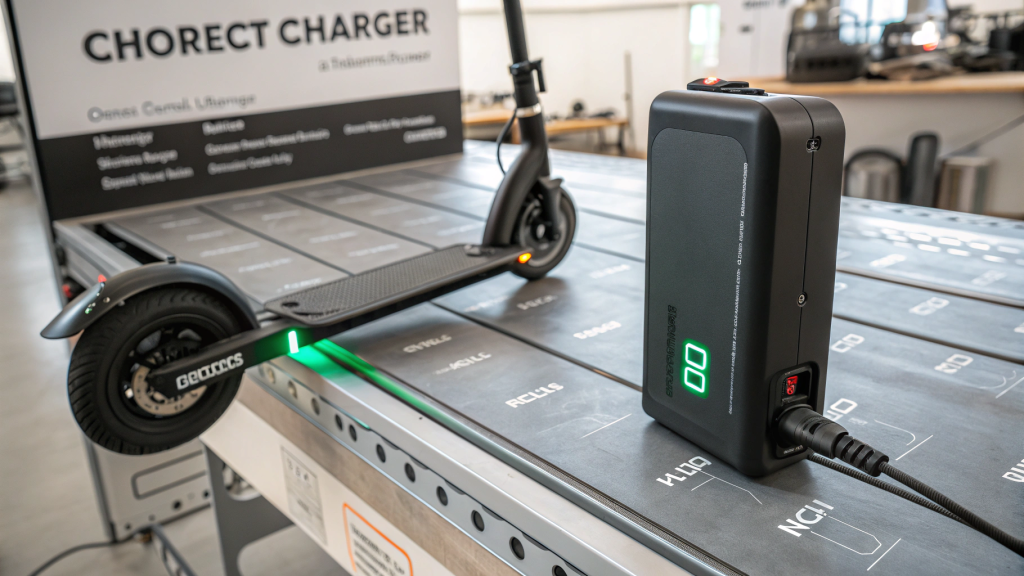
Using the wrong charger can destroy your electric scooter battery and create fire hazards. Many riders assume all chargers work the same way, leading to expensive damage and safety risks. Understanding charger compatibility protects your investment and keeps you safe. Electric scooter chargers are not universal due to different voltage requirements, connector types, and charging protocols across brands. Most scooters use 24V, 36V, or 48V systems with brand-specific connectors and amperage ratings. Using an incompatible charger can damage batteries, void warranties, and create safety hazards. Always match voltage, amperage, and connector type exactly. Some manufacturers offer compatible chargers within their product lines, but cross-brand compatibility is rare. Universal chargers exist but require careful specification matching. Ready to master electric scooter charging compatibility? Let’s decode the mystery. 1. What Makes Electric Scooter Chargers Different From Each Other? Electric scooter chargers vary significantly in their technical specifications and design features. These differences prevent universal compatibility and require careful matching between charger and scooter. Understanding these variations helps you make informed decisions about replacement chargers and avoid costly mistakes. Voltage specifications are the most critical difference between chargers. Most electric scooters operate on 24V, 36V, or 48V systems, with some high-performance models using 60V or higher. Here’s the deal… using a charger with the wrong voltage will either fail to charge your battery or potentially damage it beyond repair. The voltage must match exactly. Amperage ratings determine how quickly your scooter charges and affect battery longevity. Common amperage ratings range from 1A to 5A, with higher amperage providing faster charging but potentially reducing battery lifespan. Some batteries require specific amperage ranges to charge safely and maintain optimal performance over time. Connector types vary widely between manufacturers and even between models from the same brand. Common connector types include barrel plugs, XLR connectors, and proprietary designs. The physical connector must fit perfectly and make proper electrical contact. Even if voltage and amperage match, the wrong connector makes the charger useless. Charging protocols include smart charging features, temperature monitoring, and automatic shutoff functions. Advanced chargers communicate with the battery management system to optimize charging cycles. Basic chargers provide simple constant current/constant voltage charging without smart features. Specification Common Ranges Compatibility Impact Voltage 24V, 36V, 48V, 60V Must match exactly Amperage 1A – 5A Affects charging speed Connector Type Barrel, XLR, Proprietary Must fit physically Smart Features Basic to Advanced Affects charging optimization 2. How Do You Identify Your Scooter’s Charging Requirements? Identifying your scooter’s specific charging requirements is the first step to finding compatible replacement chargers. This information is usually available in multiple locations, but knowing where to look saves time and prevents mistakes. Accurate identification prevents damage and ensures optimal charging performance. Battery specifications provide the most reliable information about charging requirements. Look for labels on the battery pack itself, which typically display voltage, capacity (Ah), and sometimes recommended charging current. This is important because… battery labels are the most accurate source since they reflect the actual power storage system in your scooter. Manufacturer documentation includes user manuals, specification sheets, and online resources that detail charging requirements. Original documentation often provides complete technical specifications including voltage, amperage, connector type, and charging time estimates. Keep this information accessible for future reference. Original charger labels contain all the technical specifications you need for replacement shopping. The output voltage, current rating, and connector type are clearly marked on most quality chargers. Take photos of these labels before your charger fails to have the information readily available. Online model databases and manufacturer websites often provide detailed specifications for specific scooter models. Many manufacturers maintain compatibility charts showing which chargers work with which models. These resources are particularly helpful for older models where original documentation may be lost. Information Source Reliability What to Look For Battery Labels Highest Voltage, Ah capacity Original Charger High Output specs, connector type User Manual High Complete specifications Manufacturer Website Medium Model-specific compatibility 3. Which Electric Scooter Brands Use Similar Charging Systems? Most electric scooter chargers are not universal and require brand-specific compatibility verification. While some manufacturers may use similar components, assuming compatibility without verification creates serious safety risks. Now, you might be wondering… why can’t you just use any charger that fits? The answer is safety and performance protection. Dynamic Scooter prioritizes safety by designing chargers specifically for each model’s requirements. Our chargers include advanced safety features and precise voltage control that generic chargers cannot provide. We strongly recommend using only Dynamic Scooter-approved chargers to maintain warranty coverage and ensure safe operation. Some Razor models within their product line may share charging systems, but even within the same brand, compatibility is not guaranteed. Different models may have different voltage or amperage requirements despite similar appearances. Always contact the manufacturer to verify compatibility before using any non-original charger. Segway and Ninebot products occasionally share components, but this does not mean their chargers are interchangeable. Each model has specific charging requirements that must be met exactly. Using the wrong charger, even from a related brand, can damage your battery or create safety hazards. Third-party “universal” chargers claim broad compatibility but often lack the safety features and precise specifications of original equipment. These chargers may work initially but can cause long-term damage or safety issues. For maximum safety and performance, always use manufacturer-approved chargers. Brand Family Safety Recommendation Notes Dynamic Scooter Use only approved chargers Safety-first design, warranty protection Razor Products Verify with manufacturer Compatibility not guaranteed Segway/Ninebot Contact brand support Model-specific requirements Universal Chargers Not recommended Lack safety features 4. What Happens If You Use the Wrong Charger? Using an incompatible charger can cause serious damage to your electric scooter and create safety hazards. The consequences range from minor performance issues to complete battery failure and fire risks. Understanding these risks emphasizes the importance of using only compatible chargers. Battery damage is the most common result of using wrong chargers. Overvoltage can cause battery cells to overheat, swell, or even rupture. Want to know the secret? lithium-ion batteries are particularly sensitive to charging voltage

Are Electric Scooter Chargers Universal? Avoid Charging Mistakes Read More »

How To Find The Best Places To Park Your Electric Scooter In Your City?

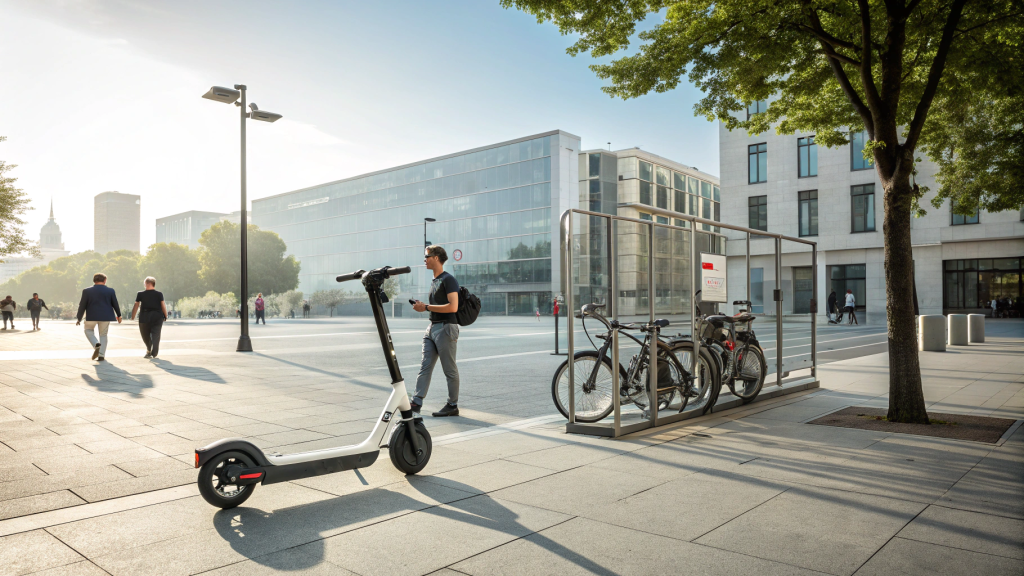
Finding good parking for your electric scooter can be frustrating and time-consuming. Poor parking choices lead to fines, theft, or damage to your scooter. Knowing where to park legally and safely protects your investment and saves you money. The best electric scooter parking spots are well-lit, legally designated areas with security features like cameras or high foot traffic. Look for bike racks, designated micromobility zones, and areas near public transportation hubs. Use city parking apps and mobile tools to find real-time availability. Always check local parking laws, avoid blocking pedestrian access, and prioritize covered areas during bad weather. Proper parking prevents fines, reduces theft risk, and keeps your scooter in good condition. Ready to master scooter parking in your city? Let’s find those perfect spots. 1. What Are the Legal Requirements for Electric Scooter Parking? Understanding local parking laws is the first step to avoiding fines and legal trouble. Every city has different rules about where you can park electric scooters. Some cities treat scooters like bicycles, while others have specific scooter parking regulations. Ignorance of the law is not a valid excuse when you get a ticket. Most cities require scooters to be parked in designated areas or bike parking zones. Here’s the deal… you cannot just park anywhere that seems convenient. Common restrictions include staying at least three feet from building entrances, fire hydrants, and bus stops. Many cities also prohibit parking on sidewalks in busy downtown areas. ADA compliance is a serious legal requirement that affects parking choices. You must never block wheelchair ramps, accessible parking spaces, or pedestrian pathways. Violations can result in hefty fines and may even be considered discrimination under federal law. Always leave clear pathways for people with disabilities. Fines for improper parking vary widely but can be expensive. First-time violations typically cost $25-$75, while repeat offenses can reach $200 or more. Some cities also impound illegally parked scooters, adding storage fees to your penalty. The cost of a parking ticket often exceeds the cost of finding proper parking. Violation Type Typical Fine Range Additional Penalties Sidewalk blocking $25-$50 Warning for first offense ADA violations $75-$200 Possible impoundment No parking zones $50-$100 Scooter removal Repeat violations $100-$300 Riding restrictions 2. How Do You Identify Safe and Secure Parking Locations? Security should be your top priority when choosing parking spots. Electric scooters are valuable and portable, making them attractive targets for thieves. The right parking location can deter theft and vandalism while keeping your scooter accessible when you need it. Smart parking choices protect your investment. Well-lit areas provide natural security through visibility. Thieves prefer dark, hidden spots where they can work without being seen. This is important because… good lighting makes it harder for criminals to steal your scooter unnoticed. Look for areas with street lights, building lighting, or natural daylight exposure. High foot traffic areas offer passive security through the presence of potential witnesses. Busy sidewalks, shopping areas, and transit stops have constant pedestrian activity that deters criminal behavior. However, balance foot traffic with accessibility – you still need to be able to reach your scooter easily. Security cameras add an extra layer of protection for parked scooters. Many businesses, government buildings, and public spaces have surveillance systems that monitor parking areas. While cameras do not prevent all theft, they significantly reduce the risk and help police recover stolen scooters. Consider the neighborhood’s crime statistics when choosing parking locations. Some areas have higher rates of property crime than others. Local police departments often publish crime maps that show theft hotspots. Avoid parking in areas known for high crime rates, especially during evening hours. Security Feature Protection Level Where to Find Good lighting High Business districts, main streets Foot traffic Medium Shopping areas, transit hubs Security cameras High Government buildings, banks Low crime area High Residential neighborhoods, suburbs 3. What Types of Parking Infrastructure Should You Look For? Modern cities are building infrastructure specifically designed for electric scooters and other micromobility devices. These designated areas provide the safest and most legal parking options. Learning to identify and use this infrastructure makes parking easier and reduces your risk of violations. Bike racks are the most common parking infrastructure that works for scooters. Most bike racks can accommodate electric scooters with proper locking techniques. Now, you might be wondering… how do you use bike racks effectively? Look for racks with enough space between slots and solid construction that cannot be easily cut or broken. Designated micromobility zones are becoming more common in progressive cities. These areas are specifically marked for scooters, e-bikes, and similar devices. They often include charging stations and weather protection. Cities like Austin, Portland, and Seattle have extensive micromobility parking networks. Public transportation hubs offer excellent parking opportunities with built-in security and convenience. Train stations, bus terminals, and subway stops typically have designated parking areas with good lighting and security presence. These locations also make it easy to combine scooter riding with public transit for longer trips. Commercial buildings increasingly provide scooter parking as an amenity for employees and customers. Office complexes, shopping centers, and apartment buildings may have dedicated parking areas. Some employers even offer secure indoor parking for employees who commute by scooter. Infrastructure Type Availability Security Level Cost Bike racks High Medium Free Micromobility zones Growing High Free or low cost Transit hubs High High Usually free Commercial parking Medium High Often free 4. How Can You Use Mobile Apps to Find Parking Spots? Technology makes finding scooter parking much easier than wandering around looking for legal spots. Mobile apps provide real-time information about parking availability, legal restrictions, and user recommendations. Smart riders use these tools to save time and avoid parking violations. City parking apps are official tools that show designated parking zones and current regulations. Many cities have developed apps that display legal parking areas on interactive maps. The best part? these apps often include real-time updates about temporary restrictions due to construction or special events. Real-time availability updates help you find open parking spots before

How To Find The Best Places To Park Your Electric Scooter In Your City? Read More »

Shopping Cart
Scroll to Top