
Electric scooters seem perfect until you face the hidden problems. Many buyers focus only on the cool factor and ignore serious issues. This leads to regret and wasted money when reality hits.
Electric scooters have clear advantages and disadvantages. The pros include saving $2,000-$5,000 yearly versus cars, easy parking, zero emissions, and quick short trips. The cons include higher injury rates than bikes, weather limits, short 10-25 mile range, and legal restrictions. Your choice depends on your daily needs, local laws, and safety comfort level. Consider both sides before buying.
Ready to see the complete picture? Let’s examine the real pros and cons.
1. What Are the Key Advantages of Electric Scooters?
Electric scooters provide compelling benefits that make them attractive alternatives to traditional transportation. These advantages explain why millions of people worldwide have adopted scooters for daily commuting and recreational use. Understanding these benefits helps you determine if a scooter fits your lifestyle and transportation needs.
Cost savings represent one of the biggest advantages of electric scooter ownership. Here’s the deal… replacing short car trips with scooter rides can save $2,000-$5,000 annually on gas, parking, insurance, and maintenance costs. Even compared to public transit, scooters often cost less over time while providing more flexibility and convenience.
Convenience and time-saving features make scooters ideal for urban transportation. You can avoid traffic jams, take direct routes, and park almost anywhere legally permitted. Door-to-door travel times often beat cars and public transit for trips under 5 miles. No waiting for buses or searching for parking spaces.
Environmental benefits include zero direct emissions during operation and a much smaller carbon footprint than cars. A typical electric scooter produces 80-90% fewer emissions than driving the same distance. This makes scooters an excellent choice for environmentally conscious consumers who want to reduce their transportation impact.
Health and lifestyle improvements come from increased outdoor activity and reduced sedentary time. While scooters require less physical effort than bicycles, they still engage core muscles for balance and provide fresh air exposure. Many users report improved mood and energy levels from scooter commuting.
| Advantage Category | Annual Savings/Benefits | Comparison to Cars |
| Cost Savings | $2,000-$5,000 | 70-85% lower operating costs |
| Time Efficiency | 20-40% faster for short trips | Avoids traffic and parking delays |
| Environmental Impact | 80-90% fewer emissions | Significantly greener transportation |
| Health Benefits | Increased outdoor activity | More active than driving |

2. What Are the Main Disadvantages of Electric Scooters?
Electric scooters have significant drawbacks that potential buyers must consider carefully. These disadvantages can seriously impact daily usability and safety. This is important because… understanding these limitations helps you make realistic expectations and avoid disappointment with your purchase.
Safety risks are the most serious disadvantage of electric scooter use. Injury rates are 2-3 times higher than bicycles and significantly higher than cars or public transit. Head injuries, fractures, and road rash are common in scooter accidents. The small wheels and upright riding position make scooters unstable on uneven surfaces.
Weather and seasonal limitations severely restrict when you can safely ride scooters. Rain, snow, ice, and strong winds make scooter riding dangerous or impossible. Most scooters lack weather protection, leaving riders exposed to the elements. This limits year-round usability in many climates.
Range and battery life restrictions confine scooters to short-distance travel. Most budget scooters provide only 8-15 miles of real-world range, while premium models reach 25-40 miles. Cold weather reduces range by 20-40%. Battery replacement costs $100-$300 every 1-3 years.
Legal and regulatory challenges create uncertainty and potential penalties. Many cities restrict or prohibit scooter use on sidewalks, bike lanes, or roads. Speed limits, age requirements, and helmet laws vary widely. Enforcement can result in fines, impoundment, or riding bans.
| Disadvantage Category | Risk Level | Impact on Daily Use |
| Safety Concerns | High | Injury rates 2-3x higher than bikes |
| Weather Dependency | High | Limited use in rain/snow/wind |
| Range Limitations | Medium | Restricted to short trips |
| Legal Restrictions | Variable | Potential fines and riding bans |
3. How Do Electric Scooter Costs Compare to Other Transport?
Cost comparison reveals both advantages and hidden expenses of electric scooter ownership. While scooters offer significant savings compared to car ownership, they also have ongoing costs that many buyers overlook. Now, you might be wondering… how do the real costs stack up against alternatives? The answer depends on your usage patterns and local prices.
Initial purchase price advantages make scooters accessible to most budgets. Quality scooters cost $300-$800, while cars require $20,000-$40,000 investments. Even premium scooters under $2,000 cost less than most car down payments. This low entry cost makes scooters attractive to students, young professionals, and budget-conscious consumers.
Long-term operating cost benefits include minimal electricity for charging, no gas expenses, and lower insurance costs. Charging costs typically run $20-$50 annually. No oil changes, emissions testing, or major mechanical repairs are needed. These savings add up to thousands of dollars compared to car ownership.
Hidden costs and unexpected expenses can surprise new scooter owners. Battery replacement every 1-3 years costs $100-$300. Tire replacement, brake maintenance, and accident repairs add ongoing expenses. Theft replacement costs can be significant without proper insurance coverage.
Value comparison with alternatives shows scooters excel for short urban trips but lose advantages for longer distances. Public transit may be cheaper for occasional use but less convenient. Bicycles cost less upfront and have lower operating costs but require more physical effort and time.
| Transportation Option | Initial Cost | Annual Operating Cost | Best Use Case |
| Electric Scooter | $300-$800 | $100-$300 | Short urban trips |
| Public Transit | $0-$100 | $500-$1,500 | Longer commutes |
| Bicycle | $200-$1,000 | $50-$200 | Exercise and short trips |
| Car Ownership | $20,000+ | $5,000-$10,000 | All-purpose transportation |

4. What Additional Benefits Make Electric Scooters Attractive?
Beyond basic transportation advantages, electric scooters offer unique benefits that enhance the ownership experience. These additional advantages often tip the decision scale for potential buyers who value convenience, technology, and lifestyle factors. Understanding these extras helps you appreciate the full value proposition.
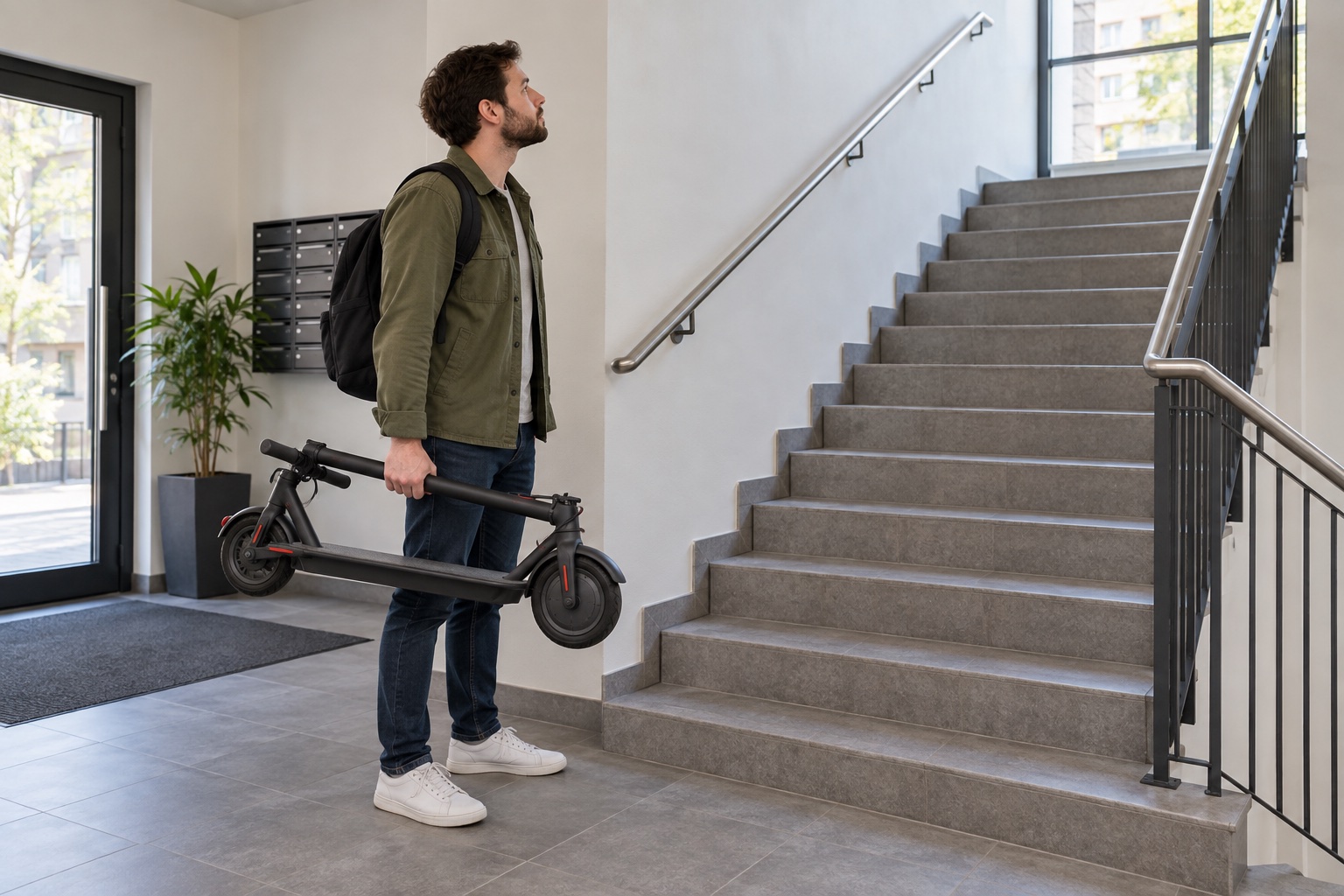
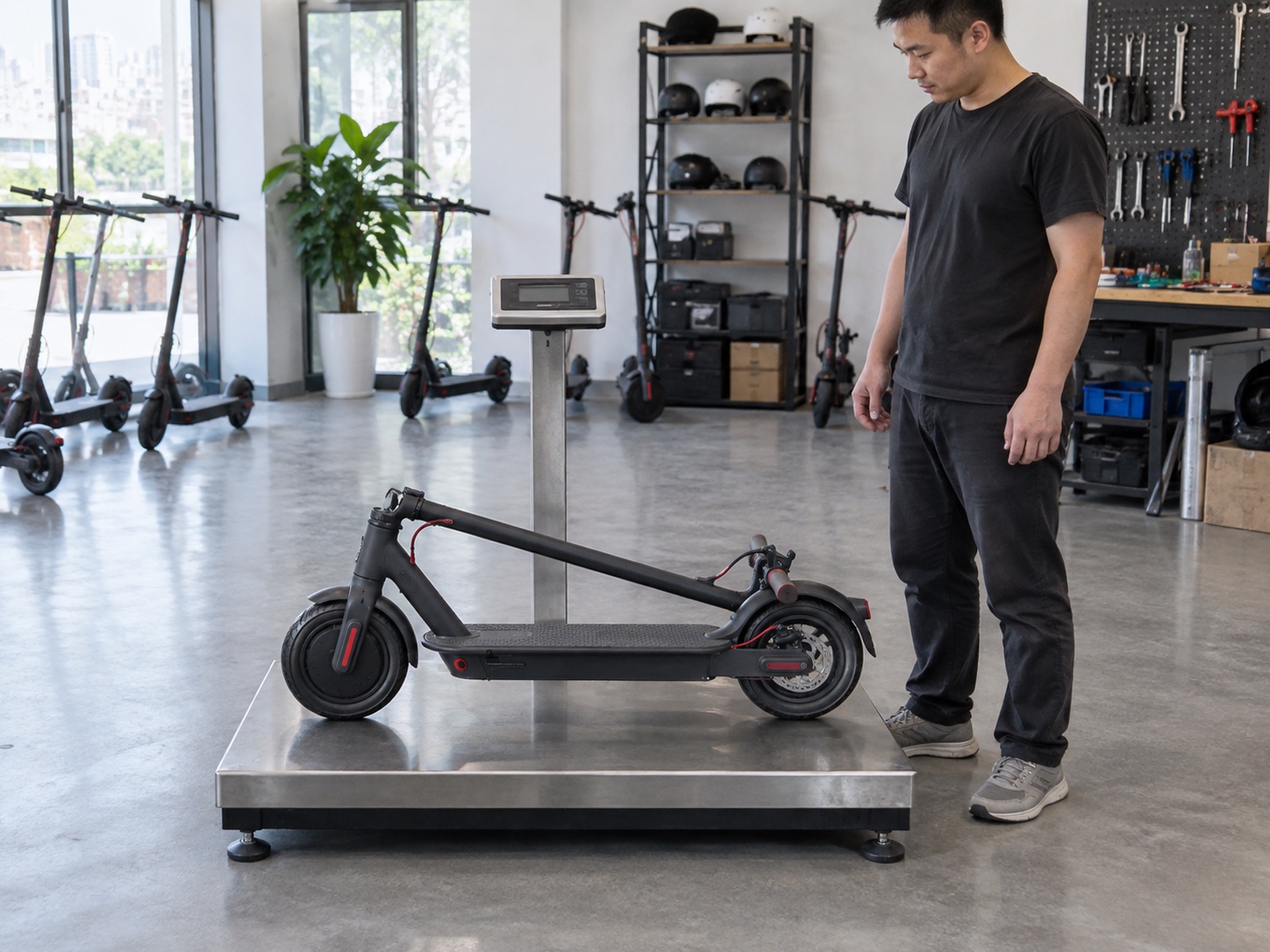
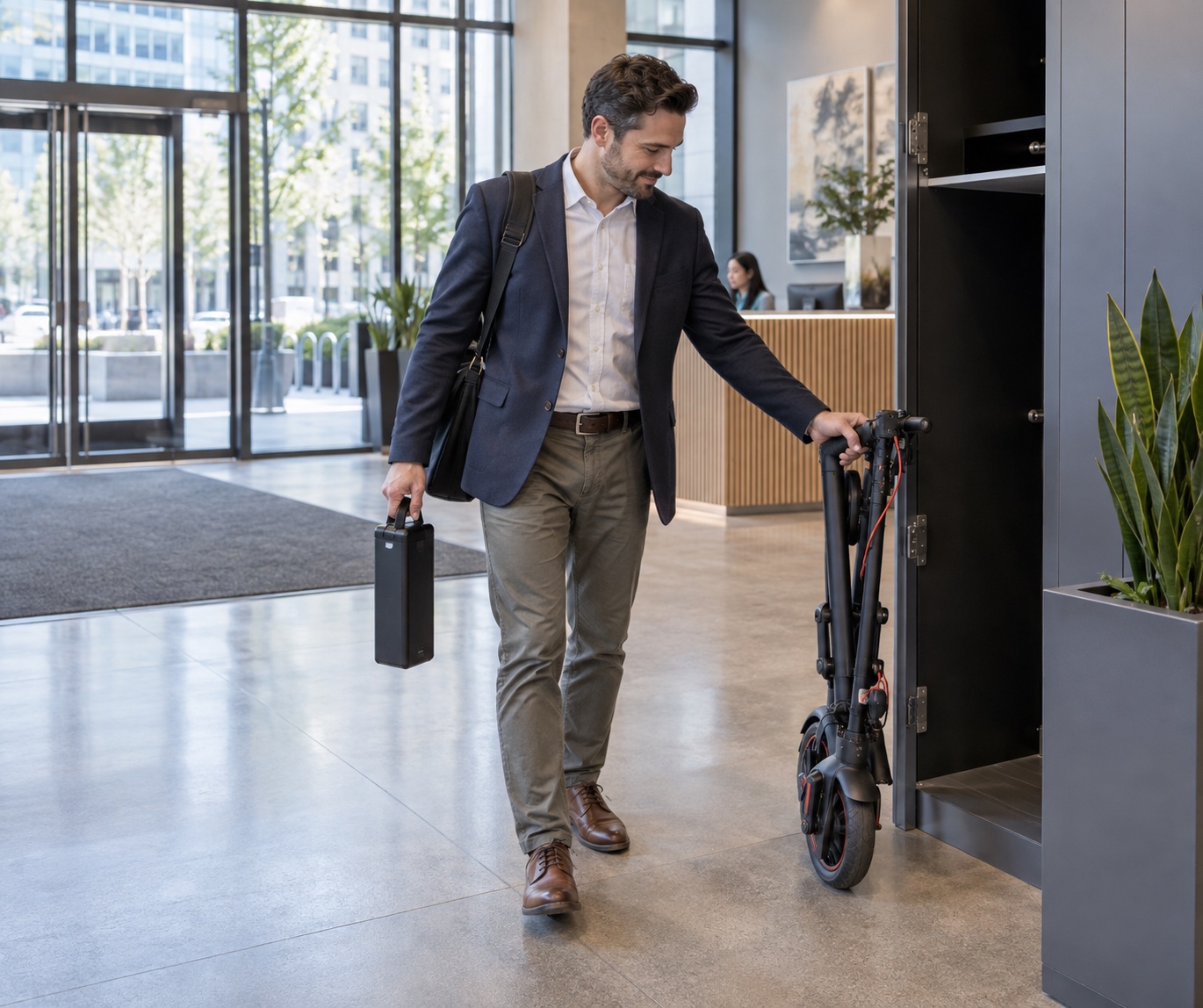
Portability and storage advantages set scooters apart from other vehicles. Most scooters fold for easy carrying and storage in small spaces. The best part? you can take folded scooters on public transit, store them under desks, or carry them upstairs to apartments. This portability eliminates parking concerns and theft risks.
Fun factor and enjoyment benefits make scooter riding genuinely pleasurable rather than just functional transportation. The smooth, quiet ride and effortless acceleration create a unique experience that many users describe as addictive. Scooter riding often brings back childhood memories and adds joy to daily commutes.
Independence and freedom advantages provide mobility options for people who cannot or prefer not to drive cars. Teenagers, elderly individuals, and people with certain disabilities find scooters offer transportation independence. No driver’s license requirements in most areas make scooters accessible to more people.
Technology and smart features in modern scooters include smartphone apps, GPS tracking, theft alarms, and ride statistics. Premium models offer cruise control, regenerative braking, and customizable performance settings. These features enhance safety, convenience, and user engagement with the product.
| Additional Benefit | Value Proposition | User Impact |
| Portability | Folds for easy transport | Eliminates parking issues |
| Enjoyment Factor | Fun riding experience | Improves commute satisfaction |
| Independence | No license required | Expands mobility options |
| Smart Features | App connectivity, GPS | Enhanced safety and convenience |
5. What Safety Pros and Cons Should You Consider?
Safety represents the most complex aspect of electric scooter ownership, with both advantages and serious disadvantages to evaluate. Understanding the complete safety picture helps you make informed decisions about protective gear, riding practices, and risk acceptance. Want to know the secret? most safety issues are manageable with proper precautions and realistic expectations.
Accident rates versus other vehicles show scooters have higher injury rates than cars or public transit but may be safer than motorcycles for urban use. Studies indicate 8-45 injuries per million scooter trips compared to 2-5 per million car trips. However, most scooter injuries are minor compared to car accident injuries.
Injury severity and protection levels vary significantly based on speed, protective gear, and accident circumstances. Head injuries represent the most serious risk, making helmet use critical. Road rash, fractures, and sprains are common but usually heal completely. Proper protective gear dramatically reduces injury severity.
Traffic interaction advantages include better maneuverability and visibility than bicycles in some situations. Scooters can accelerate quickly from stops and navigate through slow traffic. However, their small size makes them less visible to drivers, and their speed puts them in conflict zones between pedestrian and vehicle traffic.
Personal security and theft concerns affect both rider safety and property protection. Scooters are attractive theft targets due to their portability and value. Riders may face harassment or confrontation from pedestrians or drivers who view scooters negatively. Proper security measures and situational awareness help mitigate these risks.
| Safety Factor | Advantage | Disadvantage |
| Accident Rates | Lower speeds than motorcycles | Higher injury rates than cars |
| Injury Severity | Most injuries are minor | Head injury risks without helmets |
| Traffic Interaction | Good maneuverability | Poor visibility to drivers |
| Security Concerns | Portable for secure storage | High theft risk when parked |
6. What Are the Major Drawbacks of Electric Scooter Ownership?
Electric scooter ownership involves several significant drawbacks that extend beyond basic safety and weather concerns. These disadvantages can create ongoing frustration and unexpected costs for owners. Let me explain… understanding these issues helps you prepare for the realities of scooter ownership and develop strategies to minimize their impact.
Maintenance and repair disadvantages include limited service networks and expensive replacement parts. Many scooter brands have poor customer service and parts availability. DIY repairs require technical skills and specialized tools. Professional repair shops are scarce in many areas, leading to long downtime and high service costs.
Theft and security vulnerabilities make scooters attractive targets for criminals. Their portability and high resale value create strong theft incentives. Most scooters lack effective anti-theft systems beyond basic locks. Insurance coverage for theft is often limited or expensive. Replacement costs can quickly exceed the original purchase price.
Social acceptance and perception issues affect rider comfort and safety. Many pedestrians and drivers view scooters negatively, leading to confrontations or aggressive behavior. Some areas have banned scooters due to sidewalk clutter and safety concerns. Negative media coverage often focuses on accidents and irresponsible riding.
Infrastructure and charging limitations restrict where and how you can use scooters effectively. Many cities lack proper bike lanes or scooter-friendly infrastructure. Public charging stations are rare, requiring home charging access. Apartment dwellers may struggle with charging logistics and storage space constraints.
| Major Drawback | Impact Level | Mitigation Strategies |
| Maintenance Issues | High | Choose reputable brands, learn basic repairs |
| Theft Vulnerability | High | Use quality locks, secure storage |
| Social Acceptance | Medium | Ride responsibly, follow local laws |
| Infrastructure Limits | Medium | Plan routes, ensure home charging access |
7. How Do Legal Issues Impact Electric Scooter Ownership?
Legal considerations significantly affect electric scooter ownership and daily use patterns. Laws vary dramatically between jurisdictions and continue evolving as cities adapt to micromobility growth. Here’s why it matters… legal compliance affects where you can ride, how much you might pay in fines, and whether scooter ownership makes practical sense in your area.
Legal riding advantages exist in many progressive cities that embrace micromobility solutions. These areas provide dedicated infrastructure, clear regulations, and enforcement policies that protect scooter riders. Legal recognition often includes rights to bike lanes, parking areas, and protection under traffic laws.
Restriction and prohibition disadvantages create significant barriers in conservative jurisdictions. Some cities ban scooters entirely, while others restrict use to private property only. Speed limits, age requirements, and mandatory helmet laws can limit usability. Sidewalk riding prohibitions force scooters into dangerous traffic situations.
Insurance and registration benefits vary by location but generally favor scooters over motor vehicles. Most areas treat scooters like bicycles, requiring no registration, licensing, or mandatory insurance. This reduces ownership costs and bureaucratic hassles compared to cars or motorcycles.
Enforcement and penalty concerns create ongoing risks for scooter riders. Fines for illegal riding range from $25-$500 depending on the violation and jurisdiction. Repeat offenders may face scooter impoundment or riding bans. Inconsistent enforcement makes it difficult to predict actual risks and costs.
| Legal Factor | Advantage | Disadvantage |
| Riding Rights | Legal access in many cities | Banned or restricted in some areas |
| Registration | No licensing required | May change as laws evolve |
| Insurance | Usually not mandatory | Limited coverage options |
| Enforcement | Often minimal | Fines and impoundment risks |
Conclusion
Electric scooters have both strong advantages and real disadvantages. The pros work best for short city trips in good weather. The cons are manageable if you plan ahead and stay realistic. Your choice should fit your actual daily needs and local rules. Think about both sides before you buy.
Dynamic Scooter solves many common problems with better quality and great support. Choose Dynamic Scooter Model B to get more advantages and fewer headaches from your electric scooter.

FAQ
Q1: Are electric scooters worth the investment despite their disadvantages?
Electric scooters can be worth it if you primarily need short-distance urban transportation and can accept weather limitations. The cost savings and convenience often outweigh disadvantages for the right user profile.
Q2: What’s the biggest disadvantage of owning an electric scooter?
Safety concerns are often cited as the biggest disadvantage, followed closely by weather dependency and limited range. These factors can significantly impact daily usability and rider confidence.
Q3: Do the environmental advantages of electric scooters outweigh the disadvantages?
For short urban trips, yes. Electric scooters produce significantly fewer emissions than cars, though battery production and disposal do create some environmental impact that should be considered.
Q4: How do electric scooter advantages compare to bicycles?
Electric scooters offer easier learning curves and less physical effort, but bicycles provide better exercise, longer range, and often better weather protection. The choice depends on personal priorities and fitness levels.
Q5: What advantages make electric scooters better than walking?
Speed, reduced fatigue, and time savings are the main advantages over walking. However, walking provides better exercise, costs nothing, and works in all weather conditions without safety concerns.