
Using the wrong charger can destroy your electric scooter battery and create fire hazards. Many riders assume all chargers work the same way, leading to expensive damage and safety risks. Understanding charger compatibility protects your investment and keeps you safe.
Electric scooter chargers are not universal due to different voltage requirements, connector types, and charging protocols across brands. Most scooters use 24V, 36V, or 48V systems with brand-specific connectors and amperage ratings. Using an incompatible charger can damage batteries, void warranties, and create safety hazards. Always match voltage, amperage, and connector type exactly. Some manufacturers offer compatible chargers within their product lines, but cross-brand compatibility is rare. Universal chargers exist but require careful specification matching.
Ready to master electric scooter charging compatibility? Let’s decode the mystery.
1. What Makes Electric Scooter Chargers Different From Each Other?
Electric scooter chargers vary significantly in their technical specifications and design features. These differences prevent universal compatibility and require careful matching between charger and scooter. Understanding these variations helps you make informed decisions about replacement chargers and avoid costly mistakes.
Voltage specifications are the most critical difference between chargers. Most electric scooters operate on 24V, 36V, or 48V systems, with some high-performance models using 60V or higher. Here’s the deal… using a charger with the wrong voltage will either fail to charge your battery or potentially damage it beyond repair. The voltage must match exactly.
Amperage ratings determine how quickly your scooter charges and affect battery longevity. Common amperage ratings range from 1A to 5A, with higher amperage providing faster charging but potentially reducing battery lifespan. Some batteries require specific amperage ranges to charge safely and maintain optimal performance over time.
Connector types vary widely between manufacturers and even between models from the same brand. Common connector types include barrel plugs, XLR connectors, and proprietary designs. The physical connector must fit perfectly and make proper electrical contact. Even if voltage and amperage match, the wrong connector makes the charger useless.
Charging protocols include smart charging features, temperature monitoring, and automatic shutoff functions. Advanced chargers communicate with the battery management system to optimize charging cycles. Basic chargers provide simple constant current/constant voltage charging without smart features.
| Specification | Common Ranges | Compatibility Impact |
| Voltage | 24V, 36V, 48V, 60V | Must match exactly |
| Amperage | 1A – 5A | Affects charging speed |
| Connector Type | Barrel, XLR, Proprietary | Must fit physically |
| Smart Features | Basic to Advanced | Affects charging optimization |

2. How Do You Identify Your Scooter’s Charging Requirements?
Identifying your scooter’s specific charging requirements is the first step to finding compatible replacement chargers. This information is usually available in multiple locations, but knowing where to look saves time and prevents mistakes. Accurate identification prevents damage and ensures optimal charging performance.
Battery specifications provide the most reliable information about charging requirements. Look for labels on the battery pack itself, which typically display voltage, capacity (Ah), and sometimes recommended charging current. This is important because… battery labels are the most accurate source since they reflect the actual power storage system in your scooter.
Manufacturer documentation includes user manuals, specification sheets, and online resources that detail charging requirements. Original documentation often provides complete technical specifications including voltage, amperage, connector type, and charging time estimates. Keep this information accessible for future reference.
Original charger labels contain all the technical specifications you need for replacement shopping. The output voltage, current rating, and connector type are clearly marked on most quality chargers. Take photos of these labels before your charger fails to have the information readily available.
Online model databases and manufacturer websites often provide detailed specifications for specific scooter models. Many manufacturers maintain compatibility charts showing which chargers work with which models. These resources are particularly helpful for older models where original documentation may be lost.
| Information Source | Reliability | What to Look For |
| Battery Labels | Highest | Voltage, Ah capacity |
| Original Charger | High | Output specs, connector type |
| User Manual | High | Complete specifications |
| Manufacturer Website | Medium | Model-specific compatibility |
3. Which Electric Scooter Brands Use Similar Charging Systems?
Most electric scooter chargers are not universal and require brand-specific compatibility verification. While some manufacturers may use similar components, assuming compatibility without verification creates serious safety risks. Now, you might be wondering… why can’t you just use any charger that fits? The answer is safety and performance protection.
Dynamic Scooter prioritizes safety by designing chargers specifically for each model’s requirements. Our chargers include advanced safety features and precise voltage control that generic chargers cannot provide. We strongly recommend using only Dynamic Scooter-approved chargers to maintain warranty coverage and ensure safe operation.
Some Razor models within their product line may share charging systems, but even within the same brand, compatibility is not guaranteed. Different models may have different voltage or amperage requirements despite similar appearances. Always contact the manufacturer to verify compatibility before using any non-original charger.
Segway and Ninebot products occasionally share components, but this does not mean their chargers are interchangeable. Each model has specific charging requirements that must be met exactly. Using the wrong charger, even from a related brand, can damage your battery or create safety hazards.
Third-party “universal” chargers claim broad compatibility but often lack the safety features and precise specifications of original equipment. These chargers may work initially but can cause long-term damage or safety issues. For maximum safety and performance, always use manufacturer-approved chargers.
| Brand Family | Safety Recommendation | Notes |
| Dynamic Scooter | Use only approved chargers | Safety-first design, warranty protection |
| Razor Products | Verify with manufacturer | Compatibility not guaranteed |
| Segway/Ninebot | Contact brand support | Model-specific requirements |
| Universal Chargers | Not recommended | Lack safety features |
4. What Happens If You Use the Wrong Charger?
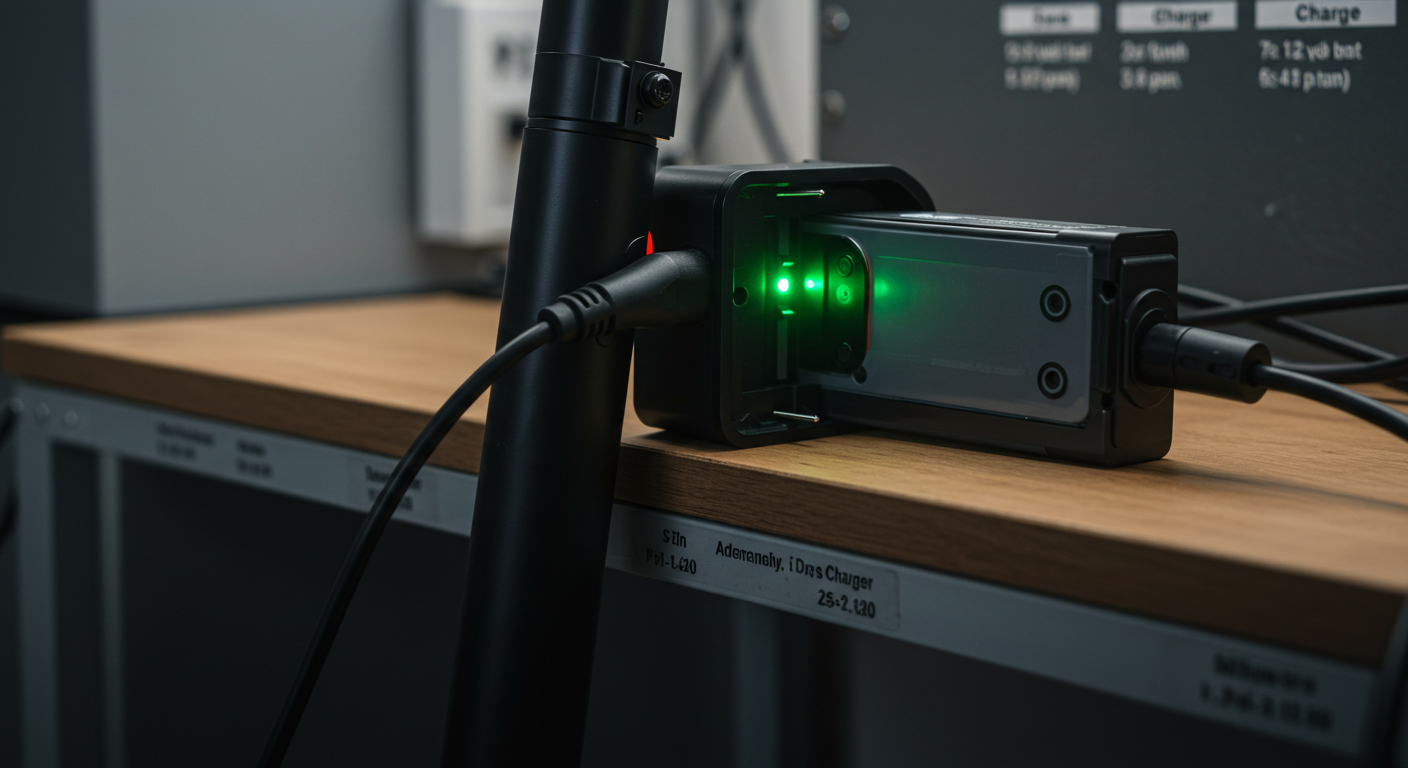
Using an incompatible charger can cause serious damage to your electric scooter and create safety hazards. The consequences range from minor performance issues to complete battery failure and fire risks. Understanding these risks emphasizes the importance of using only compatible chargers.
Battery damage is the most common result of using wrong chargers. Overvoltage can cause battery cells to overheat, swell, or even rupture. Want to know the secret? lithium-ion batteries are particularly sensitive to charging voltage and current. Even small deviations from specifications can cause permanent damage that reduces capacity and lifespan.
Overheating presents serious fire and explosion risks when using incompatible chargers. Batteries that receive too much current or voltage generate excessive heat that can ignite surrounding materials. This risk is particularly high with cheap, uncertified chargers that lack proper safety features and thermal protection.
Warranty voiding occurs when you use non-approved chargers with your scooter. Most manufacturers explicitly state that using third-party chargers voids the warranty. This means you’ll pay for any repairs or replacements that result from charging system problems, even if they’re not directly related to the charger.
Performance degradation happens gradually when using marginally compatible chargers. Your scooter may still function but with reduced range, slower acceleration, or shorter battery life. These subtle effects can be difficult to notice initially but become more apparent over time.
| Risk Type | Severity | Timeline | Prevention |
| Battery Damage | High | Immediate to weeks | Use exact specifications |
| Fire/Explosion | Extreme | Minutes to hours | Certified chargers only |
| Warranty Void | Medium | Immediate | Manufacturer-approved chargers |
| Performance Loss | Low | Weeks to months | Proper voltage/amperage matching |

5. How Can You Find Compatible Replacement Chargers?
Finding the right replacement charger requires knowing where to look and what to verify before purchasing. Multiple sources offer replacement chargers, but quality and compatibility vary significantly. Smart shopping protects your investment and ensures safe, reliable charging.
Official manufacturer sources provide the most reliable replacement chargers with guaranteed compatibility. Contact your scooter manufacturer directly or visit their authorized dealers for original equipment chargers. The best part? these chargers come with warranties and technical support, though they typically cost more than alternatives.
Third-party manufacturers produce compatible chargers for popular scooter models at lower prices than original equipment. Companies like TrustFire, YZPOWER, and others specialize in replacement chargers with proper certifications. These options balance cost savings with safety and reliability when chosen carefully.
Online marketplaces like Amazon, eBay, and specialized electric vehicle retailers offer wide selections of replacement chargers. Read reviews carefully and verify seller ratings before purchasing. Look for chargers with proper safety certifications like UL, CE, or FCC approval.
Local electric bike and scooter shops often stock replacement chargers or can order compatible options. These retailers provide valuable expertise in matching chargers to specific models. They may also offer installation services and technical support that online purchases cannot provide.
| Source Type | Pros | Cons | Best For |
| Manufacturer Direct | Guaranteed compatibility | Higher cost | Warranty protection |
| Third-Party Certified | Good quality, lower cost | Limited warranty | Budget-conscious buyers |
| Online Marketplaces | Wide selection, reviews | Quality varies | Research-savvy shoppers |
| Local Shops | Expert advice, support | Limited selection | Technical assistance needs |

6. What Are the Benefits of Universal Charging Standards?
Universal charging standards would provide significant benefits for electric scooter users and the industry as a whole. While true universality doesn’t exist yet, understanding these potential benefits helps explain industry trends and future developments. Some progress toward standardization is already occurring.
Cost savings would result from universal standards through economies of scale and competition. Let me explain… when multiple manufacturers use the same charging specifications, charger production volumes increase and costs decrease. Users could buy replacement chargers from multiple sources, increasing competition and lowering prices.
Convenience improvements would make electric scooter ownership much easier with universal charging. Users could share chargers between different scooter models, carry one charger for multiple devices, and find replacement chargers more easily. Public charging infrastructure would also be simpler to implement and use.
Environmental benefits include reduced electronic waste from incompatible chargers and simplified recycling processes. Universal standards would reduce the number of different charger types produced and discarded. This aligns with growing environmental consciousness and regulatory pressure to reduce electronic waste.
Industry standardization trends are slowly moving toward more compatibility, particularly in voltage standards and connector types. Some manufacturers are adopting common specifications voluntarily, while regulatory bodies in some regions are considering mandatory standards similar to those implemented for mobile phone chargers.
| Benefit Category | Impact Level | Timeline | Current Progress |
| Cost Reduction | High | 3-5 years | Some voltage standardization |
| User Convenience | High | 2-3 years | Common connector adoption |
| Environmental | Medium | 5-10 years | Regulatory discussions |
| Industry Efficiency | High | 3-7 years | Voluntary manufacturer cooperation |
7. How Should You Maintain Your Electric Scooter Charger?
Proper charger maintenance extends its lifespan, ensures safe operation, and maintains optimal charging performance. Most charger failures result from poor handling, environmental damage, or lack of basic maintenance. Simple care practices prevent most problems and save money on replacements.
Storage practices significantly affect charger longevity and safety. Keep chargers in dry, temperature-controlled environments away from direct sunlight and moisture. Here’s why it matters… extreme temperatures and humidity can damage internal components and create safety hazards. Coil cables loosely to prevent wire damage and connector stress.
Regular inspection helps identify problems before they cause damage or safety issues. Check cables for cuts, kinks, or exposed wires monthly. Examine connectors for corrosion, damage, or loose connections. Look for signs of overheating like discoloration, melting, or unusual odors during use.
Cleaning procedures keep connectors functioning properly and prevent corrosion. Use dry cloths to clean external surfaces and compressed air to remove dust from vents. Clean connector pins with alcohol and cotton swabs if corrosion appears. Never use water or liquid cleaners on electrical components.
Troubleshooting common issues can often restore charger function without replacement. Check power outlet functionality, verify all connections are secure, and test with different outlets. If the charger gets hot during use, ensure adequate ventilation and check for blocked cooling vents.
| Maintenance Task | Frequency | Purpose | Warning Signs |
| Visual Inspection | Monthly | Identify damage early | Cuts, corrosion, discoloration |
| Connector Cleaning | As needed | Prevent connection issues | Poor charging, sparking |
| Storage Check | Seasonal | Prevent environmental damage | Moisture, extreme temperatures |
| Performance Testing | Weekly | Verify proper operation | Slow charging, overheating |

Conclusion
Electric scooter chargers are not universal. Each brand and model has specific voltage, amperage, and connector requirements. Using the wrong charger can damage your battery and create safety risks. Always verify specifications exactly before buying replacement chargers. Official manufacturer chargers offer the best safety and compatibility. Proper maintenance keeps your charger working safely for years.
Dynamic Scooter provides certified chargers designed specifically for our models. Choose Dynamic Scooter for reliable charging systems that put your safety first.
FAQ
Q1: Can I use a laptop charger for my electric scooter?
No, laptop chargers are not suitable for electric scooters. They have different voltage requirements, connector types, and charging protocols. Using the wrong charger can damage your battery or create safety hazards.
Q2: Are all 36V electric scooter chargers interchangeable?
Not necessarily. While voltage must match, amperage, connector type, and charging protocols also matter. Two 36V chargers from different brands may not be compatible due to these other factors.
Q3: How do I know if a universal charger will work with my scooter?
Check the voltage, amperage, and connector type specifications. The charger must match your scooter’s requirements exactly. When in doubt, consult your manufacturer or a qualified technician.
Q4: What should I do if my original charger breaks?
Contact your scooter manufacturer first for an official replacement. If unavailable, look for certified third-party chargers that match your exact specifications. Avoid cheap, uncertified alternatives.
Q5: Why are some electric scooter chargers so expensive?
Quality chargers include safety features, proper certifications, and reliable components. Cheap chargers may lack these protections and can damage your battery or create fire hazards. The cost reflects safety and reliability.