August 2026

Electric Scooter Laws in Texas: What Riders Need to Know in 2026

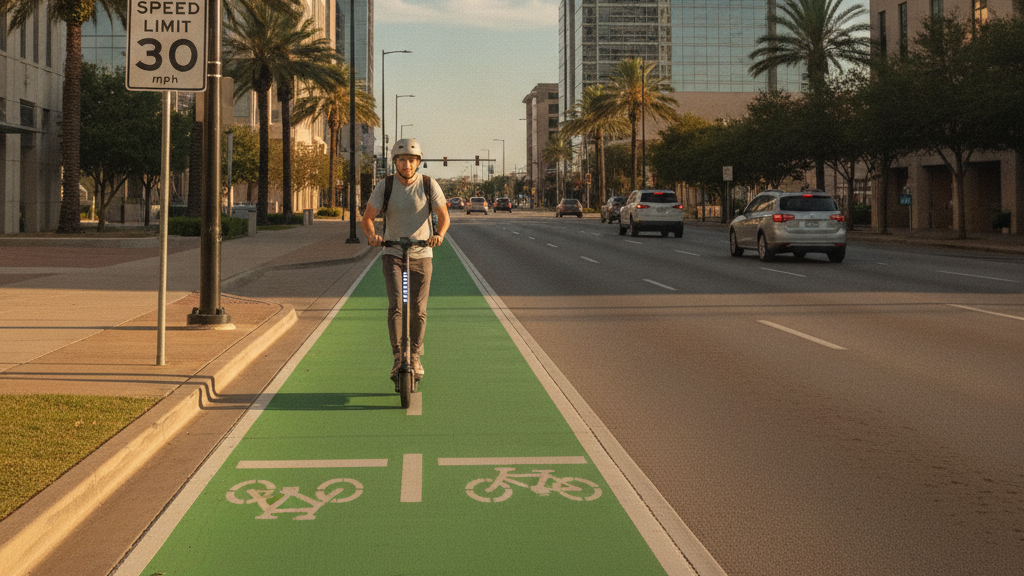
Electric scooter laws in Texas in 2026 permit you to ride on roads with a speed limit of 35 mph or lower without a driver’s license or insurance, provided you obey local city rules. Navigating the shifting regulations across Texas cities can feel like a stressful legal minefield for daily commuters. One wrong turn onto a high-speed arterial road or parking in a restricted zone could leave you facing steep administrative fines, or worse, have your custom ride towed away. Fortunately, learning the correct legal standards ensures you stay safe, legal, and fully in control. By mastering the electric scooter laws in Texas, you can confidently navigate the streets on a high-performance ride. How do electric scooter laws in Texas define your ride? Electric scooter laws in Texas define your ride as a “motor-assisted scooter” under state code, provided it has at least two wheels, a braking system, a flat deck, and human-propulsion capability. To ride legally on public roads, you must understand how the electric scooter laws in Texas classify your micro-mobility device. If your ride has a motor under 40cc (or the electric equivalent) and supports manual pushing, it fits this status perfectly. State-level design guidelines for legal status Here is the deal:Your scooter must meet the precise structural parameters set by the state of Texas to remain classified as a motor-assisted scooter. Operating a device that exceeds these limits changes your legal standing. Reclassification risks for high-powered rides Think about it:If your ride features a motor that exceeds the standard 40cc equivalent, it will be reclassified under Texas law. This reclassification means your vehicle is treated as a moped or motorcycle. Key Takeaway: Always verify your scooter’s motor wattage and design specs before hitting Texas public streets. Vehicle Type Motor Limit License Required Registration Motor-Assisted Scooter Max 40cc equiv No No Moped / Motorcycle Exceeds 40cc equiv Yes Yes This comparison table highlights how physical specifications dictate your administrative responsibilities under state regulations. Who must follow electric scooter laws in Texas today? Electric scooter laws in Texas apply to every operator on public roads, regardless of whether you are riding a personally owned device or a shared commercial rental. Understanding the reach of electric scooter laws in Texas is essential for both daily commuters and weekend recreational riders. Failing to comply can lead to individual citations from local law enforcement officers. Regulations for private scooter owners Here is the kicker:As a private owner, you have the freedom to ride your personal vehicle on any legally permitted roadway or lane. However, you carry full personal liability for any compliance or safety violations. Shared rental app user guidelines Look look:While rental riders might feel anonymous, they are subject to the same traffic regulations as private vehicle owners. Additionally, app-based geofences will actively limit your speed and navigation boundaries. Key Takeaway: Ownership does not shield you from traffic tickets; all riders on public streets are held to the exact same standards. Rider Category Traffic Laws Apply Geofenced Speed Limits Personal Liability Private Owner Yes No Full Rental User Yes Yes (App enforced) Shared / App terms The detailed matrix outlines how your legal and operational liabilities differ based on how you access your scooter. Where do electric scooter laws in Texas allow riding? Electric scooter laws in Texas allow you to ride on any public road with a posted speed limit of 35 mph or less, as well as designated bicycle lanes. Knowing exactly where to steer your vehicle is a critical aspect of mastering the electric scooter laws in Texas. While state law opens up a majority of public streets, you must always stay alert for localized restrictions. Navigating public roads and streets Here is the deal:You can legally operate your e-scooter on standard municipal roads with low speed limits, keeping as close to the right side of the road as possible. This maintains a predictable flow for faster motor traffic. Utilizing bike lanes and shared paths Look at it this way:Using designated lanes separates you from heavy vehicular traffic, dramatically lowering your risk of an accident on busy city streets. Most metropolitan corridors encourage micromobility within these protected paths. Key Takeaway: Stick to low-speed roads and actively utilize bike lanes to ensure a legal and secure commute. Riding Environment Legality Status Operating Rules Streets ≤ 35 mph Fully Legal Stay as far right as possible Designated Bike Lanes Fully Legal Yield to manual bicycles Highways > 35 mph Prohibited Strictly off-limits Use this breakdown to plan your daily route through legal, low-risk municipal corridors. Do electric scooter laws in Texas require a license? Electric scooter laws in Texas do not require riders to hold a valid driver’s license, state vehicle registration, or liability insurance. This bureaucratic exemption under electric scooter laws in Texas is one of the best parts of the current system. It makes e-scooters incredibly accessible and affordable alternatives for urban transit. Driver’s license and testing exemptions Think about it:You do not need to pass a written test, perform a practical road exam, or carry a physical license card to commute. Anyone who meets basic age requirements can jump on a scooter and go. Registration and DMV requirements Here is the kicker:You can skip the long lines at the DMV because standard micromobility devices do not require license plates or annual inspections. This keeps your operating costs extremely low. Key Takeaway: Enjoy the hassle-free legal status of e-scooters, but always practice safe riding even without licensing requirements. Administrative Category E-Scooter Requirement Traditional Vehicle Driver’s License Not Required Required DMV Registration Not Required Required Annual State Inspection Not Required Required This data table demonstrates how much red tape you save by choosing a scooter over a traditional car or motorcycle. How do electric scooter laws in Texas restrict speed? Electric scooter laws in Texas enforce a maximum statewide speed limit of 20 mph on public streets and roads. Violating velocity limits can lead to unexpected speeding citations, making it vital to understand speed-based electric scooter laws […]

Electric Scooter Laws in Texas: What Riders Need to Know in 2026 Read More »
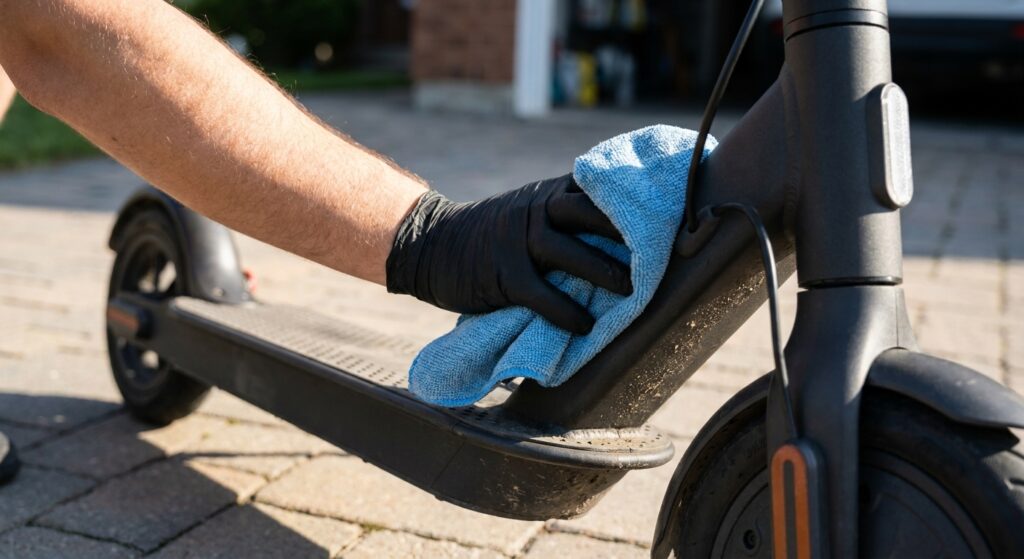
Electric Scooter Maintenance in Summer: Battery, Tire, Charging, and Cleaning Tips

Performing seasonal upkeeps like monitoring tyre pressure, parking in shaded spots, and managing battery temperatures is the absolute best way to ensure your electric scooter thrives during hot summer months. Riding on a hot summer afternoon feels incredibly liberating as you cruise down the open road. However, extreme ground heat and scorching sun rays can silently cook your vehicle’s sensitive internal cells. If you ignore these extreme temperatures, your battery can suffer from severe thermal shutdown, leaving you stranded on melting asphalt miles away from home. Fortunately, performing proactive electric scooter maintenance safeguards your ride against severe thermal wear and performance drops. Why is summer electric scooter maintenance crucial? Summer weather demands strict upkeep because extreme heat accelerates chemical breakdown within battery cells and softens tyre rubber. Performing active electric scooter maintenance during high-temperature months protects your sensitive electronics from catastrophic failures. The combination of baking asphalt and hot direct sunlight places unprecedented physical stress on your vehicle. Neglecting basic care can lead to permanent battery damage and costly mechanical repairs. By being proactive, you ensure your motor and internal circuits remain safe from thermal stress. It also guarantees your rides stay smooth and consistent all season long. Why does extreme heat threaten your battery pack? High temperatures increase the internal resistance of lithium-ion cells, causing them to generate more heat. Here is the deal: if your battery runs too hot, the system will lower power output to avoid thermal runaway. Continuous exposure to extreme ambient heat permanently degrades capacity and reduces your overall riding range. You must watch out for signs of thermal degradation during your daily commutes. These signs can severely disrupt your travel plans if left unchecked. What are the primary mechanical risks of hot pavement? Hot asphalt transfers intense conductive heat directly through your low deck to the motor and suspension. But that is not all. Harsh UV rays dry out rubber seals and melt vital lubricating grease on your folding joints. These issues can create severe safety hazards if you ride on degraded parts. Keeping these elements lubricated ensures structural stability on bumpy summer streets. Key Takeaway: Protecting your ride from ground-level heat preserves structural integrity and keeps your rides exceptionally smooth. Heat Source Impacted Part Recommended Threshold Preventative Action Ambient Air Battery Pack Keep below 45°C Park in ventilated shade Hot Asphalt Motor Casing Keep below 60°C Avoid continuous peak throttle Monitoring these crucial thermal thresholds protects internal components from severe degradation. Where do you park for electric scooter maintenance? You should always park your vehicle in a cool, well-ventilated, shaded environment to protect it from thermal stress. Choosing proper parking areas is a fundamental step in proactive electric scooter maintenance during a heatwave. Leaving your ride exposed to scorching midday sun causes rapid heat build-up. It can easily warp plastic parts and fade your instrument console. Shaded spots act as a shield against intense ultraviolet radiation. This simple daily habit prevents your deck from turning into a heat sponge. Is shaded parking enough to prevent thermal damage? Standard outdoor shade helps block direct solar rays, but it does not cool down high ambient air. The truth is: parking inside unventilated metal sheds or car trunks can create a dangerous greenhouse effect. This trapped heat cooks your electronics even if the scooter is turned off. You need to seek out areas with active airflow to help your scooter cool down. Ventilation is just as important as blocking direct sunlight. How does the Dynamic Scooter Cover shield your deck? Investing in a premium, UV-reflective protective cover keeps direct sunlight off your delicate instrument panels. Think about it: a quality cover keeps abrasive summer dust out of delicate charging ports. When you protect these key entry points, you lower the chances of electrical shorts. A specialized cover is lightweight and easy to carry on daily trips. It provides an extra layer of defense when outdoor parking is your only option. Key Takeaway: Utilizing a specialized cover blocks heat absorption and extends the lifespan of sensitive electronic screens. Parking Location Temperature Risk Protection Level Best Use Case Subterranean Garage Low High Overnight & Long-term Covered Shade Medium Medium Quick day stops Choosing high-protection locations limits thermal exposure and keeps performance metrics stable. How does charging affect electric scooter maintenance? Charging your ride immediately after a trip can damage battery cells because they are already hot from operating. You must follow strict battery cooling guidelines as part of your regular electric scooter maintenance protocol. Forcing electricity into hot lithium-ion cells causes extreme internal heat spikes. Over time, this bad habit rapidly degrades overall battery health. Letting your vehicle rest before plugging it in is highly recommended. This practice guarantees safe power intake and preserves battery capacity. Should you charge your ride immediately after use? Connecting your charger right after a ride leads to a dangerous compounding of operational and electrical heat. Here is the deal: your battery needs time to naturally cool down to ambient levels first. Giving your scooter a short break ensures the lithium-ion cells remain stable. A cool battery accepts charges much more efficiently than a hot one. Taking this extra step will keep your power pack running at peak levels. What are the best practices for cool-down charging? You should charge your vehicle in an open, ventilated indoor space rather than a confined closet. Think about it: keeping air circulating around the power brick prevents the charger itself from overheating. This simple routine maximizes energy efficiency and guards against unwanted high-voltage surges. Timing your charge cycles is also highly beneficial. It avoids the hottest hours of the day when grid stress is highest. Key Takeaway: Allowing your battery to cool before charging prevents thermal spikes and maximizes the total life cycles of your cells. Charging Phase Required Wait Time Target Area Temp Safe Charging Window Post-Ride Cool Down 30 – 45 Minutes Ambient Air Temp Morning / Evening Active Charging No Wait Required Under 30°C Max 4 Hours Adhering to these cool-down cycles […]

Electric Scooter Maintenance in Summer: Battery, Tire, Charging, and Cleaning Tips Read More »

How Old to Ride an Electric Scooter? Age Limits & Rules in 2026

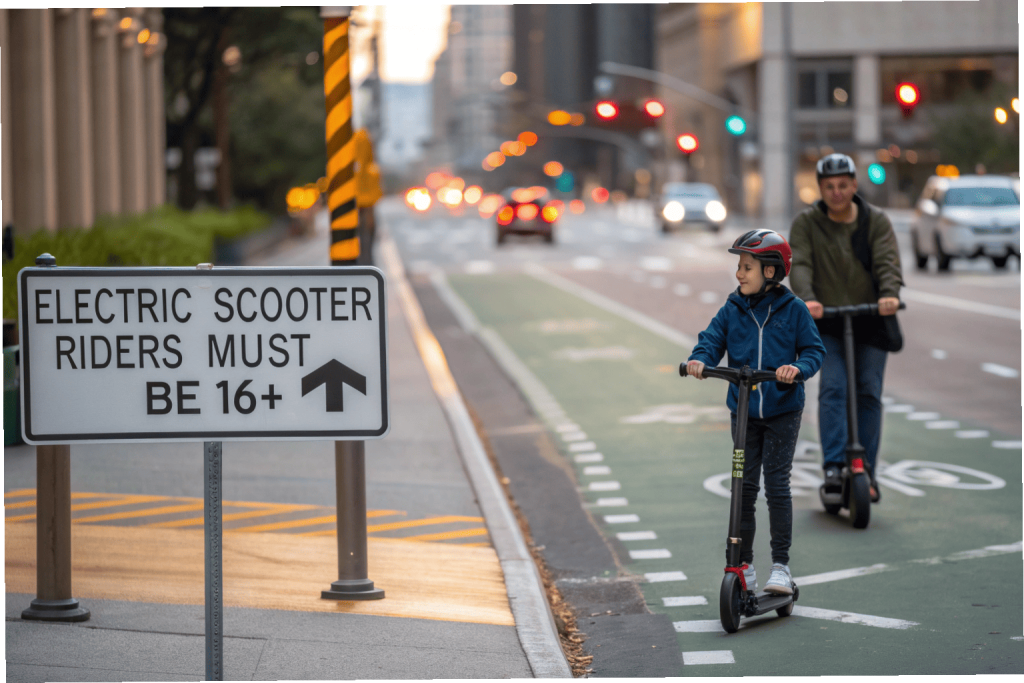
Electric scooters are now very popular. They help people move around cities easily. But many people ask: how old do you have to be to ride an electric scooter? Electric scooter age requirements in North America are generally consistent: most U.S. states and Canadian provinces require riders to be 16+ years old. Some regions mandate helmet use for minors, and riding areas are typically limited to bike lanes and streets. Always check local regulations as they may vary by city. This is about safety and following the law. This article will tell you about age limits in different places, safety issues, and tips for riders of all ages. 1. How Old Do You Need to Be to Ride an Electric Scooter? The age to ride an electric scooter is not the same everywhere. Why is it different? It depends on local traffic laws, city size, bike lanes, and how people think about small vehicles. In Canada, each province or city makes its own rules. In Ontario, you must be 16 or older to ride on public roads. You must wear a helmet if you are under 18. British Columbia also says riders must be 16. In the United States, there is no national law about rider age. In California, you must be 16 and have a driver’s license or permit. In Florida, you can ride at age 16, often without a driver’s license. These age limits are about safety. Officials think about if young people can handle the scooter’s speed and weight, understand traffic, react quickly, and make good choices. Age Limits for E-Scooter Riding: International Comparison Country/Region Typical Minimum Age Key Considerations Canada (Varies) 16-18+ Provincial/Municipal Bylaws, Pilot Programs, Helmets USA (Varies) 16-18+ State/City Laws, Driver’s License Requirements Vary UK 18+ (Rentals Only) Illegal on public roads (private use), Trials ongoing Germany 14+ Specific speed/power limits, Bike lane usage France 12+ Speed limits, Helmet recommended (mandatory <12) List of E-Scooter Regulations in Major U.S. Regions Region Minimum Riding Age Helmet Requirements Other Key Regulations West (California) 16+ Required under 18 No sidewalk riding, max speed 25mph West (Washington) 16+ Recommended for all Allowed on bike lanes and low-speed roads Midwest (Illinois) 16+ Recommended but not mandatory Chicago allows bike lane riding, no sidewalks Midwest (Michigan) 12+ Recommended but not mandatory Max speed 25mph, some sidewalk riding allowed Northeast (New York) 16+ Required under 18 NYC bans e-scooters in Manhattan Southeast (Florida) 16+ Required under 16 Allowed on bike lanes and some roads South (Texas) 16+ Recommended but not mandatory Rules vary by city, Austin and Dallas more lenient Please note that these regulations may change, and city-level rules may differ from state regulations. Before riding, it’s best to check the latest local rules. This is especially important when traveling or using e-scooters across different states. For Dynamic Scooter users, we recommend paying attention to the age restrictions and safety requirements in your area when purchasing and using our products to ensure a legal and safe riding experience. 2. Why Are There Age Restrictions for Electric Scooters? Age limits for electric scooters exist for real safety reasons. So, what are these main reasons? First is body control and reaction time. Riding an electric scooter at speeds up to 25 kph (15 mph) needs good balance, quick reflexes, and fast adjustments. Young children are still growing these skills. Second is knowing traffic rules. Riding on roads means knowing who goes first, what signs mean, and how to share the road. Young riders may not understand these rules well or know what happens if they break them. Risk judgment is another big factor. Teens have brains that are still growing – the part that plans, controls impulses, and judges risks. This can make them take more risks. Think about it: one bad choice can cause a crash. Last, accident reports show why age limits help. Studies show more injuries among younger riders. Age limits try to protect the groups most likely to get hurt. 3. Do Age Requirements Differ for Various Electric Scooter Types? While general age rules exist, the type of scooter can change what’s recommended. Can a 12-year-old ride any scooter if the law allows? Not really. Slow electric scooters for young riders usually go 10-15 kph (6-10 mph). Makers might say ages 8-10 can use these, but only on private property with adults watching. Medium-speed scooters are for commuters and go 20-25 kph (12-15 mph). These usually need riders to be 16+ or 18+. The Dynamic Scooter Model B is this type, with good speed, range, and a design you can fold. High-speed scooters can go over 40 kph (25 mph). These are almost always for adults only, with age limits of 18+ strictly enforced. Foldable scooters, like those from Dynamic Scooter, are great for trips that use trains or buses too. But being easy to carry doesn’t make them good for young riders on public roads. E-Scooter Type vs. General Age Suitability Scooter Type Typical Top Speed General Age Suitability (Guideline Only) Kids’ E-Scooter < 15 kph (< 10 mph) 8+ (Private Property, Supervision) Low-Speed Commuter 15-20 kph (10-12 mph) 14-16+ (Check Local Laws) Mid-Speed Commuter 20-25 kph (12-15 mph) 16-18+ (Check Local Laws) High-Performance > 25 kph (> 15 mph) 18+ 4. How Can Minors Ride Electric Scooters Safely? Even where young people can legally ride electric scooters, safety must come first. How can parents help kids ride safely? Safety gear is a must. A helmet that fits right is the most important thing. Think about knee pads, elbow pads, and wrist guards for beginners. Bright clothes help others see you. Parents should watch and ride with young riders. This lets you guide them and step in if needed. Start in safe places like empty parking lots or quiet streets. Move to busier areas only when they show they can handle it. Safety training should come before riding alone. Teach basic controls: smooth starting, good stopping, and steady turning. Practice emergency stops and going around objects. […]

How Old to Ride an Electric Scooter? Age Limits & Rules in 2026 Read More »

How to Ride Your Electric Scooter Uphill and Downhill?

To ride your electric scooter uphill and downhill safely and efficiently, you need to adjust your body posture, manage throttle acceleration, and use your brakes progressively. Imagine pushing your machine toward a steep, intimidating street, only to feel the motor groan, lose speed, and leave you dangerously stranded in traffic. This terrifying scenario can cause panic, but with the right balancing strategies and high-quality hardware, you can easily turn any hill into a smooth ride. By mastering riding an electric scooter uphill and downhill, you will confidently tackle the steepest hills in your city without stress. How to Master Riding an Electric Scooter Uphill and Downhill? You can master riding an electric scooter uphill and downhill by adjusting your body weight dynamically and using smooth, gradual brake inputs. Learning how to move your body in tandem with gravitational forces keeps both wheels locked to the ground. This foundational skill ensures total control over your machine on any urban terrain. By practicing these adjustments, you transition from a passenger to an active, secure operator. Consistent control inputs will keep you completely safe. How Should You Stand on Uphill Climbs? When climbing a steep hill, lean your body forward from your hips and shift your weight over the front deck. This action keeps your front tire firmly planted against the asphalt and prevents the scooter from tipping backward. Think about it: gravity constantly pulls you backward, so counteracting that force with your posture is vital. What Posture is Best for Steep Descents? Descending safely requires you to do the exact opposite by shifting your weight backward over the rear wheel to maintain traction. Keep your knees bent, push your hips behind the deck, and stand low. But that is not all: this relaxed, athletic posture ensures your mechanical brakes retain maximum grip. Staying flexible allows you to absorb sudden road vibrations easily. Key Takeaway: Shifting your weight forward on climbs and backward on descents keeps you balanced and prevents sudden tipping. Direction Body Lean Position Primary Hazard Addressed Uphill Forward at hips Front-wheel lifting Downhill Backward at hips Pitching forward Varying your physical posture directly counteracts the gravitational forces acting on your scooter. Does Motor Overheat Riding an Electric Scooter Uphill and Downhill? Yes, your motor can overheat during riding an electric scooter uphill and downhill if you force a low-wattage system up steep inclines for prolonged periods. Steep climbs force electric motors to draw maximum current, which raises internal operating temperatures quickly. Understanding these limits prevents damage to your scooter’s delicate electronic controllers. If your motor begins to feel sluggish or warm, it is trying to protect itself from excessive thermal stress. Giving your hub motor brief breaks on long routes will prolong its lifespan. Why Do Steep Hills Strain Your Motor? Brushless DC motors operate under heavy load when pushing your weight against gravity. This physical strain raises internal operating temperatures and drops your system’s efficiency. Here is the deal: running a motor at maximum throttle on steep slopes eventually degrades its copper coils. Can Dual Motors Handle Thermal Stress Better? Dual motors distribute the thermal workload across two hubs rather than straining a single wheel. This design keeps overall operating temperatures much lower. The best part? You get double the climbing torque without the risk of melting delicate internal components. Key Takeaway: Monitoring your motor’s temperature on climbs protects its internal wiring and prevents expensive heat damage. Motor Config Climbing Efficiency Thermal Risk Level Single Motor Moderate High Dual Motor Excellent Low Distributing power across dual hubs reduces heat buildup and ensures reliable performance on steep roads. Does Battery Drain Riding an Electric Scooter Uphill and Downhill? Yes, battery power drains much faster when riding an electric scooter uphill and downhill due to the immense energy required to fight gravity. Your battery pack must supply continuous high current to keep the motor running at stable speeds on slopes. Consequently, hilly routes can decrease your estimated riding range significantly. Fortunately, modern lithium-ion batteries are resilient, and smart riding tactics can preserve your battery life. Managing your acceleration is the key to extending your commute range. Why Do Climbing Demands Exhaust Your Battery? Climbing steep slopes forces the controller to draw maximum wattage, which rapidly depletes the lithium-ion cells. This heavy draw can temporarily drop your voltage reading under load. Think about it: battling gravity requires continuous energy output from your power cells. How Does Regenerative Braking Help on Descents? Regenerative braking systems convert kinetic energy from your descent back into electrical power. This process feeds juice back into your battery pack, increasing your range. But that is not all: it also slows you down safely without wearing out physical brake pads. Key Takeaway: Balancing climbing energy consumption with downhill regenerative braking helps optimize your total riding range. Slope Phase Energy Direction Battery Temperature Impact Ascent Discharge (High) High Warmth Descent Charge (Regen) Low Cool-down Leveraging regenerative braking on descents acts as an essential tool to offset uphill battery depletion. How Do Brakes Control Riding an Electric Scooter Uphill and Downhill? Brakes control riding an electric scooter uphill and downhill by managing your speed through mechanical friction and electronic resistance. Relying on both braking systems prevents wheel lockups and ensures a controlled descent. Knowing how to feather your brakes is vital to navigating steep slopes safely. Using proper braking techniques on slopes is the single most important safety skill you can learn. It prevents sliding and ensures a stable descent. Why is Progressive Braking Essential on Descents? Squeezing brake levers suddenly can lock your wheels and send you into a dangerous skid. You must apply gradual pressure to keep the tires rotating while shedding speed. Here is the deal: sudden deceleration shifts your body weight forward violently, which can cause you to lose balance. What is the Advantage of Dual Braking? Dual braking combines front disc and rear electronic brakes for maximum stopping power. This setup distributes braking force evenly across both tires. But that is not all: having two […]

How to Ride Your Electric Scooter Uphill and Downhill? Read More »

Are Electric Scooters Legal in Vancouver? Your Ultimate Guide to Street-Legal Riding

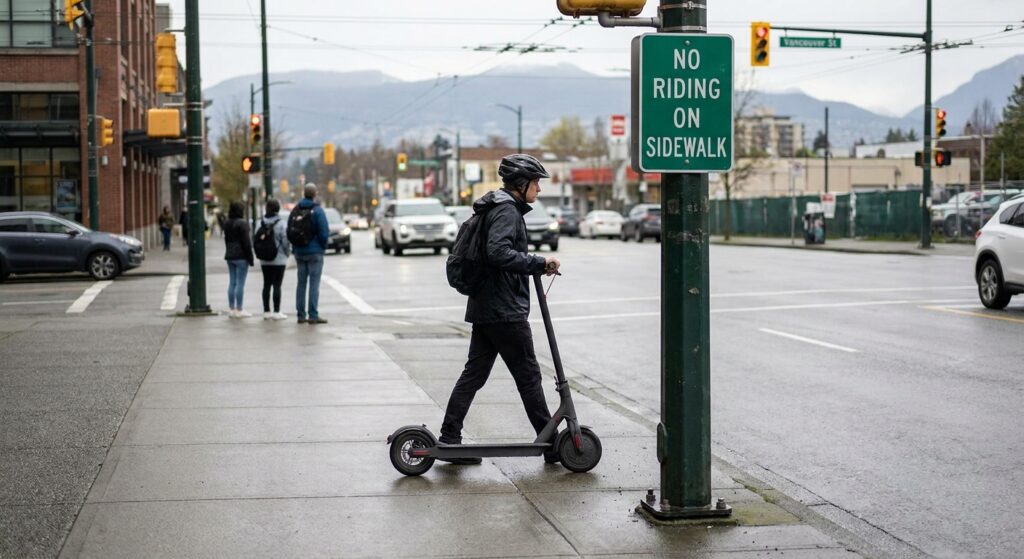
Yes, electric scooters are completely legal to ride in Vancouver as long as you follow the provincial pilot project rules and municipal safety bylaws. You want to beat the soul-crushing downtown traffic but worry about getting hit with a massive fine or having your ride impounded. Navigating confusing, conflicting local rules and worrying about which pathways are off-limits can easily ruin the thrill of your daily commute. Understanding the exact electric scooter laws in Vancouver is your ticket to keeping your rides safe, legal, and moving smoothly across the city. What Are the Basic Electric Scooter Laws in Vancouver? The basic rules require riders to be at least 16 years old, wear a certified helmet, and stick strictly to designated lanes. Navigating the electric scooter laws in Vancouver is highly straightforward once you grasp these fundamental safety pillars. It is your ultimate roadmap to clean, hassle-free urban mobility. You do not need a driver’s license, vehicle registration, or insurance to get started. However, you must always yield to pedestrians and keep your speed under control. Understanding the BC Pilot Project Framework You should know that Vancouver’s micromobility program is part of a larger provincial effort to modernize clean transit. Here is the deal: the pilot project officially legalizes electric kick scooters on public pathways while letting local municipalities tailor specific safety rules. This means you get a green light to commute dynamically without worrying about provincial blocks. Key Municipal Bylaws for Active Transport Local bylaws are designed to keep both you and pedestrians safe on the road. Think about it: without clear guidelines, busy downtown streets would quickly become chaotic and dangerous for everyone. By respecting these clean laws, you help build a safer, more sustainable riding culture across BC. Are E-Scooters Legal Under Electric Scooter Laws in Vancouver? Yes, e-scooters are completely legal to ride on public streets as long as your device fits within the provincial pilot’s safety criteria. Riding without worrying about legality is easy when you follow the established electric scooter laws in Vancouver. You can comfortably glide through the city knowing you are fully compliant. By choosing a vehicle that matches municipal definitions, you completely avoid legal issues. Let’s dive deeper into how you can ensure your daily ride remains fully authorized. Legality Requirements for Street Riding To ride on public streets, your device must qualify strictly as an electric kick scooter. Look: a legal kick scooter cannot feature a seat or any enclosed frame that resembles a moped. Utilizing a compliant model ensures you never run into unexpected trouble with local authorities. The Freedom of Riding Without a License One of the greatest benefits of legal micromobility is the extreme accessibility it offers. The best part? You do not need to register your scooter with ICBC or pay monthly insurance premiums to start commuting. This makes commuting simple, budget-friendly, and highly efficient for busy city residents. Key Takeaway: Staying compliant allows you to enjoy unmatched transit freedom without administrative headaches. Compliance Aspect Legality Status Commuter Impact Driver’s License Exempt No driving tests or licenses needed ICBC Insurance Exempt Zero monthly premium costs for riders Registration Exempt Skip the long DMV queues entirely Enjoying legal freedom on two wheels is incredibly rewarding when you ride a verified vehicle. What Specs Align with Electric Scooter Laws in Vancouver? Your scooter must have a motor of 500 watts or less and a maximum speed capability of 25 kilometers per hour. Buying a vehicle that complies with the electric scooter laws in Vancouver protects you from getting expensive tickets. It also guarantees that your hardware is safe for busy bike paths. If you use a high-powered machine built for off-road tracks, you cannot ride it on public roads. Let’s review the exact hardware specifications you need to look for before buying. Motor Wattage and Speed Caps The province enforces strict limits on electric motors to keep pathways peaceful and safe. Think about it: a scooter that goes too fast behaves more like a motorcycle than an active transit vehicle. You will find that compliant power levels are perfect for climbing steep city bridges smoothly. Essential Lighting and Weight Rules Visibility and structural weight are critical elements of local safety standards. Here is the deal: your scooter must weigh 45 kilograms or less to prevent heavy impacts. The popular Dynamic Scooter Model B perfectly meets all of these criteria, offering a legal, safe, and incredibly lightweight package. Key Takeaway: Checking your scooter’s specifications ensures you invest in a fully legal machine that protects your wallet. Hardware Specification Legal Threshold Model B Compliance Max Motor Power 500 Fully Compliant Max Speed Limit 25 Safe Electronics Capped Max Vehicle Weight 45 Ultra-lightweight Design Investing in compliant hardware guarantees a worry-free commute on every single city street. Where Do Electric Scooter Laws in Vancouver Allow Riding? You are allowed to ride on minor streets with low speed limits, designated bike lanes, and shared paved paths. Staying on authorized routes is a core requirement of the electric scooter laws in Vancouver. It keeps you safe from fast-moving traffic while preventing conflicts with pedestrians. Understanding exactly where to steer your handlebars makes your daily trips much more enjoyable. Let’s look at the best routes available for your daily commute. Permitted Lanes and Minor Streets You can ride on municipal streets that have a posted speed limit of 50 km/h or less. Look: protected bike lanes are always the safest option for navigating through the busy downtown core. Choosing these designated routes helps you cruise confidently without blocking faster vehicular traffic. Riding Along the Scenic Seawall The beautiful seawall allows micromobility riders on paths where bicycles are officially permitted. The best part? You get to enjoy spectacular waterfront views while commuting to your destination. This makes active transit not just a practical choice, but a scenic highlight of your day. Key Takeaway: Sticking to approved pathways guarantees a secure ride and keeps you in the good graces of city bylaws. Authorized Pathway Speed Limit […]

Are Electric Scooters Legal in Vancouver? Your Ultimate Guide to Street-Legal Riding Read More »

How Can You Stay Cool and Safe Riding an Electric Scooter in Summer?

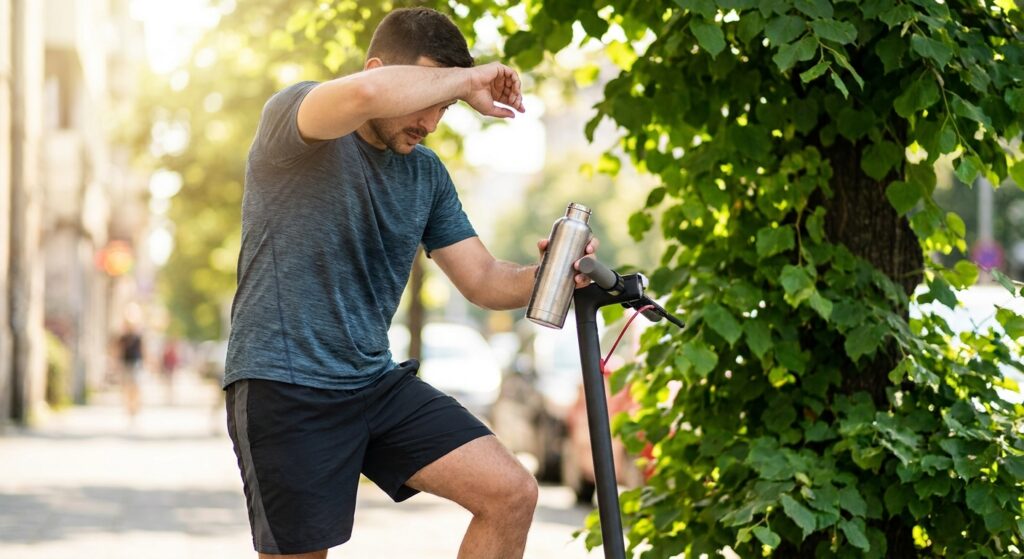
Staying cool and safe while riding an electric scooter in summer requires a combination of smart riding habits, proper protective gear, and proactive battery maintenance. As summer temperatures soar, navigating your daily commute on two wheels can quickly turn from an exciting breeze into an exhausting, sweaty ordeal that risks overheating both you and your vehicle. High ambient heat does not just make you uncomfortable; it actively degrades your battery health, spikes tire pressures to dangerous levels, and puts you at risk of sudden heat fatigue. Fortunately, with a few proactive strategy shifts and basic maintenance adjustments, you can keep your ride smooth, breezy, and completely safe all season long. How to enjoy riding an electric scooter in summer? Enjoying your ride during the hottest months comes down to choosing shaded pathways and traveling during the coolest windows of the day. To fully experience the joy of riding an electric scooter in summer, planning ahead is absolutely essential. By taking proactive steps, you can avoid the oppressive midday sun completely. Should you map out your route through shady streets? Look: choosing tree-lined avenues rather than wide-open concrete highways is one of the easiest ways to beat the heat. Tree canopies create natural microclimates that are significantly cooler than open urban asphalt. To keep your commute comfortable, consider these route-mapping priorities: Commuting Window Average Temperature Impact Battery Strain Level Recommendation Early Morning (6 AM – 9 AM) Lowest of the day (Cool breeze) Minimal Best time for long trips Midday (12 PM – 3 PM) Peak solar radiation (Extreme heat) High Avoid or keep trips short Late Evening (6 PM – 9 PM) Moderately cool (Sun setting) Low to Medium Great for casual riding This operational breakdown illustrates how choosing the right hour to ride drastically lowers thermal loads. Key Takeaway: You can dramatically lower your body and scooter temperatures simply by shifting your riding schedule away from peak midday sun and choosing tree-shaded pathways. Is riding an electric scooter in summer safe for batteries? Yes, riding an electric scooter in summer is safe for batteries as long as you prevent them from reaching critical heat thresholds. High-quality lithium-ion packs are built with robust thermal management systems to handle typical seasonal warm weather. However, pushing your vehicle to its limits under extreme heat can accelerate cell degradation. How does extreme heat trigger thermal runaway? Here is the thing: when lithium-ion cells exceed their safe operating temperatures, internal chemical reactions can escalate out of control. This can lead to rapid performance drops or, in extreme cases, permanent cellular breakdown. To preserve your battery’s lifespan, keep these essential rules in mind: Temperature Range Battery State Risk of Damage Action Required Under 85°F (29°C) Optimal operating zone None Normal riding and charging 85°F – 110°F (29°C – 43°C) Warm operating zone Low Monitor performance; do not charge hot Above 110°F (43°C) Critical heat threshold High Stop riding; let battery cool down By referencing this temperature matrix, riders can proactively prevent critical thermal thresholds from being breached. Key Takeaway: Extreme heat alters battery chemistry; always let your scooter’s battery cool to room temperature for at least 30 minutes after a summer ride before plugging it in to charge. Why is riding an electric scooter in summer so exhausting? Riding an electric scooter in summer is highly exhausting because your body continuously fights dehydration, wind resistance, and solar radiation while maintaining balance. Even though you are standing, your muscles work constantly to keep you stabilized. Standing on a deck might seem effortless, but riding an electric scooter in summer drains your physical energy surprisingly fast. Are regular rest stops in shaded areas necessary? Believe it or not: riding at high speeds creates a deceptive wind-chill effect that masks how much you are actually sweating. Taking structured breaks is vital to prevent heat exhaustion before you feel the physical symptoms. Ensure you stay refreshed by practicing these healthy habits: Fatigue Factor Physiological Impact Preventative Action Dehydration Decreased focus, slower reflexes Drink electrolyte-rich water before riding Sun Glare Eye strain, headaches Wear UV-blocking polarized sunglasses Heat Exhaustion Dizziness, muscle cramps Take a 10-minute break in the shade This physical health assessment highlights why hydration and protection must remain top priorities for hot weather commuting. Key Takeaway: Summer scooter riding is an active sport; stay fully hydrated and take structured shade breaks to prevent heat fatigue from slowing down your reaction times. Can riding an electric scooter in summer cause tire flats? Yes, hot summer weather can directly cause tire flats because riding an electric scooter in summer on blistering asphalt heats the air inside your pneumatic tires. As the air expands, your tire pressure rises beyond its recommended limit, increasing the risk of a sudden puncture or blowout. Keeping a close eye on your tires is essential for maintaining safety. How often should you inspect tire tread in hot weather? Why does this matter? Warm asphalt softens tire rubber, making your tread wear down much quicker and leaving it highly vulnerable to sharp road debris. Inspecting your tires weekly ensures you catch structural wear before a flat occurs. Make tire safety a regular part of your routine with these steps: Tire Parameter Cold Weather Standard Hot Summer Adjustment Impact of Neglect Tire Pressure (PSI) 45 – 50 PSI Reduce by 2-3 PSI High risk of blowout due to expansion Tread Condition Hard/Inflexible Soft/Pliable High wear rate and puncture vulnerability Road Contact Area Balanced Narrowed (Over-inflated) Reduced traction and slipping on turns This critical maintenance index clearly details how heat-induced pressure changes dictate overall ride safety and tire life. Key Takeaway: Heat causes tire pressure to swell; check your PSI weekly during summer and lower it slightly to account for air expansion on hot asphalt. What gear works for riding an electric scooter in summer? The best summer gear consists of highly ventilated protective helmets, lightweight reflective clothing, and mesh riding gloves. When riding an electric scooter in summer, finding apparel engineered for ventilation is the key to […]

How Can You Stay Cool and Safe Riding an Electric Scooter in Summer? Read More »

Shopping Cart
Scroll to Top