


Is your trusty electric scooter suddenly acting up, leaving you stranded or frustrated? You are not the only one facing this. Electric scooters, like any transport, can develop issues. The thought of costly repairs or being without your Dynamic Scooter can be a headache. But here is good news: many common e-scooter problems can be diagnosed and fixed with know-how. We are here to guide you through troubleshooting and repairing your electric scooter, helping you get back on the road.
Fix your electric scooter by first diagnosing common issues like power loss or flat tires. Gather basic tools, check battery health, adjust brakes, or patch tires. For complex problems, always consult a professional to ensure safety.
1. What Basic Tools Do I Need Before Starting Electric Scooter Repairs?
Before tinkering with your electric scooter, having basic tools is essential. It is like a chef needing knives. Attempting repairs without proper equipment can cause damage or injury. Your toolkit should include a multimeter for electrical checks. Allen keys and screwdrivers are vital for disassembly. Wrenches or a socket set help with nuts. For tires, levers are a must, plus a pump with a gauge. Safety gear: gloves and safety glasses are crucial. For parts for your Dynamic Scooter Model B, like tires or batteries, start with the manufacturer or authorized dealers for compatibility. Having these ready makes repairs smoother and safer. This preparation is a small step for a big return in efficiency.

2. How Can I Diagnose Common Electric Scooter Problems?
When your scooter acts up, diagnose the issue first. Knowing where to look is key. Scooter won’t turn on? Check the battery, controller, power switch, or wiring. A systematic check, starting with battery charge, is vital. No power or slow acceleration often points to battery health, motor issues, or controller faults. You might ask, what about brakes? If brakes are ineffective, diagnose if they need adjustment, pad replacement, or if there are cable problems. A flat tire is obvious; a wobbly wheel could be a puncture, tire damage, or loose bearings. Recognizing these symptoms guides troubleshooting for your Dynamic Scooter effectively. This diagnostic skill can save you time and money before diving into complex fixes.
| Problem Symptom | Potential Causes | Initial Checkpoints |
|---|---|---|
| Scooter Won’t Turn On | Dead/faulty battery, controller, power switch, wiring | Battery charge, switch, visible wiring connections |
| No Power / Slow Acceleration | Battery issues, motor problems, controller fault | Battery voltage, motor connections, error codes |
3. What Are the First Safety Checks Before Attempting Any Repair?
Safety is top priority before any Electric scooter repair. No repair is worth an injury. First, ensure the scooter is powered completely off. This prevents accidental motor engagement. Make sure the scooter is stable on a flat surface, using its kickstand or supported so it will not tip. Here is a vital tip: if working on electrical components (controller, motor), disconnect the battery. This eliminates short circuit risks. Choose your workspace wisely: well-lit, clean, and ventilated. Good lighting helps, a clean space prevents losing small parts. Ensure your workspace is free from distractions. Taking these safety checks seriously protects you and your Dynamic Scooter during repairs. This careful approach is non-negotiable for any task.
4. How Do I Check and Troubleshoot My Electric Scooter’s Battery?
The battery is your e-scooter’s heart; issues are common. So, let us investigate. Visually inspect for damage, leaks, or swelling – a swollen battery is serious and needs immediate, cautious replacement. Check charge level via the display or a multimeter for precise voltage (know your battery’s correct voltage). Compare this to specs. Lower voltage than expected after a full charge indicates a problem. What signals a failing battery? Reduced range, long charge times, or not holding charge. If it cuts out under load, the battery might be unable to deliver current. Knowing when replacement is needed is key; multiple failure signs mean it is likely time. Source genuine or manufacturer-approved replacements for your Dynamic Scooter Model B for compatibility and safety. This ensures longevity and performance.

5. What Steps Are Involved in Fixing a Flat Electric Scooter Tire?
A flat tire is a common, frustrating e-scooter issue. But it is often fixable! Identify your tire type: pneumatic with inner tube, tubeless, or solid. For pneumatic with inner tube , remove the wheel, then use tire levers to pry one side of the tire off the rim. Inflate the tube slightly to find the puncture (listen for air or submerge in water). Patch it or replace the inner tube. What about other types? Tubeless tires might need a plug kit or sealant. Solid tires do not puncture but are replaced if damaged, often needing special tools. After repair/replacement, remount the tire, ensuring the bead is seated, and reinflate pneumatic tires to the recommended pressure (on the sidewall). This process can save a shop visit.
| Tire Type | Common Issue | Primary Fix Method | Tools Needed (Examples) |
|---|---|---|---|
| Pneumatic (Inner Tube) | Puncture | Patch inner tube or replace inner tube | Tire levers, patch kit, pump, wrenches |
| Solid Rubber | Wear, Damage | Replace entire tire (often requires pressing) | Heavy-duty levers, press (sometimes), wrenches |
6. How Can I Adjust or Replace My Electric Scooter\’s Brakes?
Effective brakes are critical for Electric scooter safety. No compromises here. If brakes feel spongy, weak, or noisy, they need attention. Identify your brake type: mechanical disc, hydraulic disc, drum, or electronic. For mechanical disc or drum brakes, adjust cable tension for responsiveness. This usually involves a barrel adjuster. Wondering about pad wear? Inspect brake pads (disc) or shoes (drum) for wear. Most have indicators, or check friction material thickness. If worn, replace them. Replacing pads involves removing the wheel or caliper, swapping pads, and readjusting. For hydraulic brakes, cleaning pistons or bleeding lines (often best for pros if inexperienced) might be needed. Consult your Dynamic Scooter’s manual for specific brake instructions. Regular checks maintain performance.
7. What Should I Do If My Electric Scooter Motor Isn\’t Working or Makes Strange Noises?
Motor problems can range from failure to strange noises. This can seem complex. If the motor is not working, check electrical connections and wiring for looseness or damage, especially motor-to-controller links. If it makes unusual noises, identify the sound. Grinding could be worn bearings or debris. Whining might be normal under load, but sudden changes are a concern. Clicking could be internal motor issues or something caught. For advanced users, a multimeter can test phase wires or Hall sensors. Common issues include Hall sensor failure, burnt windings, or damaged bearings. While simple connection issues are DIY, many internal motor problems on hub motors (common in Dynamic Scooters) often need professional repair or replacement. If a serious fault is suspected, consult a technician. This ensures correct diagnosis and repair.

8. How Do I Troubleshoot Electric Scooter Controller Issues?
The controller is your Electric scooter’s brain, managing power. When it fails, things get complex. Signs include erratic acceleration or no power despite a good battery. Error codes might also appear. What is the first check? Visually inspect it (battery disconnected!) for burnt components, loose wires, or water damage. Check all connections: battery, motor, throttle, brakes, display. A loose connector is often the culprit. Some controllers have a reset procedure (check your Dynamic Scooter manual). If basic checks fail or you suspect an internal fault, replacement is often practical; professional help might be wise. Controller diagnostics can be intricate, so know your limits before proceeding with advanced tests.
9. What Are Common Fixes for Loose or Damaged Electric Scooter Handlebars and Stems?
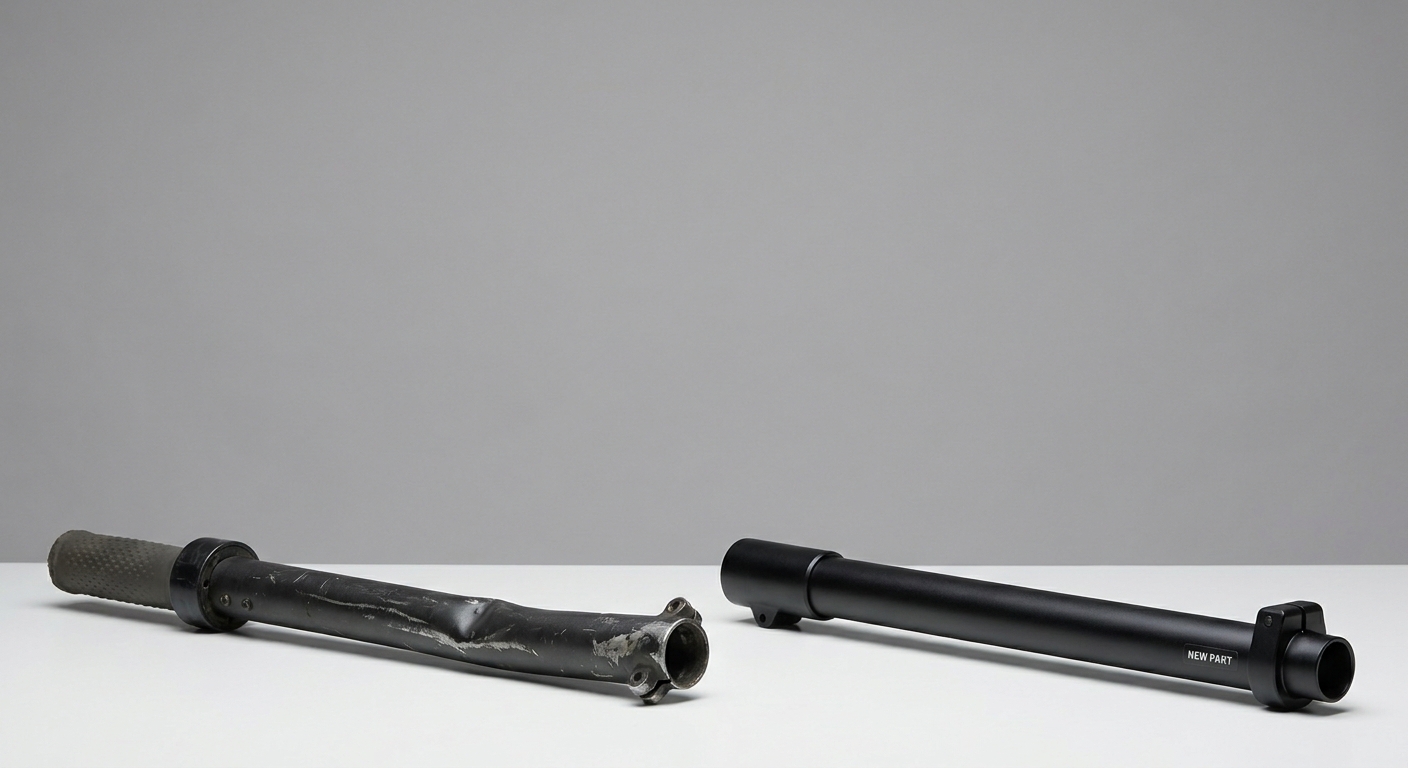
Loose or damaged handlebars and stems are serious safety hazards. Your control is vital. Loose bolts are common due to vibration. Regularly check and tighten bolts on the handlebar assembly, stem, and folding mechanism. But do not overtighten. If handlebars wobble, find the source and tighten. Inspect for cracks or bends, especially after an impact; replace damaged parts immediately. Worn grips affect control and comfort; they are easy to replace. Slide off old ones (cut if stuck), slide on new ones (rubbing alcohol helps). Check throttle and brake lever mountings. Keeping your Dynamic Scooter’s steering components sound is crucial for safety. This regular check prevents bigger issues.
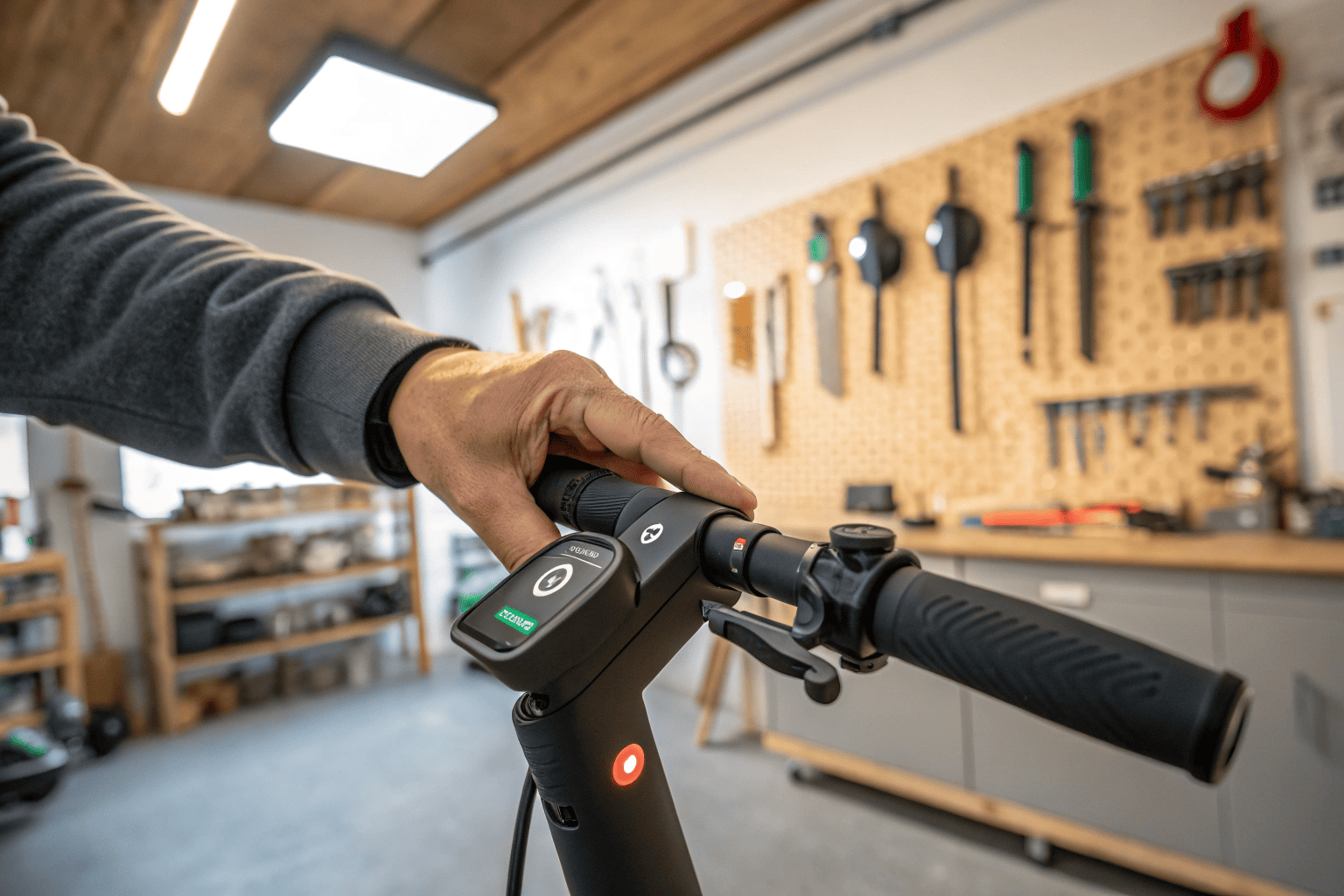
10. How Can I Fix Problems with My Electric Scooterʼs Lights, Horn, or Display?
Functional lights, horn, and display are important for safety. Do not overlook these. If lights fail, check the bulb/LED and wiring for breaks or loose connectors. A multimeter helps check power. If the horn fails, inspect wiring and the button. Display issues (no power, dim, incorrect info) also warrant checking connections to the controller. Water damage is a common cause. Sometimes, a battery disconnect/reconnect reset can fix minor display glitches. If a component is faulty and wiring is okay, replace it. Source compatible replacements for your Dynamic Scooter. These components are key for visibility and interaction.
| Component Problem | Possible Causes | Troubleshooting Steps |
|---|---|---|
| Lights Not Working | Burnt bulb/LED, loose/damaged wiring, switch fault | Check bulb/LED, inspect wiring/connections, test switch |
| Display Issues (No Power/Dim) | Loose connection, faulty display, controller issue | Check display connections, look for damage, check battery |
11. What Regular Maintenance Can Prevent Common Electric Scooter Issues and Costly Repairs?
Preventative maintenance keeps your e-scooter smooth and avoids costly repairs. An ounce of prevention is key. Create a routine checklist. Before rides, check tire pressure and brake function. Weekly, check for loose bolts (handlebars, stem, wheels) and tighten. Clean your scooter regularly; dirt and moisture cause corrosion. Battery care is vital. Avoid full depletion, do not overcharge (unplug when full, even with auto shut-off on Dynamic Scooter Model B chargers), and store/charge in temperate conditions. Lubricate moving parts as per manufacturer recommendations. Inspect tires and brake pads for wear and replace proactively. This diligence saves money and ensures reliability.

12. When Should I Avoid DIY Repairs and Seek Professional Electric Scooter Help?
While many Electric scooter issues are DIY-friendly, sometimes professional help is wiser. Know your limits. For complex electrical problems (BMS faults, intricate controller issues), consult an expert. These need specialized knowledge. If repairs require special tools you do not have (solid tire press, diagnostic software), a pro is better equipped. What about your comfort? If a repair is beyond your skill or might compromise safety, use a technician. Check your Dynamic Scooter’s warranty; DIY repairs on major parts could void it. If under warranty, use authorized service. Safety is paramount; if in doubt, seek professional help. This ensures repairs are correct and safe.
13. How Can I Find Reliable Electric Scooter Repair Services or Genuine Parts?
When repairs are beyond DIY or you need parts, find reliable services and genuine components. Quality matters. First, contact your scooter manufacturer or authorized dealer (e.g., Dynamic Scooter support). They offer accurate advice and genuine parts. If not available, search reputable local bike shops; many now service e-scooters. Look for good reviews and experience. Specialized Electric scooter repair shops are also emerging. Online forums and communities offer recommendations. For critical parts (battery, motor, controller, brakes), prioritize genuine or manufacturer-approved parts over cheaper third-party ones. Generic parts can compromise performance and safety. This ensures your scooter remains dependable.
14. What Are Some Quick Fixes for Minor Electric Scooter Annoyances and Noises?
Sometimes, issues are minor annoyances, not major breakdowns. These often have quick fixes. Squeaky brakes? Often dirt on rotors/pads. Clean with brake cleaner or make minor caliper alignment. Rattling sounds? Time to investigate. Listen and pinpoint the source (mudguard, light, cable). Tighten the part or secure cables with zip ties/padding. Sticky throttle or brake lever? Clean pivot points, lubricate, or adjust cable. Wobbly kickstand? Tighten mounting bolts. Addressing these promptly improves your ride and can prevent bigger problems for your Dynamic Scooter. Small fixes make a big difference in enjoyment.
15. How Do I Ensure My Electric Scooter Repairs Are Safe and Will Last?
After a DIY repair, ensure it is safe and durable. Do not skip final checks. Doubl Electric check all connections, screws, and bolts you touched. Ensure correct torque if specs are available (vital for wheel nuts, brake bolts). Perform a careful test ride in a safe, controlled area. Start slowly. Test the repaired component – brakes at low speeds, then gradually increase. Listen for unusual noises, check for wobbles. If you worked on electrics, ensure all functions (lights, display, throttle) are normal. Keep a log of repairs and maintenance for your Dynamic Scooter. This helps with future troubleshooting. These steps give confidence your scooter is safe and the fix will last.
In conclusion, while Electricscooter issues can be frustrating, many are manageable for owners. Knowledge is power. By understanding diagnostics, having tools, prioritizing safety, and knowing when to call a pro, you can keep your Dynamic Scooter running well. Regular maintenance is your best defense. What is the first check you will do? We hope this guide helps you tackle repairs confidently and enjoy the ride.

FAQ Section
Q1: What is the most common Electric scooter part that needs fixing?
Tires (punctures/wear) and brakes (pads/adjustment) are frequently cited as common parts needing repair on electric scooters due to constant use.
Q2: How often should I perform maintenance on my electric scooter to prevent issues?
Pre-ride checks (tires, brakes) are recommended. Thorough maintenance (bolt tightness, cleaning) weekly/bi-weekly; in-depth servicing monthly or per manufacturer (e.g., Dynamic Scooter) guidelines.
Q3: Can I use generic parts to fix my Dynamic Scooter Model B, or should I stick to genuine parts?
For critical parts (battery, controller, motor, brakes) for your Dynamic Scooter Model B, genuine or manufacturer-approved parts are highly recommended for safety, performance, and warranty.
Q4: Is it difficult to replace an e-scooter battery myself if it fails?
For e-scooters with accessible batteries like some Dynamic Scooter Model B versions, replacement can be straightforward. Integrated batteries are more complex, possibly needing professional help.
Q5: What does an IP54 waterproof level mean when I am considering repairs that involve opening up my scooter?
IP54 (as on Dynamic Scooter Model B) means protection against dust and water splashes. When opening for repairs, carefully maintain seals on reassembly, or water resistance could be compromised.






2 thoughts on “How to Fix Your Electric Scooter: Step-by-Step Guide for Beginners”
getting code E16 on my I scooter. can i reset it
Hey! Error E16 varies by model, but it’s usually a sensor/control issue. Try these quick checks:
Power reset: Turn off, remove power for 2–3 min, then restart.
Brake/throttle stuck? Make sure the brake lever isn’t slightly engaged and the throttle snaps back freely.
Cables: Inspect and reseat motor/throttle/brake-cutoff connectors (no bent pins, firm click).
Hard reset: On many i-scooters, hold the power button 10–15s (some require power + brake 5–10s).
If E16 stays, it likely needs a controller/throttle replacement—check your model’s manual or contact the brand’s support.