
You’re planning a trip and want to bring your electric scooter along. But train policies seem confusing and contradictory. Without clear guidance, you risk being denied boarding or facing unexpected fees that could ruin your travel plans.
Most major train operators allow electric scooters with specific restrictions. Scooters must typically fold, weigh under 50-70 pounds, and have batteries under 100Wh. Each carrier has different policies, so checking requirements before travel prevents boarding issues and additional costs.
But there’s more you need to know before packing…
1. What Are the General Rules for Bringing Electric Scooters on Trains?
Train operators follow federal transportation guidelines when setting electric scooter policies. The Department of Transportation classifies electric scooters as personal mobility devices, subject to specific safety and size regulations.
Here’s why it matters: These federal rules create the foundation for individual company policies. Most carriers require scooters to fold completely and fit within standard luggage dimensions. Weight limits typically range from 50 to 70 pounds.
Battery capacity represents the most critical restriction. Lithium-ion batteries over 100 watt-hours often require special handling or complete prohibition. Smaller batteries under this threshold usually travel without additional requirements.
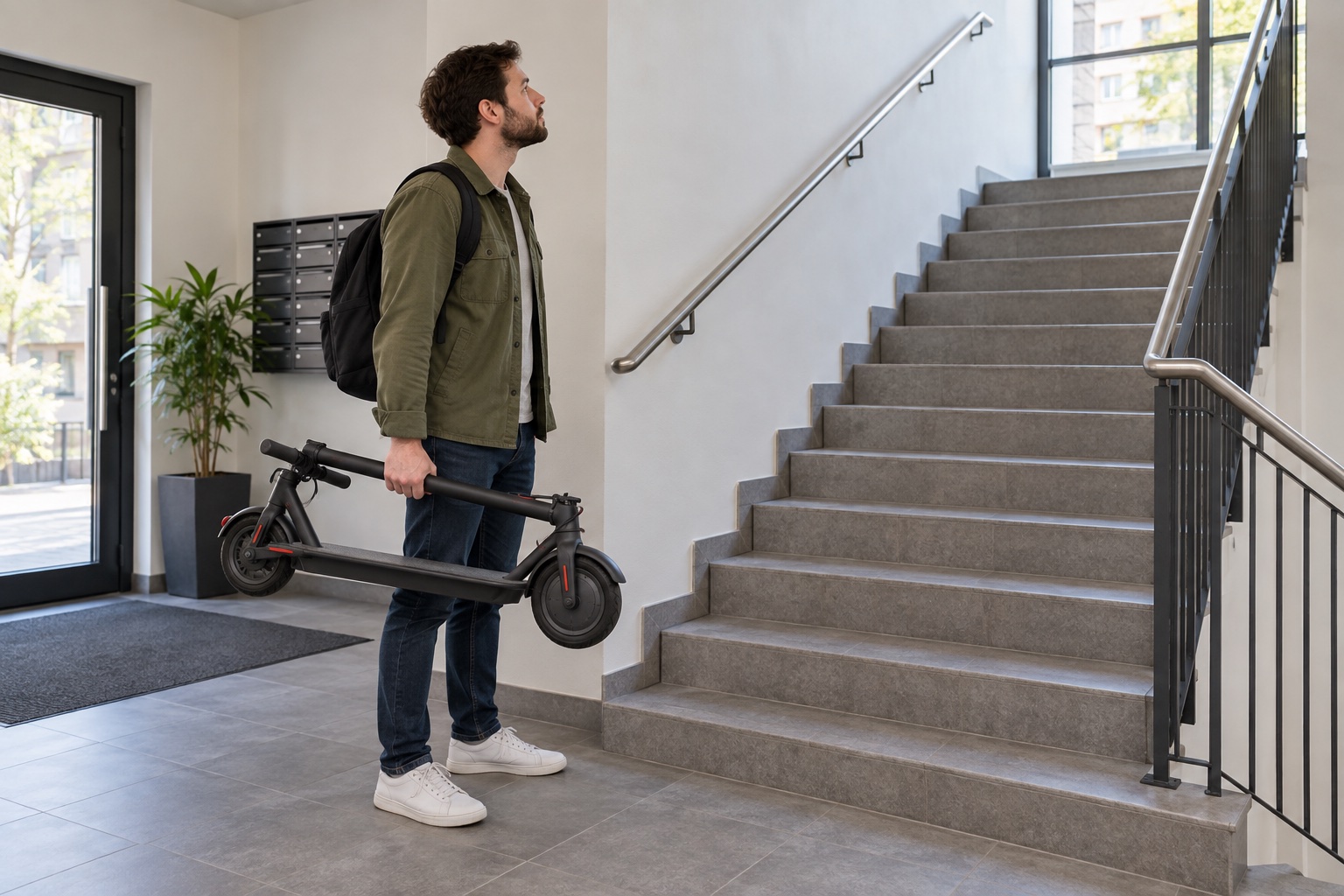
Size restrictions focus on folded dimensions rather than operational size. Your scooter must collapse to fit designated storage areas. Most trains use airline-style overhead bins or under-seat spaces for scooter storage.
| Restriction Type | Typical Limit | Enforcement Level | Consequences |
| Weight | 50-70 lbs | Strict | Boarding denial |
| Battery capacity | 100Wh max | Very strict | Confiscation possible |
| Folded size | 28″x22″x14″ | Moderate | Storage issues |
| Documentation | Proof of specs | Variable | Delays possible |
Railway companies reserve the right to refuse oversized or non-compliant scooters. Staff training varies between operators, leading to inconsistent enforcement. Some conductors may be more lenient while others strictly follow written policies.
Safety protocols require scooters to remain folded and secured during travel. You cannot unfold or ride your scooter inside train cars. These rules protect passengers and prevent accidents in confined spaces.
2. Which Train Systems Allow Electric Scooters?
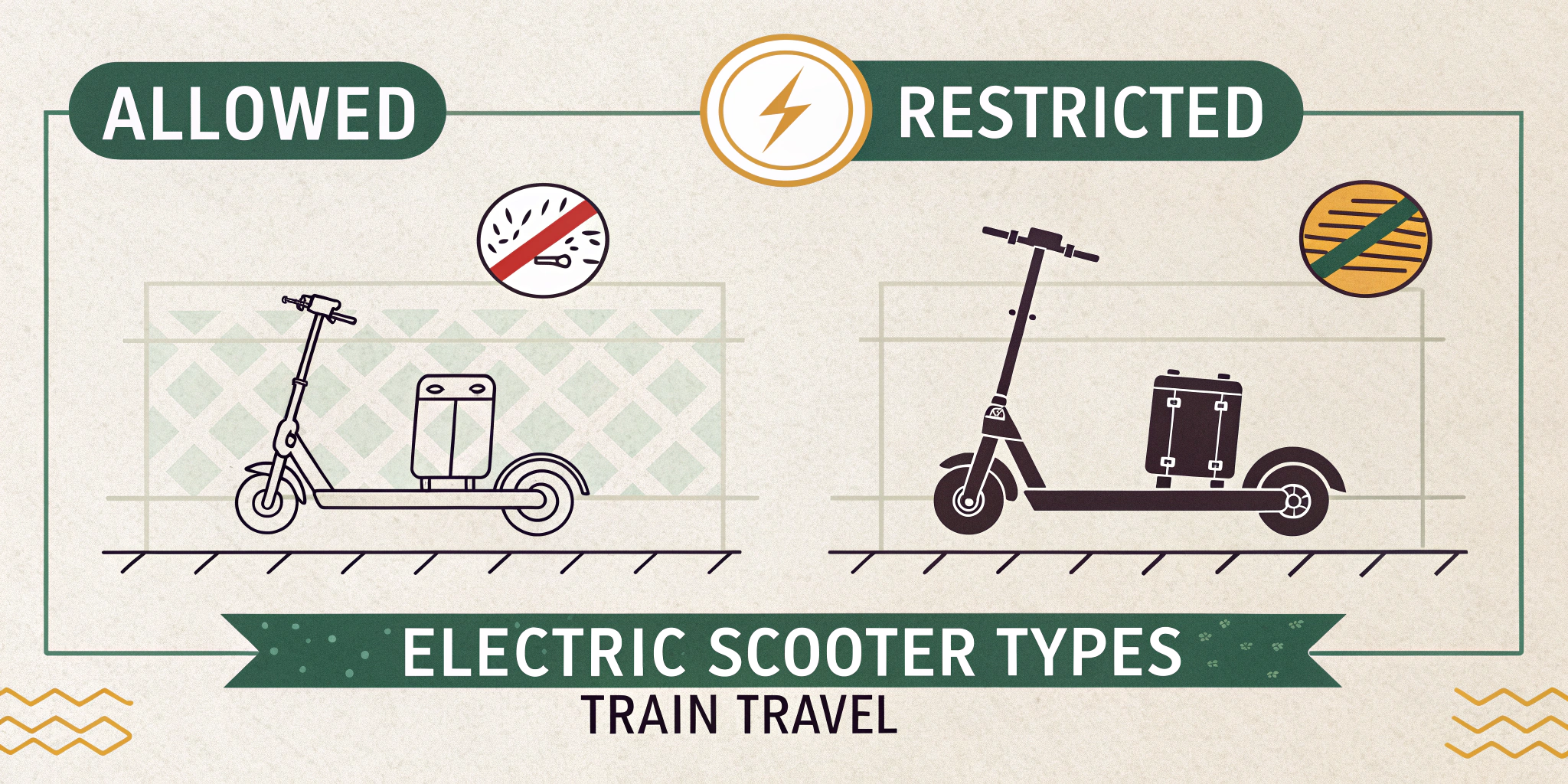
Amtrak leads major carriers in electric scooter accommodation. Their policy allows folding electric scooters as carry-on baggage when they meet size and weight requirements. Scooters must fold to 28″ x 22″ x 14″ and weigh less than 50 pounds.
The best part? Amtrak doesn’t charge extra fees for compliant electric scooters. They treat them as standard carry-on items, making train travel cost-effective for scooter owners.
Regional rail services vary significantly in their policies. Commuter lines like Metro-North and LIRR generally allow folding scooters during off-peak hours. Peak hour restrictions help manage crowded conditions.
Metro and subway systems often have stricter rules than long-distance trains. New York’s MTA allows folding scooters but prohibits riding them on platforms or in stations. Washington Metro has similar policies with designated car areas for scooter storage.
| Train System | Scooter Policy | Size Limit | Weight Limit | Extra Fees |
| Amtrak | Allowed as carry-on | 28″x22″x14″ | 50 lbs | None |
| Metro-North | Off-peak only | Standard luggage | 50 lbs | None |
| LIRR | Folded only | 28″x22″x14″ | 50 lbs | None |
| Washington Metro | Designated areas | Folded size | 50 lbs | None |
| NYC Subway | Folded, no riding | Must fold | No limit | None |
International train travel presents additional complications. European rail systems often allow scooters but require advance booking. High-speed trains like TGV and ICE have specific storage compartments for mobility devices.
Canadian VIA Rail follows similar policies to Amtrak but with stricter battery regulations. They require battery specifications documentation and may inspect scooters before boarding.
Private rail operators often have more restrictive policies than government-run services. Tourist trains and scenic railways frequently prohibit electric scooters due to limited storage space and older car designs.

3. How Should You Prepare Your Electric Scooter for Train Travel?
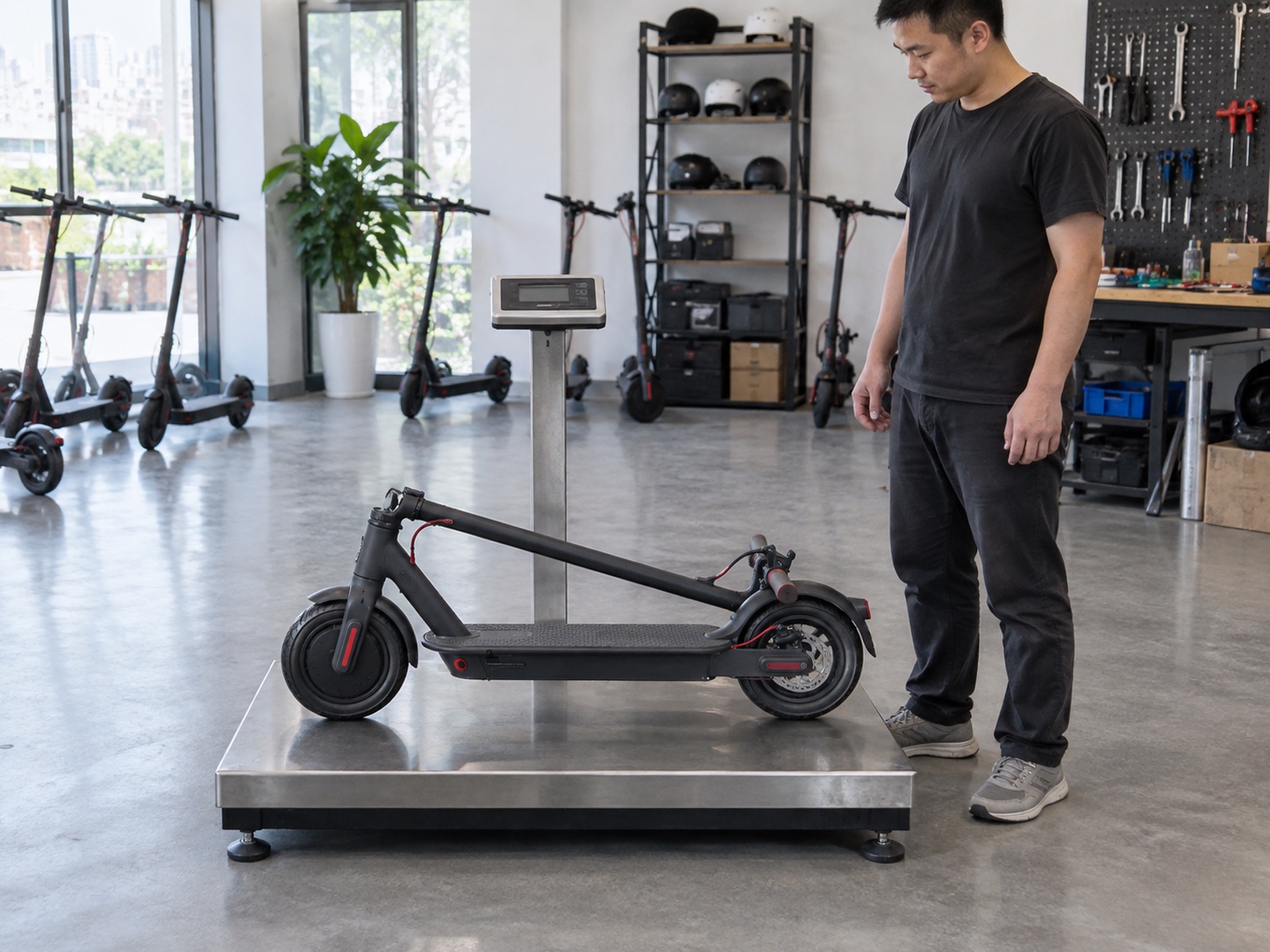
Proper preparation starts with checking your scooter’s specifications against train requirements. Measure folded dimensions carefully and weigh your scooter with all accessories. Battery capacity information usually appears on the battery itself or in your owner’s manual.
But here’s the thing: Documentation proves more valuable than verbal explanations. Print your scooter’s specification sheet and battery certification. Train staff often request this information during boarding or security checks.
Folding procedures should be practiced before travel day. Some scooters require specific folding sequences or tool use. Fumbling with unfamiliar mechanisms delays boarding and frustrates other passengers.
Battery safety preparations include checking for damage or swelling. Damaged batteries pose fire risks and will be rejected by train staff. Clean battery terminals and secure all connections before folding your scooter.
| Preparation Step | Time Required | Tools Needed | Importance Level |
| Measure dimensions | 5 minutes | Tape measure | Critical |
| Check battery specs | 10 minutes | Owner’s manual | Critical |
| Practice folding | 15 minutes | None usually | High |
| Print documentation | 5 minutes | Printer | High |
| Clean and inspect | 20 minutes | Cleaning supplies | Moderate |
Protective covering helps prevent damage and keeps other passengers comfortable. A simple bag or cover protects upholstery from dirt and grease. Some carriers require covers for scooters stored in passenger areas.
Remove loose accessories before folding. Phone holders, bags, and lights can fall off during transport or storage. Pack these items separately in your regular luggage to prevent loss.
Charge your scooter before travel but avoid overcharging. A fully charged battery provides backup power if needed, but overcharged batteries may trigger safety concerns with train staff.
4. What Are the Size and Weight Limits for Train Travel?
Standard luggage dimensions of 28″ x 22″ x 14″ apply to most train operators for electric scooters. These measurements must be taken when the scooter is fully folded with all parts secured. Handlebars, pedals, and other protruding elements must fold completely within these limits.
Now, you might be wondering: why these specific dimensions? Train storage areas are designed around airline carry-on standards. Overhead bins and under-seat spaces use these measurements as maximum capacity guidelines.
Weight restrictions typically range from 50 to 70 pounds depending on the carrier. Amtrak uses a 50-pound limit while some regional services allow up to 70 pounds. These limits include the scooter, battery, and any attached accessories.
Folded measurements differ significantly from operational dimensions. A scooter that’s 40 inches long when unfolded might compress to 28 inches when properly folded. Height reductions are often the most dramatic, with handlebars folding down to deck level.
| Measurement | Unfolded Range | Folded Requirement | Reduction Needed |
| Length | 35-45 inches | 28 inches max | 20-40% |
| Width | 15-20 inches | 22 inches max | Usually compliant |
| Height | 40-50 inches | 14 inches max | 65-75% |
| Weight | 25-60 pounds | 50-70 pounds max | Varies by model |
Comparison with standard luggage helps put these limits in perspective. A large suitcase typically measures 28″ x 20″ x 12″ and weighs 50-70 pounds when packed. Electric scooters must fit similar constraints while maintaining their mechanical integrity.
Some carriers measure differently than others. While most use external dimensions, a few measure internal storage space requirements. This difference can affect whether your scooter qualifies for train travel.
Exceeding size limits usually results in boarding denial or forced freight shipping. Freight costs often exceed passenger ticket prices and involve significant delays. Planning ahead prevents these expensive complications.
5. Where Can You Store Electric Scooters on Trains?
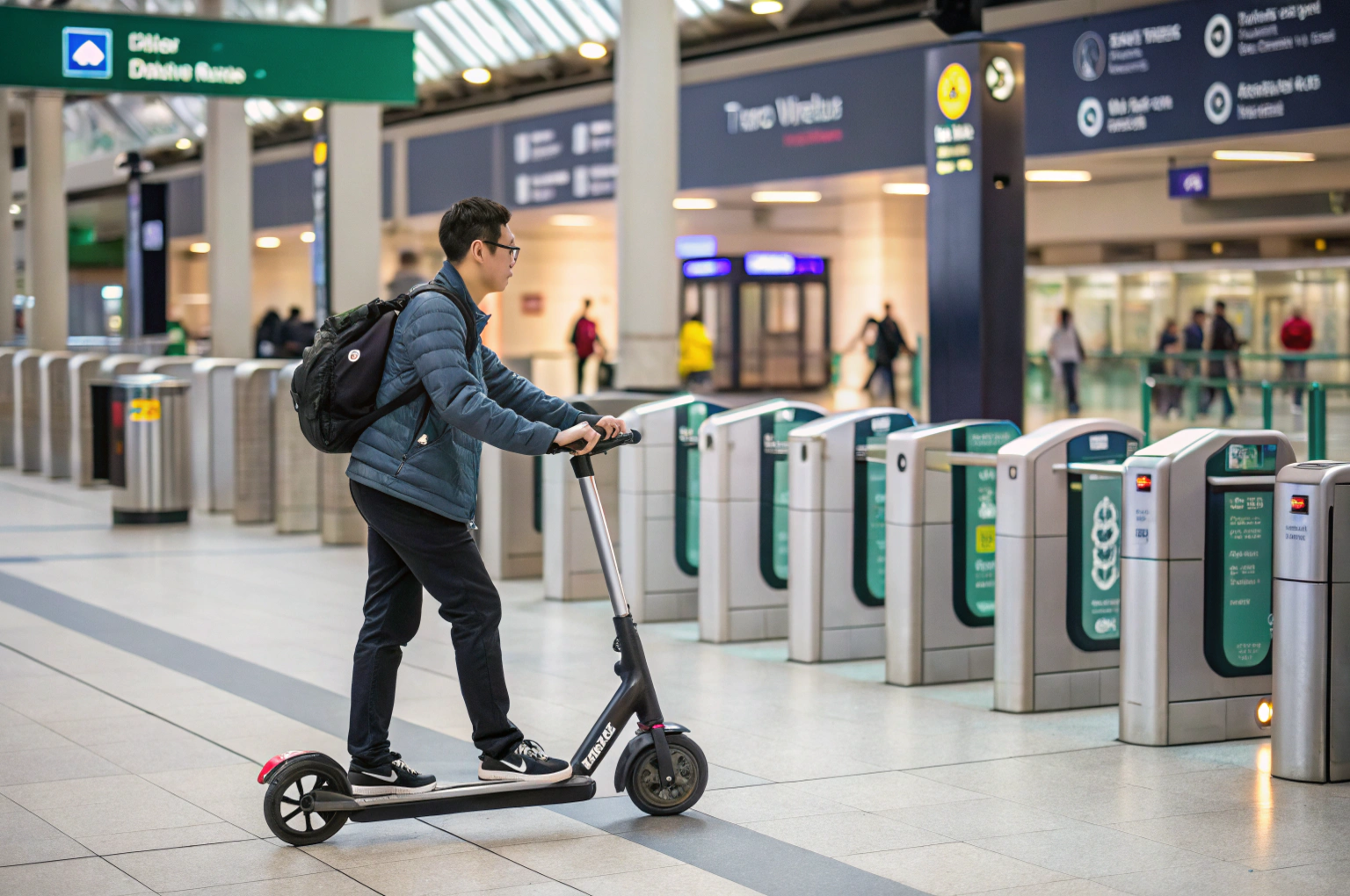
Designated storage areas vary by train type and operator. Long-distance trains often have dedicated spaces for oversized luggage and mobility devices. These areas typically locate near car entrances for easy access during boarding.
Let me explain: Storage location affects your travel experience significantly. Overhead compartments keep scooters close but may be difficult to access. Floor storage provides easier access but takes up passenger space.
Overhead compartment options work best for lighter scooters under 35 pounds. Lifting heavier scooters into overhead bins poses safety risks and may damage the scooter or train interior. Most passengers cannot safely lift 50-pound scooters above their heads.
Under-seat placement works for ultra-compact scooters that fold extremely small. This option keeps your scooter secure and accessible but limits which models qualify. Only the smallest, lightest scooters fit under standard train seats.
| Storage Location | Weight Limit | Access Level | Security Level | Space Availability |
| Overhead bins | 35 lbs max | Moderate | High | Limited |
| Under seat | 25 lbs max | Easy | Moderate | Very limited |
| Designated areas | 70 lbs max | Easy | Variable | Good |
| Vestibule space | 50 lbs max | Easy | Low | Moderate |
| Baggage car | No limit | None | High | Excellent |
Special accommodation requests can secure better storage options. Passengers with disabilities may access priority storage areas. Contact the train operator before travel to arrange special accommodations.
Vestibule areas near car entrances often accommodate scooters informally. While not official storage, conductors may allow scooters in these spaces during less crowded trips. This option depends on train capacity and staff discretion.
Baggage cars provide the most space but eliminate access during travel. Long-distance trains with baggage service can store larger scooters safely. You cannot access your scooter until arrival, so bring necessary items separately.
6. What Safety Precautions Must You Follow?
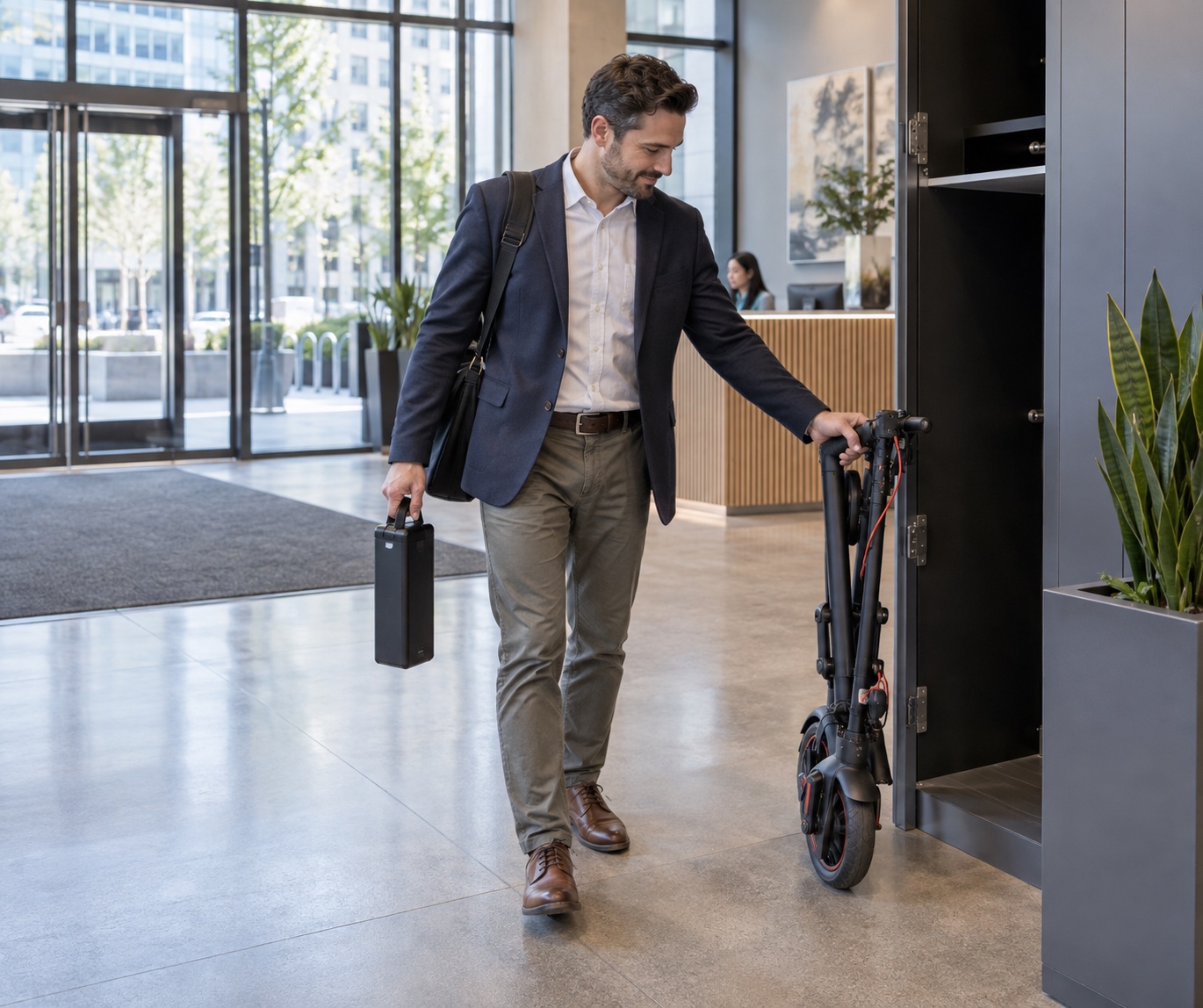
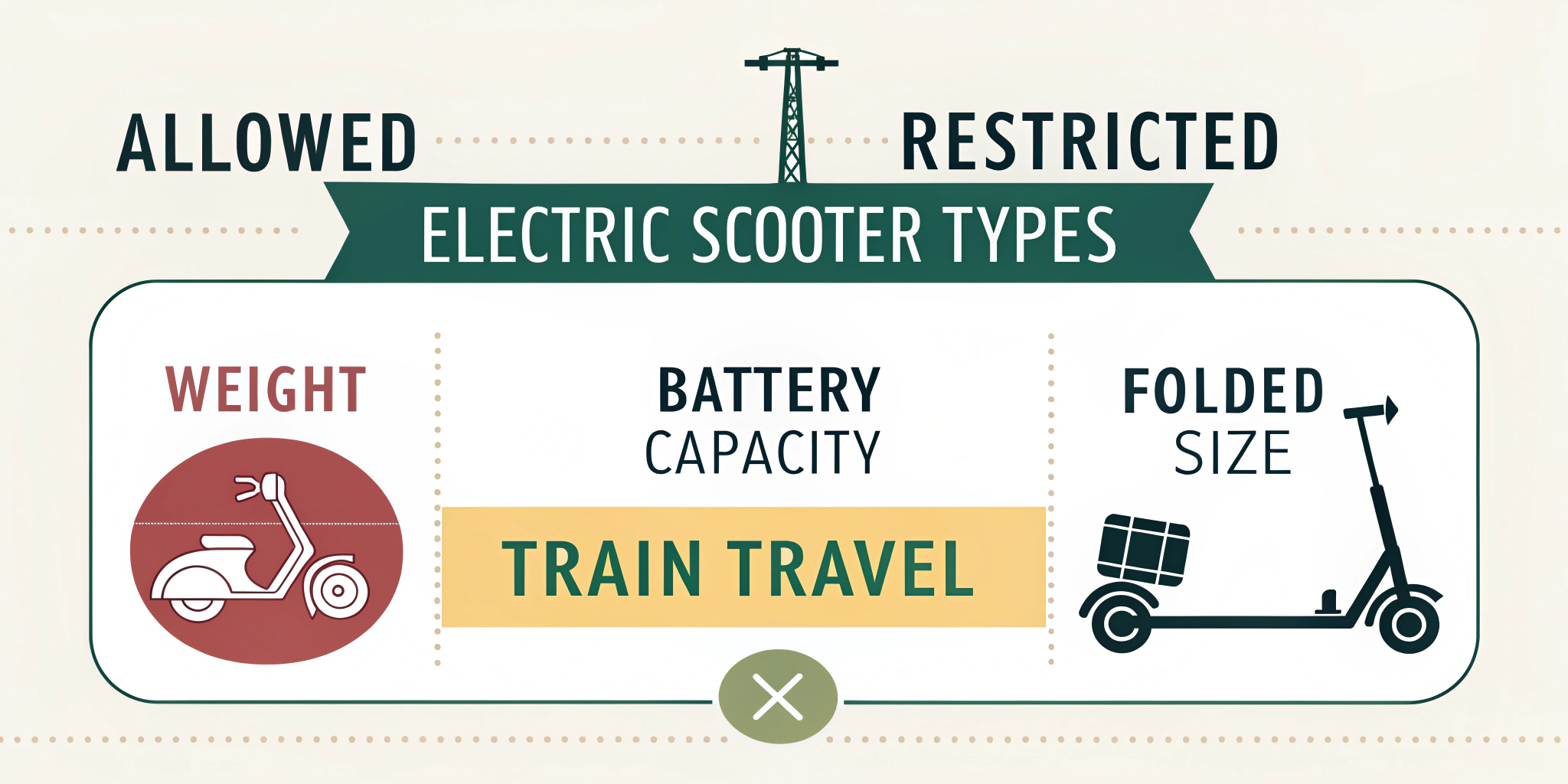
Battery handling requirements focus on preventing fires and chemical leaks. Lithium-ion batteries must remain attached to scooters unless specifically required for removal. Loose batteries pose greater safety risks than secured ones.
This is important because: Battery incidents on trains can force evacuations and emergency stops. Train operators take battery safety extremely seriously, often erring on the side of excessive caution.
Fire safety protocols require immediate reporting of any battery damage or unusual odors. Swollen, cracked, or leaking batteries must not board trains under any circumstances. These conditions indicate potential thermal runaway and fire risk.
Emergency procedures include knowing how to quickly access and remove your scooter if needed. Train staff may require immediate scooter removal during emergencies. Practice folding and unfolding procedures until they become automatic.
| Safety Concern | Prevention Method | Response Required | Consequences |
| Battery fire | Proper handling | Immediate evacuation | Train delay/cancellation |
| Chemical leak | Damage inspection | Professional cleanup | Hazmat response |
| Mechanical failure | Regular maintenance | Repair or removal | Boarding denial |
| Storage blocking | Proper placement | Immediate relocation | Safety violation |
Passenger safety considerations include keeping aisles and exits clear. Improperly stored scooters can block emergency exits or create tripping hazards. Train staff will relocate or remove scooters that pose safety risks.
Charging during travel is typically prohibited on most train systems. The fire risk from charging lithium batteries in confined spaces outweighs passenger convenience. Plan to charge your scooter before boarding and after arrival.
Personal protective equipment isn’t required for scooter transport, but gloves help when handling dirty or greasy components. Keep cleaning supplies handy to address spills or mechanical issues during travel.
7. How Much Does It Cost to Bring Electric Scooters on Trains?
Additional fees vary significantly between carriers and scooter compliance levels. Compliant scooters that meet size and weight requirements typically travel free as carry-on baggage. Non-compliant scooters face oversized baggage charges or freight shipping costs.
Here’s the deal: Understanding fee structures before booking prevents surprise charges at the station. Some carriers charge fees regardless of compliance, while others only charge for oversized items.
Oversized baggage charges apply when scooters exceed standard dimensions but remain within special baggage limits. These fees typically range from 25to25 to 25to75 per trip depending on the carrier and route distance.
Special handling costs occur when scooters require baggage car storage or professional loading assistance. These services often cost 50to50 to 50to150 per trip and may require advance booking.
| Fee Type | Typical Cost | When Applied | Advance Notice | Refund Policy |
| Carry-on compliant | Free | Meets all limits | None needed | N/A |
| Oversized baggage | $25-75 | Exceeds dimensions | Recommended | Usually none |
| Special handling | $50-150 | Requires assistance | Required | Variable |
| Freight shipping | $100-300 | Major violations | Required | Rare |
| Storage reservation | $10-25 | Peak travel | Recommended | Usually available |
Booking and reservation requirements help secure space and avoid fees. Some carriers require advance notification for scooter transport, especially during peak travel periods. Holiday and summer travel often require reservations weeks in advance.
Freight shipping becomes necessary for scooters that cannot travel as passenger baggage. This option costs significantly more than passenger fees but accommodates any size or weight scooter. Shipping times often exceed passenger travel times by several days.
Group discounts may apply when traveling with multiple scooters. Some carriers offer reduced rates for organized groups or tour packages. Contact customer service directly to inquire about group pricing options.
Conclusion
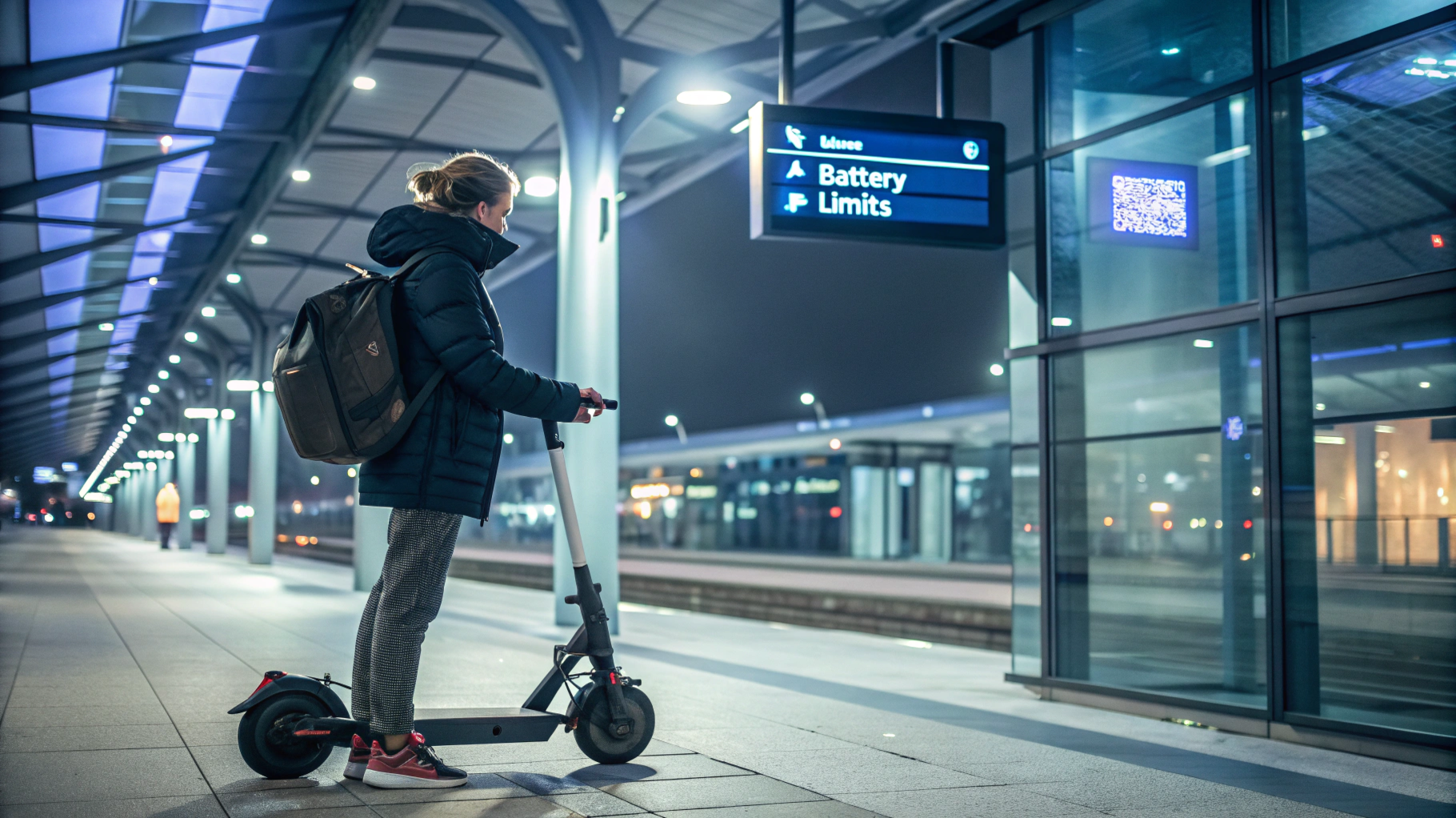
Train travel with electric scooters requires careful planning and policy research, but most major carriers accommodate compliant models. Understanding size limits, battery restrictions, and storage options helps you avoid boarding issues and unexpected fees. Proper preparation and documentation make the process smooth and stress-free.
The bottom line? Following carrier-specific guidelines transforms your scooter from potential travel headache into convenient last-mile transportation at your destination.
Dynamic Scooter designs lightweight, foldable models specifically for multi-modal transportation including train travel. Our scooters meet major carrier requirements while delivering the performance you need for urban mobility.
Ready to travel anywhere with confidence? Browse Dynamic Scooter’s train-friendly models that fold compact, weigh under 50 pounds, and feature compliant battery systems for hassle-free rail travel.
FAQ
Q1: Can I bring my electric scooter on any train?
No, policies vary significantly between train operators. Most major carriers like Amtrak allow folding electric scooters under specific size and weight limits, but you must check individual company policies before traveling.
Q2: Do I need to remove the battery from my electric scooter?
Battery removal requirements depend on the train operator and battery type. Lithium batteries under 100Wh typically stay attached, while larger batteries may need removal or special handling procedures.
Q3: Are there size restrictions for electric scooters on trains?
Yes, most train services require scooters to fold and fit within standard luggage dimensions (typically 28″ x 22″ x 14″). Weight limits usually range from 50-70 pounds depending on the carrier.
Q4: Can I ride my electric scooter inside the train?
No, riding electric scooters inside trains is prohibited for safety reasons. Scooters must be folded, secured, and stored in designated areas throughout the journey.
Q5: What happens if my electric scooter doesn’t meet train requirements?
If your scooter exceeds size, weight, or battery limits, you may be denied boarding or required to ship it separately as freight, which involves additional costs and delays.