
Electric scooters are masters of the urban landscape, gliding effortlessly over pavement. But what happens when the sidewalk ends? You see a beautiful, open park or a grassy shortcut and the temptation is real. This impulse can lead to a jarring, unstable ride, or even a sudden, painful fall. The smooth, small wheels that are perfect for asphalt can instantly become a liability on soft, uneven turf, digging in and bringing you to an abrupt halt. This can leave you frustrated and with a potentially damaged scooter.
While it is technically possible for some electric scooters to go on grass, most standard commuter models are not designed for it and will perform poorly and unsafely. Only specialized off-road scooters with the right tires, suspension, and power can handle grassy terrain effectively.
So, what separates a scooter that can conquer a lawn from one that will be conquered by it? Here’s the deal… it all comes down to design. This article will break down exactly what features make a scooter grass-friendly, the risks involved, and how to do it safely if you have the right machine.
1. Why do most standard electric scooters struggle on grass?
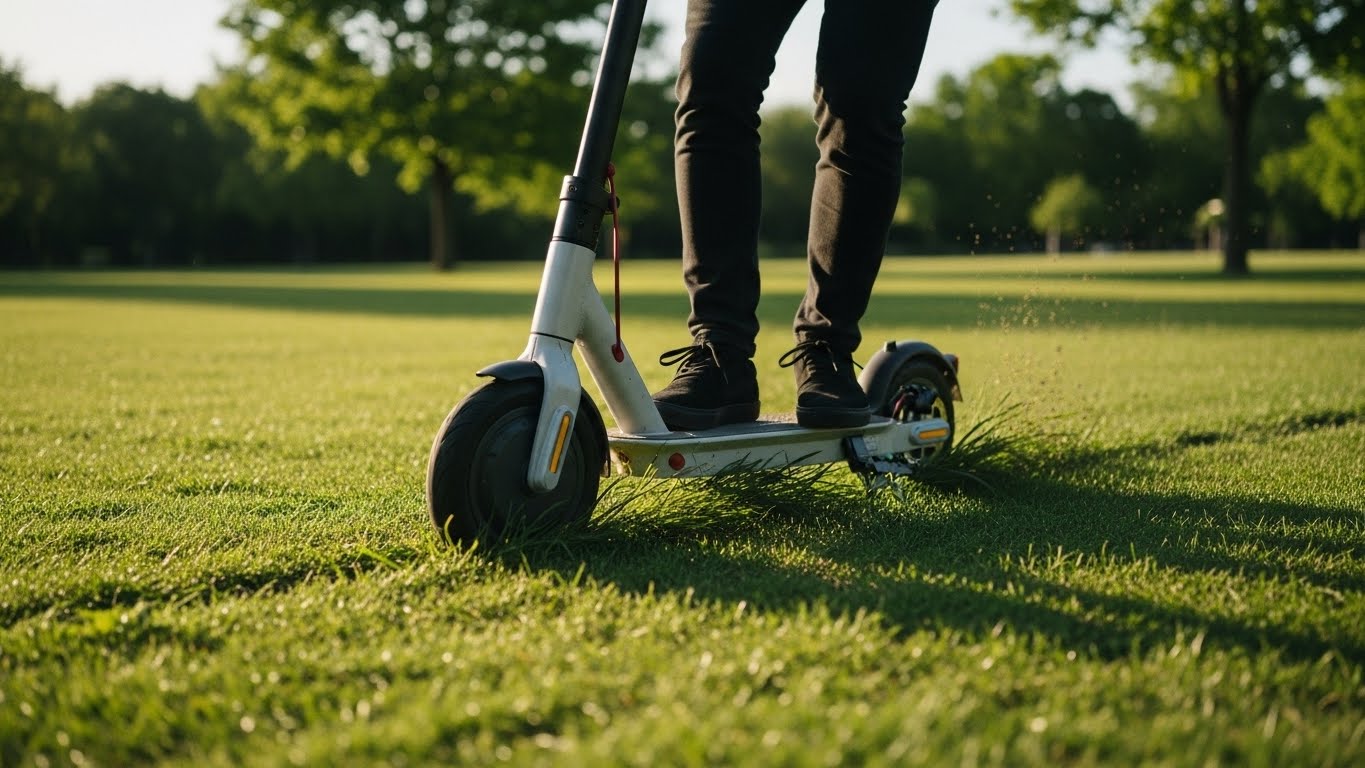
Most electric scooters are built for smooth, paved surfaces. Their design prioritizes efficiency and portability, which means they are not equipped for off-road terrain like grass. The primary culprit is the tires. Standard commuter scooters typically have small, solid (airless) tires. These are great for preventing flats on city streets, but they are terrible on soft ground. They have a small contact patch and no tread, so they can’t get a good grip on the grass.
Another major issue is the lack of suspension. You need to know this… suspension isn’t just for comfort; it’s for safety and control. It allows the wheels to absorb bumps and keep the tires in constant contact with the ground. Without suspension, every little bump in the lawn is transferred directly to the frame and to you, creating a jarring, unstable ride that can easily cause a loss of control.
Finally, the motor power on a typical commuter scooter is just not up to the task. Riding on grass creates significantly more friction than riding on pavement. A standard 250W or 350W motor, which feels zippy on the sidewalk, will strain and struggle on a soft lawn. It may overheat or simply not have enough torque to keep you moving.
| Feature | Standard Commuter Scooter | Why It Fails on Grass |
| Tires | Small (8.5-inch), solid, no tread | Cannot grip soft surfaces; sinks into the ground. |
| Suspension | None, or very basic | Every bump is felt, leading to instability and loss of control. |
| Motor Power | Low (250W-350W) | Lacks the torque to overcome the high resistance of grass. |
2. What makes a scooter “off-road” or grass-friendly?
If you want to venture off the pavement, you need a scooter that is specifically built for it. These are often called “off-road” or “all-terrain” scooters. The most obvious difference is the tires. Off-road scooters feature large, pneumatic (air-filled) tires, often 10 inches or more in diameter, with deep, aggressive tread patterns. This is important because… the larger size helps them roll over obstacles more easily, the air inside acts as natural suspension, and the tread provides the necessary grip on loose surfaces.
A robust suspension system is the next critical component. You won’t find a true off-road scooter without a serious dual-suspension system. This usually involves a combination of spring and hydraulic components on both the front and rear wheels. This system is designed to absorb major impacts from rocks, roots, and uneven ground, ensuring the ride is not only comfortable but also safe by keeping the tires planted on the turf for maximum traction.
Under the deck, off-road scooters pack a serious punch. They typically feature dual motors (one in each wheel) with a combined power output of 1000W, 2000W, or even more. This immense power provides the high torque needed to conquer steep hills and power through high-resistance surfaces like thick grass without bogging down.
| Feature | Off-Road Scooter | Why It Works on Grass |
| Tires | Large (10-inch+), pneumatic, knobby tread | Provides excellent grip, shock absorption, and ability to roll over obstacles. |
| Suspension | Dual (front and rear), often hydraulic | Absorbs large bumps, keeping the ride smooth and the tires on the ground. |
| Motor Power | High (1000W+), often dual motors | Delivers the high torque needed to power through soft, high-resistance terrain. |
3. What are the biggest safety risks of riding on grass?
Riding on grass, even with an off-road scooter, introduces a new set of safety risks. The most significant danger is the potential for a sudden loss of traction. Grass can be slippery, especially if it’s damp from morning dew or recent rain. A sharp turn or a sudden acceleration can cause the wheels to slip out from under you, leading to a fall.
The bottom line? Grass is excellent at hiding things. A perfectly manicured lawn can conceal hidden dangers like rocks, exposed tree roots, sprinkler heads, or holes. Hitting one of these obstacles at speed can cause the scooter to stop abruptly, throwing you forward over the handlebars. It’s crucial to scan the ground ahead of you far more carefully than you would on a predictable bike path.
Uneven ground is another major hazard. Lawns are rarely perfectly flat. They have subtle dips, mounds, and slopes that can be hard to see. Hitting an unexpected dip can unsettle the scooter and throw you off balance. This is especially true for standard commuter scooters that lack the suspension to absorb these imperfections. Always start slow and be prepared for the ground to be less predictable than it looks.
| Risk | Why It’s Dangerous on Grass | How to Mitigate It |
| Loss of Traction | Grass provides less grip than pavement, especially when wet. | Avoid sharp turns and sudden acceleration; use scooters with knobby tires. |
| Hidden Obstacles | Rocks, roots, and holes can be concealed by the grass. | Ride slowly and scan the ground ahead carefully for any irregularities. |
| Uneven Ground | Subtle dips and slopes can easily throw you off balance. | Use a scooter with good suspension and keep your knees bent to absorb shocks. |
4. How does riding on grass affect your scooter’s battery and range?
One of the most immediate effects of riding on grass is the dramatic impact it has on your scooter’s battery life and range. Pushing through the soft, high-friction surface of a lawn requires significantly more power from the motor compared to gliding over smooth asphalt. Think of it like trying to run on a sandy beach versus running on a sidewalk—it takes a lot more energy.
Let me explain… this increased energy demand means your motor is drawing more amps from the battery, draining it at a much faster rate. It’s not uncommon for a scooter’s range to be cut by 30%, 50%, or even more when riding exclusively on grass or other off-road terrains. A scooter that gets 25 miles on the street might only get 10-12 miles on a grassy field.
This is a critical factor to consider when planning your trips. If you know your route includes a significant grassy shortcut, you cannot rely on the manufacturer’s stated maximum range, which is almost always calculated under ideal conditions. You need to build in a substantial buffer to ensure you have enough power to complete your journey.
| Terrain Type | Frictional Resistance | Impact on Battery Range |
| Smooth Pavement | Low | Achieves maximum stated range. |
| Hard-Packed Dirt | Medium | Range reduced by approximately 20-30%. |
| Short, Dry Grass | High | Range reduced by approximately 40-60%. |
| Thick, Wet Grass or Mud | Very High | Range reduced by 60% or more; may be impassable. |
5. Can riding on wet grass damage my electric scooter?
Riding on wet grass is not only dangerous due to the severely reduced traction, but it also poses a significant threat to the health of your electric scooter. When you ride through wet grass, water and mud can be kicked up by the wheels and splashed onto the underside of the scooter’s deck. This is where the battery and other critical electronic components are housed. But here’s the thing… not all scooters are created equal when it comes to water resistance.
A scooter’s ability to resist water is indicated by its IP (Ingress Protection) rating. This two-digit number tells you how well it’s protected against solids (first digit) and liquids (second digit). A common rating for a commuter scooter might be IP54. The “4” means it’s protected against splashing water from any direction. This is enough to handle a light rain shower on pavement, but it may not be sufficient to protect against the continuous spray from wet grass.
If water gets inside the deck, it can cause short circuits, leading to immediate failure. Even if it doesn’t fail right away, the moisture can lead to long-term damage like rust on the frame and corrosion on the delicate connectors of the battery and controller. It’s always best to avoid riding on wet grass altogether.
| IP Rating (Liquid) | Level of Protection | Safe for Wet Grass? |
| IPX4 | Protected against splashing water. | Risky; may not be enough to prevent water ingress. |
| IPX5 | Protected against low-pressure water jets. | Generally safe for short periods on damp grass. |
| IPX6 / IPX7 | Protected against high-pressure jets / full immersion. | Very safe; designed for all-weather, all-terrain use. |
6. What type of tires are best for riding on mixed terrains, including grass?
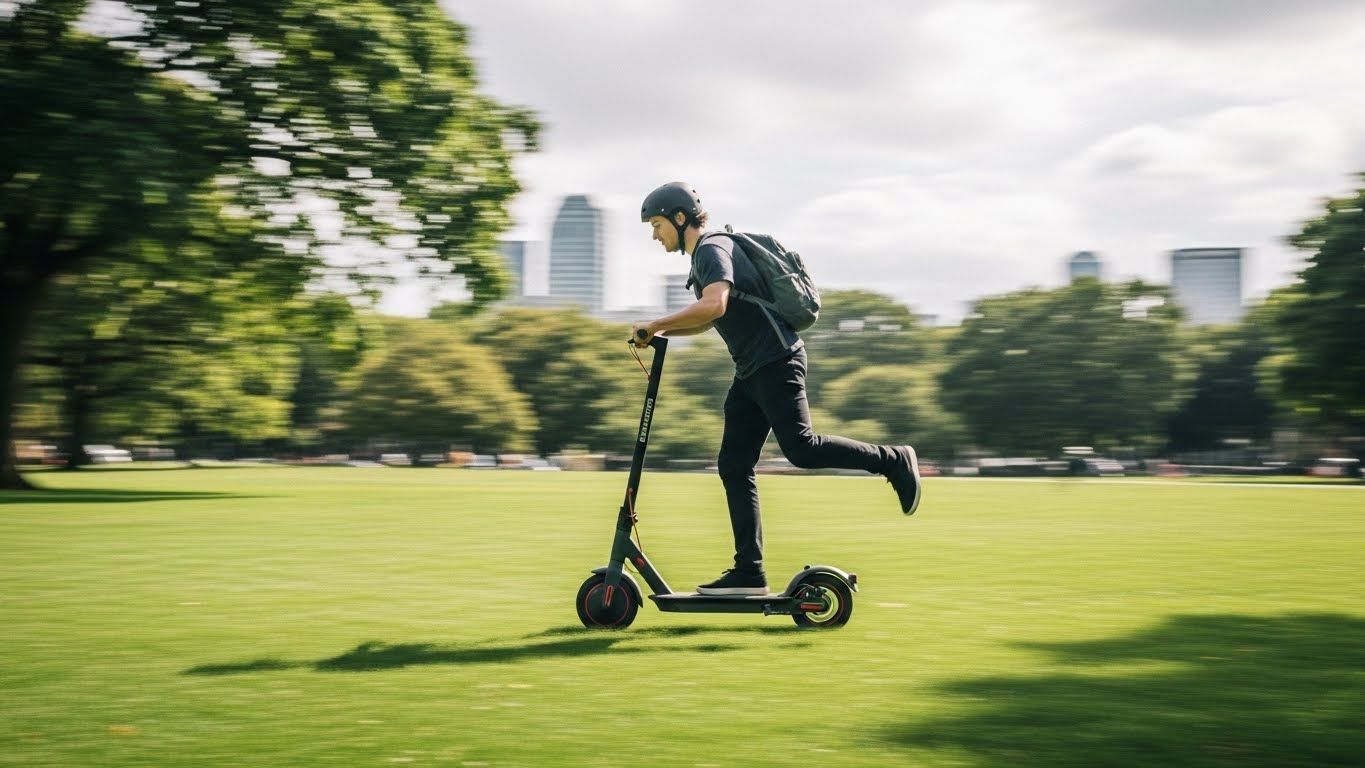
When it comes to riding on anything other than perfect pavement, tires are arguably the single most important component. The debate between pneumatic (air-filled) and solid (airless) tires is a crucial one. For mixed-terrain riding that includes grass, pneumatic tires are unquestionably superior. The air inside them acts as a natural cushion, absorbing small bumps and vibrations, which dramatically improves ride quality and stability on uneven surfaces.
Solid tires, while offering the benefit of being puncture-proof, are hard and unforgiving. They transfer every single vibration to the scooter and the rider, making for a harsh and unstable experience on grass. The takeaway is this… the slight risk of a flat tire with pneumatic tires is a small price to pay for the immense improvement in safety and performance on varied terrains.
Beyond being air-filled, the size and tread of the tire matter immensely. A larger diameter tire (10 inches or more) can roll over obstacles more easily than a smaller 8.5-inch tire. A wider tire provides a larger contact patch with the ground, improving stability. Finally, a deep, knobby tread pattern is essential for digging into the soft surface of the grass and providing the grip you need.
| Tire Characteristic | Importance for Grass Riding | Recommendation |
| Type | Pneumatic (air-filled) tires are essential for shock absorption and grip. | Avoid solid tires for any kind of off-road use. |
| Size (Diameter) | Larger tires (10″+) roll over obstacles more easily. | Choose the largest diameter tire your scooter frame can accommodate. |
| Tread Pattern | Deep, knobby treads are needed to grip the soft surface of the grass. | Look for tires marketed as “off-road” or “all-terrain.” |
7. Does a scooter’s suspension system really matter for grass riding?
Yes, a good suspension system is absolutely critical for riding safely and comfortably on grass. While pneumatic tires provide some cushioning, they are no substitute for a dedicated mechanical suspension system. Suspension works by allowing the wheels to absorb impacts, which accomplishes two vital things: it smooths out the ride for you, and more importantly, it helps keep the tires in constant contact with the ground.
Want to know the secret? When a scooter with no suspension hits a bump, the entire scooter, including the tire, is launched into the air for a split second. During that moment, you have zero traction and zero control. A good suspension system absorbs that impact, keeping the tire pressed firmly against the turf. This continuous contact is essential for maintaining grip, especially when turning or braking on a slippery surface like grass.
There are several types of suspension, from simple spring systems to more advanced hydraulic and rubber systems. Off-road scooters typically use a combination of these in a dual-suspension setup (front and rear). This provides the maximum amount of shock absorption, turning a ride that would be dangerously jarring on a rigid scooter into a smooth and controllable experience.
| Suspension Type | How It Works | Best For |
| No Suspension | The frame is rigid; all shocks are transferred to the rider. | Smooth pavement only. Completely unsuitable for grass. |
| Spring Suspension | A simple coil spring compresses to absorb bumps. | Light off-road use; better than nothing but can be bouncy. |
| Hydraulic/Rubber Suspension | Uses hydraulic pistons or rubber elastomers for smoother, more controlled damping. | Serious off-road and grass riding; provides the best performance. |
8. How can I safely test if my scooter can handle a grassy area?
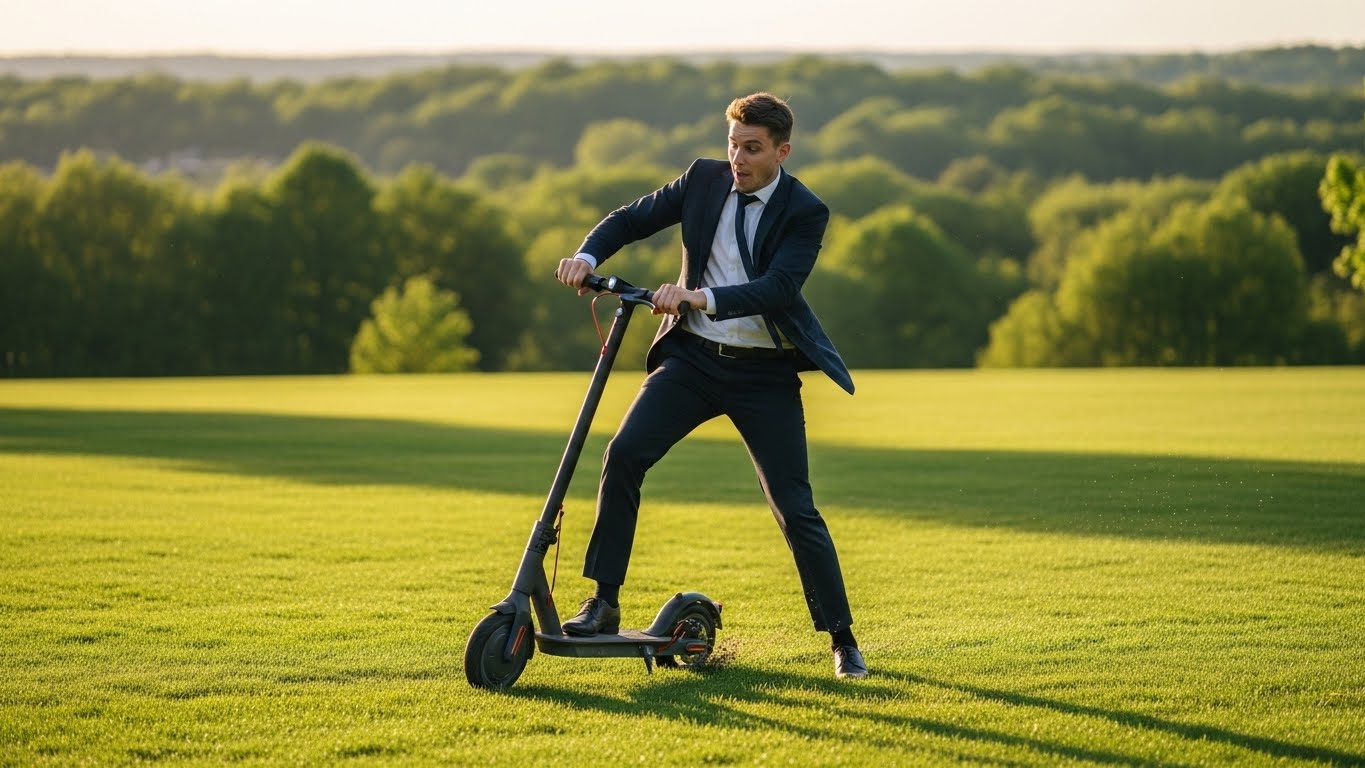
If you’re unsure about your scooter’s capabilities, it’s wise to perform a safe and controlled test. First, find a suitable test area. Look for a patch of grass that is flat, short, dry, and free of any obvious obstacles. A familiar local park on a sunny afternoon is a good choice. Make sure you are wearing your helmet.
Start by riding very slowly in a straight line. Pay close attention to how the scooter feels and sounds. Is the motor making a straining noise? That’s a sign it’s working too hard. Do the wheels feel like they are slipping? That indicates a lack of traction. Does the ride feel excessively bumpy and unstable? That points to a lack of adequate suspension.
After testing in a straight line, try making some very gentle, wide turns. If at any point the scooter feels unstable or like it’s about to lose grip, it’s a clear sign that it is not suited for grass. The goal of this test is not to push the limits, but to find them in a safe, low-speed environment. If it doesn’t feel right, it’s best to stick to the pavement.
| Test Step | What to Do | What to Look For |
| 1. Choose a Safe Area | Find a flat, dry, open patch of grass with no visible obstacles. | Avoid wet, long, or bumpy grass for your first test. |
| 2. Ride Slowly in a Straight Line | Start at a walking pace and gradually increase speed. | Listen for motor strain and feel for wheel slippage or excessive vibration. |
| 3. Attempt Gentle Turns | Make wide, slow turns to test for lateral (sideways) grip. | If the wheels start to slide, your tires are not suitable for grass. |
9. Are there laws or rules about riding scooters in parks or on public lawns?
Just because your scooter can handle grass doesn’t always mean it’s allowed to. Before you go riding through a public park, it’s essential to be aware of the local rules. Many municipalities and private property owners have specific bylaws that prohibit the use of any motorized vehicles on grassy areas to prevent damage to the turf and to ensure the safety of pedestrians.
You need to look for this… signs at the entrance to parks that often list the rules. Phrases like “No Motorized Vehicles” almost always apply to electric scooters. Ignoring these signs can result in a fine and can give scooter riders a bad reputation. In the absence of clear signage, the safest bet is to assume it’s not allowed or to check the website of your local parks department.
Respect for shared spaces is paramount. Even if it’s not explicitly illegal, riding on soft, wet grass can leave ruts and damage the lawn, ruining it for others. Always be a good ambassador for the scooter community by riding responsibly. Stick to designated paths whenever possible, and if you do venture onto the grass, do so in a way that is safe and respectful of the property and other people.
| Where to Check for Rules | Type of Information | Why It’s Important |
| Park Entrance Signage | Often lists the primary rules and prohibitions for the park. | Provides the most immediate and location-specific guidance. |
| Municipal/City Website | Look for the Parks & Recreation department’s bylaws. | Gives the official, legally binding rules for all public parks in the area. |
| Private Property Rules | University campuses, corporate parks, and golf courses have their own rules. | Respecting private property is crucial to avoid trespassing issues. |

10. What maintenance should I perform after riding my scooter on grass?
Riding on grass is inevitably a dirtier and more demanding experience for your scooter than riding on pavement. To keep your machine in top condition, it’s a good idea to perform a quick post-ride maintenance check. The first step is cleaning. Grass, dirt, and mud can get kicked up into the wheels, suspension, and under the deck. Use a damp cloth to wipe everything down. This is critical because… caked-on mud can interfere with moving parts and trap moisture, which can lead to rust.
Next, perform a thorough inspection of your tires. Grass can hide sharp objects like thorns or broken glass that can cause punctures in pneumatic tires. Check the tire pressure to make sure it’s at the recommended level, as riding on soft surfaces can sometimes cause a slow leak to become more apparent. Also, check the tire treads for any embedded debris.
Finally, give your suspension components a quick wipe-down and check them for any signs of damage. This simple 5-minute routine after every off-road ride will significantly extend the life of your scooter and ensure it’s safe and ready for your next adventure.
| Post-Ride Maintenance Task | What to Do | Why It’s Important |
| Cleaning | Wipe down the frame, wheels, and under-deck with a damp cloth. | Removes dirt and moisture that can cause rust and interfere with parts. |
| Tire Inspection | Check for punctures, embedded debris, and correct tire pressure. | Prevents you from getting a flat tire on your next ride. |
| Suspension Check | Wipe down the suspension components and check for damage. | Ensures your suspension continues to function safely and effectively. |
Conclusion
While the dream of gliding effortlessly across a grassy field is appealing, the reality is more complex. Most standard commuter scooters are simply not built for the task and can become unsafe on soft turf. True off-road freedom belongs to a special class of scooters equipped with large pneumatic tires, robust dual suspension, and powerful motors. If you plan to venture off the pavement, investing in the right machine is crucial. For those with a capable scooter, riding on grass can be a thrilling experience, but it requires heightened awareness of hidden obstacles, local laws, and the impact on your battery.
Always prioritize safety, perform regular maintenance, and respect shared green spaces. If you’re looking for a scooter that can handle more than just the bike lane, check out the all-terrain models from Dynamic Scooter.
FAQ
Q1: Will riding on grass void my electric scooter’s warranty?
It might. Many manufacturers’ warranties for standard commuter scooters only cover use on paved surfaces. Damage caused by off-road use, including riding on grass, may be considered misuse and could void the warranty. Always check your warranty’s terms and conditions.
Q2: Can I get a flat tire more easily from riding on grass?
Yes. While grass itself is soft, it can easily hide sharp objects like thorns, broken glass, or sharp rocks that you might not see. The risk of a puncture is generally higher on any natural terrain compared to a clean street.
Q3: How much more does a good off-road electric scooter typically cost?
A capable off-road scooter with dual motors, good suspension, and large pneumatic tires is a significant investment. While a decent commuter scooter might cost $500-$800, a true off-road model typically starts around $1,500 and can go up to $3,000 or more.
Q4: Is it much harder to balance on grass than on pavement?
Yes, it is significantly harder. The ground is softer and more uneven, and the tires have less grip. It requires more active rider input and a better sense of balance. It’s a skill that takes practice, even for experienced riders.
Q5: Can I upgrade my current commuter scooter to be better on grass?
To some extent, yes. The single biggest upgrade you can make is switching from solid tires to larger, high-quality pneumatic tires if your scooter’s frame and forks have enough clearance. However, you cannot easily add a suspension system or upgrade the motor power, so there is a limit to how much you can improve a standard scooter’s off-road capability.