
Flat tires stop your daily commute cold. Whether you have pneumatic or solid tires, knowing the right replacement method saves money and prevents safety hazards. This guide covers both tire types to keep you rolling safely.
Electric scooter tire replacement varies by type: pneumatic tires need deflation, tube removal, and re-inflation, while solid tires require different tools and mounting techniques. Both types need proper wheel removal, careful installation, and safety checks. Most repairs take 30-90 minutes depending on tire type and experience level.
Ready to master both tire types and never get stranded again?
1. What Tools Do You Need to Change an Electric Scooter Tire?
Your tool requirements depend entirely on your tire type. Here’s the deal: pneumatic and solid tires need different equipment for safe, effective replacement.
For pneumatic tires, you need inflation equipment and tube-handling tools. Tire levers help remove the tire from the rim without damaging the inner tube. A portable pump or CO2 cartridges inflate the new tire to proper pressure. Valve core tools assist with tube installation and pressure adjustments.
Allen keys or wrenches remove the wheel from your scooter frame. Most electric scooters use metric Allen bolts ranging from 4mm to 8mm. Some premium models feature quick-release mechanisms that need no tools. Check your manual for specific requirements.
For solid tires, you need leverage tools and mounting aids. Heavy-duty tire levers or pry bars help overcome the tight fit. Lubricant spray eases installation of stubborn solid tires. Clamps or vises may be necessary for particularly tight-fitting solid tires.
| Tire Type | Essential Tools | Estimated Cost |
| Pneumatic | Tire levers, pump, Allen keys | $25-60 |
| Solid | Heavy levers, lubricant, clamps | $30-75 |
| Both Types | Work gloves, safety glasses | $10-20 |
Safety equipment protects you regardless of tire type. Work gloves prevent cuts from sharp tire beads or metal edges. Safety glasses shield your eyes from debris during tire removal. Solid tire removal can be particularly forceful and unpredictable.
A clean workspace with good lighting helps you see small parts clearly. Proper lighting prevents mistakes that damage expensive components. Solid tires often require more force, making workspace organization even more critical.
Specialized tools speed up the process for frequent repairs. Tire mounting machines work for both types but cost significantly more. Professional shops use these for efficiency. Home users can manage with basic tools and patience.
Budget-conscious users can substitute some tools effectively. Large spoons work as tire levers for pneumatic tires but may not provide enough leverage for solid tires. Bicycle pumps work adequately for pneumatic tires. Soap solution can substitute for commercial lubricants.
2. How Do You Know When Your Electric Scooter Tire Needs Replacement?
Replacement indicators differ significantly between pneumatic and solid tires. But here’s the thing: both types show distinct warning signs that demand immediate attention.
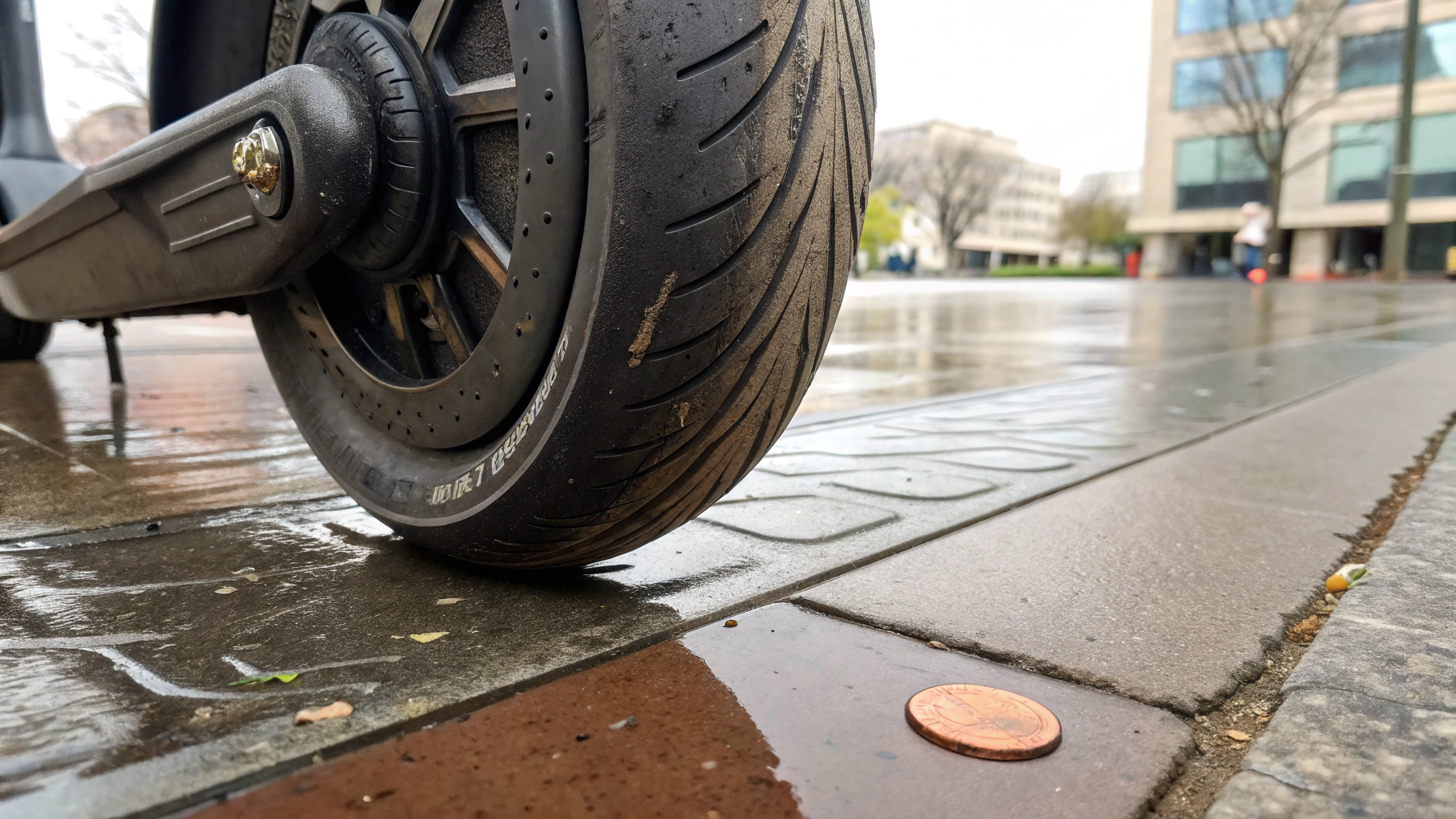
Pneumatic tire wear appears in familiar patterns. Tread depth below 1mm reduces grip on wet surfaces dramatically. You can test this using a penny inserted into the tread grooves. Sidewall cracks indicate rubber deterioration from age or UV exposure.
Bulges or bubbles in pneumatic tires show internal damage that could cause sudden failure. These deformations happen when the internal structure breaks down. Impact damage from hitting curbs or potholes often causes this problem. Never ride on pneumatic tires with visible bulges.
Solid tire wear manifests differently than pneumatic versions. Look for chunks missing from the tread surface or deep gouges that affect the tire’s round shape. Solid tires may develop flat spots from skidding or hard braking. These flat spots create vibration and poor handling.
Cracking in solid tires appears as surface splits or deep fissures. Unlike pneumatic tires, solid tire cracks can sometimes be acceptable if they don’t affect structural integrity. However, deep cracks that penetrate more than halfway through the tire thickness require replacement.
Performance changes signal problems in both tire types. Reduced range happens when worn tires create more rolling resistance. Your scooter’s motor works harder to maintain speed, draining the battery faster. This effect becomes noticeable before visual wear signs appear.
| Tire Type | Key Warning Signs | Replacement Urgency |
| Pneumatic | Bulges, sidewall cracks, low tread | Immediate |
| Solid | Missing chunks, deep cracks, flat spots | High |
| Both Types | Vibration, poor handling, reduced range | Medium |
Mileage guidelines help plan replacements proactively. Pneumatic tires typically last 1,000-3,000 miles depending on riding conditions and maintenance. Solid tires generally last 2,000-5,000 miles but show different wear patterns.
Cost analysis helps decide between repair and replacement options. Pneumatic tire punctures cost five to ten dollars to patch professionally. Solid tires cannot be repaired and must be replaced when damaged. New pneumatic tires range from fifteen to forty dollars while solid tires cost twenty to sixty dollars.
Regular inspection schedules catch problems early for both tire types. Check pneumatic tire pressure weekly for optimal performance. Inspect all tires monthly for wear signs, embedded objects, and structural damage. Clean debris from treads after riding through rough terrain.
3. What Are the Different Types of Electric Scooter Tires?
Understanding the fundamental differences between tire types helps you choose the right replacement approach. The best part? Each type offers specific advantages that match different riding styles and maintenance preferences.
Pneumatic tires provide the smoothest ride quality available. Air-filled chambers absorb road vibrations and small bumps effectively. These tires conform to surface irregularities, maintaining better contact with the ground. The air pressure can be adjusted to fine-tune ride comfort and performance.
Pneumatic tires offer superior traction on various surfaces compared to solid alternatives. The flexible sidewalls allow the tire to deform slightly during cornering. This deformation increases the contact patch and improves grip. Wet weather performance stays superior with proper tread patterns.
However, pneumatic tires require regular maintenance and face puncture risks. Under-inflated tires wear faster and reduce range significantly. Sharp objects like nails or glass can cause immediate flats. You need to check pressure weekly and carry repair supplies.
Solid tires eliminate flat tire worries completely. Made from dense rubber, foam, or composite materials, they never need inflation. Maintenance stays minimal with just occasional cleaning. Modern solid tires provide acceptable comfort for many riders.
Solid tires last longer than pneumatic versions in most conditions. They resist punctures from nails, glass, and other sharp objects completely. Manufacturing quality has improved significantly in recent years. Premium solid tires now offer surprisingly good ride comfort.
The weight difference between tire types affects scooter performance noticeably. Solid tires typically weigh 20-40% more than pneumatic equivalents. This extra weight reduces acceleration and climbing ability. Battery range may decrease due to the additional mass and rolling resistance.
| Tire Characteristic | Pneumatic | Solid |
| Puncture resistance | Low | Complete |
| Ride comfort | Excellent | Good to Very Good |
| Weight | Light | Heavy |
| Maintenance | Weekly checks | Minimal |
| Lifespan | 1,000-3,000 miles | 2,000-5,000 miles |
Size specifications must match your scooter exactly for both tire types. Common sizes include 8.5×2, 10×2.5, and 6.5×2 inches. The first number indicates diameter, the second shows width. Wrong sizes cause handling problems and potential safety hazards.
Installation difficulty varies dramatically between types. Pneumatic tires mount relatively easily with proper technique. Solid tires often require significant force and specialized techniques. Some solid tires need professional installation due to extremely tight tolerances.
Performance characteristics depend on design and intended use. Pneumatic tires with knobby treads grip loose surfaces but create road noise. Smooth pneumatic treads roll efficiently on pavement. Solid tires typically use harder compounds that prioritize durability over maximum grip.
Weather considerations affect both tire types differently. Pneumatic tires perform better in wet conditions due to superior tread flexibility. Solid tires maintain consistent performance across temperature ranges. Cold weather makes solid tires slightly harder while heat can soften them.
4. How Do You Remove the Old Tire from Your Electric Scooter?
Removal techniques vary significantly between pneumatic and solid tires. Now, you might be wondering: what’s the secret to removing each type without damaging expensive components?
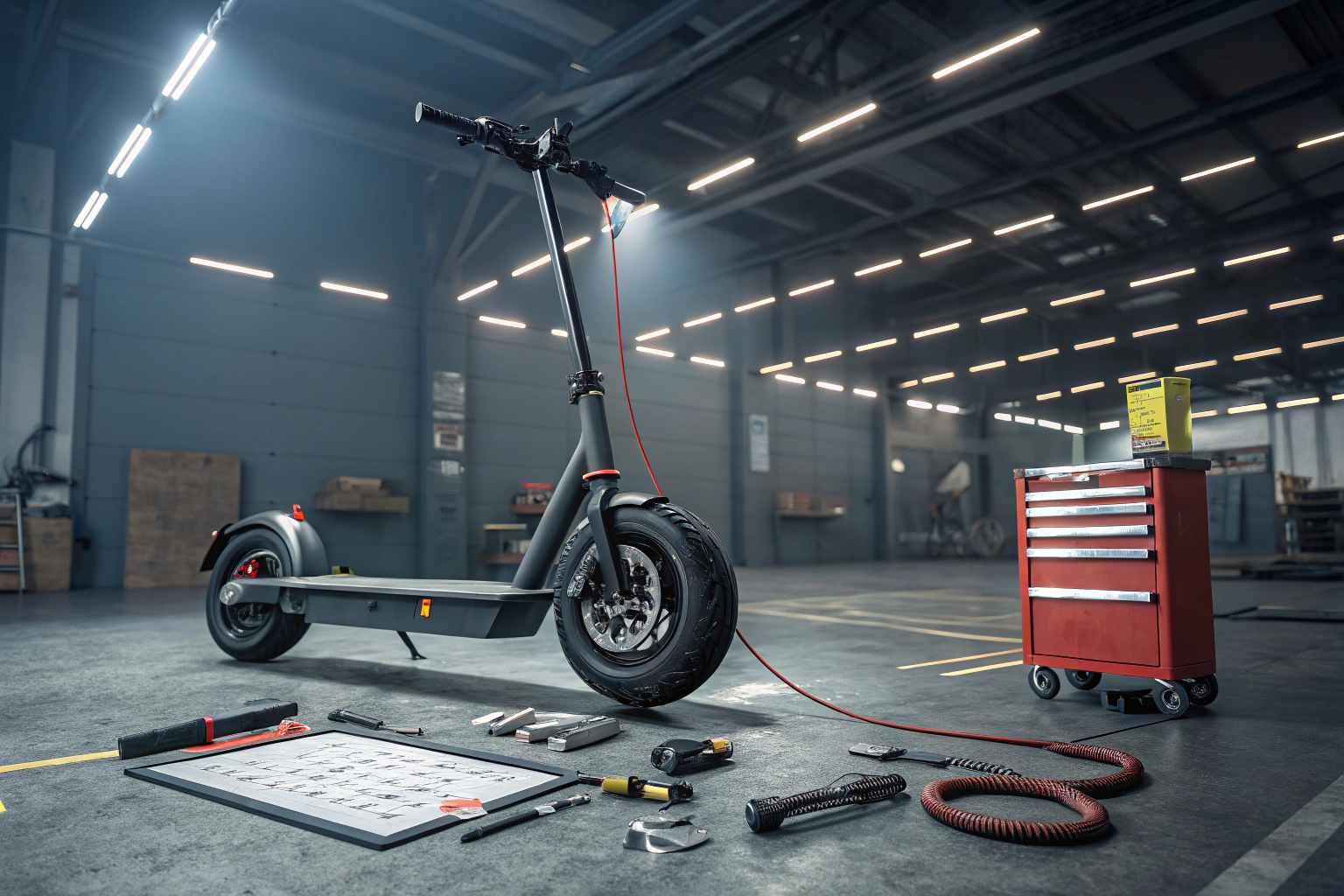
Start with proper preparation regardless of tire type. Turn off the power completely and engage any wheel locks if available. Remove the wheel according to your scooter’s manual instructions. Take photos of the wheel assembly before disassembly for reference.
For pneumatic tires, begin by deflating completely. Press the valve core to release all air pressure slowly. For stubborn valves, use needle-nose pliers to depress the core fully. Complete deflation makes tire removal much easier and prevents tube damage.
Break the pneumatic tire bead away from the rim edge carefully. Push down firmly on the tire sidewall opposite the valve stem. Work around the tire circumference until the bead separates completely. Old tires often stick due to corrosion or dried sealant.
Insert tire levers between the pneumatic tire and rim very carefully. Start opposite the valve stem to avoid tube damage. Work the first lever under the tire bead and hook it to a spoke. Insert additional levers four to six inches apart.
For solid tires, the removal process requires more force and different techniques. Solid tires fit extremely tightly on rims by design. You may need to use pry bars or heavy-duty tire levers. Work slowly to avoid rim damage.
Apply lubricant around solid tire beads to ease removal. Soap solution or commercial tire lubricant reduces friction significantly. Let the lubricant penetrate for several minutes before attempting removal. This step can make the difference between success and frustration.
| Tire Type | Removal Method | Time Required |
| Pneumatic | Deflate, break bead, use levers | 15-30 minutes |
| Solid | Lubricate, pry with heavy tools | 30-60 minutes |
| Both | Wheel removal, cleaning | 10-15 minutes |
Use clamps or vises for stubborn solid tires when necessary. Secure the wheel firmly and apply steady pressure rather than sudden force. Some solid tires require heating with a hair dryer to soften the rubber. Never use open flames or excessive heat.
Continue working around solid tires systematically. Once you get one section started, the rest usually follows more easily. Keep constant pressure on the freed sections to prevent the tire from reseating. Patience prevents damage to expensive rims.
Clean the rim thoroughly before installing the new tire regardless of type. Remove any debris, old rim tape, or corrosion. Check for sharp edges that could damage pneumatic tubes or interfere with solid tire mounting. File smooth any rough spots.
Common mistakes include rushing either process unnecessarily. Forcing pneumatic tire levers can puncture tubes or crack rims. Using inadequate tools on solid tires leads to frustration and potential injury. Take your time and use proper techniques for each tire type.
5. What Is the Proper Way to Install a New Electric Scooter Tire?
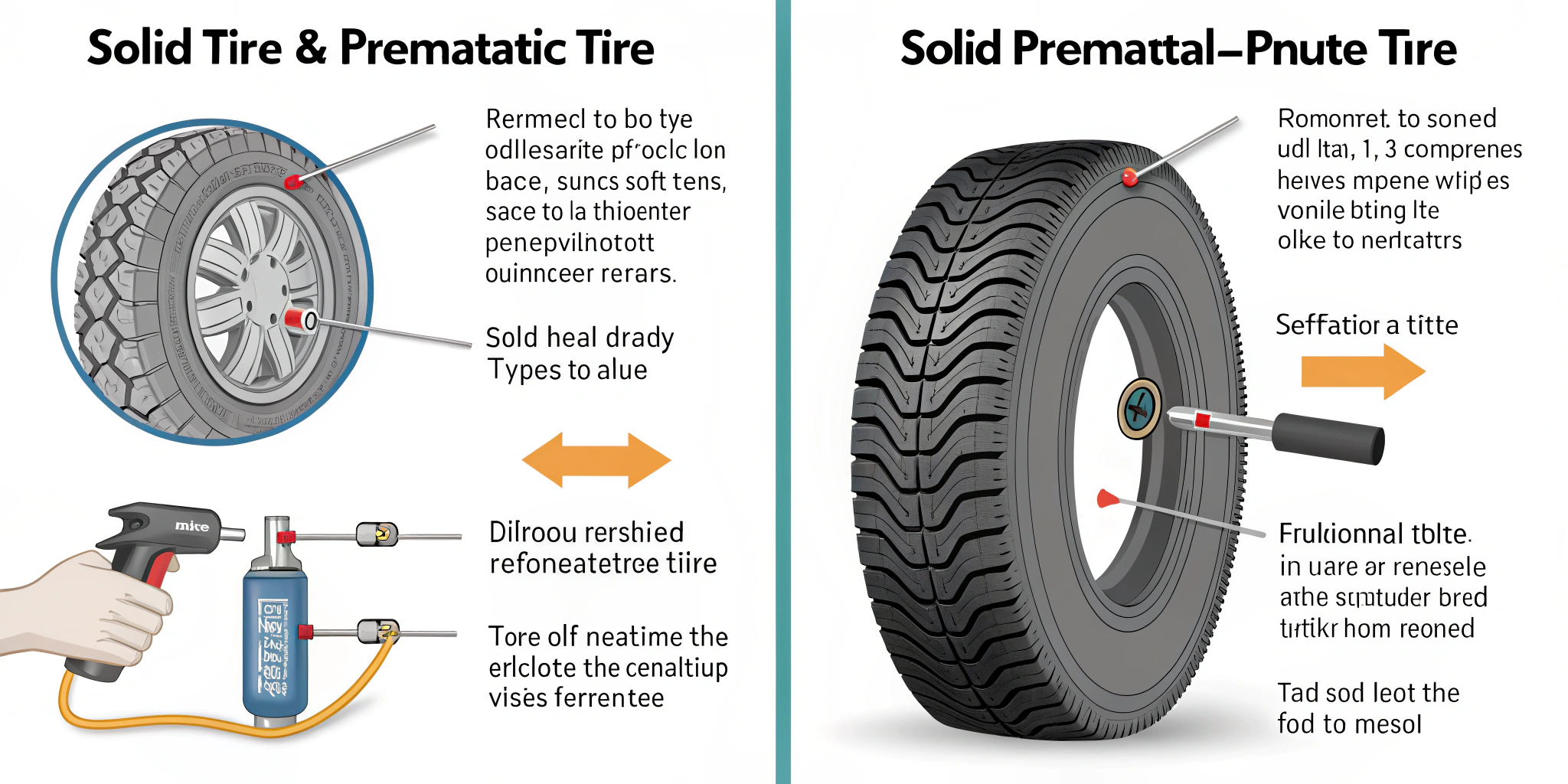
Installation procedures differ dramatically between pneumatic and solid tires. Let me explain: following the correct sequence for each type prevents damage and ensures optimal performance.
For pneumatic tires, inspect the new tire and tube thoroughly before installation. Check for manufacturing defects, proper size markings, and included accessories. Verify the rotation direction arrow if present on the sidewall. Some tires have specific front or rear designations.
Install fresh rim tape for pneumatic tires if needed. Rim tape protects the tube from spoke holes and sharp edges. Center the tape over all spoke holes with slight overlap at the valve hole. Smooth out any wrinkles that could create pressure points.
Mount one pneumatic tire bead onto the rim first, starting at the valve area. Work around both directions using your hands rather than tire levers when possible. The tire should seat easily with minimal force if sized correctly.
Insert the new tube carefully into the pneumatic tire cavity. Slightly inflate the tube to give it shape but keep it soft and pliable. Tuck the tube completely inside the tire, ensuring no part gets pinched between tire and rim.
For solid tires, preparation becomes even more critical. Apply lubricant generously around the rim and tire bead areas. This lubrication is essential for successful installation.
Start solid tire installation at the valve stem area if applicable. Work the tire onto the rim gradually, using steady pressure rather than sudden force. You may need heavy-duty tire levers for the final sections.
Work the second pneumatic tire bead over the rim edge systematically. Start opposite the valve stem and work toward it from both directions. Push the valve stem up into the tire to create slack.
For solid tires, the final sections require the most effort and patience. Use tire levers carefully to avoid rim damage. Work in small increments rather than forcing large sections at once.
| Installation Stage | Pneumatic Method | Solid Method |
| Preparation | Inspect tube, install rim tape | Apply lubricant generously |
| Initial mounting | Hand pressure, start at valve | Steady force, work gradually |
| Final seating | Check for pinching, inflate | Use tools, apply firm pressure |
Check pneumatic installations for tube pinching before full inflation. Push the tire sidewalls in slightly and look for tube material between the tire bead and rim.
Inflate pneumatic tires gradually to the recommended pressure marked on the sidewall. Most scooter tires use thirty-five to fifty PSI for optimal performance.
Solid tires require no inflation but need final seating verification. Check that the tire sits evenly around the entire rim circumference. Massage any problem areas until the tire sits properly.
6. How Do You Troubleshoot Common Tire Installation Problems?
Installation challenges differ significantly between pneumatic and solid tires. This is important because: knowing type-specific solutions saves time and prevents expensive component damage.
Pneumatic tire problems center around tube management and air pressure. Tube pinching ranks as the most common issue. Always check for trapped tube material before final inflation.
Bead seating issues affect pneumatic tires when sections sit unevenly. Deflate the tire and massage the problem area while re-inflating slowly. Soapy water helps stubborn beads slide into position.
Solid tire problems typically involve mounting difficulties and improper seating. Insufficient lubrication makes installation nearly impossible. Apply more lubricant and allow time for penetration.
Temperature affects solid tire installation significantly. Cold tires become very stiff and resist mounting. Warm the tire with a hair dryer before installation.
| Problem Type | Pneumatic Solution | Solid Solution |
| Difficult mounting | Use tire levers carefully | Apply more lubricant, warm tire |
| Poor seating | Deflate, massage, re-inflate | Check rim condition, use force |
| Damage during install | Replace tube or tire | File rim smooth, start over |
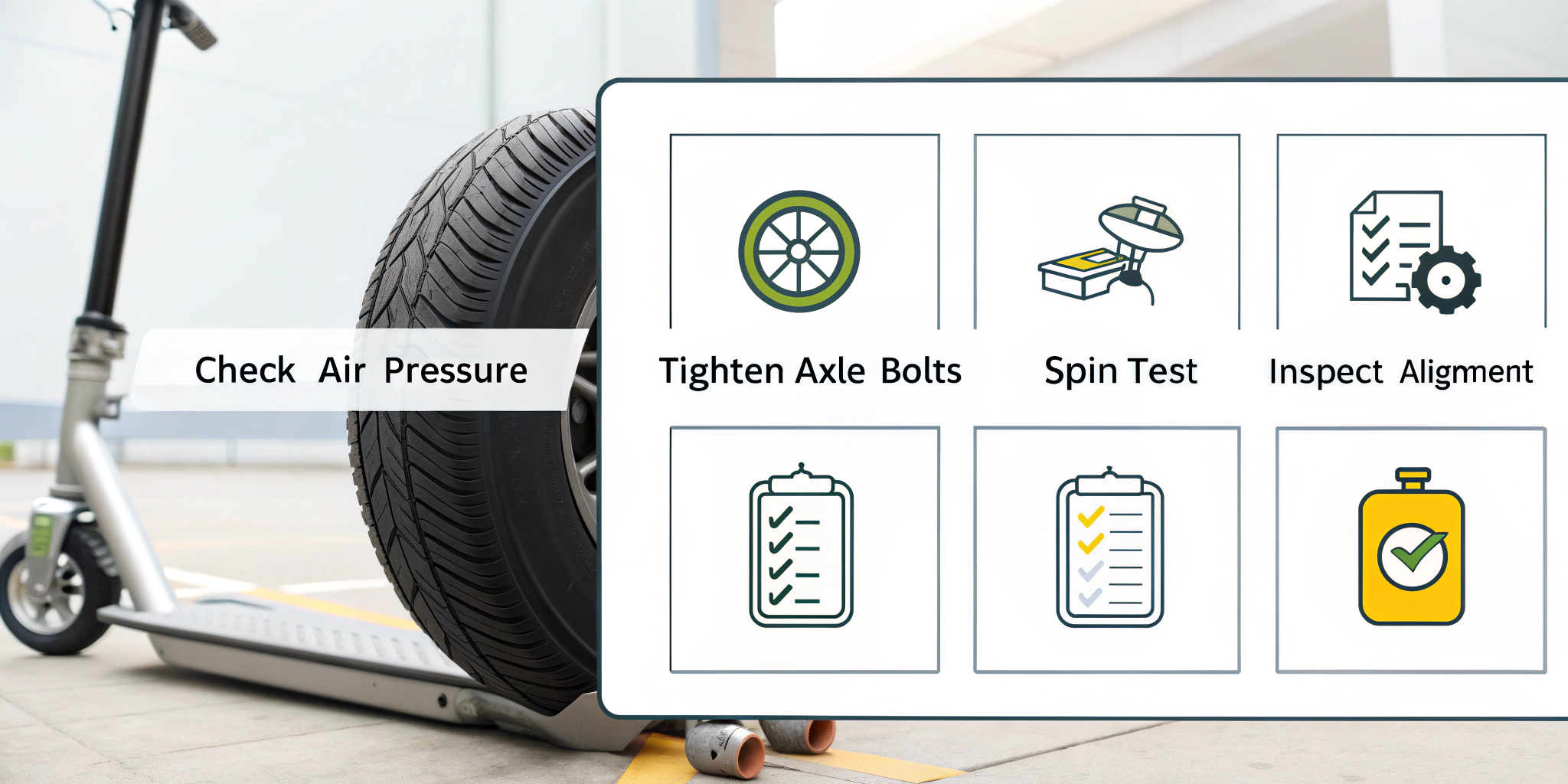
Testing procedures verify proper installation for both types. Spin the wheel to check for wobbles or rubbing. For pneumatic tires, check pressure after a few hours. Test ride at low speed before normal use.
7. What Maintenance Tips Keep Your Electric Scooter Tires Lasting Longer?
Maintenance requirements vary dramatically between pneumatic and solid tires. What does this mean for you? Type-specific care routines maximize lifespan and prevent premature replacement costs.
Pneumatic tire maintenance focuses on pressure management and puncture prevention. Check pressure weekly with an accurate gauge. Cold tires give the most accurate readings before riding.
Visual inspections catch problems early in both tire types. For pneumatic tires, look for embedded objects and check tread depth monthly. For solid tires, look for missing chunks, deep gouges, or developing flat spots.
Riding habits significantly impact both tire types. Pneumatic tires benefit from smooth acceleration and gentle braking. Solid tires handle aggressive riding better but still wear faster with hard use.
| Maintenance Task | Pneumatic Frequency | Solid Frequency |
| Pressure checks | Weekly | Not applicable |
| Visual inspection | Monthly | Monthly |
| Deep cleaning | Quarterly | Bi-annually |
Storage conditions affect both tire types when scooters sit unused. Keep scooters in cool, dry locations away from direct sunlight. UV rays degrade rubber compounds in both tire types.
Cleaning procedures remove harmful substances that damage rubber compounds. Rinse both tire types with clean water after riding through salt or chemicals. Use mild soap for stubborn dirt.
Professional inspections provide expert assessment for both tire types. Have tires checked during annual service appointments. Mechanics can spot problems that owners might miss.
Conclusion
Electric scooter tire replacement becomes manageable when you understand the differences between pneumatic and solid types. Pneumatic tires require careful tube handling and pressure management. Solid tires need proper lubrication and mounting techniques. Both types benefit from regular maintenance and proper installation procedures.
The right approach depends entirely on your tire type and riding conditions. Pneumatic tires offer superior comfort but need more maintenance. Solid tires provide puncture-proof reliability with minimal upkeep. Choose replacement methods that match your specific tire design.
Ready to tackle your next tire change with confidence? Dynamic Scooter specializes in premium solid tires that eliminate puncture worries while delivering excellent performance. Our technical support team provides free installation guidance for both tire types. Visit our website for compatibility guides and expert advice that keeps you rolling safely with the right tire solution for your needs.

FAQ
Q1: How long does it take to change different types of electric scooter tires?
Pneumatic tire changes take 30-60 minutes for beginners. Solid tire changes require 45-90 minutes due to the additional force needed. Experience reduces these times significantly.
Q2: Can I change from pneumatic to solid tires on my scooter?
This depends on your scooter’s rim design and clearances. Consult your manufacturer or a qualified technician before switching tire types, as modifications may be needed.
Q3: Which tire type lasts longer and costs less to maintain?
Solid tires typically last 2,000-5,000 miles versus 1,000-3,000 for pneumatic. Solid tires have higher upfront costs but lower maintenance expenses over time.
Q4: What happens if I install the wrong tire type or size?
Wrong sizes cause handling problems and safety hazards regardless of type. Wrong tire types may not fit properly or could affect scooter performance and warranty coverage.