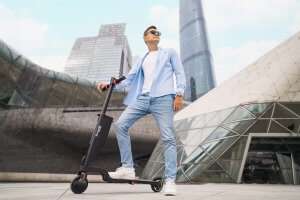

The ultimate choice between portable and heavy electric transport lies in choosing a lightweight, folding electric scooter for short urban trips, rather than a heavy electric motorcycle meant for high-speed highway riding. Imagine sitting trapped in your car during a grueling morning commute while the minutes tick away and fuel prices climb.
This daily stress drains your energy before you even step foot into the office, turning your mornings into an expensive, exhausting nightmare. Fortunately, switching to modern, eco-friendly electric scooters and motorcycles offers a brilliant escape route that transforms your painful journey into a fast, fun, and highly efficient ride.
Why choose electric scooters and motorcycles?
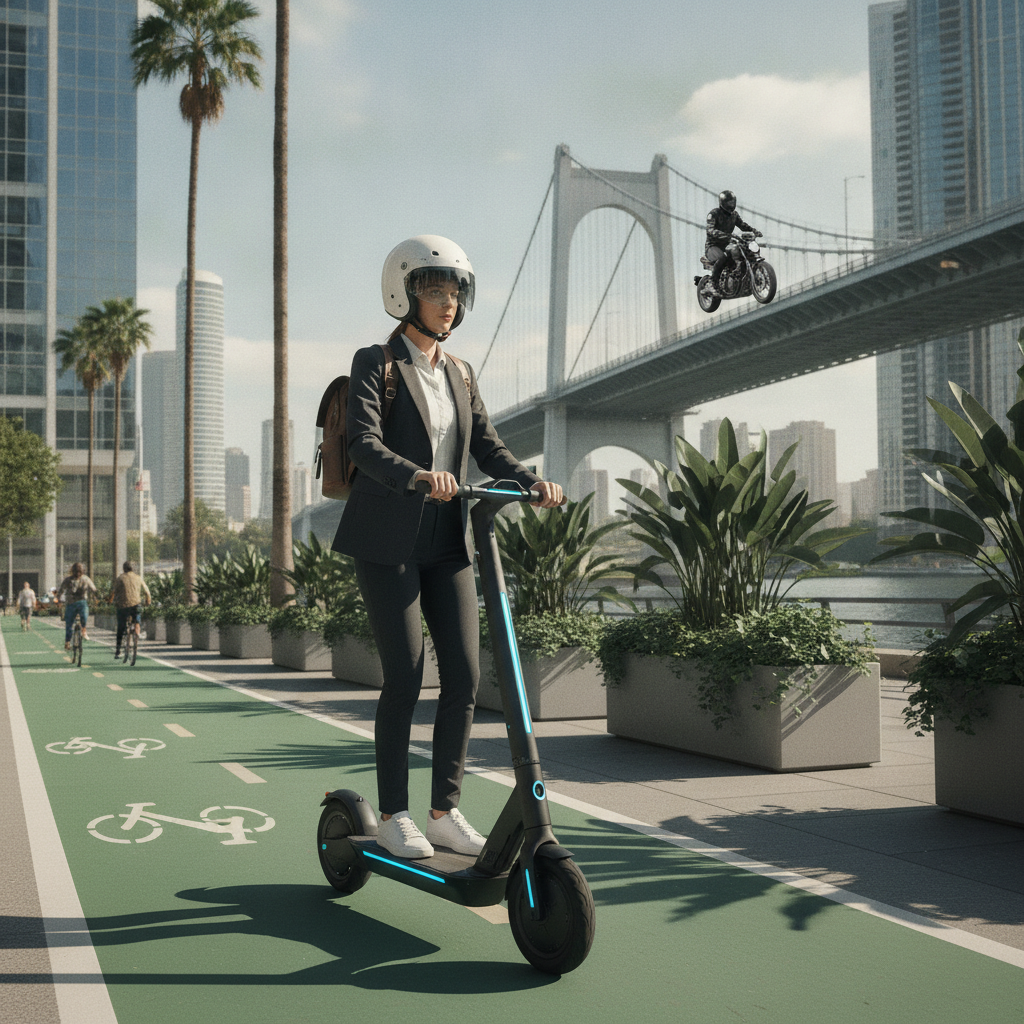
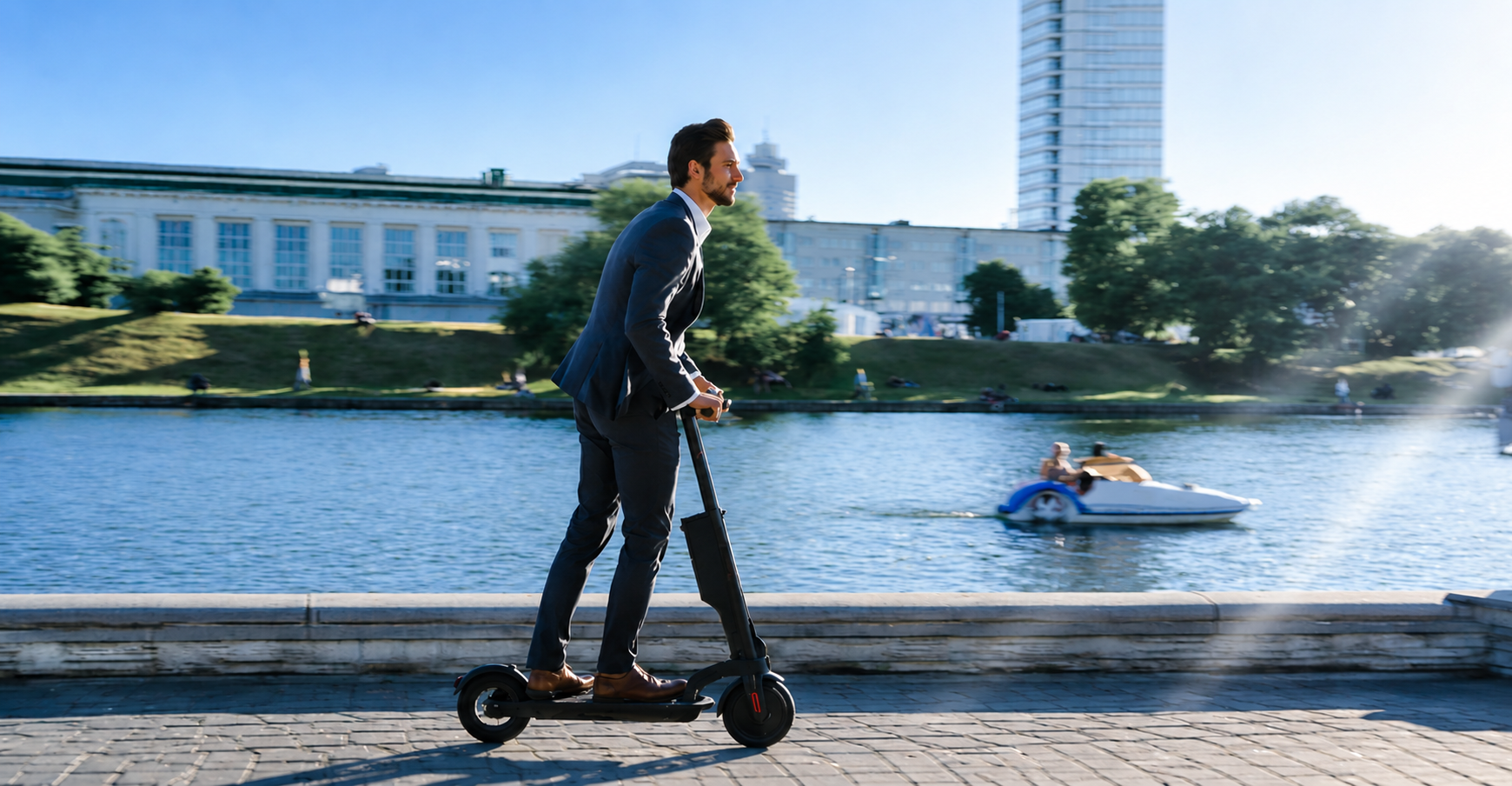
Choosing electric scooters and motorcycles depends entirely on whether you prioritize ultra-portable urban flexibility or high-speed highway performance. These innovative vehicles bypass gridlocked traffic lanes while drastically lowering your monthly commuting expenses. They represent a fundamental shift in how we navigate congested cities.
Is urban traffic slowing you down?
Getting stuck in heavy city traffic is incredibly frustrating. Think about it:
- You waste hours staring at brake lights instead of moving forward.
- Finding a street parking spot is almost impossible in downtown areas.
- Traditional gasoline-powered cars are extremely expensive to operate daily.
Choosing a compact electric ride completely eliminates these painful daily struggles.
Are you looking for true cost savings?
Charging an electric battery costs only a few cents per ride. The best part?
- You will never have to pay for expensive premium gasoline again.
- Maintenance requirements are exceptionally low for electric drivetrains.
- Public transit fares can be avoided by riding your own device.
This makes switching to green personal transit an excellent financial investment for your wallet.
Key Takeaway: By selecting a modern electric vehicle, you will reclaim wasted commuting hours and save hundreds of dollars on fuel and parking fees every month.
| Mobility Option | Ideal Environment | Main Advantage |
|---|---|---|
| Electric Scooter | Dense city centers, bike lanes | Portability & convenience |
| Electric Motorcycle | Highways, suburban roads | Speed & high power |
Let us dive deeper into how the structural designs of these two vehicles affect your daily handling.
How do electric scooters and motorcycles design differ?
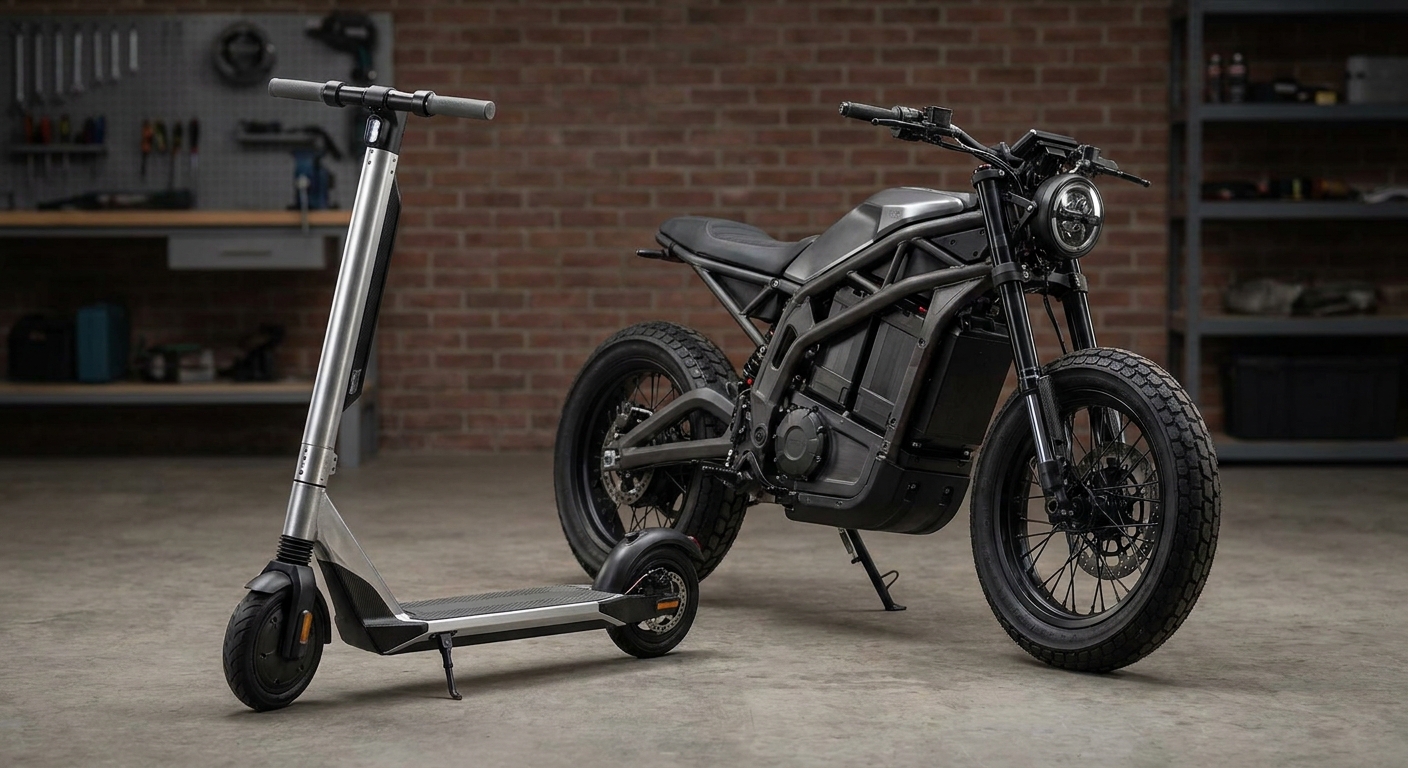
The primary structural difference is that electric scooters feature a lightweight, folding deck while electric motorcycles are built on a heavy, rigid motorcycle frame. Designing electric scooters and motorcycles requires balancing structural weight against high-speed road stability. This physical architecture dictates how easily you can transport or park your vehicle.
What makes the folding deck so unique?
A folding deck is the ultimate tool for compact city living. The best part?
- You can collapse the handlebar stem in just a few seconds.
- The entire vehicle fits easily inside a car trunk or closet.
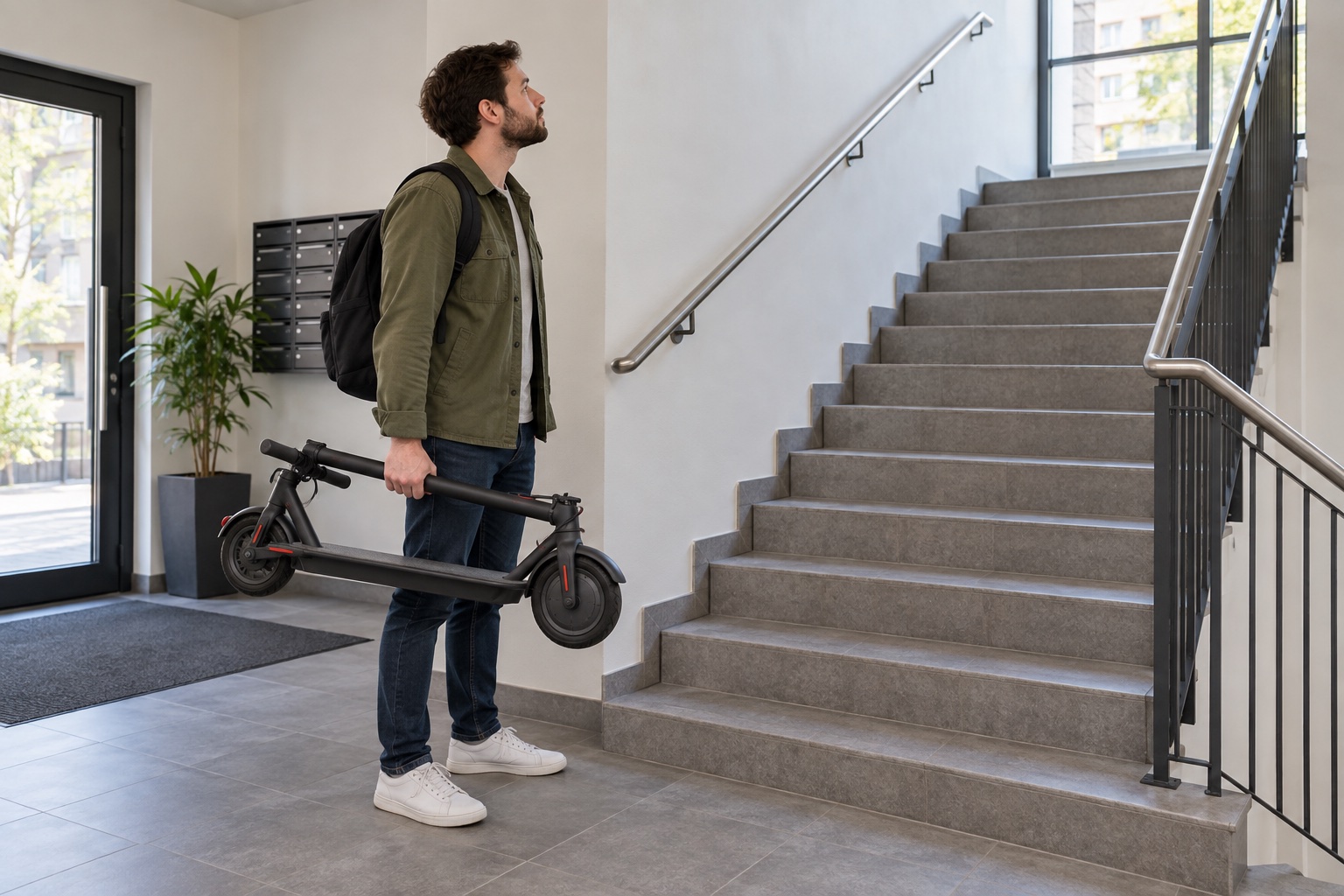
- It is lightweight enough to carry up several flights of stairs.
This extreme convenience makes foldable frames perfect for multi-modal commuting.
Why do motorcycles use rigid frames?
Rigid frames are absolutely necessary to handle high speeds safely. Here is the kicker:
- Heavy structural steel prevents dangerous speed wobbles on highways.
- Large pneumatic motorcycle tires absorb deep road potholes easily.
- The fixed frame provides secure seating for longer road trips.
This heavy-duty construction ensures your safety when driving alongside fast highway traffic.
Key Takeaway: Scooters focus entirely on lightweight, folding convenience, whereas motorcycles use rigid, heavy frames to guarantee safety at highway speeds.
| Frame Component | Electric Scooter | Electric Motorcycle |
|---|---|---|
| Average Weight | 15 kg – 35 kg | 90 kg – 150+ kg |
| Folding Ability | Yes, highly portable | No, completely fixed |
| Wheel Size | 8.5 – 11 inches | 17+ inches |
Let us analyze who these distinct physical designs are actually built for.
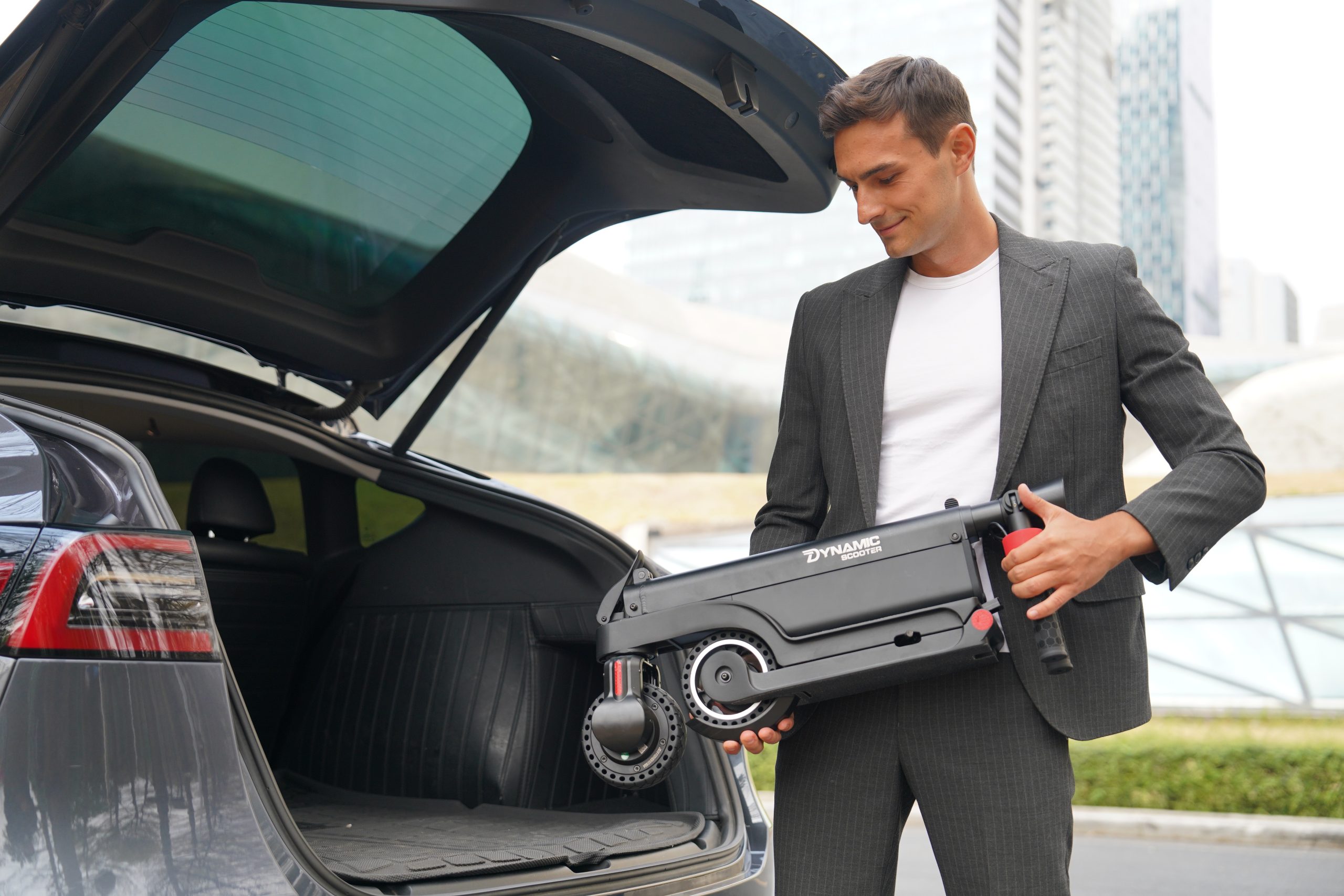
Who rides electric scooters and motorcycles today?
Urban commuters looking for a quick first-and-last-mile solution choose scooters, while adventure seekers and long-distance riders choose motorcycles. The market for electric scooters and motorcycles has expanded rapidly to serve very different lifestyle demographics. Your daily riding habits will dictate which category matches your routine best.
Is a lightweight commuter right for you?
Lightweight commuter vehicles are perfect for quick city hops. Think about it:
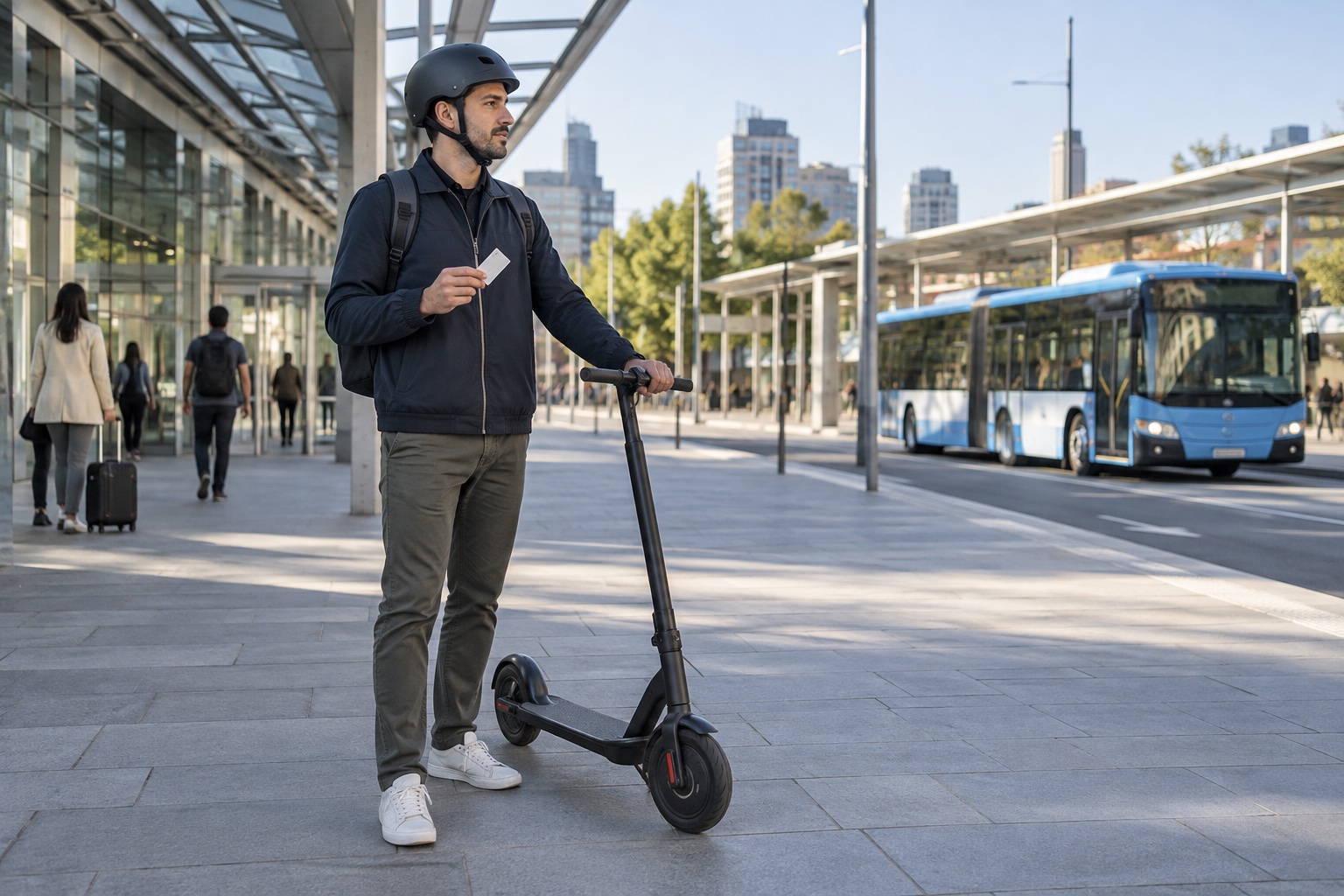
- You can easily combine a folding scooter ride with buses or trains.
- Short office trips under five miles are completed in minutes.
- Students can ride across large university campuses without getting tired.
This makes smaller platforms highly practical for navigating compact metropolitan areas.
Do you crave high-speed adventures?
High-speed electric rides cater directly to thrill-seekers and long-distance travelers. Here is the kicker:
- You can easily maintain highway speeds alongside fast cars.
- Weekend touring on winding country roads becomes incredibly exciting.
- Robust suspension systems allow you to explore rough dirt trails.
These powerful machines are ideal for riders who want a true primary vehicle.
Key Takeaway: Select a scooter if you need a flexible commuter tool, but choose a motorcycle if you want an adventurous primary vehicle.
| Rider Profile | Best Vehicle Choice | Typical Trip Length |
|---|---|---|
| Urban Student / Office Worker | Electric Scooter | 2 – 10 miles |
| Highway / Touring Enthusiast | Electric Motorcycle | 20 – 80+ miles |
Next, let us look under the hood to see how their power sources compare.
What powers electric scooters and motorcycles?
Scooters are powered by compact brushless hub motors, whereas motorcycles rely on large mid-drive motor systems linked to high-capacity battery packs. Motor wattage defines the performance limits of electric scooters and motorcycles on different terrains. Understanding these drivetrains helps you choose the right amount of climbing torque.
What are the limits of small hub motors?
Hub motors are integrated directly into the wheel for maximum space efficiency. The best part?
- They require virtually zero mechanical maintenance over their lifespan.
- Power outputs ranging from 250W to 1,000W handle moderate city hills.
- The direct-drive design operates in complete, peaceful silence.
This makes hub motors highly practical for lightweight, eco-friendly urban riding.
How do mid-drive motor systems work?
Mid-drive systems mount the motor centrally inside the frame to maximize power transfer. Think about it:
- High-torque belt or chain drives deliver massive acceleration instantly.
- Power ratings exceeding 5,000W easily master steep mountain passes.
- The centralized weight distribution improves overall high-speed handling.
This advanced configuration is necessary to replicate the feeling of a gas motorcycle.
Key Takeaway: Hub motors provide quiet, maintenance-free urban efficiency, while mid-drive systems deliver the high torque required for demanding road conditions.
| Motor Parameter | Electric Scooter | Electric Motorcycle |
|---|---|---|
| Wattage Range | 250W – 1,000W | 3,000W – 15,000W+ |
| Motor Location | Inside the wheel hub | Centrally in the frame |
| Drive System | Direct-drive hub | Belt or chain drive |
Let us transition to seeing how this raw motor power translates directly into real-world speed.
How fast are electric scooters and motorcycles?
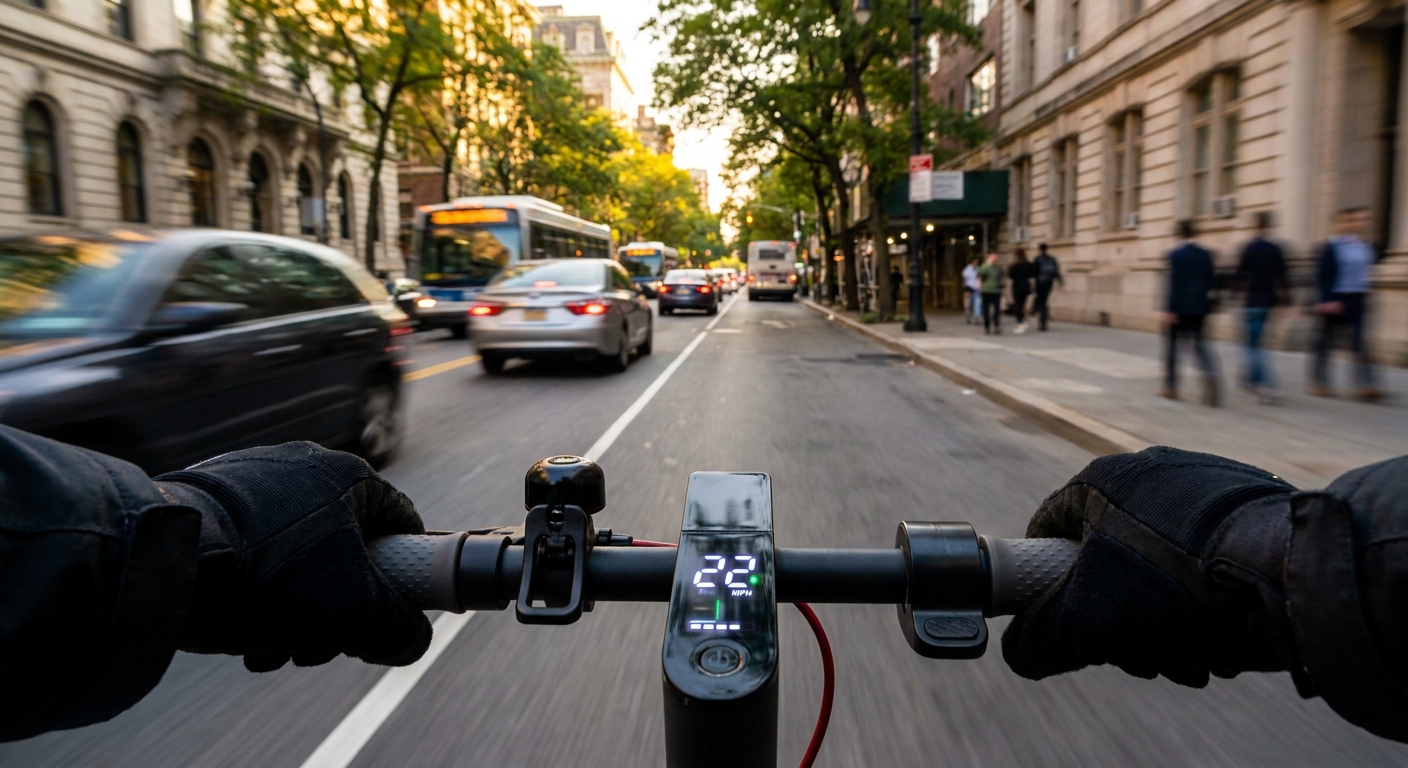
Scooters generally travel at safe city speeds of 15 to 25 mph, while motorcycles regularly exceed highway speeds of 60 to 85 mph. Speed regulations heavily impact how you can ride electric scooters and motorcycles legally within your municipality. Choosing your speed class dictates whether you ride in designated bike lanes or on open public highways.
Are city speed limits restricting you?
Most cities enforce strict speed caps on lightweight personal vehicles to protect pedestrians. The best part?
- A speed of 15 mph is perfectly matched for crowded downtown bike lanes.
- You can safely stop in an instant using simple hand brakes.
- Lower speeds prevent severe injuries in the event of an accidental fall.
These controlled speeds ensure that riding remains highly accessible for everyone.
Can you legally ride on the highway?
Riding on fast-moving highways requires a vehicle capable of keeping pace with traffic flow. Here is the kicker:
- High-power electric motors allow you to cruise comfortably at 70 mph.
- Advanced hydraulic dual-disc brakes provide reliable stopping power.
- Robust suspension systems keep the vehicle incredibly stable at high velocities.
This makes fast motorcycles the only choice for long multi-lane highway trips.
Key Takeaway: Scooters are speed-capped for safe, local neighborhood trips, while motorcycles are fully engineered to handle high-speed highway traffic.
| Speed Metric | Electric Scooter | Electric Motorcycle |
|---|---|---|
| Top Speed | 15 – 30 mph | 50 – 90+ mph |
| Allowed Riding Areas | Bike lanes, local pathways | Highways, major roads |
| Braking Mechanism | Cable disc or drum brakes | Hydraulic disc, ABS |
Let us explore how far these different speed capabilities allow you to travel on a single battery charge.
How far can electric scooters and motorcycles go?
Scooters offer a compact city range of 15 to 45 miles, while motorcycles utilize massive battery packs to cover over 100 miles on a single charge. The range of electric scooters and motorcycles is directly tied to the physical size and capacity of their onboard lithium-ion cells. Balancing weight against maximum travel distance is a key consideration for every rider.
Do you need a hundred miles of range?
Most daily urban commuters travel less than ten miles round-trip. Think about it:
- A compact scooter range easily covers several days of neighborhood commuting.
- Smaller batteries keep the total vehicle weight highly manageable.
- You do not need to carry a heavy, oversized battery for simple local errands.
This makes shorter-range options highly efficient and practical for urban living.
How quickly can you recharge the battery?
Recharging times depend entirely on battery capacity and charger voltage. The best part?
- Scooter batteries plug into standard wall outlets and charge in 3 to 6 hours.
- You can easily top off your battery while sitting at your office desk.
- Larger motorcycle batteries often require dedicated Level 2 high-voltage chargers.
This gives smaller vehicles a significant advantage in everyday charging convenience.
Key Takeaway: Motorcycles offer incredible range for long road trips, but scooters are much easier and faster to recharge using standard household outlets.
| Battery Metric | Electric Scooter | Electric Motorcycle |
|---|---|---|
| Average Range | 15 – 45 miles | 70 – 120+ miles |
| Battery Capacity | 250Wh – 1,000Wh | 5,000Wh – 15,000Wh |
| Standard Charge Time | 3 – 6 hours | 6 – 10 hours |
Let us look at the financial aspects, including the purchase price and ongoing upkeep.
What is the cost of electric scooters and motorcycles?
Scooters are highly economical with purchase prices between $300 and $1,800, whereas high-quality electric motorcycles represent a major financial investment starting at $4,000. Operating electric scooters and motorcycles involves analyzing both the initial ticket price and the long-term cost of ownership. Choosing the right vehicle depends on your budget and transport requirements.
How much should you invest upfront?
Upfront prices vary dramatically depending on the build quality and performance specifications. Think about it:
- A premium commuter scooter offers incredible value for under a thousand dollars.
- High-end electric motorcycles require a large auto-loan level investment.
- Budget models under $400 often lack the durability to survive daily use.
Investing in a highly reliable, mid-tier vehicle ensures long-term riding satisfaction.
What are the ongoing maintenance costs?
Ongoing maintenance for electric drivetrains is significantly lower than for gasoline engines. The best part?
- Scooters do not require mandatory registration, yearly licensing, or expensive insurance.
- Simple maintenance tasks like tire pressure checks can be done at home for free.
- Motorcycles require professional brake fluid service and costly tire replacements.
This makes lightweight micro-mobility platforms incredibly cheap to operate over time.
Key Takeaway: Scooters represent an incredibly low-cost transportation option, while motorcycles demand a much larger financial commitment for purchase, licensing, and insurance.
| Financial Metric | Electric Scooter | Electric Motorcycle |
|---|---|---|
| Average Initial Cost | $300 – $1,800 | $4,000 – $18,000+ |
| Mandatory Insurance | No | Yes |
| Yearly Upkeep Cost | $50 – $150 | $300 – $800 |
Let us analyze how these different cost structures fit into your personal lifestyle.
Which fits you, electric scooters and motorcycles?
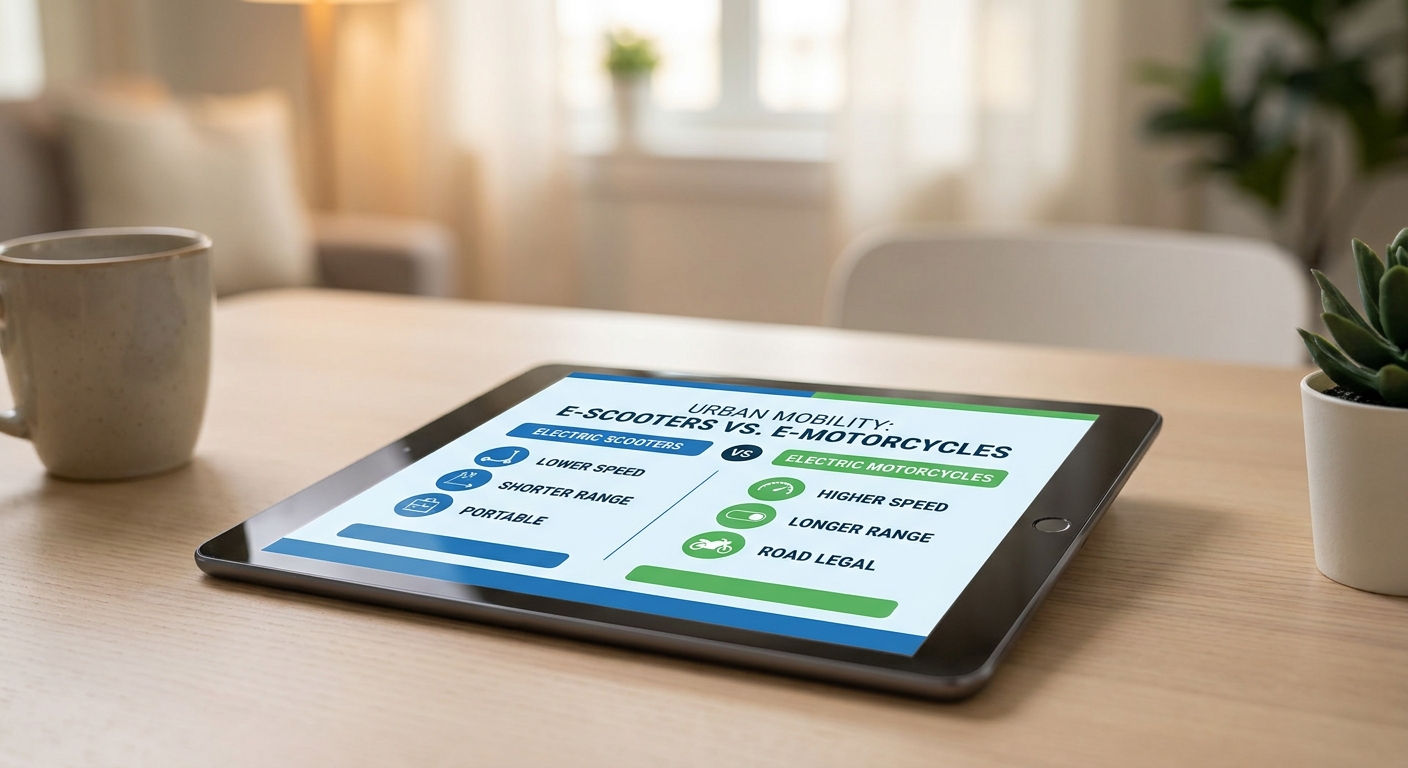
Choose a scooter if you need a flexible commuter tool for dense urban areas, and opt for a motorcycle if you want an open-road lifestyle. Matching your daily habits to electric scooters and motorcycles ensures you invest in a vehicle you will actually use. Your physical environment and storage space play a critical role in making this choice.
Do you live in a compact city apartment?
Living in a crowded city center makes vehicle storage an absolute nightmare. Here is the kicker:
- You can easily bring a folding scooter directly into your apartment elevator.
- Smaller devices slide out of sight under your bed or office desk.
- You never have to worry about expensive street parking or outdoor theft.
This seamless indoor storage makes compact vehicles incredibly convenient for city renters.
Do you want to carry heavy cargo easily?
Carrying groceries or personal gear requires a robust vehicle with dedicated cargo space. Think about it:
- Motorcycles feature large luggage racks, saddlebags, and spacious panniers.
- The rigid frame remains highly stable when carrying heavy rear loads.
- You can easily transport a passenger on the comfortable rear seat.
This heavy-duty hauling capability makes motorcycles much more versatile for weekend errands.
Key Takeaway: Apartments and office environments favor the portable folding scooter, while heavy cargo needs and passenger travel require a motorcycle.
| Lifestyle Aspect | Electric Scooter | Electric Motorcycle |
|---|---|---|
| Apartment Storage | Excellent (folds flat) | Poor (requires garage/street) |
| Cargo Capacity | Low (backpack only) | High (saddlebags & panniers) |
| Passenger Carrying | No | Yes |
Let us transition to comparing safety gear requirements and legal regulations on public roads.
Are electric scooters and motorcycles safe to ride?
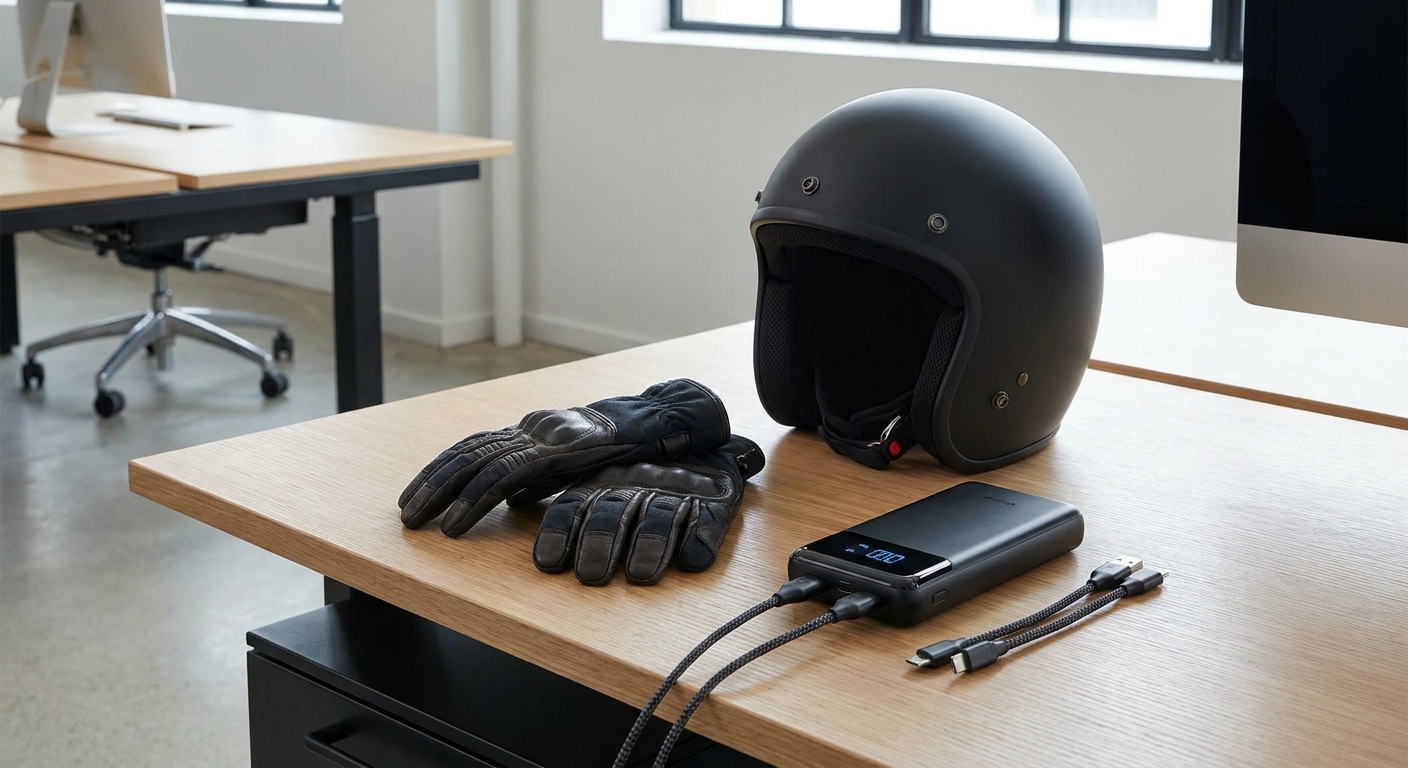
Both vehicles are highly safe to ride when you wear appropriate protective gear and strictly obey local traffic laws. Safety standards for electric scooters and motorcycles require riders to remain highly visible to fast-moving cars. Understanding these safety measures protects you and prevent accidents on busy streets.
What protective gear is truly essential?
Wearing a high-quality helmet is the most important safety decision you can make. The best part?
- A lightweight helmet protects your head during unexpected low-speed falls.
- Wearing armored gloves protects your hands from road rash and scrapes.
- High-visibility reflective clothing makes you stand out clearly to distracted drivers.
This simple safety gear dramatically reduces your risk of injury on every journey.
How do local traffic laws affect you?
Municipal traffic regulations dictate exactly where you can ride your vehicle legally. Think about it:
- Most cities restrict lightweight scooters to designated bike lanes to protect pedestrians.
- Motorcycles must be fully registered and require a valid driver’s license.
- Obeying local speed limits keeps you safe and avoids expensive traffic fines.
Familiarizing yourself with local road laws ensures a stress-free and lawful journey.
Key Takeaway: Wearing a helmet and obeying local traffic regulations guarantees a safe, enjoyable, and lawful ride on any electric platform.
| Safety Metric | Electric Scooter | Electric Motorcycle |
|---|---|---|
| Mandatory Helmet | Yes, in most jurisdictions | Yes, globally |
| License Required | No, for standard models | Yes, motorcycle endorsement |
| Riding Location | Bike lanes & local streets | Public highways & main roads |
Let us finalise our comparison by examining storage and portability constraints.
How to store electric scooters and motorcycles?
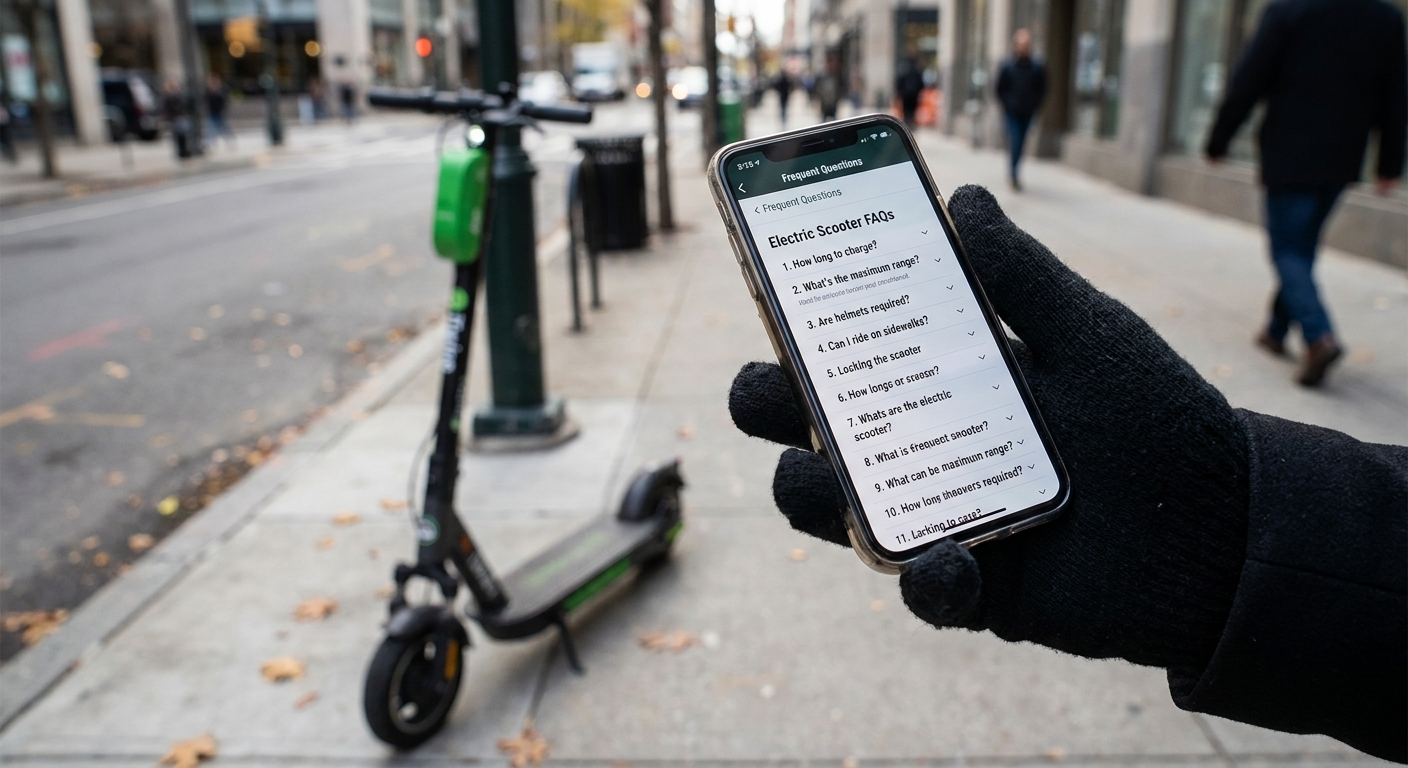
Scooters fold down easily for indoor storage in closets or under desks, whereas motorcycles require dedicated garage spaces or secure street parking. Storing electric scooters and motorcycles safely prevents weather damage and deters professional thieves. Choosing the right storage solution keeps your valuable investment fully protected over its lifetime.
Can you bring your ride inside?
Bringing your vehicle indoors is the most effective way to prevent outdoor theft. The best part?
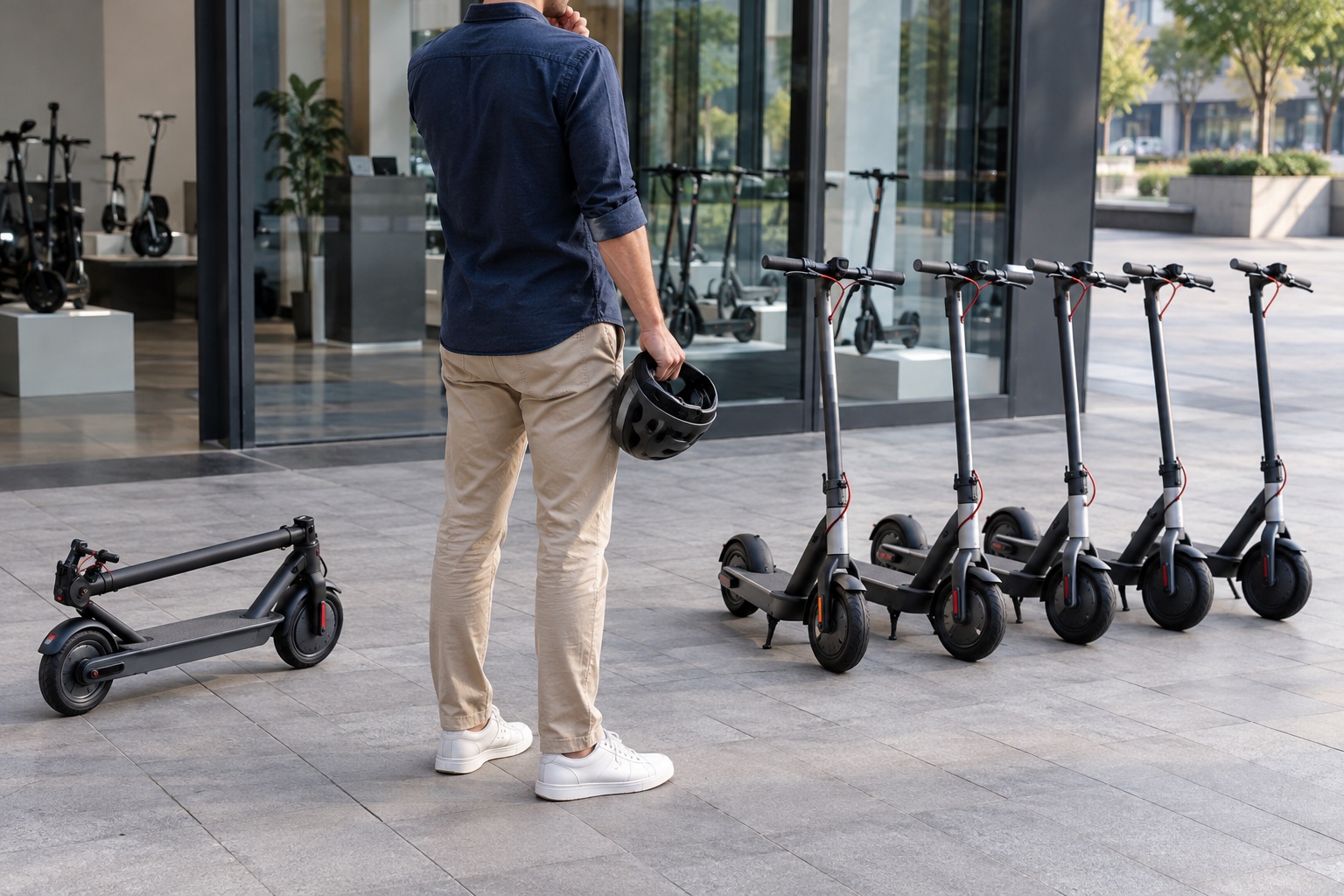
- A folded commuter scooter fits neatly inside a small hallway closet.
- You can charge the battery safely right next to your office desk.
- Indoor storage fully protects sensitive electrical parts from harsh winter weather.
This extreme convenience makes smaller personal vehicles incredibly easy to manage daily.
Do you have a dedicated garage space?
Heavy electric vehicles require secure, ground-level parking spaces due to their massive size. Here is the kicker:
- A locked garage provides excellent shelter from rain and battery-draining cold.
- You can easily install a high-voltage charging port on your garage wall.
- Heavy-duty disc locks and chains are necessary to deter thieves when parking outside.
This makes having secure ground-level parking crucial for heavy vehicle ownership.
Key Takeaway: Folding scooters are incredibly easy to store and charge indoors, while heavy motorcycles demand secure ground-level garage spaces.
| Storage Metric | Electric Scooter | Electric Motorcycle |
|---|---|---|
| Indoor Storage | Highly suitable (closets, offices) | Unsuitable (too heavy and large) |
| Theft Protection | High (always stored indoors) | Moderate (requires heavy locks) |
| Charging Location | Any standard indoor outlet | Garage or public charging station |
Let us review some of the most common questions riders have before buying.
Conclusion
Navigating the modern urban landscape no longer requires sitting trapped in gridlocked city traffic or spending thousands of dollars on gasoline every year. Whether you select the ultra-portable folding scooter for quick neighborhood trips or the powerful motorcycle for long-distance cruising, switching to green electricity is the smartest move you can make for your wallet and the planet.
At Dynamic Scooter, we build high-grade personal electric transit options that fit seamlessly into your life, helping you conquer daily traffic stress and reclaim your freedom. If you are ready to revolutionize your commute with a premium, durable, and highly efficient vehicle, contact us today to find your perfect ride. We believe that clean, efficient personal mobility is not just a futuristic alternative—it is the ultimate way to reclaim your city and drive the green revolution forward.
FAQ
Can I ride an electric scooter on the sidewalk?
No, you should strictly avoid riding on sidewalks because most municipalities reserve them exclusively for pedestrian safety. Riding a fast-moving vehicle on pedestrian pathways creates severe safety hazards and can result in expensive local traffic fines.
What is the best way to charge these electric vehicles?
You should charge your vehicle using standard household outlets for scooters, while utilizing dedicated charging ports for heavy motorcycles. Scooter batteries are small enough to reach a full charge in a few hours at your home or office desk.
How do I know if I need a motorcycle license?
You will absolutely need a motorcycle license if your chosen electric vehicle is legally classified as a highway-capable motorcycle. Vehicles that exceed 30 mph are subject to strict licensing, registration, and mandatory insurance laws.
Can I ride these vehicles safely in heavy rain?
Yes, you can ride safely in light rain provided your vehicle has a certified IP water-resistance rating. However, you must avoid deep puddles and heavy downpours, as water can still damage internal electrical circuits.
What is the best option for a beginner rider?
A lightweight electric scooter is definitely the best option for beginners due to its intuitive controls and low-speed stability. These compact platforms allow you to build confidence on the road without managing the weight of a heavy motorcycle.