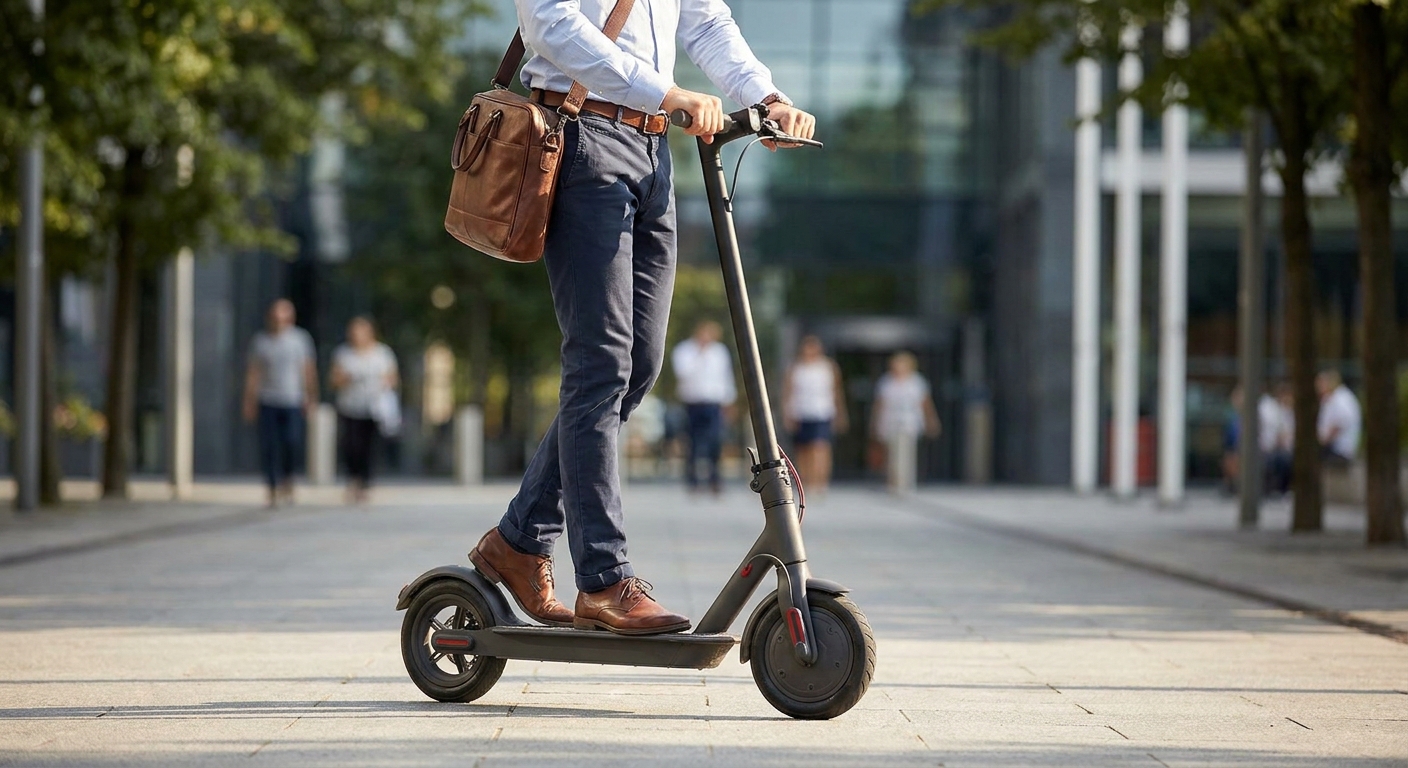

An electric scooter is significantly greener than an EV car when comparing their overall lifecycle emissions, energy efficiency, and resource demands for daily urban commutes. Imagine sitting in bumper-to-bumper traffic every single morning, breathing in toxic exhaust fumes from the massive idling SUVs surrounding you, while gas prices spike to record highs.
You want to make a sustainable change, but traditional transportation options are draining your energy, your time, and your bank account. It is deeply frustrating to watch your daily commute eat away at your day and the planet, leaving you feeling entirely helpless in the fight against climate change. Fortunately, comparing electric scooters and EV cars reveals a revolutionary path to clean, stress-free micro-mobility that lets you immediately slash your carbon footprint.
Why compare electric scooters and EV cars?
Commuters compare electric scooters and EV cars because both represent the absolute vanguard of clean, fossil-fuel-free personal transportation. Evaluating how these two options perform in real-world scenarios helps you make a smarter decision for your daily travel.
Understanding the Evolution of Green Commutes
Have you noticed how urban transportation is shifting rapidly toward clean electric power? You want to escape the environmental and financial toll of traditional combustion engines. By choosing electric drivetrains, you directly eliminate tailpipe emissions from your daily routine.
Think about it:
The future of transportation must be sustainable if we want to protect our cities. Scaling down your ride to match your actual needs is the easiest way to maximize energy conservation.
- Zero tailpipe emissions during daily operation.
- Reduced reliance on petroleum-based fuels.
- Lower noise pollution makes neighborhoods peaceful.
Micro-Mobility vs. Full-Scale Electric Vehicles
An electric scooter is optimized for short-distance solo trips, whereas an electric car is built for heavy, multi-passenger transit. You can save immense energy by scaling down your vehicle to match your actual payload needs. Why drag two tons of metal down the street just to carry yourself and a laptop?
Here is the real kicker:
Modern electric vehicles are packed with advanced technology, but their sheer physical mass requires enormous energy to move. Selecting a lightweight scooter allows you to achieve maximum mobility with virtually zero resource waste.
- Scooters: Optimal for quick commutes under 15 miles.
- EV Cars: Built for heavy passenger and long-distance travel.
- Resource efficiency: Scooters use a minute fraction of raw materials.
| Metric | Electric Scooter | EV Car |
|---|---|---|
| Resource Demand | Extremely low raw material usage | Very high raw material usage |
| Best Trip Range | Short-distance solo (1 – 10 miles) | Long-distance passenger (20+ miles) |
This comparative breakdown illustrates how aligning vehicle size with your travel needs maximizes structural resource efficiency.
Key Takeaway: You can dramatically lower your initial ecological deficit by selecting a compact vehicle tailored strictly to your daily solo mileage.
How do electric scooters and EV cars use power?
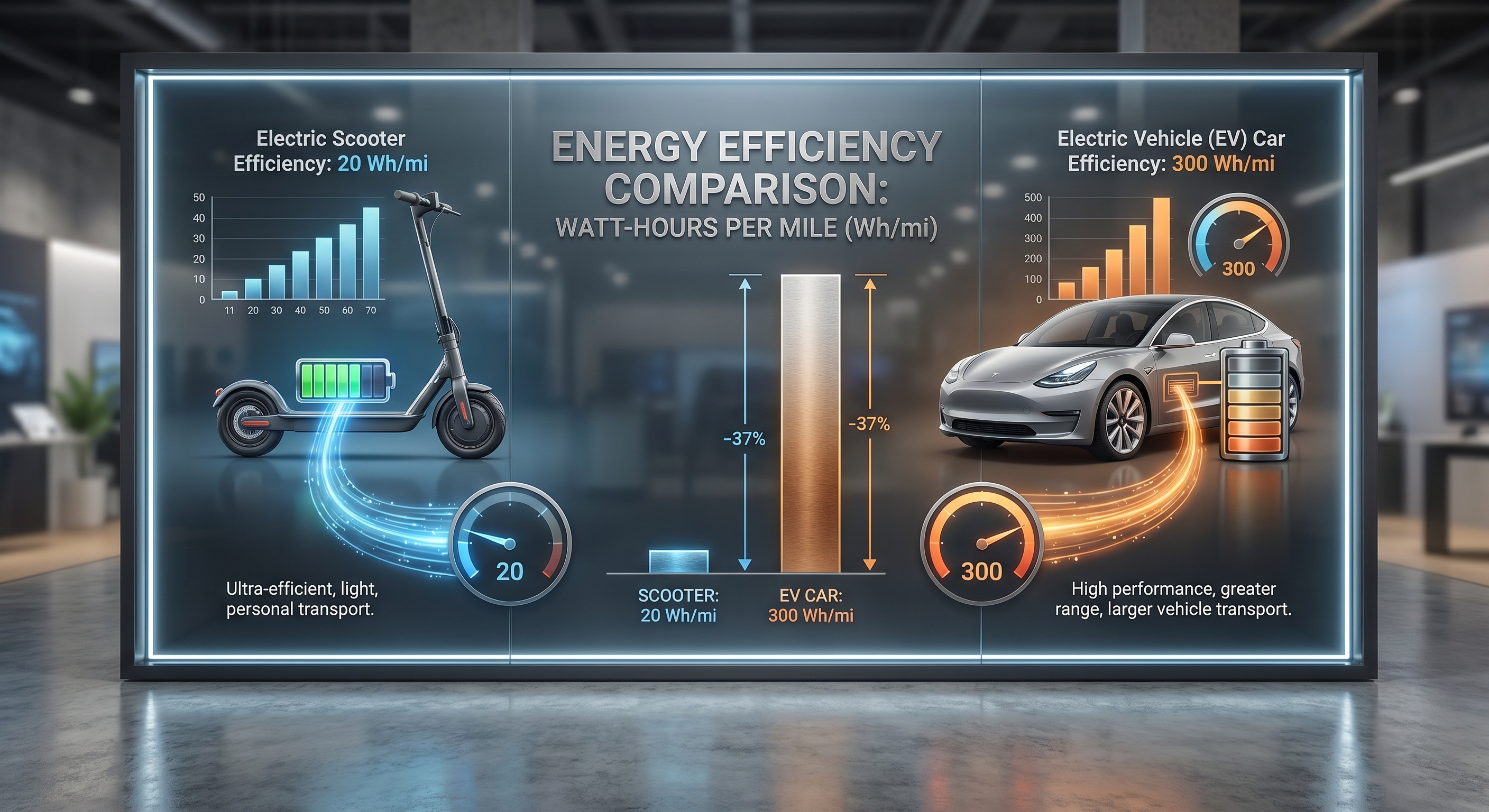
Electric scooters use power far more efficiently than EV cars because they suffer from none of the massive weight penalties associated with heavy passenger vehicles. Analyzing how electric scooters and EV cars draw energy reveals a massive structural gap in power efficiency.
Comparing Energy Consumption Metrics (Wh/mi)
Energy consumption is measured in watt-hours per mile, which clearly reveals the stark efficiency gap between these modes. You will find that electric cars consume roughly 250 to 350 watt-hours per mile. In contrast, a high-quality electric scooter requires only 15 to 25 watt-hours per mile to operate.
But wait, there’s more.
This twelve-fold difference means you can travel much further on the exact same amount of clean electrical energy. It ensures your household electrical consumption remains practically unchanged even with daily use.
- Scooter consumption: ~20 Wh per mile.
- EV Car consumption: ~300 Wh per mile.
- Overall efficiency: Scooters are over 12 times more energy-efficient.
Why Vehicle Weight Dictates Efficiency
A heavy battery pack and massive metal chassis require immense kinetic energy just to roll down the asphalt. You can eliminate this structural waste by opting for a lightweight commuter scooter that weighs under 50 pounds. This choice ensures every watt goes directly toward your forward motion.
Think about it:
An electric scooter weighs less than 1% of a standard electric car, meaning it wastes no energy moving dead weight. By avoiding the transport of excess vehicle mass, you maximize the utility of every single charge.
- Scooter weight: 30 to 60 lbs of aircraft-grade aluminum.
- EV Car weight: 3,000 to 5,000 lbs of heavy steel and copper.
- Payload efficiency: Scooters carry human weight with zero structural drag.
| Efficiency Factor | Electric Scooter | EV Car |
|---|---|---|
| Energy per Mile | 15 – 25 Wh | 250 – 350 Wh |
| Weight Ratio | ~1% of car weight | 100x heavier than scooter |
This comparison reveals how minor lifestyle changes can lead to monumental carbon savings.
Key Takeaway: Operating a lightweight scooter allows you to achieve maximum travel range while minimizing your draw from the electrical grid.
Which pollutes less: electric scooters and EV cars?
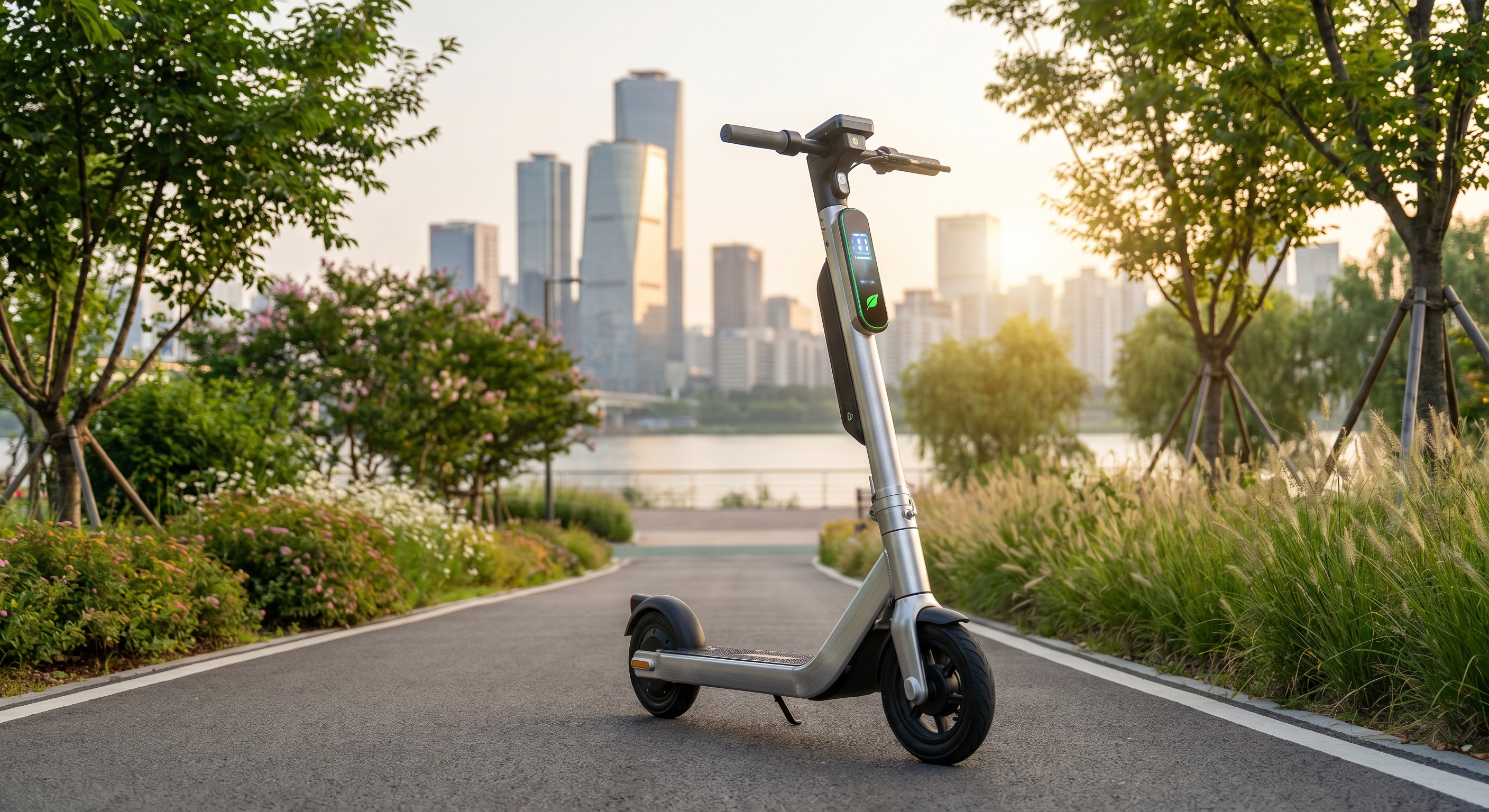
An electric scooter pollutes far less than an EV car when evaluating overall lifecycle greenhouse gas emissions and environmental degradation. Comparing electric scooters and EV cars demonstrates that micro-mobility has an exceptionally small ecological footprint.
Direct Emissions vs. Lifecycle Carbon Debt
While neither vehicle features a tailpipe to spew carbon, their true ecological impact lies in manufacturing and charging emissions. You must consider how much carbon was released to build and power your chosen ride. A lightweight scooter has a tiny fraction of the manufacturing carbon debt compared to a multi-ton electric car.
Here is the real kicker:
Evaluating the complete life cycle of your ride reveals the true environmental cost of your daily travels. Choosing a resource-light vehicle ensures you start your green journey with a minimal environmental deficit.
- Zero tailpipe emissions during everyday operations.
- Very low manufacturing carbon footprint for scooters.
- Minimal environmental degradation during product assembly.
Comparing Carbon Footprints Per Mile Traveled
When calculating emissions per mile based on the average electrical grid, scooters emerge as the ultimate climate champion. You will generate only a small sliver of the carbon dioxide that a full-sized electric vehicle demands. Over years of commuting, this savings prevents thousands of pounds of greenhouse gases from entering the atmosphere.
But wait, there’s more.
A scooter averages roughly 10 grams of CO2 per mile, whereas an EV car averages closer to 110 grams. Making the switch means you actively protect global air quality with every single ride.
- Scooter footprint: ~10 grams of CO2 per mile.
- EV Car footprint: ~110 grams of CO2 per mile.
- Net savings: Over 90% reduction in greenhouse gases.
| Emission Source | Electric Scooter | EV Car |
|---|---|---|
| Grams CO2 / Mile | ~10g | ~110g |
| Annual Carbon Debt | Minimal (under 0.1 tons) | Moderate (over 1.5 tons) |
This comparative analysis underscores how easily you can scale down your personal carbon output.
Key Takeaway: You can achieve an immediate 90% reduction in your daily commuting carbon footprint by switching to a lightweight scooter.
What is the battery impact of electric scooters and EV cars?
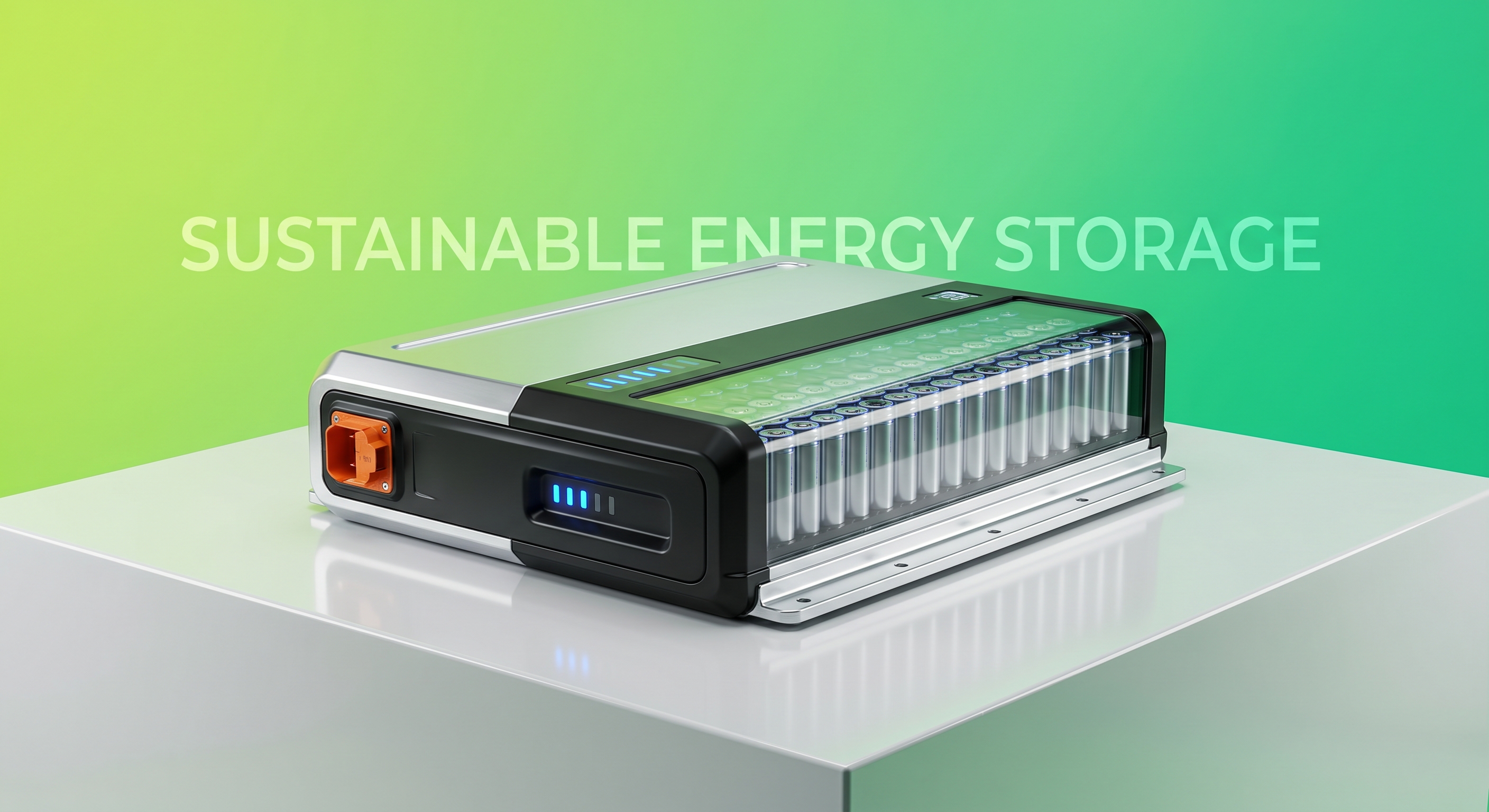
The battery impact of electric scooters and EV cars is vastly different because a car battery requires hundreds of times more raw minerals to construct. You can conserve precious earth resources by choosing a vehicle with a much smaller battery pack.
Raw Mineral Extraction and Environmental Demands
Mining for lithium, cobalt, and nickel often causes severe local ecological disruption and consumes immense volumes of water. You can drastically limit your demand for these mined resources by riding a vehicle with a compact battery. A scooter battery pack utilizes only a tiny fraction of the rare metals found in any electric car.
Think about it:
The environmental toll of extracting raw minerals for a single massive EV battery is substantial. By selecting a micro-mobility device, you minimize your indirect contribution to global mining operations.
- Scooter capacity: ~0.5 kWh of lithium storage.
- EV Car capacity: ~75 kWh of massive battery storage.
- Resource conservation: Scooters use 99% less lithium.
Battery Recycling and Secondary Life Potential
Recycling massive automotive battery packs is a highly complex industrial process that generates significant carbon overhead. You will find that smaller scooter batteries are much easier to handle, refurbish, or recycle at the end of their lifespan. Their modular nature allows them to easily serve as secondary energy storage cells.
Here is the real kicker:
Managing large volumes of automotive batteries remains a major global logistical challenge. Scooter battery systems, being highly compact, present a much lower environmental threat at their end-of-life stage.
- Lower industrial recycling energy requirements.
- High suitability for local residential solar backup setups.
- Reduced chemical waste risks for local landfills.
| Battery Aspect | Electric Scooter | EV Car |
|---|---|---|
| Raw Lithium Mass | ~40 grams | ~8,000 grams |
| Recycling Complexity | Low complexity | Extremely high complexity |
This table highlights the profound resource conservation achieved by choosing micro-mobility over large battery packs.
Key Takeaway: Choosing a compact battery protects global ecosystems from the heavy environmental toll of industrial mining.
Can electric scooters and EV cars clear city smog?

Yes, both electric scooters and EV cars actively reduce city smog by eliminating the fossil fuel combustion that generates harmful tailpipe emissions. You will enjoy cleaner, more breathable air in your local community by supporting these electrified technologies.
Eliminating Urban Air Pollution and Heat Islands
Heavy vehicles generate significant particulate matter from tire wear and brake dust, alongside direct heat that worsens urban heat islands. You can bypass these structural issues by choosing a lightweight, nimble electric scooter. This choice helps keep your local community’s air clean and breathable.
But wait, there’s more.
Electric motors emit none of the harmful greenhouse gases associated with combustion engines. Furthermore, electric scooters generate almost zero waste heat, keeping dense downtown areas cooler.
- No toxic nitrogen oxides or sulfur dioxide emissions.
- Massively reduced tire wear particulate emissions.
- Lower thermal output prevents urban heat buildup.
Curing Congestion and Maximizing Road Space
Stuck in gridlock, even electric cars take up valuable road space and contribute to city-wide transportation delays. You can easily glide past backed-up traffic on dedicated bike paths, saving your precious time and energy. Plus, parking a scooter takes up only a fraction of the space.
Think about it:
Traffic jams do more than waste your time; they also increase localized noise and energy waste. Reclaiming the streets with micro-mobility is the key to creating livable, modern cities.
- Bypasses gridlock to keep urban traffic flowing.
- Zero idle energy wasted during your daily commute.
- Ten scooters can park in a single car space.
| Urban Impact | Electric Scooter | EV Car |
|---|---|---|
| Gridlock Relief | High (Bypasses traffic entirely) | Low (Contributes to vehicle density) |
| Parking Footprint | Minimal (10% of a car bay) | High (Requires full-sized parking) |
This comparison shows how micro-mobility resolves the structural spacing issues that cars simply cannot fix.
Key Takeaway: You can actively reduce local traffic congestion and parking struggles by choosing a compact personal vehicle.
How are electric scooters and EV cars manufactured?
Manufacturing electric scooters and EV cars requires high-precision industrial facilities, but building a full-sized car demands a massive upfront carbon debt. You can start your green journey with a much lower environmental deficit by choosing a lightweight vehicle.
Production Phase Carbon Debts Compared
Every vehicle starts its life with a carbon debt from the energy used to mine, cast, and assemble its components. You will find that producing an electric car releases up to ten metric tons of greenhouse gases before it even drives its first mile. A scooter’s small aluminum frame requires only a minute fraction of that manufacturing energy.
Here is the real kicker:
Paying off your manufacturing carbon debt happens rapidly when your vehicle features a highly streamlined physical footprint. Choosing a lightweight ride ensures your net carbon savings begin accumulating within just a few weeks of use.
- Scooter manufacturing footprint: ~150 kg of CO2.
- EV Car manufacturing footprint: ~10,000 kg of CO2.
- Carbon payback period: Weeks for scooters vs. years for cars.
Assembly Facility Footprint and Water Usage
Heavy automotive factories require immense land area, massive energy grids, and large quantities of water for cooling and paint shops. You support a far more streamlined, resource-light manufacturing process when you invest in a premium electric scooter. These lightweight assembly lines operate with minimal environmental impact.
But wait, there’s more.
Modern micro-mobility production plants incorporate highly efficient robotics that consume a fraction of the electricity used in heavy automotive assembly. This reduces the localized environmental footprint of the factories themselves.
- Highly efficient, compact manufacturing facilities.
- Minimal chemical byproduct waste during frame construction.
- Low industrial water consumption compared to automotive plants.
| Mfg Metric | Electric Scooter | EV Car |
|---|---|---|
| Initial CO2 Debt | ~150 kg | ~10,000 kg |
| Water Usage | Minimal consumption | High industrial consumption |
These metrics illustrate that starting with a smaller physical footprint prevents massive upfront industrial carbon debt.
Key Takeaway: Choosing a scooter ensures your eco-friendly commute pays off its carbon debt almost immediately.
Where do electric scooters and EV cars get energy?
Both electric scooters and EV cars rely on the electrical grid, but scooters draw so little electricity that they remain green even on fossil-fuel-heavy grids. You will minimize your reliance on heavy utility infrastructure by choosing the most efficient ride.
Grid Demands and Clean Energy Synergy
A heavy electric vehicle draws massive loads from your home’s electrical panel, often requiring expensive electrical service upgrades. You will discover that a scooter plugs directly into any standard outlet and draws less power than a home blender. This low energy requirement makes charging on local solar power incredibly easy.
Think about it:
Utilizing clean, self-generated solar energy allows you to achieve true zero-emission transit for your daily commute. Because a scooter’s demand is so small, a single domestic solar panel can easily supply your daily charging needs.
- Standard wall outlet charging with no upgrades needed.
- Seamless integration with small residential solar panels.
- Extremely low impact on local utility grids during peak hours.
Mitigating Dirty Grid Power Plants
In regions where coal or gas still powers the grid, heavy EVs still generate moderate indirect charging emissions. You can bypass this issue because a scooter consumes so few kilowatt-hours that its indirect emissions are virtually non-existent. It remains highly eco-friendly regardless of your local energy mix.
Here is the real kicker:
Reducing your overall kilowatt-hour consumption per mile is your best defense against fossil-fuel-dependent utility grids. It ensures your green commute is highly effective from day one.
- Ultra-low electrical consumption shields you from high utility rates.
- Indirect carbon emissions are minimized to negligible levels.
- Future-proofed transit that gets cleaner as the grid decarbonizes.
| Grid Impact | Electric Scooter | EV Car |
|---|---|---|
| Daily Charging Draw | ~0.5 kWh | ~15 to 30 kWh |
| Home Solar Fit | Excellent (Requires minimal panel area) | Challenging (Requires massive solar array) |
This data highlights how minimizing energy draw is the best way to bypass fossil-fueled grid dependence.
Key Takeaway: Charging a micro-mobility vehicle minimizes your reliance on heavy grid infrastructure, enabling easy off-grid solar charging.
What is the lifespan of electric scooters and EV cars?
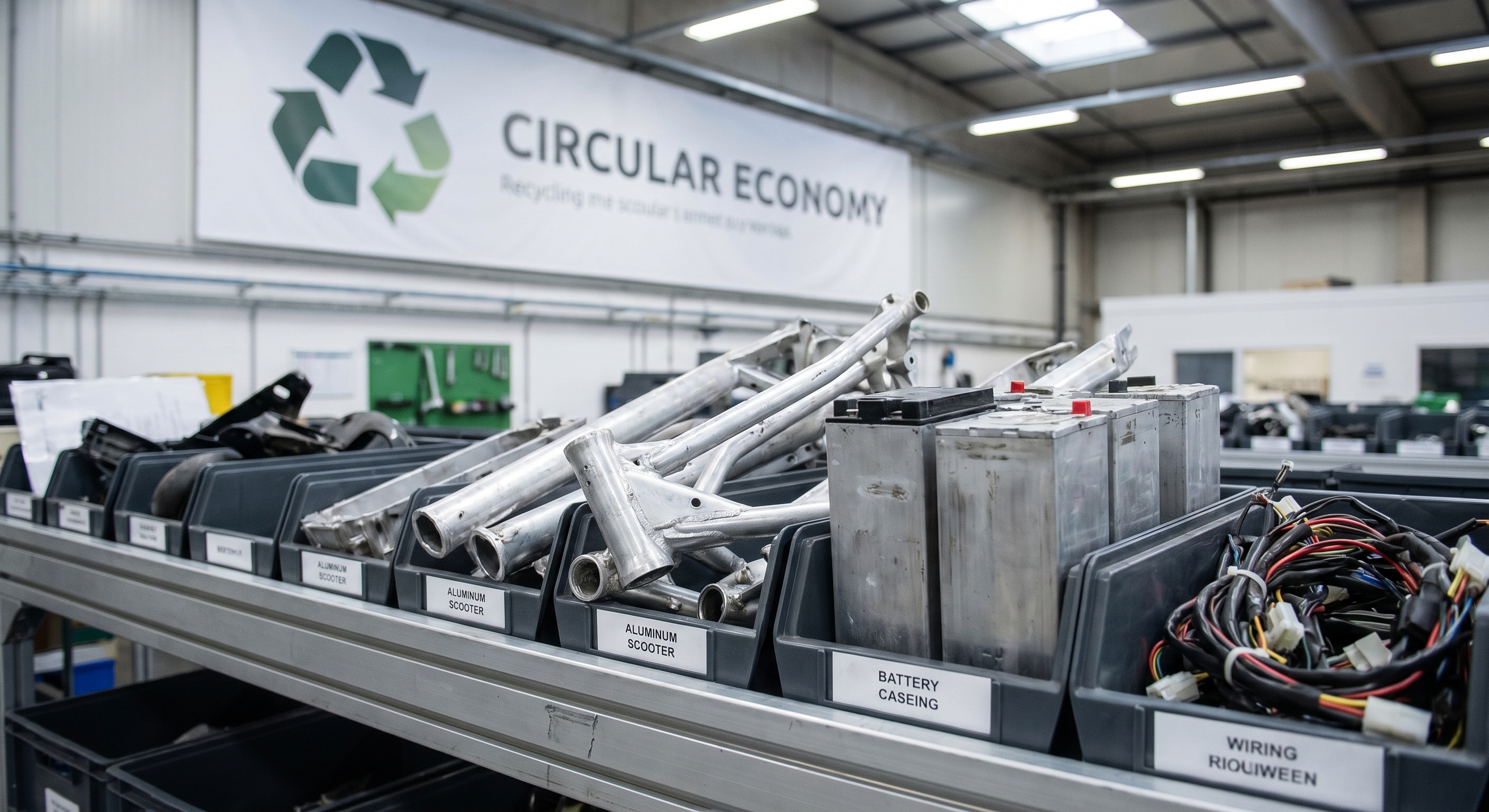
Examining the lifespan of electric scooters and EV cars reveals that while electric cars typically last longer, the modular repairability of premium scooters makes them highly sustainable. You can easily extend your vehicle’s life with simple, cost-effective part replacements.
Premium Engineering and Modular Durability
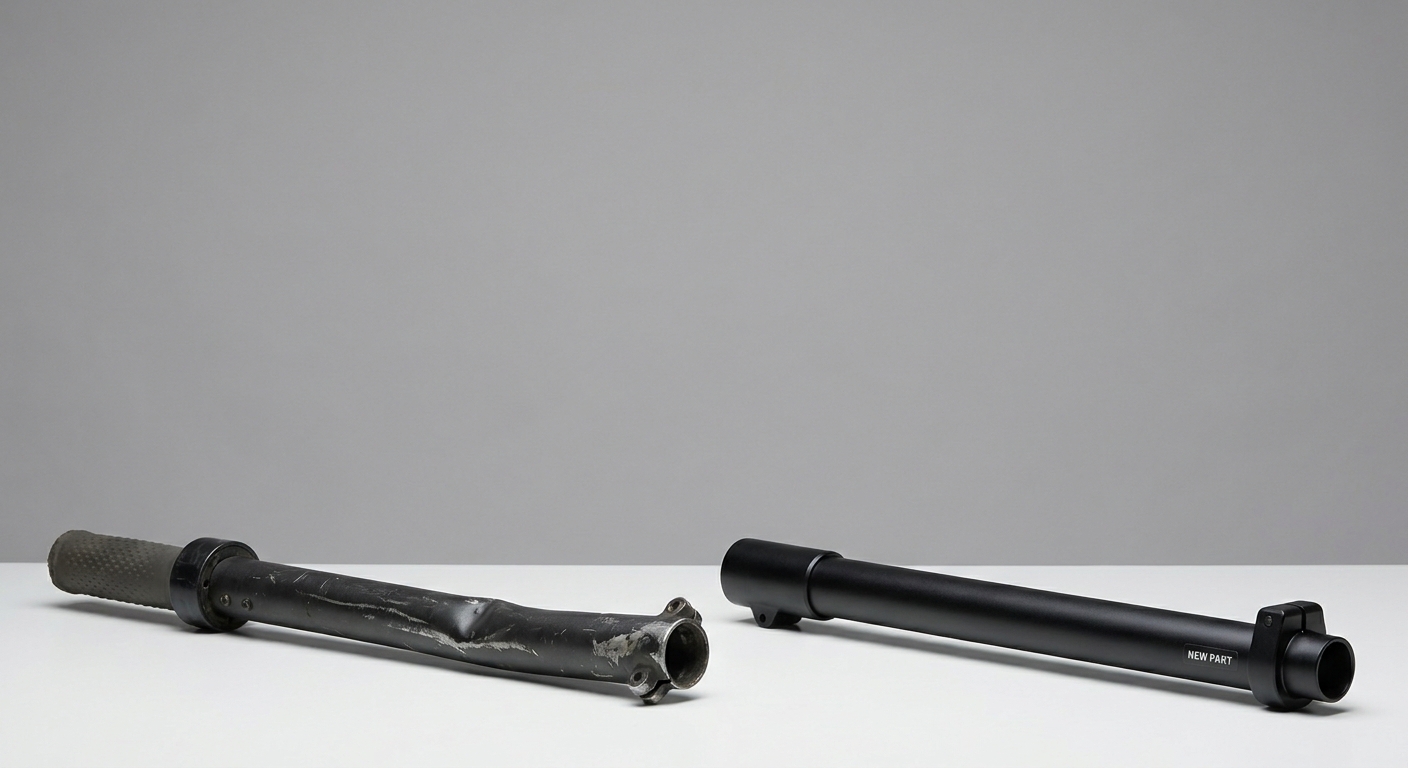
High-quality electric scooters are crafted with durable aircraft-grade aluminum frames and robust electrical systems built for years of daily use. You can easily replace worn tires, brake pads, or battery packs yourself without paying for a professional mechanic. This modular design prevents you from discarding the entire vehicle over a single failed part.
But wait, there’s more.
Investing in a durable, well-engineered ride ensures your environmental savings compound over many years. Premium frames resist corrosion and mechanical stress, maintaining their safety and structural integrity over thousands of miles.
- Aircraft-grade aluminum ensures long-term structural integrity.
- Modular components allow for quick, cost-effective repairs.
- Long battery life delivers thousands of reliable charge cycles.
Simple End-of-Life Recycling Processes
Disassembling and recycling a massive multi-material electric car is an intensive, complex industrial undertaking. You will find that recycling a 40-pound aluminum scooter is extremely straightforward. Its clean metal frame can be easily melted down and reused with almost zero material degradation.
Think about it:
Reducing the physical mass of waste is just as important as reducing energy use. By opting for a lighter vehicle, you significantly decrease the burden on local recycling facilities when the ride finally reaches its end-of-life.
- 100 times less physical waste volume to process.
- Simple disassembly requires only standard hand tools.
- High-value aluminum alloys are highly sought by recyclers.
| Sustainability Metric | Electric Scooter | EV Car |
|---|---|---|
| Repair Ease | High (User-serviceable modular parts) | Low (Requires specialized mechanic shop) |
| Recycling Complexity | Minimal (Simple metal alloy frames) | High (Complex multi-material composites) |
This comparison illustrates how modular design and simple materials prolong vehicle utility while reducing landfill waste.
Key Takeaway: You can easily maintain your scooter’s longevity through simple DIY parts swapping, keeping waste to an absolute minimum.

How to choose between electric scooters and EV cars?
Choosing between electric scooters and EV cars depends on your daily commuting distance, local weather patterns, and personal budget goals. You can easily make the right decision once you analyze your primary commuting needs.
Assessing Your Daily Commuting Range
If your daily round-trip commute is under fifteen miles, a high-quality electric scooter is the most efficient and enjoyable option. You will love bypassing gridlock in the fresh air instead of sitting frustrated inside a massive, expensive car cabin. Matching your vehicle to your actual trip length prevents wasteful overconsumption.
Think about it:
Most urban car trips are short, solo journeys where carrying two tons of metal is completely unnecessary. Scaling down your vehicle choice directly translates to immediate efficiency and stress relief.
- Ideal for swift commutes of one to ten miles.
- Easily handles moderate commutes with long-range scooter builds.
- Prevents moving unnecessary vehicle weight for short solo trips.
Fitting Your Budget and Storage Needs
A folding electric scooter fits effortlessly in your apartment closet, under your office desk, or inside a train car. You can enjoy the ultimate multi-modal commute by combining your scooter with public transit on rainy days. This flexibility offers a level of convenience that no full-sized automobile can ever match.
Here is the real kicker:
You do not need a private garage or a dedicated parking space to own a premium scooter. It integrates seamlessly into compact urban living spaces, offering hassle-free mobility.
- Saves space with quick-folding, lightweight frames.
- Enables multi-modal travel with buses, trains, and subways.
- Eliminates the need for a dedicated parking spot or garage.
| Commute Profile | Electric Scooter | EV Car |
|---|---|---|
| Daily Distance <15mi | Best choice for speed & green commuting | Highly inefficient and costly for solo trips |
| Portability & Storage | Easily fits in closets or offices | Requires driveway or parking garage |
This systematic comparison shows how matching your travel habits to the correct vehicle scale yields the best lifestyle dividends.
Key Takeaway: Choosing a premium scooter for your urban trips delivers unmatched portability while removing the stress and cost of car ownership.
Conclusion
Embracing a clean, eco-friendly commute does not have to mean buying a heavy, complex electric car that drains your finances and keeps you trapped in daily urban traffic. Micro-mobility offers the ultimate green escape from gridlock, high energy bills, and upfront manufacturing carbon debts. At Dynamics, we are committed to engineering premium, high-performance personal electric vehicles designed specifically to elevate your urban journey while preserving our planet.
You have the power to reclaim your time, slash your carbon footprint by 90%, and enjoy a pristine, quiet ride through the city streets. Let us help you find the perfect high-end ride for your daily transit needs; we invite you to contact us today to explore our sustainable personal electric vehicle collection!

Frequently Asked Questions
Can I ride my electric scooter in wet weather?
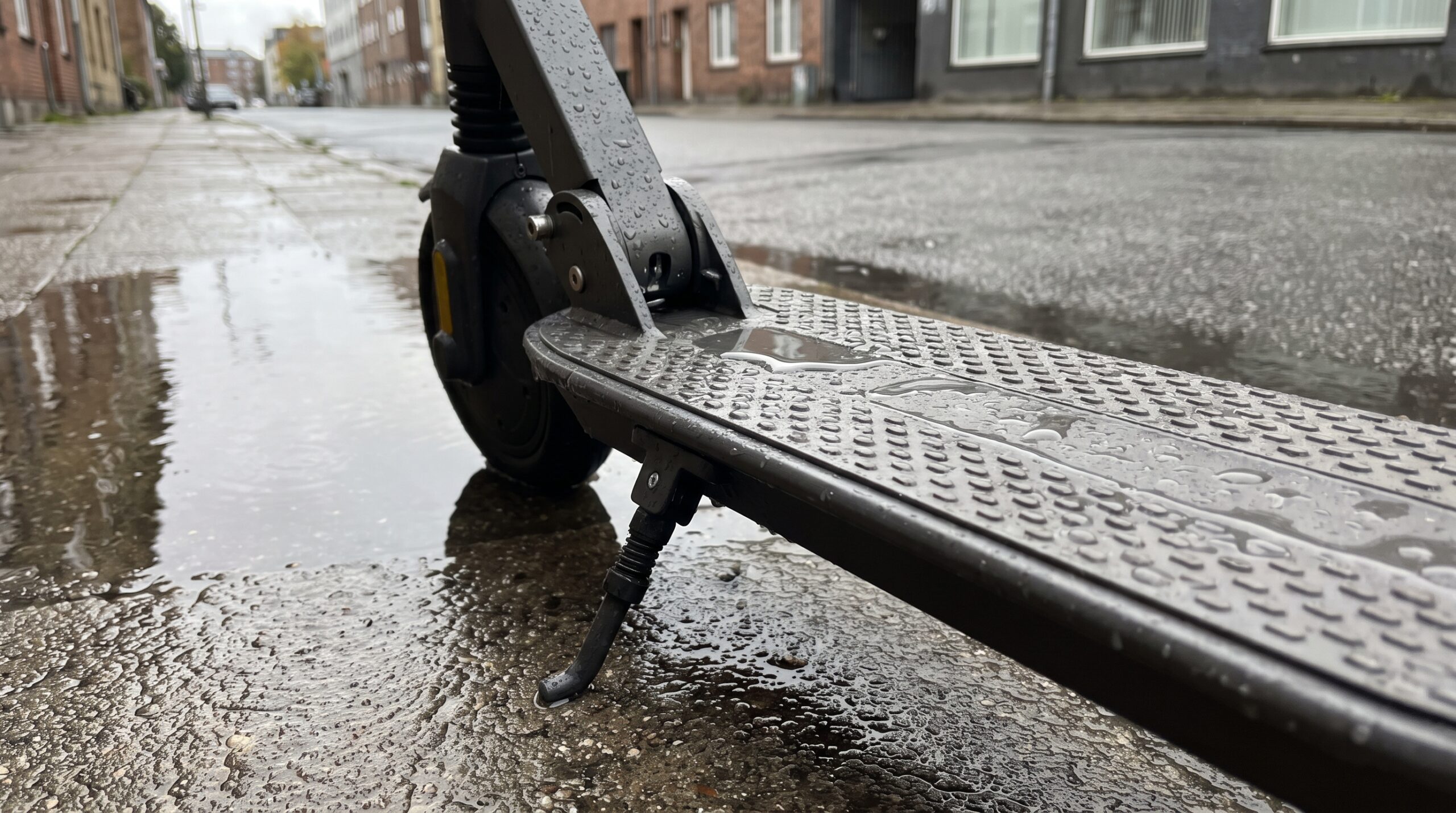
Yes, premium electric scooters can handle light rain and damp roads if they have a certified water-resistance rating. You should always check for an IP54 or IP65 rating on your vehicle to ensure its sensitive electronics are shielded from moisture.
What’s the best way to clean my electric scooter battery?
You should avoid exposing the battery pack to direct water, choosing instead to wipe the casing with a damp cloth. Keeping the charging port clean and dry is the single most important step to prevent short circuits and preserve cell longevity.
How do I know if an electric scooter can handle steep hills?
An electric scooter is perfect for hilly areas if it features a high-torque motor rated at 500W or higher. Premium models are engineered with dual motors and robust controller systems that supply continuous climbing power without overheating.
Can I charge my electric scooter with clean solar energy?
Yes, charging your scooter with a residential solar system is incredibly simple due to its low power draw. Because a standard scooter battery uses less than 0.5 kWh, a single solar panel can easily generate enough energy to fully recharge it.
How do I know if a scooter is better than an EV car for me?
An electric scooter is your absolute best option if your daily commutes are under fifteen miles and you travel alone. If you primarily commute in congested urban areas and want to eliminate parking fees, a scooter offers unmatched freedom.