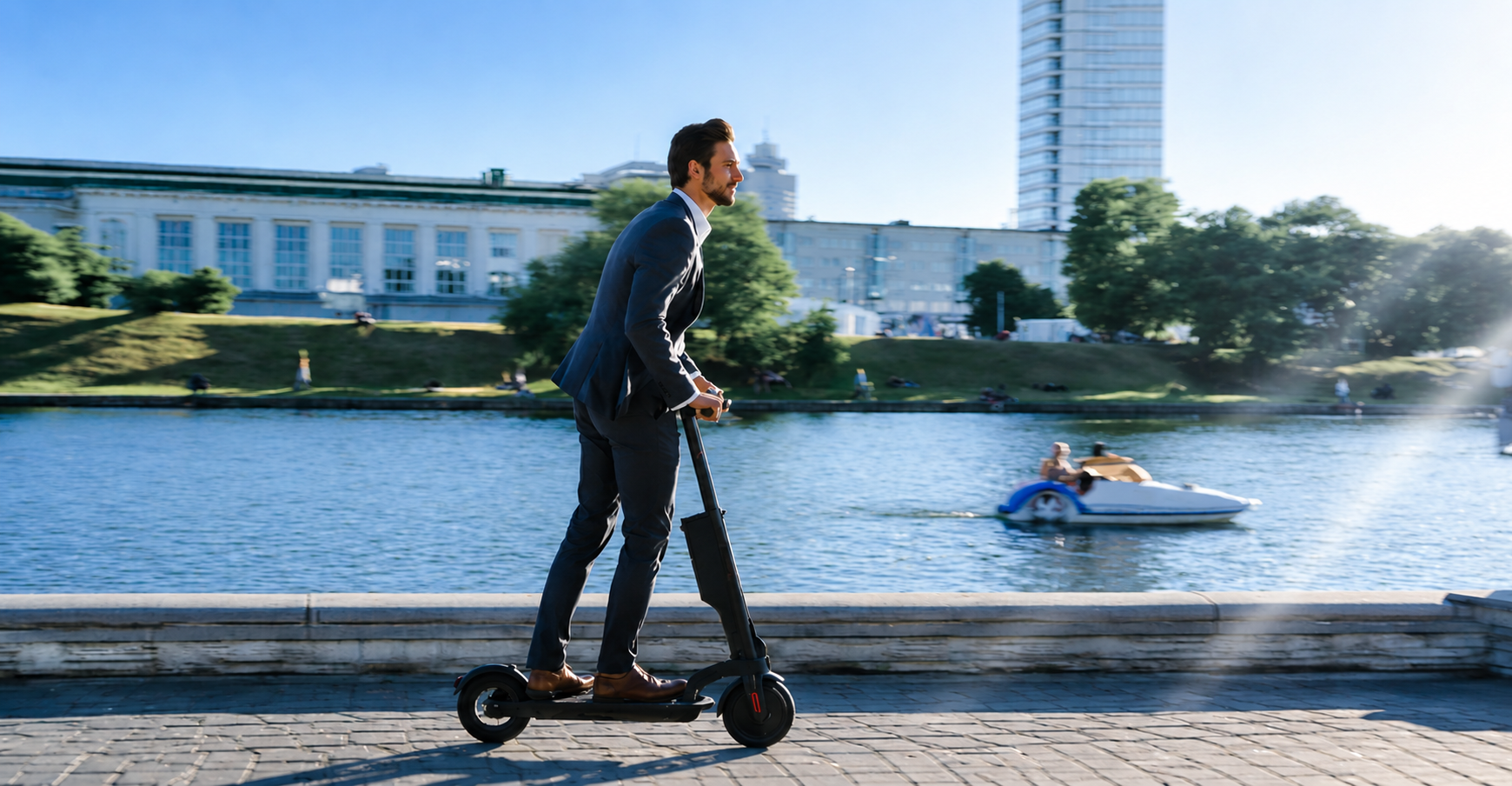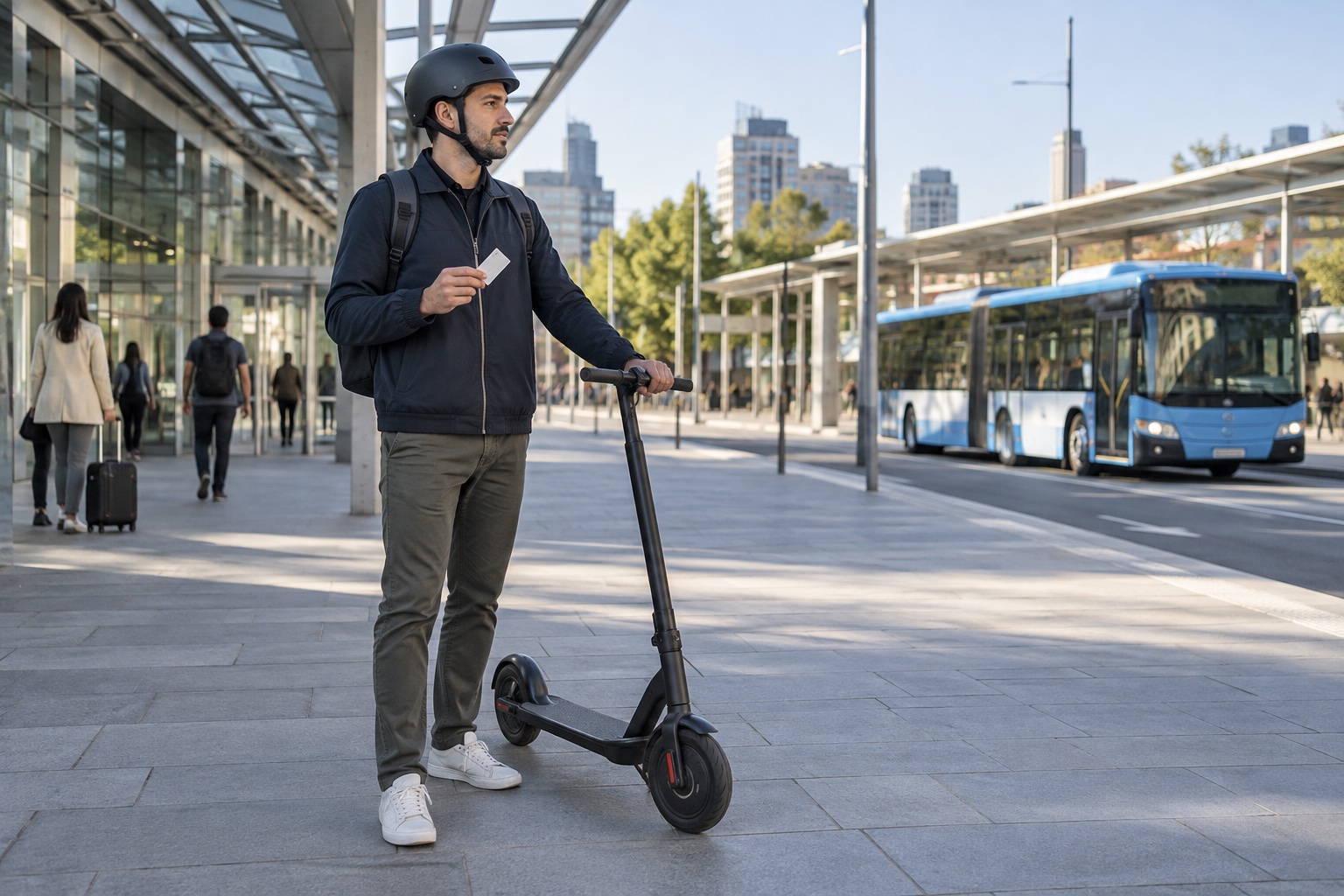

Electric scooter laws in Texas in 2026 permit you to ride on roads with a speed limit of 35 mph or lower without a driver’s license or insurance, provided you obey local city rules. Navigating the shifting regulations across Texas cities can feel like a stressful legal minefield for daily commuters.
One wrong turn onto a high-speed arterial road or parking in a restricted zone could leave you facing steep administrative fines, or worse, have your custom ride towed away.
Fortunately, learning the correct legal standards ensures you stay safe, legal, and fully in control. By mastering the electric scooter laws in Texas, you can confidently navigate the streets on a high-performance ride.
How do electric scooter laws in Texas define your ride?
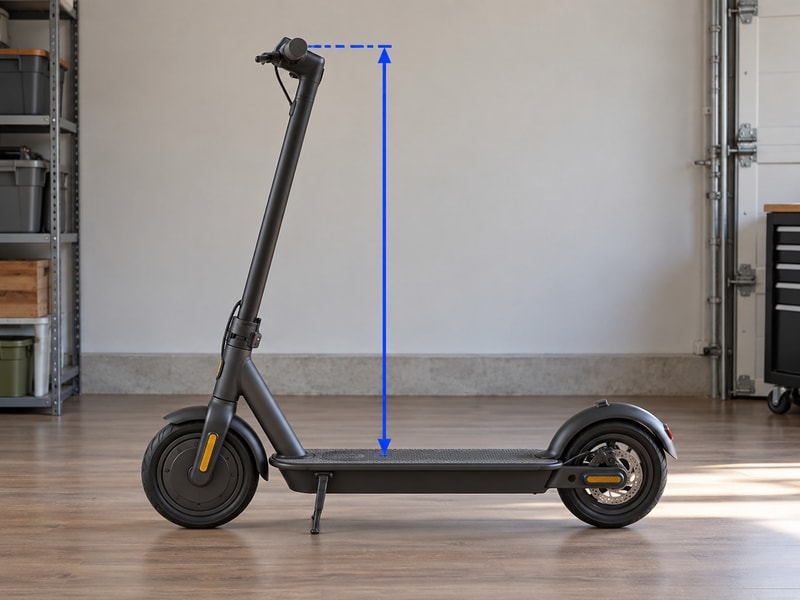
Electric scooter laws in Texas define your ride as a “motor-assisted scooter” under state code, provided it has at least two wheels, a braking system, a flat deck, and human-propulsion capability. To ride legally on public roads, you must understand how the electric scooter laws in Texas classify your micro-mobility device. If your ride has a motor under 40cc (or the electric equivalent) and supports manual pushing, it fits this status perfectly.
State-level design guidelines for legal status
Here is the deal:
Your scooter must meet the precise structural parameters set by the state of Texas to remain classified as a motor-assisted scooter. Operating a device that exceeds these limits changes your legal standing.
- Must feature at least two wheels and a functional braking system.
- Must be designed for a standing or sitting rider on a flat deck.
- Must be capable of human-powered propulsion if the motor is off.
Reclassification risks for high-powered rides
Think about it:
If your ride features a motor that exceeds the standard 40cc equivalent, it will be reclassified under Texas law. This reclassification means your vehicle is treated as a moped or motorcycle.
- You could face strict vehicle registration and DMV mandates.
- You might be forced to purchase mandatory liability insurance.
- You could be barred from traditional bicycle infrastructure.
Key Takeaway: Always verify your scooter’s motor wattage and design specs before hitting Texas public streets.
| Vehicle Type | Motor Limit | License Required | Registration |
|---|---|---|---|
| Motor-Assisted Scooter | Max 40cc equiv | No | No |
| Moped / Motorcycle | Exceeds 40cc equiv | Yes | Yes |
This comparison table highlights how physical specifications dictate your administrative responsibilities under state regulations.
Who must follow electric scooter laws in Texas today?

Electric scooter laws in Texas apply to every operator on public roads, regardless of whether you are riding a personally owned device or a shared commercial rental. Understanding the reach of electric scooter laws in Texas is essential for both daily commuters and weekend recreational riders. Failing to comply can lead to individual citations from local law enforcement officers.
Regulations for private scooter owners
Here is the kicker:
As a private owner, you have the freedom to ride your personal vehicle on any legally permitted roadway or lane. However, you carry full personal liability for any compliance or safety violations.
- You must obey all active red lights and stop signs.
- You must yield the right-of-way to all pedestrians.
- You are personally responsible for keeping your ride legal.
Look look:
While rental riders might feel anonymous, they are subject to the same traffic regulations as private vehicle owners. Additionally, app-based geofences will actively limit your speed and navigation boundaries.
- You must park within designated geo-fenced parking stalls.
- You cannot operate outside of the service provider’s allowed zone.
- You must agree to the app’s safety terms and age verification.
Key Takeaway: Ownership does not shield you from traffic tickets; all riders on public streets are held to the exact same standards.
| Rider Category | Traffic Laws Apply | Geofenced Speed Limits | Personal Liability |
|---|---|---|---|
| Private Owner | Yes | No | Full |
| Rental User | Yes | Yes (App enforced) | Shared / App terms |
The detailed matrix outlines how your legal and operational liabilities differ based on how you access your scooter.
Where do electric scooter laws in Texas allow riding?
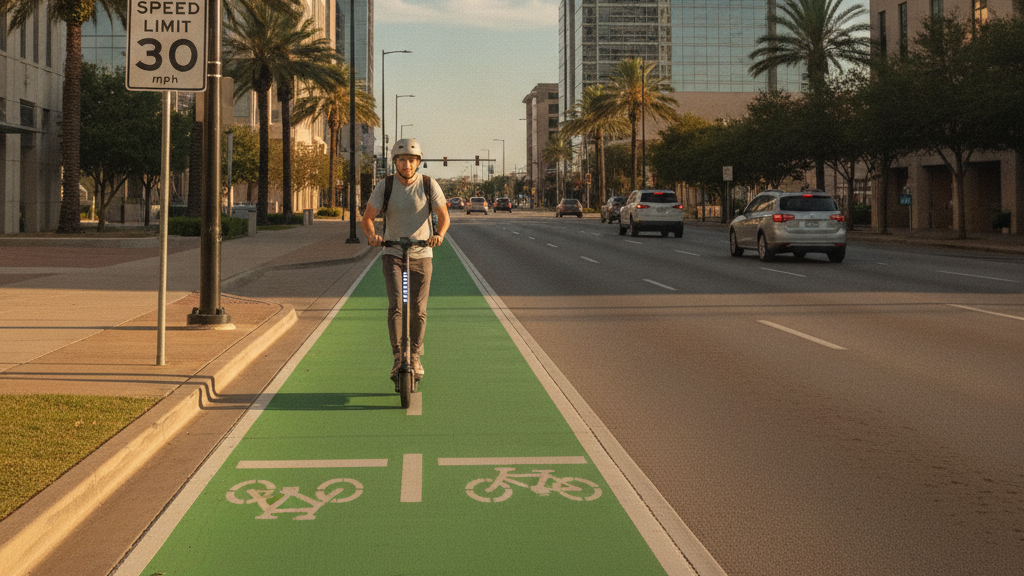
Electric scooter laws in Texas allow you to ride on any public road with a posted speed limit of 35 mph or less, as well as designated bicycle lanes. Knowing exactly where to steer your vehicle is a critical aspect of mastering the electric scooter laws in Texas. While state law opens up a majority of public streets, you must always stay alert for localized restrictions.
Here is the deal:
You can legally operate your e-scooter on standard municipal roads with low speed limits, keeping as close to the right side of the road as possible. This maintains a predictable flow for faster motor traffic.
- Residential roads are highly accessible and generally safe to use.
- Downtown streets with speed limits under 35 mph are fully legal.
- High-speed expressways and arterial highways are strictly prohibited.
Look at it this way:
Using designated lanes separates you from heavy vehicular traffic, dramatically lowering your risk of an accident on busy city streets. Most metropolitan corridors encourage micromobility within these protected paths.
- Green painted bike lanes offer the highest visibility and protection.
- Shared-use recreational paths allow scooters unless local signs say otherwise.
- You must always yield to traditional manual cyclists in shared lanes.
Key Takeaway: Stick to low-speed roads and actively utilize bike lanes to ensure a legal and secure commute.
| Riding Environment | Legality Status | Operating Rules |
|---|---|---|
| Streets ≤ 35 mph | Fully Legal | Stay as far right as possible |
| Designated Bike Lanes | Fully Legal | Yield to manual bicycles |
| Highways > 35 mph | Prohibited | Strictly off-limits |
Use this breakdown to plan your daily route through legal, low-risk municipal corridors.
Do electric scooter laws in Texas require a license?

Electric scooter laws in Texas do not require riders to hold a valid driver’s license, state vehicle registration, or liability insurance. This bureaucratic exemption under electric scooter laws in Texas is one of the best parts of the current system. It makes e-scooters incredibly accessible and affordable alternatives for urban transit.
Driver’s license and testing exemptions
Think about it:
You do not need to pass a written test, perform a practical road exam, or carry a physical license card to commute. Anyone who meets basic age requirements can jump on a scooter and go.
- No class-level driver’s license is required by the state.
- No official DMV testing or permit processing is mandated.
- Minors must still adhere to localized municipal age minimums.
Registration and DMV requirements
Here is the kicker:
You can skip the long lines at the DMV because standard micromobility devices do not require license plates or annual inspections. This keeps your operating costs extremely low.
- No physical license plates or registration decals are issued.
- No annual state-mandated vehicle inspections are required.
- Optional personal liability insurance is highly recommended for safety.
Key Takeaway: Enjoy the hassle-free legal status of e-scooters, but always practice safe riding even without licensing requirements.
| Administrative Category | E-Scooter Requirement | Traditional Vehicle |
|---|---|---|
| Driver’s License | Not Required | Required |
| DMV Registration | Not Required | Required |
| Annual State Inspection | Not Required | Required |
This data table demonstrates how much red tape you save by choosing a scooter over a traditional car or motorcycle.
How do electric scooter laws in Texas restrict speed?

Electric scooter laws in Texas enforce a maximum statewide speed limit of 20 mph on public streets and roads. Violating velocity limits can lead to unexpected speeding citations, making it vital to understand speed-based electric scooter laws in Texas. Even if your custom machine can fly faster, public roads demand strict compliance.
The 20 mph state speed cap
Here is the deal:
Your scooter must not exceed 20 mph when operating on public pavement under general state codes. Manufacturers often build electronic speed limiters into their models to guarantee riders stay compliant.
- Exceeding 20 mph on public streets is treated as a speeding violation.
- Staying under 20 mph protects your legal standing as a scooter.
- Keeping speeds moderate ensures you have enough time to brake safely.
Municipal slow-ride zones
Look at it this way:
Texas cities possess the legal authority to enact much lower speed limits within congested pedestrian districts. If you ride in these zones, prepare for automatic or manual speed reduction.
- Austin and Dallas cap shared rental speeds at 15 mph.
- Special high-traffic plazas enforce slow-ride zones capped at 10 mph.
- Sidewalk transit speeds must be kept to walking paces.
Key Takeaway: Respect the 20 mph state limit, and always slow down to localized caps in dense, pedestrian-heavy zones.
| Zone Type | Legal Speed Limit | Enforcement Method |
|---|---|---|
| Texas State Roads | 20 mph | Police Radar / Citations |
| Austin Downtown | 15 mph | App Geofencing / Local Law |
| Slow-Ride Plazas | 10 mph | Automated App Restriction |
Use this speed map to adjust your riding velocity and avoid costly citations in different jurisdictions.
Do electric scooter laws in Texas require a helmet?

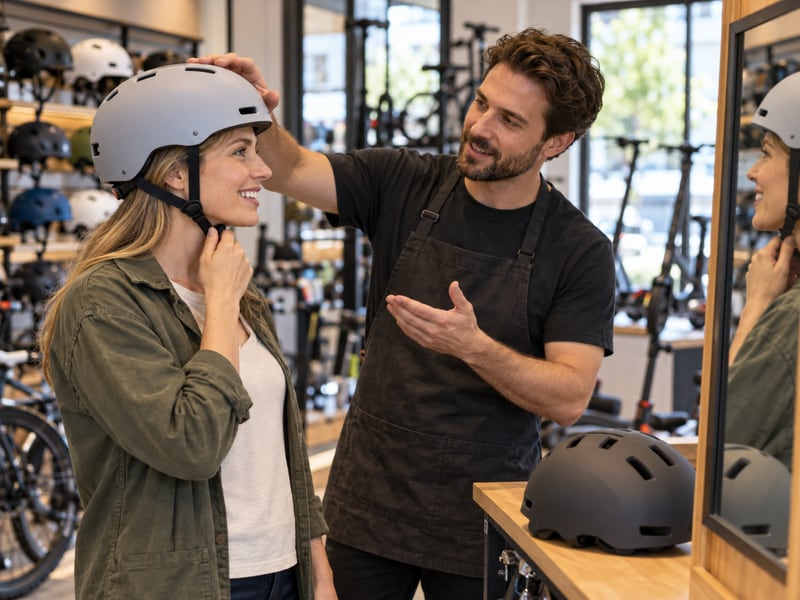
Electric scooter laws in Texas do not enforce a statewide helmet mandate for adult riders over the age of 18. Even though the state leaves the choice up to you, navigating the electric scooter laws in Texas requires checking your local municipal ordinances. Many cities enforce their own protective gear rules, particularly for younger riders.
State regulations and minor requirements
Think about it:
The state code encourages helmet use for everyone but only mandates it under specific local conditions for minors under 18. Protecting your head should always be a personal priority regardless of the law.
- No state-level helmet law exists for adult riders.
- Minors are frequently required to wear helmets under local bylaws.
- Parents can face secondary citations if children ride unprotected.
Local city-level safety mandates
Here is the kicker:
Several municipalities and university campuses enforce strict protective gear requirements within their borders. Ignoring these local laws can lead to a quick stop by park police or campus security.
- Colleges often require helmets on their internal pathways.
- Certain city parks require helmets for riders of all ages.
- Rental companies strongly recommend helmets in their terms of service.
Key Takeaway: While adults are legally exempt at the state level, wearing a helmet is the smartest safety choice you can make.
| Age Bracket | State Law Helmet | Local City Helmet | Recommendation |
|---|---|---|---|
| Under 18 | Optional (State default) | Often Mandated | Essential |
| 18 and Older | Optional | Rarely Mandated | Highly Advised |
This safety matrix clearly outlines who must legally wear head protection in different Texas jurisdictions.
Are lights required by electric scooter laws in Texas?

Electric scooter laws in Texas require your vehicle to be equipped with a front white light and a rear red light or reflector when riding at night. Riding after dusk without correct illumination is a severe safety hazard and violates the electric scooter laws in Texas. Keeping your path bright ensures you stay visible to oncoming motorists.
Front headlight visibility standards
Here is the deal:
Your scooter’s front headlight must project a clean white beam that is strong enough to be seen from hundreds of feet away. This legal minimum ensures motorists can spot you at intersections.
- Must be an active white light during low-visibility hours.
- Must be visible from a distance of at least 500 feet.
- Can be mounted on the handlebar stem or integrated into your helmet.
Rear safety light and reflector setup
Look at it this way:
An active rear red light or highly reflective red element prevents dangerous rear-end collisions. This simple equipment makes a massive difference when you are sharing the road with speeding cars.
- A rear red light or red reflector is strictly required.
- Must be visible from a distance of at least 300 feet.
- Reflective vests or backpack straps dramatically boost your night safety.
Key Takeaway: Never ride at night without a front white light visible from 500 feet and a rear red indicator visible from 300 feet.
| Safety Component | Color Standard | Minimum Visible Distance |
|---|---|---|
| Front Headlight | White | 500 feet |
| Rear Light / Reflector | Red | 300 feet |
This checklist summarizes the legal illumination requirements necessary for late-night riding across the state.
Do electric scooter laws in Texas ban sidewalk riding?

Electric scooter laws in Texas permit sidewalk riding by default, but they grant local municipalities the full authority to pass sidewalk bans. This means details of the electric scooter laws in Texas are highly localized and occasionally confusing. You must learn the exact rules of the city you are currently riding in to avoid fines.
State guidelines and the 8 mph safety rule
Think about it:
Texas state law says that if you ride on a legal sidewalk, you must keep your speed extremely low to protect walkers. Exceeding a safe pace is legally considered reckless behavior.
- Speeds over 8 mph on sidewalks are legally presumed dangerous.
- You must always yield the absolute right-of-way to pedestrians.
- Give an audible warning signal before overtaking someone from behind.
City-level sidewalk prohibitions
Here is the kicker:
Major metropolitan areas heavily restrict or completely ban e-scooters on sidewalks, especially in active commercial centers. Police officers in these cities will actively ticket sidewalk riders.
- Austin bans e-scooters on specific pedestrian-heavy downtown sidewalks.
- Dallas prohibits sidewalk riding except when beginning or ending a trip.
- Using designated bike lanes keeps you entirely clear of sidewalk violations.
Key Takeaway: Avoid riding on sidewalks in major downtown areas, and limit your speed to 8 mph on legal paths.
| Authority Level | Sidewalk Transit Permitted | Maximum Legal Speed Cap |
|---|---|---|
| State Default | Yes (unless local ban exists) | 8 mph (over this is imprudent) |
| City Ordinances | Frequently Banned in Downtowns | N/A (prohibition applies) |
This regulatory framework highlights the massive difference between state defaults and strict municipal sidewalk bans.
How do local cities alter electric scooter laws in Texas?

Electric scooter laws in Texas are heavily modified by local cities using specific rules on parking, overnight curfues, and geofenced slow zones. Navigating municipal variations is the ultimate test of complying with electric scooter laws in Texas. Each city shapes these rules to fit their specific urban density and safety concerns.
Austin’s parking and geofenced zones
Here is the deal:
Austin enforces incredibly strict parking rules to keep public paths and wheel-chair ramps clear of dockless devices. Leaving your scooter in the wrong place can result in immediate impoundment.
- You must park scooters upright in designated paint-marked zones.
- Blocking ADA sidewalk ramps or building exits is highly illegal.
- Popular public parks are geofenced as strict “no-ride zones.”
Houston’s curfews and Dallas speed caps
Look at it this way:
Houston and Dallas take aggressive steps to control micromobility during peak hours. From late-night riding curfews to automated speed reduction, you must play by their local rules.
- Houston enforces a total scooter curfew from 8:00 p.m. to 4:00 a.m.
- Dallas forces riders to slow down to 10 mph in slow-ride zones.
- Unlicensed commercial fleets are completely banned in both cities.
Key Takeaway: Always check localized rules, as Austin focuses on parking zones while Houston relies on curfews.
| City | Sidewalk Riding | Night Curfew (8 PM – 4 AM) | Core Regulatory Focus |
|---|---|---|---|
| Austin | Restricted downtown | No | Orderly Parking & No-Ride Zones |
| Houston | Allowed (mostly) | Yes | Strict Late-Night Riding Curfew |
| Dallas | Banned (with exceptions) | No | Strict Slow-Ride Pedestrian Zones |
This localized guide highlights the contrasting municipal rules you must respect when riding through major Texas cities.
What is the future of electric scooter laws in Texas?

Electric scooter laws in Texas are trending toward stronger statewide rider protections at intersections while giving cities precise control over municipal pathways. Staying ahead of the legislative curve is crucial for any long-term commuter adapting to the electric scooter laws in Texas. Recent bills show that state leaders are beginning to treat micromobility as a permanent fixture.
Legal protections under House Bill 4706
Think about it:
The passage of House Bill 4706 was a massive milestone that officially clarified your rights as a sidewalk user. This protects you legally when crossing busy city intersections.
- Classifies scooter riders as sidewalk users at standard crosswalks.
- Requires motorized vehicle drivers to yield the right-of-way to you.
- Establishes clear guidelines for determining fault during accidents.
Projected regulatory updates for 2026 and beyond
Here is the kicker:
As micromobility integration deepens, we expect cities to refine their equipment standards and parking enforcement tools. Staying informed ensures your daily rides remain uninterrupted.
- Expect more localized helmet laws targeting minor riders under 18.
- Look for an expansion of automatic geofenced slow-ride zones.
- Watch for standardized commercial fleet caps across smaller cities.
Key Takeaway: Legislative updates like HB 4706 secure vital rider rights, but municipal codes will continue to grow more precise.
| Legal Update | Practical Impact | Current Enforcement Status |
|---|---|---|
| House Bill 4706 | Protects riders as sidewalk users at crosswalks | Active and Enforced |
| Local Minors Mandates | Requires helmets for younger riders | Expanding locally |
| Expanded Geofencing | Automatically slows down scooters in dense areas | Rapidly deploying |
Use this forward-looking summary to prepare your riding habits and equipment for future legislative shifts.
Operating an electric scooter in Texas in 2026 demands a solid understanding of both broad state legislation and local ordinances. By clarifying issues like registration exemptions, speed caps, and night lighting requirements, we have eliminated the guesswork from your daily rides.
At Dynamic Scooter, we believe that compliance and performance go hand in hand, and we build our premium micromobility solutions to meet the highest safety standards nationwide. If you have questions about choosing a fully compliant scooter or need advice on local riding regulations, feel free to contact us today to connect with our expert team.
FAQs About Electric Scooter Laws in Texas
Can I get a DWI while riding an electric scooter in Texas?
Yes, you can. Texas DWI laws apply to motorized vehicles, which legally includes electric scooters. Operating any motor-assisted scooter while intoxicated can lead to arrest, heavy fines, license suspension, and potential jail time.
What’s the best way to handle local city variations in Texas?
Check the local city ordinances before you ride. Texas cities have “home rule” power, meaning Austin, Houston, and Dallas all enforce unique sidewalk, speed limit, and curfew restrictions that override general state defaults.
How do I know if my electric scooter is legal on Texas roads?
Check its motor size and physical build specifications. To be street legal on roads ≤ 35 mph, your scooter must feature a motor under 40cc (or electric equivalent), have at least two wheels, include an active braking system, and allow human propulsion.
Can I ride my electric scooter on Texas highways?
No, you cannot. State law strictly limits electric scooter operation to roads with a posted speed limit of 35 mph or less. Riding on high-speed highways or major expressways is illegal and highly dangerous.
How do I know if a helmet is legally required for my ride?
Check your age and local city rules. While Texas does not enforce a statewide helmet law for adults over 18, many municipalities mandate helmet use for minors under 18, and several local districts strongly penalize riding without one.