
The best electric scooter gloves fit your hands, work with your controls and suit your weather. Bulky palms can bunch against brake levers on cold commutes. Compare fit and documented claims before buying, then try each pair with your normal sleeves and check whether every control remains easy to reach.
1. Which electric scooter gloves features should you check?
Choose electric scooter gloves for a secure fit and clear control operation, then match coverage and weather features with your actual rides.
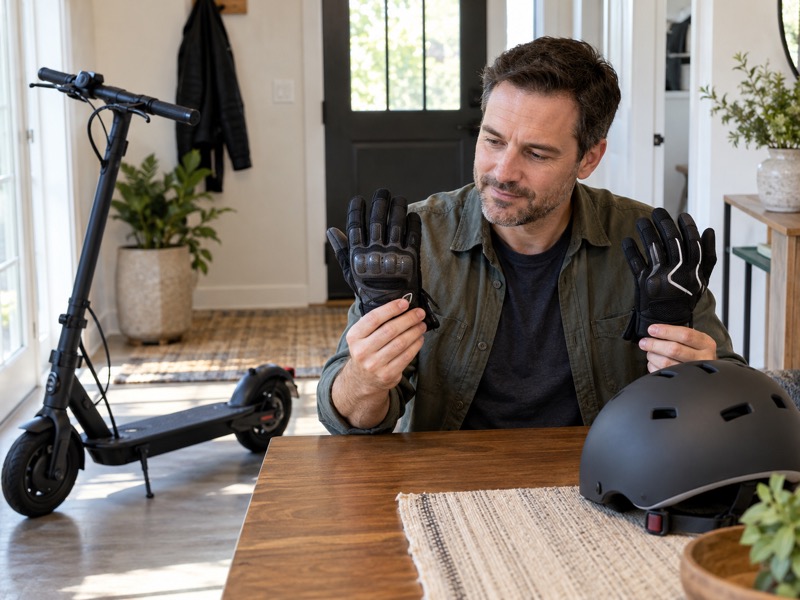
What does your normal ride require?
Your commute sets the brief: Write down when you leave, how long you ride and what you carry. An early commute with a jacket cuff creates a different fitting problem from a short warm-weather trip. Include the return trip, especially if you leave work after temperatures drop.
Choose gloves as part of your clothing arrangement. Plan how gloves, sleeves and other equipment work together before your commute.
How do you make a useful shortlist?
Compare pairs by the conditions they must satisfy rather than by the number of features on the packaging. Keep your shortlist small enough that you can try each pair on and inspect it properly.
- State your usual weather and ride length.
- Identify the controls your fingers must reach.
- Set a budget that allows an exchange if needed.
| Your priority | Check in person |
|---|---|
| Daily commuting | Controls and jacket-cuff fit |
| Warm conditions | Coverage with comfortable ventilation |
| Cold conditions | Warmth without excessive bulk |
Key Takeaway: These checks turn a long feature list into a practical shortlist. Compare pairs against your commute before paying.
2. How do you size electric scooter gloves for your hands?
Size electric scooter gloves using the exact manufacturer's method and chart, then check the fit with your hand curved around your scooter's grip.

Why shouldn't you use one universal chart?
The sizing trap is simple: Size letters do not provide a measurement method. For example, this manufacturer's glove chart lists hand length for its own glove sizes. Another manufacturer's sizing instructions use both palm circumference and hand length. Apply each chart to the products it covers.
Measure the way the seller requests, using its units and measurement points. Keep the measurements with your order details so a support representative can help if the suggested size feels wrong.
What should you feel during a fitting?
Open your hand, close it gently and curve it around a grip. Check fingertip space, the web between thumb and index finger, and the palm. Reject a fit that forces your fingers into an awkward position or leaves loose material catching under them.
- Compare both gloves, not only one hand.
- Try the closure and your normal sleeve together.
- Ask about exchanges before using the pair outdoors.
| Fit check | What you are looking for |
|---|---|
| Open hand | Comfortable finger and thumb placement |
| Curved hand | No bunching at the palm |
| Fastened cuff | Security with normal movement |
Key Takeaway: The same size letter can describe different fits. Keep your measurements and choose a pair that stays comfortable around a grip.
3. How do you check electric scooter gloves for grip?
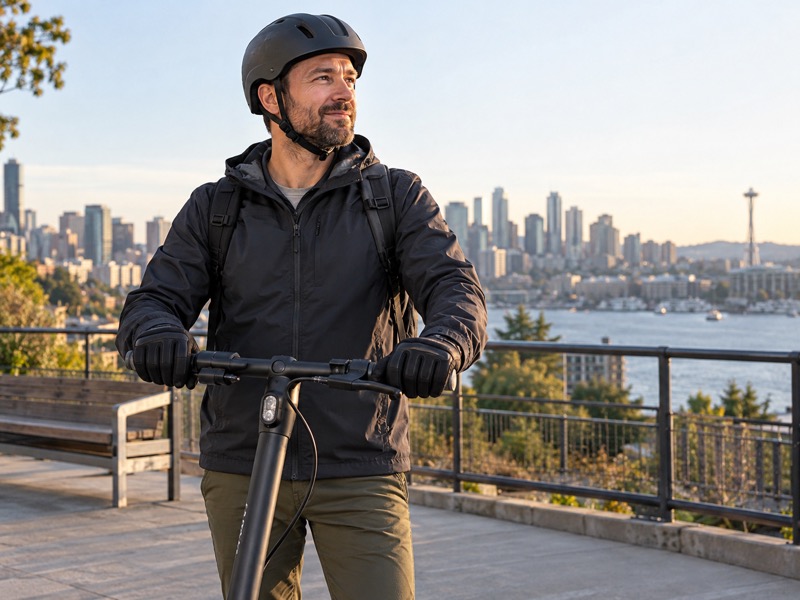
Check electric scooter gloves against your handlebar grip and feel whether seams or padding interfere with a relaxed hold.
How do you assess grip without a riding test?
Here’s the grip check: With the scooter switched off and supported, hold the grip normally. Feel where seams, reinforcement panels and padding sit. Release and re-grip several times rather than squeezing harder to make an uncomfortable glove feel secure.
Look at the surface where your fingers meet the brake lever and throttle. A textured palm or silicone detail is a construction feature; it does not establish a measured grip result on every handlebar or in every condition.
Which construction details deserve a closer look?
Inspect the junctions between materials, especially around the thumb and finger bases. Ask the manufacturer about the intended use of reinforcement panels if the description is unclear. A dramatic appearance does not tell you the material's tested performance.
- Check for raised seams beneath pressure points.
- Look for loose stitching and damaged panels.
- Compare the palm with the grips on your scooter.
| Palm feature | Question to ask |
|---|---|
| Padding | Does it bunch when you close your hand? |
| Textured surface | Does it suit your grip and controls? |
| Reinforcement | What claim does the maker document? |
Key Takeaway: Visible texture cannot settle every grip question. Use a stationary fitting to spot seams or padding that interfere with your hands.
4. Should electric scooter gloves cover every finger?
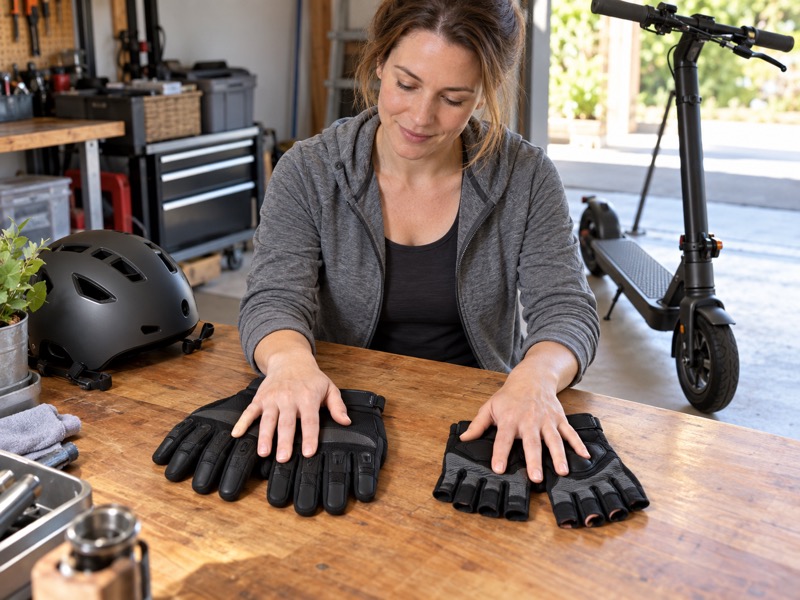
Full-finger electric scooter gloves provide coverage over fingers that fingerless designs leave exposed, making them a useful starting point for comparison.
What does extra coverage change?
Look beyond the knuckle panel: Compare the actual areas covered rather than relying on a category name. Check the fingertips, palm, knuckles and cuff. A glove can have a large knuckle panel while leaving other areas lightly constructed.
Coverage alone does not establish abrasion resistance, impact performance or a guaranteed outcome in a fall. Keep the product's documented claims separate from what you can see and feel during a fitting.
How do gloves fit into your equipment plan?
Choose gloves alongside the rest of your riding equipment, then try your helmet and clothing combination together. Gloves should not make you skip another item because getting dressed has become awkward.
- Check every area you want covered.
- Test finger movement with the glove fastened.
- Compare protection claims for the exact product.
| Design | Coverage question |
|---|---|
| Full finger | Are fingertips and finger seams comfortable? |
| Fingerless | Are you accepting exposed fingers? |
| Long cuff | Does it work with your jacket sleeve? |
Key Takeaway: Coverage and documented performance answer different questions. Check both before choosing the design you will wear.
5. How do you verify CE claims on electric scooter gloves?
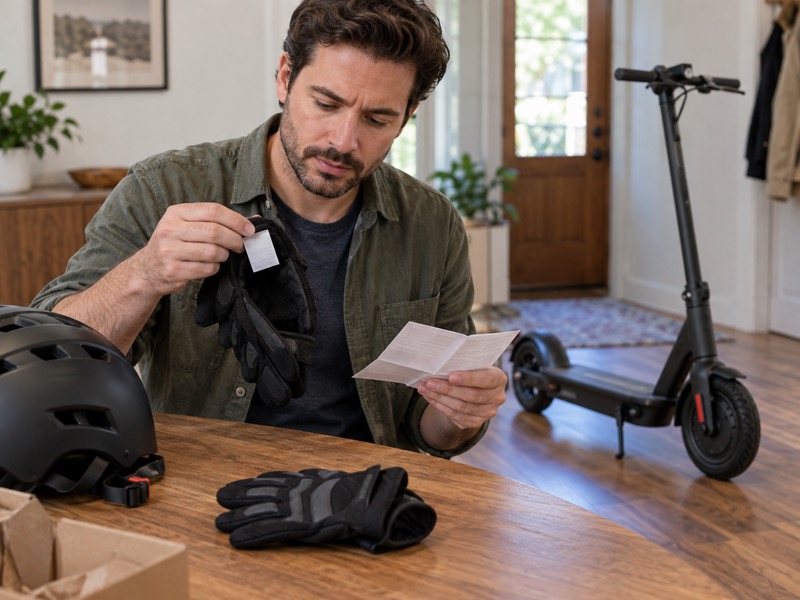
Verify CE claims on electric scooter gloves through the exact model's label, instructions and manufacturer documentation rather than a generic logo.
What does the standard refer to?
The label needs a paper trail: Manufacturer certification guidance identifies EN 13594:2015 as the standard for motorcycle gloves. Keep that intended use in view when comparing products for scooter riding. A manufacturer's specific glove listing, for example, states a Level 1 KP claim for that model.
Copy the complete marking, including its numbers and letters. Ask the maker for the matching user information and Declaration of Conformity. Do not transfer a claim from one product in a range to a visually similar pair.
What should you avoid assuming from a badge?
A standard reference does not promise that you will avoid a hand or wrist injury. It also does not tell you whether the glove fits, lets you reach your brake, or suits the temperature. Those checks still belong in your purchase decision.
- Match the model name and product code.
- Read the stated standard and performance designation.
- Keep the manufacturer's documentation.
| Evidence | What to compare |
|---|---|
| Glove label | Exact product and marking |
| User information | Meaning and limitations of the claim |
| Declaration | Matching model identification |
Key Takeaway: Matching documents make a protection claim easier to interpret. Keep them with your order so you can query unclear markings.
6. How should electric scooter gloves fasten at your wrist?
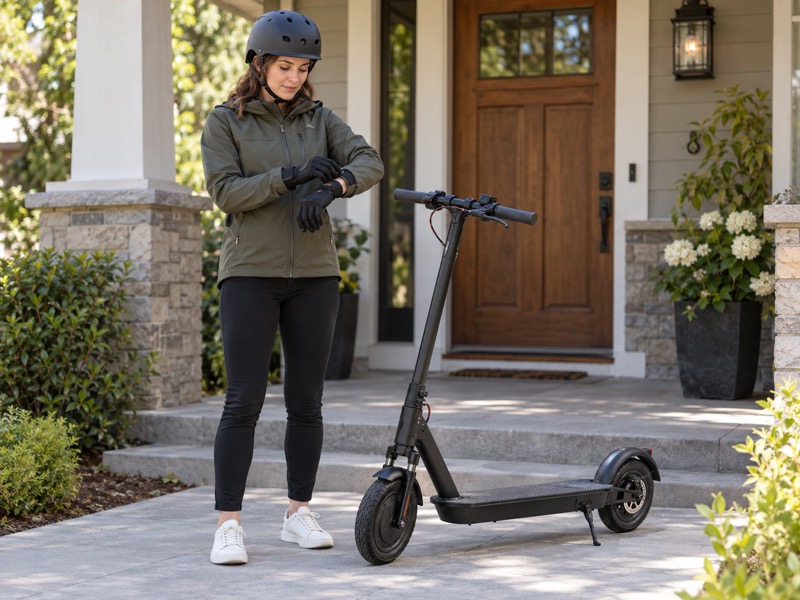
The closure on your electric scooter gloves should hold them securely without restricting wrist movement needed for the controls.
What should you check with the glove fastened?
Try the cuff with your jacket: Fasten the glove as instructed, then move your wrist through the positions used at the handlebar. Check whether the cuff catches your sleeve or pulls the glove away from your fingers. Repeat the check with the jacket you expect to wear.
Look for an adjustment range that works for your wrist rather than tightening a loose glove until it feels restrictive. If you cannot obtain both a secure fit and comfortable movement, compare another size or cut.
How does the closure work in daily use?
Try putting both gloves on and taking them off without help. Check whether you can fasten either glove while already wearing its partner. Loose straps should not dangle into the control area.
- Test the closure with your usual sleeves.
- Check for rubbing when you bend your wrist.
- Confirm that fastening stays secure during the fitting.
| Closure detail | Fitting task |
|---|---|
| Adjustment strap | Find a secure, comfortable setting |
| Long cuff | Check overlap with the sleeve |
| Loose end | Keep it away from controls |
Key Takeaway: A useful closure balances security with movement. Try both gloves and sleeves together before accepting the fit.
7. Which electric scooter gloves suit cold or wet weather?
Choose electric scooter gloves with weather features suited to your conditions, then repeat control checks with your complete glove and liner combination.
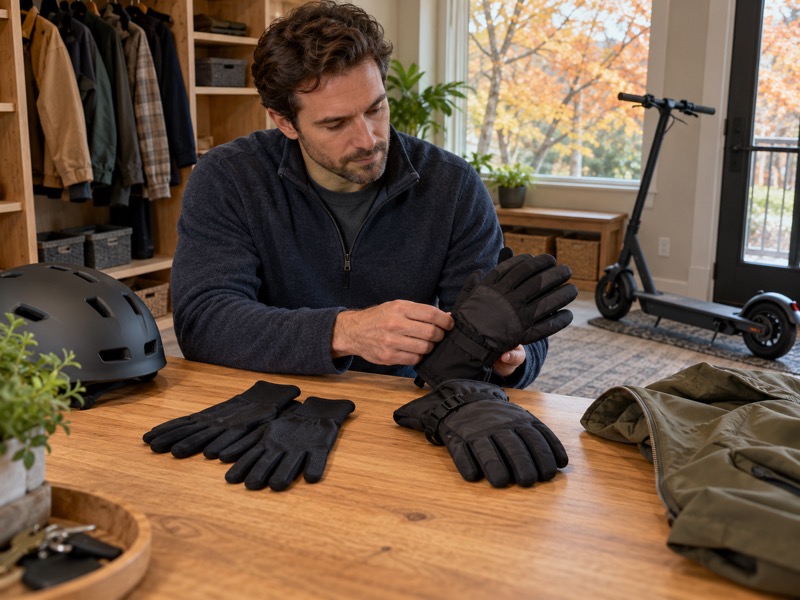
What should you ask about warmth and water resistance?
Weather wording matters here: Ask what the manufacturer means by its weather claim and which parts of the glove it covers. A water-resistant description should not be silently upgraded to a waterproof guarantee. Check whether care instructions or maintenance treatments affect the stated performance.
For colder trips, try the amount of insulation you intend to use. If you add a separate liner, repeat the sizing check with it in place. Do not buy a pair solely because a reviewer's hands stayed warm on a different ride.
When might you need more than one pair?
Compare the start and end of your normal day. A bulky cold-weather pair may feel different from a ventilated pair on the same controls. Keeping separate options can be practical if your conditions vary, but each pair still needs to fit properly.
- Check the maker's exact weather wording.
- Try liners as part of the final combination.
- Follow your scooter's own weather restrictions.
| Condition | Check before choosing |
|---|---|
| Warm ride | Comfortable ventilation and coverage |
| Cold departure | Insulation with usable finger movement |
| Damp forecast | Documented claim and permitted scooter use |
Key Takeaway: Weather features still have to work with your controls. Choose each pair or liner combination around your own ride.
8. How do electric scooter gloves work with your controls?
Check electric scooter gloves against every control while your scooter remains switched off and stable.
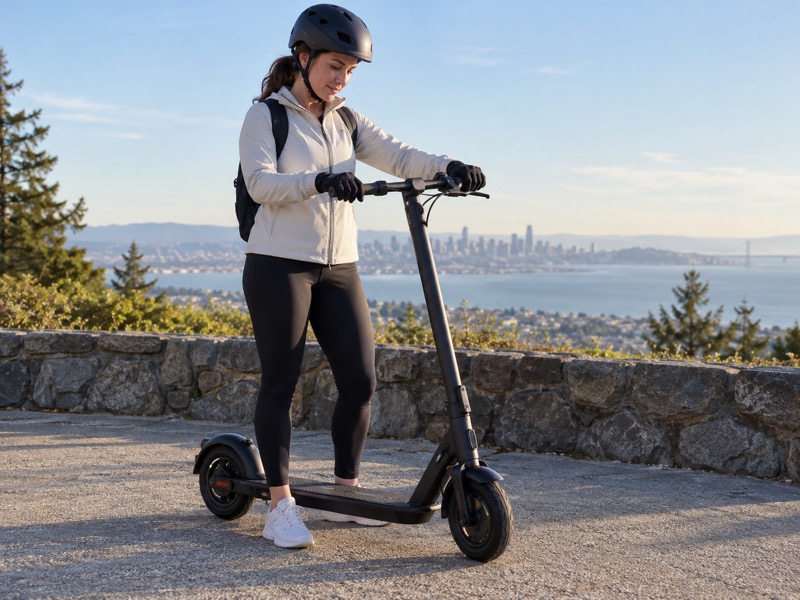
What should you include in the check?
Start with the scooter switched off: Reach the brake lever, move the throttle through its normal movement without power, and operate the bell or signal control if fitted. Watch for fingertips catching adjacent buttons or a thick palm changing your hand position. Keep your usual hand placement while doing this.
If you must twist or stretch to compensate, reconsider the fit and the scooter's permitted adjustments. Check your riding position alongside model-specific setup instructions.
What about touchscreen fingertips?
Test the touchscreen feature while stopped, with the device you actually use. It is a convenience feature rather than permission to handle a phone while riding. Plan navigation before moving and stop in a suitable place before making changes.
- Reach all controls without changing your grip awkwardly.
- Check both hands and both gloves.
- Test phone operation only while stopped.
| Control | Look for |
|---|---|
| Brake lever | Comfortable reach and finger clearance |
| Throttle | Free movement without fabric catching |
| Bell or signal | Deliberate, accurate button presses |
Key Takeaway: A stationary check exposes awkward reach before a purchase. Choose gloves that let you use each fitted control deliberately.
9. How do you clean and inspect electric scooter gloves?
Clean electric scooter gloves according to their care label and inspect construction regularly, asking the manufacturer about damage that could affect intended use.
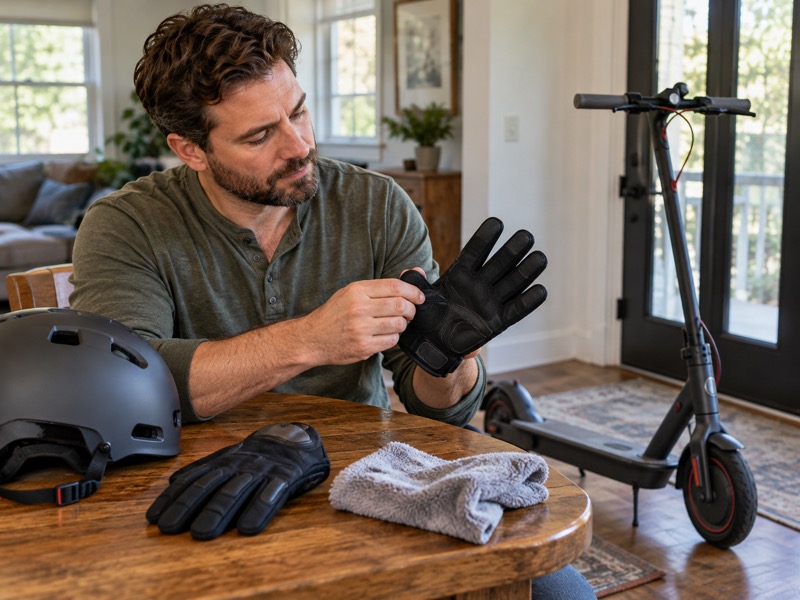
Why shouldn't all gloves use the same wash routine?
Before you reach for a cleaner: Materials and construction differ. One manufacturer's glove-care instructions specify hand cleaning with a damp cloth, avoiding hot water, direct heat and machine washing for its gloves. Use those directions for the products they cover, and your own pair's label for your pair.
Keep the instructions when you unpack the gloves. If they include a membrane, leather panels or other materials with separate care requirements, ask before applying a cleaner you already own.
What should you inspect before another ride?
Look at seams, palm panels, fingertips and the closure. Compare any damage with the manufacturer's replacement guidance, especially after a fall. Include gloves in your maintenance checklist so they do not get overlooked while you inspect the vehicle.
- Check for holes, separation and loose stitching.
- Confirm that the closure still fastens securely.
- Store gloves as their care instructions specify.
What should you take into your next ride?
| Item to inspect | Action if uncertain |
|---|---|
| Palm or seam damage | Ask about repair or replacement |
| Loose closure | Reassess secure fit |
| Unknown cleaner | Check the care label before use |
Key Takeaway: Care and inspection belong in the same routine. Use the checks above to decide what needs manufacturer advice before another ride.
Summary: Choose gloves that fit, suit your weather and let you operate every control. Check documented claims and follow care instructions. Dynamic Scooter stands for practical, informed short-distance travel. If your scooter’s control layout raises questions, contact us with model details so we can address your product question before you buy.
FAQ
Resolve sizing, control compatibility and documentation before ordering electric scooter gloves based on appearance or an old recommendation.
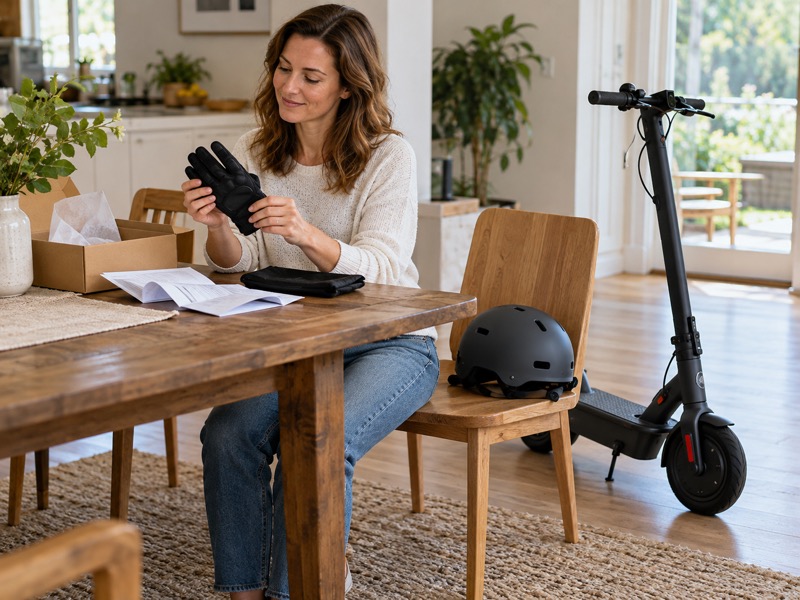
Q1: Can I use ordinary winter gloves?
Only if they meet your riding requirements. Check fit, coverage and control operation; warmth alone does not establish grip performance or a documented protective-glove claim.
Q2: Can I buy a larger size to add a liner later?
Do not assume that will fit correctly. Try the liner and outer glove together, following manufacturer sizing guidance and checking the controls again.
Q3: How do I know whether a protection claim matches my pair?
Match the product details. Compare model names and codes on the glove, packaging and manufacturer documents, then ask the maker to resolve differences.
Q4: Can touchscreen gloves replace stopping to use my phone?
No. Set navigation while parked and stop before operating your phone; touchscreen fabric does not change the attention needed for riding.
Q5: What’s the best next step if the controls feel awkward?
Pause the purchase. Compare another fit and check model-specific setup instructions before choosing gloves that require an awkward grip.