
Electric Scooter Racing: Rules, Speed, Gear, and Technology
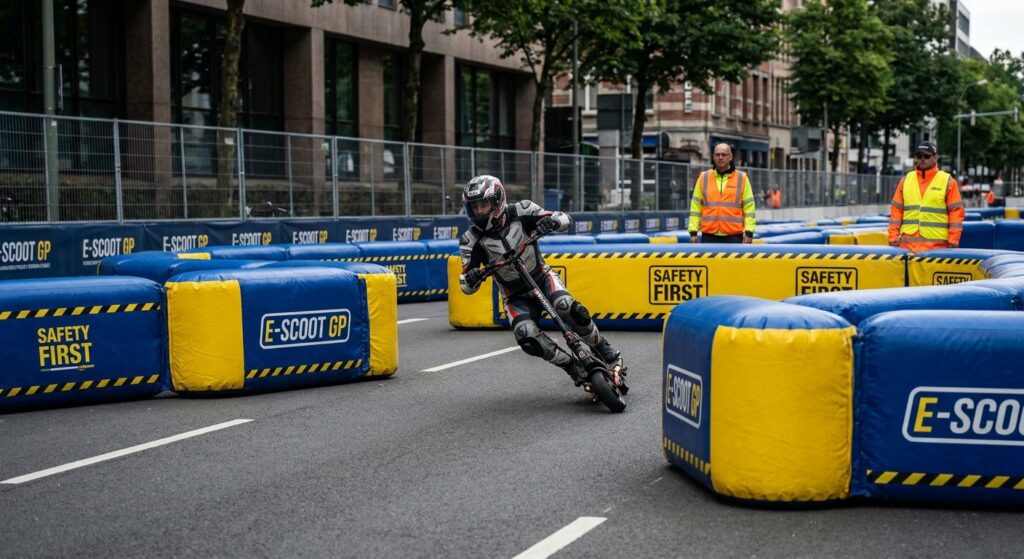
Yes, electric scooter racing is rapidly emerging as the most electrifying extreme sport of the decade, capturing audiences worldwide. You spend your hard-earned mornings locked in gridlocked traffic, staring at endless rows of taillights, and feeling your valuable time slip away. This daily, soul-crushing routine turns your commute into a stressful tax on your productivity and peace of mind. Fortunately, a revolutionary movement is shaking up urban transit, and this is why electric scooter racing is taking over global city centers as the ultimate showcase of sustainable speed. By transforming lightweight battery-powered devices into high-performance racing machines, this sport has successfully bridged the gap between daily commuter utility and pure, world-class athletic thrill. It challenges our assumptions about sustainable transport while delivering jaw-dropping spectacles on tight street circuits. Why is electric scooter racing the ultimate new sport? Yes, this sport represents the ultimate intersection of sustainable high-speed technology, tactical athletic skill, and accessible city-center motorsport. You get to witness a competition that turns everyday urban commuting tools into elite track machines. This is why electric scooter racing has captured the imaginations of modern sports fans worldwide. It delivers an intense, sustainable adrenaline rush right to your doorstep. What makes the sport so physically demanding? Think about it:Standing on a narrow deck at speeds exceeding 100 km/h requires immense core strength, sharp reflexes, and perfect balance. You cannot simply lean back; you must actively fight powerful G-forces through tight chicanes and sharp turns. This intense physical exertion demands peak conditioning from the athletes. It is a grueling test of stamina that rivals any traditional motorsport. Why is the fan experience so unique? Here is the kicker:Unlike traditional racing sports where you sit far away in remote grandstands, this event brings you right to the edge of the asphalt. You can feel the rush of air and hear the distinct electric whine as competitors battle wheel-to-wheel in famous city centers. Sport Aspect Traditional Motorsport Electric Scooter Racing Venue Accessibility Remote closed circuits Iconic city-center street tracks Audience Proximity Far-off grandstands Directly behind safety barriers Carbon Footprint High exhaust emissions 100% Carbon Neutral Operations This comparative analysis highlights why the event format appeals so deeply to the values of modern, urban audiences. Key Takeaway: Understanding the structural and physical uniqueness of this discipline helps you appreciate why it has quickly secured its spot as the ultimate urban motorsport of the modern age. What machines power professional electric scooter racing? Custom engineering wonders like the S1-X racing model power this elite tier of competition to deliver jaw-dropping performance on asphalt. These are highly specialized carbon-fiber beasts built with zero compromises for professional track use. Following electric scooter racing introduces you to a world of bespoke motors, custom chassis, and cutting-edge battery management. It represents the absolute absolute peak of lightweight electric vehicle performance. What makes the S1-X chassis so special? But that’s not all:You are looking at a frame constructed from advanced aerospace-grade carbon fiber and composite alloys to guarantee maximum rigidity. This lightweight stiffness gives you the razor-sharp handling required to carve through tight chicanes without structural flexing. This high-tech construction ensures the chassis remains completely stable under immense cornering forces. It turns a simple scooter into an elite precision instrument. How do twin motors deliver such torque? It gets better:The vehicle uses dual high-output motors that deliver relentless, instantaneous power straight to both wheels. You get immediate throttle response with zero delay, pulling you out of tight hairpins with incredible acceleration. Machine Component Technical Spec Performance Impact Chassis Material Carbon Fiber Composite Unmatched rigidity and lightweight handling Powertrain Dual 6 kW Motors (12 kW Total) Relentless, instantaneous out-of-corner acceleration Lean Angle Limit Exceeds 50 Degrees Extreme cornering stability on street tracks This technical breakdown demonstrates how advanced engineering elevates these lightweight platforms into high-performance racing machines. Key Takeaway: Exploring these elite technical specifications shows you how track-developed technology is pushing the boundaries of lightweight electric vehicle performance. What gear protects riders in electric scooter racing? State-of-the-art protective gear featuring smart materials and active airbag systems protects riders from high-speed impacts. When you are racing on tight street circuits, safety is the number one priority. This is why electric scooter racing requires highly specialized safety apparel engineered for high-velocity slides and direct pavement impacts. It ensures that professional athletes can confidently push their boundaries while staying completely safe. How do smart racing suits work? Want to know the best part?Your racing suit is equipped with active sensors that detect a loss of control in milliseconds, deploying instant airbag protection. You get a protective shield around your collarbones, shoulders, and ribs before you even hit the pavement. This smart technology turns wearable apparel into an active safety system. It represents a massive leap forward in athletic protection. Why are helmets and gloves specialized? Here is the kicker:The helmets are designed to offer a wider field of view than standard motorcycle helmets because standing riders have a completely different visual plane. You need maximum vertical and peripheral visibility to spot rivals trying to pass you on the inside line. Safety Equipment Key Technology Protective Function Racing Suit Intelligent Airbag System Instant inflation to protect collarbones and ribs Helmet Wide-Angle Carbon Shell Maximum visibility and high-impact head protection Gloves Kevlar Stitching & Palm Sliders Prevents friction burns during high-speed slides This specialized protective gear matrix shows how advanced safety materials are vital for high-speed standing motorsport. Key Takeaway: Understanding this high-tech protective gear reassures you that safety remains the foundational pillar of the entire racing ecosystem. How do professionals master electric scooter racing tracks? Athletes master these challenging courses through precise track lines, active body weight shifts, and intense physical conditioning. You must adapt your riding style completely to manage the unique center of gravity of a standing machine. This makes electric scooter racing a beautiful, highly technical dance on the limits of grip. It demands absolute concentration as you skim past concrete barriers at eye-watering speeds. What is the secret to cornering? Think about […]
Electric Scooter Racing: Rules, Speed, Gear, and Technology Read More »