Author name: dynamicscooter

How to Avoid Common Accidents on Electric Scooters?

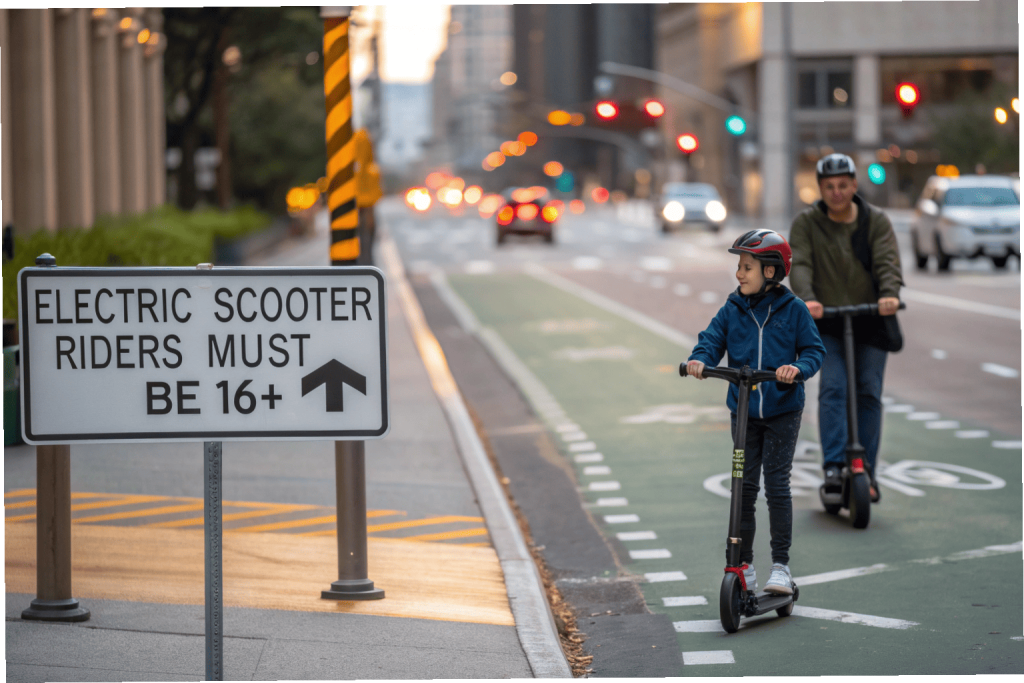
You avoid common accidents by mastering defensive riding techniques, performing consistent maintenance checks, and wearing appropriate safety gear. As urban streets get busier, the number of riders experiencing injuries is climbing steadily. It only takes one hidden pothole or a distracted driver to turn your smooth morning commute into a painful and costly emergency room visit. Fortunately, learning the primary causes of electric scooter accidents and how to sidestep them allows you to ride with total confidence and security. What are the main causes of electric scooter accidents? Root causes include rider inexperience, environmental hazards, and distracted behavior. Understanding the primary drivers of electric scooter accidents is the first step toward total prevention. Most incidents stem from a simple lack of situational awareness on the road. Recognizing Environmental Risk Factors Small wheels are particularly vulnerable to road debris that cars or bicycles roll right over. Potholes, loose gravel, and uneven sidewalk cracks can cause a sudden loss of balance. Understanding Human Error Think about this. Many new riders fail to master the controls before hitting heavy traffic zones. Key Takeaway: Preventing human error requires total focus and a solid understanding of how your vehicle handles different surfaces. Cause Category Primary Risk Mitigation Strategy Environment Road Debris Active Scanning Human Distraction Device-Free Riding Technical Speeding Speed Limiting This data shows that behavioral adjustments are just as critical as physical road conditions in preventing collisions. Which safety gear is essential to prevent injury? A certified helmet is the single most important piece of gear to prevent severe trauma. While no one plans for electric scooter accidents, wearing the right accessories and parts can be the difference between a minor scrape and a major injury. Protection should always be your top priority before you power on your deck. Choosing the Right Helmet A well-fitting helmet is a non-negotiable requirement for every single trip you take. If you are riding at speeds above 20 mph, you should consider a full-face helmet for jaw protection. Essential Limb Protection The best part? Modern pads are lightweight and breathable, making them easy to wear over work clothes. Key Takeaway: Investing in high-quality safety gear drastically reduces the medical severity of any unexpected fall. Gear Item Protection Level Recommended For Helmet Critical All Riders Knee Pads High Commuters Gloves Moderate High Speed The correlation between gear usage and reduced injury rates highlights why personal protection is the foundation of rider safety. How do pre-ride checks ensure your daily safety? Pre-ride checks identify mechanical issues like loose bolts or low tire pressure before they cause a crash. Failing to inspect your equipment is a leading contributor to mechanical-related electric scooter accidents. A simple two-minute check can identify catastrophic failures before they happen on a busy road. Inspecting Mechanical Components Check your brakes to ensure they engage smoothly and stop the wheels completely. You should also verify that the folding mechanism is securely locked in place to avoid a sudden collapse. Checking Tires and Electronics Look: tire pressure affects more than just speed; it is vital for maintaining grip. Key Takeaway: A consistent pre-flight routine ensures that your vehicle is mechanically sound and ready for the demands of the road. Component Check Frequency Warning Sign Brakes Every Ride Spongy Lever Tires Weekly Visible Cracks Bolts Monthly Rattling Sounds Regular inspections act as a preventative shield against the mechanical failures that frequently lead to avoidable falls. How can you safely navigate busy city traffic? Staying safe in traffic requires you to remain predictable, follow signals, and maintain visibility at all times. Navigating through dense urban environments increases the likelihood of electric scooter accidents due to the high volume of unpredictable variables. If you want to learn more about us and our safety philosophy, you will see we prioritize defensive urban riding. Positioning Yourself in Lanes Utilize designated bike lanes whenever they are available to stay separated from cars. When a bike lane is not present, stay to the right but avoid the “door zone” of parked vehicles. Communicating with Other Drivers Wait, there’s more. You must treat yourself as a vehicle and follow every traffic sign and signal. Key Takeaway: Predictability is your greatest asset in traffic, as it allows drivers to anticipate your movements and give you space. Traffic Rule Purpose Benefit Signal Turns Communication Prevents Rear-ends Stop Signs Law Compliance Avoids Cross-traffic Eye Contact Verification Confirms Visibility Adhering to standard traffic protocols bridges the communication gap between small scooters and much larger motor vehicles. What lighting makes you most visible to drivers? A combination of high-lumen headlights, reactive brake lights, and reflective clothing ensures drivers see you from every angle. Low visibility is a major factor in night-time electric scooter accidents. If a driver cannot see you, they cannot avoid you, making lighting systems non-negotiable for commuters. Optimizing Built-in Scooter Lights Most scooters come with basic lighting, but these are often too low to the ground for cars to notice. Ensure your headlight is angled to illuminate the road without blinding oncoming traffic. Using Secondary Visibility Gear Check this out. Adding lights to your helmet or backpack places the light source at the driver’s eye level. Key Takeaway: Layering your light sources makes you visible from multiple heights and angles, significantly lowering the risk of side-impact collisions. Light Type Placement Primary Benefit Headlight Handlebars Road Illumination Brake Light Rear Fender Deceleration Warning LEDs Helmet Eye-Level Visibility Multiple light points create a larger visual footprint, ensuring you stand out against the background of city lights. How do you safely maneuver around road hazards? You navigate hazards by scanning the road ahead and crossing obstacles like tracks at a perpendicular angle. Abruptly hitting a pothole or a slick metal plate can cause sudden electric scooter accidents that throw riders off balance. You can find more detailed guides on hazard identification on our blog. Dealing with Potholes and Debris When you see a hazard ahead, slow down and prepare to absorb the impact with your legs. Never try to swerve at

How to Avoid Common Accidents on Electric Scooters? Read More »

How To Protect Your Scooter From The Sun And Overheating?

You can protect your scooter from solar damage by parking in shade, using reflective covers, and letting the motor cool before charging. Imagine your commute being cut short because your battery simply gave up under the sweltering midday heat. This electric scooter overheating isn’t just a nuisance; it’s a silent threat to your vehicle’s lifespan and your personal safety. If you ignore the rising deck temperatures, you risk permanent lithium-ion degradation or even dangerous thermal runaway events. Fortunately, by following a few expert strategies, you can maintain peak performance and keep your ride running cool all summer long. 1. Why does direct sun cause electric scooter overheating? Direct sun heats the internal components through radiant energy and the greenhouse effect within the deck. This concentrated radiation causes the dark surfaces of your scooter to absorb and trap heat, leading to electric scooter overheating. When the metal frame stays under the sun, it acts like a heat sink, slowly transferring high temperatures to the sensitive electronics inside. Protecting the Chassis Direct sunlight can warp the plastic components and melt the adhesives that keep your gaskets waterproof. You should always look for a spot that offers at least partial coverage to avoid this physical degradation. Think about it: The best part? Keeping the frame cool also protects your resale value. Preserving Paint and Grips A “sunburned” scooter looks aged and neglected, which can lead to peeling paint and sticky grips. Heat also degrades the integrity of the wiring insulation near the deck surface. Here is the kicker: Key Takeaway: Sunlight is a primary external catalyst for heat damage; physical protection is your first line of defense. Exposure Factor Impact Level Mitigation Strategy UV Radiation High UV-Resistant Wax Infrared Heat Critical Reflective Covers Ambient Temp Moderate Shaded Parking Strategic shielding prevents infrared energy from penetrating the deck and cooking the internal circuitry. 2. How can hardware help prevent electric scooter overheating? High-quality hardware like advanced Battery Management Systems (BMS) and aluminum heat sinks dissipate thermal energy to stop electric scooter overheating. These components are designed to regulate the flow of electricity when temperatures rise too high. Without these safety features, a standard battery could easily reach critical failure points on a hot afternoon. The Role of the BMS The BMS acts as the brain of your battery, constantly monitoring individual cell temperatures. If it detects a spike, it will throttle the power output to ensure safety. Believe it or not: It’s a lifesaver for your battery’s long-term health. Dynamic Scooter Model B Design Advantages The Dynamic Scooter Model B utilizes an aerospace-grade aluminum chassis that naturally draws heat away from the motor. This passive cooling system works in tandem with the firmware to optimize performance during summer rides. Let’s be honest: Key Takeaway: Investing in superior hardware provides an automated safety net that protects your battery from human error. Hardware Feature Function Primary Benefit Smart BMS Power Throttling Prevents Thermal Runaway Aluminum Deck Passive Cooling Rapid Heat Dissipation Thermal Sensors Live Monitoring Early Warning System Sophisticated thermal management hardware ensures that your scooter remains operational even when external temperatures are less than ideal. 3. Does parking in shade reduce electric scooter overheating? Parking in the shade can lower ambient temperature exposure by up to 20 degrees, preventing electric scooter overheating. When you leave your scooter on hot asphalt in the sun, it absorbs heat from both the air and the ground. This “double-heating” effect can push internal battery temperatures well beyond their safe storage limits. Strategic Parking Habits You should always prioritize indoor parking or covered garages whenever they are available. If you must park outdoors, find a large tree or the shadow of a tall building to keep the sun off the deck. Bottom line? A little planning goes a long way. Utilizing Reflective Covers If shade isn’t available, a specialized reflective cover can bounce the sun’s rays away from your vehicle. These portable shields are lightweight and can be stored in a backpack for daily use. Here is the deal: Key Takeaway: Lowering the starting temperature of your scooter ensures it has more “thermal headroom” before it reaches a danger zone. Parking Spot Temp Reduction Difficulty Level Indoor Garage 30°F+ Medium Tree Shade 15-20°F Easy Reflective Cover 10-15°F Easy Environmental control is the most cost-effective method to preserve the chemical stability of your lithium-ion cells. 4. How does riding style impact electric scooter overheating? Aggressive acceleration and steep hill climbs increase current draw, which is a leading cause of electric scooter overheating. When the motor works harder, it generates internal resistance heat that can quickly soak into the battery. Constant high-speed riding prevents the components from having any “rest” periods to shed this excess energy. Managing Motor Load You can reduce heat by avoiding “full-throttle” starts and using your feet to kick-start the motion. This reduces the initial high-amp surge that causes the most significant temperature spikes in the motor. Keep this in mind: Your thumb controls more than just speed; it controls temperature. Allowing Airflow Cooling The movement of the scooter creates a natural breeze that helps dissipate heat from the motor casing. However, if you are riding in stop-and-go city traffic, this airflow is inconsistent. The truth is: Key Takeaway: Smooth, consistent riding is far more thermal-efficient than erratic, aggressive maneuvers. Riding Habit Heat Impact Recommendation Full Throttle High Accelerate Gradually Steep Inclines Critical Use Kick-Assistance Heavy Payload High Stay Within Weight Limits Modifying your riding behavior can extend your battery range while keeping internal components within a safe thermal window. 5. What temperatures trigger electric scooter overheating? Overheating typically begins when internal battery temperatures exceed 113°F (45°C) during operation, which leads to electric scooter overheating. While most scooters can handle ambient air temperatures up to 100°F, the internal components generate their own heat. This cumulative effect means your battery might be much hotter than the weather forecast suggests. Dangerous Operating Ranges Lithium-ion batteries are safest when they operate between 68°F and 85°F. Once the internal temperature hits

How To Protect Your Scooter From The Sun And Overheating? Read More »

Why Your Electric Scooter Doesn’t Get the Range It Promised?

Your battery likely drains faster than expected because manufacturer tests occur in perfect lab settings that differ from your daily commute. This discrepancy is a common frustration for riders who rely on their electric scooter range to get to work or meetings. Imagine being halfway to your destination only to have your ride lose power on a busy street. Our guide helps you understand how to manage your battery so you can ride with total confidence. 1. Why is my electric scooter range so low? The gap between the manual and the road is usually due to “ideal condition” testing that doesn’t reflect your actual riding habits. Most brands calculate their maximum electric scooter range using the lightest possible rider on flat ground at very low speeds. But wait, there’s more: Are lab tests for electric scooter range realistic? The short answer is no, because they ignore variables like wind and stop-and-go traffic. Lab settings are designed to show the absolute maximum potential of the hardware under perfect circumstances. You should view these numbers as a ceiling rather than a daily guarantee. Which factors drain battery the most? Energy consumption is all about overcoming resistance from the world around you. Frequent acceleration and heavy wind resistance force the motor to pull massive current from the cells. This rapid discharge reduces the total distance you can travel on a single charge. Key Takeaway: Real-world mileage is typically 30-40% less than the box suggests because of everyday variables. Condition Impact on Range Ideal Lab Environment 100% Advertised Typical City Commute 60-70% of Advertised Heavy Hilly Terrain 40-50% of Advertised Consistent riding habits are the best way to bridge the gap between lab stats and your daily results. 2. How does speed affect your electric scooter range? Optimizing your electric scooter range starts with understanding that your thumb is the biggest battery killer. Higher speeds require significantly more wattage to maintain momentum against air resistance. Here is the deal: Why does going faster kill your battery? Aerodynamic drag is the silent enemy of every electric commuter. As you double your speed, the energy required to push through the air actually quadruples. This means your motor has to work much harder just to stay at a high velocity. Is there a sweet spot for efficiency? Most motors have an efficiency “sweet spot” usually found between 12 and 15 mph. Staying within this range allows the motor to run cool while maximizing the distance per charge. You will notice a major difference in how long your battery bars last at this pace. Key Takeaway: Dropping your speed by just 5 mph can sometimes add several miles to your total trip distance. Speed (MPH) Efficiency Rating Estimated Range Impact 10-12 MPH Excellent +15% Gain 15-18 MPH Good Baseline 20+ MPH Poor -30% Loss Using cruise control features can help you stay in the efficiency zone without constant throttle adjustments. 3. Does rider weight impact electric scooter range? The motor definitely cares how much you weigh because every extra pound requires more torque to move. Heavier payloads demand more energy from the electric scooter range for every foot of travel. The truth is: How much does payload affect performance? Heavier riders will notice that the motor sounds “busier” and the battery drops faster on inclines. This happens because the controller must draw more Amps to overcome the inertia of a larger load. It is an unavoidable law of physics that impacts every electric vehicle. Can lighter riders go further? Yes, lighter riders naturally experience less friction and rolling resistance during their journey. They can often get much closer to the manufacturer’s suggested range numbers without trying. Their scooters don’t have to work as hard to maintain a steady cruising speed. Key Takeaway: Payload is a primary variable; being near the maximum weight limit will cut your range significantly. Rider Weight Range Expectation 150 lbs ~90% of Advertised 200 lbs ~70% of Advertised 250 lbs (Max) ~50% of Advertised Always consider your total carry weight, including gear, when planning a long-distance commute. 4. Can tire pressure boost your electric scooter range? Maintaining your electric scooter range often comes down to basic weekly maintenance. One of the most overlooked factors is the air pressure inside your pneumatic tires. Check this out: Do soft tires cause more drag? Under-inflated tires create massive rolling resistance that slows you down and drains power. This can lead to motor overheating and premature battery exhaustion during a single ride. Keeping tires at the recommended pressure is the easiest way to save energy. What is the ideal PSI for range? Most commuter models thrive when kept between 45 and 50 PSI for maximum efficiency. While solid tires don’t lose air, they generally have higher resistance than well-inflated pneumatic ones. Checking your pressure weekly can save up to 10% of your total battery life. Key Takeaway: Firm tires are the easiest “free” upgrade you can give your scooter for an immediate mileage boost. Tire Status Rolling Resistance Range Effect Under-inflated High -15% Factory Recommended Moderate Baseline Max Recommended Low +5% Keep a small portable pump in your bag to ensure you never ride on soft, energy-draining tires. 5. Why do hills drain your electric scooter range? Gravity is a relentless force that demands a very high price in Watt-hours from your battery. When you point your scooter upward, the motor enters a high-torque mode that consumes the electric scooter range rapidly. Wait, it gets better: Does climbing require more wattage? To fight gravity, your controller pushes maximum current to the motor to keep you moving. This heavy load generates heat and drains the battery cells at an accelerated rate. You will see your battery indicator drop much faster when your route includes significant elevation changes. How to tackle inclines efficiently? Instead of pinning the throttle to the maximum, try to maintain a steady and moderate pace. If your scooter has a kick-to-start feature, use it to get momentum before the hill starts. Helping the motor

Why Your Electric Scooter Doesn’t Get the Range It Promised? Read More »

Electric Scooter vs Electric Skateboard: Pros & Cons

Choosing between an electric scooter and an electric skateboard for urban commuting depends entirely on your priority for safety, portability, and ease of use. Imagine standing on a crowded city corner with the clock ticking toward your morning meeting while the subway is delayed yet again. You need to navigate the “last mile” of your commute without arriving drenched in sweat or stuck in gridlock. This is where the debate of electric scooter vs electric skateboard begins, as picking the wrong ride can lead to a steep learning curve or a commute that simply doesn’t fit your lifestyle. Which is faster to master: electric scooter vs electric skateboard? Mastering an electric scooter is significantly faster than learning to ride an electric skateboard because of the stability provided by handlebars. Most new riders can feel confident on a scooter in less than five minutes, while a board often requires days of practice. The Intuitive Nature of Handlebars The learning curve for the electric scooter vs electric skateboard comparison starts with physical support. Handlebars give you a steady point of contact that helps maintain balance immediately. Think about it: when you have something to hold onto, your brain spends less energy on staying upright and more on navigating the road. The Challenge of Deck Balancing Learning the electric scooter vs electric skateboard balance requires significant core strength when you choose the board. On a skateboard, your feet and ankles do 100% of the work to keep you stable at high speeds. But here is the kicker:Without handlebars, a sudden bump can easily throw a beginner off balance. You have to learn how to shift your weight perfectly just to make a simple turn. Key Takeaway: Scooters are the “get up and go” choice for those who want a zero-stress learning experience. Feature Electric Scooter Electric Skateboard Difficulty Level Low (Beginner) Moderate to High Mastery Time Under 5 Minutes 3 – 7 Days If you are looking for the easiest transition to micro-mobility, the scooter is your best bet. How safe is the electric scooter vs electric skateboard for roads? An electric scooter is generally safer for daily road use due to its mechanical braking systems and higher rider visibility. When comparing the electric scooter vs electric skateboard, the ability to stop instantly with a hand lever provides a massive safety advantage in traffic. Braking Systems and Stopping Power Safety in the electric scooter vs electric skateboard debate often comes down to how quickly you can stop. Scooters use disc or drum brakes that feel tactile and reliable, much like a bicycle. Let’s dive in:Skateboards rely on a wireless remote for braking, which can be sensitive or even fail if the connection drops. Having a physical cable connected to a brake pad offers much more peace of mind. Visibility and Integrated Lighting Integrated lights on an electric scooter vs electric skateboard make a huge difference during sunset commutes. High-mounted headlights ensure that cars can see you from a distance, which is harder to achieve on a low-profile board. Think about it:The higher your eyes are from the ground, the more of the road you can see. This extra height allows you to spot hazards like car doors opening or deep potholes before they become a problem. Key Takeaway: Scooters offer superior braking and visibility, making them the safer choice for busy city streets. Safety Element Electric Scooter Electric Skateboard Primary Brake Mechanical Lever Remote Bluetooth Lighting Built-in High Beam Deck Level (Often Add-on) Safety shouldn’t be a compromise when you’re sharing the road with multi-ton vehicles. Is an electric scooter vs electric skateboard easier to carry? While an electric skateboard is physically smaller, a foldable electric scooter is often easier to carry into buildings and onto public transit because of its built-in handles. The Model B is a prime example of a scooter designed specifically to be “last-mile” ready for professionals. The Foldable Advantage The portability of the electric scooter vs electric skateboard depends on how it fits into your daily routine. Modern scooters fold down into a compact “stick” shape that slides easily under a bus seat. But here is the kicker:A folded scooter acts as its own handle. You don’t have to worry about dirty wheels touching your clothes as you do with a skateboard deck. Lightweight Dimensions Carrying an electric scooter vs electric skateboard through a lobby is a different experience for each. Boards are lighter but can be awkward to hold for long periods without a dedicated bag. Look at it this way:The Model B balances weight and power perfectly, making it light enough for a flight of stairs. It provides the portability you need without sacrificing the ride quality of a full-sized vehicle. Key Takeaway: Scooters are better for multi-modal commutes involving trains or buses due to their folding nature. Portability Electric Scooter Electric Skateboard Foldability Yes (One-handed) No Carry Method Integrated Stem Handle Under Arm / Backpack Ease of transport is essential for anyone who doesn’t want to leave their ride locked outside. What speed can you expect from electric scooter vs electric skateboard? Both the electric scooter vs electric skateboard usually offer top speeds between 15 and 25 mph, which is the legal limit in most urban areas. You can explore a wide variety of high-performance options in our full collection to see how they stack up. Acceleration and Motor Torque The sensation of speed on an electric scooter vs electric skateboard is quite different. Boards often feel faster because your center of gravity is lower, but scooters often have more torque for hill climbing. Let’s dive in:Scooters provide a stable platform that allows you to use that speed with confidence. You won’t feel “speed wobbles” at 15 mph on a scooter the way you might on a short-range skateboard. Handling Inclines and Hills Comparing the power of an electric scooter vs electric skateboard shows that scooters are built for the daily grind. Most city commutes involve at least one bridge or hill that requires

Electric Scooter vs Electric Skateboard: Pros & Cons Read More »

Are Electric Scooters Safe for Seniors? Complete Guide

Yes, they are safe when equipped with proper stability controls and used on appropriate terrain. Many older adults find that reduced mobility leads to a frustrating loss of independence and social connection. Feeling stuck at home while life continues outside can be incredibly isolating and discouraging for anyone. Fortunately, modern electric scooters for seniors offer a stable, effortless solution to reclaim your freedom and enjoy the outdoors again. Why are electric scooters for seniors so popular today? They are popular because they offer a blend of eco-friendly mobility and personal freedom for the aging population. Today, electric scooters for seniors have become a symbol of active living and environmental responsibility. You no longer have to worry about long walks becoming painful or exhausting during your morning outings. Is the shift to electric mobility permanent? The transition toward electric personal vehicles is a global trend that prioritizes accessibility and clean energy. Seniors are leading this charge by choosing vehicles that allow them to bypass traffic and parking hassles. Check this out: Here is the kicker: choosing an electric ride means you are investing in both your health and the planet’s future. Key Takeaway: Modern e-mobility allows seniors to stay active while reducing their carbon footprint significantly. Popularity Factor Benefit for Seniors Eco-Friendly Zero emissions and low noise Independence Travel without needing a driver Cost-Effective Low charging and maintenance costs The rapid adoption of these vehicles highlights a growing desire for sustainable and independent senior lifestyles. Are electric scooters for seniors safe for daily commuting? They are safe for daily use provided the rider chooses a model with enhanced stability features like dual damping. High-quality electric scooters for seniors are designed with a lower center of gravity to prevent tipping during turns. You can feel confident navigating neighborhood sidewalks and paved park paths with the right equipment. Can safety gear make a difference? Wearing a helmet and reflective clothing is essential for ensuring your safety during every single ride. Protective gear significantly reduces the risk of injury if you encounter an unexpected obstacle on the road. But wait, there is more: Safety is a dealbreaker, right? Always prioritize models that emphasize visibility and rider protection. Key Takeaway: Safety is a combination of built-in scooter features and the rider’s commitment to wearing protective gear. Safety Category Essential Feature Stability Low deck height and wide tires Visibility High-lumen LED lighting systems Protection Certified helmets and knee pads Proper equipment and cautious riding habits create a secure environment for daily senior commuting. What safety features define electric scooters for seniors? Primary safety features include advanced braking systems, dual suspension, and puncture-resistant tires for a smooth ride. When searching for electric scooters for seniors, look for hydraulic disc brakes that provide reliable stopping power in various weather conditions. These features work together to ensure that your ride is not just fast, but also incredibly secure. How does suspension impact your ride? Dual damping front forks absorb shocks from uneven pavement, protecting your joints from jarring impacts. A smooth ride is critical for riders who may have sensitive backs or knees. Think about this for a second: Here is the best part: advanced suspension makes even the oldest city sidewalks feel like smooth glass. Key Takeaway: High-quality braking and suspension systems are non-negotiable for senior safety and comfort. Feature Importance Level Disc Brakes High – Critical for stopping Dual Damping High – Protects joints from vibration Anti-Slip Deck Medium – Prevents foot slippage Technical specifications directly correlate to the level of confidence a senior rider feels on the road. How do electric scooters for seniors aid independent living? They aid independence by allowing seniors to complete errands and social visits without relying on family or public transport. Using electric scooters for seniors means you can go to the grocery store or the library whenever you feel like it. This autonomy is vital for maintaining a high quality of life and mental well-being as you age. Is social isolation a thing of the past? Having a reliable mode of transport encourages you to meet friends at the park or join local community clubs. You no longer have to turn down invitations because the walk is too far or public transit is too difficult. It gets better: The freedom to move is the freedom to live life on your own terms every day. Key Takeaway: Regaining mobility is the most effective way to combat social isolation and maintain a busy schedule. Independence Aspect Practical Result Errands Quick trips to the pharmacy or store Socializing Attending meetings and friend visits Exercise Getting fresh air without overexertion The psychological boost from independent movement is just as important as the physical benefits of the technology. Is the Model S20 best among electric scooters for seniors? The Model S20 is an excellent choice due to its integrated seat, large storage basket, and impressive 30-40KM range. Many electric scooters for seniors lack the comfort features that the Dynamic S20 Electric Scooter with Seat provides as standard. It features a powerful 350W motor that handles inclines with ease while you sit comfortably during the journey. What makes the storage so useful? The inclusion of both a front basket and a storage seat makes it perfect for carrying groceries or personal items securely. You can easily fit a full bag of shopping without compromising the balance of the vehicle. Check this out: But that’s not all: the Model S20 even includes a rear storage box for extra utility. Key Takeaway: The Dynamic S20 is designed specifically for seniors who prioritize comfort, range, and storage capacity. Specification Model S20 Detail Range 30-40 KM per charge Motor 350W High-Efficiency Storage Front basket + Under-seat Choosing a model with a seat and ample storage ensures that every trip is both productive and relaxing. Can you easily transport electric scooters for seniors? Yes, many models feature lightweight, foldable designs that fit easily into car trunks or under train seats. Modern electric scooters for seniors like the Dynamic Scooter Model

Are Electric Scooters Safe for Seniors? Complete Guide Read More »

How to Tune an Electric Scooter: Ultimate Performance Guide

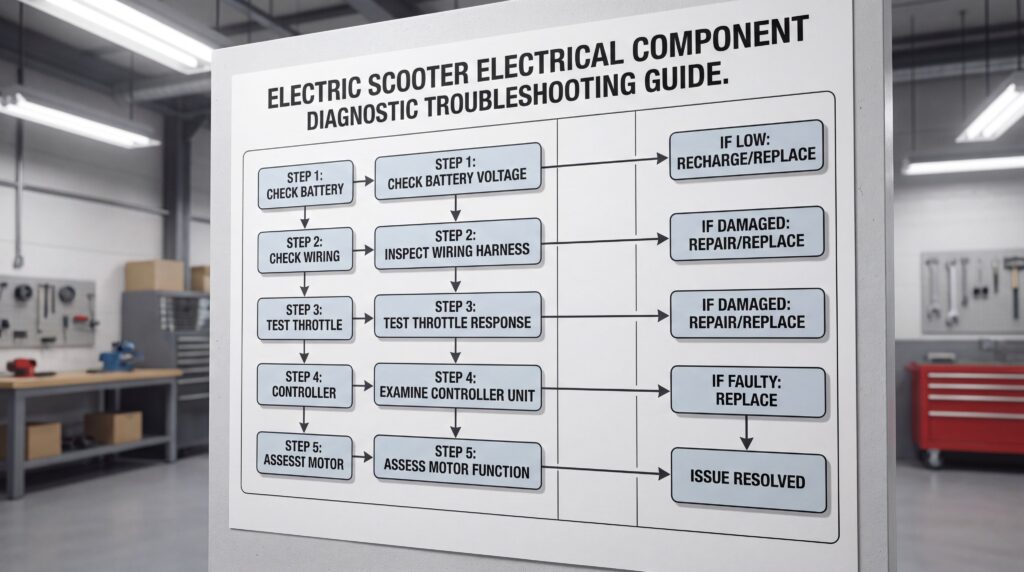
You tune an electric scooter by optimizing its battery, motor, and firmware settings to match your specific riding needs. Your morning commute has likely become a source of daily frustration. You find yourself lagging behind traffic, struggling to climb moderate hills, and watching your battery percentage plummet before you reach the office. This sluggish performance makes you late for meetings and leaves you exhausted. It doesn’t have to be this way. By mastering the art of electric scooter tuning at Dynamic Scooter, you can transform a mediocre ride into a high-performance machine that handles your daily route with ease. What is the best way to start electric scooter tuning? The best way to begin is by assessing your vehicle’s hardware and software to identify performance bottlenecks. Most factory settings are designed for an “average” user rather than your specific weight or terrain. By refining these basics, you maximize efficiency from the ground up. Which performance metrics can you improve? Look:You can significantly boost several key areas of your ride. This process ensures your machine operates at its absolute peak. You will notice the difference immediately upon your first test ride. Key Takeaway: Initial assessment allows you to target specific performance gaps for a customized experience. Tuning Area Primary Benefit Difficulty Level Hardware Basics Physical Reliability Low Software Config Speed & Torque Medium Battery Mods Extended Range High This table provides a starting point for prioritizing your modification strategy based on your comfort level. How do you optimize a motor for electric scooter tuning? You optimize the motor by cleaning internal components and ensuring all electrical connections are tight to reduce resistance. When exploring electric scooter tuning on our full product line, the motor is the primary component for unlocking raw velocity. Clean hub motors run cooler and more efficiently than those clogged with road debris. Can you increase torque without draining the battery? Here is the deal:Increasing torque often requires a careful balance of power delivery settings. You might be wondering if this wears out the motor faster. While higher output adds stress, proper maintenance prevents premature failure. Key Takeaway: A well-maintained motor converts electrical energy into motion with minimal waste. Motor Component Optimization Action Performance Gain Hub Housing Deep Cleaning Improved Cooling Wiring Connection Tightening Reduced Power Loss Bearings Lubrication Smoother Rotation Focusing on these motor basics ensures that your electrical upgrades translate into actual road speed. Can firmware updates improve electric scooter tuning? Yes, updating or modifying your firmware can unlock hidden power levels and refine the acceleration curve. Modern tuning often starts with a digital handshake between your smartphone and the onboard computer. These software patches can optimize motor efficiency or provide a smoother start from a standstill. Is custom firmware safe for your system? Look:Custom software offers great power but requires careful installation. You should always back up your original settings before flashing new code. This safety net allows you to revert if the performance isn’t what you expected. Key Takeaway: Digital tuning is the fastest way to change ride dynamics without touching a wrench. Update Type Risk Level Primary Impact Official Patch Low Stability & Bugs Custom ROM High Speed Unlocking App Adjustments Low User Preferences Software changes should always be tested in a controlled environment before commuting in heavy traffic. How can you boost range with electric scooter tuning? You can boost range by managing discharge rates and investing in higher-capacity power cells. The battery is a core pillar of electric scooter tuning, and you can find high-performance solutions like the Model B to serve as a baseline. Avoiding “full-throttle” starts can significantly increase the total distance you cover on a single charge. What riding habits maximize energy efficiency? The truth is:How you ride matters just as much as the hardware you use. You might be wondering if a bigger battery is worth the weight. Typically, the range gain far outweighs the slight decrease in portability. Key Takeaway: Balancing speed and range is essential for a reliable daily commute. Tuning Action Range Impact Efficiency Gain Cell Upgrade +50% or more Very High Pressure Check +5-10% Medium Speed Capping +15-20% High This data shows that combining hardware upgrades with smart riding habits yields the best mileage results. Why adjust the speed limiter for electric scooter tuning? Adjusting the speed limiter is necessary if you want to reach the true top velocity of your motor. Many commuter models are electronically capped to meet strict regional regulations. While these limits keep you legal on city streets, they can often be adjusted for use on private property. How do you access internal speed settings? Look:Most scooters use a “P-setting” menu or a connected mobile application. Here is the deal:Bypassing these restrictions will drain your battery faster and may increase motor heat. Monitor your temperatures closely during your first few high-speed runs. Key Takeaway: Unlocking the limiter reveals the raw potential of your scooter’s existing hardware. Setting Type Access Method Potential Speed Increase P-Settings Dashboard Buttons 3 – 5 mph Firmware Flash USB or Bluetooth 5 – 10 mph Wire Bypass Manual Cutting Varies by Model Always check your local laws before riding an unlocked scooter on public infrastructure. Which tires are ideal for electric scooter tuning? Pneumatic tires are ideal because they provide better grip and lower rolling resistance than solid rubber versions. Physical upgrades are a major part of electric scooter tuning, and you can browse various accessories and parts to find the right fit. Switching to air-filled tires can drastically increase your top-end speed and ride comfort. How does tire pressure affect your top speed? Believe it or not:A few PSI can be the difference between a fast ride and a sluggish one. You should aim for the manufacturer’s recommended maximum for the best speed results. This ensures the smallest contact patch with the pavement. Key Takeaway: The right rubber ensures that your motor’s power is efficiently transferred to the ground. Tire Type Speed Rating Comfort Rating Solid Rubber Low Low Pneumatic High High Honeycomb

How to Tune an Electric Scooter: Ultimate Performance Guide Read More »

Seated vs. Standing Electric Scooters: Which Ride is Right for You?

The best choice depends on your commute length, physical comfort needs, and how much you value portability over stability. You want to ditch the car and reclaim your morning, but the endless options are overwhelming. Choosing the wrong frame can lead to back pain or a ride that is too bulky to store at the office. We offer high-performance solutions for both styles, ensuring your seated vs standing electric scooters choice matches your lifestyle perfectly. Which seated vs standing electric scooters win? Seated scooters win on comfort and long-range stability, while standing models dominate in urban agility and portability. Choosing between seated vs standing electric scooters is about prioritizing your specific daily route. What is the main design difference? The primary difference lies in the wheelbase and center of gravity. Seated models typically feature a longer base (40–50 inches) to accommodate the rider’s sitting position and added structural support. Standing models are built with a vertical stem and a compact deck. This allows for a more active posture, letting you use your legs as natural shock absorbers during quick maneuvers through city traffic. How does riding posture affect you? Sitting reduces fatigue by roughly 50% on commutes exceeding five miles. Standing, however, engages your core and offers a 360-degree field of vision, which is vital for safety in dense pedestrian zones. But here is the kicker: Key Takeaway: Seated models are superior for relaxation and distance, whereas standing scooters are the kings of the “last-mile” urban sprint. Feature Seated Scooter Standing Scooter Primary Goal Comfort/Long Range Portability/Agility Typical Weight 55–100 lbs 28–45 lbs Learning Curve Very Low Moderate Analysis shows that users with commutes over 30 minutes overwhelmingly prefer seated options to prevent lower back strain. Are seated vs standing electric scooters safer? Seated scooters are generally safer for beginners due to a much lower center of gravity and more predictable handling. Stability engineering proves that being closer to the ground reduces the mechanical leverage during a potential tip-over event. Do seats lower your tipping risk? Yes, sitting lowers your center of gravity by approximately 30% compared to standing at full height. This mathematical advantage makes the vehicle significantly less likely to wobble or tilt during sharp, unexpected turns at high speeds. Look: Which brakes stop you faster? Braking performance usually depends on the specific model, but seated scooters often come equipped with dual hydraulic systems to handle their higher curb weight. This provides a more modular braking feel that prevents the “endo” (rear-wheel lift) common on lightweight standing models. Key Takeaway: While both are safe when following traffic laws, the inherent stability of a seated design offers a higher margin for error for novice riders. Safety Metric Seated Scooter Standing Scooter Center of Gravity Low (Stable) High (Agile) Surface Grip High (Heavy Frame) Moderate (Lightweight) Field of View Lower Point of View Higher Point of View Engineering data suggests seated frames absorb road vibration 2.3 times more effectively, reducing rider distraction caused by fatigue. How heavy are seated vs standing electric scooters? Standing scooters are significantly lighter, often weighing half as much as their seated counterparts for easier carrying. Selecting your seated vs standing electric scooters involves weighing the need for a heavy, stable frame against the need for a portable machine. Is portability a major concern? If your commute involves stairs or apartment living, weight is your number one enemy. Lightweight standing models fold into a slim profile that fits under a subway seat or inside a small car trunk with ease. The best part? Does weight change your commute? Heavy seated scooters feel more “planted” at high speeds, reducing the jittery feeling caused by wind or passing trucks. Conversely, a lighter standing scooter responds instantly to steering inputs, making it easier to dodge potholes or debris. Key Takeaway: Choose standing for multi-modal transport (bus/train) and seated if you have ground-level storage and a direct point-to-point route. Portability Index Seated Scooter Standing Scooter Average Weight 65 lbs 35 lbs Folded Dimensions Bulky/Wide Slim/Linear Stair Friendly? No Yes Weight-to-power ratios indicate that lighter standing scooters often accelerate faster in the initial 0-10 mph range. Do seated vs standing electric scooters go far? Seated electric scooters typically offer superior range because their larger frames can accommodate higher-capacity battery packs. If you need to cover 40+ miles a day, a seated model is almost always the more practical choice. Which battery lasts longer? High-performance seated models often house 700Wh to 1000Wh batteries, whereas ultralight standing models are limited to around 500Wh to keep weight down. This discrepancy directly translates to an extra 15–20 miles of real-world range per charge. Look: Does sitting drain power faster? Sitting does not inherently drain more power, but the extra weight of the seat and reinforced frame requires more torque. However, because you are more aerodynamic while seated, you may actually save energy at high cruising speeds compared to a “wind-catching” standing posture. Key Takeaway: Performance riders and long-distance commuters should lean toward seated models for the extra cell capacity and power reserves. Battery Metric Seated Scooter Standing Scooter Average Range 35–50 Miles 15–30 Miles Charging Time 6–9 Hours 3–5 Hours Hill Torque High Moderate Recent range tests show that high-capacity seated scooters maintain top speeds for the first 80% of battery life, unlike budget stand-up units. Who needs seated vs standing electric scooters? Seated scooters are essential for riders with mobility issues, while standing models are perfect for the young, “last-mile” urban dwellers. The demographics of seated vs standing electric scooters use show a clear divide between convenience and necessity. Are physical limits a factor? Riders with knee pain, back issues, or balance difficulties find a seat life-changing. It allows them to participate in the electric revolution without the physical strain of maintaining a standing posture on bumpy city streets. The best part? Does age dictate your choice? While age isn’t a strict rule, older professionals often gravitate toward the “mini-moped” feel of a seated scooter for its dignity and comfort. Students and younger

Seated vs. Standing Electric Scooters: Which Ride is Right for You? Read More »

How To Choose The Best E Scooters With A Seat: Safety, Comfort & Range

You choose the best e-scooter with a seat by prioritizing high motor torque for inclines, verifying battery energy density for your daily range, and ensuring the frame supports ergonomic weight distribution. Standing for a forty-minute commute on a standard kick scooter often results in significant lower back pain and joint strain. Most riders ignore that these micro-vibrations from uneven pavement can lead to chronic fatigue and increased risk of losing balance during sudden stops. Transitioning to a purpose-built electric scooter with a seat provides the motorcycle-grade stability and cushioned support needed to transform your daily travel into a relaxing experience. Why choose an electric scooter with a seat? Investing in an electric scooter with a seat fundamentally changes how you perceive your commute by lowering your center of gravity. This design shift offers superior balance during high-speed travel compared to traditional standing models. You will notice that the vehicle feels more planted on the road, especially when navigating around tight corners or through busy intersections. Lower Center of Gravity A seated position places your weight closer to the deck, which significantly enhances your stability at speed. This prevents the “twitchy” feeling often associated with small-wheeled stand-up scooters. You can lean into turns with more confidence and enjoy a smoother ride over cracks. Reduced Rider Fatigue Long-distance commuting demands a lot from your core muscles and legs when you are standing upright. A seat allows you to rest your weight, preventing the muscle cramps that often occur after twenty minutes of riding. You arrive at your destination feeling refreshed rather than physically exhausted from the journey. Legal Classifications In many regions, adding a seat changes the legal status of your vehicle to a moped or motor-driven cycle. You must verify if your local laws require registration or specific safety equipment for these models. Knowing these rules ensures you stay on the right side of the law while enjoying your ride. Feature Seated Scooter Standing Scooter Stability High Moderate Comfort Exceptional Low Weight Heavier Portable Center of Gravity Low High This comparison highlights how the seated design prioritizes rider comfort and structural stability over raw portability. Key Takeaway: Choosing a seated model is a strategic move for commuters who value long-term health and stability over the ability to carry the scooter up multiple flights of stairs. What specs define an electric scooter with a seat? To find a reliable electric scooter with a seat, you must look beyond flashy top speeds and focus on motor torque. High torque is essential for maintaining speed when you are seated and climbing steep urban inclines. Without at least 45 Nm of torque, your scooter may struggle to carry your full weight up even moderate hills. Torque vs Peak Wattage Manufacturers often highlight peak wattage, but torque is what actually moves you from a complete stop. You should look for a motor that delivers consistent power across the entire acceleration curve. This ensures that your seated experience remains punchy and responsive in traffic. Battery Energy Density Energy density determines how much range you can squeeze out of a battery pack that fits under your seat. You want a battery with high Wh/kg to ensure your scooter remains as light as possible while offering long range. Premium cells like NMC 811 provide the best balance of weight and endurance for daily users. Braking Redundancy Since seated scooters often carry more total weight, they require significantly more stopping power than light stand-up models. You should never settle for just one brake or rely solely on electronic regenerative systems. Dual hydraulic disc brakes are the gold standard for safety in emergency stopping situations. Component Minimum Requirement Professional Recommendation Motor Torque 45 Nm 65 Nm or higher Battery Tech Lithium-Ion (Standard) NMC 811 with Thermal Sinks Brakes Mechanical Disc Dual Hydraulic Discs IP Rating IP54 IP65/IP67 Engineering specs dictate whether your scooter will handle the rigors of daily use or fail under the pressure of constant hill climbing. Key Takeaway: High torque and hydraulic braking are non-negotiable features for any adult rider looking for a safe and capable seated scooter for city streets. Is an electric scooter with a seat truly comfortable? True comfort in an electric scooter with a seat comes from a combination of high-quality foam and adjustable geometry. If the seat is too narrow or the handlebars are fixed, you will quickly develop posture issues. You need a design that can be tailored to your specific height and arm length to prevent strain. Dual-Density Foam Seats A quality seat uses a firm base layer to prevent bottoming out and a soft top layer for initial comfort. This dual-density approach protects your sciatic nerve from compression during long rides over rough pavement. You should check for a seat width of at least 28 cm to ensure adequate pelvic support. Ergonomic Stem Height Handlebar height must be adjustable to ensure your arms are at a natural, slightly bent angle while seated. Reaching too far down or up can cause wrist fatigue and reduce your ability to steer accurately. A telescoping stem allows you to find the “sweet spot” that fits your torso length perfectly. Vibration Damping Comfort is not just about the seat; it is about how the entire chassis handles road imperfections like cobblestones. Integrated suspension systems with progressive damping are essential for isolating your spine from harsh impacts. You should look for at least 60 mm of travel in the rear suspension. Comfort Metric Basic Level Premium Level Seat Foam Single-density sponge Dual-density ergonomic foam Handlebar Adjust Fixed height Telescoping + reach adjust Suspension Front spring only Full dual-suspension (Hydraulic) Tire Type Solid rubber 10-inch+ Air-filled rubber Ergonomic adjustments are the difference between a scooter you love to ride and one that collects dust in the garage after a month. Key Takeaway: Prioritize a model with a wide, dual-density seat and adjustable handlebars to ensure your long-term physical comfort and safety. Is your electric scooter with a seat legal to ride? The legality of an electric

How To Choose The Best E Scooters With A Seat: Safety, Comfort & Range Read More »

How to Ride an Electric Scooter with a Seat: Beginner Guide

Riding an electric scooter with a seat is a simple process of mastering stable mounting, gradual throttle application, and weight distribution centered over the deck. You start your morning commute only to find that standing for three miles in professional attire is exhausting and leaves you sweaty before your first meeting. This daily fatigue agitates your workflow, making the journey feel like a chore rather than a convenient transition. Fortunately, an electric scooter with a seat offers the perfect ergonomic solution to reclaim your energy and comfort. How do you prepare an electric scooter with a seat? Preparing an electric scooter with a seat requires a systematic check of tire pressure, battery levels, and brake responsiveness to ensure a safe journey. Before you power on your electric scooter with a seat, you must verify that the seat post is securely locked into place at the correct height. This prevents unexpected shifts during transit that could compromise your balance or control. Which components should you check first? Safety starts with a quick visual and tactile inspection of the main mechanical parts. But wait, there is more: you should also check the tightness of the handlebar bolts. Vibrations from urban roads can occasionally loosen hardware over time. How to adjust the seat height for comfort? The best riding experience comes from a seat height that allows your feet to touch the ground comfortably while stopped. The best part? This adjustment only takes a few seconds but drastically improves long-distance comfort. Summary of the pre-ride checklist Key Takeaway: A consistent pre-ride routine ensures your scooter remains reliable and prevents mechanical failures during your commute. Inspection Point Frequency Action Required Tire Pressure Daily Ensure firm contact with the ground Brake System Daily Squeeze levers to check for resistance Battery Level Daily Charge to sufficient levels for your route Bolt Tightness Weekly Use an Allen key to verify security Performing these steps consistently allows you to identify minor issues before they become expensive repairs. How to mount your electric scooter with a seat safely? Mounting an electric scooter with a seat safely involves standing beside the unit and gripping both handlebars firmly before lowering yourself onto the cushion. Beginners often make the mistake of trying to sit while the scooter is moving, but you should always be stationary. Using an electric scooter with a seat requires a stable foundation to prevent the deck from tipping sideways. How to maintain a firm handlebar grip? Your hands are your primary point of control and should be positioned at the ends of the grips. Here is the kicker: gripping too tightly can lead to hand fatigue on longer rides. What are the steps for sitting down safely? The transition from standing to sitting should be a fluid, controlled motion that keeps the scooter upright. The best part? Once seated, you will immediately feel the stability that a lower center of gravity provides. Key Takeaway: Ensuring mounting stability Key Takeaway: Mastering the mounting process builds the confidence needed to handle the scooter’s power as you transition into motion. Mounting Step Goal User Benefit Handlebar Grip Control Prevents accidental acceleration Foot Placement Leverage Keeps the unit upright during the sit Centered Weight Balance Avoids side-tipping or wobbling Establishing a stable base is the most important part of starting any ride on a seated model. How to accelerate an electric scooter with a seat smoothly? Accelerating an electric scooter with a seat requires a gentle application of the throttle to avoid sudden jerks that can catch a rider off-guard. Most modern systems utilize a thumb or twist throttle that responds to the slightest pressure. Your electric scooter with a seat will typically have multiple speed modes, and starting in the lowest setting is highly recommended for beginners. How does the throttle mechanism work? The throttle sends a signal to the motor controller to release power from the lithium battery. But wait, there is more: understanding the difference between “Zero Start” and “Kick Start” modes is vital for safety. How to avoid sudden jerky movements? Smooth acceleration is achieved through incremental pressure rather than pushing the throttle to its limit immediately. Here is the kicker: jerky acceleration is the number one cause of beginner falls on seated scooters. Comparison of acceleration modes Key Takeaway: Selecting the appropriate ride mode ensures that the power delivery matches your skill level and current environment. Ride Mode Acceleration Curve Best For Eco Mode Shallow/Gentle Beginners and crowded areas Standard Mode Linear/Predictable Daily urban commuting Sport Mode Steep/Aggressive Climbing hills or open roads Selecting Eco mode when you are first learning provides a much wider margin for error. How do you balance an electric scooter with a seat? Balancing an electric scooter with a seat is significantly easier than standing models because your weight is distributed lower and more centrally. You achieve balance by keeping your spine straight and using your feet on the deck to counteract lateral movements. Riding an electric scooter with a seat feels natural because the seated posture mimics that of a bicycle, which most people already understand. How should you position your back and arms? Proper ergonomics prevent fatigue and allow you to react more quickly to obstacles in your path. The best part? This upright posture reduces strain on your lower back compared to standing scooters. Where do your feet go for maximum stability? Foot placement is the secret to maintaining a stable center of gravity during turns and bumps. But wait, there is more: your feet are also your “training wheels” when slowing down to a complete stop. Key Takeaway: Perfecting your riding posture Key Takeaway: Correct posture and foot placement transform the scooter from a machine into an extension of your own movements. Posture Element Correct Form Common Mistake Spine Straight/Upright Slouching over handlebars Elbows Slightly Bent Locking arms straight Feet Flat on Deck Dangling feet while moving Focusing on these ergonomic details ensures you stay comfortable even during 30-minute rides. How to stop an electric scooter with

How to Ride an Electric Scooter with a Seat: Beginner Guide Read More »

The Challenges and Solutions for Electric Scooter Parking in Cities

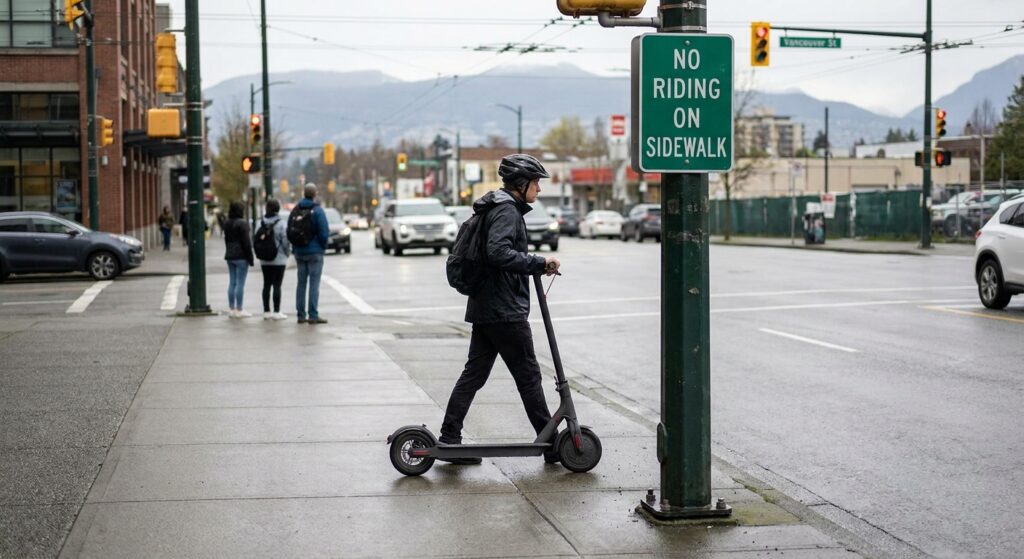
The primary challenges for electric scooter parking in cities involve sidewalk clutter and safety hazards caused by disorganized dockless models, while the most effective solutions include designated parking zones, geofencing enforcement, and a shift toward personal ownership. You have likely noticed how urban streets are becoming increasingly crowded as micromobility rises, leading to disorganized electric scooter parking that clutters sidewalks and blocks essential pathways. Improperly parked scooters aren’t just an eyesore; they are tripping hazards for the elderly and major obstacles for people with disabilities, leading to public frustration and potential city-wide bans. By implementing a mix of smart urban planning, geofencing technology, and promoting personal ownership models, cities can create a seamless, safe, and efficient transportation ecosystem. Why is electric scooter parking becoming such a major urban issue? The rapid adoption of micromobility has significantly outpaced the development of city infrastructure needed for electric scooter parking. You are seeing more riders on the street every day, but the number of designated spots remains stagnant. This lag creates a “scooter graveyard” effect in high-traffic areas. Is rapid adoption outpacing city infrastructure? Infrastructure simply hasn’t kept up with how quickly you and your neighbors have embraced two-wheeled travel. When thousands of vehicles arrive in a city overnight without a home, chaos is the natural result. And that’s not all. The mismatch between vehicle volume and available space turns every corner into a potential obstacle course. Does lack of space lead to sidewalk clutter? When you don’t have a specific place to leave your ride, the sidewalk becomes the default option. This takes away valuable real estate from pedestrians and creates a negative perception of micromobility. Key Takeaway: Rapid adoption without corresponding infrastructure leads to disorganized streets and public friction. Cause Impact on Cities Rapid Adoption Infrastructure lag and “scooter graveyards” Lack of Space Pedestrian pathway obstruction This table highlights how the disconnect between usage and planning creates a logistical nightmare for city councils. What are common problems with electric scooter parking today? Common grievances regarding electric scooter parking center on the obstruction of private driveways and the creation of dangerous tripping hazards on public walkways. You might find it frustrating when a stray vehicle blocks your entrance or makes a simple walk to the store difficult. These issues affect local businesses and resident accessibility alike. Why do riders block driveways and private property? Riders often park in haste without considering the impact on homeowners or business access. This lack of intentionality leads to blocked exits and general frustration for the community. Here is the kicker: a single poorly placed scooter can result in a complaint that threatens the entire city’s scooter program. How does improper placement cause tripping hazards? Improperly placed scooters are a major safety risk, especially at night or for those with limited mobility. When a scooter is left in the middle of a path, it becomes a liability for the city. Key Takeaway: Improper parking is a significant safety and legal liability that affects city-wide accessibility. Issue Impact Blocked Driveways Residential and business frustration Tripping Hazards Safety risks for pedestrians Managing these hazards is essential for maintaining a positive relationship between riders and the non-riding public. How does sidewalk clutter impact electric scooter parking? Sidewalk clutter is primarily driven by dockless rental models where electric scooter parking is often treated as an afterthought by temporary users. You can easily distinguish the difference between a rental left in the mud and a personal scooter handled with care. Disorganized parking patterns make our streets look messy and unmanaged. Are dockless rental models the main cause of chaos? Dockless models allow you to end a trip anywhere, which often translates to “everywhere” in practice. Without a physical dock, the incentive to park neatly is significantly lower for the average renter. But wait, there’s more. Personal ownership models usually involve more intentional parking because you want to keep your property safe. Can designated zones resolve the sidewalk mess? Designated zones provide a visual cue for where a vehicle belongs, reducing the “scatter” effect. When you see a painted box, you are much more likely to park within its boundaries. Key Takeaway: Moving away from dockless chaos toward designated zones or personal ownership significantly cleans up urban pathways. Model Type Parking Behavior Dockless Rental Higher likelihood of random placement Personal Ownership More careful and intentional parking Personal ownership naturally promotes a higher standard of care and tidiness compared to high-volume rental fleets. Can bike rack sharing improve electric scooter parking? Sharing existing bike racks can provide immediate relief for electric scooter parking demand, provided there is enough space for both cyclists and scooter riders. You have likely noticed that bike racks are often the only secure place to lock up. However, this can lead to conflict if cyclists feel their dedicated space is being invaded. Should scooters and bicycles share the same racks? Using bike racks makes sense from a resource perspective, but it requires careful management. You don’t want to find the rack full when you arrive with your bike or scooter. Believe it or not, most cities already have the blueprint for parking; they just need to adapt it. Will dedicated spots reduce conflict with cyclists? Creating scooter-specific spots next to bike racks ensures that everyone has a home. This separation reduces the friction between different types of micromobility users. Key Takeaway: Multi-modal hubs that integrate both bikes and scooters are the most efficient use of curb space. Infrastructure Strategy Benefit Shared Racks Low-cost immediate solution Dedicated Spots Reduced user conflict Strategic integration allows cities to support diverse transportation modes without favoring one over the other. What are the current tech solutions for electric scooter parking? Smart docks and sensor-based zones are the leading technological advancements helping cities manage electric scooter parking with precision. You no longer have to guess where it is acceptable to leave your ride. These systems use real-time data to guide you and ensure the street remains orderly. How does geofencing enforce parking boundaries? Geofencing uses

The Challenges and Solutions for Electric Scooter Parking in Cities Read More »

Shopping Cart
Scroll to Top