
You tune an electric scooter by optimizing its battery, motor, and firmware settings to match your specific riding needs. Your morning commute has likely become a source of daily frustration. You find yourself lagging behind traffic, struggling to climb moderate hills, and watching your battery percentage plummet before you reach the office.
This sluggish performance makes you late for meetings and leaves you exhausted. It doesn’t have to be this way. By mastering the art of electric scooter tuning at Dynamic Scooter, you can transform a mediocre ride into a high-performance machine that handles your daily route with ease.
What is the best way to start electric scooter tuning?

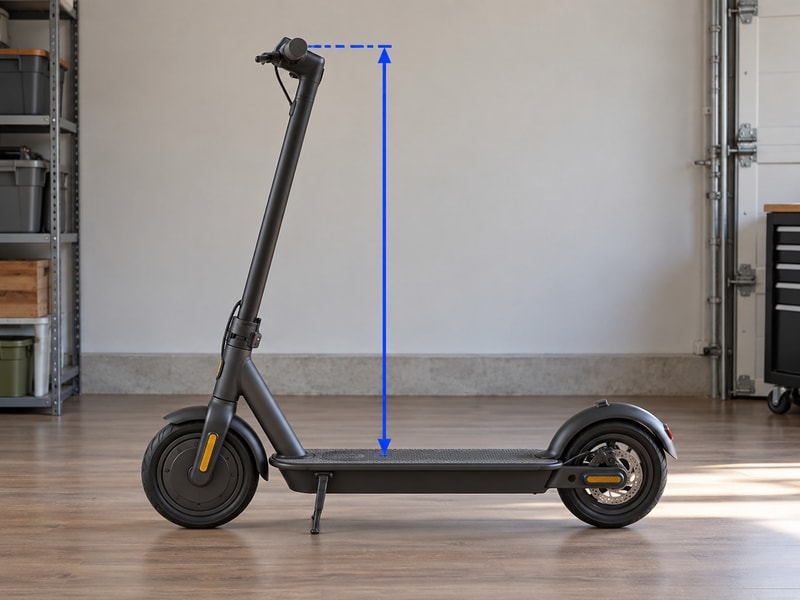
The best way to begin is by assessing your vehicle’s hardware and software to identify performance bottlenecks. Most factory settings are designed for an “average” user rather than your specific weight or terrain. By refining these basics, you maximize efficiency from the ground up.
Which performance metrics can you improve?
Look:
You can significantly boost several key areas of your ride.
- Top Speed: Bypassing digital limiters for faster travel.
- Torque: Improving acceleration and hill-climbing power.
- Battery Life: Optimizing energy discharge for longer commutes.
This process ensures your machine operates at its absolute peak. You will notice the difference immediately upon your first test ride.
Key Takeaway: Initial assessment allows you to target specific performance gaps for a customized experience.
| Tuning Area | Primary Benefit | Difficulty Level |
|---|---|---|
| Hardware Basics | Physical Reliability | Low |
| Software Config | Speed & Torque | Medium |
| Battery Mods | Extended Range | High |
This table provides a starting point for prioritizing your modification strategy based on your comfort level.
How do you optimize a motor for electric scooter tuning?

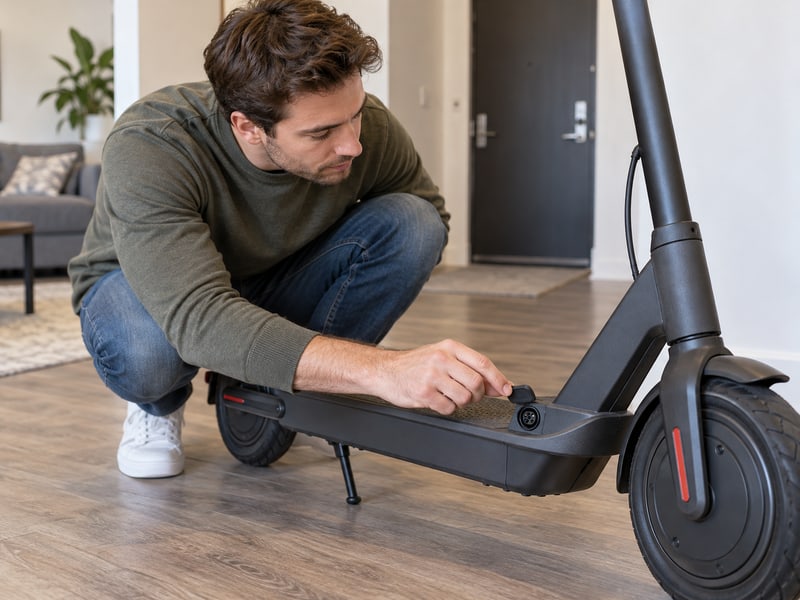
You optimize the motor by cleaning internal components and ensuring all electrical connections are tight to reduce resistance. When exploring electric scooter tuning on our full product line, the motor is the primary component for unlocking raw velocity. Clean hub motors run cooler and more efficiently than those clogged with road debris.
Can you increase torque without draining the battery?
Here is the deal:
Increasing torque often requires a careful balance of power delivery settings.
- Phase Wire Upgrades: Reduces heat and improves power flow.
- Controller Tweaks: Adjusts how much current reaches the motor.
- Magnet Cleaning: Ensures maximum electromagnetic efficiency.
You might be wondering if this wears out the motor faster. While higher output adds stress, proper maintenance prevents premature failure.
Key Takeaway: A well-maintained motor converts electrical energy into motion with minimal waste.
| Motor Component | Optimization Action | Performance Gain |
|---|---|---|
| Hub Housing | Deep Cleaning | Improved Cooling |
| Wiring | Connection Tightening | Reduced Power Loss |
| Bearings | Lubrication | Smoother Rotation |
Focusing on these motor basics ensures that your electrical upgrades translate into actual road speed.
Can firmware updates improve electric scooter tuning?

Yes, updating or modifying your firmware can unlock hidden power levels and refine the acceleration curve. Modern tuning often starts with a digital handshake between your smartphone and the onboard computer. These software patches can optimize motor efficiency or provide a smoother start from a standstill.
Is custom firmware safe for your system?
Look:
Custom software offers great power but requires careful installation.
- Increased Speed: Removes the 15 mph factory cap.
- Smooth Braking: Refines electronic regenerative braking systems.
- Battery Monitoring: Provides real-time data on cell health.
You should always back up your original settings before flashing new code. This safety net allows you to revert if the performance isn’t what you expected.
Key Takeaway: Digital tuning is the fastest way to change ride dynamics without touching a wrench.
| Update Type | Risk Level | Primary Impact |
|---|---|---|
| Official Patch | Low | Stability & Bugs |
| Custom ROM | High | Speed Unlocking |
| App Adjustments | Low | User Preferences |
Software changes should always be tested in a controlled environment before commuting in heavy traffic.
How can you boost range with electric scooter tuning?

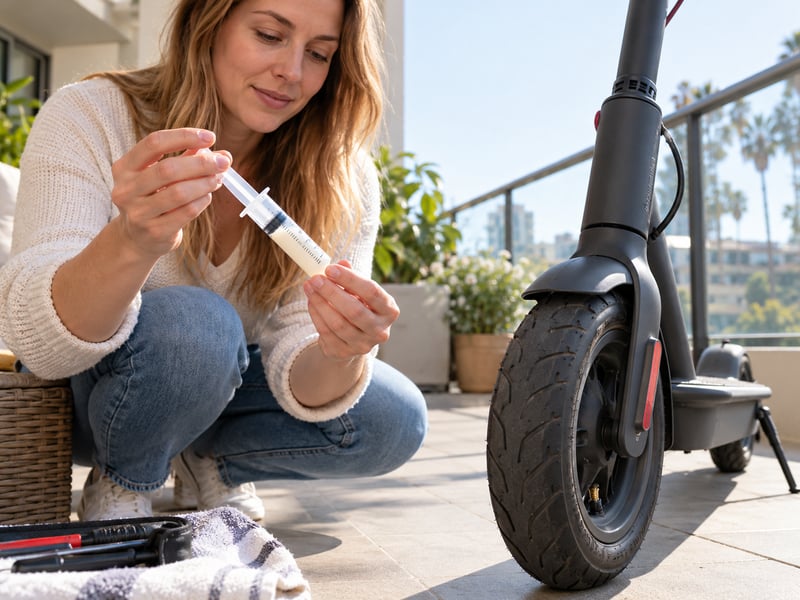
You can boost range by managing discharge rates and investing in higher-capacity power cells. The battery is a core pillar of electric scooter tuning, and you can find high-performance solutions like the Model B to serve as a baseline. Avoiding “full-throttle” starts can significantly increase the total distance you cover on a single charge.
What riding habits maximize energy efficiency?
The truth is:
How you ride matters just as much as the hardware you use.
- Steady Acceleration: Prevents massive energy spikes.
- Coast Frequently: Uses momentum to save battery power.
- Weight Management: Carrying less gear reduces the motor’s workload.
You might be wondering if a bigger battery is worth the weight. Typically, the range gain far outweighs the slight decrease in portability.
Key Takeaway: Balancing speed and range is essential for a reliable daily commute.
| Tuning Action | Range Impact | Efficiency Gain |
|---|---|---|
| Cell Upgrade | +50% or more | Very High |
| Pressure Check | +5-10% | Medium |
| Speed Capping | +15-20% | High |
This data shows that combining hardware upgrades with smart riding habits yields the best mileage results.
Why adjust the speed limiter for electric scooter tuning?

Adjusting the speed limiter is necessary if you want to reach the true top velocity of your motor. Many commuter models are electronically capped to meet strict regional regulations. While these limits keep you legal on city streets, they can often be adjusted for use on private property.
How do you access internal speed settings?
Look:
Most scooters use a “P-setting” menu or a connected mobile application.
- Display Codes: Specific button combinations unlock hidden menus.
- App Overrides: Third-party apps can sometimes bypass restrictions.
- Hardwire Clips: Some models use a physical wire to limit speed.
Here is the deal:
Bypassing these restrictions will drain your battery faster and may increase motor heat. Monitor your temperatures closely during your first few high-speed runs.
Key Takeaway: Unlocking the limiter reveals the raw potential of your scooter’s existing hardware.
| Setting Type | Access Method | Potential Speed Increase |
|---|---|---|
| P-Settings | Dashboard Buttons | 3 – 5 mph |
| Firmware Flash | USB or Bluetooth | 5 – 10 mph |
| Wire Bypass | Manual Cutting | Varies by Model |
Always check your local laws before riding an unlocked scooter on public infrastructure.
Which tires are ideal for electric scooter tuning?
Pneumatic tires are ideal because they provide better grip and lower rolling resistance than solid rubber versions. Physical upgrades are a major part of electric scooter tuning, and you can browse various accessories and parts to find the right fit. Switching to air-filled tires can drastically increase your top-end speed and ride comfort.
How does tire pressure affect your top speed?
Believe it or not:
A few PSI can be the difference between a fast ride and a sluggish one.
- High Pressure: Lowers rolling resistance for maximum speed.
- Low Pressure: Increases grip and comfort on rough roads.
- Regular Checks: Prevents flats and maintains consistent performance.
You should aim for the manufacturer’s recommended maximum for the best speed results. This ensures the smallest contact patch with the pavement.
Key Takeaway: The right rubber ensures that your motor’s power is efficiently transferred to the ground.
| Tire Type | Speed Rating | Comfort Rating |
|---|---|---|
| Solid Rubber | Low | Low |
| Pneumatic | High | High |
| Honeycomb | Medium | Medium |
Choosing pneumatic tires is the single most effective physical change you can make for a smoother ride.
Does suspension help with electric scooter tuning?

Yes, a well-tuned suspension system provides the stability and traction needed for high-speed cornering. Advanced tuning often addresses shock absorbers to ensure that increased speeds don’t lead to a dangerous or uncomfortable ride. Keeping the wheels in contact with the ground is vital for maintaining control at over 20 mph.
When should you adjust preload and rebound?
Look:
Suspension settings should be tailored to your body weight and local road quality.
- Preload: Adjusts the initial tension based on the rider’s weight.
- Rebound: Controls how fast the shock returns after a bump.
- Lubrication: Keeps the springs moving freely without squeaking.
You might be wondering if suspension adds too much weight. While it adds a few pounds, the safety and comfort gains are well worth the trade-off.
Key Takeaway: Suspension tuning protects both the rider and the internal electronics from vibration damage.
| Adjustment | Purpose | Best For |
|---|---|---|
| Softening | Better Absorption | Potholes & Gravel |
| Stiffening | Higher Stability | Smooth Asphalt |
| Lubrication | Durability | Longevity |
A balanced suspension setup allows you to maintain higher average speeds over uneven urban terrain.
Is safety important during electric scooter tuning?

Safety is the most critical part of the process because faster rides require significantly better protection and stopping power. When you increase the power of your vehicle, you must ensure your gear is capable of handling the extra force. We recommend checking our performance blog for the latest safety-certified modification tips.
What protective gear is essential for faster riding?
Here is the deal:
A standard bicycle helmet is often insufficient once you exceed 15 mph.
- Full-Face Helmet: Protects your jaw and face during high-speed falls.
- Reinforced Gloves: Prevents road rash if you need to bail.
- Knee Pads: Essential for protecting joints during impact.
You must also inspect your braking system every few weeks. Higher speeds put more heat and pressure on your brake pads, causing them to wear faster.
Key Takeaway: Never sacrifice safety for speed; a tuned scooter is only fun if you stay upright.
| Gear Item | Protection Level | Necessity |
|---|---|---|
| Full-Face Helmet | Maximum | Mandatory |
| Leather Gloves | High | Recommended |
| Disc Brake Pads | Functional | Essential |
Testing your brakes at high speed in an empty parking lot is a vital first step after any tuning session.
How to clean a motor for electric scooter tuning?
You clean a motor by removing external grime and using compressed air to clear the internal cooling fins. The longevity of your modifications depends on your commitment to a rigorous maintenance schedule. Higher performance levels put more strain on the motor and battery, requiring extra vigilance against dust buildup.
Why is cleaning your motor important for longevity?
Look:
Heat is the number one enemy of electric motors and battery life.
- Heat Dissipation: Clean fins allow air to cool the motor.
- Efficiency: Reduces the energy needed to overcome internal friction.
- Visual Inspection: Cleaning helps you spot loose bolts or worn wires.
You might be wondering if water is safe for cleaning. Never use a high-pressure hose; instead, use a damp cloth and specialized electrical contact cleaner.
Key Takeaway: A clean motor runs cooler, lasts longer, and maintains higher peak performance.
| Cleaning Tool | Use Case | Frequency |
|---|---|---|
| Compressed Air | Dusting Internals | Monthly |
| Microfiber Cloth | External Grime | Weekly |
| Contact Cleaner | Wire Terminals | Every 6 Months |
Regular cleaning prevents small issues from turning into expensive motor failures down the road.
Where can you get parts for electric scooter tuning?

You can find reliable parts through professional retailers and specialty shops that focus on high-grade electrical components. Successful tuning requires durable accessories that won’t lead to premature component failure. For any technical questions about compatibility, contact us directly to speak with a performance expert.
Who should you contact for technical troubleshooting?
The truth is:
DIY tuning is rewarding, but professional advice can prevent costly mistakes.
- Authorized Dealers: Best for warranty-safe accessories and advice.
- Online Communities: Great for finding custom firmware files.
- Manufacturer Support: Ideal for ordering specific replacement hardware.
You might be wondering if generic parts work just as well. While cheaper, they often lack the heat resistance needed for high-performance tuning.
Key Takeaway: Quality parts are an investment in the reliability and safety of your modified ride.
| Part Source | Reliability | Support Level |
|---|---|---|
| Factory Direct | Very High | Excellent |
| Third-Party | Moderate | Limited |
| Custom Shops | High | Expert |
Using verified components ensures that your scooter remains a reliable tool for your daily life.
Summary of Performance Optimization
By following this guide, you can solve the sluggishness of your daily commute and unlock a new level of freedom. At Dynamic Scooter, our vision is to provide every rider with a smooth, energy-efficient, and powerful way to move through their city. Whether you are adjusting your firmware or upgrading your tires, every small change contributes to a better riding experience.
If you are ready to take your performance to the next level, contact us today and let our team help you build the perfect ride.
Common Questions Regarding Performance Optimization
Can I tune my scooter without voiding the warranty?
No. In almost every case, software modifications and internal hardware changes will void a manufacturer’s warranty immediately.
What’s the best way to increase range?
The most effective way is to maintain proper tire pressure and adopt a steady acceleration riding style.
Can I use a different charger for faster power-ups?
No. Using a charger with higher voltage than recommended can damage battery cells and create a serious fire risk.
What’s the best tire pressure for speed?
Higher tire pressure, usually around 45-50 PSI, results in less rolling resistance and higher top speeds on smooth surfaces.
Can I ride my tuned scooter in the rain?
Not recommended. Tuning often involves exposing electrical components, and unless perfectly sealed, moisture can cause immediate short circuits.