
Sharing rides on electric scooters seems fun, but safety risks multiply fast. Two riders can cause crashes, damage, and legal trouble. The solution? Know weight limits, safety rules, and better alternatives before you ride.
Most electric scooters are designed for single riders only. Two people riding one scooter creates safety hazards, exceeds weight limits, and may violate local laws. While some heavy-duty models can handle two riders, proper safety gear and riding techniques are needed.
But here’s the thing… the real question isn’t just about weight capacity.
1. What Are the Weight Limits for Electric Scooters?
Electric scooters have strict weight limits that affect performance and safety. Most standard models support 220-265 pounds maximum. This limit includes the rider’s weight plus any cargo or gear they carry.
Here’s why it matters… exceeding weight limits reduces battery life, slows acceleration, and weakens braking power. The motor works harder, creating more heat and wear. Hills become harder to climb, and the scooter may struggle on flat ground.
Weight distribution also plays a key role in scooter stability. Two riders create uneven weight distribution that affects balance and steering. The front rider controls the handlebars while the back rider shifts weight unpredictably. This creates dangerous situations during turns or sudden stops.
Different scooter categories have varying weight capacities. Budget models typically support 220 pounds, while premium commuter scooters handle 265 pounds. Heavy-duty models designed for larger riders can support 300-400 pounds, but these aren’t meant for two people.

| Scooter Type | Weight Limit | Motor Power | Typical Price Range |
| Budget Models | 220 lbs | 250W | $200-400 |
| Standard Commuter | 265 lbs | 350W | $400-800 |
| Heavy-Duty Models | 300-400 lbs | 500W+ | $800-1500 |
| Professional Grade | 400+ lbs | 1000W+ | $1500-3000 |
The deck size also affects weight capacity. Smaller decks concentrate weight in a small area, creating stress points. Larger decks distribute weight better but still aren’t designed for multiple riders. Most decks measure 5-6 inches wide, barely enough for one person’s feet.
Battery performance drops significantly with excess weight. A 220-pound rider might get 20 miles of range, while two 150-pound riders get only 10-12 miles. The battery works harder to move extra weight, generating more heat and reducing lifespan.
2. How Does Dual Riding Affect Scooter Performance?
Two riders dramatically change how electric scooters perform across all metrics. Speed drops by 30-50% with added weight, making it dangerous in traffic. Battery drains faster, cutting range in half or more. Acceleration becomes sluggish and unsafe when merging with vehicles.
Braking distance increases significantly with two riders. The extra weight makes it harder to stop quickly, especially on hills or wet surfaces. This creates danger when cars, pedestrians, or obstacles appear suddenly. Emergency stops become nearly impossible with dual riders.
The best part? Understanding these changes helps you make safer choices before problems occur. Motor strain increases with dual riding, leading to overheating and potential failure. The deck may flex or crack under excessive weight, creating sudden safety hazards.
Hill climbing ability suffers greatly with two riders. A scooter that easily climbs 10-degree slopes with one rider may struggle with 5-degree inclines when carrying two people. This forces riders into traffic lanes or creates dangerous situations on bike paths.
| Performance Factor | Single Rider (150 lbs) | Two Riders (300 lbs) | Performance Loss |
| Top Speed | 20 mph | 12 mph | 40% |
| Range | 20 miles | 10 miles | 50% |
| Hill Climbing | 15 degrees | 8 degrees | 47% |
| Braking Distance | 12 feet | 20 feet | 67% |
Tire wear accelerates with dual riding. The extra weight creates more friction and heat, wearing down tires faster. Tire pressure becomes more critical, as under-inflated tires can blow out under excessive weight. This creates sudden loss of control and crashes.
Suspension systems, if present, become overwhelmed with two riders. Most scooters have minimal suspension designed for single riders. Dual riding compresses suspension fully, eliminating shock absorption. This makes rides uncomfortable and reduces control over bumps.
Electronic systems also suffer under dual riding stress. Speed controllers work harder to manage power delivery. Regenerative braking systems become less effective with extra weight. These electronic failures can happen suddenly, creating dangerous situations.
3. What Safety Risks Come with Two Riders?
Dual riding creates multiple safety hazards that single riders don’t face. Balance becomes unstable with two people shifting weight independently. Falls happen more often and cause worse injuries due to the combined weight and momentum of both riders.
Visibility decreases when two riders block each other’s view. The back rider can’t see ahead clearly, missing traffic signals, pedestrians, or road hazards. The front rider may have their vision blocked by the passenger’s arms or body during turns.
Now, you might be wondering… about legal liability when accidents occur. If an accident happens with two riders, insurance may not cover damages. Many policies exclude coverage for misuse of equipment or violation of manufacturer guidelines.
Control problems multiply with dual riding scenarios. Steering becomes harder with uneven weight distribution. Quick turns or emergency maneuvers become nearly impossible. Both riders risk serious injury in crashes, with the back rider often suffering worse injuries.
Communication between riders becomes critical but difficult. Wind noise, traffic sounds, and concentration on balance make verbal communication hard. Hand signals become impossible when both riders need to hold on for stability.
| Safety Risk Category | Single Rider Risk Level | Two Rider Risk Level | Risk Increase |
| Fall Risk | Low (5%) | High (25%) | 400% |
| Serious Injury | Low (2%) | High (15%) | 650% |
| Loss of Control | Rare (1%) | Common (20%) | 1900% |
| Traffic Accidents | Low (3%) | High (18%) | 500% |
Emergency response becomes more complicated with two injured riders. Ambulances may need additional resources for multiple patients. Hospital costs double, and recovery times often extend due to more severe injuries from dual-rider crashes.
Weather conditions create additional risks for dual riders. Rain makes surfaces slippery, and two riders have less individual control. Wind affects balance more severely with two people. Cold weather reduces battery performance faster with extra weight.
Protective gear becomes more complex with two riders. Both need helmets, knee pads, and elbow protection. The back rider has fewer options for protective positioning. Proper gear costs double but provides less protection due to increased crash severity.

4. Are There Legal Restrictions on Dual Riding?
Many cities and states ban two riders on electric scooters through specific traffic laws. These regulations often treat scooters like bicycles, which have similar single-rider restrictions. Fines range from $50 to $500 for violations, depending on local jurisdiction and repeat offenses.
Rental scooter companies prohibit dual riding in their terms of service agreements. Breaking these rules can result in account suspension, liability for damages, and additional fees. Companies use GPS tracking and user reports to identify violations.
Let me explain… why these laws exist beyond simple rule-making. Dual riding increases accident rates and emergency room visits significantly. Cities create rules to protect public safety and reduce healthcare costs that taxpayers ultimately bear.
Insurance coverage may be void with two riders on scooters. Personal injury claims become complicated when rules are broken. Property damage costs fall on the riders, not insurance companies. This can result in thousands of dollars in unexpected expenses.
Law enforcement actively patrols popular scooter areas. Officers look for dual riding, especially near colleges, tourist areas, and business districts. Some cities use automated systems to detect violations through camera networks.
| Location Type | Dual Riding Legal Status | Typical Fine Range | Enforcement Level |
| City Streets | Prohibited | $75-200 | High |
| Bike Paths | Usually Prohibited | $50-150 | Medium |
| College Campuses | Often Prohibited | $25-100 | High |
| Tourist Areas | Strictly Prohibited | $100-500 | Very High |
International laws vary significantly regarding dual riding. European cities often have stricter rules than US cities. Some countries ban electric scooters entirely, while others allow dual riding in specific zones. Tourists should research local laws before riding.
Business liability extends to companies that allow dual riding. Employers may face lawsuits if employees are injured while dual riding for work purposes. Property owners can be liable for accidents on their premises if they don’t enforce single-rider rules.
Legal precedents are being set as dual riding cases go through courts. Judges often rule against riders who violate manufacturer guidelines. These decisions affect future insurance claims and liability determinations.
5. Which Electric Scooters Can Handle Two Riders?
Heavy-duty electric scooters with 400+ pound weight limits can technically support two riders physically. These models feature reinforced decks, powerful motors, and enhanced braking systems. However, they’re still not designed or recommended for dual riding by manufacturers.
Wide deck scooters offer more standing room for two people. Models with 8-inch or wider decks provide better stability than standard 5-6 inch decks. Dual motor scooters maintain better performance with extra weight but still face safety challenges.
This is important because… even capable scooters face significant safety challenges with two riders. Manufacturers don’t recommend dual riding even on heavy-duty models. Warranty coverage may be void with misuse, leaving riders responsible for repair costs.
Professional-grade scooters used by delivery services sometimes handle two riders in specific situations. These models cost $1,500-3,000 and require special training. They’re not suitable for casual recreational use and often require commercial licenses.
Stand-up scooters with seats offer better dual riding options. Some models include passenger footpegs and grab handles. These features improve safety but don’t eliminate the risks associated with two riders on one vehicle.
| Scooter Model Category | Weight Capacity | Deck Width | Motor Power | Dual Riding Suitability |
| Standard Models | 220-265 lbs | 5-6 inches | 250-350W | Not Recommended |
| Heavy-Duty Models | 300-400 lbs | 7-8 inches | 500-750W | Possible but Risky |
| Professional Grade | 400+ lbs | 8+ inches | 1000W+ | With Extreme Caution |
| Seated Models | 350-450 lbs | 10+ inches | 800W+ | Better but Still Risky |
Electric scooter modifications for dual riding void warranties and create liability issues. Adding seats, footpegs, or grab bars changes the vehicle’s design. These modifications may make the scooter illegal for street use in many jurisdictions.
Cargo scooters designed for delivery work offer the best dual riding potential. These models have reinforced frames and larger platforms. However, they’re expensive, heavy, and require special licensing in many areas.
Three-wheeled electric scooters provide better stability for two riders. These models distribute weight across three contact points. However, they’re larger, more expensive, and may require motorcycle licenses in some states.

6. What Are Better Alternatives to Dual Riding?
Two separate scooters provide the safest option for couples or friends wanting to ride together. Each rider maintains full control and follows traffic laws. Rental costs are often similar to fines for dual riding violations, making this economically sensible.
Electric bikes with passenger seats offer legal two-person transportation in most areas. Many cities allow passengers on e-bikes with proper seating and safety equipment. These vehicles are designed for dual riding with appropriate safety features.
Here’s the deal… ride-sharing services work well for short trips when scooters aren’t suitable. Apps like Uber or Lyft cost less than potential medical bills from scooter accidents. Public transportation provides another safe, legal alternative for longer distances.
Walking or traditional bicycles work for short distances under 2 miles. These options provide exercise benefits and avoid legal complications entirely. Car-sharing services handle longer trips safely and legally without the risks of dual scooter riding.
Electric skateboards offer individual transportation that’s more portable than scooters. Each person can have their own board, maintaining independence and safety. These devices are lighter and easier to carry when not in use.
| Alternative Transportation | Daily Cost | Safety Level | Legal Status | Best Use Case |
| Two Separate Scooters | $20-40 | High | Legal | Short commutes |
| E-bike with Passenger Seat | $25-50 | High | Usually Legal | Recreational rides |
| Ride-sharing Services | $10-30/trip | Very High | Legal | Occasional trips |
| Public Transportation | $5-15 | Very High | Legal | Regular commuting |
Tandem bicycles provide a fun alternative for couples wanting to ride together. These bikes are designed for two riders and offer better safety than dual scooter riding. Many cities have tandem bike rentals available for tourists and residents.
Electric mopeds or motorcycles offer higher-capacity two-person transportation. These vehicles require licenses and insurance but provide legal dual riding options. They’re safer than scooters for two people but require more investment and training.
Micro-mobility sharing programs often offer multiple vehicle types. Users can rent two scooters, bikes, or other devices simultaneously. This provides flexibility while maintaining safety and legal compliance.
7. How Can You Ride Safely if You Must Carry Two?
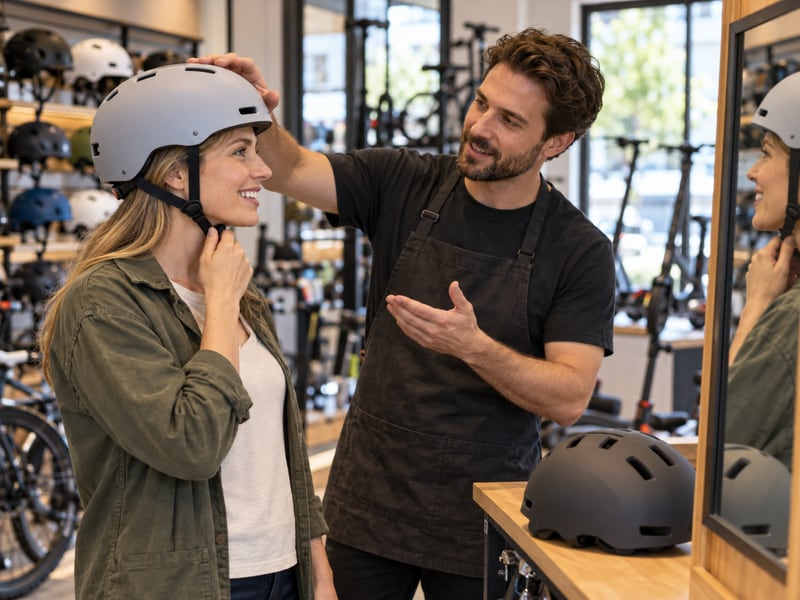
If you absolutely must carry two riders, follow strict safety protocols to minimize risks. Both riders must wear helmets and protective gear including knee pads, elbow guards, and closed-toe shoes. Choose wide, flat routes away from traffic and pedestrians.
The heavier rider should stand in front for better balance and control. Both riders must communicate constantly about turns, stops, and obstacles. Practice in empty parking lots before riding in public areas to develop coordination and communication.
Want to know the secret? Go slowly and avoid hills, busy areas, or challenging terrain. Maximum speed should be 5-8 mph with two riders, much slower than normal riding speeds. Allow extra time for longer braking distances and reduced maneuverability.
Check local laws before riding with two people in any area. Some locations allow dual riding in specific zones like private property or designated areas. Research regulations and obtain necessary permits if required for your location.
Pre-ride safety checks become more critical with two riders. Check tire pressure, brake function, and battery level before each ride. Inspect the deck for cracks or damage that could fail under extra weight. Test steering and acceleration in a safe area.
| Safety Measure | Single Rider Standard | Two Rider Requirement | Additional Notes |
| Helmet Use | Recommended | Mandatory for Both | Must be properly fitted |
| Maximum Speed | 15-25 mph | 5-8 mph | Slower in crowded areas |
| Route Selection | Any suitable path | Flat, empty areas only | Avoid hills and traffic |
| Protective Gear | Basic recommended | Full gear required | Include knee/elbow pads |
Emergency procedures require planning with two riders. Establish hand signals for communication during rides. Plan escape routes if separation becomes necessary. Carry first aid supplies and emergency contact information for both riders.
Weather considerations become more important with dual riding. Avoid riding in rain, snow, or high winds entirely. Cold weather reduces battery performance faster with extra weight. Hot weather increases overheating risks for motors and batteries.
Regular maintenance schedules should be accelerated with dual riding. Check tire wear more frequently due to increased stress. Monitor brake pad wear and replace sooner than normal. Battery health degrades faster with heavy use and should be monitored closely.

Conclusion
Electric scooters work best with single riders for safety, performance, and legal reasons. Two riders create balance problems, exceed weight limits, and increase accident risks significantly. Most cities prohibit dual riding with substantial fines and legal consequences.
Better alternatives include separate scooters, e-bikes with passenger seats, or ride-sharing services. These options provide safe, legal transportation for two people without compromising safety or breaking local laws. The cost difference is minimal compared to potential medical bills and legal fees.
Ready to find the perfect scooter for your individual needs? Dynamic Scooter offers high-quality, single-rider electric scooters designed for safety and performance. Our Model B features a 25 mph top speed, 20-mile range, and 220-pound weight capacity – perfect for safe, legal solo riding. Visit dynamicscooter.com to see models that prioritize your safety while delivering reliable transportation.

FAQ
Q1: Can children ride with adults on electric scooters?
No, most electric scooters and local laws prohibit children as passengers. The safety risks are even higher with children due to size differences and unpredictable movements. Children should use age-appropriate scooters with adult supervision, or families should choose alternative transportation methods like e-bikes with proper child seats.
Q2: What happens if police catch two people on one scooter?
Police typically issue fines ranging from $50-500 depending on local laws and repeat offenses. They may also confiscate rental scooters and report violations to rental companies. Repeat offenses can result in higher fines, court appearances, and potential criminal charges in some jurisdictions.
Q3: Do any electric scooter manufacturers allow two riders?
Most manufacturers explicitly prohibit dual riding in their user manuals and warranties. Even heavy-duty models designed for higher weight limits are intended for single riders with cargo, not passengers. Violating these guidelines voids warranties and creates liability issues for users.
Private property owners set their own rules, but safety risks remain the same regardless of location. Insurance coverage may still be void, and injuries can still occur. Many property owners prohibit dual riding for liability reasons, especially in commercial or public-access areas.
Q5: What’s the safest way to transport a passenger short distances?
The safest options are separate scooters for each person, e-bikes with proper passenger seats and safety equipment, walking for very short distances, or ride-sharing services. These alternatives eliminate the safety and legal risks associated with dual scooter riding while providing reliable, legal transportation for two people.