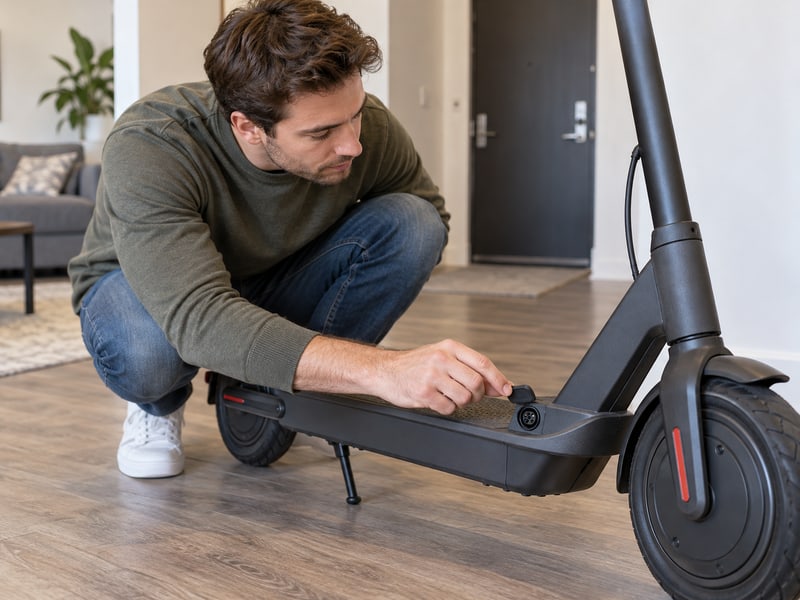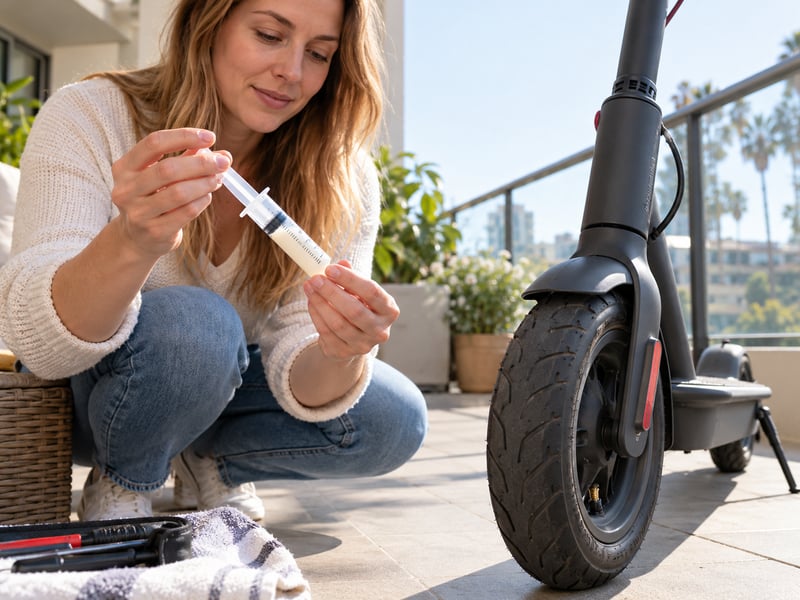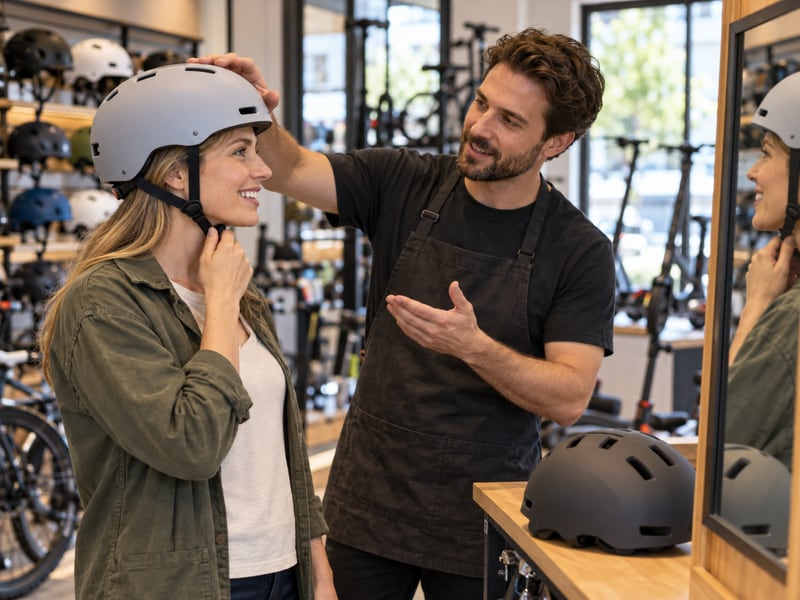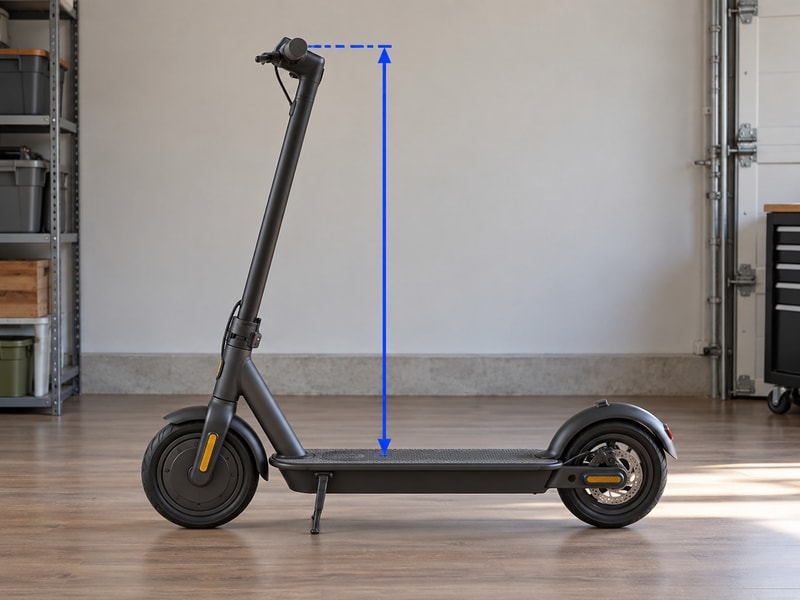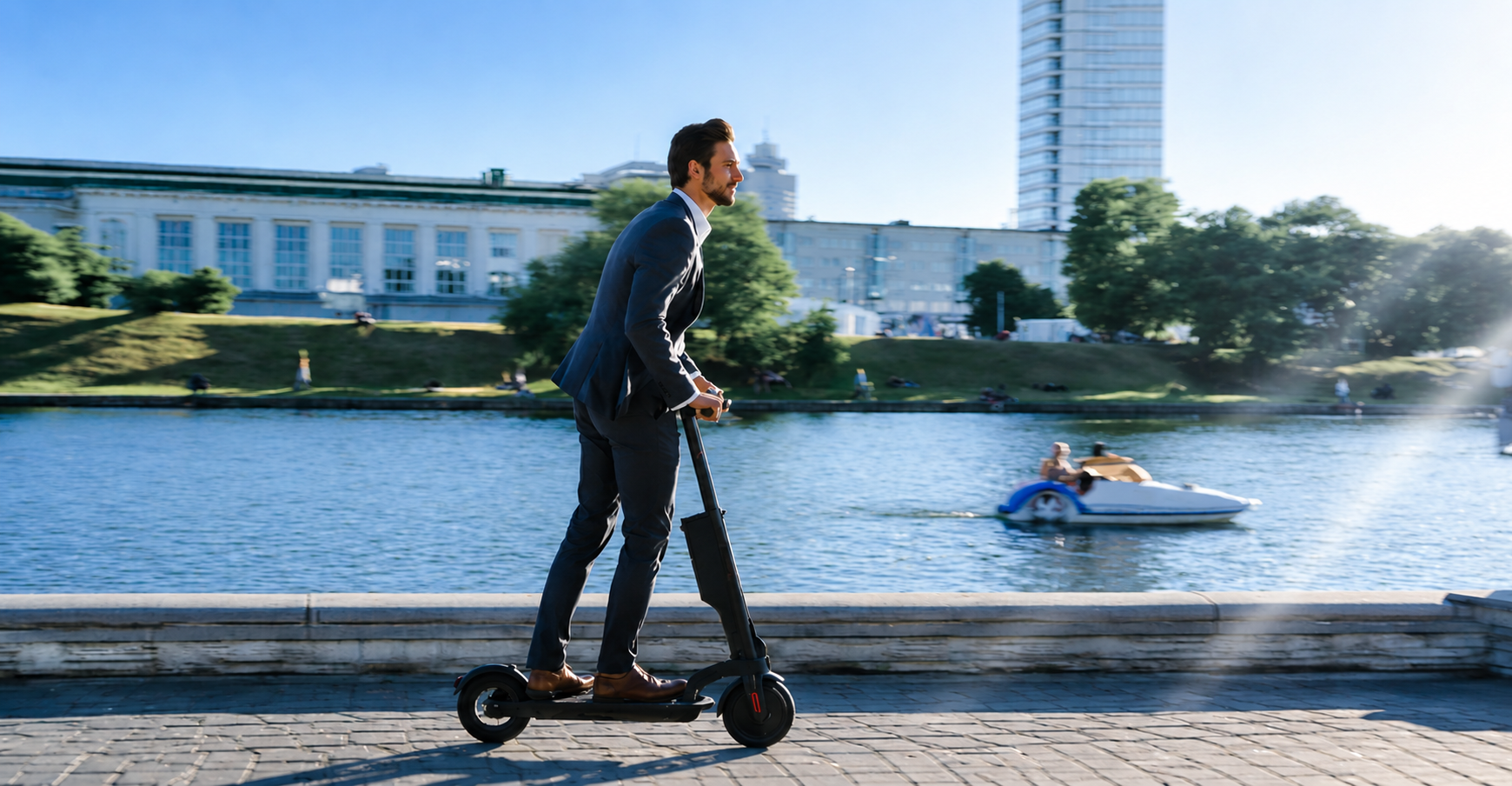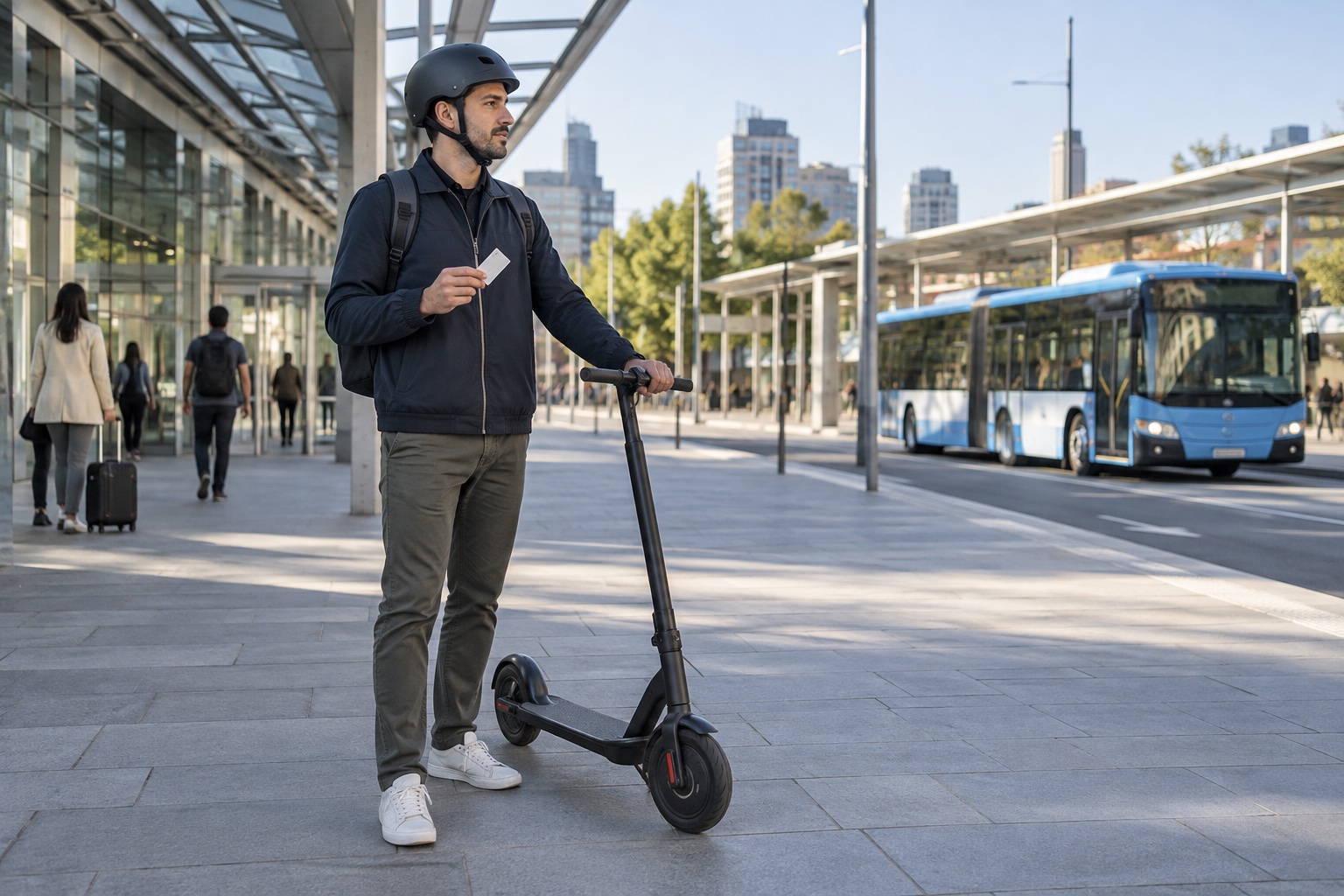

Manual scooters are tiring and slow? Low travel efficiency? Convert to electric for easier, faster commutes! Converting a push scooter to electric can be a rewarding DIY project!
Converting a push scooter to electric is a cost-effective and eco-friendly choice. It offers custom control over speed and range. Learn how to pick parts, install systems, and ensure safety.
While it presents challenges in parts, wiring, and safety, this article guides you through component selection, conversion steps, and crucial safety checks. Want to know more details?
1. The Feasibility of Electric Scooter Conversion
Converting a push scooter to electric is entirely feasible, blending practicality with personal satisfaction. This DIY project allows you to customize your ride by adding a motor, battery, and control system. Here’s why it matters… it offers significant control over performance, tailoring it to your exact needs.
Successful conversion relies on careful planning and acquiring the right components. Online guides and communities provide extensive support. Your mechanical and electrical skills, alongside the scooter’s design and adaptability, are crucial. A robust, well-maintained scooter forms the best foundation for a durable conversion.
2. Benefits of Converting a Push Scooter to Electric
Converting your own scooter offers significant cost savings over buying a new electric model. Beyond finances, it provides unparalleled customization, allowing you to tailor every aspect to your preferences. Want to know the secret? You control speed, range, and more.
This hands-on project also offers an invaluable learning experience, deepening your understanding of electric vehicle mechanics. It fosters accomplishment and repurposes old scooters, contributing to sustainability.

3. Challenges and Considerations in Electric Scooter Conversion
Despite benefits, conversion presents challenges. Finding compatible parts is tricky, and managing battery placement and weight distribution is crucial for balance and performance. This is important because… improper planning leads to instability.
Wiring the electrical system is complex, demanding precision and electrical knowledge. Safety is paramount, requiring thorough checks. Local regulations vary, impacting legality. This project demands notable time and effort.
| Challenge | Description |
| Part Compatibility | Finding matching components |
| Weight Distribution | Maintaining balance |
| Wiring Complexity | Precision, electrical knowledge |
4. Essential Components for Electric Scooter Conversion
Successful conversion requires precise component selection, each vital for function and performance. Let me explain… component synergy ensures success and safety.
Motor Types and Power
Motors are the heart of your e-scooter. Hub motors integrate into the wheel, offering a clean design. External motors attach to the frame, driving the wheel via a chain or belt. Motor power (watts) dictates speed and torque. Choose based on desired speed, terrain, and rider weight.
| Motor Type | Description | Pros |
| Hub Motor | Integrated into wheel | Clean, compact |
| External Motor | Frame-mounted, chain/belt | More power |
Battery Specifications and Range
Batteries impact range and performance. Capacity (Ah or Wh) determines travel distance, while voltage (V) influences speed. Lithium-ion batteries are common for energy density. Ensure the battery fits physically and meets range needs without compromising balance.
| Battery Spec | Impact | Consideration |
| Capacity (Ah/Wh) | Range | Travel distance |
| Voltage (V) | Speed, Power | Performance |
Controller and Throttle
The controller manages power from the battery to the motor, regulating speed. The throttle controls speed. Compatibility between motor, battery, and controller is paramount for smooth operation and responsive riding.
| Component | Function | Types |
| Controller | Manages power, regulates speed | BLDC, Brushed DC |
| Throttle | Controls speed | Thumb lever, Twist grip |
Wiring and Connectors
Proper wiring connects all components. Use correct wire gauges to prevent overheating. High-quality, waterproof connectors ensure reliable links. Labeling wires simplifies troubleshooting. This is important because… a well-wired system is safe and efficient.
| Wiring Aspect | Importance | Best Practice |
| Wire Gauge | Prevents overheating | Match to current draw |
| Connectors | Secure, reliable links | High-quality, waterproof |
Braking Systems
Increased speeds demand robust braking. Original brakes may be insufficient. Upgrading to disc or drum brakes is highly recommended for superior stopping power. Ensure your braking system handles new performance capabilities for rider safety.
| Brake Type | Description | Pros |
| Friction Brake | Original, simple | Easy to use |
| Disc Brake | Caliper on rotor | Strong stopping power |

5. Choosing the Right Push Scooter for Conversion
Selecting the ideal push scooter base is critical. Not all scooters are suitable; a well-chosen base simplifies the process and ensures a safer, more durable product. Now, you might be wondering… what features make a good candidate?
Frame Strength and Material
The frame must withstand added weight and electric propulsion stresses. Look for robust steel or high-grade aluminum frames. Avoid flimsy designs. A strong frame ensures durability, stability, and a safer ride.
| Material | Strength | Weight |
| Steel | High | High |
| Aluminum | Medium-High | Medium-Low |
Wheel Size and Type
Wheel size impacts ride comfort and hub motor integration. Larger wheels offer a smoother ride and more space for hub motors. Pneumatic tires provide superior shock absorption; solid tires require less maintenance but offer a harsher experience.
| Wheel Size | Ride Comfort | Hub Motor Fit |
| Small (5-6 inch) | Low | Difficult |
| Medium (8-10 inch) | Medium | Possible |
Deck Space for Components
The deck needs sufficient space for the battery and controller without compromising rider comfort. Measure available area carefully. Ensure adequate ventilation to prevent overheating. A cramped deck can lead to discomfort and safety issues.
Existing Braking System Compatibility
Assess the existing braking system and its upgrade potential. Basic friction brakes are often inadequate. Look for models that easily accommodate disc or drum brakes, essential for effective and safe stopping. Enhanced braking is non-negotiable for safety.
Overall Condition and Stability
Choose a scooter in good overall condition. Inspect for wear, rust, cracks, or damage. A stable, well-maintained scooter provides a safer, more reliable foundation. Test steering and wheels for smooth movement. Starting with a solid base minimizes unexpected issues.
6. Steps for Converting a Push Scooter to Electric
Converting a push scooter to electric is a multi-step process requiring specific tools, basic skills, and a strong emphasis on safety. A structured approach minimizes errors and maximizes success. The best part? You’ll gain invaluable hands-on experience.
Planning and Design
Begin with a detailed plan. Define desired speed, range, and power. Research motor and battery configurations. Sketch how components fit, focusing on weight distribution and balance. A well-thought-out plan saves time and prevents costly mistakes.
| Planning Step | Description | Key Outcome |
| Define Goals | Speed, range, power | Clear performance targets |
| Research Components | Motor, battery, controller | Optimal combination |
Component Selection and Sourcing
Select and source all necessary components based on your plan. Choose a motor with sufficient power and a battery for desired range. Ensure controller and throttle compatibility. Prioritize high-quality wiring and connectors for safety. Compare suppliers for best value.
| Component | Selection Criteria | Sourcing Tip |
| Motor | Power, type | Reputable parts suppliers |
| Battery | Capacity, voltage, size | Specialized vendors |
Mounting the Motor and Battery
Secure the motor firmly to the frame with appropriate brackets. Precision in alignment prevents vibrations. Position the battery strategically to maintain balance and protect it from impacts and moisture. Proper mounting ensures stability and safety.
| Mounting Aspect | Importance | Best Practice |
| Motor Securement | Prevents vibration | Firm brackets, precise alignment |
| Battery Placement | Maintains balance | Strategic, protected |
Wiring the Electrical System
Wiring is intricate. Follow a clear diagram, connecting battery to controller, then controller to motor and throttle. Use appropriate wire gauges to prevent overheating. Insulate all exposed wires to prevent short circuits. Double-check every connection before applying power. This is important because… faulty wiring is a serious hazard.
| Wiring Step | Action | Precaution |
| Connect Components | Battery to controller, etc. | Follow diagram |
| Use Correct Gauge | Match wire to current | Prevents overheating |
Testing and Safety Checks
Before riding, perform thorough tests. Verify electrical connections. Test motor and throttle response. Confirm braking system effectiveness. Begin with slow, controlled rides in a safe area, checking for unusual noises or loose parts. Safety is paramount.
| Test Phase | Action | Purpose |
| Initial Check | Verify all connections | Ensure proper assembly |
| Motor/Throttle Test | Smooth acceleration/deceleration | Confirm functionality |

7. Required Tools and Skills for Conversion
Conversion requires specific tools and foundational mechanical and electrical knowledge. The right equipment enhances safety and quality. You don’t need to be an expert, but a willingness to learn and a methodical approach are essential. This is important because… proper tools and knowledge prevent frustration and ensure success.
Basic Hand Tools
You’ll need screwdrivers, wrenches, pliers, and a measuring tape. A utility knife is useful for cutting. Most are common household tools, minimizing initial investment.
| Tool Type | Examples | Purpose |
| Screwdrivers | Phillips, Flathead | Fasteners |
| Wrenches | Adjustable, Socket Set | Nuts and bolts |
Electrical Tools
Specialized tools are needed for electrical systems. A multimeter tests voltage and continuity. A soldering iron creates secure connections. Wire strippers remove insulation, and crimpers attach connectors. A heat gun is recommended for heat shrink tubing.
| Tool Type | Purpose | Key Feature |
| Multimeter | Test voltage, current | Digital display |
| Soldering Iron | Secure electrical connections | Temperature control |
Fabrication Tools
Depending on modifications, you might need a power drill for mounting holes, or a hacksaw/angle grinder for cutting metal. A vice and metal files are useful for custom parts. Always wear safety gear.
| Tool Type | Purpose | Safety Precaution |
| Power Drill | Creating holes | Wear safety glasses |
| Hacksaw/Angle Grinder | Cutting metal | Wear safety glasses, gloves |
Basic Electrical Knowledge
Fundamental electrical knowledge is paramount. Understand voltage, current, resistance, and wattage for component selection and troubleshooting. The ability to read wiring diagrams is beneficial. Safely handle and charge batteries. Know how to use a multimeter.
| Electrical Concept | Importance | Application |
| Voltage (V) | Power potential | Matching battery to motor |
| Current (A) | Flow of electricity | Selecting wire gauge |
Mechanical Aptitude
Mechanical aptitude involves disassembling/reassembling parts, understanding component interaction, and making precise adjustments. Patience and attention to detail are invaluable. Problem-solving skills are frequently tested. A methodical approach ensures a higher quality and safer product.
| Mechanical Skill | Importance | Example |
| Disassembly/Reassembly | Understanding scooter structure | Removing wheels |
| Component Interaction | How parts work together | Motor to wheel |
8. How much does it cost to convert a push scooter to electric?
Understanding the financial implications is crucial. While conversion can be a budget-friendly alternative, costs can escalate. Here’s the deal… your choices directly impact the final price tag.
Cost of Motor and Battery
These are the most substantial costs. A basic motor might be 50−50-50−150, high-performance 200−200-200−500. Batteries range from 100forsmallerpacksto100 for smaller packs to 100forsmallerpacksto800+ for high-range units. Wise investment here is crucial.
| Component | Low-End Cost ($) | High-End Cost ($) |
| Motor | 50 | 500 |
| Battery | 100 | 800 |
Cost of Controller and Other Electronics
The controller is typically 50−50-50−150. A throttle costs 15−15-15−50. Wiring, connectors, and fuses add 20−20-20−50. These are essential for function and smooth operation. Do not skimp on these parts.
| Component | Low-End Cost ($) | High-End Cost ($) |
| Controller | 50 | 150 |
| Throttle | 15 | 50 |
Cost of Tools and Miscellaneous Parts
If you lack tools, budget 50−50-50−150 for hand tools and electrical tools. Miscellaneous parts like brackets and fasteners add 20−20-20−50. Account for these minor expenses in your planning.
| Item | Low-End Cost ($) | High-End Cost ($) |
| Tools (if needed) | 50 | 150 |
| Miscellaneous Parts | 20 | 50 |
Comparison to Buying a New Electric Scooter
New entry-level electric scooters cost 300−300-300−500. Mid-range are 500−500-500−1000, high-end exceed 1000.DIYconversiontypicallyrangesfrom1000. DIY conversion typically ranges from 1000.DIYconversiontypicallyrangesfrom250-$1000. Conversion can be more economical, especially with an existing scooter and DIY willingness. It also offers unique customization.
| Aspect | Conversion Cost ($) | New Scooter Cost ($) |
| Entry-Level | 250 – 500 | 300 – 500 |
| Mid-Range | 500 – 800 | 500 – 1000 |

9. What are the legal aspects of converting a push scooter to electric?
Understanding the legal landscape is crucial before and after converting your scooter. Regulations vary significantly by region, impacting where and how you can ride your DIY electric scooter. It’s essential to know… that ignorance of the law is no excuse.
Local Regulations for Electric Scooters
Jurisdictions have specific rules regarding electric scooters, often categorizing them based on motor power, top speed, and whether they are ridden on roads, bike paths, or sidewalks. Some areas may require registration or a specific license. This is important because… compliance avoids legal issues.
| Regulation Type | Description | Example |
| Power Limits | Maximum motor wattage allowed | 250W in many EU countries |
| Speed Limits | Maximum assisted speed | 25 km/h (15.5 mph) common |
Registration and Licensing Requirements
Depending on your location and the specifications of your converted scooter, you might need to register it with local authorities or obtain a special license. This is more common for higher-powered or faster models that blur the line between a scooter and a moped. It’s crucial to verify… these requirements before riding.
| Requirement | Description | Impact |
| Registration | Official record of the vehicle | May require fees, inspections |
| Licensing | Driver’s license endorsement | May require specific tests |
Insurance Considerations
Your standard personal liability insurance might not cover accidents involving a converted electric scooter, especially if it exceeds certain power or speed thresholds. Consider specialized insurance to protect yourself and others in case of an incident. Don’t overlook this aspect… as it provides crucial financial protection.
| Insurance Type | Coverage | Recommendation |
| Personal Liability | May not cover e-scooters | Check policy details |
| Specialized e-scooter | Designed for electric vehicles | Consider for comprehensive coverage |
Safety Standards and Modifications
Converted scooters must meet safety standards. Ensure all modifications are secure and don’t compromise the scooter’s structural integrity. Adhere to braking and lighting requirements. Some regions may require professional inspection or certification for modified vehicles. Always prioritize safety… to protect yourself and others.
| Standard | Requirement | Importance |
| Braking | Effective stopping power | Critical for safety |
| Lighting | Front and rear lights | Visibility, especially at night |
10. What are the benefits and drawbacks of converting versus buying?
Deciding between converting a push scooter and buying a new electric one involves weighing various factors. Both options have distinct advantages and disadvantages that cater to different needs and preferences. Let’s break it down… to help you make an informed decision.
Cost Savings
Benefit: Converting can be significantly cheaper if you already own a suitable push scooter and are willing to invest your time. You save on labor costs and can source components at competitive prices.
Drawback: Unexpected costs for tools, unforeseen compatibility issues, or component failures can quickly add up, potentially narrowing the cost gap with a new entry-level electric scooter.
Customization Options
Benefit: Conversion offers unparalleled customization. You choose every component, from motor power and battery range to aesthetic details, creating a truly unique ride tailored to your exact specifications and riding style. This is important because… it allows for a truly personalized experience.
Drawback: New electric scooters offer limited customization, usually confined to color options or minor accessory additions. You’re largely restricted to factory specifications.
Learning Experience
Benefit: The DIY conversion process provides an invaluable hands-on learning experience. You gain a deep understanding of electric vehicle mechanics, electronics, and problem-solving, fostering a sense of accomplishment and self-reliance.
Drawback: Buying a new scooter offers no such learning experience. It’s a ready-to-use product, requiring minimal technical understanding beyond basic operation and maintenance.
Time and Effort Investment
Benefit: For those who enjoy tinkering and have spare time, the conversion process can be a fulfilling hobby. The time invested directly translates into a personalized product.
Drawback: Conversion demands significant time and effort, from research and sourcing to assembly and troubleshooting. If time is limited or you prefer immediate gratification, buying new is more suitable.
Warranty and Support
Benefit: While self-converted scooters lack traditional warranties, the knowledge gained allows for independent repairs and upgrades. Online communities offer peer support and troubleshooting advice.
Drawback: New electric scooters come with manufacturer warranties and customer support, providing peace of mind and professional assistance for issues. This can be a significant advantage for non-technical users.
Conclusion
Converting a push scooter to electric is a rewarding project. It offers cost savings, extensive customization, and a valuable learning experience. You gain a deeper understanding of electric vehicle mechanics, empowering you to maintain your ride and troubleshoot issues independently.
For those seeking a ready-to-ride, high-performance electric scooter without the DIY effort, explore Dynamic Scooter Model B. We combine robust design with cutting-edge features, ensuring every journey is smooth and secure. Visit our website today to find the perfect ride that meets your needs and exceeds your expectations.

FAQ
•Q1: Is it difficult to convert a push scooter to electric?
Converting a push scooter to electric can be challenging, especially for beginners. It requires basic mechanical and electrical knowledge, along with patience and attention to detail.
•Q2: How fast can a converted electric scooter go?
The speed of a converted electric scooter depends on the motor’s power, battery voltage, and the scooter’s overall design. It can range from typical commuter speeds to higher speeds for performance models.
•Q3: What is the typical range of a converted electric scooter?
The range of a converted electric scooter is primarily determined by the battery’s capacity (Ah) and the motor’s efficiency. It can vary significantly, from a few miles to over 20 miles on a single charge.
•Q4: Is it cheaper to convert a scooter or buy a new one?
Converting a scooter can be cheaper than a new one, especially if you already own a push scooter and are comfortable with DIY projects. However, costs can add up if you need to buy many new tools or high-end components.
•Q5: Are converted electric scooters street legal?
The legality of converted electric scooters varies by location. You must check local regulations regarding electric scooter power, speed, and registration requirements to ensure your converted scooter is street legal.