
Can Electric Scooters Work Without Battery Power? Manual Mode Explained
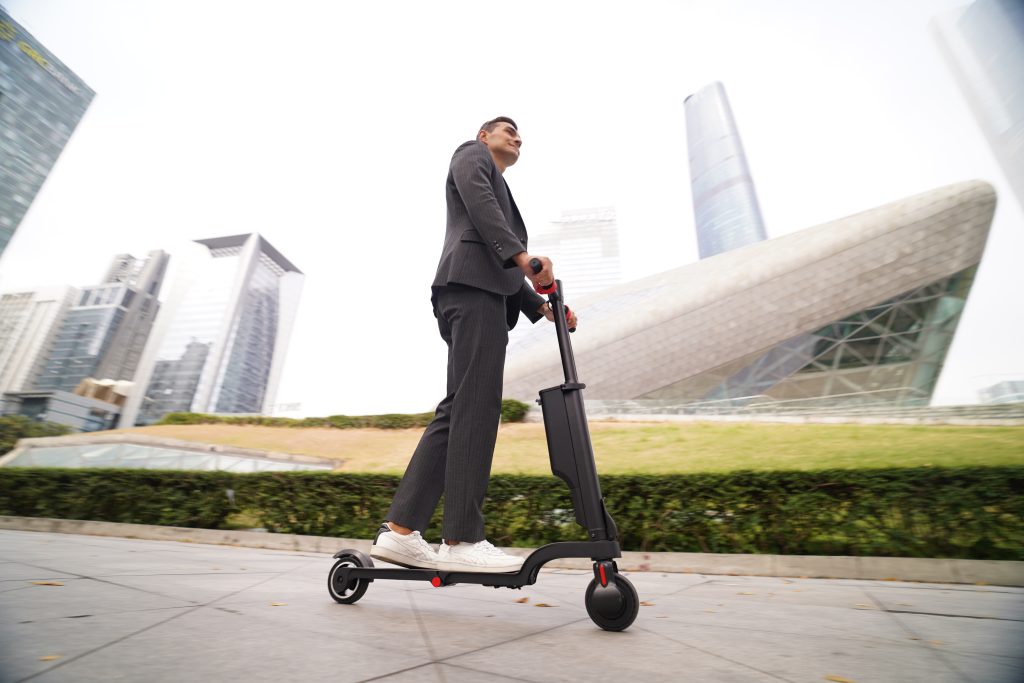
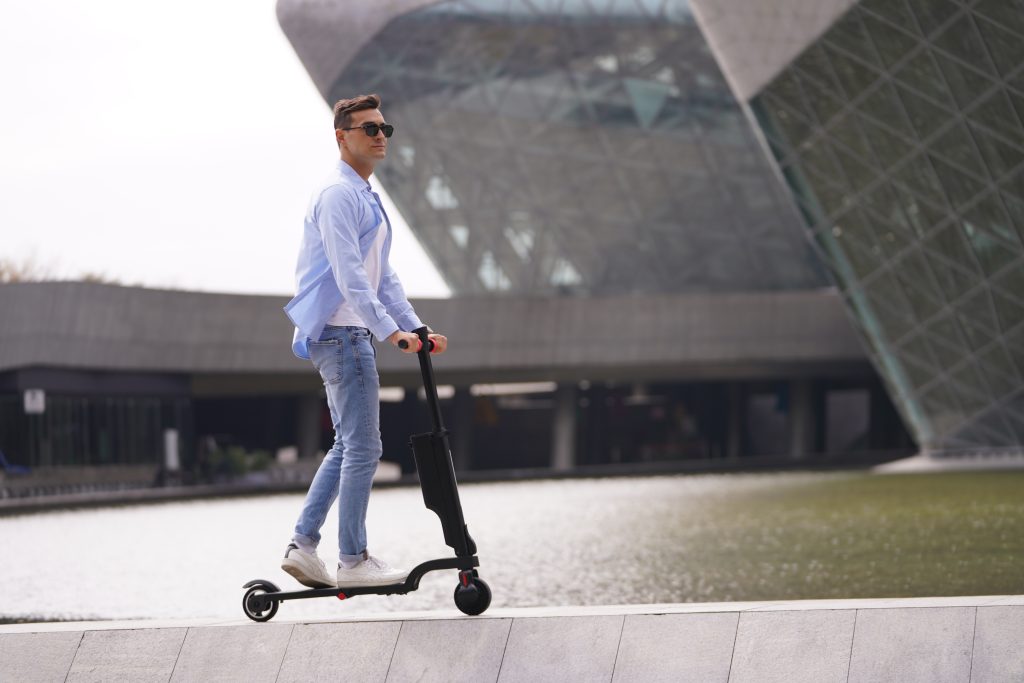
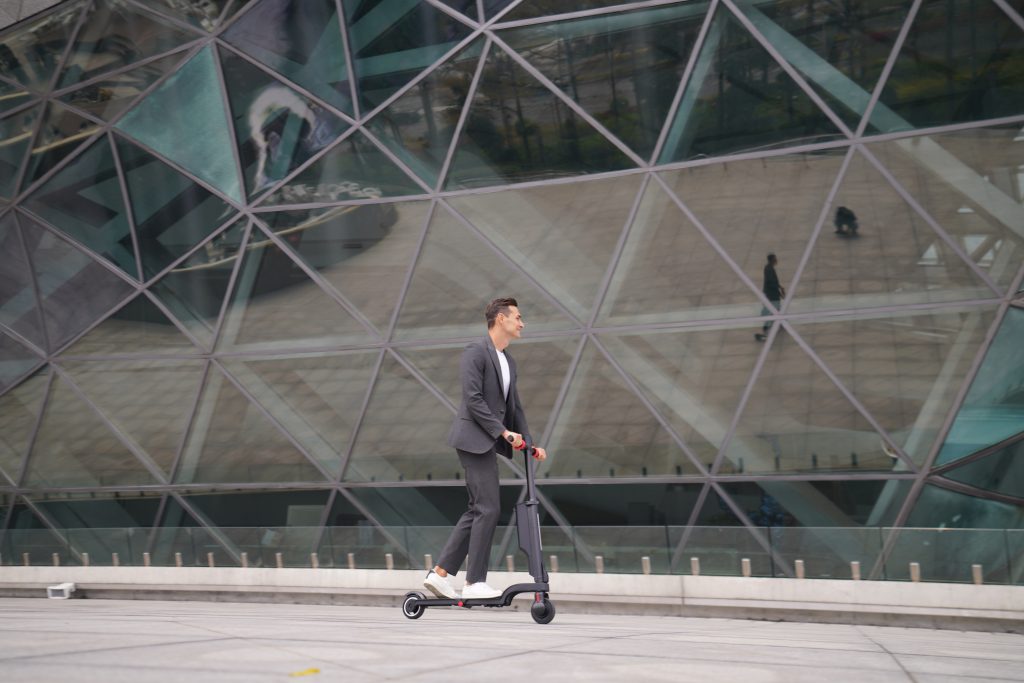
Picture this: you’re halfway to work when your electric scooter suddenly loses power. The battery indicator shows empty, and you’re stranded. This scenario happens to thousands of riders daily, leaving them wondering if their expensive scooter just became a paperweight. The good news? Most electric scooters can function manually, giving you a backup option when technology fails. Yes, electric scooters can be used manually when the battery dies. You can push or kick-propel most models like a traditional scooter, though the experience differs significantly from powered operation. The weight, wheel resistance, and design features affect how easily you can operate the scooter without electric assistance. But there’s more to manual operation than just pushing forward… 1. What Happens When Your Electric Scooter Battery Dies? When your electric scooter battery depletes, several immediate changes occur. The motor stops providing assistance, and you’ll notice increased resistance when trying to move forward. The display screen typically goes dark, and any electronic features like lights or horn stop working. Here’s why it matters: Understanding these changes helps you prepare for manual operation. Most riders experience a sudden shift in handling characteristics when the power cuts out. The scooter becomes noticeably heavier to maneuver, and acceleration requires physical effort rather than throttle control. Battery depletion signs include reduced speed, flickering display, and warning indicators. Smart riders monitor these signals to avoid being caught off-guard. Some models provide low-battery alerts, giving you time to find a charging station or prepare for manual operation. Battery Level Performance Impact Manual Readiness 100-50% Full power available No preparation needed 50-20% Reduced top speed Monitor battery closely 20-5% Limited acceleration Prepare for manual mode Below 5% Power cuts intermittently Switch to manual operation Safety becomes a primary concern when transitioning to manual mode. The sudden loss of power can affect your balance, especially if you’re traveling at higher speeds. Electronic brakes may still function temporarily, but mechanical brakes become your primary stopping method. Emergency situations requiring manual operation include battery failure, motor malfunction, or electrical system problems. Weather conditions like extreme cold can also drain batteries faster than expected, forcing riders into manual mode unexpectedly. 2. How Do Electric Scooters Function in Manual Mode? Electric scooters transform into kick scooters when operated manually. The basic mechanics remain the same: you push with one foot while balancing on the deck with the other. However, the added weight and different wheel characteristics create a unique riding experience. The best part? Most electric scooters are designed with manual operation in mind. Manufacturers understand that batteries fail, so they engineer their products to remain functional without power. The wheels can rotate freely when the motor isn’t engaged, allowing for smooth manual propulsion. Weight distribution plays a crucial role in manual operation. Electric scooters typically weigh between 15-35 pounds, compared to 5-10 pounds for traditional kick scooters. This extra weight comes from the battery, motor, and electronic components. The weight affects how much effort you need to push and how the scooter handles during turns. Wheel resistance varies between models. Some electric scooters have motors that create drag even when not powered, while others allow completely free wheel rotation. Hub motors generally create more resistance than chain-driven systems when operating manually. Component Impact on Manual Use Difficulty Level Hub motor High resistance Moderate to difficult Chain drive Low resistance Easy to moderate Belt drive Medium resistance Moderate Direct drive Variable resistance Easy to difficult The brake system functionality changes significantly without power. Electronic brakes become non-functional, leaving you with mechanical disc or drum brakes. These typically operate through hand levers and remain fully functional during manual operation. Folding mechanisms continue to work normally without power. This feature becomes particularly valuable when you need to carry the scooter or store it during manual operation. The ability to fold and carry your scooter provides flexibility when manual riding becomes too difficult. 3. Which Electric Scooter Models Support Manual Use? Not all electric scooters are created equal when it comes to manual operation. Lightweight, foldable models generally perform better without power than heavy, high-performance scooters. The design philosophy behind each model affects its manual usability. Now, you might be wondering: which specific features make a scooter better for manual use? Weight is the primary factor, followed by wheel size, motor type, and overall build quality. Scooters under 25 pounds typically offer the best manual experience. Foldable designs provide significant advantages for manual operation. When pushing becomes too difficult, you can fold the scooter and carry it. Models with quick-fold mechanisms are particularly user-friendly in this regard. The folding feature also helps with public transportation and storage. Popular models known for good manual operation include lightweight commuter scooters. These typically feature smaller batteries and motors, reducing overall weight. The trade-off is shorter range and lower top speeds, but better manual functionality. Scooter Type Weight Range Manual Difficulty Best Use Case Lightweight commuter 15-25 lbs Easy Daily commuting Mid-range performance 25-35 lbs Moderate Weekend rides Heavy-duty off-road 35-50+ lbs Difficult Specialized use only Ultra-portable 10-20 lbs Very easy Last-mile transport Wheel size affects manual operation significantly. Larger wheels (8-10 inches) roll more easily over obstacles and maintain momentum better than smaller wheels (6-8 inches). However, larger wheels also add weight to the overall scooter. Terrain compatibility becomes more important during manual operation. Scooters designed for smooth pavement may struggle on rough surfaces when operated manually. The lack of motor assistance makes it harder to overcome obstacles and uneven terrain. Brand comparisons reveal interesting differences in manual operation philosophy. Some manufacturers prioritize lightweight designs that work well manually, while others focus on maximum electric performance at the expense of manual usability. 4. What Are the Limitations of Manual Electric Scooter Operation? Manual operation of electric scooters comes with significant limitations that riders must understand. The most obvious limitation is the increased physical effort required. What once felt effortless with electric assistance now demands continuous leg work and energy expenditure. But here’s the thing: the limitations go beyond just physical effort. […]
Can Electric Scooters Work Without Battery Power? Manual Mode Explained Read More »